Sundaresan Jayaraman

Sundaresan Jayaraman
sundaresan.jayaraman@mse.gatech.edu
MSE Profile Page

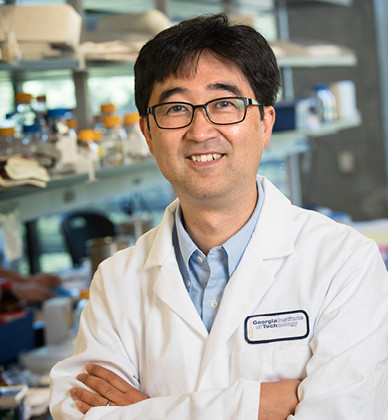
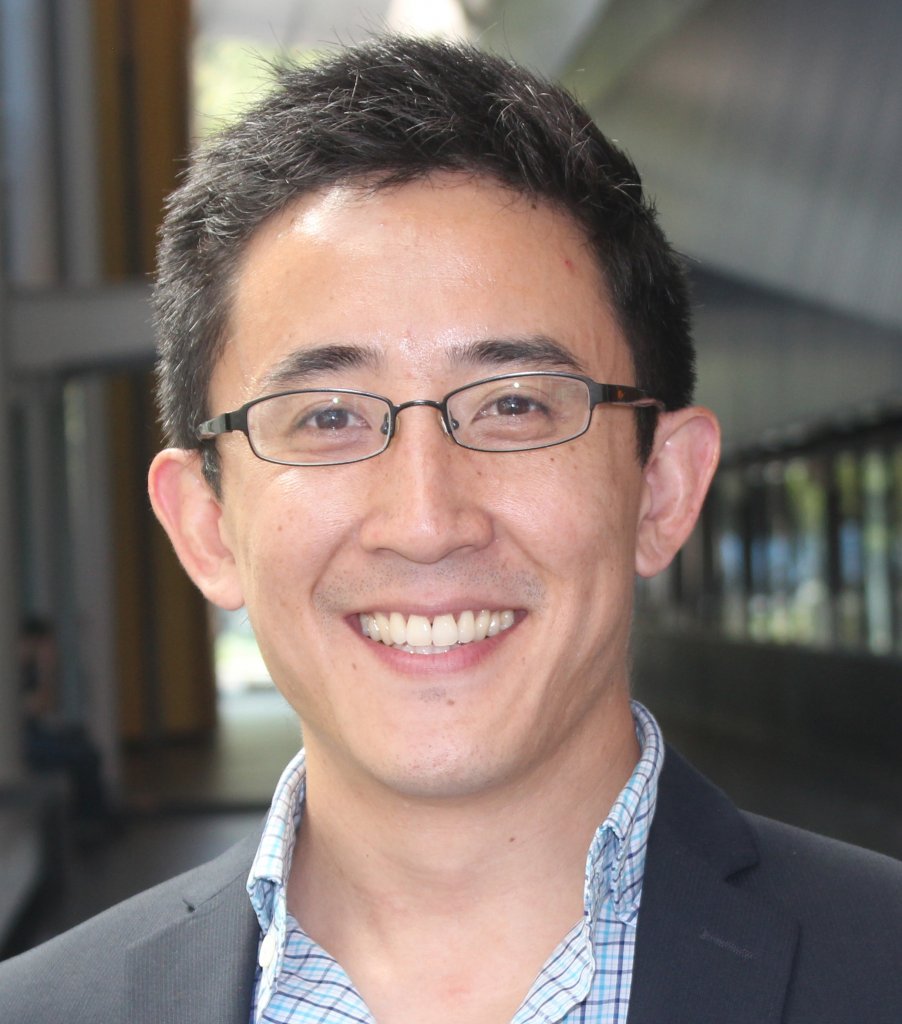
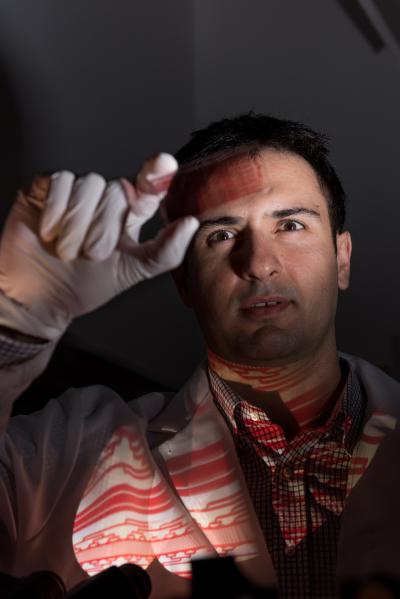
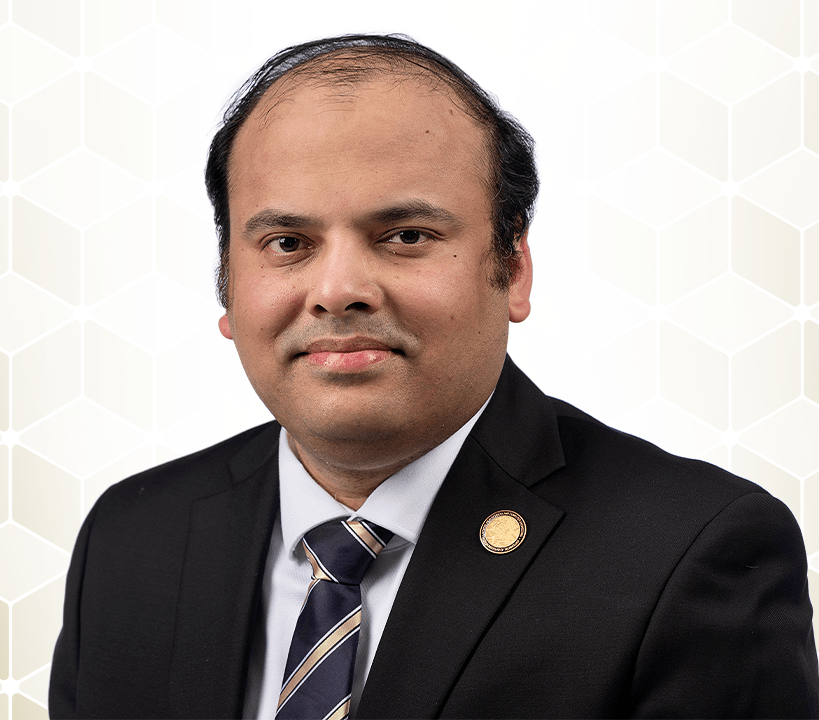
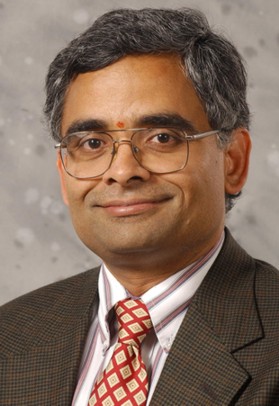
Sundaresan Jayaraman is a professor in the School of Materials Science and Engineering at the Georgia Institute of Technology. He is also the Founding Director of the Kolon Center for Lifestyle Innovation established at Georgia Tech in October 2016. A pioneer in bringing about convergence between textiles and computing, Jayaraman’s research has led to the paradigm of “Fabric is the Computer.” He is a leader in studying and defining the roles of engineering design, manufacturing and materials technologies in public policy for the nation. 

Jayaraman and his research students have made significant contributions in the following areas: (i) Smart Textile-based Wearable Systems; (ii) Computer-aided Manufacturing, Automation and Enterprise Architecture Modeling; (iii) Engineering Design and Analysis of Intelligent Textile Structures and Processes; (iv) Design and Development of Knowledge Based Systems (KBS) for textiles and apparel; and (v) Design and Development of Respiratory Protection Systems. His group's research has led to the realization of the world's first Wearable Motherboard™, also known as the “Smart Shirt” (www.smartshirt.gatech.edu). This invention was featured in a Special Issue of LIFE Magazine entitled Medical Miracles for the New Millennium (Fall 1998) as One of the 21 Breakthroughs that Could Change Your Life in the 21st Century. The first Smart Shirt is now part of the Archives of the Smithsonian Museum in Washington, DC. 

Prior to Georgia Tech, Jayaraman had the privilege of working with Dan Bricklin and Bob Frankston, the Co-Creators of the world’s first spreadsheet – VisiCalc®. VisiCalc was the first “killer app” that transformed the computing industry by bringing computing to the masses through the proliferation of personal computers. During his PhD, he was involved in the design and development of TK!Solver, the world’s first equation-solving program from Software Arts, Inc., Cambridge, MA. He worked there as a Product Manager and then at Lotus Development Corporation (makers of 1-2-3®) in Cambridge, MA. 

Jayaraman is a recipient of the 1989 Presidential Young Investigator Award from NSF for his research in the area of computer aided manufacturing and enterprise architecture. In September 1994, he was elected a Fellow of the Textile Institute, (UK). His publications include a textbook on computer-aided problem solving published by McGraw-Hill in 1991, ten U.S. patents, and numerous refereed journal papers, and book chapters. As Principal Investigator, he has received nearly $16Million in research funding from a variety of sources including NSF, DARPA, DoD, NIST, CDC, and industry. Dr. Jayaraman served as Technical Editor, Information Technology, for ATI Magazine (now Textile World) from 1995-2003. From May 2000 to October 2004, he was an Editor of the Journal of the Textile Institute and is currently on the Editorial Advisory Board.

Jayaraman is a founding member of the IOM Standing Committee on Personal Protective Equipment in the Workplace (2005-2013). From December 2008 to February 2011, he served on the Board on Manufacturing and Engineering Design of the National Academies. In February 2011, he became a founding member of the National Materials and Manufacturing Board of the National Academies. He has also served on nine Study Committees for the National Academy of Medicine (formerly Institute of Medicine) and the National Research Council of the National Academies. He is also a founding member of the IEEE Technical Committee on Biomedical Wearable Systems (2004 –2008). In October 2000, Jayaraman received the Georgia Technology Research Leader Award from the State of Georgia. He received The 2018 Textile Institute Research Publication Award for the most outstanding paper published in 2018 in the Journal of the Textile Institute. In December 2019, he received the Inaugural Distinguished Alumni Award from A.C. College of Technology, Chennai, India.

Professor, School of Materials Science and Engineering
Phone
404.894.2461
Office
MRDC 4411
Additional Research

Biomedical Devices; wearable devices; smart textiles; Innovation; Industrial Engineering

Google Scholar
https://scholar.google.com/citations?hl=en&user=CBhd_qQAAAAJ&view_op=list_works&sortby=pubdate
Kolon Center for Lifestyle Innovation
Sundaresan
Jayaraman
Show Regular Profile

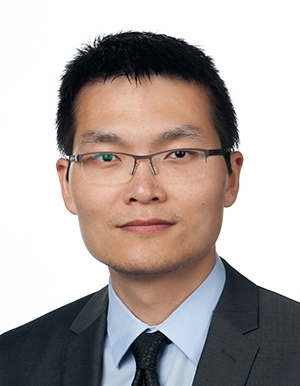
Christopher E. Carr

Christopher E. Carr
cecarr@gatech.edu
Lab Website

Christopher E. Carr is an engineer/scientist with training in aero/astro, electrical engineering, medical physics, and molecular biology. At Georgia Tech he is an Assistant Professor in the Daniel Guggenheim School of Aerospace Engineering with a secondary appointment in the School of Earth and Atmospheric Sciences. He is a member of the Space Systems Design Lab (SSDL) and runs the Planetary eXploration Lab (PXL). He serves as the Principal Investigator (PI) or Science PI for several life detection instrument and/or astrobiology/space biology projects, and is broadly interested in searching for and expanding the presence of life beyond Earth while enabling a sustainable human future. He previously served as a Research Scientist at MIT in the Department of Earth, Atmospheric and Planetary Sciences and a Research Fellow at the Massachusetts General Hospital in the Department of Molecular Biology. He serves as a Scott M. Johnson Fellow in the U.S. Japan Leadership Program.

Assistant Professor
School of Aerospace Engineering
School of Earth and Atmospheric Sciences
Phone
617-216-5012
Office
ESM 107B
Christopher E.
Carr
E.
Show Regular Profile

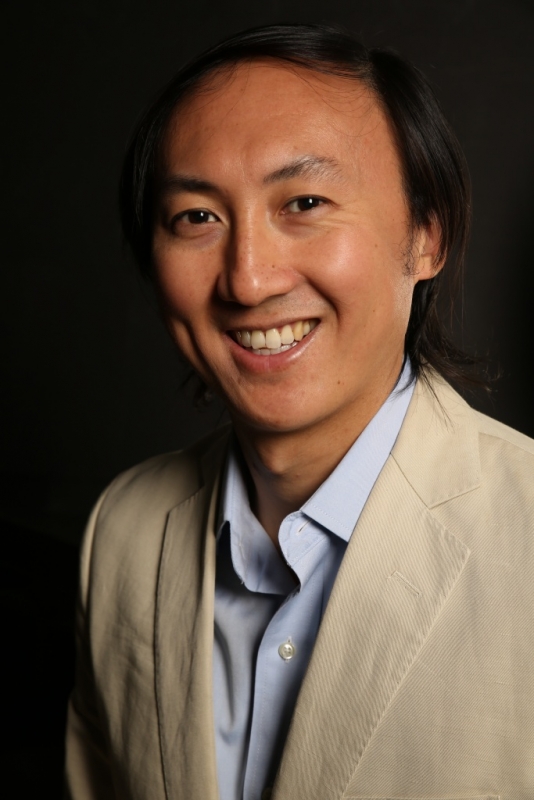
Shuichi Takayama

Shuichi Takayama
takayama@gatech.edu
Takayama lab

Shu Takayama earned his BS and MS in Agricultural Chemistry at the University of Tokyo. He earned a Ph.D. in Chemistry at The Scripps Research Institute in La Jolla, California studying bio-organic synthesis with Dr. Chi‐Huey Wong. He then worked as a postdoc with Dr. George Whitesides at Harvard University where he focused on applying microfluidics to studying cell and molecular biology.

Takayama began his career at the University of Michigan, where led his lab in the Department of Biomedical Engineering and Macromolecular Science & Engineering for over 17 years. In 2017, the lab moved to Georgia Tech where Shu became the Georgia Research Alliance Price Gilbert Chair Professor of Biomedical Engineering in the Wallace H. Coulter Department of Biomedical Engineering.

Takayama’s research interests are diverse and motivated by clinical and biotechnology needs. He is always interested in hearing from stakeholders in these areas who are seeking engineering collaboration.

Professor, Wallace H. Coulter Department of Biomedical Engineering
GRA Eminent Scholar, Wallace H. Coulter Department of Biomedical Engineering
Price Gilbert, Jr. Chair in Regenerative Engineering andMedicine
Phone
404.385.5722
Office
EBB 4018
Additional Research

Use of micro/nanofluidics for cell analysis; diagnostics; and chromatin analysis; High throughput 3D cell cultures; Organs-on-a-chip construction and design; Role of rhythm in cell signaling; Self-switching fluidic circuits; Fracture fabrication

Google Scholar
https://scholar.google.com/citations?hl=en&user=IkhTUu4AAAAJ&view_op=list_works&sortby=pubdate
LinkedIn BME Profile Page
Shuichi
Takayama
Show Regular Profile

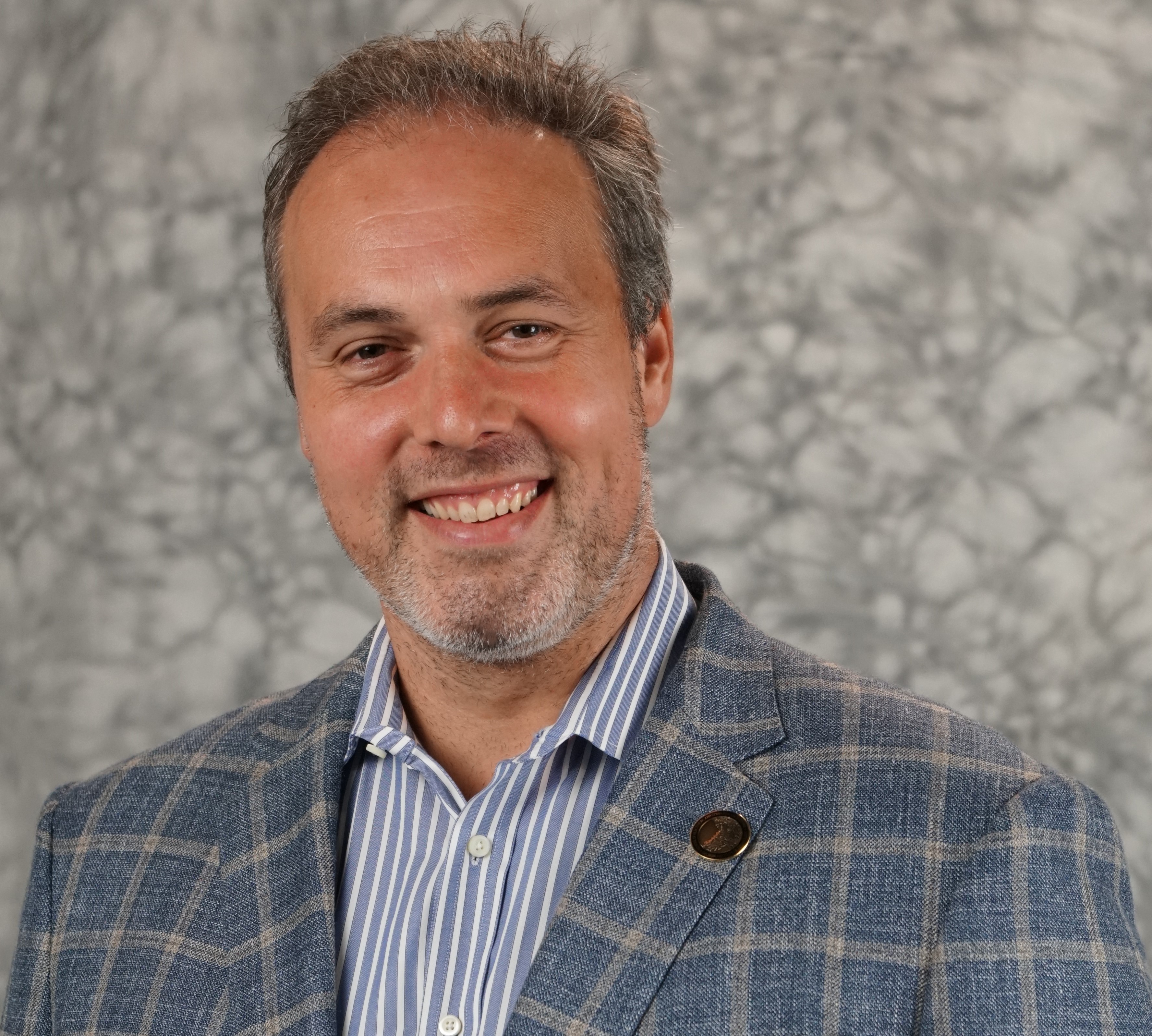
Gabe Kwong

Gabe Kwong
gkwong@gatech.edu
Website

Dr. Gabe Kwong is a Professor in the Wallace H. Coulter Department of Biomedical Engineering at the Georgia Tech School of Engineering and Emory School of Medicine. His research program is conducted at the interface of the life sciences, medicine and engineering where a central focus is understanding how to harness the sophisticated defense mechanisms of immune cells to eradicate disease and provide protective immunity. Kwong has pioneered numerous biomedical technologies and published in leading scientific journals such as Nature Biotechnology and Nature Medicine. His work has been profiled broadly including coverage in The Economist, NPR, BBC, and WGBH-2, Boston 's PBS station. Professor Kwong earned his B.S. in Bioengineering with Highest Honors from the University of California, Berkeley and his Ph.D. in Bioengineering from California Institute of Technology with Professor James R. Heath. He conducted postdoctoral studies at Massachusetts Institute of Technology with Professor Sangeeta N. Bhatia. For his work, Dr. Kwong has been awarded the NIH Ruth L. Kirschstein National Research Service Award, named a "Future Leader in Cancer Research and Translational Medicine" by the Massachusetts General Hospital, and awarded the Burroughs Wellcome Fund Career Award at the Scientific Interface, a distinction given to the 10 most innovative bioengineers in the nation. Dr. Kwong holds seven issued or pending patents in cancer nanotechnology.

Professor
Director, Laboratory for Synthetic Immunity
Phone
404-385-3746
Office
Marcus Nanotechnology 3132
Additional Research

Human health has been transformed by our collective capacity to engineer immunity — from the pivotal development of the smallpox vaccine to the curative potential of recent cancer immunotherapies. These examples motivate our research program that is conducted at the interface of Engineering and Immunology, and where we develop biomedical technologies and applications that shape a diverse array of immunological systems.The questions that are central to our exploration include: How do we begin to study an individual's repertoire of well over one billion immune cells when current technologies only allow us to study a handful of cells at a time? What are the biomarkers of immunological health as the body responds to disease and ageing, and how may these indicators trigger clinical decisions? And how can we genetically rewire immune cells to provide them with entirely new functions to better fight complex diseases such as cancer?To aid in our studies, we use high-throughput technologies such as next-generation sequencing and quantitative mass spectrometry, and pioneer the development of micro- and nanotechnologies in order to achieve our goals. We focus on clinical problems in cancer, infectious diseases and autoimmunity, and ultimately strive to translate key findings into therapies for patients.

Google Scholar
https://scholar.google.com/citations?user=VAbRCjIAAAAJ&hl=en
LinkedIn Related Site
Gabe
Kwong
A.
Show Regular Profile

A. Fatih Sarioglu

A. Fatih Sarioglu
sarioglu@gatech.edu
Biomedical Microsystems Lab

A. Fatih Sarioglu received the B.Sc. degree from Bilkent University, Ankara, Turkey in 2003, and the M.S. and Ph.D. degrees from Stanford University in 2005 and 2010, respectively, all in Electrical Engineering.

Sarioglu worked as a postdoctoral research associate at the Center for Nanoscale Science and Engineering at Stanford University from 2010 to 2012. From 2012-2014, he was a research fellow at the Center for Engineering in Medicine, Massachusetts General Hospital and Harvard Medical School. In October 2014, he joined the School of Electrical and Computer Engineering at the Georgia Institute of Technology as an assistant professor.

Sarioglu's research interests are at the interface of nano-/micro-engineering and biomedicine. He is particularly interested in developing N/MEMS-based technologies for biomedical applications.

Professor, School of Electrical and Computer Engineering
Phone
404.894.5032
Office
Pettit/MiRC 217
Additional Research

Nano- and Micro-systems for bio-molecular sensing and imagingMicrofluidic devices for cell sorting and disease detectionHigh-throughput bio-analytical instrumentation for cellular and molecular characterizationIntegrated platforms for point-of care diagnosticsImplantable medical devices for minimally-invasive health monitoring

Google Scholar
https://scholar.google.com/scholar?hl=en&q=Ali+Fatih+Sarioglu&btnG=&as_sdt=1,11&as_sdtp=
LinkedIn ECE Profile Page
A. Fatih
Sarioglu
Show Regular Profile

Arijit Raychowdhury

Arijit Raychowdhury
arijit.raychowdhury@ece.gatech.edu
ECE Profile Page

Arijit Raychowdhury is currently an Professor in the School of Electrical and Computer Engineering at the Georgia Institute of Technology where he joined in January, 2013. He received his Ph.D. degree in Electrical and Computer Engineering from Purdue University (2007) and his B.E. in Electrical and Telecommunication Engineering from Jadavpur University, India (2001). His industry experience includes five years as a Staff Scientist in the Circuits Research Lab, Intel Corporation, and a year as an Analog Circuit Designer with Texas Instruments Inc. His research interests include low power digital and mixed-signal circuit design, design of power converters, sensors and exploring interactions of circuits with device technologies. Raychowdhury holds more than 25 U.S. and international patents and has published over 80 articles in journals and refereed conferences. He serves on the Technical Program Committees of DAC, ICCAD, VLSI Conference, and ISQED and has been a guest associate-editor for JETC. He has also taught many short courses and invited tutorials at multiple conferences, workshops and universities. He is the winner of the Intel Labs Technical Contribution Award, 2011; Dimitris N. Chorafas Award for outstanding doctoral research, 2007; the Best Thesis Award, College of Engineering, Purdue University, 2007; Best Paper Awards at the International Symposium on Low Power Electronic Design (ISLPED) 2012, 2006; IEEE Nanotechnology Conference, 2003; SRC Technical Excellence Award, 2005; Intel Foundation Fellowship, 2006; NASA INAC Fellowship, 2004; M.P. Birla Smarak Kosh (SOUTH POINT) Award for Higher Studies, 2002; and the Meissner Fellowship 2002. Raychowdhury is a Senior Member of the IEEE

Chair, School of Electrical and Computer Engineering
ON Semiconductor Professor, School of Electrical and Computer Engineering
Phone
404.894.1789
Office
Klaus 2362
Additional Research

Design of low power digital circuits with emphasis on adaptability and resiliencyDesign of voltage regulators, adaptive clocking, and power managementDevice-circuit interactions for logic and storageAlternative compute architectures

Google Scholar
https://scholar.google.com/citations?hl=en&user=Uug6p-AAAAAJ&view_op=list_works&sortby=pubdate
LinkedIn Integrated Circuits & Systems Research Lab
Arijit
Raychowdhury
Show Regular Profile

Nian Liu

Nian Liu
nliu82@mail.gatech.edu
Website

Nian Liu began as an Assistant Professor at Georgia Institute of Technology, School of Chemical and Biomolecular Engineering in January 2017. He received his B.S. in 2009 from Fudan University (China), and Ph.D. in 2014 from Stanford University, where he worked with Prof. Yi Cui on the structure design for Si anodes for high-energy Li-ion batteries. In 2014-2016, he worked with Prof. Steven Chu at Stanford University as a postdoc, where he developed in situ optical microscopy to probe beam-sensitive battery reactions. Dr. Liu 's lab at Georgia Tech is broadly interested in the combination of nanomaterials, electrochemistry, and light microscopy for understanding and addressing the global energy challenges. Dr. Liu is the recipient of the Electrochemical Society (ECS) Daniel Cubicciotti Award (2014) and American Chemical Society (ACS) Division of Inorganic Chemistry Young Investigator Award (2015).

Assistant Professor, School of Chemical and Biomolecular Engineering
Phone
404-894-5103
Office
ES&T 1230
Additional Research

Electronic Systems; Packaging and Components; Nanostructures & Materials; Optoelectronics Photonics & Phononics; Semiconductors; Materials & Processes

Google Scholar
https://scholar.google.com/citations?user=nvMAHY8AAAAJ&hl=en
LinkedIn Related Site
Nian
Liu
Show Regular Profile

David Hu

David Hu
hu@me.gatech.edu
HU Laboratory for Biolocomotion

David Hu is a fluid dynamicist with expertise in the mechanics of interfaces between fluids such as air and water. He is a leading researcher in the biomechanics of animal locomotion. The study of flying, swimming and running dates back hundreds of years, and has since been shown to be an enduring and rich subject, linking areas as diverse as mechanical engineering, mathematics and neuroscience. Hu's work in this area has the potential to impact robotics research. Before robots can interact with humans, aid in minimally-invasive surgery, perform interplanetary exploration or lead search-and-rescue operations, we will need a fundamental physical understanding of how related tasks are accomplished in their biological counterparts. Hu's work in these areas has generated broad interest across the fields of engineering, biology and robotics, resulting in over 30 publications, including a number in high-impact interdisciplinary journals such as Nature, Nature Materials, Proceedings of the National Academy of Sciences as well as popular journals such as Physics Today and American Scientist. Hu is on editorial board member for Nature Scientific Reports, The Journal of Experimental Biology, and NYU Abu Dhabi's Center for Center for Creative Design of Materials. He has won the NSF CAREER award, Lockheed Inspirational Young Faculty award, and best paper awards from SAIC, Sigma Xi, ASME, as well as awards for science education such as the Pineapple Science Prize and the Ig Nobel Prize. Over the years, Hu's research has also played a role in educating the public in science and engineering. He has been an invited guest on numerous television and radio shows to discuss his research, including Good Morning America, National Public Radio, The Weather Channel, and Discovery Channel. His ant research was featured on the cover of the Washington Post in 2011. His work has also been featured in The Economist, The New York Times, National Geographic, Popular Science and Discover His laboratory appeared on 3D TV as part of a nature documentary by 3DigitalVision, "Fire ants: the invincible army," available on Netflix.

Professor, George W. Woodruff School of Mechanical Engineering
Professor, School of Biology
Director, Hu Lab for Biolocomotion
Phone
404.894.0573
Office
LOVE 124
Additional Research

Fluid Mechanics: Fluid dynamics, solid mechanics, biomechanics, animal locomotion, and physical applied mathematics. Dr. David Hu's research focuses on fundamental problems of hydrodynamics and elasticity that have bearing on problems in biology. He is interested in the dynamics of interfaces, specifically those associated with fluid-solid and solid-solid interactions. The techniques used in his work include theory, computation, and experiment. He is also interested in pursuing biomimetic technologies based on nature's designs.

Google Scholar
https://scholar.google.com/citations?hl=en&user=pydtIvYAAAAJ&view_op=list_works&sortby=pubdate
ME Profile Page
David
Hu
L.
Show Regular Profile

Peter Hesketh

Peter Hesketh
peter.hesketh@me.gatech.edu
ME Profile Page

Peter Hesketh came to Georgia Tech in spring 2000 as a professor in the George W. Woodruff School of Mechanical Engineering. Prior, he was associate professor at the University of Illinois at Chicago. Hesketh's research interests involve sensors and micro/nano-electro-mechanical Systems (MEMS/NEMS). Many sensors are built by micro/nanofabrication techniques and this provides a host of advantages including lower power consumption, small size and light weight. The issue of manipulation of the sample in addition to introduce it to the chemical sensor array is often achieved with microfluidics technology. Combining photolithographic processes to define three-dimensional structures can accomplish the necessary fluid handling, mixing, and separation through chromatography. Hesketh is also interested in nanosensors, impedance based sensors, miniature magnetic actuators and the use of stereolithography for sensor packaging. He has published over sixty papers and edited fifteen books on microsensor systems.

Professor, Woodruff School of Mechanical Engineering
Phone
404.894.8496
Office
Love 317
Additional Research

Microfabrication; micromachining; sensors and actuators; biosensors; "Dr. Hesketh's research interests are in Sensors and Micro/Nano-electro-mechanical Systems (MEMS/NEMS).Many sensors are built by micro/nanofabrication techniques and this provides a host of advantages including lower power consumption, small size and light weight.The issue of manipulation of the sample in addition to introduce it to the chemical sensor array is often achieved with microfluidics technology.Combining photolithographic processes to define three-dimensional structures can accomplish the necessary fluid handling, mixing, and separation through chromatography.For example, demonstration of miniature gas chromatographyand liquid chromatography with micromachined separation columns demonstrates how miniaturization of chemical analytical methods reduces the separation time so that it is short enough, to consider the measurementequivalentto ""read-time"" sensing. A second focus area is biosensing. Professor Hesketh has worked on a number of biomedical sensors projects, including microdialysis for subcutaneous sampling, glucose sensors, and DNA sensors. Magnetic beads are being investigated as a means to transport and concentrate a target at a biosensor interface in a microfluidic format, in collaboration with scientists at the CDC. His research interests also include nanosensors, nanowire assembly by dielectrophoresis; impedance based sensors, miniature magnetic actuators; use of stereolithography for sensor packaging. He has published over sixty papers and edited fifteen books on microsensor systems."

Google Scholar
https://scholar.google.com/citations?hl=en&user=H41QBFQAAAAJ&view_op=list_works&sortby=pubdate
Peter
Hesketh
J.
Show Regular Profile

Omer Inan

Omer Inan
omer.inan@ece.gatech.edu
INAN RESEARCH LAB

Omer T. Inan received his B.S., M.S., and Ph.D. degrees in Electrical Engineering from Stanford University in 2004, 2005, and 2009, respectively.

He worked at ALZA Corporation in 2006 in the Drug Device Research and Development Group. From 2007-2013, he was chief engineer at Countryman Associates, Inc., designing and developing several high-end professional audio products. From 2009-2013, he was a visiting scholar in the Department of Electrical Engineering at Stanford. In 2013, he joined the School of ECE at Georgia Tech as an assistant professor.

Inan is generally interested in designing clinically relevant medical devices and systems, and translating them from the lab to patient care applications. One strong focus of his research is in developing new technologies for monitoring chronic diseases at home, such as heart failure.

He and his wife were both varsity athletes at Stanford, competing in the discus and javelin throw events respectively.

Professor, School of Electrical and Computer Engineering
Linda J. and Mark C. Smith Chair, School of Electrical and Computer Engineering
Phone
404.385.1724
Office
TSRB 417
Additional Research

Medical devices for clinically-relevant applicationsNon-invasive physiological monitoringHome monitoring of chronic diseaseCardiomechanical signalsMedical instrumentation

Google Scholar
https://scholar.google.com/citations?hl=en&user=CURXz5UAAAAJ&view_op=list_works&sortby=pubdate
LinkedIn ECE Profile Page
Omer
Inan
T.
Show Regular Profile