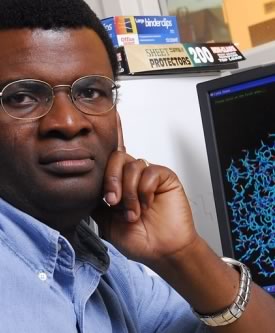
Raquel Lieberman

Raquel Lieberman
raquel.lieberman@chemistry.gatech.edu
Website

Raquel Lieberman is the Sepcic-Pfeil Professor of Chemistry & Biochemistry at Georgia Tech. Her research program focuses on biophysical and structural characterization of proteins and the impact of disease-associated mutations on function or dysfunction (e.g. aggregation). Rooted in basic research, the long-term goal of her research program is to convert mechanistic discoveries into disease-modifying therapies.

A major research project in her lab is investigations of glaucoma-associated herocilin, which has been funded by NIH since March 2011. Her lab has made major strides toward detailed molecular understanding of herocilin structure, function, and disease pathogenesis. They have divulged similarities between herocilin-associated glaucoma and other protein misfolding disorders, particularly aherloid diseases. Cumulatively, their work is leading to the first disease-modifying glaucoma therapeutic.

Lieberman also has a track record in membrane enzymes dating back to her thesis work where she solved the first crystal structure of the copper-dependent particulate methane monooxygenase. During her postdoc she shifted focus to intramembrane aspartyl proteases (IAPs), particularly those involved in neurodegenerative disease like Alzheimer’s disease. In her independent lab she developed new proteomics-based assays to measure IAP proteolysis. The lab also collaborates with physicists at Oak Ridge National Labs to use neutron scattering to probe structure and lipids in solution. This work has been funded by NSF and NIH.

She serves on the Executive Council of the Protein Society and as an academic editor for PLoS Biology. She also serves as co-PI of the Department of Education GAANN program in Biochemistry & Biophysics at Georgia Tech and on the advisory committees in a variety of capacities.

Professor
Phone
404-385-3663
Office
Petit Biotechnology Building, Office 1308
Additional Research
The Lieberman research group focuses on biophysical and structural characterization of proteins involved in misfolding disorders. One major research project in the lab has been investigations of the glaucoma-associated myocilin protein. The lab has made major strides toward detailed molecular understanding of myocilin structure, function, and disease pathogenesis. Our research has clearly demonstrated similarities between myocilin glaucoma and other protein misfolding disorders, particularly amyloid diseases. The work has led to new efforts aimed at amelioratingthe misfolding phenotype using chemical biology approaches. Our second project involves the study of membrane-spanning proteolytic enzymes, which have been implicated disorders such as Alzheimer disease. Our group is tackling questions surrounding discrimination among and presentation of transmembrane substrates as well as the enzymatic details of peptide hydrolysis. In addition to the biochemical characterization of intramembrane aspartyl proteases, our group is developing new crystallographic tools to improve the likelihood of determining structures of similarly challenging membrane proteins more generally.

Google Scholar
http://scholar.google.com/citations?user=qmtLr9kAAAAJ
LinkedIn Related Site
Raquel
Lieberman
L.
Show Regular Profile

Marcus Cicerone

Marcus Cicerone
cicerone@gatech.edu
Website

Marcus T Cicerone received his Ph.D. from the University of Wisconsin – Madison in 1994, under the direction of Mark Ediger. He spent three years at Johnson & Johnson Clinical Diagnostics, served as a visiting teaching professor at Brigham Young University for two years, and subsequently joined the National Institute of Standards and Technology in 2001, where he remained for 18 years, serving as a group leader and project leader. In January 2019 he joined the Georgia Institute of Technology as a Professor of Chemistry. 

Professor Cicerone is a fellow of American Physical Society, and has received several awards for his efforts in coherent Raman-based biological imaging and for his work in dynamics of liquids and amorphous solids. These include a Johnson & Johnson Director’s Research Award, two Department of Commerce Bronze metals, the 2015 Washington Academy of Sciences Physical & Biological Sciences Award, and the 2017 Arthur S. Flemming Award.

Professor
Phone
404-894-2761
Office
G026 MoSE
Additional Research
Professor Cicerone works on development and application of spectroscopic coherent Raman imaging approaches and on dynamics of amorphous condensed matter. In the coherent Raman imaging work, his group introduced broadband (spectroscopic) coherent anti-Stokes Raman scattering (BCARS) microscopy in 2004. Since then he and his group have remained at the forefront of this field, introducing improvements such as a time-domain Kramers-Kronig transform to deal with non-causal signals for retrieving the pure Raman spectrum directly from the raw BCARS signal. The results of that work and other instrument design innovations utilizing impulsive vibrational coherence generation resulted in recognition as one of the top 10 innovations in BioPhotonics for 2014. His group has logged many imaging firsts, including the first to obtain quantitative vibrational fingerprint spectra from mammalian cells using coherent Raman imaging, and the first to identify specific structural proteins from coherent Raman imaging.His work on dynamics of amorphous condensed matter focuses on the impact of picosecond timescale spatial and temporal heterogeneity in dynamics on transport and relaxation in liquids and glasses. In 2004, he used neutron scattering to show for the first time that chemical and physical stability of proteins encapsulated in glassy sugars could be predicted by the profile of ps-timescale dynamics. Since then, he has developed a framework for calculating transport and relaxation properties of liquids and glasses over 12 orders of magnitude in time, based solely on ps-timescale dynamics, and identified the molecular origin of a relaxation process (Johari-Goldstein process) that had been observed but remained enigmatic for 50 years. He has also developed benchtop approaches accessible to pharmaceutical labs for measuring the relevant dynamics, and developed a protein stability approach for drug delivery that encapsulates proteins in nanometer-sized droplets of vitrified sugar-based glass and makes them impervious to traditional processing steps, allowing retention of ~99% of protein function or titer after all processing steps. This approach has now been used successfully in large animal trials, and has also been shown to be effective for transdermal drug delivery due to the nanometer size of the encapsulation materials.
Google Scholar
https://scholar.google.com/citations?user=ioSFE_0AAAAJ&hl=en
Related Site
Marcus
Cicerone
T.
Show Regular Profile

Brooks Lindsey

Brooks Lindsey
brooks.lindsey@bme.gatech.edu
Website

Dr. Lindsey previously developed matrix array transducers, adaptive beamforming strategies, and interventional devices in Stephen Smith’s lab at Duke University, where he received a Ph.D. for his work in 3D transcranial ultrasound.  While at Duke, he was the recipient of a pre-doctoral fellowship from the National Institutes of Health (NIH) as part of the Duke Medical Imaging Training Program.  He also completed postdoctoral training in the labs of Paul Dayton and Xiaoning Jiang at the University of North Carolina and North Carolina State University in contrast-enhanced ultrasound imaging and in the design and fabrication of high frequency, interventional ultrasound transducers.  During this time, he was awarded the Ruth L. Kirschstein National Research Service Award from the NIH to develop endoscopic transducers for contrast-specific imaging in pancreatic cancer.  Dr. Lindsey recently joined the Wallace H. Coulter Department of Biomedical Engineering at Georgia Tech-Emory, where he leads the Ultrasonic Imaging and Instrumentation Laboratory.  Dr. Lindsey is an active member of the IEEE Ultrasonics, Ferroelectrics, and Frequency Control Society, the Biomedical Engineering Society and the American Institute of Ultrasound in Medicine and is a member of the Technical Program Committee for the IEEE International Ultrasonics Symposium.  In 2022, Dr. Lindsey received the New Investigator award from the American Institute of Ultrasound in Medicine. At Georgia Tech, Dr. Lindsey holds a primary appointment in Biomedical Engineering.  He is also a faculty member for the Interdisciplinary Bioengineering Graduate Program and holds an adjunct appointment in the School of Electrical and Computer Engineering. Lab members have received best paper, best poster, and best student pitch awards from the IEEE UFFC Society. Research activities in the lab are currently funded by the National Institutes of Health and the National Science Foundation.

Assistant Professor
Phone
404-385-6647
Office
UAW 2107
Additional Research
Dr. Lindsey is interested in developing new imaging technologies for understanding biological processes and for clinical use.In the Ultrasonic Imaging and Instrumentation lab, we develop transducers, contrast agents, and systems for ultrasound imaging and image-guidance of therapy and drug delivery. Our aim is to develop quantitative, functional imaging techniques to better understand the physiological processes underlying diseases, particularly cardiovascular diseases and tumor progression.
Related Site
Brooks
Lindsey
Show Regular Profile

Pamela Bhatti

Pamela Bhatti
pamela.bhatti@ece.gatech.edu

Dr. Pamela Bhatti is Professor and Associate Chair for Strategic Initiatives and Innovation at the School of Electrical and Computer Engineering, Georgia Tech. Her research is dedicated to overcoming sensory loss in human hearing through focused neural stimulation, and novel implantable sensors. Dr. Bhatti also conducts research in cardiac imaging to assess and monitor cardiovascular disease. She received her B.S. in Bioengineering from the University of California, Berkeley (1989), her M.S. in Electrical Engineering from the University of Washington (1993), and her Ph.D. in Electrical Engineering from the University of Michigan, Ann Arbor (2006). In 2013, she earned an M.S. in Clinical Research from Emory University, and co-founded a startup company (Camerad Technologies) based on her research in detecting wrong-patient errors in radiology. Dr. Bhatti is the IEEE Journal of Translational Engineering in Health and Medicine, Editor-in-Chief; and, in 2017, received the Georgia Tech Class of 1934 Outstanding Interdisciplinary Activities Award.

Assistant Professor
Phone
404-894-7467
Office
MiRC 225
Additional Research

Biomedical sensors and subsystems including bioMEMS Neural prostheses: cochlear and vestibular Vestibular rehabilitation

Google Scholar
https://scholar.google.com/scholar?q=PT+Bhatti&btnG=&hl=en&as_sdt=0,11
Related Site
Pamela
Bhatti
T.
Show Regular Profile

Adegboyega “Yomi” Oyelere

Adegboyega “Yomi” Oyelere
adegboyega.oyelere@chemistry.gatech.edu
Website

Dr. Adegboyega “Yomi” Oyelere has received PhD from Brown University in 1998. Currently, he works as an associate professor in the School of Chemistry and Biochemistry at the Georgia Institute of Technology.

Associate Professor
Phone
404-894-4047
Office
Petit Biotechnology Building, Office 3305
Additional Research
Bioorganic Chemistry, Biochemistry and Drug Design, RNA-Small Molecule Interaction, Targeted Histone Deacetylase (HDAC) Inhibition, Design and Synthesis of Novel Bioconjugates for Molecular Delivery Applications
Google Scholar
http://scholar.google.com/scholar?q=adegboyega+k+oyelere&hl=en&btnG=Search&as_sdt=80001&as_sdtp=on
Related Site
Adegboyega “Yomi” Oyelere
Oyelere
Show Regular Profile

Stanislav Emelianov

Stanislav Emelianov
stas@gatech.edu
Website

Dr. Stanislav Emelianov is a Joseph M. Pettit Endowed Chair, Georgia Research Alliance Eminent Scholar, and Professor of Electrical & Computer Engineering and Biomedical Engineering at the Georgia Institute of Technology. He is also appointed at the Emory University School of Medicine, where he is affiliated with Winship Cancer Institute, Department of Radiology, and other clinical units. Furthermore, Dr. Emelianov is Director of the Ultrasound Imaging and Therapeutics Research Laboratory at the Georgia Institute of Technology focused on the translation of diagnostic imaging & therapeutic instrumentation, and nanobiotechnology for clinical applications. 

Throughout his career, Dr. Emelianov has been devoted to the development of advanced imaging methods capable of detecting and diagnosing cancer and other pathologies, assisting treatment planning, and enhancing image-guided therapy and monitoring of the treatment outcome. He is specifically interested in intelligent biomedical imaging and sensing ranging from molecular imaging to small animal imaging to clinical applications. Furthermore, Dr. Emelianov develops approaches for image-guided molecular therapy and therapeutic applications of ultrasound and electromagnetic energy. Finally, nanobiotechnology plays a critical role in his research. In the course of his work, Dr. Emelianov has pioneered several ultrasound-based imaging techniques, including shear wave elasticity imaging and molecular photoacoustic imaging. Overall, projects in Dr. Emelianov's laboratory, which focuses on cancer and other diseases, range from molecular imaging to functional imaging and tissue differentiation, from drug delivery and release to image-guided surgery and intervention.

Joseph M. Pettit Chair
Georgia Research Alliance Eminent Scholar
Professor
Phone
404-385-0373
Office
MoSE 4100M
Additional Research
Diagnostic imaging and patient-specific image-guided therapeutics including cancer imaging and diagnosis. Emelianov's research interests are in the areas of intelligent diagnostic imaging and patient-specific image-guided therapeutics including cancer imaging and diagnosis, the detection and treatment of atherosclerosis, the development of imaging and therapeutic nanoagents, guided drug delivery and controlled release, simultaneous anatomical, functional, cellular and molecular imaging, multi-modal imaging, and image-guided therapy.
University, College, and School/Department
Google Scholar
https://scholar.google.com/citations?user=MYCK3VYAAAAJ&hl=en
Related Site
Stanislav
Emelianov
Show Regular Profile

Karl Jacob

Karl Jacob
karl.jacob@mse.gatech.edu

Karl I. Jacob, a professor of Materials Science and Engineering with a joint appointment in the G. W. Woodruff School of Mechanical Engineering, teaches graduate and undergraduate courses on polymer physics and engineering, rheology, and mechanics of polymeric materials. His graduate work was in the area of numerical analysis of vibrating three-dimensional structures. He came to Georgia Tech from DuPont Corporation in 1995. His initial work at the DuPont Dacron Research Laboratory was in the area of fiber-reinforced composite materials and in the development and modeling of fiber spinning processes. He then moved to the DuPont Central Research and Development Department, where he was involved in molecular modeling, computational chemistry, and diffusion.

Jacob is a member of the American Academy of Mechanics, the American Society of Mechanical Engineers, the Sigma Xi Research Society, and the Phi Kappa Phi Honor Society.

Professor, School of Materials Science and Engineering and School of Mechanical Engineering
Phone
404.894.2541
Office
MRDC-1 4509
Additional Research

"Dr. Jacob's research is directed at stress induced phase changes, nanoscale characterization of materials, synthesis of polymeric nanofibers, mechanical behavior of fiber assemblies (particularly related to biological systems and biomimitic systems), nanoparticle reinforced composites, transdermal drug delivery systems, large scale deformation of rubbery (networked) polymers, and nanoscale fracture of materials. The objectives in this work, using theoretical, computational and experimental techniques, is to understand the effect of micro- and nano- structures in the behavior of materials in order to try to design the micro/nano structures for specific materials response. Dr. Jacob plans are to continue current research interests with a multidisciplinary thrust with more emphasis in bio related areas and to start some work on the dynamic behavior of materials and structures. Graduate students could benefit from the interdisciplinary nature of the work combining classical continuum mechanics with nanoscale analysis for various applications, particularly in the nano and bio areas. Dr. Jacob has extensive experience in vibrations and stability of structures, mechanics of polymeric materials, behavior of fiber assemblies, stress-induced phase transformation, diffusion, and molecular modeling. His research involves the application of mechanics principles, both theoretical and experimental, in the analysis and design of materials for various applications.";Fibers; smart textiles; fuel cells; Polymeric composites

University, College, and School/Department
MSE Profile Page
Karl
Jacob
I.
Show Regular Profile

Seung Soon Jang

Seung Soon Jang
SeungSoon@mse.gatech.edu
MSE Profile Page

Seung Soon Jang joined the School of Materials Science and Engineering at the Georgia Institute of Technology in July 2007. Jang worked at Samsung Electronics and the Materials and Process Simulation Center (MSC) at CalTech performing various researches in nanoelectronics, fuel cell, and interfacial systems as a director of Supramolecular Technology for six years.

His research interest includes computations and theories to characterize and design nanoscale systems based on the molecular architecture-property relationship, which are especially relevant to molecular electronics, molecular machines, fuel cell technology and biotechnology.

Professor, School of Materials Science and Engineering
Director, Computational NanoBio Technology Lab
Phone
404.385.3356
Office
Love 351
Additional Research

Jang's research interest is to characterize and design nanoscale systems based on the molecular architecture-property relationship using computations and theories, which are especially relevant to designing new biomaterials for drug delivery and tissue engineering. Currently, he is focusing on 1) NanoBio-mechanics for DNA, lipid bilayer, and hydrogel systems; 2) Molecular interaction of Alzheimer proteins with various small molecules. Dr. Jang is also interested in various topics such as nanoelectronics, nanostructured energy technologies for fuel cell, battery and photovoltaic devices.;Computational mechanics; Nanostructured Materials; Polymeric composites; Biomaterials; Fuel Cells; Delivery and Storage

Google Scholar
https://scholar.google.com/citations?hl=en&user=SW0u-asAAAAJ&view_op=list_works&sortby=pubdate
Computational NanoBio Technology Lab
Seung Soon
Jang
Show Regular Profile

Yonggang Ke

Yonggang Ke
yonggang.ke@emory.edu
Ke Lab for Biomolecular Nanoengineering

Yonggang Ke's research is highly interdisciplinary combining chemistry, biology, physics, material science, and engineering. The overall mission of his research is to use interdisciplinary research tools to program nucleic-acid-based "beautiful structures and smart devices" at nanoscale, and use them for scientific exploration and technological applications. Specifically, his team focuses on (1) developing new DNA self-assembly paradigms for constructing DNA nanostructures with greater structural complexity, and with controllable sizes and shapes; (2) developing new imaging or drug delivery systems based on DNA nanostructuresl; (3) exploring design of novel DNA-based nanodevices for understanding basic biological questions at molecular level; (4) developing DNA-templated protein devices for constructing artificial bio-reactors.

For cancer-related research/application, Ke will focus on using DNA/RNA nanostructures as drug delivery vehicles. He is also interested in using DNA/RNA nanostructures to study cancer cell biology at molecular level.

Assistant Professor, Wallace H. Coulter Department of Biomedical Engineering
Phone
404.712.2712
Office
Emory HSRB E186
Additional Research

Molecular engineeringNucleic acid self-assemblyTargeted imaging and delivery

Google Scholar
https://scholar.google.com/citations?user=jNXJdQ4AAAAJ&hl=en
LinkedIn BME Profile Page
Yonggang
Ke
Show Regular Profile

Mark Styczynski

Mark Styczynski
mark.styczynski@chbe.gatech.edu
Website

Mark Styczynski is an Associate Professor in the School of Chemical & Biomolecular Engineering at the Georgia Institute of Technology (Georgia Tech), doing research at the interface of synthetic and systems biology as applied to metabolic systems. His synthetic biology work focuses on the development of low-cost, minimal-equipment biosensors for the diagnosis of nutritional deficiencies in the developing world. His systems biology work uses computational and experimental methods to characterize metabolic dynamics and regulation using metabolomics data. He has received young investigator awards from the NSF, DARPA, and ORAU. He has won multiple department-and institute-level teaching awards at Georgia Tech. He founded and was the first president of the Metabolomics Association of North America (MANA), and is a Council Member in the Engineering BiologyResearch Consortium.

Professor
Phone
404-894-2825
Office
EBB 4013
Additional Research
Modelling and controlling metabolic dynamics and regulation (metabolic engineering). Biofuels. Systems biology-based experimental and bioinformatics analysis of metabolism Synthetic biology for the development of biosensors and diagnostics The main focus of theStyczynski groupis the experimental and computational study of the dynamics and regulation of metabolism, with ultIMaTe applications in metabolic engineering, biotechnology, and biosensors/diagnostics.
Google Scholar
https://scholar.google.com/scholar?q=Mark+P+Styczynski&hl=en
Related Site
Mark
Styczynski
Show Regular Profile