Yunan Luo

Yunan Luo
yunan@gatech.edu
CoC Faculty Profile Page

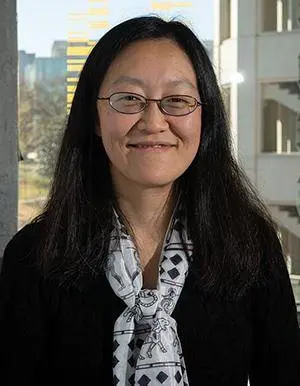
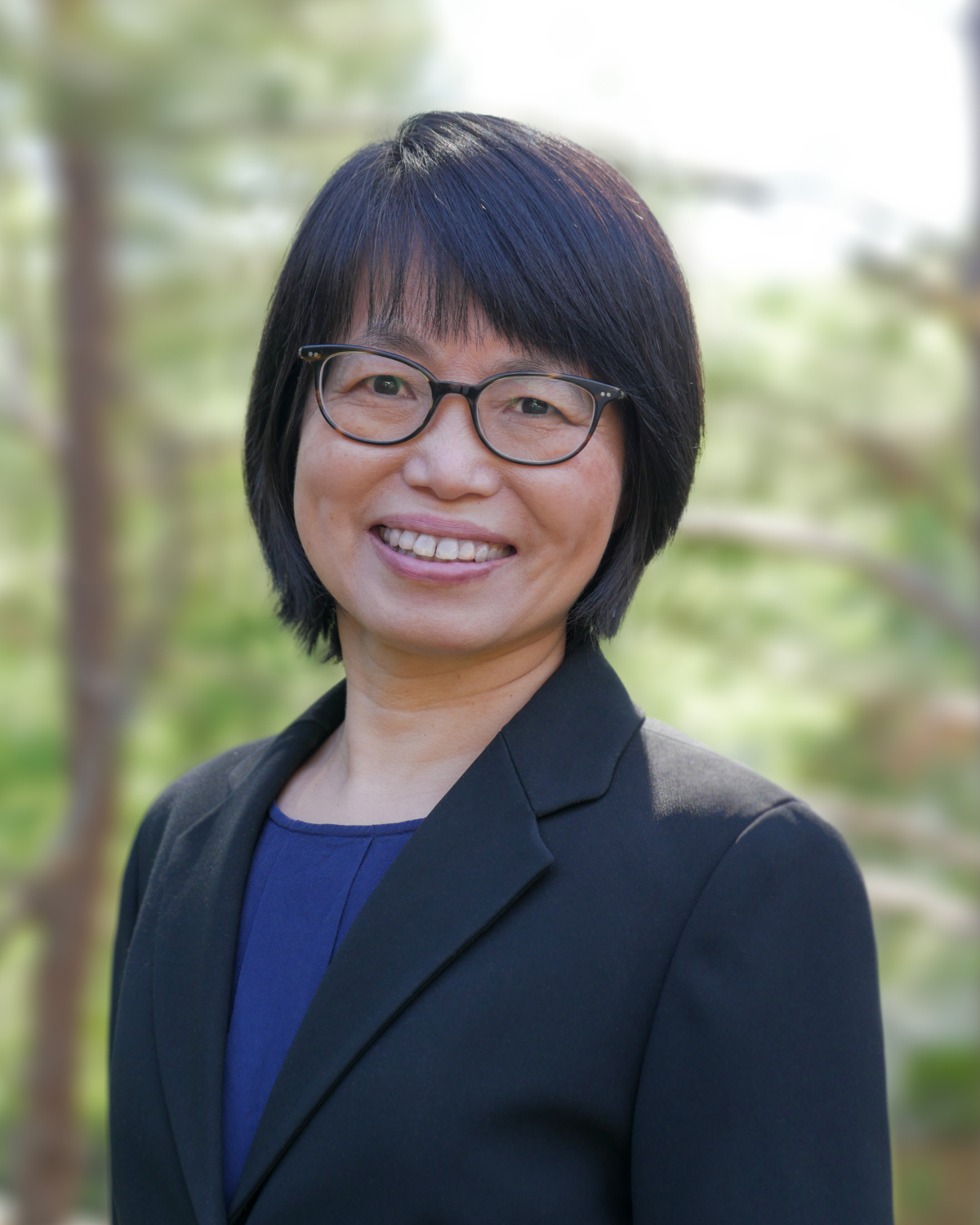
I am an Assistant Professor in the School of Computational Science and Engineering (CSE), Georgia Institute of Technology since January 2022. I received my PhD from the Department of Computer Science at the University of Illinois Urbana-Champaign, advised by Prof. Jian Peng. Prior to that, I received my bachelor’s degree in Computer Science from Yao Class at Tsinghua University in 2016.

I am broadly interested in computational biology and machine learning, with a focus on developing AI and data science methods to reveals core scientific insights into biology and medicine. Recent interests include deep learning, transfer learning, sequence and graph representation learning, network and system biology, functional genomics, cancer genomics, drug repositioning and discovery, and AI-guided biological design and discovery.

Assistant Professor, Computational Science and Engineering
Additional Research
  • Artificial Intelligence
  • Bioengineering
  • Bioinformatics
  • Biomaterials
  • Cancer Biology
  • Drug Discovery
  • Machine Learning
  • Protein Engineering
Google Scholar
https://scholar.google.com/citations?hl=en&user=N8RBFoAAAAAJ&view_op=list_works&sortby=pubdate
Yunan
Luo
Show Regular Profile

Hang Lu

Hang Lu
hang.lu@gatech.edu
Lµ Fluidics Group

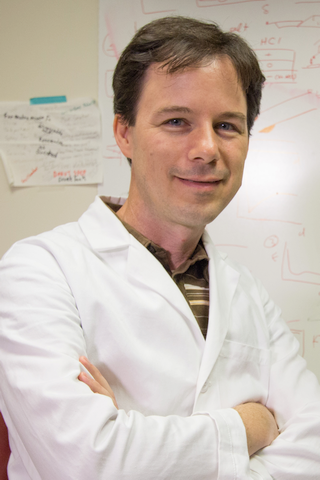
Hang Lu received her B.S. from the University of Illinois, Urbana-Champaign and her M.S.C.E.P and Ph.D. from the Massachusetts Institute of Technology. She is currently the Associate Dean for Research and Innovation in the College of Engineering and C. J. "Pete" Silas Chair, School of Chemical & Biomolecular Engineering at the Georgia Institute of Technology. Lu's research interests involve the interface of engineering and biology and her lab, the Lu Fluidics Group, is conducting research at these interface levels. The Lu Fluidics Group engineers BioMEMS (Bio Micro-Electro-Mechanical System) and microfluidic devices to address questions in neuroscience, cell biology, and biotechnology that are difficult to answer using conventional techniques.

Faces of Research - Profile Article

Associate Dean for Research and Innovation, College of Engineering
C. J. "Pete" Silas Chair, School of Chemical and Biomolecular Engineering
Phone
404.894.8473
Office
EBB 3017
Additional Research

Microfluidic systems for high-throughput screens and image-based genetics and genomicsSystems biology: large-scale experimentation and data miningMicrotechnologies for optical stimulation and optical recordingBig data, machine vision, automationDevelopmental neurobiology, behavioral neurobiology, systems neuroscienceCancer, immunology, embryonic development, stem cells

Google Scholar
https://scholar.google.com/citations?hl=en&user=DDKNuYgAAAAJ&view_op=list_works&sortby=pubdate
LinkedIn ChBE Profile Page
Hang
Lu
Show Regular Profile

J. Brandon Dixon

J. Brandon Dixon
dixon@gatech.edu
Website

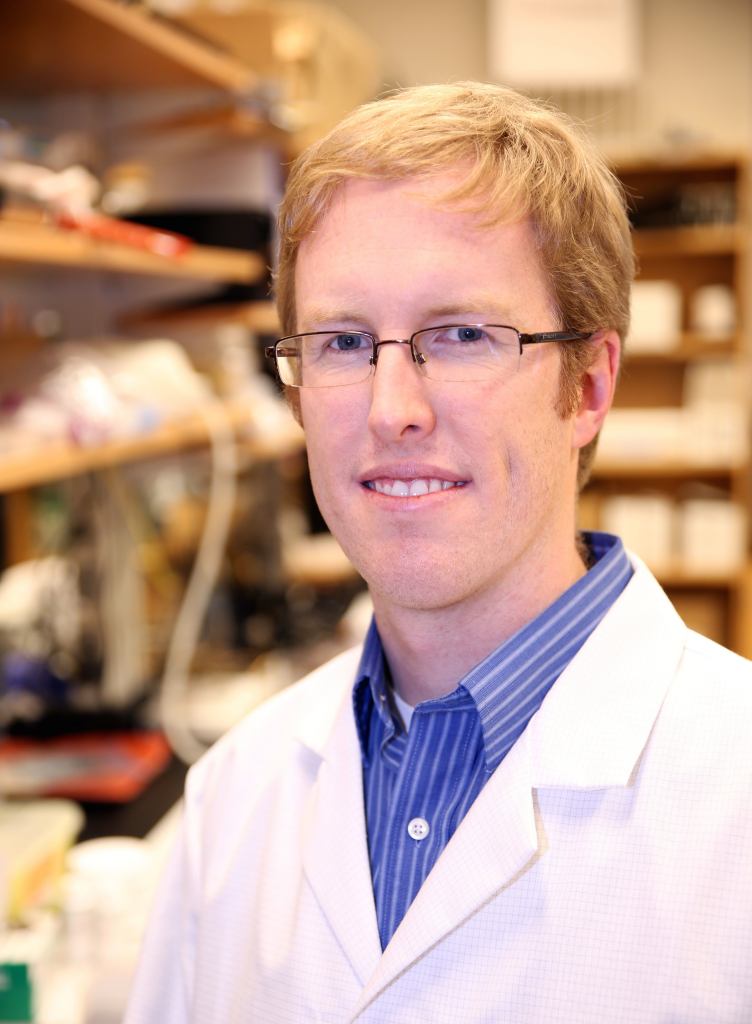
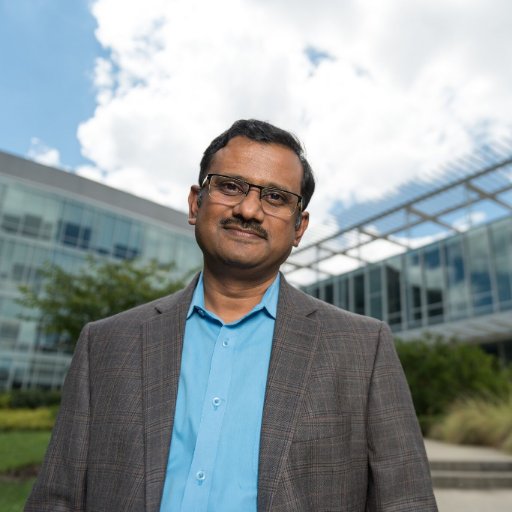
Dr. Dixon began at Georgia Tech in August 2009 as an Assistant Professor. Prior to his current appointment, he was a staff scientist at Ecole Polytechnique Federal de Lausanne (Swiss Federal Institute of Technology - Lausanne) doing research on tissue-engineered models of the lymphatic system. Dr. Dixon received his Ph.D. in biomedical engineering while working in the Optical Biosensing Laboratory, where he developed an imaging system for measuring lymphatic flow and estimating wall shear stress in contracting lymphatic vessels. 

Dr. Dixon's research focuses on elucidating and quantifying the molecular aspects that control lymphatic function as they respond to the dynamically changing mechanical environment they encounter in the body. Through the use of tissue-engineered model systems and animal models, our research is shedding light on key functions of lymphatic transport, and the consequence of disease on these functions. One such function is the lymphatic transport of dietary lipid from the intestine to the circulation. Recent evidence from our lab suggests that this process involves active uptake into lymphatics by the lymphatic endothelial cells. There are currently no efficacious cures for people suffering from lymphedema, and the molecular details connecting lymphedema severity with clinically observed obesity and lipid accumulation are unknown. Knowledge of these mechanisms will provide insight for planning treatment and prevention strategies for people facing lipid-lymphatic related diseases. 

Intrinsic to the lymphatic system are the varying mechanical forces (i.e., stretch, fluid shear stress) that the vessels encounter as they seek to maintain interstitial fluid balance and promote crucial transport functions, such as lipid transport and immune cell trafficking. Thus, we are also interested in understanding the nature of these forces in both healthy and disease states, such as lymphedema, in order to probe the biological response of the lymphatic system to mechanical forces. The complexity of these questions requires the development of new tools and technologies in tissue engineering and imaging. In the context of exploring lymphatic physiology, students in Dr. Dixon's laboratory learn to weave together techniques in molecular and cell biology, biomechanics, imaging, computer programming, and image and signal processing to provide insight into the regulation of lymphatic physiology. Students in the lab also have the opportunity to work in an interdisciplinary environment, as we collaborate with clinicians, life scientists, and other engineers, thus preparing the student for a career in academia and basic science research, or a career in industry.

Professor
Phone
404-385-3915
Office
Petit Biotechnology Building, Office 2312
Google Scholar
https://scholar.google.com/citations?user=mPmRwdkAAAAJ&hl=en
LinkedIn Related Site
J. Brandon
Dixon
Show Regular Profile

Susan Thomas

Susan Thomas
susan.thomas@gatech.edu
Website

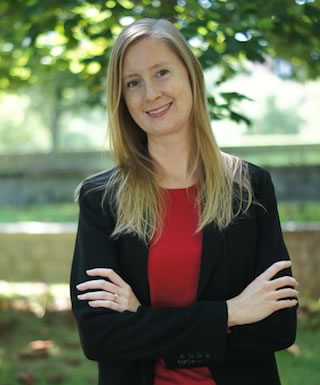
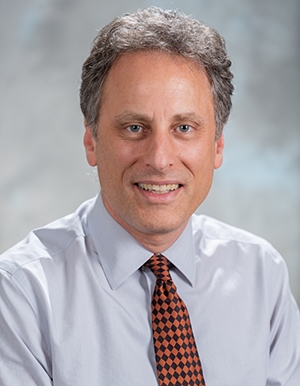
Susan Napier Thomas holds the Woodruff Professorship and is a Professor (full) with tenure of Mechanical Engineering in the Parker H. Petit Institute of Bioengineering and Bioscience at the Georgia Institute of Technology where she holds adjunct appointments in Biomedical Engineering and Biological Science and is a member of the Winship Cancer Institute of Emory University. Prior to this appointment, she was a Whitaker postdoctoral scholar at École Polytechnique Fédérale de Lausanne (one of the Swiss Federal Institutes of Technology) and received her B.S. in Chemical Engineering with an emphasis in Bioengineering cum laude from the University of California Los Angeles and her Ph.D. in Chemical & Biomolecular Engineering Department as a NSF Graduate Research Fellow from The Johns Hopkins University. For her contributions to the emerging field of immunoengineering, she has been honored with the 2022 Award for Young Investigator from Elsevier's journal Biomaterials for "outstanding contributions to the field" of biomaterials science, the 2018 Young Investigator Award from the Society for Biomaterials for "outstanding achievements in the field of biomaterials research" and the 2013 Rita Schaffer Young Investigator Award from the Biomedical Engineering Society "in recognition of high level of originality and ingenuity in a scientific work in biomedical engineering." Her interdisciplinary research program is supported by multiple awards on which she serves as PI from the National Cancer Institute, the Department of Defense, the National Science Foundation, and the Susan G. Komen Foundation, amongst others.

Professor
Associate Director, Integrated Cancer Research Center
Co-Director, Regenerative Engineering and Medicine Research Center
Phone
404-385-1126
Office
Petit Biotechnology Building, Office 2315
Additional Research
Thomas's research focuses on the role of biological transport phenomena in physiological and pathophysiological processes. Her laboratory specializes in incorporating mechanics with cell engineering, biochemistry, biomaterials, and immunology in order to 1) elucidate the role mechanical forces play in regulating seemingly unrelated aspects of tumor progression such as metastasis and immune suppression as well as 2) develop novel immunotherapeutics to treat cancer. Cancer progression is tightly linked to the ability of malignant cells to exploit the immune system to promote survival. Insight into immune function can therefore be gained from understanding how tumors exploit immunity. Conversely, this interplay makes the concept of harnessing the immune system to combat cancer an intriguing approach. Using an interdisciplinary approach, we aim to develop a novel systems-oriented framework to quantitatively analyze immune function in cancer. This multifaceted methodology to study tumor immunity will not only contribute to fundamental questions regarding how to harness immune response, but will also pave the way for novel engineering approaches to treat cancer such as with vaccines and cell- or molecular-based therapies.
Google Scholar
http://scholar.google.com/citations?user=wYgPYC8AAAAJ&hl=en&oi=sra
Related Site
Susan
Thomas
Show Regular Profile

Nael McCarty

Nael McCarty
namccar@emory.edu
Website

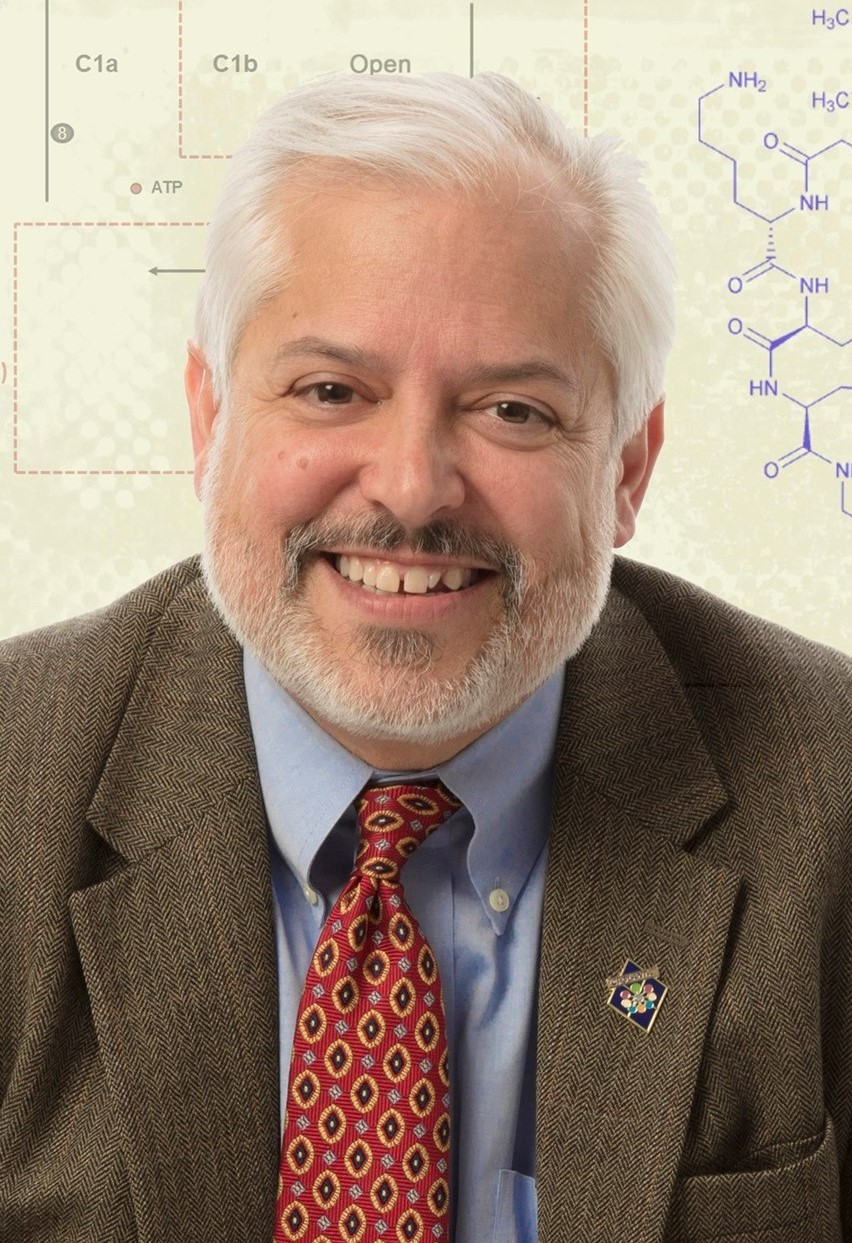
In the McCarty lab, we focus on the molecular physiology of ion channels and receptors, with emphasis on epithelial chloride channels. Our specific focus is the pathophysiology of Cystic Fibrosis, including the structure/function of CFTR and its many roles in the airway. We pioneered the use of peptide toxins as probes of chloride channels. We also have projects that study the functional consequences of heterodimerization among GPCRs, the role of CFTR in regulation of sweat composition, and the molecular ecology of predator-prey interactions in the marine environment. Our translational research in CF targets: (a) the mechanism by which the expression of mutant CFTR in airway epithelial cells impacts the development of CF-related diabetes; and (b) identification of biomarkers of acute pulmonary exacerbations in CF along with development of a novel device for their detection in the home. 

The goal of the Center for Cystic Fibrosis Research is to engage Atlanta researchers in basic and translational research that will lead to a better understanding of the pathophysiology of this disease and/or generate new devices and treatments to increase the length and quality of life for CF patients. The novel theme for these research activities is 'The Systems Biology of the CF Lung'.

Marcus Professor of Cystic Fibrosis
Professor and Senior Cystic Fibrosis Scientist, Department of Pediatrics
Director, Center for Cystic Fibrosis Research
Director, Emory+Children’s CF Center of Excellence
Phone
404-727-3654
Office
Emory Children's Center Building 334a
Additional Research
Molecular physiology of ion channels and receptors, with emphasis on epithelial chloride channels. Our specific focus is the pathophysiology of Cystic Fibrosis, including the structure/function of CFTR and its many roles in the airway.
University, College, and School/Department
Google Scholar
http://scholar.google.com/scholar?as_q=nael+mccarty&num=10&btnG=Search+Scholar&as_epq=&as_oq=&as_eq=&as_occt=any&as_sauthors=NA+McCarty&as_publication=&as_ylo=&as_yhi=&as_sdt=1.&as_sdtp=on&as_sdts=11&hl=en
LinkedIn Related Site
Nael
McCarty
Show Regular Profile

Chunhui Xu

Chunhui Xu
chunhui.xu@emory.edu
Website

Chunhui Xu, PhD, is a Professor in the Department of Pediatrics at Emory University School of Medicine and a member of the Cell and Molecular Biology Research Program at Winship Cancer Institute. 

Research in Dr. Xu's laboratory is focused on human cardiomyocytes derived from human pluripotent stem cells, which hold promise for cardiac cell therapy, disease modeling, drug discovery, and the study of developmental biology. They are also collaborating with investigators at Georgia Tech, Emory University, and Children's Healthcare of Atlanta, to explore the application of nanotechnology and tissue engineering in stem cell research.

Professor
Director, Cardiomyocyte Stem Cell Laboratory
Phone
404-727-7774
Additional Research
The Xu laboratory is focusing on human cardiomyocytes derived from pluripotent stem cells, which hold promise for cardiac cell therapy, disease modeling, drug discovery, and the study of developmental biology. The laboratory is also collaborating with investigators in Georgia Tech, Emory University, and Children's Healthcare of Atlanta, exploring the application of nanotechnology and tissue engineering in stem cell research.
University, College, and School/Department
Google Scholar
https://scholar.google.com/citations?user=FHAlb6gAAAAJ&hl=en
Related Site
Chunhui
Xu
Show Regular Profile

Peter Thule

Peter Thule
pthule@emory.edu

Peter Thule's research interests lie in the development of insulin gene therapy as a treatment for diabetes mellitus and investigations into hepatocellular effects of ectopic insulin production. His group's animal model utilizes a metabolically regulated, hepatic specific gene promoter to drive expression of an insulin transgene in the livers of diabetic rats. Administration of viral vectors containing these promoters coupled to a human insulin cDNA, normalizes blood sugars in diabetic rodents.

Associate Professor
Adjunct Clinical Associate Professor, Morehouse School of Medicine
Phone
404-321-6111
Office
VAMC 60115
University, College, and School/Department
Google Scholar
https://scholar.google.com/scholar?hl=en&q=Peter+M+Thule&btnG=&as_sdt=1,11&as_sdtp=
Related Site
Peter
Thule
Show Regular Profile

Younan Xia

Younan Xia
younan.xia@bme.gatech.edu
ChBE Profile Page

Xia is the Brock Family Chair and Georgia Research Alliance (GRA) Eminent Scholar in Nanomedicine in the Wallace H. Coulter Department of Biomedical Engineering at Georgia Institute of Technology and Emory University, with joint appointments in School of Chemistry and Biochemistry, and School of Chemical and Biomolecular Engineering. Professor Xia received his Ph.D. degree in Physical Chemistry from Harvard University (with Professor George M. Whitesides) in 1996, his M.S. degree in Inorganic Chemistry from University of Pennsylvania (with the late Professor Alan G. MacDiarmid, a Nobel Laureate in Chemistry, 2000) in 1993, and his B.S. degree in Chemical Physics from the University of Science and Technology of China (USTC) in 1987. He came to the United States of America in 1991. Xia has received a number of prestigious awards, including the 2013 Nano Today Award, the ACS National Award in the Chemistry of Materials (2013), Fred Kavli Distinguished Lecture in Nanoscience at the MRS Spring Meeting (2013), AIMBE Fellow (2011), MRS Fellow (2009 ), NIH Director's Pioneer Award (2006), ACS Leo Hendrik Baekeland Award (2005), Camille Dreyfus Teacher Scholar (2002), David and Lucile Packard Fellowship in Science and Engineering (2000), Alfred P. Sloan Research Fellow (2000), NSF Early Career Development Award (2000), ACS Victor K. LaMer Award (1999), and Camille and Henry Dreyfus New Faculty Award (1997). Xia has been an Associate Editor of Nano Letters since 2002, and has served on the Advisory Boards of Particle & Particle Systems Characterization (2013-), Chemical Physics Letters (2013-), Chemistry: A European Journal (2013-), Chinese Journal of Chemistry (2013-), Angewandte Chemie International Edition (2011-), Advanced Healthcare Materials (2011-, inaugural chairman of the advisory board), Accounts of Chemical Research (2010-), Cancer Nanotechnology (2010-), Chemistry: An Asian Journal (2010-), Journal of Biomedical Optics (2010-), Nano Research (2009-), Science of Advanced Materials (2009-), Nano Today (2006-), Chemistry of Materials (2005-2007), Langmuir (2005-2010, 2013-2015), International Journal of Nanotechnology (2004-), and Advanced Functional Materials (2001-). He has also served as a Guest Editor of special issues for Advanced Materials (six times), Advanced Functional Materials (one time), MRS Bulletin (one time), and Accounts of Chemical Research (one time).

GRA Eminent Scholar in Nanomedicine, Wallace H. Coulter Department of Biomedical Engineering
Professor, Wallace H. Coulter Department of Biomedical Engineering
Brock Family Chair, Wallace H. Coulter Department of Biomedical Engineering
Professor, School of Chemistry and Biochemistry, and School of Chemical and Biomolecular Engineering
Phone
404.385.3209
Office
MSE 3100J
Additional Research
Catalysis; Nanomedicine; Bio-Inspired Materials; Tissue Engineering
Google Scholar
https://scholar.google.com/citations?hl=en&user=3gDWh4gAAAAJ&view_op=list_works&sortby=pubdate
Nanocages Lab
Younan
Xia
Show Regular Profile

Todd Sulchek

Todd Sulchek
todd.sulchek@me.gatech.edu
Sulchek Lab

Todd Sulchek is an associate professor in Mechanical Engineering at Georgia Tech where he conducts fundamental and applied research in the field of biophysics. His research program focuses on the mechanical and adhesive properties of cell and biological systems and the development of microsystems to aid in their study. His research employs tools, including, MEMS, microfluidics, imaging, and patterning to understand or enable biological systems. His interests include cancer diagnostics, stem cell biomanufacturing, novel therapeutics, and ultracheap engineering tools. He is a member of the interdisciplinary Institute for Bioengineering and Bioscience. Dr. Sulchek also holds program faculty positions in Bioengineering and Biomedical Engineering and has a courtesy appointment in the School of Biology. He received his Ph.D. from Stanford in Applied Physics under Calvin Quate and received a bachelors in math and physics from Johns Hopkins. He was a postdoc and staff scientist at Lawrence Livermore National Lab. He joined Georgia Tech in 2008 as an Assistant Professor of Mechanical Engineering. He is a recipient of the NSF CAREER award, the BP Junior Faculty Teaching Excellence Award, the Lockheed Inspirational Young Faculty award, and the 2012 Petit Institute Above and Beyond Award. To date he has published 42 journal papers and has filed or been issued 7 patents. Prof. Sulchek is a strong supporter of undergraduate research, and he participates in a variety of undergraduate education activities including the Undergraduate Research Opportunities Program (UROP) and includes over 8 undergraduate authors in the past year.

Professor, Woodruff School of Mechanical Engineering
Appointments in Bioengineering, Biomedical Engineering, and Biology
Phone
404.385.1887
Office
Petit 2309
Additional Research

Biomedical Devices; bio-MEMS; biosensors; Drug Delivery; Advanced Characterization. Dr. Sulchek's research focuses primarily on the measurement and prediction of how multiple individual biological bonds produce a coordinated function within molecular and cellular systems. There are two complementary goals. The first is to understand the kinetics of multivalent pharmaceuticals during their targeting of disease markers; the second is to quantify the host cell signal transduction resulting from pathogen invasion. Several tools are developed and employed to accomplish these goals. The primary platform for study is the atomic force microscope (AFM), which controls the 3-D positioning of biologically functionalized micro- and nanoscale mechanical probes. Interactions between biological molecules are quantified in a technique called force spectroscopy. Membrane protein solubilized nanolipoprotein particles (NLPs) are also used to functionalize micro/nano-scale probes with relevant biological mediators. This scientific program requires the development of enabling instrumentation and techniques, which include the following: Advanced microscopy and MEMs; Nanomechanical linkers, which provide a convenient platform to control biomolecular interactions and study multivalent molecular kinetics; Biological mimetics, which provide a simple system to study cell membranes and pathogens. UltIMaTely, this work is used to optimize molecular drug targeting, improve chem/bio sensors, and develop more efficient pathogen countermeasures.

Google Scholar
https://scholar.google.com/citations?hl=en&user=J2TW91AAAAAJ&view_op=list_works&sortby=pubdate
ME Profile Page
Todd
Sulchek
Show Regular Profile

Krishnendu Roy

Krishnendu Roy
krish.roy@gatech.edu
https://engineering.vanderbilt.edu/bio/krishnendu-roy

 In August 2023, Krishnendu Roy joined Vanderbilt University as the Bruce and Bridgitt Evans Dean of Engineering and a University Distinguished Professor in Biomedical Engineering, and Pathology, Microbiology, and Immunology, with a secondary appointment in Chemical and Biomolecular Engineering.

Previously, Roy served as Robert A. Milton Endowed Chair for the Coulter Department of Biomedical Engineering at Georgia Tech. He is also the former Director of the NSF Engineering Research Center (ERC) for Cell Manufacturing Technologies (CMaT), Center for ImmunoEngineering at Georgia Tech, and Marcus Center for Therapeutic Cell Characterization and Manufacturing. 

His overall research interests are in developing novel concepts for stem cell engineering as well as polymer controlled delivery of biological factors, especially for nucleic acid therapeutics (DNA, SiRNA and oligos) and immunoengineering. Currently, his group is involved in the following major areas of research; (a) Developing novel concepts to produce biodegradable surface functionalized micro-and nanoparticles for targeted and sustained delivery of nucleic acids, proteins, peptides and other immune modulators. In particular he is interested in developing multi-agent vaccine delivery systems for cancer and infectious diseases as well as immunotherapies for autoimmune diseases. (b) Creating spatio-temporally patterned polymer scaffolds for directed compartmental differentiation of stem cells into multiple lineages. (c) Engineering an artificial thymic niche for directed differentiation of stem cells into functional, antigen- specific T cells. (e) The development of novel nanoimprinting techniques to generate shape specific, environmentally triggered drug nanocarriers.

Faces of Research - Profile Article

Bruce and Bridgitt Evans Dean of Engineering at Vanderbilt University
University Distinguished Professor
Professor of Biomedical Engineering
Professor of Pathology, Microbiology and Immunology
Professor of Chemical and Biomolecular Engineering
Phone
404.385.6166
Additional Research
The overall goal of our research endeavor is the development of new biomaterial-based strategies for gene/drug delivery and stem cell engineering. Towards this, my laboratory focuses on three major directions: (a) design and development of novel delivery systems for nucleic-acid based immunotherapy and cancer chemotherapy (b) engineering complex microenvironments to study and manipulate stem cells and understand their behavior in biomimetic, three-dimensional conditions and (c) developing novel engineering tools and high throughput methods to generate functional T cells and Dendritic cells from stem cells.
Google Scholar
http://scholar.google.com/citations?user=c8qOg2YAAAAJ&hl=en
Roy Lab
Krishnendu
Roy
Show Regular Profile