
New Soft Wearable Device Could Support At-Home Sleep Monitoring
3 min read
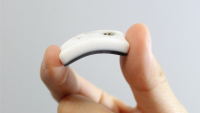
A new Georgia Tech study shows a wireless wearable device could enable home-based monitoring of physiological changes associated with sleep and brain health.

Researchers Use GeoGuessr Champion to Test Geolocation Accuracy in VLMs
5 min read
Researchers have developed what they believe is the strongest benchmark dataset on measuring the geolocation accuracy of LLMs.

EPIcenter Experts in the News: AI, Prices, and the War
1 min read
EPIcenter Faculty Affiliates have recently contributed to more than a dozen news broadcasts, public radio interviews, and national media conversations on energy price trends, the war in Iran, and what these mean for everyday Americans.
New Research Seeks to Help Transplanted Cells Thrive in Type 1 Diabetes Treatment
1 min read
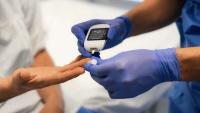
Alexander Vlahos has been awarded a five-year, research grant to support pioneering work aimed at improving therapies for T1D.

Meet the Expert: Brian An
1 min read
In this EPIcenter Expert series, meet Brian An, EPIcenter Affiliate, studying the intersection of energy resilience and urban policy to improve grid equity during extreme weather.

The Myth of the ‘Lizard Brain’ and the Real Trade-Off Inside Your Mind
5 min read
A new study from Georgia Tech examines how different brain systems scale together across species, offering a new perspective on brain organization — and its potential applications in artificial intelligence.

Bridging the Gap Between Technical Research and Marketable Solutions
3 min read
From storytelling to customer discovery, Quadrant-i teaches faculty soft skills to commercialize their work.


