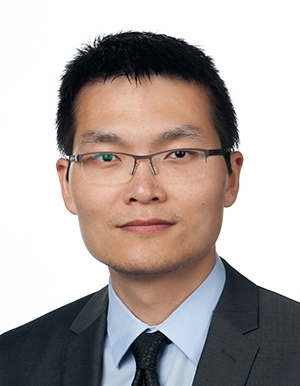
Abdallah Ougazzaden

Abdallah Ougazzaden
abdallah.ougazzaden@ece.gatech.edu
ECE Profile Page

Abdallah Ougazzaden received his masters and doctoral degrees in materials sciences and his HDR "Accreditation to Supervise Research" degree from the University of Paris VII Paris (France) in 1986, 1990 and 1996, respectively. From 1999 to 2003, he worked as a Technical Manager in the Materials Growth and Characterisations group at Bell-Labs Lucent Technologies, and with its ICs/Optoelectronics spin-off Agere Systems. From here, Ougazzaden worked for TriQuint Optoelectronics (formerly Agere Systems/Optoelectronics). Prior to joining Bell-Labs he led the MOCVD group at CNET/ France Telecom for more than 8 years and spent a year at Optoplus/Alcatel. From 2003 to 2005 he was a professor at the University of Metz and Deputy Director of Materials, Optics, Photonics and Systems (MOPS) laboratory, a joint lab of the High Engineering School SUPELEC and CNRS in Metz, France. He joined the Georgia Institute of Technology in 2005 as professor in the School of Electrical and Computer Engineering. In 2006, Ougazzaden was appointed to the position of Director of the International Joint Research Unit GT-CNRS at GTL in France and in 2010 he was appointed to the position of director of Georgia Tech-Lorraine. He is co-founder and co-president of the Lafayette Institute, Platform of Technology Transfer, created in 2012. He has authored and co-authored more than 200 international scientific papers and holds 23 patents.

Professor, School of Electrical and Computer Engineering
Director, Georgia Tech-Lorraine
Director, International Joint Research Unit "UMI 2958 GT-CNRS"
Co-President, Lafayette Institute
Phone
+33 (0) 38720.3923
Additional Research

Epitaxial Growth; Optical Materials; III-V Semiconductor devices; Advanced Characterization; Fabrication of nanostructures; Materials characterizations

Google Scholar
https://scholar.google.com/citations?hl=en&user=fTnKhOYAAAAJ&view_op=list_works&sortby=pubdate
INSTITUT LAFAYETTE
Abdallah
Ougazzaden
Show Regular Profile

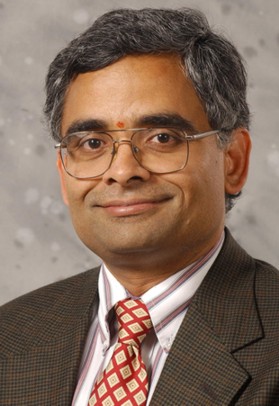
Sundaresan Jayaraman

Sundaresan Jayaraman
sundaresan.jayaraman@mse.gatech.edu
MSE Profile Page

Sundaresan Jayaraman is a professor in the School of Materials Science and Engineering at the Georgia Institute of Technology. He is also the Founding Director of the Kolon Center for Lifestyle Innovation established at Georgia Tech in October 2016. A pioneer in bringing about convergence between textiles and computing, Jayaraman’s research has led to the paradigm of “Fabric is the Computer.” He is a leader in studying and defining the roles of engineering design, manufacturing and materials technologies in public policy for the nation. 

Jayaraman and his research students have made significant contributions in the following areas: (i) Smart Textile-based Wearable Systems; (ii) Computer-aided Manufacturing, Automation and Enterprise Architecture Modeling; (iii) Engineering Design and Analysis of Intelligent Textile Structures and Processes; (iv) Design and Development of Knowledge Based Systems (KBS) for textiles and apparel; and (v) Design and Development of Respiratory Protection Systems. His group's research has led to the realization of the world's first Wearable Motherboard™, also known as the “Smart Shirt” (www.smartshirt.gatech.edu). This invention was featured in a Special Issue of LIFE Magazine entitled Medical Miracles for the New Millennium (Fall 1998) as One of the 21 Breakthroughs that Could Change Your Life in the 21st Century. The first Smart Shirt is now part of the Archives of the Smithsonian Museum in Washington, DC. 

Prior to Georgia Tech, Jayaraman had the privilege of working with Dan Bricklin and Bob Frankston, the Co-Creators of the world’s first spreadsheet – VisiCalc®. VisiCalc was the first “killer app” that transformed the computing industry by bringing computing to the masses through the proliferation of personal computers. During his PhD, he was involved in the design and development of TK!Solver, the world’s first equation-solving program from Software Arts, Inc., Cambridge, MA. He worked there as a Product Manager and then at Lotus Development Corporation (makers of 1-2-3®) in Cambridge, MA. 

Jayaraman is a recipient of the 1989 Presidential Young Investigator Award from NSF for his research in the area of computer aided manufacturing and enterprise architecture. In September 1994, he was elected a Fellow of the Textile Institute, (UK). His publications include a textbook on computer-aided problem solving published by McGraw-Hill in 1991, ten U.S. patents, and numerous refereed journal papers, and book chapters. As Principal Investigator, he has received nearly $16Million in research funding from a variety of sources including NSF, DARPA, DoD, NIST, CDC, and industry. Dr. Jayaraman served as Technical Editor, Information Technology, for ATI Magazine (now Textile World) from 1995-2003. From May 2000 to October 2004, he was an Editor of the Journal of the Textile Institute and is currently on the Editorial Advisory Board.

Jayaraman is a founding member of the IOM Standing Committee on Personal Protective Equipment in the Workplace (2005-2013). From December 2008 to February 2011, he served on the Board on Manufacturing and Engineering Design of the National Academies. In February 2011, he became a founding member of the National Materials and Manufacturing Board of the National Academies. He has also served on nine Study Committees for the National Academy of Medicine (formerly Institute of Medicine) and the National Research Council of the National Academies. He is also a founding member of the IEEE Technical Committee on Biomedical Wearable Systems (2004 –2008). In October 2000, Jayaraman received the Georgia Technology Research Leader Award from the State of Georgia. He received The 2018 Textile Institute Research Publication Award for the most outstanding paper published in 2018 in the Journal of the Textile Institute. In December 2019, he received the Inaugural Distinguished Alumni Award from A.C. College of Technology, Chennai, India.

Professor, School of Materials Science and Engineering
Phone
404.894.2461
Office
MRDC 4411
Additional Research

Biomedical Devices; wearable devices; smart textiles; Innovation; Industrial Engineering

Google Scholar
https://scholar.google.com/citations?hl=en&user=CBhd_qQAAAAJ&view_op=list_works&sortby=pubdate
Kolon Center for Lifestyle Innovation
Sundaresan
Jayaraman
Show Regular Profile

Simone Douglas-Green

Simone Douglas-Green
https://douglasgreenlab.com/

Dr. Simone Douglas-Green (@DrBlackBoots on Twitter/X and Instagram) is a new Assistant Professor in the Wallace H. Coulter Department of Biomedical Engineering at Georgia Tech and Emory University, where she has been named a BME Distinguished Faculty Fellow. She received her B.S. in Biomedical Engineering from the University of Miami, and her Ph.D. in Biomedical Engineering from the joint program at Georgia Tech and Emory University. Dr. Douglas-Green’s professional and scholarly development as a doctoral and postdoctoral trainee has been supported by a number of awards including the Alfred P. Sloan Foundation's Minority Ph.D. (MPHD) Fellowship, NASEM Ford Foundation Postdoctoral Fellowship, and Burroughs Wellcome Fund Postdoctoral Enrichment Program (PDEP). The Douglas-Green Lab focuses on developing tools/techniques to study how biology interacts with nanoparticles with an emphasis on understanding person and disease specific proteins coronas. Her goal is to train the next generation of engineers to be “EPIC”- engineering with purpose, intentionality, and compassion.

Assistant Professor
Office
UAW 4108
https://douglasgreenlab.com/
Simone
Douglas-Green
Show Regular Profile

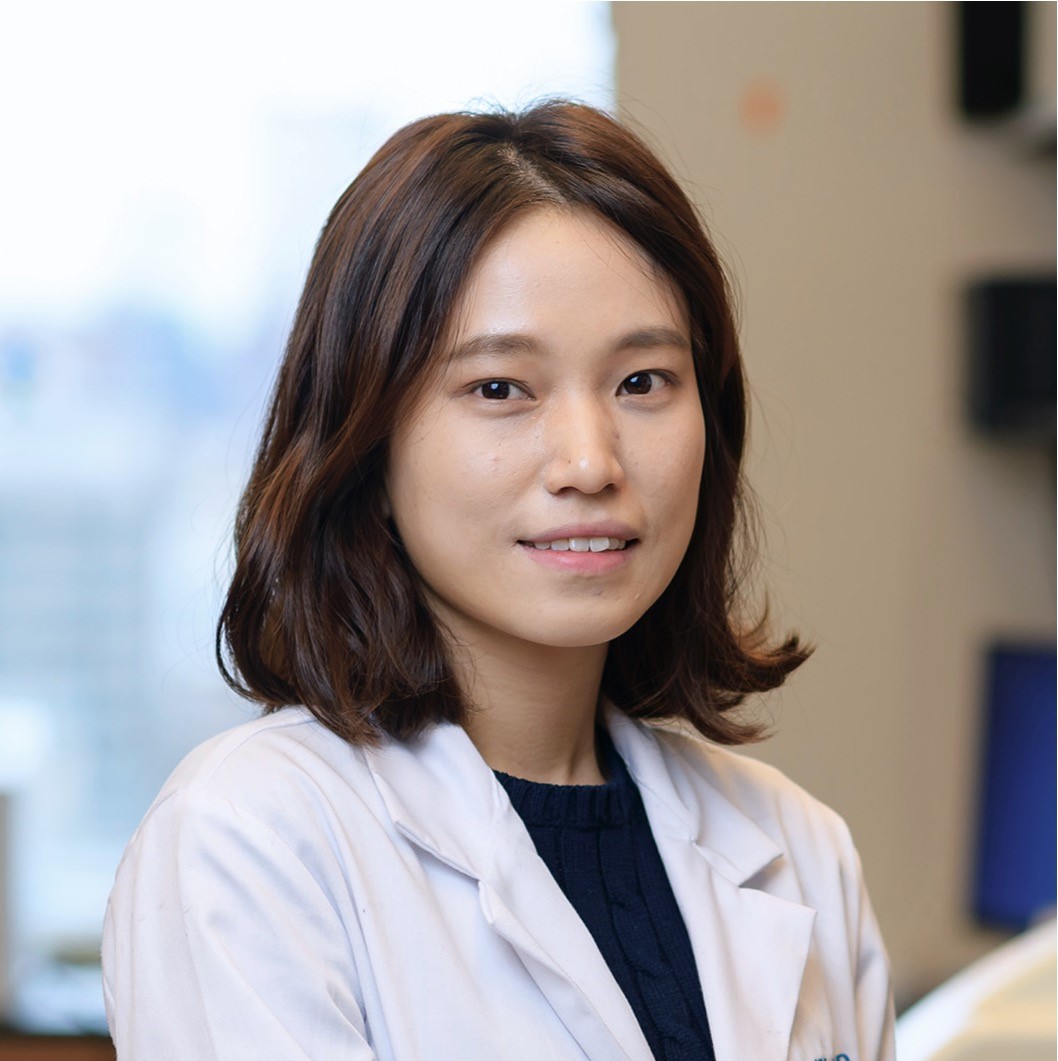
Mijin Kim

Mijin Kim
mkim445@gatech.edu

Mijin Kim is an assistant professor in the School of Chemistry and Biochemistry at Georgia Tech. Her research program is focused on the development and implementation of novel nanosensor technology to improve cancer research and diagnosis. The Kim Lab combines nanoscale engineering, fluorescence spectroscopy, machine learning approaches, and biochemical tools (1) to understand the exciton photophysics in low-dimensional nanomaterials, (2) to develop diagnostic/nano-omics sensor technology for early disease detection, and (3) to investigate biological processes with focusing problems in lysosome biology and autophagy. For her scientific innovation, Kim has received multiple recognitions, including being named as one of the STAT Wunderkinds and the MIT Technology Review Innovators Under 35 List.

Assistant Professor, School of Chemistry and Biochemistry
Google Scholar
https://scholar.google.com/citations?user=pik_YKcAAAAJ
https://chemistry.gatech.edu/people/mijin-kim
Mijin
Kim
Show Regular Profile

Peter Kasson

Peter Kasson
peter.kasson@chemistry.gatech.edu
https://kassonlab.org/

Peter Kasson is an international leader in the study of biological membrane structure, dynamics, and fusion, with particular application to how viruses gain entry to cells. His group performs both high-level experimental and computational work – a powerful combination that is critical to advancing our understanding of this important problem. His publications describe inventive approaches to the measurement of viral fusion rates and characterization of fusion mechanisms, and to the modeling of large-scale biomolecular and lipid assemblies. He has applied these insights to the prediction of pandemic outbreaks and drug resistance, with particular attention to Zika, SARS-CoV-2, and influenza pathogens in recent years. See https://kassonlab.org/ for more information.

Professor of Chemistry and Biomedical Engineering
Peter
Kasson
Show Regular Profile

Vida Jamali

Vida Jamali
vida@gatech.edu
Jamali Lab

Vida Jamali earned her Ph.D. in chemical and biomolecular engineering from Rice University under the guidance of Professor Matteo Pasquali and her B.S. in chemical engineering from Sharif University of Technology. Jamali was a postdoctoral researcher in Professor Paul Alivisato's lab at UC Berkeley and Kavli Energy Nanoscience Institute before joining Georgia Tech. The Jamali Research Group uses experimental, theoretical, and computational tools such as liquid phase transmission electron microscopy, rheology, statistical and colloidal thermodynamics, and machine learning to study the underlying physical principles that govern the dynamics, statistics, mechanics, and self-organization of nanostructured soft materials, in and out of thermal equilibrium, from both fundamental and technological aspects.

Assistant Professor, School of Chemical and Biomolecular Engineering
Phone
404.894.5134
Office
ES&T 1222
Additional Research

Studying dynamics and self-assembly of nanoparticles and macromolecules in heterogeneous chemical and biological environmentsInvestigating individual to collective behavior of active nanomachinesHarnessing the power of machine learning to understand physical rules governing nanostructured-soft materials, design autonomous microscopy experimentation for inverse material design, and develop new statistical and thermodynamic models for multiscale phenomena

ChBE Profile Page
Vida
Jamali
Show Regular Profile

Shuichi Takayama

Shuichi Takayama
takayama@gatech.edu
Takayama lab

Shu Takayama earned his BS and MS in Agricultural Chemistry at the University of Tokyo. He earned a Ph.D. in Chemistry at The Scripps Research Institute in La Jolla, California studying bio-organic synthesis with Dr. Chi‐Huey Wong. He then worked as a postdoc with Dr. George Whitesides at Harvard University where he focused on applying microfluidics to studying cell and molecular biology.

Takayama began his career at the University of Michigan, where led his lab in the Department of Biomedical Engineering and Macromolecular Science & Engineering for over 17 years. In 2017, the lab moved to Georgia Tech where Shu became the Georgia Research Alliance Price Gilbert Chair Professor of Biomedical Engineering in the Wallace H. Coulter Department of Biomedical Engineering.

Takayama’s research interests are diverse and motivated by clinical and biotechnology needs. He is always interested in hearing from stakeholders in these areas who are seeking engineering collaboration.

Professor, Wallace H. Coulter Department of Biomedical Engineering
GRA Eminent Scholar, Wallace H. Coulter Department of Biomedical Engineering
Price Gilbert, Jr. Chair in Regenerative Engineering andMedicine
Phone
404.385.5722
Office
EBB 4018
Additional Research

Use of micro/nanofluidics for cell analysis; diagnostics; and chromatin analysis; High throughput 3D cell cultures; Organs-on-a-chip construction and design; Role of rhythm in cell signaling; Self-switching fluidic circuits; Fracture fabrication

Google Scholar
https://scholar.google.com/citations?hl=en&user=IkhTUu4AAAAJ&view_op=list_works&sortby=pubdate
LinkedIn BME Profile Page
Shuichi
Takayama
Show Regular Profile

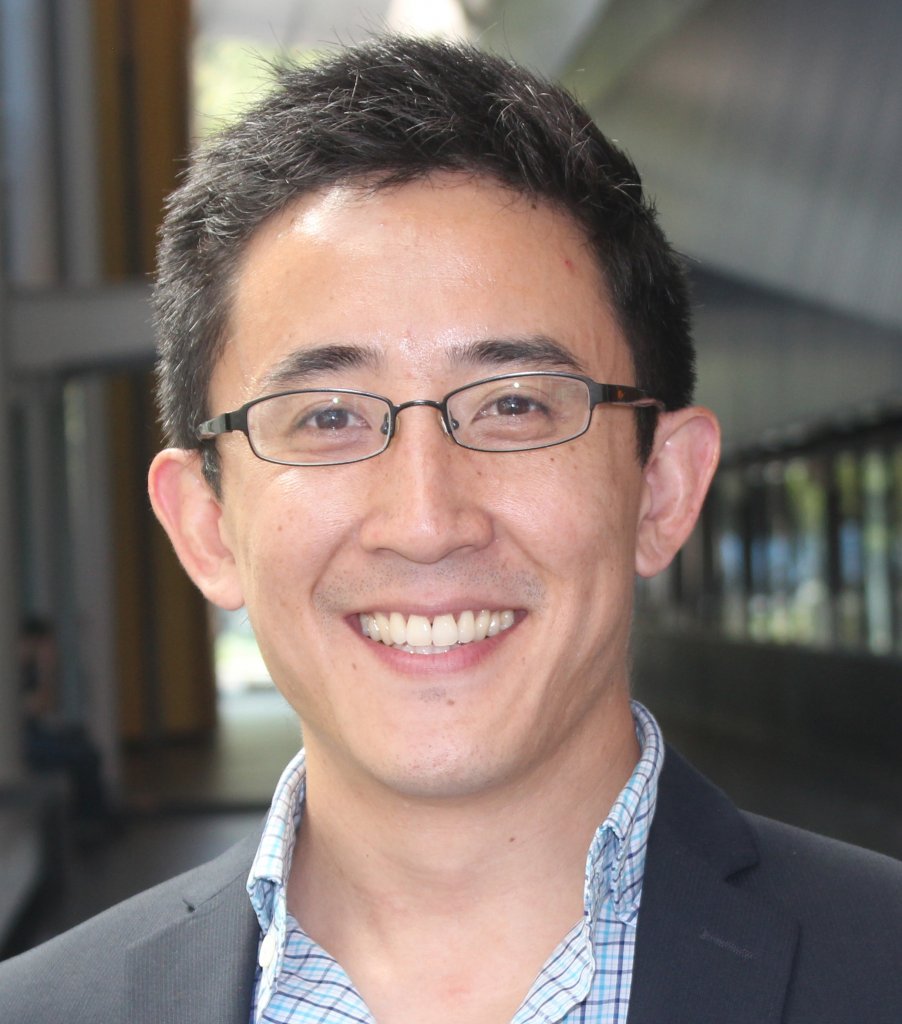
Gabe Kwong

Gabe Kwong
gkwong@gatech.edu
Website

Dr. Gabe Kwong is a Professor in the Wallace H. Coulter Department of Biomedical Engineering at the Georgia Tech School of Engineering and Emory School of Medicine. His research program is conducted at the interface of the life sciences, medicine and engineering where a central focus is understanding how to harness the sophisticated defense mechanisms of immune cells to eradicate disease and provide protective immunity. Kwong has pioneered numerous biomedical technologies and published in leading scientific journals such as Nature Biotechnology and Nature Medicine. His work has been profiled broadly including coverage in The Economist, NPR, BBC, and WGBH-2, Boston 's PBS station. Professor Kwong earned his B.S. in Bioengineering with Highest Honors from the University of California, Berkeley and his Ph.D. in Bioengineering from California Institute of Technology with Professor James R. Heath. He conducted postdoctoral studies at Massachusetts Institute of Technology with Professor Sangeeta N. Bhatia. For his work, Dr. Kwong has been awarded the NIH Ruth L. Kirschstein National Research Service Award, named a "Future Leader in Cancer Research and Translational Medicine" by the Massachusetts General Hospital, and awarded the Burroughs Wellcome Fund Career Award at the Scientific Interface, a distinction given to the 10 most innovative bioengineers in the nation. Dr. Kwong holds seven issued or pending patents in cancer nanotechnology.

Professor
Director, Laboratory for Synthetic Immunity
Phone
404-385-3746
Office
Marcus Nanotechnology 3132
Additional Research

Human health has been transformed by our collective capacity to engineer immunity — from the pivotal development of the smallpox vaccine to the curative potential of recent cancer immunotherapies. These examples motivate our research program that is conducted at the interface of Engineering and Immunology, and where we develop biomedical technologies and applications that shape a diverse array of immunological systems.The questions that are central to our exploration include: How do we begin to study an individual's repertoire of well over one billion immune cells when current technologies only allow us to study a handful of cells at a time? What are the biomarkers of immunological health as the body responds to disease and ageing, and how may these indicators trigger clinical decisions? And how can we genetically rewire immune cells to provide them with entirely new functions to better fight complex diseases such as cancer?To aid in our studies, we use high-throughput technologies such as next-generation sequencing and quantitative mass spectrometry, and pioneer the development of micro- and nanotechnologies in order to achieve our goals. We focus on clinical problems in cancer, infectious diseases and autoimmunity, and ultimately strive to translate key findings into therapies for patients.

Google Scholar
https://scholar.google.com/citations?user=VAbRCjIAAAAJ&hl=en
LinkedIn Related Site
Gabe
Kwong
A.
Show Regular Profile

Nian Liu

Nian Liu
nliu82@mail.gatech.edu
Website

Nian Liu began as an Assistant Professor at Georgia Institute of Technology, School of Chemical and Biomolecular Engineering in January 2017. He received his B.S. in 2009 from Fudan University (China), and Ph.D. in 2014 from Stanford University, where he worked with Prof. Yi Cui on the structure design for Si anodes for high-energy Li-ion batteries. In 2014-2016, he worked with Prof. Steven Chu at Stanford University as a postdoc, where he developed in situ optical microscopy to probe beam-sensitive battery reactions. Dr. Liu 's lab at Georgia Tech is broadly interested in the combination of nanomaterials, electrochemistry, and light microscopy for understanding and addressing the global energy challenges. Dr. Liu is the recipient of the Electrochemical Society (ECS) Daniel Cubicciotti Award (2014) and American Chemical Society (ACS) Division of Inorganic Chemistry Young Investigator Award (2015).

Assistant Professor, School of Chemical and Biomolecular Engineering
Phone
404-894-5103
Office
ES&T 1230
Additional Research

Electronic Systems; Packaging and Components; Nanostructures & Materials; Optoelectronics Photonics & Phononics; Semiconductors; Materials & Processes

Google Scholar
https://scholar.google.com/citations?user=nvMAHY8AAAAJ&hl=en
LinkedIn Related Site
Nian
Liu
Show Regular Profile

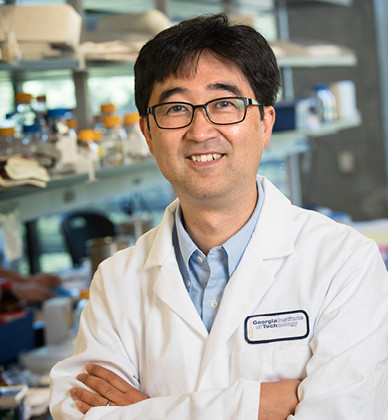
Seung Soon Jang

Seung Soon Jang
SeungSoon@mse.gatech.edu
MSE Profile Page

Seung Soon Jang joined the School of Materials Science and Engineering at the Georgia Institute of Technology in July 2007. Jang worked at Samsung Electronics and the Materials and Process Simulation Center (MSC) at CalTech performing various researches in nanoelectronics, fuel cell, and interfacial systems as a director of Supramolecular Technology for six years.

His research interest includes computations and theories to characterize and design nanoscale systems based on the molecular architecture-property relationship, which are especially relevant to molecular electronics, molecular machines, fuel cell technology and biotechnology.

Professor, School of Materials Science and Engineering
Director, Computational NanoBio Technology Lab
Phone
404.385.3356
Office
Love 351
Additional Research

Jang's research interest is to characterize and design nanoscale systems based on the molecular architecture-property relationship using computations and theories, which are especially relevant to designing new biomaterials for drug delivery and tissue engineering. Currently, he is focusing on 1) NanoBio-mechanics for DNA, lipid bilayer, and hydrogel systems; 2) Molecular interaction of Alzheimer proteins with various small molecules. Dr. Jang is also interested in various topics such as nanoelectronics, nanostructured energy technologies for fuel cell, battery and photovoltaic devices.;Computational mechanics; Nanostructured Materials; Polymeric composites; Biomaterials; Fuel Cells; Delivery and Storage

Google Scholar
https://scholar.google.com/citations?hl=en&user=SW0u-asAAAAJ&view_op=list_works&sortby=pubdate
Computational NanoBio Technology Lab
Seung Soon
Jang
Show Regular Profile