Julia Kubanek

Julia Kubanek
julia.kubanek@biosci.gatech.edu
Lab Website

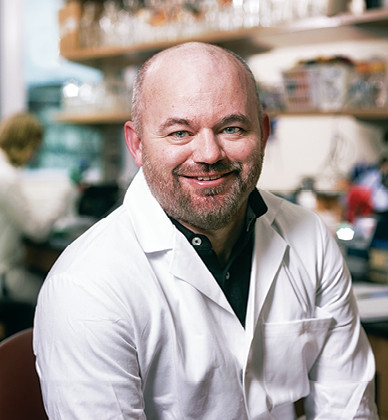
Julia Kubanek serves as Georgia Tech’s Vice President for Interdisciplinary Research and is a professor in the School of Biological Sciences and the School of Chemistry and Biochemistry. In this role, she oversees and supports interdisciplinary activities at Georgia Tech including the Interdisciplinary Research Institutes (IRIs); the Pediatric Technology Center (PTC), the Novelis Innovation Hub; the Center for Advanced Brain Imaging (CABI); and the Global Center for Medical Innovation (GCMI). She also partners across the institute on developing and advancing new research initiatives based on student and faculty interests, expertise, and societal need.

Kubanek has held several previous leadership roles at Georgia Tech, including Associate Dean for Research in the College of Sciences and Associate Chair in the School of Biological Sciences. She joined the faculty at Georgia Tech in 2001. Her areas of research interest include chemical signaling among organisms (especially in aquatic systems), natural products chemistry, metabolomics, chemical biology, and drug discovery. She has authored approximately 100 research articles on marine plankton and coral reef chemical ecology, and on the discovery, mechanism of action, and biosynthesis of marine natural products. She was awarded the NSF CAREER Award in 2002, the Presidential Early Career Award for Scientists and Engineers (PECASE) in 2004, and was elected Fellow of the American Association for the Advancement of Science (AAAS) in 2012. In 2016, she served as chair of the Gordon Research Conference in Marine Natural Products; since 2016, she has chaired the Scientific Advisory Board of the Max Planck Institute for Chemical Ecology. Kubanek received her B.Sc. in Chemistry from Queen’s University, Canada, in 1991 and her Ph.D. in at the University of British Columbia in 1998, and performed postdoctoral research at the University of California – San Diego and the University of North Carolina at Wilmington.

Professor
Vice President of Interdisciplinary Research
Phone
404-894-8424
Office
ES&T 2242
Additional Research
All organisms use chemicals to assess their environment and to communicate with others. Chemical cues for defense, mating, habitat selection, and food tracking are crucial, widespread, and structurally and functionally diverse. Yet our knowledge of chemical signaling is patchy, especially in marine environments. In our research we ask, "How do marine organisms use chemicals to solve critical problems of competition, disease, predation, and reproduction?" Our group uses an integrated approach to understand how chemical cues function in ecological interactions, working from molecular to community levels. We also use ecological insights to guide discovery of novel pharmaceuticals and molecular probes. In collaboration with other scientists, our most significant scientific achievements to date are: 1) characterizing the unusual molecular structures of antimicrobial defenses that protect algae from pathogens and which show promise to treat human disease; 2) understanding that competition among single-celled algae (phytoplankton) is mediated by a complex interplay of chemical cues that affect harmful algal bloom dynamics; 3) unraveling the molecular modes of action of antimalarial natural products towards developing new treatments for drug-resistant infectious disease; 4) discovering that progesterone signaling and quorum sensing are key pathways in the alternating sexual and asexual reproductive strategy of microscopic invertebrate rotifers - animals whose evolutionary history was previously thought to preclude either cooperative behavior (quorum sensing) typically associated with bacteria and hormonal regulation via progesterone typically seen in vertebrates; 5) identifying a novel aversivechemoreception pathway in predatory fish thatresults inrapid recognition and rejectionofchemically defended foods, thereby protecting these foods (prey) from predators. Ongoing projects include: 1) Waterborne chemical cues in the marine plankton: a systems biology approach (including metabolomics); 2) Exploration, conservation, and development of marine biodiversity in Fiji and the Solomon Islands (including drug discovery, mechanisms of action, and chemical ecology); 3) The role of sensory environment and predator chemical signal properties in determining non-consumptive effect strength in cascading interactions on oyster reefs; 4) Regulation of red tide toxicity by chemical cues from marine zooplankton; 5) Chemoreception of prey chemical defenses on tropical coral reefs.
Google Scholar
https://scholar.google.com/citations?user=AxeeT2wAAAAJ&hl=en&oi=ao
http://biosciences.gatech.edu/people/julia-kubanek
Julia
Kubanek
M.
Show Regular Profile

Facundo Fernandez

Facundo Fernandez
facundo.fernandez@chemistry.gatech.edu
Website

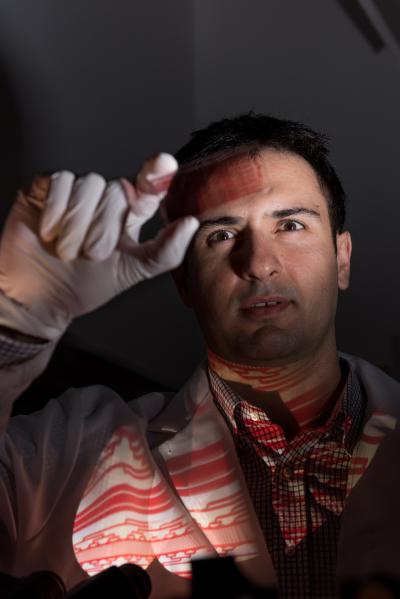
Facundo was born in Buenos Aires, Argentina. He received his MSc in Chemistry from the College of Exact and Natural Sciences, Buenos Aires University in 1995 and his PhD in Analytical Chemistry from the same University, in 1999.  In August 2000, he joined the research group of Prof. Richard N. Zare in the Department of Chemistry at Stanford University.  His work focused on several aspects of Hadamard transform time-of-flight mass spectrometry with an emphasis on coupling this technique to capillary-format separation methods.  In 2002, he joined the group of Prof. Vicki Wysocki in the Department of Chemistry at the University of Arizona, to develop novel tandem mass spectrometers for gas-phase peptide ion studies. In 2004 he joined the School of Chemistry and Biochemistry at the Georgia Institute of Technology where he currently holds the position of Vasser-Woolley Endowed Professor in Bioanalytical Chemistry and Associate Chair for Research and Graduate Training. He is the author of over 185 peer-reviewed publications and numerous invited presentations at national and international conferences. He has received several awards, including the NSF CAREER award, the CETL/BP Teaching award, the Ron A. Hites best paper award from the American Society for Mass Spectrometry, and the Beynon award from Rapid Communications in Mass Spectrometry, among others. He serves on the editorial board of The Analyst and as an Associate editor for the Journal of the American Society for Mass Spectrometry. His current research interests include the field of metabolomics and the development of new ionization, imaging, machine learning and ion mobility spectrometry tools for probing composition and structure in complex molecular mixtures. In his (limited) free time, Facundo enjoys a number of activities that include camping with his family, rock climbing, paddling, archery, photography and ham radio. 

Vasser Woolley Foundation Chair in Bioanalytical Chemistry
Professor; School of Chemistry and Biochemistry
Phone
404.385.4432
Office
ES&T L1244
Additional Research
Mass Spectrometry (MS) is one of the key analytical methods used to identify and characterize small quantities of biological molecules embedded in complex matrices. Although MS has found widespread use, improvements are still needed to extend its application to the grand challenges of this century. Since starting my position at Georgia Tech in 2004, my group members and I have used an integrated strategy with roots in bioanalytical chemistry, instrumentation development, bioinformatics, and theoretical modeling to focus on questions of great societal and scientific significance. To this purpose, we have integrated with cross-cutting teams devoted to problems that range from explaining the origins of life on Earth and diagnosing cancer at an early stage, to tracking the sources and prevalence of counterfeit pharmaceuticals worldwide. The common theme along these questions is the need for highly accurate tools for quantifying, identifying, and imaging trace chemicals in complex mixtures. Research in our lab uses state-of-the-art mass spectrometry, ion mobility gas-phase separations,ultrahigh performance liquid chromatography, and new soft ion generation techniques. We investigate the obtained data using machine learning and other powerful bioinformatic approaches. Our group is very dynamic, and each student pursues more than one project at a time, usually in collaboration with other group members or with other research groups at GT or elsewhere. Graduate and undergraduate students are trained in a variety of bioanalytical instrumentation/methodologies, with an emphasis on the fundamentals. We are analytical mass spectrometrists at heart, and strive to answer "big" scientific questions or questions with a large societal impact.
Google Scholar
https://scholar.google.com/citations?hl=en&tzom=240&user=7FB1qOYAAAAJ
Related Site
Facundo
Fernandez
M.
Show Regular Profile

Zachary Danziger

Zachary Danziger
zachary.danziger@emory.edu
https://scholarblogs.emory.edu/danziger/

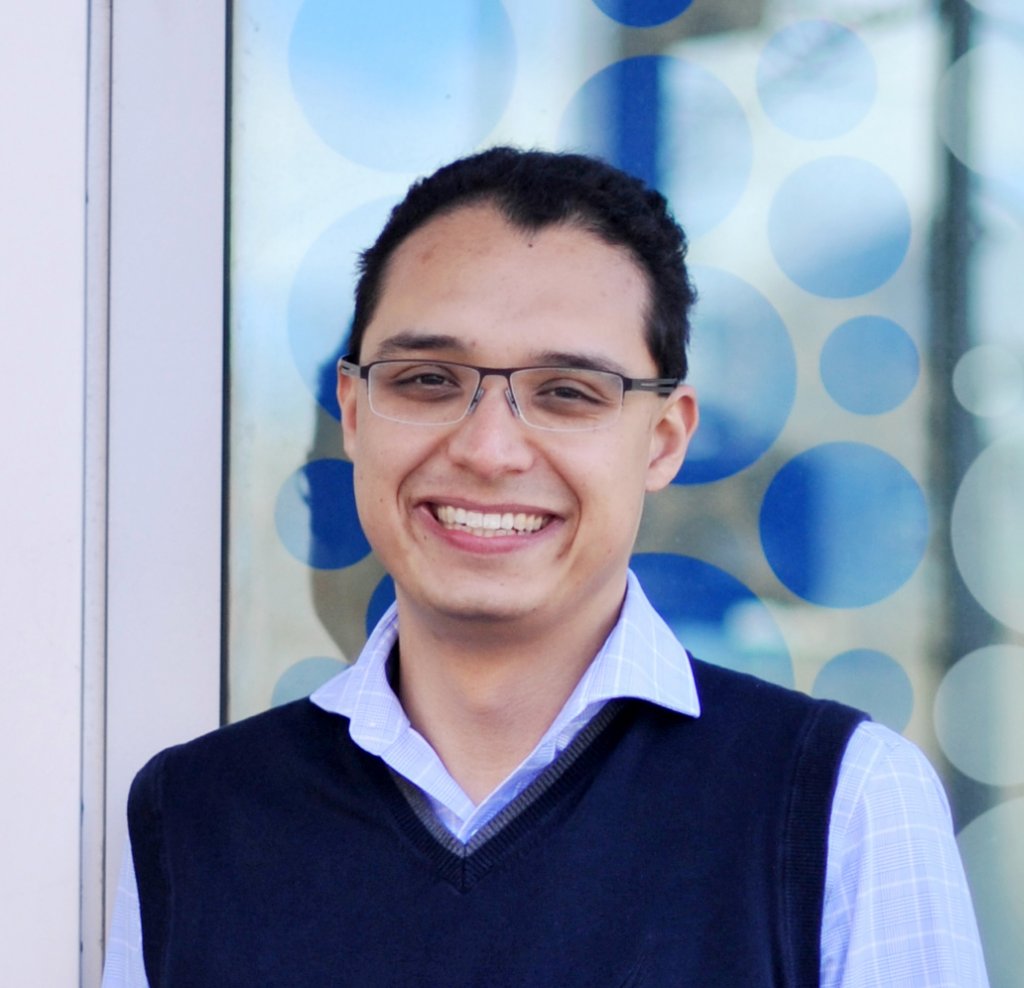
The effortlessness of moving your body belies the lurking complexity driving it. We are trying to understand how the nervous system makes something so complicated as controlling a human body feel so natural. We use human subjects studies, animal experiments, mathematical biology, and artificial intelligence to understand neural control of movement. New theories and insight promise advances in physical therapy, human-machine collaboration, brain-computer interfaces, neural modulation of peripheral reflexes, and more.

Associate Professor Division of Physical Therapy, Department of Rehabilitation Medicine
Associate Professor, W.H. Coulter Department of Biomedical Engineering
Phone
404-712-4801
University, College, and School/Department
Zachary
Danziger
Show Regular Profile

James Dahlman

James Dahlman
james.dahlman@bme.gatech.edu
Website

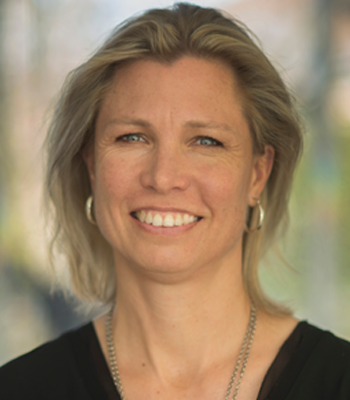
James Dahlman is a bioengineer / molecular engineer whose work lies at the interface of chemistry, nanotechnology, genomics, and gene editing. His lab focuses on targeted drug delivery, in vivo gene editing, Cas9 therapies, siRNA therapies, and developing new technologies to improve biomaterial design. 

The DahlmanLab is known for applying 'big data' technologies to nanomedicine. The lab is pioneering DNA barcoded nanoparticles; using DNA barcodes, >200 nanoparticles can be analyzed simultaneously in vivo. These nanoparticles are studied directly in vivo, and used to deliver targeted therapies like siRNA, mRNA, or Cas9. As a result of this work, James was named 1 of the 35 most innovative people under the age of 35 by MIT Technnology Review in 2018. James has won many national / international awards, and has published in Science, Nature Nanotechnology, Nature Biotechnology, Nature Cell Biology, Cell, Science Translational Medicine, PNAS, JACS, ACS Nano, Nano Letters, and other journals. James has also designed nanoparticles that efficiently deliver RNAs to the lung and heart. These nanoparticles can deliver 5 siRNAs at once in vivo, and are under consideration for clinical development. As a result, the lab has an interest in immunology and vascular biology. 

James supports entirely new research students come up with independently. To this end, DahlmanLab students learn how to (i) generate new ideas, (ii) select the good ones, and (iii) efficiently test whether the good ideas will actually work. 

Dahlman Lab students learn how to design/characterize/administer nanoparticles, how to isolate different cell types in vivo, how to rationally design DNA to record information, Cas9 therapies, and deep sequencing. As a result, the lab is an interdisciplinary group with students that have backgrounds in medicinal chemistry, BME, bioinformatics, biochemistry, and other fields. The lab welcomes students with all types of scientific backgrounds. The lab firmly stands by students, independent of their personal beliefs, preferences, or backgrounds.

Associate Professor
Phone
404-385-5262
Office
UAW 2101
Additional Research
In the Dahlman Lab, we focus on the interface between nanotechology, molecular biology, and genomics. We design drug delivery vehicles that target RNA and other nucleic acids to cells in the body. We have delivered RNAs to endothelial cells, and have treated heart disease, cancer, inflammation, pulmonary hypertension, emphysema, and even vein graft disease. Because we can deliver RNAs to blood vessels at low doses, sometimes we decide to deliver multiple therapeutic RNAs to the same cell at once. These 'multigene therapies' have been used to treat heart disease and cancer. Why is this important? Most diseases are caused by combinations of genes, not a single gene. We also rationally design the nucleic acids we want to deliver. For example, we re-engineered the Cas9 sgRNA to turn on genes, instead of turning them off. This enabled us to easily turn on gene A and turn off gene B in the same cell.
Google Scholar
https://scholar.google.com/citations?user=aFaC4Y0AAAAJ&hl=en
Related Site
James
Dahlman
Show Regular Profile

Gabe Kwong

Gabe Kwong
gkwong@gatech.edu
Website

Dr. Gabe Kwong is a Professor in the Wallace H. Coulter Department of Biomedical Engineering at the Georgia Tech School of Engineering and Emory School of Medicine. His research program is conducted at the interface of the life sciences, medicine and engineering where a central focus is understanding how to harness the sophisticated defense mechanisms of immune cells to eradicate disease and provide protective immunity. Kwong has pioneered numerous biomedical technologies and published in leading scientific journals such as Nature Biotechnology and Nature Medicine. His work has been profiled broadly including coverage in The Economist, NPR, BBC, and WGBH-2, Boston 's PBS station. Professor Kwong earned his B.S. in Bioengineering with Highest Honors from the University of California, Berkeley and his Ph.D. in Bioengineering from California Institute of Technology with Professor James R. Heath. He conducted postdoctoral studies at Massachusetts Institute of Technology with Professor Sangeeta N. Bhatia. For his work, Dr. Kwong has been awarded the NIH Ruth L. Kirschstein National Research Service Award, named a "Future Leader in Cancer Research and Translational Medicine" by the Massachusetts General Hospital, and awarded the Burroughs Wellcome Fund Career Award at the Scientific Interface, a distinction given to the 10 most innovative bioengineers in the nation. Dr. Kwong holds seven issued or pending patents in cancer nanotechnology.

Professor
Director, Laboratory for Synthetic Immunity
Phone
404-385-3746
Office
Marcus Nanotechnology 3132
Additional Research

Human health has been transformed by our collective capacity to engineer immunity — from the pivotal development of the smallpox vaccine to the curative potential of recent cancer immunotherapies. These examples motivate our research program that is conducted at the interface of Engineering and Immunology, and where we develop biomedical technologies and applications that shape a diverse array of immunological systems.The questions that are central to our exploration include: How do we begin to study an individual's repertoire of well over one billion immune cells when current technologies only allow us to study a handful of cells at a time? What are the biomarkers of immunological health as the body responds to disease and ageing, and how may these indicators trigger clinical decisions? And how can we genetically rewire immune cells to provide them with entirely new functions to better fight complex diseases such as cancer?To aid in our studies, we use high-throughput technologies such as next-generation sequencing and quantitative mass spectrometry, and pioneer the development of micro- and nanotechnologies in order to achieve our goals. We focus on clinical problems in cancer, infectious diseases and autoimmunity, and ultimately strive to translate key findings into therapies for patients.

Google Scholar
https://scholar.google.com/citations?user=VAbRCjIAAAAJ&hl=en
LinkedIn Related Site
Gabe
Kwong
A.
Show Regular Profile

Felipe Garcia Quiroz

Felipe Garcia Quiroz
Website

Felipe trained as a biomedical engineer in his native Colombia before obtaining a PhD from the Biomedical Engineering department of Duke University. At Duke, working in the laboratory of Ashutosh Chilkoti, he focused on the engineering of genetically-encoded, self-assembling protein polymers. An important outcome of this PhD work was the elucidation of sequence rules to program the phase separation behavior of intrinsically disordered proteins (IDPs). Motivated by a newly acquired ability to engineer the phase behavior of IDPs, for his postdoctoral work he turned to their poorly-understood biology. To pursue skin as an outstanding biological system, Felipe joined the group of Elaine Fuchs at Rockefeller University. Felipe’s postdoctoral research led to the discovery that liquid-liquid phase separation drives the process of skin barrier formation. In 2020, he established the Quiroz Lab in the Wallace H. Coulter Department of Biomedical Engineering at Georgia Tech and Emory University, where he is currently an Assistant Professor. Felipe is the recipient of multiple research awards, including a Career Award at the Scientific Interface from the Burroughs Wellcome Fund and the NIH Director’s New Innovator Award.

Assistant Professor
Phone
404-251-5435
Office
Health Sciences Research Building, Room E184 (Emory)
Google Scholar
https://scholar.google.com/citations?user=zlXwjXcAAAAJ&hl=en&oi=ao
Coulter Department of Biomedical Engineering Coulter Department of Biomedical Engineering
Felipe
Quiroz
Garcia
Show Regular Profile

Marvin Whiteley

Marvin Whiteley
marvin.whiteley@biosci.gatech.edu
Website

Dr. Whiteley received his B.S. degree in Zoology in 1995 from the University of Texas at Austin and his Ph.D. in Microbiology from the University of Iowa in 2001. His doctoral research involved quorum sensing and biofilm formation in the bacterium Pseudomonas aeruginosa. Following a Postdoctoral Fellowship at Stanford University in 2002, Dr. Whiteley accepted a position as an assistant professor at the University of Oklahoma/Oklahoma Health Sciences Center. In 2006, Dr. Whiteley moved to the University of Texas at Austin where he was promoted to Professor of Molecular Biosciences and Director of the LaMontagne Center for Infectious Disease. In 2017, he accepted the Bennie H. & Nelson D. Abell Chair and Georgia Research Alliance Eminent Scholar in Molecular and Cellular Biology at Georgia Institute of Technology. He also serves as Associate Director of the CF-Air Center at Emory Medical School. Dr. Whiteley has garnered numerous awards for his work including the Merck Irving S. Sigal Memorial Award for national research excellence, the Burroughs Wellcome Investigators in Pathogenesis of Infectious Disease award, recognition as a Kavli fellow of the National Academy of Sciences, the Dean’s teaching excellence award from UT-Austin, and election to the American Academy of Microbiology.

Professor
Bennie H. & Nelson D. Abell Chair in Molecular and Cellular Biology
Georgia Research Alliance Eminent Scholar
Co-Director, Emory-Children's CF Center (CF@LANTA)
Phone
404-385-5697
Office
Petit Biotechnology Building, Office 1314
Additional Research
In the Whiteley Lab, we are interested in the social lives of bacteria. Currently, we are utilizing new technologies combined with classical genetic techniques to address questions about microbial physiology, ecology, virulence, and evolution. In particular, we are working on tackling the following questions: 1. How do bacteria communicate? 2. How do polymicrobial interactions impact physiology and virulence? 3. What is the role of spatial structure in bacterial infections? 4. How does the host environment impact microbial physiology?
Google Scholar
https://scholar.google.com/citations?user=Qa4l5J4AAAAJ&hl=en
http://biosci.gatech.edu/people/marvin-whiteley
Marvin
Whiteley
Show Regular Profile

A. Fatih Sarioglu

A. Fatih Sarioglu
sarioglu@gatech.edu
Biomedical Microsystems Lab

A. Fatih Sarioglu received the B.Sc. degree from Bilkent University, Ankara, Turkey in 2003, and the M.S. and Ph.D. degrees from Stanford University in 2005 and 2010, respectively, all in Electrical Engineering.

Sarioglu worked as a postdoctoral research associate at the Center for Nanoscale Science and Engineering at Stanford University from 2010 to 2012. From 2012-2014, he was a research fellow at the Center for Engineering in Medicine, Massachusetts General Hospital and Harvard Medical School. In October 2014, he joined the School of Electrical and Computer Engineering at the Georgia Institute of Technology as an assistant professor.

Sarioglu's research interests are at the interface of nano-/micro-engineering and biomedicine. He is particularly interested in developing N/MEMS-based technologies for biomedical applications.

Professor, School of Electrical and Computer Engineering
Phone
404.894.5032
Office
Pettit/MiRC 217
Additional Research

Nano- and Micro-systems for bio-molecular sensing and imagingMicrofluidic devices for cell sorting and disease detectionHigh-throughput bio-analytical instrumentation for cellular and molecular characterizationIntegrated platforms for point-of care diagnosticsImplantable medical devices for minimally-invasive health monitoring

Google Scholar
https://scholar.google.com/scholar?hl=en&q=Ali+Fatih+Sarioglu&btnG=&as_sdt=1,11&as_sdtp=
LinkedIn ECE Profile Page
A. Fatih
Sarioglu
Show Regular Profile

Levi Wood

Levi Wood
levi.wood@me.gatech.edu
Website

Dr. Wood completed his graduate training at the Massachusetts Institute of Technology. While there he worked under the guidance of Drs. H. Harry Asada and Roger Kamm to develop and use microfluidics to identify mechanisms governing vascular geometry. 

During his postdoc, Dr. Wood worked under Dr. Kevin Haigis (Beth Israel Deaconess Medical Center and Harvard Medical School) and Dr. Douglas Lauffenburger (Massachusetts Institute of Technology) to use systems biology to identify novel signaling mechanisms driving neuronal death in Alzheimer's disease and epithelial cell death during intestinal inflammation.

Associate Professor
Phone
404-385-4465
Office
Petit Biotechnology Building, Office 3303
Additional Research
Our research focuses on applying systems analysis approaches and engineering tools to identify novel clinical therapeutic targets for complex diseases. It is challenging to develop new treatments for these diseases, such as Alzheimer's disease(AD) and Traumatic Brain Injury (TBI), because they do not have a single genetic cause and they simultaneously present broad physiologic changes. By combining novel engineeredin vitroplatforms, mouse models, and multivariate computational systems analysis, we will be able to 1) capture a holistic systems-level understanding of complex diseases, and 2) isolate specific mechanisms driving disease. The ultimate goal of our laboratory is to use these tools to identify new mechanisms driving disease onset and progression that will translate to effective therapeutic strategies.
Google Scholar
https://scholar.google.com/citations?user=iK5nEOYAAAAJ&hl=en
Related Site
Levi
Wood
Show Regular Profile

Aditi Das

Aditi Das
aditi.das@chemistry.gatech.edu
Chemistry Profile

Aditi Das did her BSc. (Hons.) Chemistry from St. Stephen's College Delhi, followed by M.S. (Chemistry) from I.I.T (Kanpur). She received her Ph.D. in Chemistry from Princeton University. She did post-doctoral work with Prof. Steve Sligar. She joined University of Illinois, Urbana-Champaign (UIUC) as a tenure track assistant professor in 2012. In 2019, she was promoted to associate professor with tenure. In 2022, she joined School of Chemistry and Biochemistry at Georgia Institute of Technology as an associate professor with tenure. Her research is in the area of enzymology of oxygenases that are involved lipid metabolism and cannabinoid metabolism.

Das is recipient of an American Heart Associate (AHA) career award and has been funded by National Institute of Health (NIH - NIGMS, NIDA and NCCIH), USDA, and National Multiple Sclerosis Society (NMSS). Her research was recognized by several National awards: Young Investigator award From Eicosanoid Research Foundation, Mary Swartz Rose Young Investigator Award and E.L.R. Stokstad award from American Society for Nutrition (ASN) for outstanding research on bioactive compounds for human health. She is also the recipient of Zoetis Research Excellence Award from her college. She was a co-organizer of the International Conference on Cytochrome P450. Recently her laboratory contributed several papers on cannabinoid metabolism by p450s. In recognition of this work, she was awarded El Sohly award from the ACS-Cannabis division for excellence in Cannabis research and is invited to give plenary lecture at ISSX meeting.  Das is also a standing study section member of BBM NIH study section. 

Associate Professor
Phone
609-203-6924
Office
3306 IBB
Aditi
Das
Show Regular Profile