Lynn Kamerlin

Lynn Kamerlin
skamerlin3@gatech.edu
http://kamerlinlab.com

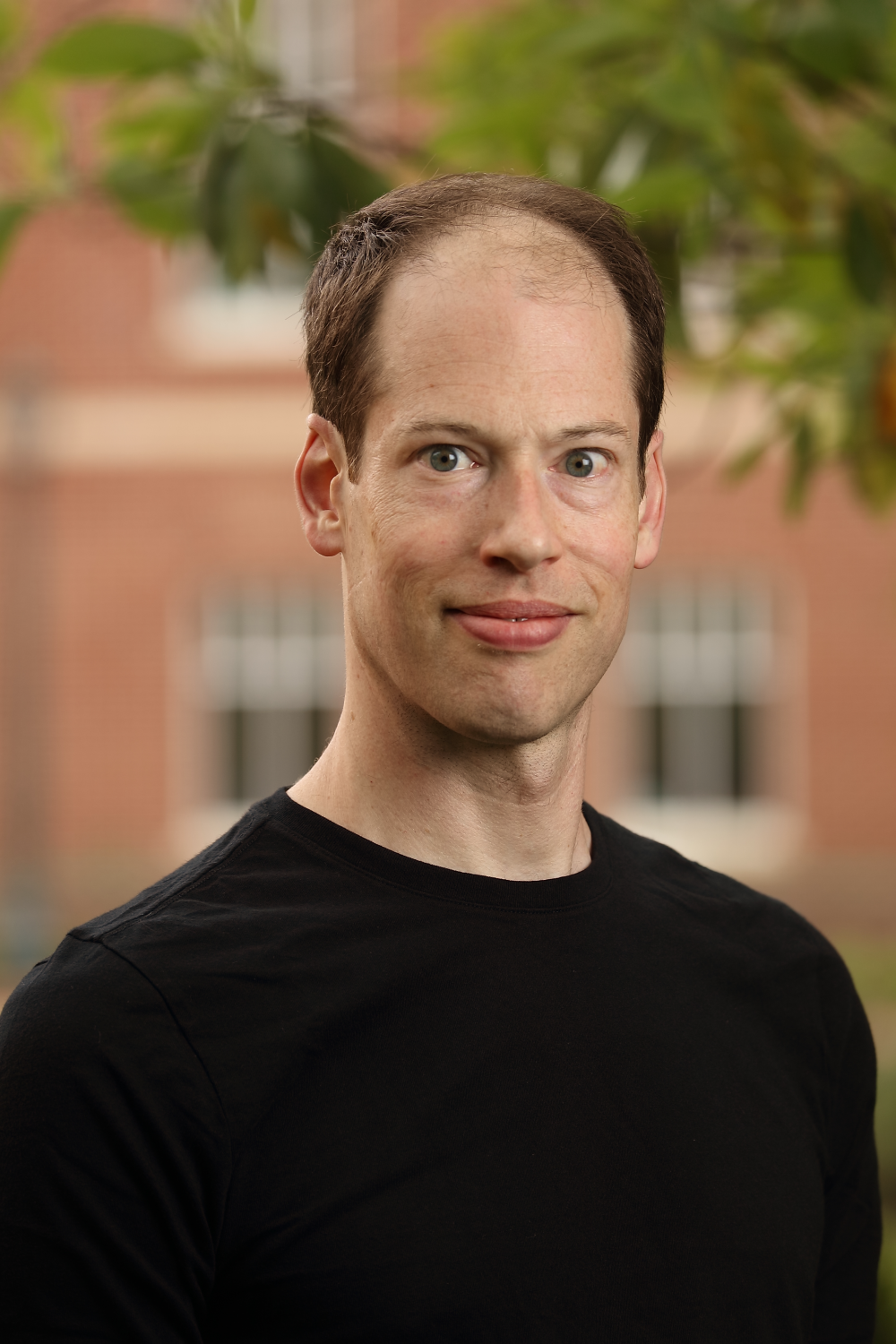
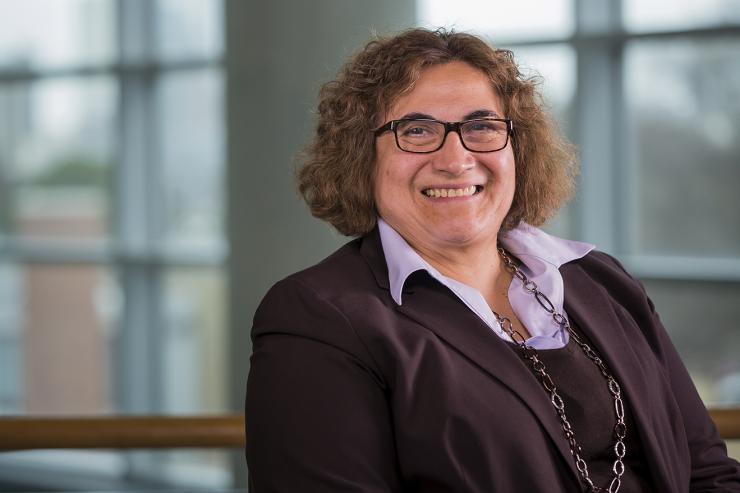
Lynn Kamerlin received her Master of Natural Sciences from the University of Birmingham (UK), in 2002, where she remained to complete a PhD in Theoretical Organic Chemistry under the supervision of Dr. John Wilkie (awarded 2005). Subsequently, she was a postdoctoral researcher in the labs of Stefan Boresch at the University of Vienna (2005-2007), Arieh Warshel at the University of Southern California (2007-2009, Research Associate at the University of Southern California in 2010) and Researcher with Fahmi Himo (2010). She is currently a Professor and Georgia Research Alliance – Vasser Wooley Chair of Molecular Design at Georgia Tech, a Professor of Structural Biology at Uppsala University, a Fellow of the Royal Society of Chemistry. She has also been a Wallenberg Scholar, the recipient of an ERC Starting Independent Researcher Grant (2012-2017) and the Chair of the Young Academy of Europe (YAE) in 2014-2015. Her non-scientific interests include languages (fluent in 5), amateur photography and playing the piano.

Professor
Fellow of the Royal Society of Chemistry
Phone
(404) 385-6682
Office
MoSE 2120A
Lynn
Kamerlin
Show Regular Profile

Peter Kasson

Peter Kasson
peter.kasson@chemistry.gatech.edu
https://kassonlab.org/

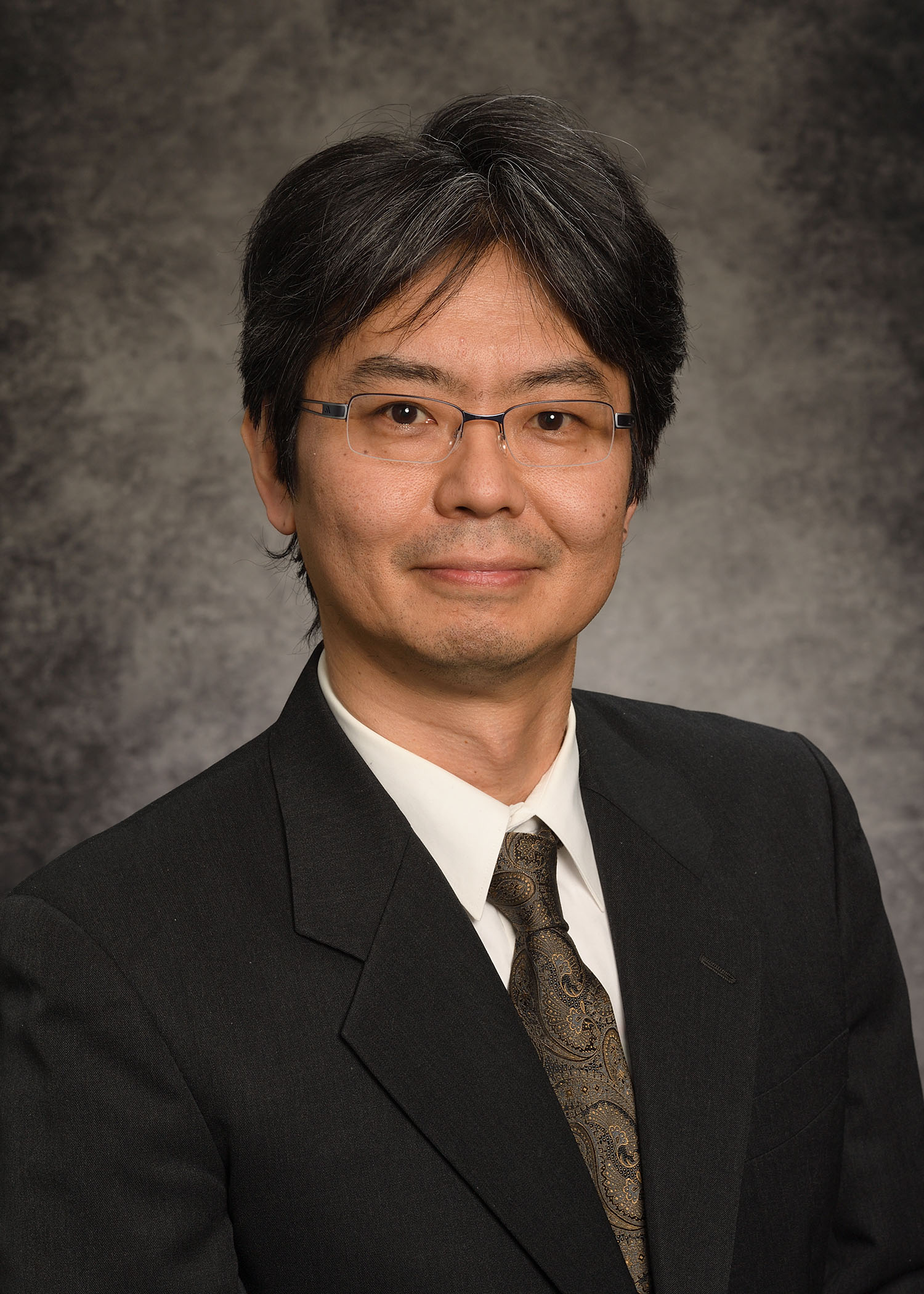
Peter Kasson is an international leader in the study of biological membrane structure, dynamics, and fusion, with particular application to how viruses gain entry to cells. His group performs both high-level experimental and computational work – a powerful combination that is critical to advancing our understanding of this important problem. His publications describe inventive approaches to the measurement of viral fusion rates and characterization of fusion mechanisms, and to the modeling of large-scale biomolecular and lipid assemblies. He has applied these insights to the prediction of pandemic outbreaks and drug resistance, with particular attention to Zika, SARS-CoV-2, and influenza pathogens in recent years. See https://kassonlab.org/ for more information.

Professor of Chemistry and Biomedical Engineering
Peter
Kasson
Show Regular Profile

Shoichiro Ono, Ph.D.

Shoichiro Ono, Ph.D.
sono@emory.edu
Website

The Shoichiro's lab primary research interest is the mechanisms that regulate dynamic rearrangement of the actin cytoskeleton during various cellular events including development, cell movement, cytokinesis, and human diseases. We have been studying this problem using the nematode Caenorhabditis elegans as a model system. C. elegans has been used to study many aspects of development, because of its relative simplicity in the body patterning, and application of genetics, molecular biology, biochemistry, and cell biology. We are especially interested in the functions of the actin depolymerizing factor (ADF)/cofilin family of actin-binding proteins, which are required for enhancement of actin filament dynamics. We found that two ADF/cofilin proteins that are generated from the unc-60 gene have different actin-regulating activities. Mutation and expression analyses demonstrated that one of the two ADF/cofilin isoforms (UNC-60B) was specifically required for organized assembly of actin filaments in muscle. ADF/cofilin promotes depolymerization and severing of actin filaments, but tropomyosin inhibits this effect by stabilizing filaments. The other ADF/cofilin isoform (UNC-60A) is highly expressed in early embryos and regulates cytokinesis and embryonic patterning. In addition, we found that actin-interacting protein 1 (AIP1) is a new regulator of muscle actin filaments. AIP1 (UNC-78) specifically interacts with ADF/cofilin-bound actin filaments and enhances filament depolymerization. We also found that the gene product of sup-12 (an RBM24 homolog) regulates alternative splicing of the unc-60 gene and is required for generation of the unc-60B mRNA. We are currently studying functions of these proteins and other regulators of actin dynamics in several developmental aspects in C. elegans.

Associate Professor of Pathology and Laboratory Medicine
Associate Professor of Cell Biology
Phone
404.727.3916
Office
615 Michael Street, Whitehead Biomedical Research Building Room 105N, Atlanta, GA 30322
University, College, and School/Department
Google Scholar
https://scholar.google.com/citations?user=tq7ihbkAAAAJ&hl=en
NCBI
Shoichiro
Ono
Show Regular Profile

Aditi Das

Aditi Das
aditi.das@chemistry.gatech.edu
Chemistry Profile

Aditi Das did her BSc. (Hons.) Chemistry from St. Stephen's College Delhi, followed by M.S. (Chemistry) from I.I.T (Kanpur). She received her Ph.D. in Chemistry from Princeton University. She did post-doctoral work with Prof. Steve Sligar. She joined University of Illinois, Urbana-Champaign (UIUC) as a tenure track assistant professor in 2012. In 2019, she was promoted to associate professor with tenure. In 2022, she joined School of Chemistry and Biochemistry at Georgia Institute of Technology as an associate professor with tenure. Her research is in the area of enzymology of oxygenases that are involved lipid metabolism and cannabinoid metabolism.

Das is recipient of an American Heart Associate (AHA) career award and has been funded by National Institute of Health (NIH - NIGMS, NIDA and NCCIH), USDA, and National Multiple Sclerosis Society (NMSS). Her research was recognized by several National awards: Young Investigator award From Eicosanoid Research Foundation, Mary Swartz Rose Young Investigator Award and E.L.R. Stokstad award from American Society for Nutrition (ASN) for outstanding research on bioactive compounds for human health. She is also the recipient of Zoetis Research Excellence Award from her college. She was a co-organizer of the International Conference on Cytochrome P450. Recently her laboratory contributed several papers on cannabinoid metabolism by p450s. In recognition of this work, she was awarded El Sohly award from the ACS-Cannabis division for excellence in Cannabis research and is invited to give plenary lecture at ISSX meeting.  Das is also a standing study section member of BBM NIH study section. 

Associate Professor
Phone
609-203-6924
Office
3306 IBB
Aditi
Das
Show Regular Profile

Karl Jacob

Karl Jacob
karl.jacob@mse.gatech.edu

Karl I. Jacob, a professor of Materials Science and Engineering with a joint appointment in the G. W. Woodruff School of Mechanical Engineering, teaches graduate and undergraduate courses on polymer physics and engineering, rheology, and mechanics of polymeric materials. His graduate work was in the area of numerical analysis of vibrating three-dimensional structures. He came to Georgia Tech from DuPont Corporation in 1995. His initial work at the DuPont Dacron Research Laboratory was in the area of fiber-reinforced composite materials and in the development and modeling of fiber spinning processes. He then moved to the DuPont Central Research and Development Department, where he was involved in molecular modeling, computational chemistry, and diffusion.

Jacob is a member of the American Academy of Mechanics, the American Society of Mechanical Engineers, the Sigma Xi Research Society, and the Phi Kappa Phi Honor Society.

Professor, School of Materials Science and Engineering and School of Mechanical Engineering
Phone
404.894.2541
Office
MRDC-1 4509
Additional Research

"Dr. Jacob's research is directed at stress induced phase changes, nanoscale characterization of materials, synthesis of polymeric nanofibers, mechanical behavior of fiber assemblies (particularly related to biological systems and biomimitic systems), nanoparticle reinforced composites, transdermal drug delivery systems, large scale deformation of rubbery (networked) polymers, and nanoscale fracture of materials. The objectives in this work, using theoretical, computational and experimental techniques, is to understand the effect of micro- and nano- structures in the behavior of materials in order to try to design the micro/nano structures for specific materials response. Dr. Jacob plans are to continue current research interests with a multidisciplinary thrust with more emphasis in bio related areas and to start some work on the dynamic behavior of materials and structures. Graduate students could benefit from the interdisciplinary nature of the work combining classical continuum mechanics with nanoscale analysis for various applications, particularly in the nano and bio areas. Dr. Jacob has extensive experience in vibrations and stability of structures, mechanics of polymeric materials, behavior of fiber assemblies, stress-induced phase transformation, diffusion, and molecular modeling. His research involves the application of mechanics principles, both theoretical and experimental, in the analysis and design of materials for various applications.";Fibers; smart textiles; fuel cells; Polymeric composites

University, College, and School/Department
MSE Profile Page
Karl
Jacob
I.
Show Regular Profile

Zhaohui (Julene) Tong

Zhaohui (Julene) Tong
zt7@gatech.edu
Website

The Tong Lab tackles challenges in the interdisciplinary areas of bioresource engineering and sustainable chemistry. We develop innovative technologies for producing chemicals, materials, energy, and fuels from renewable resources.

Current research interests include:

  • Functional biomaterials for high-efficiency circular economy
  • Platform chemicals and hydrocarbon fuels from renewable resources
  • Sustainable process control and modeling
  • Nano-biomaterial synthesis and self-assembling
  • Polymer degradation and recycling

Disciplines:

  • Materials and Nanotechnology

  • Energy and Sustainability

Associate Professor
RBI Lead: Waste Valorization in Food-Energy-Water
Phone
404.894.3098
Office
ES&T 2226
Zhaohui (Julene)
Tong
Show Regular Profile

Ronald Rousseau

Ronald Rousseau
ronald.rousseau@chbe.gatech.edu
Departmental Bio
Professor
Cecil J. "Pete" Silas Chair Emeritus
Phone
(404) 894-2868
Additional Research

Separations Technology; Biofuels; Energy & Water; Separation Technologies

University, College, and School/Department
Personal Website
Ronald
Rousseau
Show Regular Profile

Rosario Gerhardt

Rosario Gerhardt
rosario.gerhardt@mse.gatech.edu
MSE Profile Page

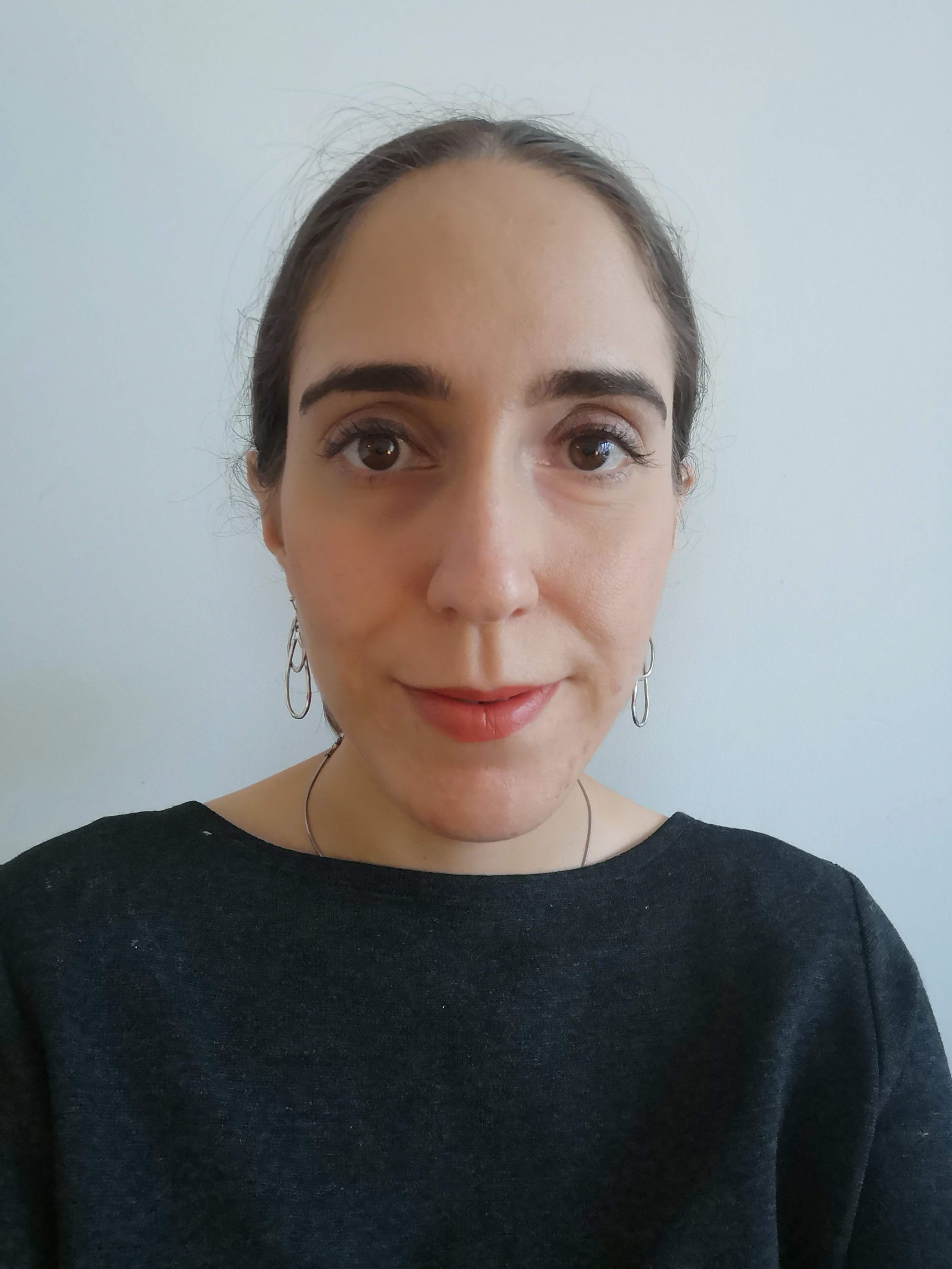
Rosario A. Gerhardt joined the faculty of Georgia Tech as associate professor in January 1991.  She was promoted to full professor in 2001.  Prior to coming to Georgia Tech she worked as an assistant research professor at the Center for Ceramics Research at Rutgers University from 1986-1990 and as a post-doctoral research associate at Rutgers for two years and at Columbia University in New York City for one year.  She also worked as an ASEE/NASA Faculty Fellow at the NASA Marshall Space Flight Center in Huntsville, AL during summer 1995 and as a visiting professor at the Center for Nanomaterials Science (CNMS) at Oak Ridge National Laboratory in Oak Ridge, TN during the 2007-2008 academic year. She regularly interacts with researchers at various industrial companies and national laboratories. Her research work has been funded by the National Science Foundation, the U.S. Department of Energy, NASA and various industrial companies.

Gerhardt's research focuses on determining structure-property-processing relationships in a wide range of materials. Most recently, her research group has focused on making and characterizing polymer and ceramic composites containing conducting and semiconducting nanofillers and on the synthesis and assembly of nanoparticles into thin films useful for use as transparent electrodes, solar cell components, microwave heatable inserts, conductive paper, etc. Over the years, she has worked with a variety of ceramic materials such as dielectric insulators, ionic conductors and ceramic superconductors in bulk and thin film form, as well as with intrinsic conducting polymers. Her work also extends onto non-electronics related materials such as fiber and particulate reinforced composites and metallic alloys that are used for wear applications and as components in the hot-sections of gas turbine engines. Most of her work has dealt with the electrical and microstructural characterization of materials using impedance and dielectric spectroscopy, resistivity measurements, and structural characterization via microscopic techniques such as optical, SEM, TEM and AFM, and x-ray and neutron scattering methods. More recently, her group has also added various optical spectroscopy techniques to their repertoire of characterization methods (FTIR, UV-Vis and Raman).

Gerhardt is a fellow of the American Ceramic Society (ACeRS) and a member of the Materials Research Society(MRS), the IEEE/Dielectrics Division and Instrument and Measurement Division, the Metallurgical Society(TMS), the American Association for the Advancement of Science (AAAS), the American Society for Non-Destructive Testing (ASNT), the International Microelectronics and Packaging Society(IMAPS) and the Microscopy Society of America(MSA). She is also a member of Sigma Xi, Keramos and Tau Beta Pi. She has been active as an executive officer of the Electronics Division of the American Ceramic Society, having served as Chair of that division during the 2000-2001 year and on other capacities since then. She also serves as the faculty advisor for the Student Chapter of ACeRS and MRS at Georgia Tech and has been co-organizer of numerous symposia both at ACerS, MRS and other societies. She is a member of the National Research Council Associateship Panel Review Program. She is the author or co-author of over 200 refereed publications and has served as research advisor to more than 40 graduate students. Gerhardt and one of her students recently received one of the 2011 ASNT fellowship awards. 

One of Gerhardt’s long term research goals is to establish that electrical measurements can be used as a non-destructive method for microstructural characterization at all length scales. She was the leading organizer of a symposium series on the same subject at the Materials Research Society Meetings during the 1995, 1997 and 2001 Fall Meetings from which three proceedings books were published (MRS Proc. Vols. 411, 500 and 699). In addition, she teaches a graduate course at Georgia Tech (MSE7140) where she covers the theory and applications of impedance spectroscopy from the microstructural point of view.  She is currently writing a textbook on this subject, which is due to be published in 2013.  She is also the editor of a recent book entitled “Properties and Applications of Silicon Carbide” that was published by In-Tech publications in 2011

Professor and Goizueta Foundation Faculty Chair, School of Materials Science and Engineering
Phone
404.894.6886
Office
Love 168
Additional Research

Advanced Characterization; Ceramics; Conducting Polymers; Plasmonics; Nanostructured Materials; Printing Technology; Nanocellulose Applications; Films & Coatings; Biomaterials

Google Scholar
https://scholar.google.com/citations?hl=en&user=J1WD2TwAAAAJ&view_op=list_works&sortby=pubdate
Rosario
Gerhardt
Show Regular Profile

Scott Sinquefield

Scott Sinquefield
Scott.Sinquefield@rbi.gatech.edu
Website

Scott Sinquefield completed his Ph.D. in Chemical Engineering in 1998 at Oregon State University. He spent three years working with the Multi-Fuel Combustion Group at the Combustion Research Facility at Sandia National Labs (Livermore); where he performed the experimental portion of his thesis research. He joined the Chemical Recovery group at IPST in 1998 and was lead.engineer in the construction and operation of the Pressurize Entrained Flow Reactor facility. He now leads the research program on black liquor gasification. He has extensive experience in the design and construction of pilot research reactors and control systems. He also has expertise in boiler fire-side fouling and thermodynamic modeling of aqueous electrolyte systems.

Senior Research Engineer
Phone
(404) 385-0241
Additional Research

Gasification; Biofuels; Chemical Recovery; Environmental Processes; Separation Technologies

University, College, and School/Department
Scott
Sinquefield
Show Regular Profile

Preet Singh

Preet Singh
preet.singh@mse.gatech.edu
Corrosion and Materials Lab

Prior to joining MSE in July 2003 Professor Singh was a faculty member in Corrosion and Materials Engineering Group at The Institute of Paper Science and Technology (IPST) since 1996.  While in IPST Singh worked on fundamental as well as applied research projects related to the corrosion problems in the pulp and paper industry. From 1990 to 1996, he was a Senior Research Associate at Case Western Reserve University, Cleveland, Ohio, working on various materials and corrosion related research projects, including damage accumulation in metal matrix composites (MMCs), Environmental sensitive fracture of Al-alloys MMCs, and High temperature oxidation of Nb/Nb5Si3 composites. He received the Alcan International's Fellowship in 1988-90 to work on "Effects of Low Melting Point Impurities on Slow Crack Growth in Al Alloys,"  He has published over 50 papers in reputed scientific journals and conference proceedings. He is active member of NACE, TMS, TAPPI and has co-organized a number of international symposiums.

Reliable performance of the materials is very important for any industrial process and especially for the chemical process industry for the manufacture of a high quality product. Material selection is generally based on the required material properties, low initial capital investment, and minimum maintenance. Changes in the process parameters to improve products can often lead to higher corrosion susceptibilities of the plant materials. Moreover, with increase in capital cost, there is pressure to extend the life of existing plant equipment beyond its original design life. Corrosion and Materials Engineers are also playing a key role in selecting, maintaining, and modifying materials for changing needs for every industry. Corrosion Science and Engineering research includes understanding the basic mechanisms involved in material degradation in given environments and using that knowledge to develop a mitigation strategy against environment-induced failures

Professor, School of Materials Science and Engineering
Associate Chair of Graduate Studies, School of Materials Science and Engineering
Phone
404.894.6641
Office
IPST 246
Additional Research

Composites; fracture and fatigue; stress corrosion; Materials Failure and Reliability; Biofuels; Chemical Recovery; Environmental Processes; Sustainable Manufacturing; Energy & Water; Corrosion & Reliability

Google Scholar
https://scholar.google.com/citations?hl=en&user=AqrDFI8AAAAJ&view_op=list_works&sortby=pubdate
MSE Profile Page
Preet
Singh
Show Regular Profile