Lukas Graber
Electrical Grid; Electronics
Climate/Environment; Combustion
Combustion
Combustion
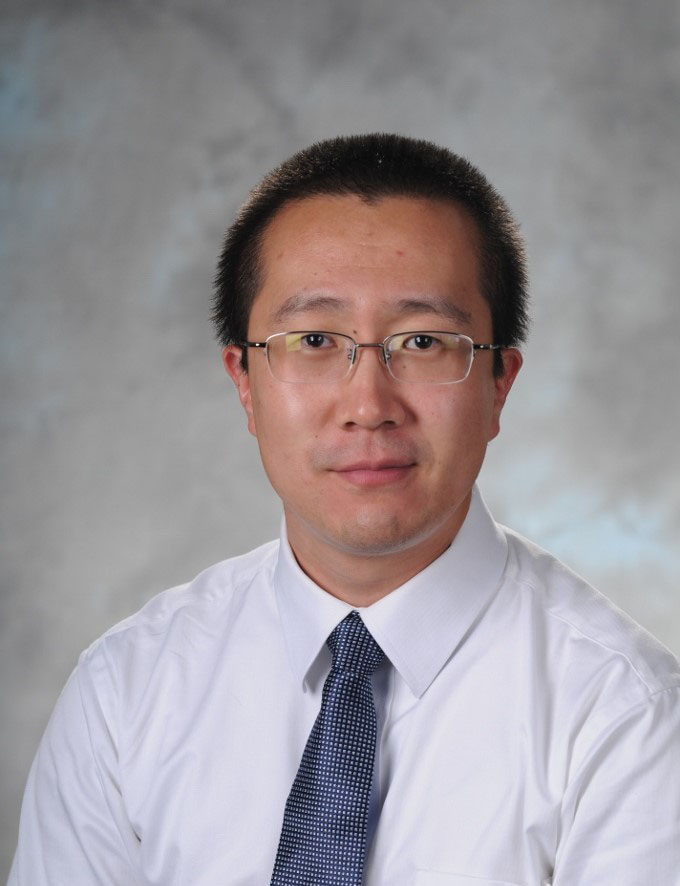
Dr. Shi joined Georgia Tech in August 2018 as an assistant professor. Prior, he worked as a graduate student researcher at the Department of Mechanical Engineering of the University of California, Berkeley and Materials Science Division of Lawrence Berkeley National Laboratory focusing on the study of acoustic angular momentum and the design and realization of acoustic metamaterials and high-speed acoustic communication. His Ph.D. dissertation (2018) focuses on the development of acoustic metamaterials and the physics of the angular momentum of sound. Prior to his Ph.D. study at the Department of Mechanical Engineering of the University of California, Berkeley, Dr. Shi completed his M.S. degree in mechanical engineering at the University of Michigan-Shanghai Jiao Tong University Joint Institute in Shanghai, China. His M.S. thesis (2013) focuses on the dynamics and vibration of cyclically symmetric rotating mechanical systems.
Acoustic wave interactions with different cells including neurons, and imaging and treatment techniques resulted from the interactions.
Combustion
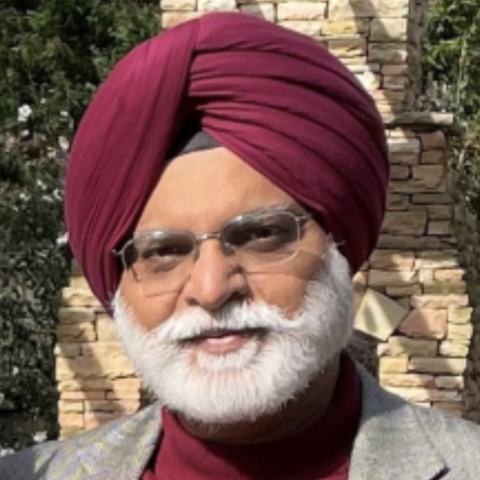
Prior to joining MSE in July 2003 Professor Singh was a faculty member in Corrosion and Materials Engineering Group at The Institute of Paper Science and Technology (IPST) since 1996. While in IPST Singh worked on fundamental as well as applied research projects related to the corrosion problems in the pulp and paper industry. From 1990 to 1996, he was a Senior Research Associate at Case Western Reserve University, Cleveland, Ohio, working on various materials and corrosion related research projects, including damage accumulation in metal matrix composites (MMCs), Environmental sensitive fracture of Al-alloys MMCs, and High temperature oxidation of Nb/Nb5Si3 composites. He received the Alcan International's Fellowship in 1988-90 to work on "Effects of Low Melting Point Impurities on Slow Crack Growth in Al Alloys," He has published over 50 papers in reputed scientific journals and conference proceedings. He is active member of NACE, TMS, TAPPI and has co-organized a number of international symposiums.
Reliable performance of the materials is very important for any industrial process and especially for the chemical process industry for the manufacture of a high quality product. Material selection is generally based on the required material properties, low initial capital investment, and minimum maintenance. Changes in the process parameters to improve products can often lead to higher corrosion susceptibilities of the plant materials. Moreover, with increase in capital cost, there is pressure to extend the life of existing plant equipment beyond its original design life. Corrosion and Materials Engineers are also playing a key role in selecting, maintaining, and modifying materials for changing needs for every industry. Corrosion Science and Engineering research includes understanding the basic mechanisms involved in material degradation in given environments and using that knowledge to develop a mitigation strategy against environment-induced failures
Composites; fracture and fatigue; stress corrosion; Materials Failure and Reliability; Biofuels; Chemical Recovery; Environmental Processes; Sustainable Manufacturing; Energy & Water; Corrosion & Reliability
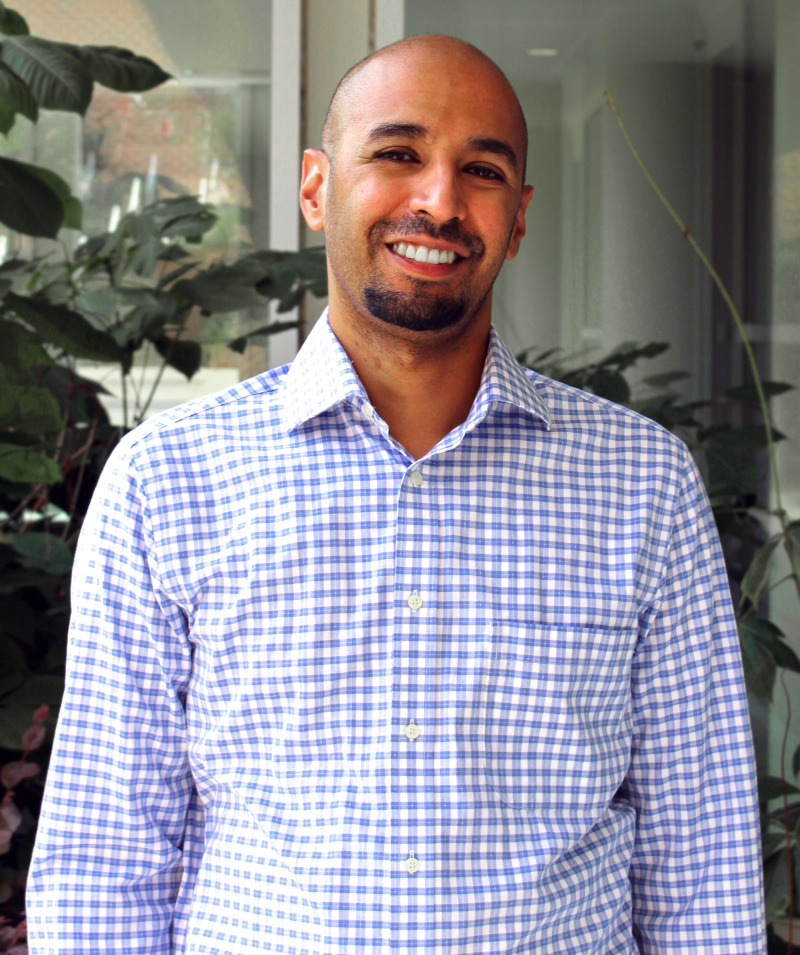
Dr. Mayor is a distinguished expert in thermal sciences, electro-mechanical machine design, and micro-manufacturing. As the inventor of the DwHX cooling technology for electric machines, he specializes in the research and development of advanced power electronics cooling, electric machine design, micro-power generation, and sustainable energy systems. Alongside his technical pursuits, Dr. Mayor has a rich entrepreneurial backdrop, having navigated product-oriented tech startups and led multiple advanced research and development programs. His expertise is sought in IP litigation, where he serves as a technical authority.
He has presented keynotes and seminars on diverse topics, from micro-manufacturing and electric machines to energy systems. He teaches courses in mechanical engineering courses at Georgia Tech, including machine design, manufacturing processes, design thinking and internal combustion engines, including H2ICE, and has taught courses as a visiting lecturer in China, France, Saudi Arabia, and South Africa. He has a substantial academic contribution with over 120 publications in leading archival journals and conferences and is a member of ASME and IEEE and SME.
Dr. Mayor's commitment goes beyond teaching and research as he engages in service as the Secretary of the Faculty. He strives to build on the learnings from the pandemic to expand the resourcefulness, understanding, and trust in shared governance. Moreover, Dr. Mayor serves as the faculty advisor for the Student Competition Center, further highlighting his commitment to student mentoring and leadership development. He looks forward to implementing AI in a robust manner in institute learnings, as a core capability in education.
Manufacturing and Heat Transfer; Combustion and Energy Systems; Micro-factories; micro/meso-scale manufacturing processes; integrated micro-mechatronics; micro-engines; micro-power generation
Dr. Anirban Mazumdar joined Georgia Tech as an Assistant Professor in Mechanical Engineering in 2018. Dr. Mazumdar studies robot mobility with the goal of understanding and achieving agile, versatile, and efficient robot behaviors in unstructured environments. His previous experience includes a postdoctoral research position in the High Consequence Automation and Robotics Group at Sandia National Laboratories in Albuquerque, NM. He has broad experience with novel robotic systems including energy efficient bipedal robots, reconfigurable aerial vehicles, prosthetic devices, and relaxed stability mobile robots.
Mobile Robots; Human Performance; Autonomy