Suhas Jain

Suhas Jain
suhasjain@gatech.edu
Profile of Dr. Suhas Jain

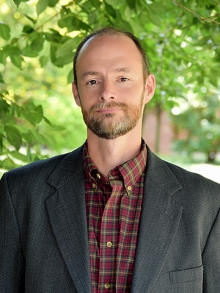
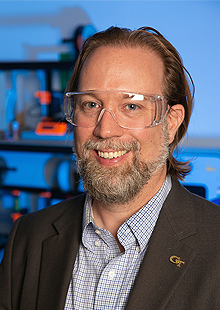
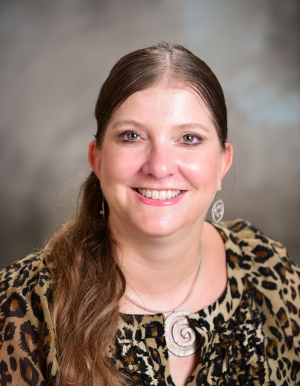
Suhas S. Jain is an Assistant Professor in the Woodruff School of Mechanical Engineering at Georgia Tech. He received his bachelor’s from NIT-Karnataka (India) in 2014, M.S. and Ph.D. from Stanford University in 2018 and 2022, respectively, all in mechanical engineering. Before coming to Georgia Tech, he was a postdoctoral fellow at the Center for Turbulence Research, Stanford University (2022-2023), a researcher at the Institute of Fluid Dynamics, Helmholtz-Zentrum Dresden-Rossendorf, Germany (2014-2015), and a project assistant at the Indian Institute of Science (2015-2016).

His research interests include computational modeling of fluid flows (multiphase flows; turbulent flows; compressible flows; and fluid-structure interaction) with a current focus on modeling atomization, sprays, and phase change for propulsion applications; ice accretion and aerodynamics for sustainable energy and aerospace design; and air-sea interaction modeling for understanding climate change; and modeling of fluid-solid and solid-solid systems for biomedical and high-speed applications. Through the integration of numerical modeling, high-performance computing, and data-driven approaches, Suhas and his group aim to address key challenges in these areas.

Assistant Professor
Additional Research
  • Computational Modeling
  • Machine Learning
Suhas
Jain
Show Regular Profile

George White

George White
george.white@gatech.edu

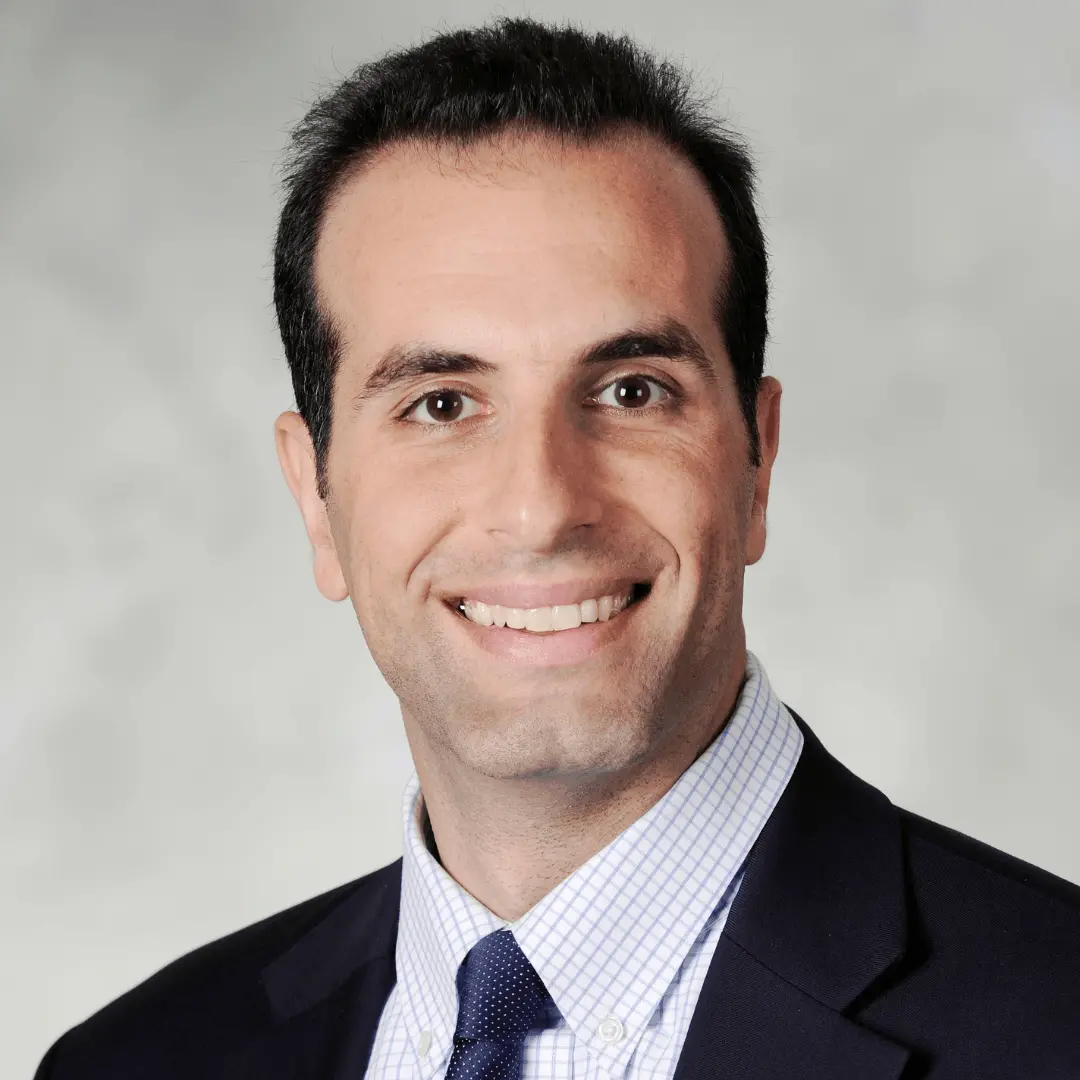
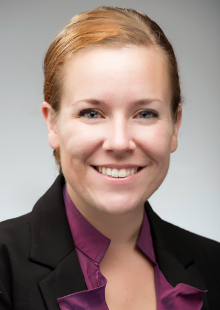
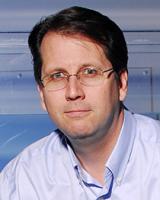
George will oversee activities designed to facilitate individual faculty members and teams of researchers in attracting extramural research funding, particularly opportunities with a focus or component involving external partnerships. This proactive and strategic role will allow George to assemble teams for creating collaborative research relationships with HBCUs and other MSIs, industry, government agencies, and other external organizations in order to respond to large-scale research opportunities.

Senior Director for Strategic Partnerships
Executive Director, Research Program Administration
Principal Research Engineer
Phone
404.407.6313
Additional Research

Additive/Advanced Manufacturing; Biomaterials; High Performance Computing; Quantum Computing

Research Focus Areas
George
White
Show Regular Profile

Laura Cadonati

 Laura Cadonati
cadonati@gatech.edu
Website

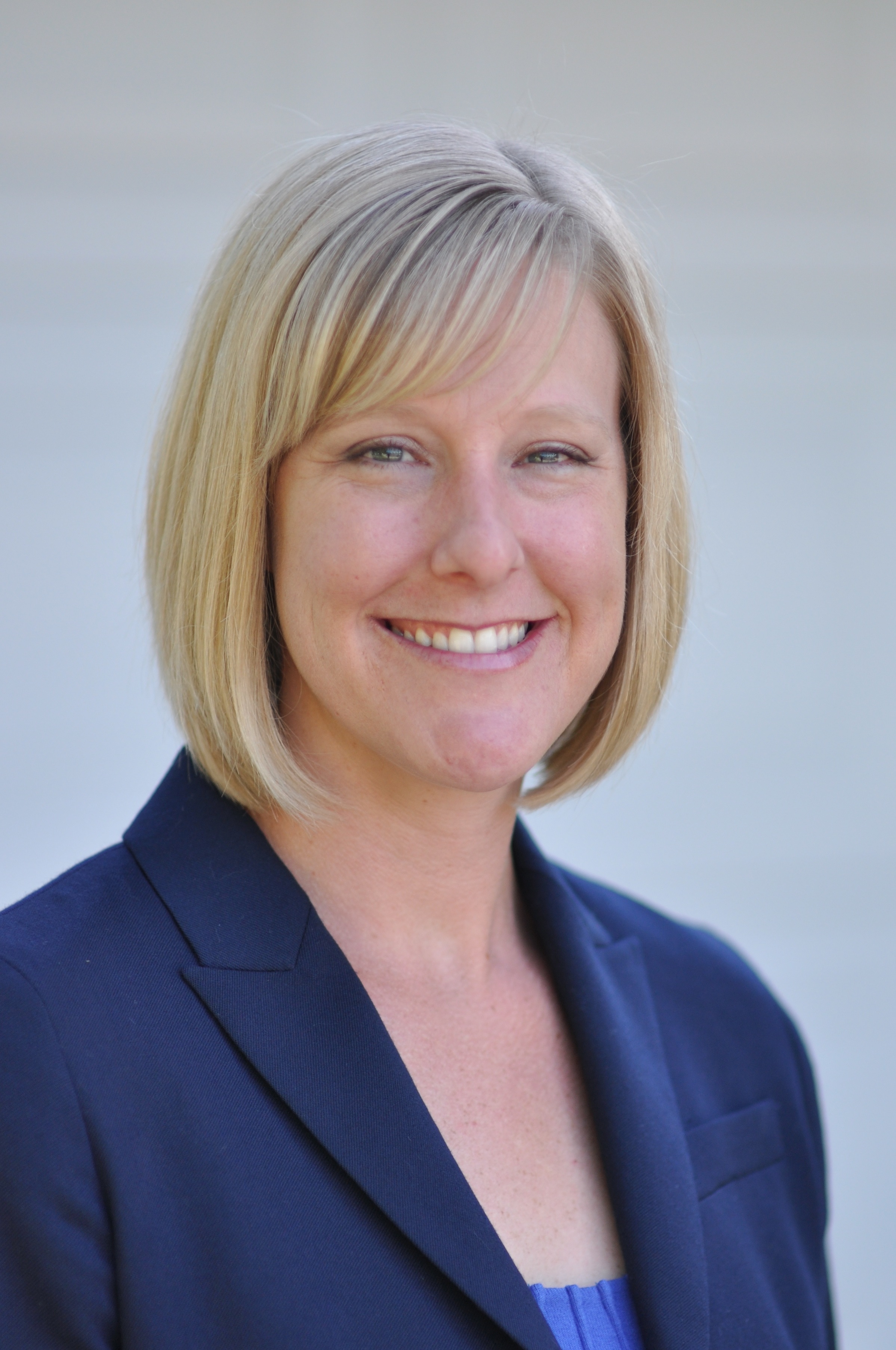
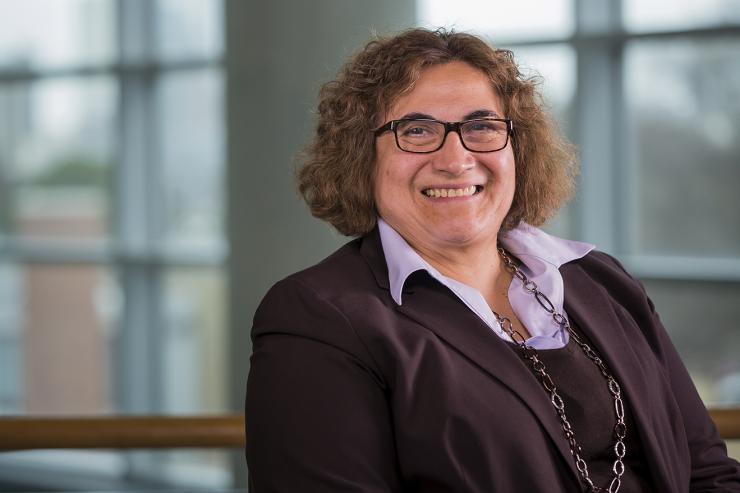
I joined the Center for Relativistic Astrophysics at GeorgiaTech in January 2015, from the University of Massachusetts Amherst. My principal research interests is gravitational wave astrophysics and LIGO – I have been a member of the LIGO Scientific Collaboration since 2002. I am also interested in particle astrophysics; I have been a member of the Borexino Collaboration (solar neutrino detection) until 2013 and the DarkSide Collaboration (direct dark matter search) until 2014.

Professor
Additional Research
  • Gravitational Wave Astrophysics
  • Particle Astophysics
University, College, and School/Department
Laura
Cadonati
Show Regular Profile

Edwin Romeijn

Edwin Romeijn
edwin.romeijn@isye.gatech.edu
Website

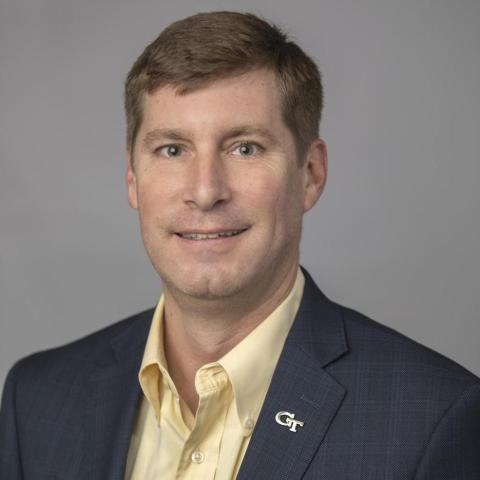
Edwin Romeijn is the H. Milton and Carolyn J. Stewart School Chair and Professor in the H. Milton Stewart School of Industrial and Systems Engineering at Georgia Tech.

His areas of expertise include optimization theory and applications. His recent research activities deal with issues arising in radiation therapy treatment planning and supply chain management. In radiation therapy treatment planning, his main goal has been to develop new models and algorithms for efficiently determining effective treatment plans for cancer patients who are treated using radiation therapy, and treatment schedules for radiation therapy clinics. In supply chain optimization, his main interests are in the integrated optimization of production, inventory, and transportation processes, in particular in the presence of demand flexibility, limited resources, perishability, and uncertainty.

He previously served as Program Director for the Manufacturing Enterprise Systems, Service Enterprise Systems, and Operations Research programs at the National Science Foundation, and as Professor and Richard C. Wilson Faculty Scholar in the Department of Industrial and Operations Engineering at the University of Michigan. Before joining the University of Michigan in 2008, he was on the faculty of the Department of Industrial and Systems Engineering at the University of Florida and the Rotterdam School of Management at the Erasmus University Rotterdam in The Netherlands. 

He is a Fellow of the Institute of Operations Research and the Management Sciences (INFORMS) and the Institute of Industrial & Systems Engineers (IISE), and a member of the Mathematical Optimization Society (MOS), Society of Industrial and Applied Mathematics (SIAM), and the American Association of Physicists in Medicine (AAPM).

Professor and School Chair
Additional Research
  • Algorithms & Optimizations
  • Health & Life Sciences
Research Focus Areas
Edwin
Romeijn
Show Regular Profile

Mark Riedl

Mark Riedl
riedl@cc.gatech.edu
Departmental Bio

Mark Riedl is an Associate Professor in the Georgia Tech School of Interactive Computing and director of the Entertainment Intelligence Lab. Mark's research focuses on the intersection of artificial intelligence, virtual worlds, and storytelling. The principle research question Mark addresses through his research is: how can intelligent computational systems reason about and autonomously create engaging experiences for users of virtual worlds and computer games. Mark's primary research contributions are in the area of artificial intelligence approaches to automated story generation and interactive storytelling for entertainment, education, and training. Narrative is a cognitive tool used by humans for communication and sense-making. The goal of my narrative intelligence research is to discover new computational algorithms and models that can facilitate the development of intelligent computer systems that can reason about narrative in order to be better communicators, entertainers, and educators. Additionally, Mark has explored the following research topics: virtual cinematography in 3D virtual worlds; player modeling; procedural generation of computer game content; computational creativity; human creativity support; intelligent virtual characters; mixed-initiative problem solving; and discourse generation. Mark earned a Ph.D. degree in 2004 from North Carolina State University. From 2004-2007, Mark was a Research Scientist at the University of Southern California Institute for Creative Technologies where he researched and developed interactive, narrative-based training systems. Mark joined the Georgia Tech College of Computing in 2007 where he continues to study artificial intelligence approaches to story generation, interactive narratives, and adaptive computer games. His research is supported by the NSF, DARPA, the U.S. Army, Google, and Disney. Mark was the recipient of a DARPA Young Faculty Award and an NSF CAREER Award.

Associate Professor & Taetle Chair; School of Interactive Computing
Director; Entertainment Intelligence Lab
Phone
404.385.2860
Office
CODA S1123
Additional Research

Artificial intelligence; Machine Learning; Storytelling; Game AI; Computer Games; Computational Creativity

Google Scholar
https://scholar.google.com/citations?hl=en&user=Yg_QjxcAAAAJ&view_op=list_works&sortby=pubdate
Entertainment Intelligence Lab
Mark
Riedl
Show Regular Profile

Bojan Petrovic

Bojan Petrovic
bojan.petrovic@gatech.edu
Website

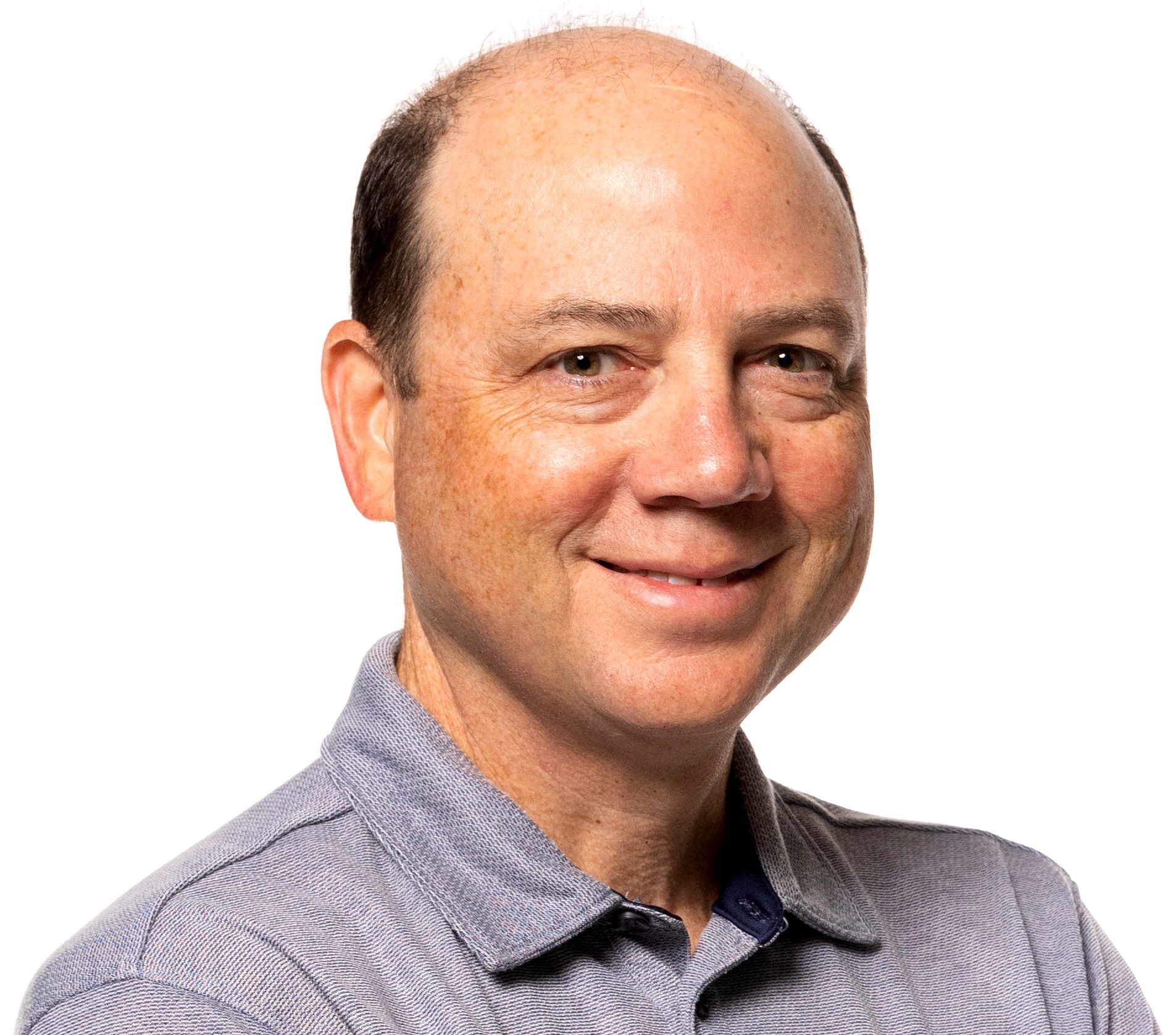
Bojan Petrovic joined Georgia Tech in 2007 as a Professor. Prior to that he acquired industrial experience as a Fellow Scientist in Westinghouse Science and Technology where his primary responsibility was as the project Deputy Director on the development of the advanced, modular IRIS reactor.

Dr. Petrovic's current research focuses on advanced reactor design, nuclear fuel cycle and waste management, and related modeling and simulation methods.

Over the past ten years, he has been involved in the development of the IRIS Reactor, within an international team of 19 organizations from ten countries. IRIS is an advanced medium power (335 MWe) integral-type PWR, based on proven light-water technology, but incorporating many innovative solutions that improve its operation, safety, security, and economics. Advanced reactors have the potential to offer full benefit in synergy with advanced fuel cycles. Recently, the focus of this research is shifting to judicious selection of fuel cycle, reprocessing, and partition and transmutation options, which  may significantly reduce the radiotoxicity of spent nuclear fuel and enable its safe and economical ultimate disposal.

Novel reactor designs and advanced fuel cycles pose new challenges and require improved, more accurate methods of modeling and simulations. Dr. Petrovic's interest is in developing approaches for using Monte Carlo and hybrid deterministic-Monte Carlo methods (for eigenvalue as well as shielding applications) in a way that will be practical and relevant for analysis of complex nuclear systems.

Dr. Petrovic has a strong interest in interdisciplinary areas, and his research projects have included collaboration related to industrial and medical applications of nuclear technology. His recent research in computational medical physics focuses on proton therapy. His research has been sponsored by the Department of Energy, industry and utilities.

Professor
Phone
(404) 894-8173
Office
Boggs Building, 3-07
Additional Research

Nuclear

Bojan
Petrovic
Show Regular Profile

Paul Kohl

Paul Kohl
paul.kohl@chbe.gatech.edu
ChBE Profile Page

Paul Kohl received a B.S. degree from Bethany College in 1974 and Ph.D. from The University of Texas, both in Chemistry. After graduation, Kohl was employed at AT&T Bell Laboratories in Murray Hill, NJ from 1978 to 1989. During that time, he was involved in the design and processing of electronic packages for Bell system components. He created new chemical processes for silicon, compound semiconductor, and MEMS devices. In 1989, he joined the faculty of the Georgia Institute of Technology in the School of Chemical and Biomolecular Engineering, where he is currently a Regents' Professor and holder of the Thomas L. Gossage/Hercules Inc. Chair. He is the President of The Electrochemical Society and past Editor of Journal of The Electrochemical Society and past founding editor of Electrochemical and Solid-State Letters. Kohl's research interests include the design of new materials, processes, and packages for advanced interconnect for integrated circuits and MEMS devices. He is the past Director of the Semiconductor Research Corporation/DARPA Interconnect Focus Center. The goal of this center was to create new technological solutions for future electronic devices. Current projects include creation of new photosensitive dielectric materials for electronic packaging and the design and fabrication of MEMS packages. He also has programs in new approaches to fuel cells and lithium batteries. The new direct methanol alkaline fuel cells and hybrid alkaline/acid fuel cells have the potential reduced water management and platinum free usage. The integration of high energy density lithium batteries for self-powered integrated circuits and sensors is of interest. Many of these electrochemical devices use ionic liquids as the electrolytes, including the all-sodium battery. Ionic liquids are also being used as the absorber in a new absorption refrigeration cycle. The first ever ionic liquid/fluorocarbon absorption refrigeration cycle has been demonstrated and modeled.

Regents' Professor and Fellow, School of Chemical and Biomolecular Engineering
Thomas L. Gossage Chair, School of Chemical and Biomolecular Engineering
Phone
404.894.2893
Office
B-H 386
Additional Research

Interconnect and Electronic Packaging; MEMS; Electronic Systems, Devices, Components, & Packaging; Fuel Cells; Separation Membranes

The Kohl Group
Paul
Kohl
A.
Show Regular Profile