Alexander T. Adams

Alexander Adams
aadams322@gatech.edu
https://www.uncommonsenselabs.com

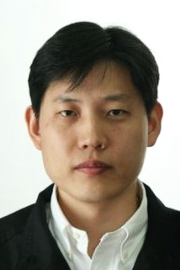
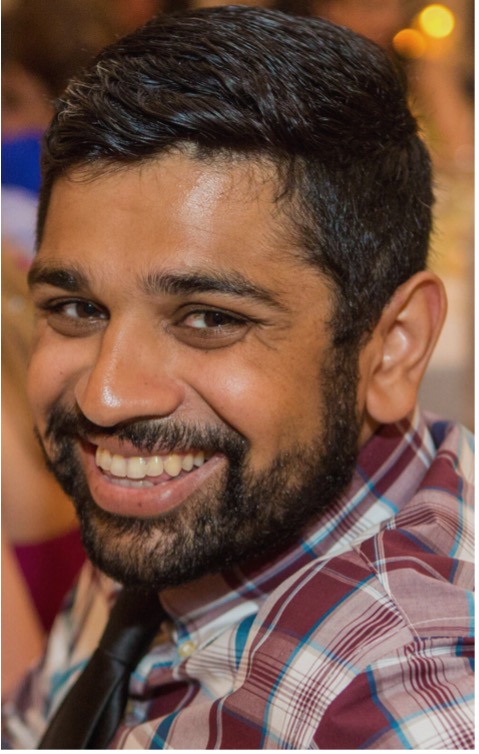
Alex Adams’s research focuses on designing, fabricating, and implementing new ubiquitous and wearable sensing systems. In particular, he is interested in how to develop these systems using equity-driven design principles for healthcare. Alex leverages sensing, signal processing, and fabrication techniques to design, deploy, and evaluate novel sensing technologies.

Originally a musician, Alex became fascinated by how he could capture and manipulate sounds through analog hardware and digital signal processing, which led him back to his hometown (Concord, NC). Alex completed his BS at the University of North Carolina at Charlotte in 2014 and his Ph.D. at Cornell University in 2021 (advised by Professor Tanzeem Choudhury). Alex then became the resident Research Scientist for the Precision Behavioral Health Initiative at Cornell Tech (NYC) until the fall of 2022, when he joined the School of Interactive Computing at the Georgia Institute of Technology. Currently, his research focuses on the equity-driven design and the development of multi-modal sensing systems to simultaneously assess mental and physical health to enable a new class of mobile health technologies.

Assistant Professor
Office
237 TSRB
Google Scholar
https://scholar.google.com/citations?hl=en&user=assJWZYAAAAJ&view_op=list_works&sortby=pubdate
Alexander
Adams
T.
Show Regular Profile

Seung-Joon Paik

Seung-Joon Paik
seung.paik@ien.gatech.edu

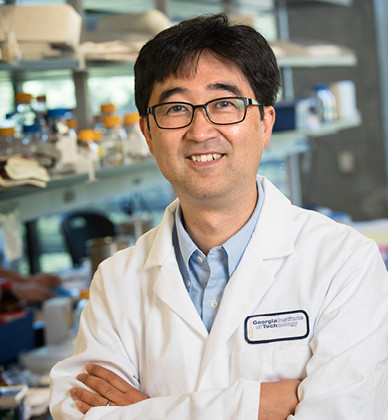
Seung-Joon Paik received his B.S. degree at the School of Electrical Engineering in 1999 and the M.S. and Ph.D. degrees at the Electrical Engineering and Computer Science from Seoul National University, Seoul, Korea, in 2001 and 2005, respectively. His doctorate research focused on the design, microfabrication and testing of silicon microneedles for neurophysiologic applications, including microfluidic channels and microelectrodes. He was with Automation and Systems Research Institute in Seoul National University, as a postdoctoral associate from 2005 to 2007, where he developed sensors and systems of Inertial Measurement Unit (IMU) for localization and locomotion of robots. After joining a spin-off company from the research lab, SML Electronics, Inc., in 2007, he led the process team for the 8-inch wafer-level packaging process and foundry manufacturing process of MEMS accelerometers and gyroscopes for mobile applications as a senior research engineer. In 2008, he joined the MicroSensors and MicroActuators Laboratory (MSMA Lab.) in Georgia Institute of Technology, Atlanta, Georgia. He has led the BioMEMS research group at the MSMA Lab as a postdoctoral fellow. The BioMEMS research group is dedicated to developing micro/nano needles and biosensors for drug delivery and electrochemical sensing. In 2013, as a research engineer II at the Institute for Electronics and Nanotechnology (IEN) in Georgia Tech, he oversees and coordinates lab sections for College of Engineering courses within IEN which provides instructions to students about CMOS transistor fabrication and MEMS fabrication. He has been teaching and mentoring junior-level research engineers and graduate students on design, analysis, micromachining processes, and technical writing and presentation at Seoul National University, SML Electronics, and Georgia Institute of Technology. In 2014, he also worked in Southern Polytechnic State University (currently, Kennesaw State University) as an adjunct professor and taught a course of Microelectronic Engineering and its labs.

He has published 65+ reviewed journal and conference papers, and invented 13+ patents in USA and Korea, and has been a reviewer for the following Journals – IEEE Journal of Microelectromechanical Systems (JMEMS); IOP Journals of Micromechanics and Microengineering, Nanotechnology, Material Science and Technology, Journal of Physics D, and Smart Materials and Structures; and Sensors and Actuators A: Physics. His current interests are in research and development for the micromachining of silicon and polymer materials and in biomedical applications of micromachined devices and also in inertial sensors, 3-D multi-chip packaging of MEMS devices, energy storage/conversion devices and nano-scale structures.

Teaching Lab Coordinator
Research Engineer II
Phone
404.894.8807
Office
Pettit 205
University, College, and School/Department
Seung-Joon
Paik
Show Regular Profile

Jennifer Hasler

Jennifer Hasler
jennifer.hasler@ece.gatech.edu
ECE Profile Page

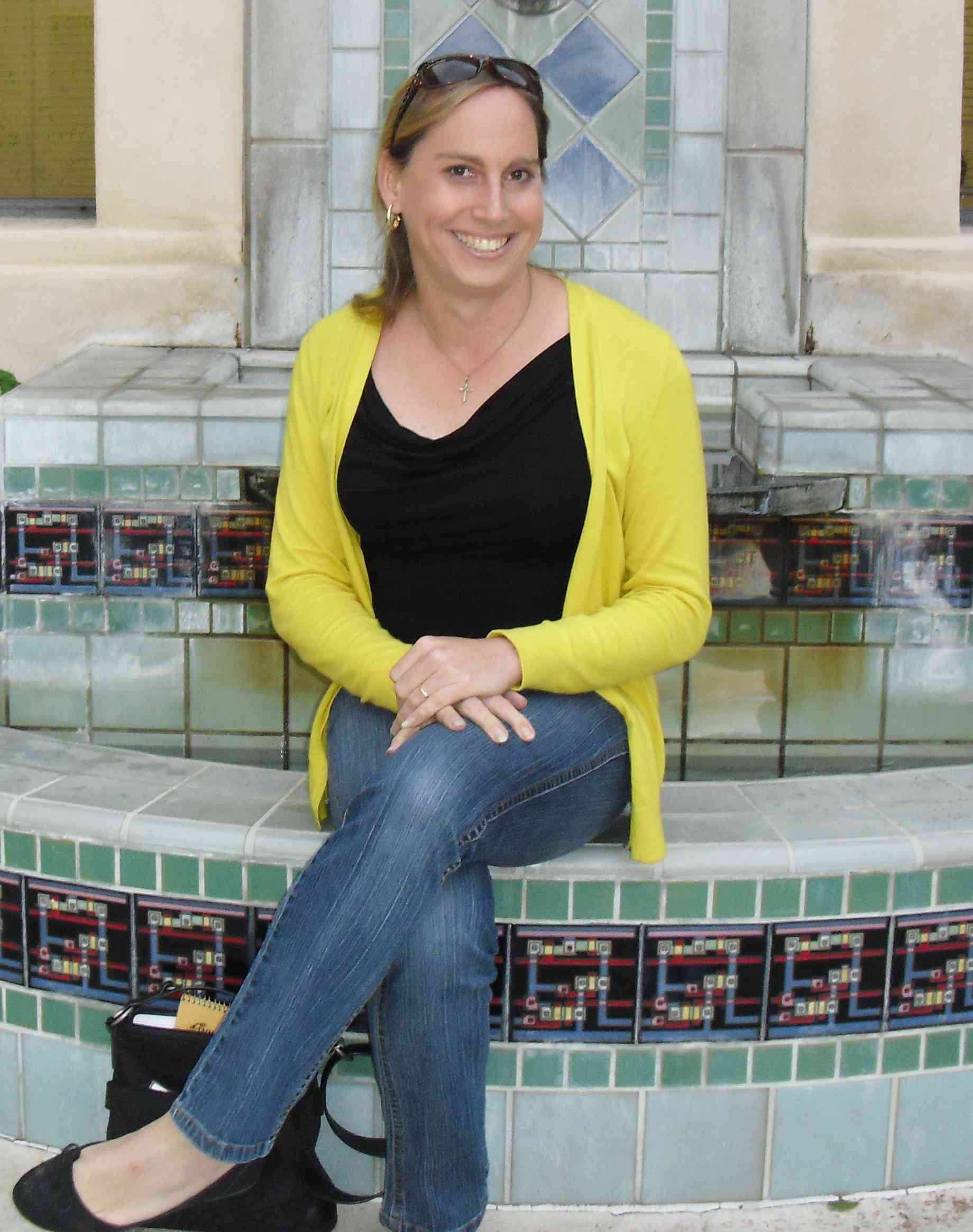
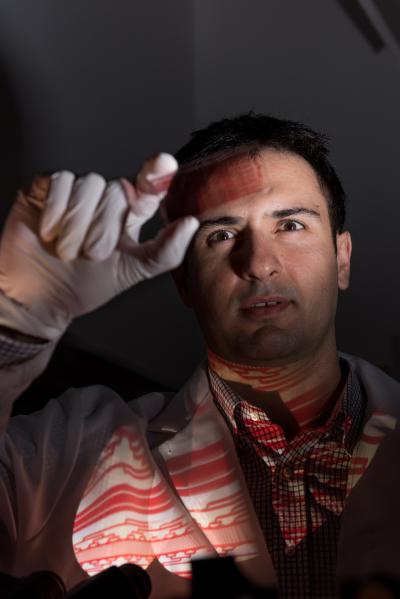
Jennifer Hasler received her B.S.E. and M.S. degrees in electrical engineering from Arizona State University in August 1991. She received her Ph.D. in computation and neural systems from California Institute of Technology in February 1997. Hasler is a professor at the Georgia Institute of Technology in the School of Electrical and Computer Engineering; Atlanta is the coldest climate in which Hasler has lived. Hasler founded the Integrated Computational Electronics (ICE) laboratory at Georgia Tech, a laboratory affiliated with the Laboratories for Neural Engineering. Hasler is a member of Tau Beta P, Eta Kappa Nu, and the IEEE.

Professor, School of Electrical and Computer Engineering
Phone
404.894.2984
Office
TSRB 405
Additional Research

Analog-Digital Signal Processing / Mixed Signal integrated circuits (Systems on a chip)Scaling of deep submicron devicesFloating-gate devices, circuits, and systemsThe use of floating-gate MOS transistors to build "smart" interfaces for MEMS sensorsLow power electronicsAnalog VLSI models of on on-chip learning and Sensory processing in Neurobiology

LinkedIn Integrated Computational Electronics Laboratory
Jennifer
Hasler
Show Regular Profile

Nathan Damen

Nathan Damen
nathan.damen@gtri.gatech.edu

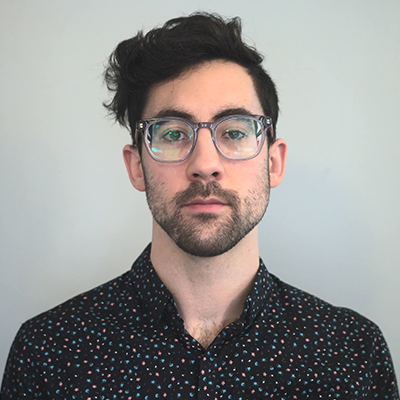
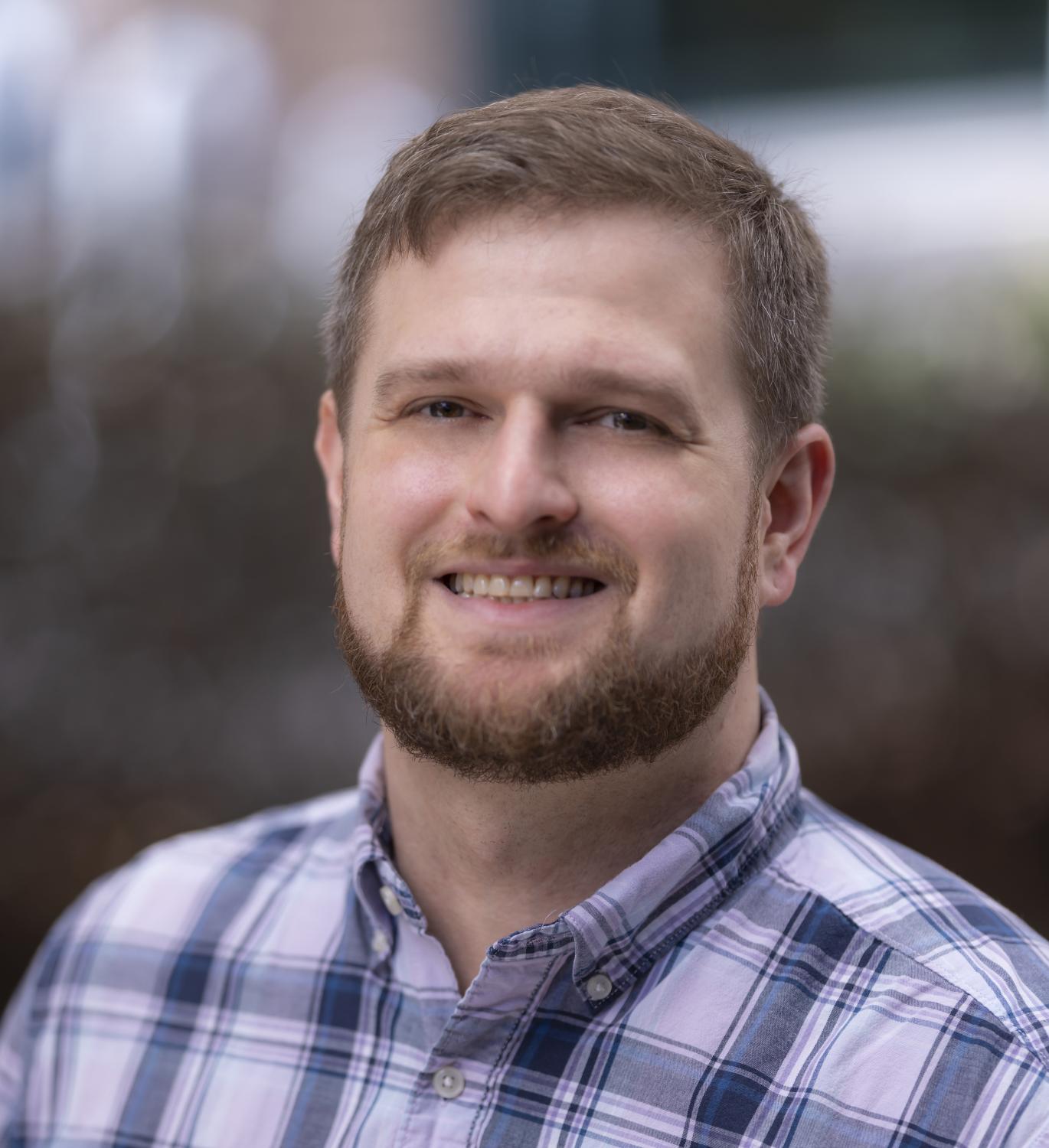
Nate Damen is a Research Engineer I with Aerospace, Transportation and Advanced Systems Laboratory of Georgia Tech Research Institute. Damen’s work at ATAS has focused on Mixed Reality applications, robotics, the automation of CAR-T cellular expansions, and bioreactor design. Before joining GTRI, Damen conducted research into the manipulation of textiles with Softwear Automation and the design of deformable parcel manipulation systems with Dorabot. His creative work ATLTVHEAD with the Atlanta Beltline Inc., includes the creation of several wearable electronic systems for remote computing and novel interactions between wearable systems and live user input from those walking the Atlanta Beltline. 

Research Engineer 1
Phone
(678) 215-4891
GTRI
Geogia Tech Research Institute
Nathan
Damen
Show Regular Profile

Holly Bauser-Heaton, MD, Ph.D.

Holly Bauser-Heaton, MD, Ph.D.
hbauser@emory.edu

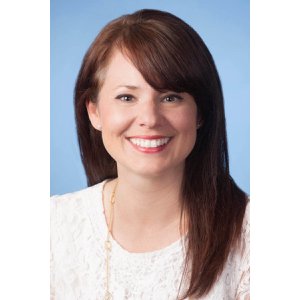
 As a physician scientist, Dr. Bauser-Heaton's clinical and research interests are focused on pulmonary vascular disease. Our 3D bioprinted disease modeling allows study of patient specific geometries and cell types for potential therapeutic targets. Through collaborations with several IBB members, we have created a pipeline for disease modeling that includes computational fluid dynamics, particle image velocity measurement of shear stress, additive manufacturing and iPSC utilization. 

Assistant Professor
Phone
317.345.5268
Office
Children's Healthcare of Atlanta, Egleston 1405 Clifton Rd Atlanta, GA, 2nd floor cardiology suit
Holly
Bauser-Heaton
Show Regular Profile

Jay Patel, Ph.D.

Jay Patel, Ph.D.
jay.milan.patel@emory.edu
Website

Jay Patel, Ph.D., is an Assistant Professor in the Department of Orthopaedics at Emory and a Health Science Specialist at the Atlanta VA. Patel joined the faculty at Emory in September 2020, and his program focuses on the repair and regeneration of musculoskeletal tissues (e.g., cartilage, meniscus), with an emphasis on using micro-scale findings to drive macro-scale therapies. His lab uses a combination of biomechanics, biomaterials, mechano-biology, in vitro systems, and functional in vivo models to motivate, design, develop, and evaluate novel treatments and therapeutics for orthopaedic injuries. He received his Bachelor’s in Bioengineering from Rice University and his Ph.D. in Biomedical Engineering from Rutgers University. He then pursued his postdoctoral training at the University of Pennsylvania in the Department of Orthopaedic Surgery, working on a variety of cartilage tissue engineering and mechano-biology projects. Patel has published over 20 manuscripts, has presented at numerous international conference meetings, and won several prestigious awards, including the Excellence in Research Award (2018) from the American Orthopaedic Society for Sports Medicine. Moreover, both his graduate and postdoctoral work resulted in pending patent applications, and the formation of startup companies with active small-business funding, demonstrating his ultimate goal of translating these approaches to the clinic.
 

Assistant Professor
Office
Emory MSK Institute, 6th Floor, Office 02
Jay
Patel
Show Regular Profile

David Myers, Ph.D.

David Myers, Ph.D.
david.myers@emory.edu
Website

David’s varied interests have fueled an unusual educational background that fuses engineering, microsystem design, biology, and clinical research. David received his PhD in mechanical engineering from the University of California at Berkeley, under the tutelage of one of the early microsystems pioneers, Albert P. Pisano, PhD. Driven by a desire to see new types of sensors in the clinic, David undertook a postdoctoral fellowship in biomedical and clinical research with Wilbur A. Lam, MD, PhD, in the Wallace H. Coulter Department of Biomedical Engineering at Emory University and the Georgia Institute of Technology. Working at the intersection of these fields, David has authored or contributed to publications in Nature Materials, Nature Communications, PNAS, and Blood. 

Assistant Professor
Office
Emory University, Health Sciences Research Building, Room E-156
David
Myers
Show Regular Profile

James Rains

James Rains
james.rains@bme.gatech.edu

Since joining the faculty in 2012, James Rains has taught two of Tech’s most critical classes for creating the next generation of biomedical engineers. “Intro to Biomedical Engineering Design” and the “Biomedical Engineering Capstone” courses are bookends on the student experience in the BME program, which has consistently ranked among the best in the nation. Meanwhile, Rains helps give students more real-world healthcare problems from clinicians and medical companies than any other BME department in the world. He constantly strives to find the best and most diverse projects for his students, including in 2018, a new collaboration with the world-renowned Mayo Clinic. His BME student teams consistently win top honors in innovation competitions and mentors and coaches Create-X student startups. For all of his tremendous efforts, he was named the 2019 Undergraduate Educator of the Year by Tech’s Center for Teaching and Learning.

Professor of the Practice
Phone
404-385-0166
Office
UAW 3113
BME Capstone Coulter Department of Biomedical Engineering
James
Rains
Show Regular Profile

Shuichi Takayama

Shuichi Takayama
takayama@gatech.edu
Takayama lab

Shu Takayama earned his BS and MS in Agricultural Chemistry at the University of Tokyo. He earned a Ph.D. in Chemistry at The Scripps Research Institute in La Jolla, California studying bio-organic synthesis with Dr. Chi‐Huey Wong. He then worked as a postdoc with Dr. George Whitesides at Harvard University where he focused on applying microfluidics to studying cell and molecular biology.

Takayama began his career at the University of Michigan, where led his lab in the Department of Biomedical Engineering and Macromolecular Science & Engineering for over 17 years. In 2017, the lab moved to Georgia Tech where Shu became the Georgia Research Alliance Price Gilbert Chair Professor of Biomedical Engineering in the Wallace H. Coulter Department of Biomedical Engineering.

Takayama’s research interests are diverse and motivated by clinical and biotechnology needs. He is always interested in hearing from stakeholders in these areas who are seeking engineering collaboration.

Professor, Wallace H. Coulter Department of Biomedical Engineering
GRA Eminent Scholar, Wallace H. Coulter Department of Biomedical Engineering
Price Gilbert, Jr. Chair in Regenerative Engineering andMedicine
Phone
404.385.5722
Office
EBB 4018
Additional Research

Use of micro/nanofluidics for cell analysis; diagnostics; and chromatin analysis; High throughput 3D cell cultures; Organs-on-a-chip construction and design; Role of rhythm in cell signaling; Self-switching fluidic circuits; Fracture fabrication

Google Scholar
https://scholar.google.com/citations?hl=en&user=IkhTUu4AAAAJ&view_op=list_works&sortby=pubdate
LinkedIn BME Profile Page
Shuichi
Takayama
Show Regular Profile

A. Fatih Sarioglu

A. Fatih Sarioglu
sarioglu@gatech.edu
Biomedical Microsystems Lab

A. Fatih Sarioglu received the B.Sc. degree from Bilkent University, Ankara, Turkey in 2003, and the M.S. and Ph.D. degrees from Stanford University in 2005 and 2010, respectively, all in Electrical Engineering.

Sarioglu worked as a postdoctoral research associate at the Center for Nanoscale Science and Engineering at Stanford University from 2010 to 2012. From 2012-2014, he was a research fellow at the Center for Engineering in Medicine, Massachusetts General Hospital and Harvard Medical School. In October 2014, he joined the School of Electrical and Computer Engineering at the Georgia Institute of Technology as an assistant professor.

Sarioglu's research interests are at the interface of nano-/micro-engineering and biomedicine. He is particularly interested in developing N/MEMS-based technologies for biomedical applications.

Professor, School of Electrical and Computer Engineering
Phone
404.894.5032
Office
Pettit/MiRC 217
Additional Research

Nano- and Micro-systems for bio-molecular sensing and imagingMicrofluidic devices for cell sorting and disease detectionHigh-throughput bio-analytical instrumentation for cellular and molecular characterizationIntegrated platforms for point-of care diagnosticsImplantable medical devices for minimally-invasive health monitoring

Google Scholar
https://scholar.google.com/scholar?hl=en&q=Ali+Fatih+Sarioglu&btnG=&as_sdt=1,11&as_sdtp=
LinkedIn ECE Profile Page
A. Fatih
Sarioglu
Show Regular Profile