Annual IBB Distinguished Lecture
Since 2001, Georgia Tech’s Institute for Bioengineering and Bioscience has hosted its Annual Distinguished Lecture series, featuring nationally and internationally recognized leaders who share their perspectives on the future of biotechnology.
2026 IBB Distinguished Lecture
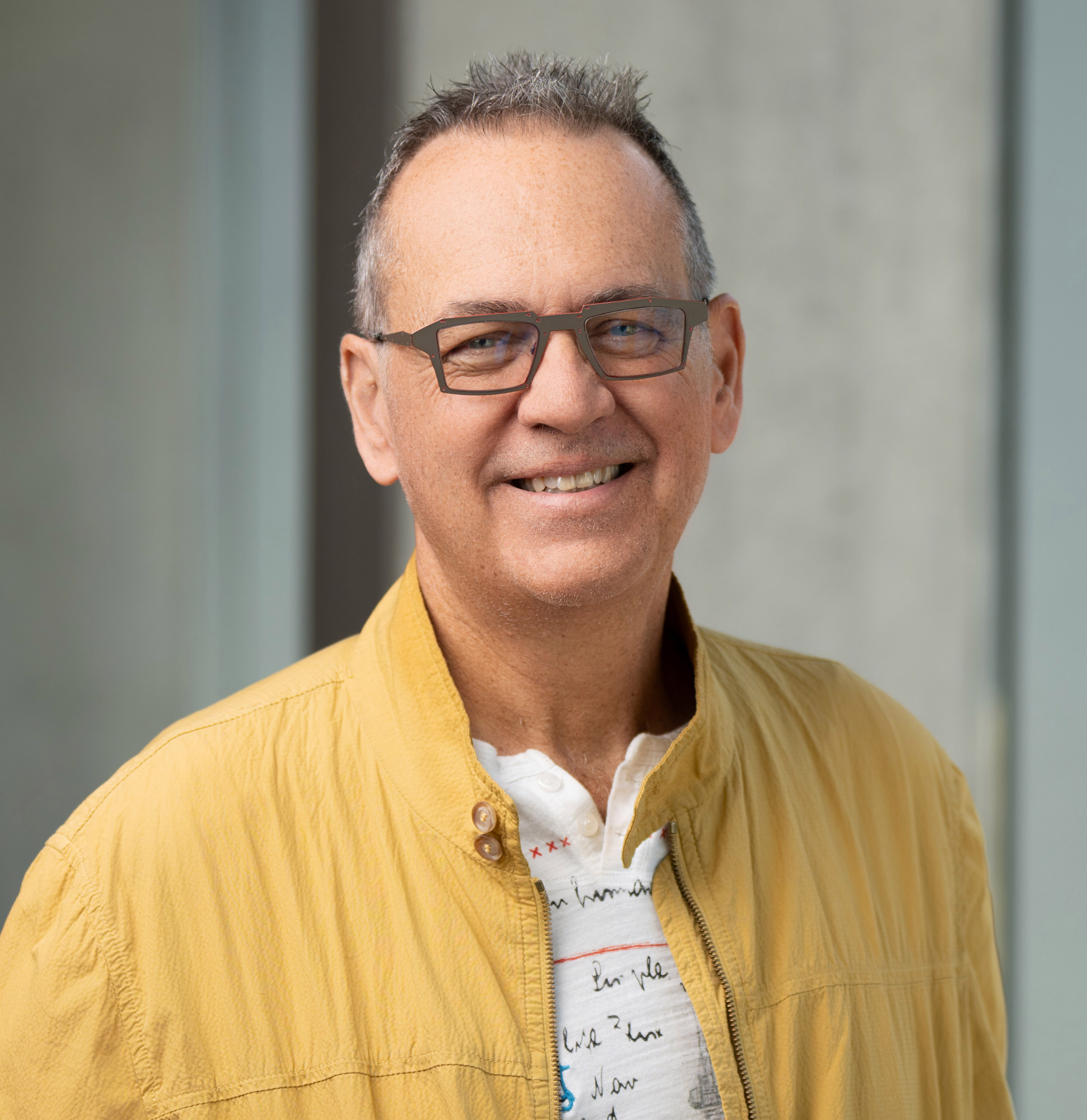
"Molecular Engineering to Tip Immune Balances Between Tolerance and Aggression"
Jeffrey A. Hubbell
Vice President Life Sciences and Engineering
Professor of Chemical and Biomolecular Engineering, Tandon School of Engineering
Professor of Biology and Chemistry, Faculty of Arts and Science
Professor of Biochemistry and Molecular Pharmacology, NYU Langone Health
New York University
October 15, 2026 @ 11 a.m.
Petit Biotechnology Building
315 Ferst Drive NW, Nerem Atrium
Atlanta, GA 30332
Add to Calendar
ABSTRACT
We explore materials and protein engineering approaches to deliver antigens and cytokines to tip the immune balance between tolerance and aggression. In the context of tolerance, induction of regulatory T cells is critical, and antigen specificity can arise from exogenously administered antigens in the form of an inverse vaccine or from endogenous antigens in a site of inflammation. In either case, we explore methods to induce or deliver cytokines to regions of lymph nodes where immunity develops and is regulated. In recent work in allergic asthma, we developed an approach employing glycosylated polymers to deliver allergic antigens and induce regulatory cytokine expression to re-bias immunity back to tolerance, inducing allergen-specific regulatory T cells and thus preventing asthmatic responses to pulmonary antigen challenge. In work in an experimental model of autoimmune neuroinflammation, we are developing an approach to deliver the tolerogenic cytokine IL-10 to all the secondary lymphoid organs of the body from a simple subcutaneous administration. Here, antigen specific Tregs were developed in response to myelin antigens that drain from the inflammation site. In the context of aggression, we have developed an approach to deposit inflammatory cytokines in the tumor microenvironment to tip the balance between cytotoxic T lymphocytes and Tregs, whether by agonizing innate immune cells such as macrophages and dendritic cells or adaptive immune cells, in particular T cells. With regard to antigens in mounting immune aggression, we have developed cysteine-reactive polymers that bind in situ to the surfaces of tumor cells to direct the adduct to antigen-presenting cells along with polymer-conjugated adjuvant moieties to induce an anti-tumoral vaccine response. Thus, in both contexts, biological functionality can be engineered to guide immunity toward tolerance in inflammation, allergy and autoimmunity and toward aggression in cancer.
BIO
Jeffrey Hubbell is a pioneer in the field of immuno-modulatory materials whose research spans biology, chemistry, and engineering to generate novel solutions to common health problems. His work focuses on using biomaterials and engineered proteins to enhance the body’s own immune system to fight inflammatory and autoimmune disorders, allergies, and disease states like cancers. With more than 400 papers and 100 issued US patents, Hubbell uses biomaterials and protein engineering approaches to investigate topics in regenerative medicine and immunotherapeutics. In regenerative medicine, he develops both materials and protein therapeutics to address issues such as chronic wound healing in diabetes and bone repair after trauma. In immunotherapeutics, he pursues nanomaterials in vaccination for infectious disease and cancer as well as targeted therapy with RNA, protein-material conjugates for inverse vaccines to induce antigen-specific tolerance in autoimmunity and allergy, and in protein therapy to tip immune balances toward aggression in immuno-oncology and toward tolerance in inflammatory disease. His interests are both basic and translational, having founded or co-founded six biomedical companies based on his technology.
Before moving to New York University, Hubbell was at the University of Chicago in the Pritzker School of Molecular Engineering, where he helped build its strength in immunoengineering. Prior to that, he was on the faculty of the Swiss Federal Institute of Technology Lausanne (EPFL, where he served as founding Director of the Institute of Bioengineering and Dean of the School of Life Sciences), the Swiss Federal Institute of Technology Zurich (ETHZ) and University of Zurich, the California Institute of Technology, and the University of Texas in Austin. He was elected to the US National Academy of Engineering in 2010, the National Academy of Medicine in 2019, the American Academy of Arts and Sciences in 2021, and the National Academy of Sciences in 2023.
Event inquiries
Past Distinguished Lecturers
2025 - Michael E. Jung, NAI
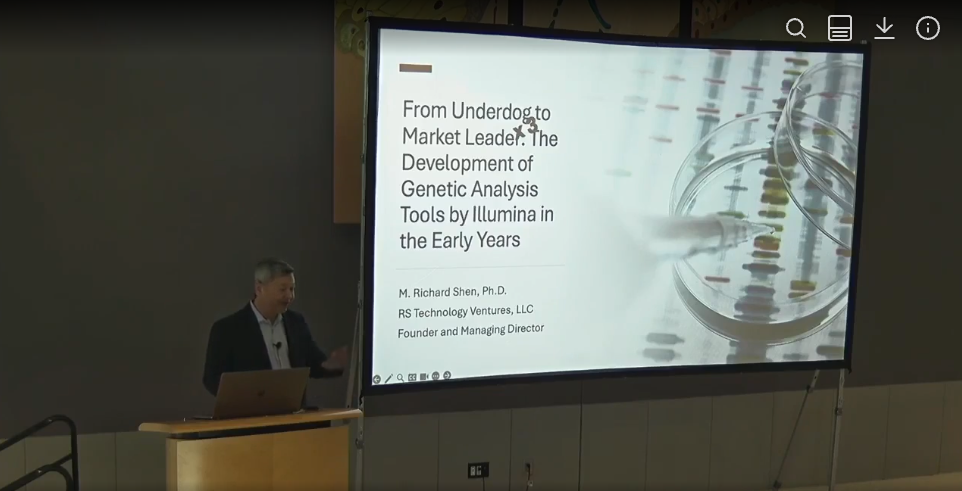
2024 - Richard Shen, RS Technology Ventures
2023 - Elaine Fuchs, NAS, NAM
2022-2023 - Paula T. Hammond, NAE, NAS, NAM, NAI
2021 - Gordana Vunjak-Novakovic, NAE, NAM, NAI
2020 - Paused for pandemic
2019 - Wendell Lim, HHMI
2018 - Elias Zerhouni, NAM, NAE, Director of NIH
2017 - Michael DeBaun, Vanderbilt University School of Medicine
2016 - Kristi Anseth, HHMI, NAS, NAM, NAE
2015 - Cori Bargmann, HHMI, NAS
2014 - Joseph DeSimone, NAE, NAS, NAM
2013 - Thomas Cech, NAM, NAS, Nobel Laureate
2012 - David Mooney, NAE, NAM
2011 - Subra Suresh, NAE, Director of NSF
2010 - Ronald McKay, NIH NINDS
2009 - Phillip Sharp, NAS, NAM, Nobel Laureate
2008 - George Whitesides, NAE, NAS
2007 - Shu Chien, NAE, NAS, NAM
2006 - Steven Chu, Nobel Laureate, Secretary of Energy
2005 - Leroy Hood, NAE, NAS, NAM
2004 - Bruce Alberts, President of NAS
2003 - Sir Richard Sykes, Royal Academy of Engineering
2002 - Arthur Collins, CEO Medtronic
2001 - Kenneth Shine, NAS, President of IOM
RECORDINGS