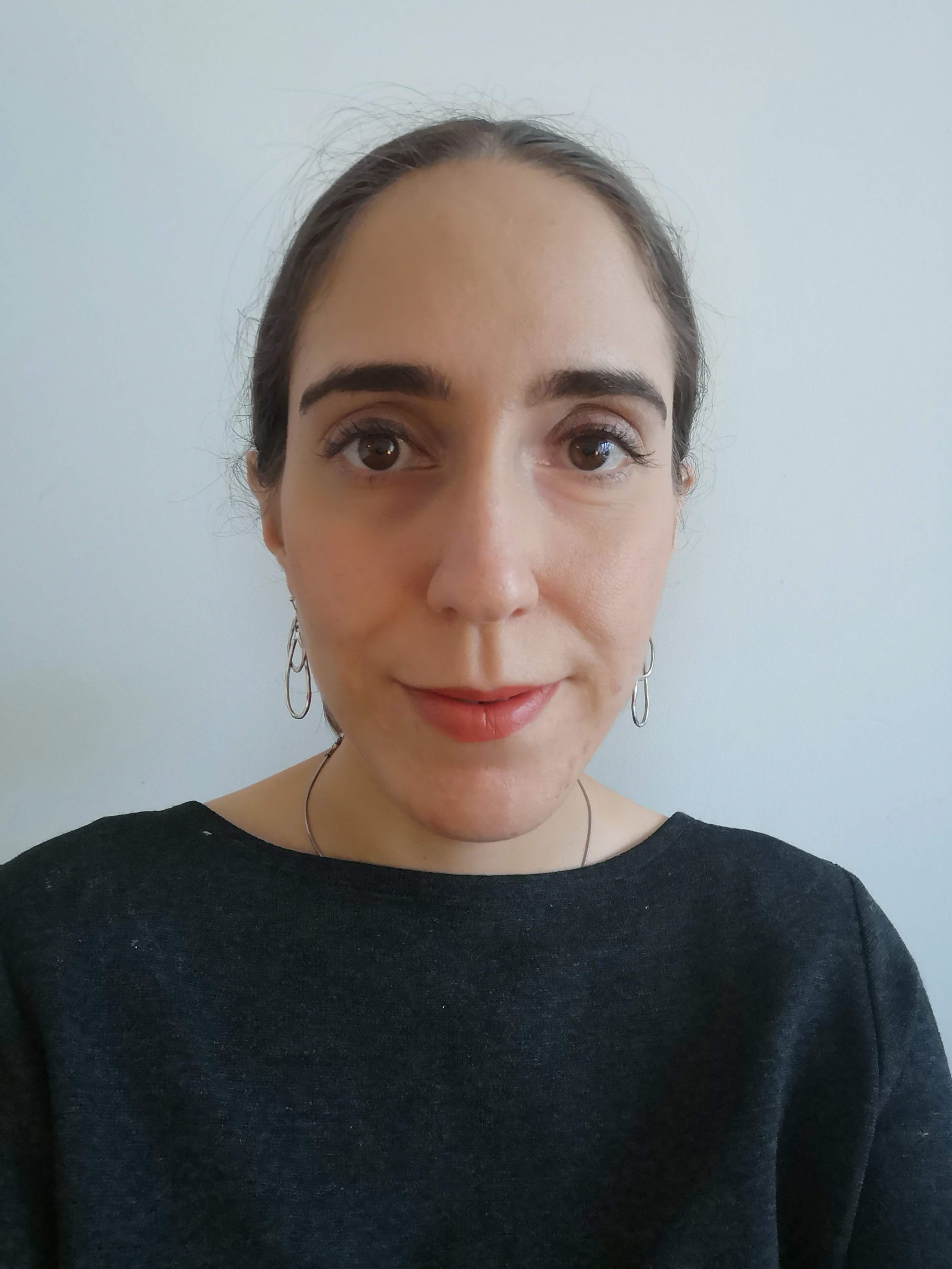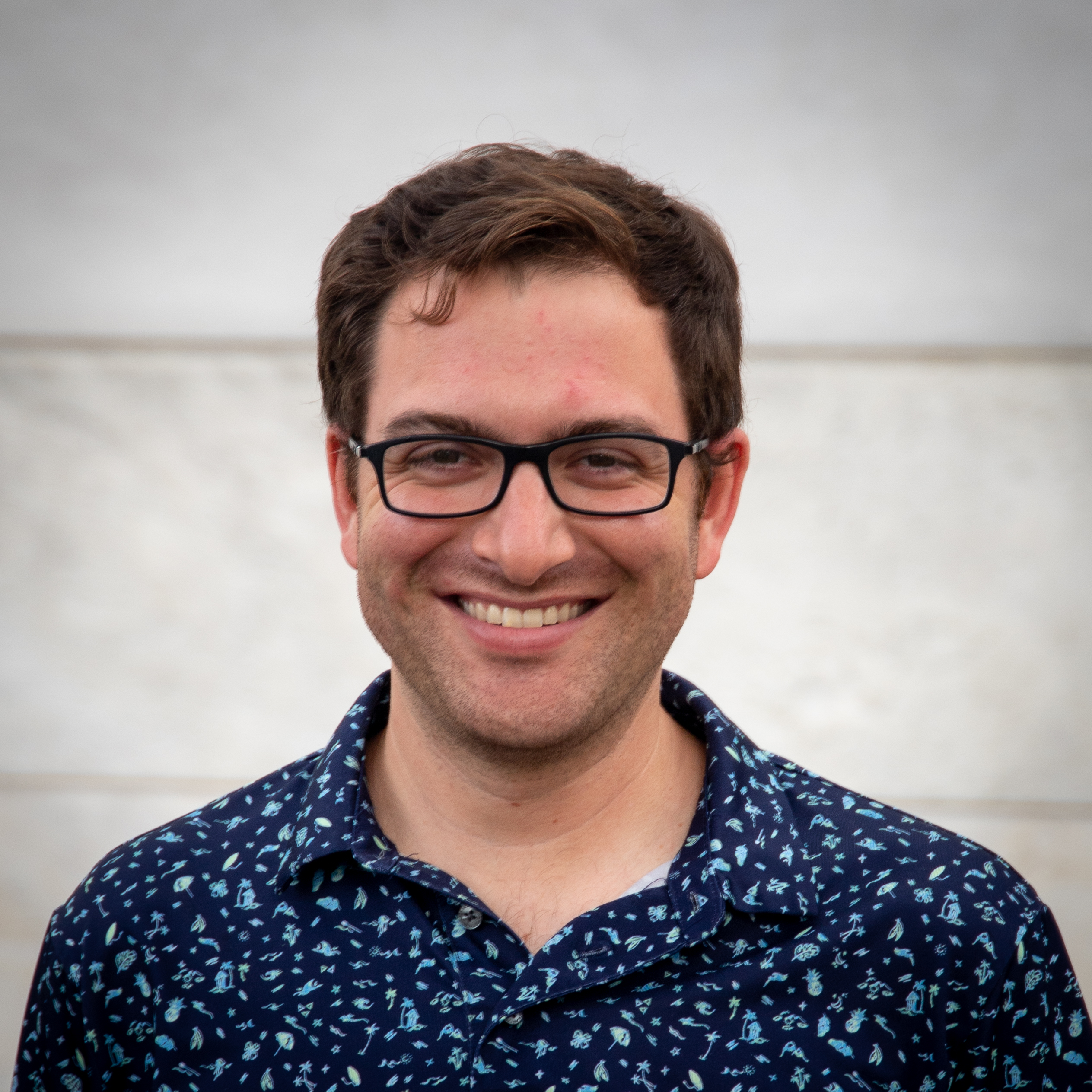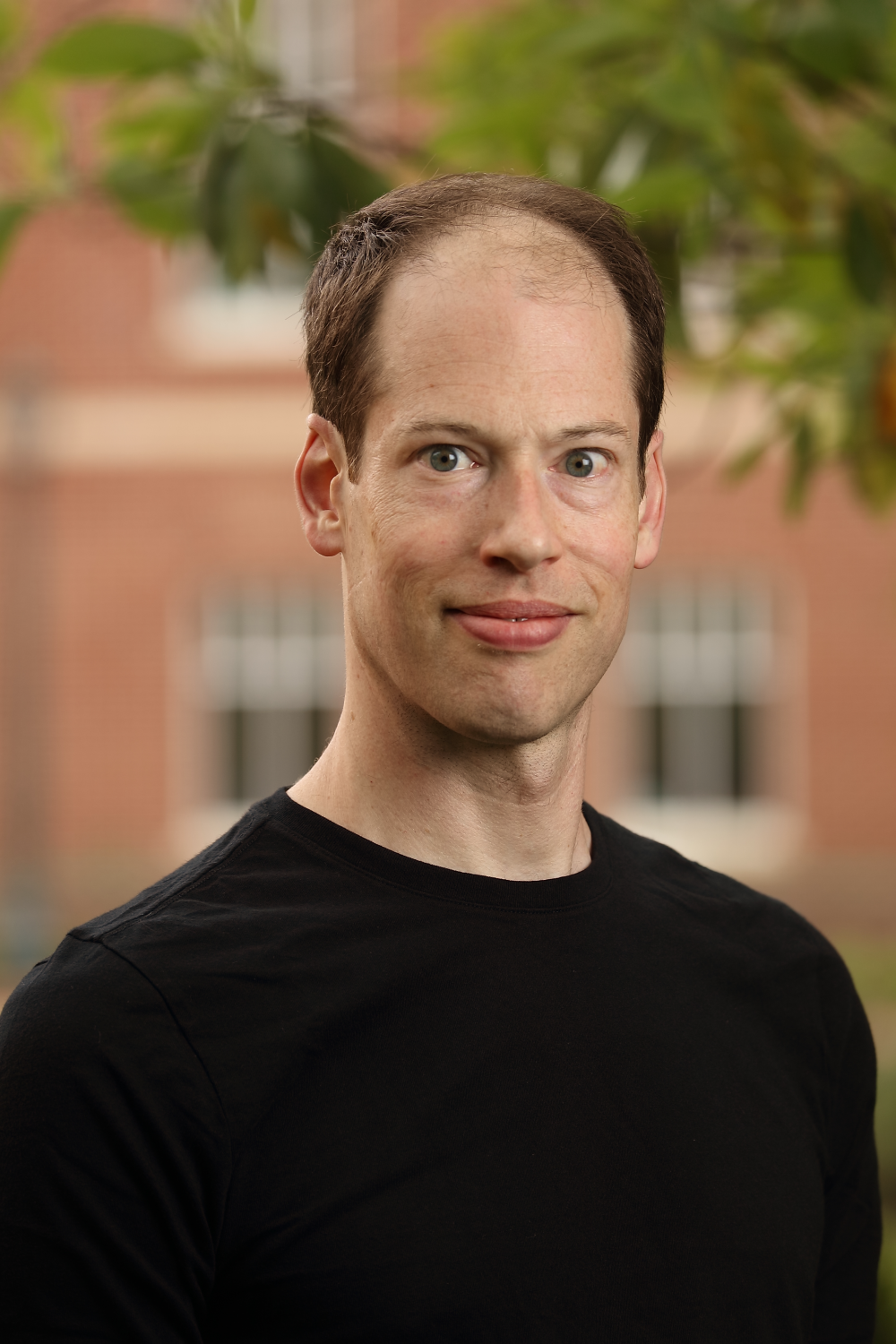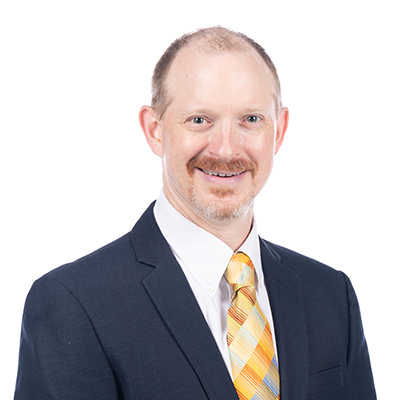
Alexander T. Adams

Alexander Adams
aadams322@gatech.edu
https://www.uncommonsenselabs.com

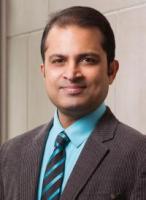
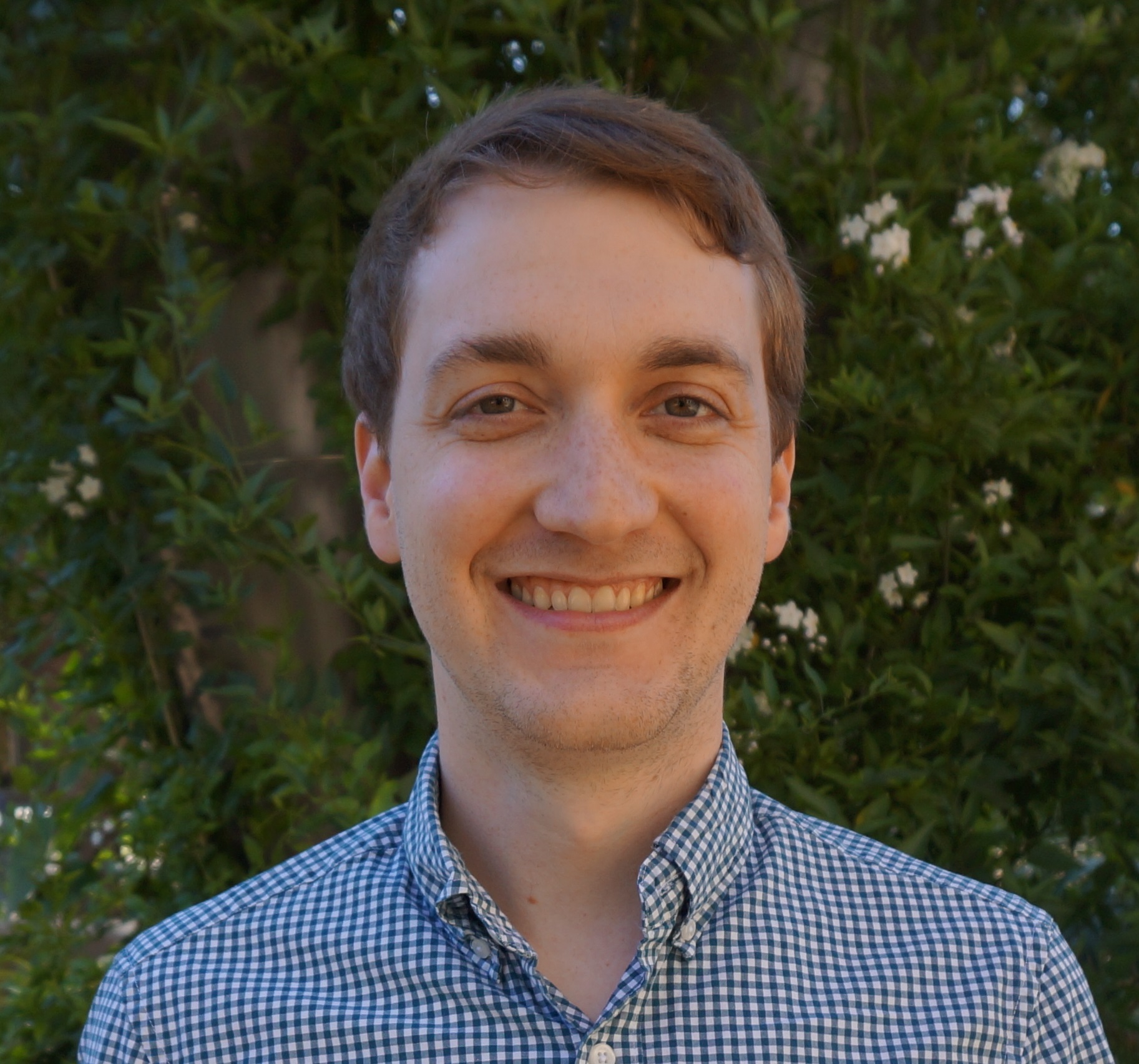
Alex Adams’s research focuses on designing, fabricating, and implementing new ubiquitous and wearable sensing systems. In particular, he is interested in how to develop these systems using equity-driven design principles for healthcare. Alex leverages sensing, signal processing, and fabrication techniques to design, deploy, and evaluate novel sensing technologies.

Originally a musician, Alex became fascinated by how he could capture and manipulate sounds through analog hardware and digital signal processing, which led him back to his hometown (Concord, NC). Alex completed his BS at the University of North Carolina at Charlotte in 2014 and his Ph.D. at Cornell University in 2021 (advised by Professor Tanzeem Choudhury). Alex then became the resident Research Scientist for the Precision Behavioral Health Initiative at Cornell Tech (NYC) until the fall of 2022, when he joined the School of Interactive Computing at the Georgia Institute of Technology. Currently, his research focuses on the equity-driven design and the development of multi-modal sensing systems to simultaneously assess mental and physical health to enable a new class of mobile health technologies.
Assistant Professor
Office
237 TSRB
Google Scholar
https://scholar.google.com/citations?hl=en&user=assJWZYAAAAJ&view_op=list_works&sortby=pubdate
Alexander
Adams
T.
Show Regular Profile

Susan Lozier

Susan Lozier
susan.lozier@gatech.edu
Website

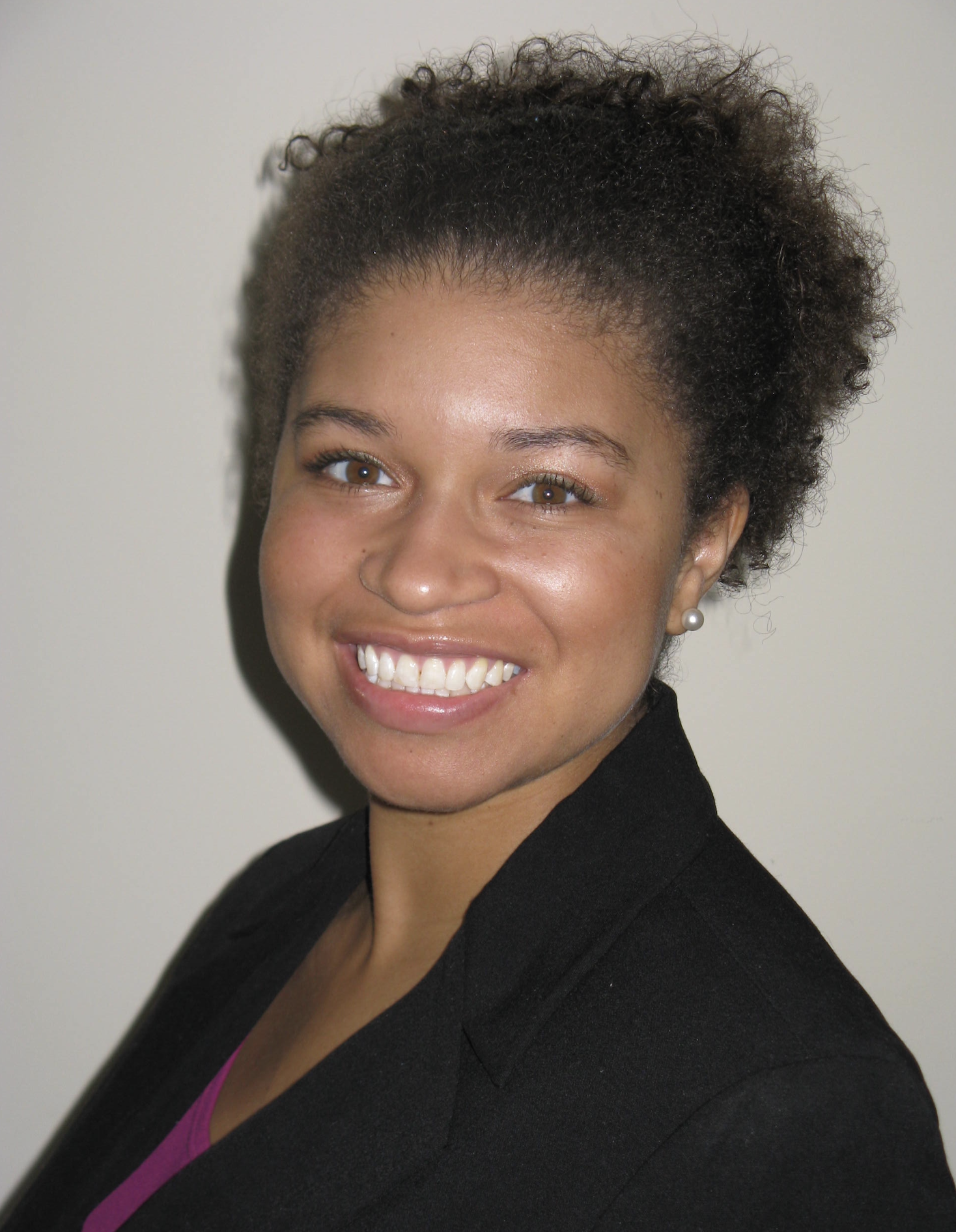
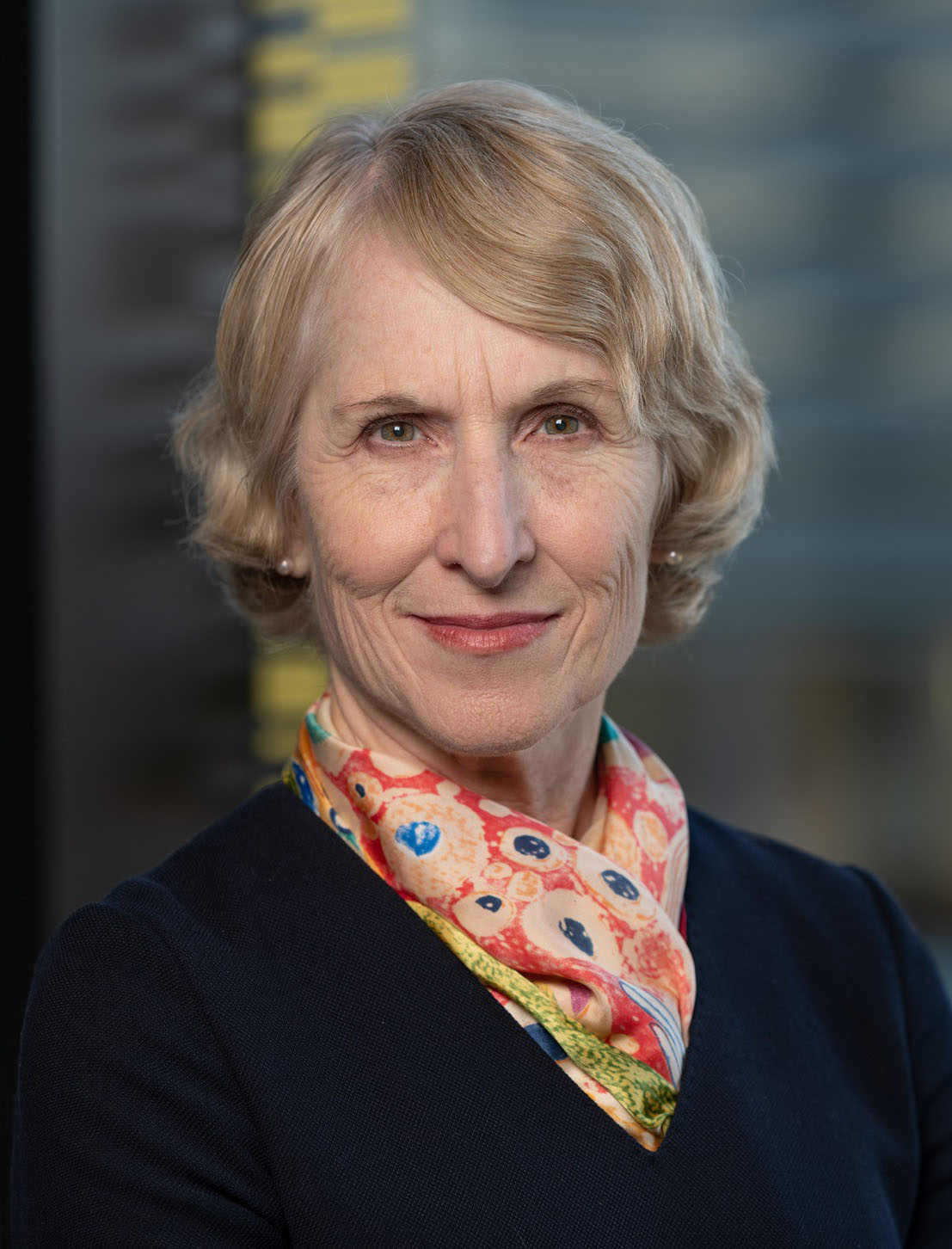
Susan Lozier is a physical oceanographer and the dean of the Georgia Institute of Technology's College of Sciences. Previously, she was the Ronie-Richelle Garcia-Johnson Professor of Earth and Ocean Sciences in the Nicholas School of the Environment at Duke University in Durham, North Carolina. Her research focuses on large-scale ocean circulation, the ocean's role in climate variability, and the transfer of heat and fresh water from one part of the ocean to another.

Lozier received her Bachelor of Science degree from Purdue University in 1979, and her Master of Science (1984) and Doctor of Philosophy (1989) degrees from the University of Washington.

Lozier was a post-doctoral fellow at the Woods Hole Oceanographic Institution before joining the faculty at Duke University. She is a principal investigator for the Overturning in the Subpolar North Atlantic Program (OSNAP), responsible for coordinating its international and national projects. She was the first woman to graduate from the University of Washington's physical oceanography doctoral program, and is active in the community mentoring program, MPOWIR (Mentoring Physical Oceanography Women to Increase Retention). In 2020 she was elected to the American Academy of Arts and Sciences.

Lozier was the featured speaker for the 16th Annual Roger Revelle Annual Commemorative Lecture, sponsored by the National Academies and held at the National Museum of Natural History in Washington, D.C., on March 4, 2015, presenting her lecture on Overturning Assumptions: Past, Present, and Future Concerns about the Ocean's Circulation. She started a two-year term as president of the American Geophysical Union in 2021.

Dean, College of Sciences
Research Focus Areas
University, College, and School/Department
Susan
Lozier
Show Regular Profile

Nathan McDonald

Nathan McDonald
nathan.mcdonald@gatech.edu
https://www.mcdonald-lab.org/

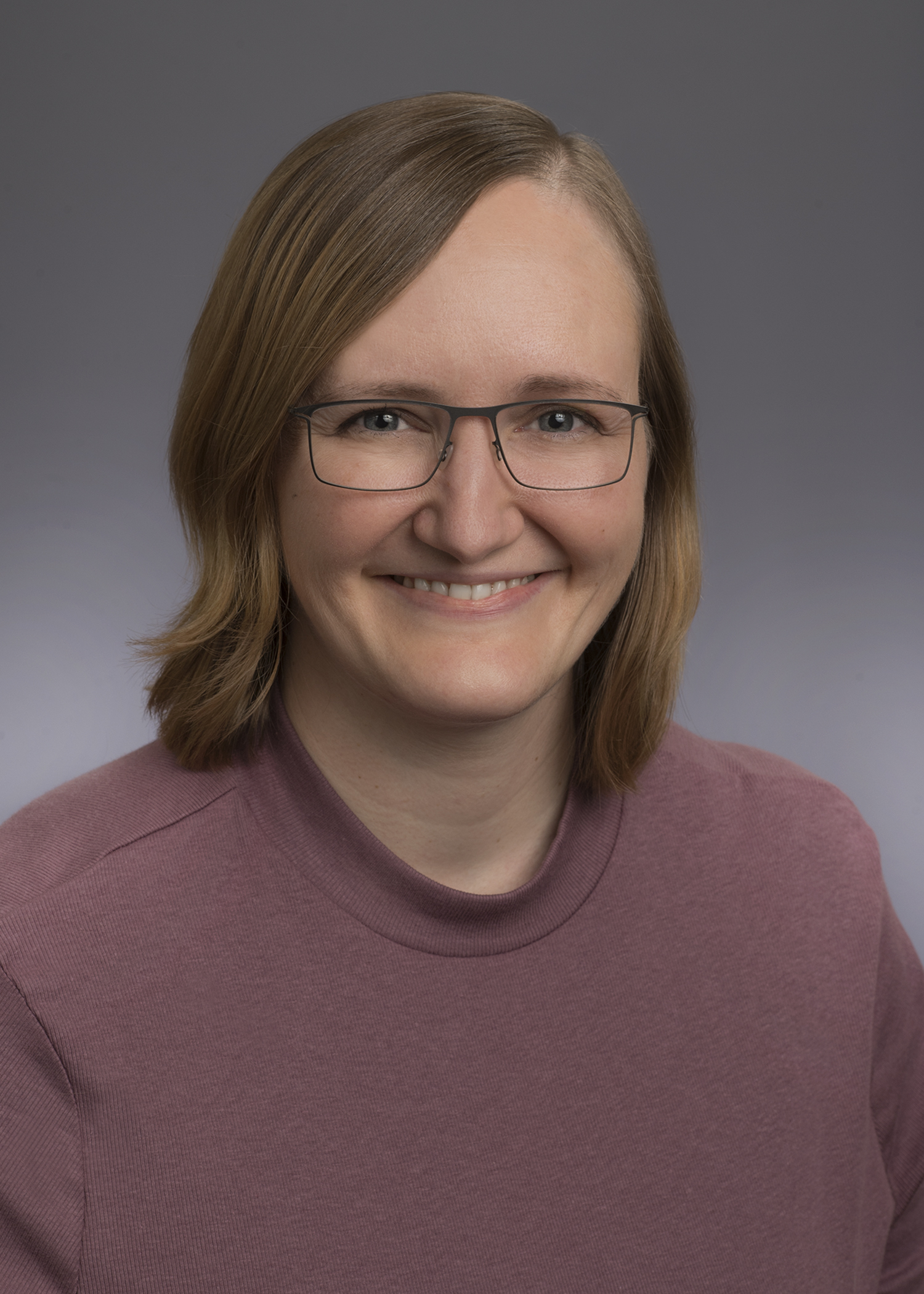
My lab investigates how our brains and nervous systems develop and function. We aim to understand molecularly how neurons build synapses, the specialized junctions that support rapid neuronal communication. Our brains build ~100 trillion synapses during development and continue to build synapses in daily adult life. The location and properties of these synaptic connections fundamentally determine neuronal function. We aim to understand how synapses are formed and function at a molecular and cellular level to advance a bottom-up understanding of the brain and identify avenues for the regeneration of synapses in neurodegenerative diseases. We approach this question using live-animal super-resolution imaging of synapse formation, in vitro biochemical reconstitutions, and genetics with CRISPR/Cas9. We primarily use the model organism C. elegans, a nematode worm with a well-defined nervous system containing just 302 neurons that make around 7000 synapses. With these tools, we are currently investigating synaptic cell adhesion signaling pathways and the liquid-liquid phase separation of core synaptic proteins as conserved mechanisms of synapse formation.

Assistant Professor
Office
EBB 3016
Research Focus Areas
Nathan
McDonald
Show Regular Profile

Lynn Kamerlin

Lynn Kamerlin
skamerlin3@gatech.edu
http://kamerlinlab.com

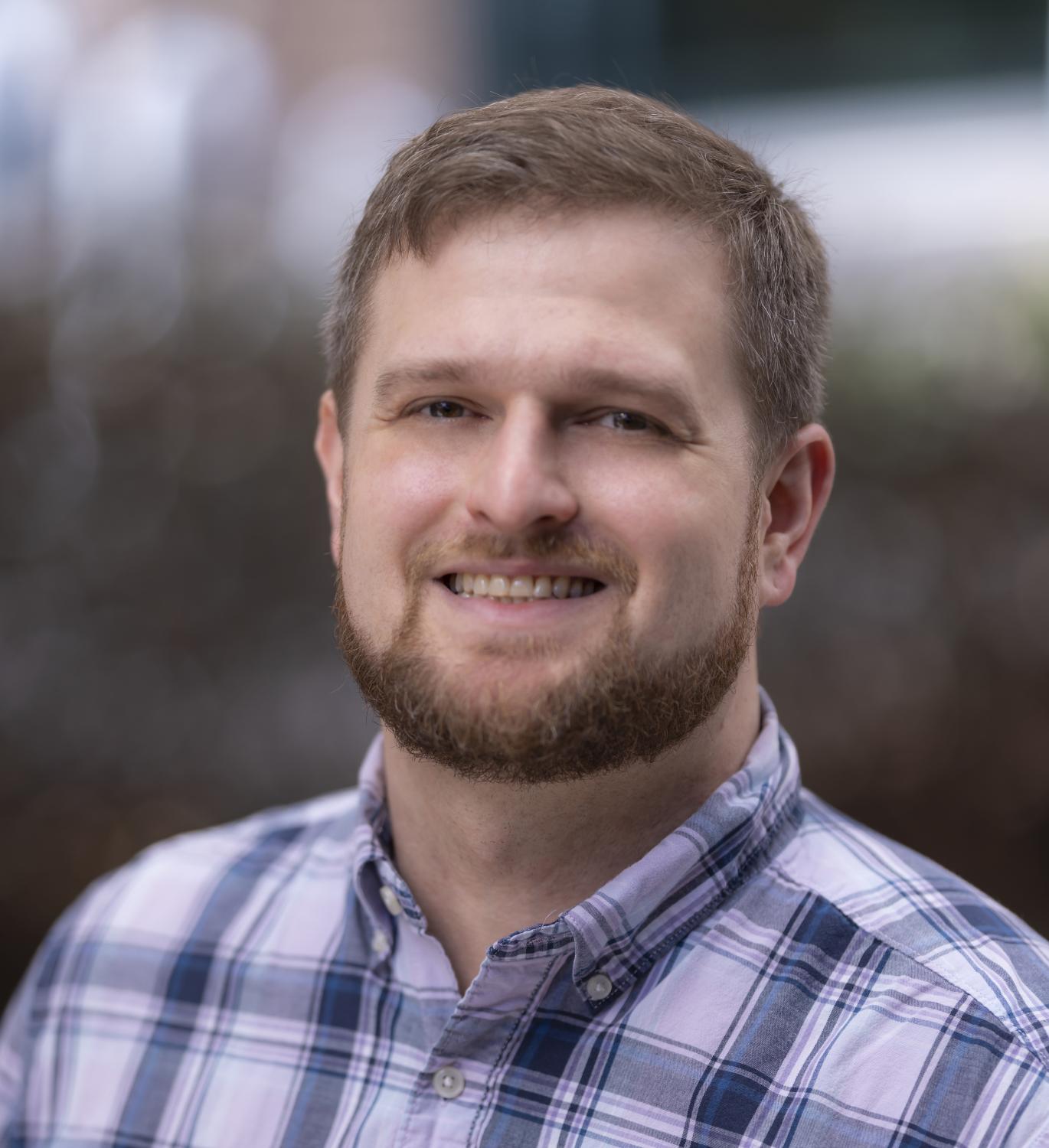
Lynn Kamerlin received her Master of Natural Sciences from the University of Birmingham (UK), in 2002, where she remained to complete a PhD in Theoretical Organic Chemistry under the supervision of Dr. John Wilkie (awarded 2005). Subsequently, she was a postdoctoral researcher in the labs of Stefan Boresch at the University of Vienna (2005-2007), Arieh Warshel at the University of Southern California (2007-2009, Research Associate at the University of Southern California in 2010) and Researcher with Fahmi Himo (2010). She is currently a Professor and Georgia Research Alliance – Vasser Wooley Chair of Molecular Design at Georgia Tech, a Professor of Structural Biology at Uppsala University, a Fellow of the Royal Society of Chemistry. She has also been a Wallenberg Scholar, the recipient of an ERC Starting Independent Researcher Grant (2012-2017) and the Chair of the Young Academy of Europe (YAE) in 2014-2015. Her non-scientific interests include languages (fluent in 5), amateur photography and playing the piano.

Professor
Fellow of the Royal Society of Chemistry
Phone
(404) 385-6682
Office
MoSE 2120A
Lynn
Kamerlin
Show Regular Profile

Alan Emanuel

Alan Emanuel
alan.emanuel@emory.edu
https://www.emanuellab.com/

The Emanuel lab investigates how the sense of touch is generated in the mammalian brain by combining modern neurophysiology with mouse genetic manipulations. Dr. Emanuel joined Emory University School of Medicine in January 2023 as an Assistant Professor in the Department of Cell Biology. Before joining Emory, he completed his postdoc at Harvard Medical School during which he investigated the contributions of mechanoreceptor subtypes to the central representation of touch. Dr. Emanuel earned his Ph.D. from Harvard University by studying the biophysical properties of retinal ganglion cell photoreceptors.

Assistant Professor of Cell Biology
Phone
404-727-1286
Office
615 Michael St., Room 615, Atlanta, GA 30322
Alan
Emanuel
Show Regular Profile

Peter Kasson

Peter Kasson
peter.kasson@chemistry.gatech.edu
https://kassonlab.org/

Peter Kasson is an international leader in the study of biological membrane structure, dynamics, and fusion, with particular application to how viruses gain entry to cells. His group performs both high-level experimental and computational work – a powerful combination that is critical to advancing our understanding of this important problem. His publications describe inventive approaches to the measurement of viral fusion rates and characterization of fusion mechanisms, and to the modeling of large-scale biomolecular and lipid assemblies. He has applied these insights to the prediction of pandemic outbreaks and drug resistance, with particular attention to Zika, SARS-CoV-2, and influenza pathogens in recent years. See https://kassonlab.org/ for more information.

Professor of Chemistry and Biomedical Engineering
Peter
Kasson
Show Regular Profile

Christopher E. Carr

Christopher E. Carr
cecarr@gatech.edu
Lab Website

Christopher E. Carr is an engineer/scientist with training in aero/astro, electrical engineering, medical physics, and molecular biology. At Georgia Tech he is an Assistant Professor in the Daniel Guggenheim School of Aerospace Engineering with a secondary appointment in the School of Earth and Atmospheric Sciences. He is a member of the Space Systems Design Lab (SSDL) and runs the Planetary eXploration Lab (PXL). He serves as the Principal Investigator (PI) or Science PI for several life detection instrument and/or astrobiology/space biology projects, and is broadly interested in searching for and expanding the presence of life beyond Earth while enabling a sustainable human future. He previously served as a Research Scientist at MIT in the Department of Earth, Atmospheric and Planetary Sciences and a Research Fellow at the Massachusetts General Hospital in the Department of Molecular Biology. He serves as a Scott M. Johnson Fellow in the U.S. Japan Leadership Program.

Assistant Professor
School of Aerospace Engineering
School of Earth and Atmospheric Sciences
Phone
617-216-5012
Office
ESM 107B
Christopher E.
Carr
E.
Show Regular Profile

Saurabh Sinha, Ph.D.

Saurabh Sinha, Ph.D.
Lab

Saurabh Sinha received his Ph.D. in Computer Science from the University of Washington, Seattle, in 2002, and after post-doctoral work at the Rockefeller University with Eric Siggia, he joined the faculty of the University of Illinois, Urbana-Champaign, in 2005, where he held the positions of Founder Professor in Computer Science and Director of Computational Genomics in the Carl R. Woese Institute for Genomic Biology until 2022. He joined Georgia Institute of Technology in 2022, as Wallace H. Coulter Distinguished Chair in Biomedical Engineering, with joint appointments in Biomedical Engineering and Industrial & Systems Engineering. Sinha’s research is in the area of bioinformatics, with a focus on regulatory genomics and systems biology. Sinha is an NSF CAREER award recipient and has been funded by NIH, NSF and USDA. He co-directed an NIH BD2K Center of Excellence and was a thrust lead in the NSF AI Institute at UIUC. He led the educational program of the Mayo Clinic-University of Illinois Alliance, and co-led data science education for the Carle Illinois College of Medicine. Sinha has served as Program co-Chair of the annual RECOMB Regulatory and Systems Genomics conference and served on the Board of Directors for the International Society for Computational Biology (2018-2021). He was a recipient of the University Scholar award of the University of Illinois, and selected as a Fellow of the AIMBE in 2018.

Wallace H. Coulter Distinguished Chair in Biomedical Engineering
Professor
Office
3108 UAW
Saurabh
Sinha
Show Regular Profile

Michelle Gaines, Ph.D.

Michelle Gaines, Ph.D.
mgaines6@spelman.edu

Michelle’s research is themed around designing and characterizing the surface chemical properties of synthetic and natural polymer systems. They will be used to develop multifunctional biomaterial substrates for regenerative medicine, cancer treatment, and personal care products. The goals of the Gaines Lab are achieved by marrying Polymer Synthesis, Materials Science, Cell Biology & Spectroscopy.

Assistant Professor
Phone
404.270.5743
Office
350 Spelman Lane, S.W.
Michelle
Gaines
Show Regular Profile

Katherine Hekman, M.D., Ph.D.

Katherine Hekman, M.D., Ph.D.
khekman@emory.edu
https://med.emory.edu/directory/profile/?u=KHEKMAN

Dr. Hekman completed her BA in Biophysics and Spanish Literature at Johns Hopkins. She then chose to pursue medicine and completed her MD and PhD in Molecular Medicine at the University of Chicago, where she found Vascular Surgery. She completed her Vascular Surgery Integrated Residency at Northwestern University, including a post-doctoral research fellowship in the lab of Dr. Jason Wertheim, MD, PhD. There she discovered the role of autophagy in the longevity and health of endothelial cells derived from induced pluripotent stem cells. She joined faculty in Vascular Surgery at Emory and the Atlanta VA Healthcare System in 2021, where her lab focuses on generating patient-specific induced pluripotent stem cell-derived endothelial cells to produce personalized regenerative therapies for vascular disease.

Assistant Professor
Phone
619-754-5405
Office
1365 Clifton Rd NE; Atlanta, GA 30322
University, College, and School/Department
Katherine
Hekman
Show Regular Profile