
Advancing Neonatal Health Monitoring in Ethiopia
Dec 08, 2025 — Atlanta, GA
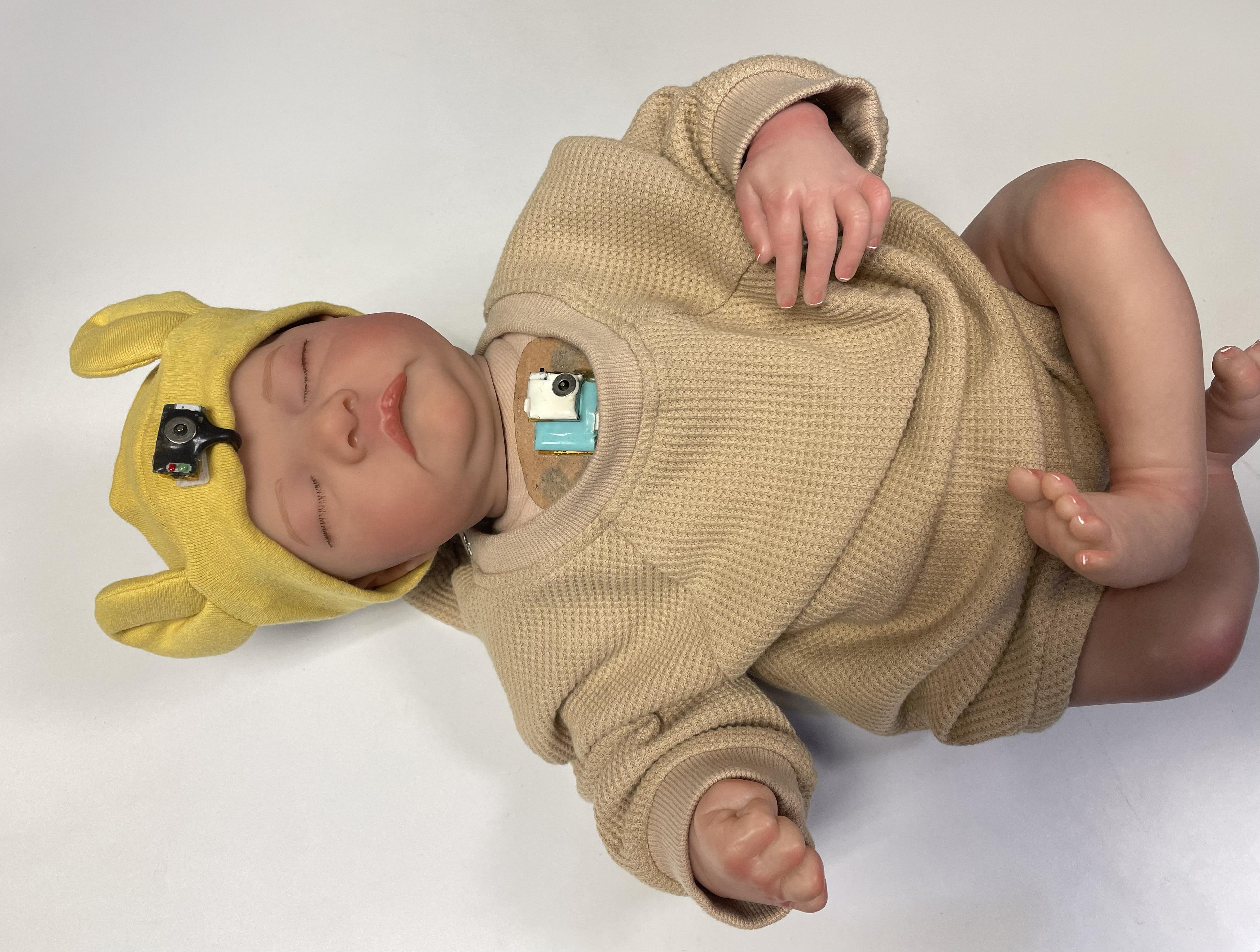
Wearable chest-mounted patch and forehead-mounted pulse oximeter shown on a mannequin baby for illustration
Soft, wearable system offers continuous wireless monitoring of newborns’ health.
A new, soft, all-in-one, wearable system has been designed for continuous wireless monitoring of neonatal health in low-resource settings. Developed by Georgia Tech researchers using advanced packaging technologies, the system features a chest-mounted patch and a forehead-mounted pulse oximeter that transmits real-time data to a smartphone app.
The wearable device measures and records important clinical parameters such as heart rate, respiration rate, temperature, electrocardiograms, and blood oxygen saturation. Speedy detection of abnormal readings in resource-challenged neonatal units could significantly reduce newborn mortality rates.
The device’s pilot study, conducted at Tikur Anbessa Specialized Hospital (TASH) in Addis Ababa, in collaboration with Abebaw Fekadu, Ph.D., from the Centre for Innovative Drug Development and Therapeutic Trials for Africa (CDT Africa Inc.), and neonatologist Asrat Demtse, M.D., from the TASH department of pediatrics, demonstrated a significant improvement over current vital sign monitoring and recording methods by providing continuous oversight using less medical equipment while also reducing handwritten paper tracking. Vital signs are a group of the most crucial medical data that indicate the status of the body's life-sustaining functions. The pairing of this wearable system with a smartphone app automated the monitoring process and delivered a superior level of neonatal care compared to the current processes at Ethiopia’s best hospital.
Medical staff and parents also observed a reduced need to wake their babies when using the wearable monitoring system. In addition, after participating in the study, 84% of Ethiopian parents said they would use the device at home.
“Professor Hong Yeo and I connected immediately after he gave a brief research talk about a new, wearable cardiac monitor for children,” said Rudy Gleason. “I asked him if we could co-develop a wearable device for newborn babies in Ethiopia that measured not one, but a variety of vital signs. We both thought it was a great idea.”
Yeo and Gleason are faculty members in the George W. Woodruff School of Mechanical Engineering and the Wallace H. Coulter Department of Biomedical Engineering at Georgia Tech. And both are affiliated with Georgia Tech’s Institute for People and Technology, which seeks to improve global health.
In 2009, Gleason and his wife were in the process of adopting a baby from Ethiopia named Kennedy. Before they could bring her home, however, she died — the result, Gleason said, of a seemingly preventable combination of malnutrition and diarrhea.
“This loss redirected my academic teaching, research, and service activities at Georgia Tech,” said Gleason. “Since then, I’ve spent most of my career focused on developing resource-appropriate biomedical devices to reduce maternal and child mortality.”
“When we started this latest study, Ethiopian parents were reluctant to participate. But once we recruited a few mothers in the neonatal intensive care unit (NICU), everyone in the NICU community wanted their child to participate in our wearable health monitoring system.”
According to Yeo, “We designed the wearable patch as a safe, clinical-grade solution with minimal skin irritation. Its key design advantage lies in the use of nanomembranes, which allows the device to be soft and highly conformal to the baby's skin. Wearing the device helps to ensure critical events are not missed since the built-in automation acts as a force multiplier, freeing clinical staff to focus more on complex decision-making rather than manual data acquisition.”
“Rudy has a deep love for the people of Ethiopia. I feel fortunate to have met him as we embark on this project aimed at helping sick babies in the country. Without his support, I could not envision bringing this technology to Ethiopia,” said Yeo.
During the past decade, child mortality rates have decreased in Ethiopia, but newborn deaths have remained mostly unchanged. Both Yeo and Gleason feel their new wearable neonatal device could significantly lower mortality rates for newborns in Ethiopia as they advance this research.
Citation: Zhou, L., Joseph, M., Lee, Y.J. et al. Soft, all-in-one, nanomembrane wearable system for advancing neonatal health monitoring in Ethiopia. npj Digit. Med. 8, 575 (2025).
DOI: https://doi.org/10.1038/s41746-025-01974-8
Funding: Gates Foundation (INV-006189) and the National Institutes of Health (R01HD100635). This work was also supported by the Imlay Foundation—Innovation Fund.
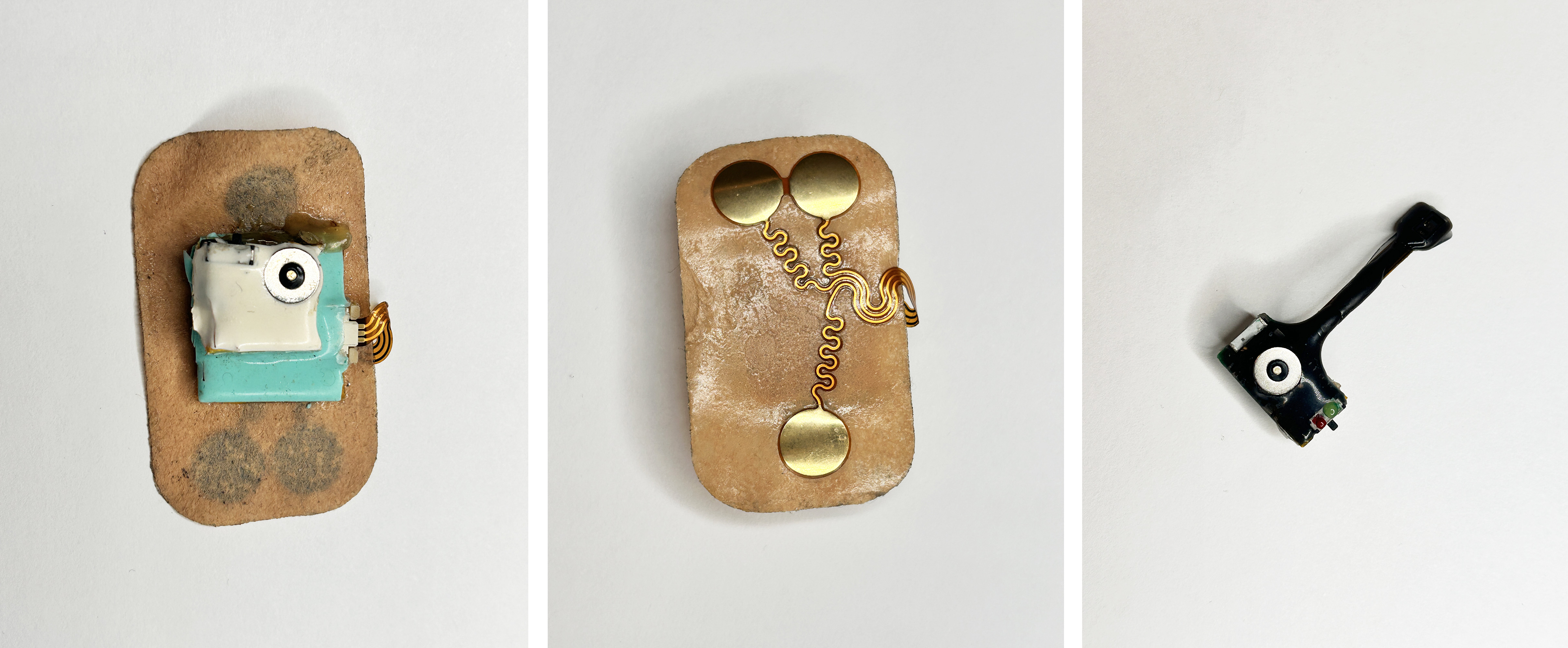
Wearable chest-mounted patch and forehead-mounted pulse oximeter shown close-up
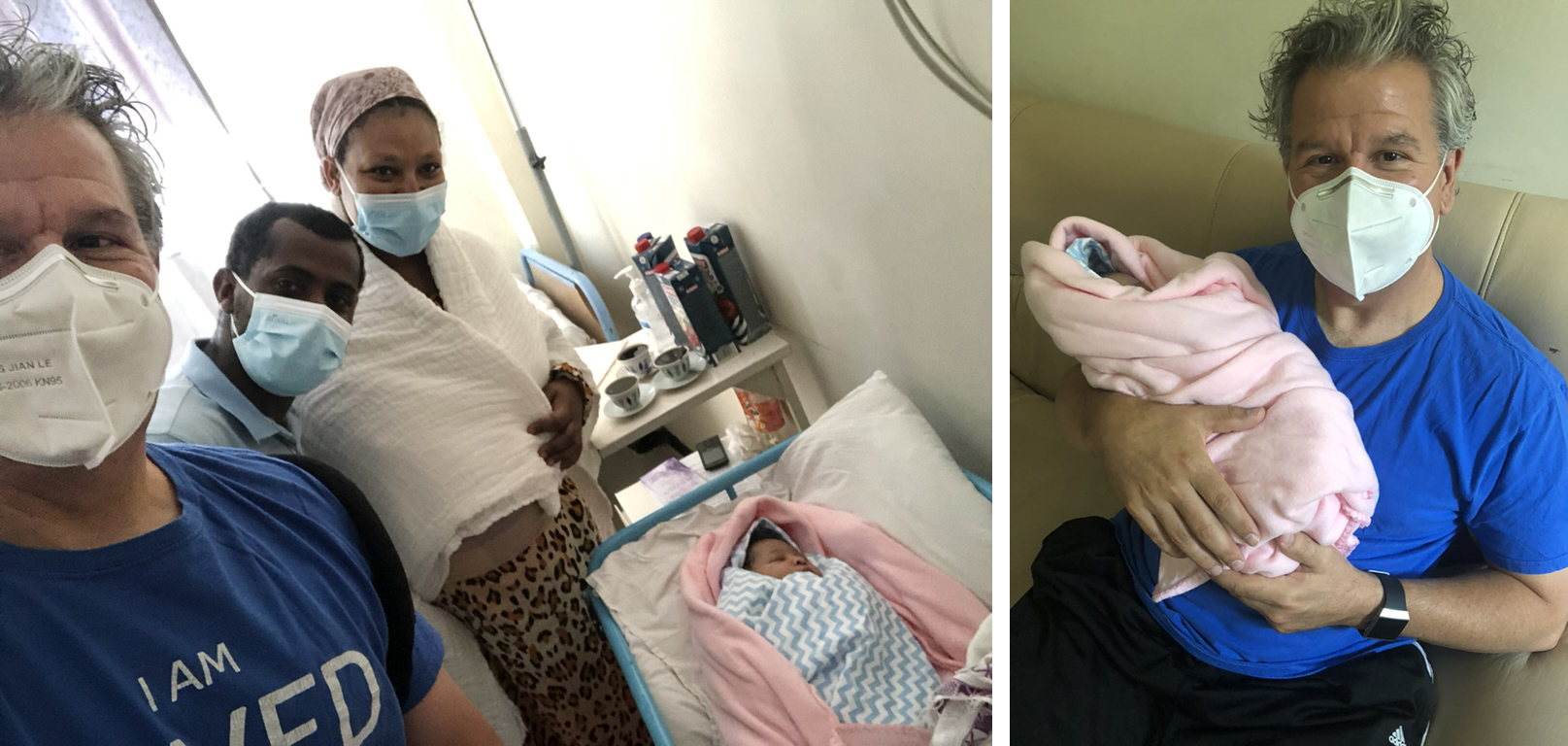
Professor Rudy Gleason with baby and parents at a hospital in Ethiopia
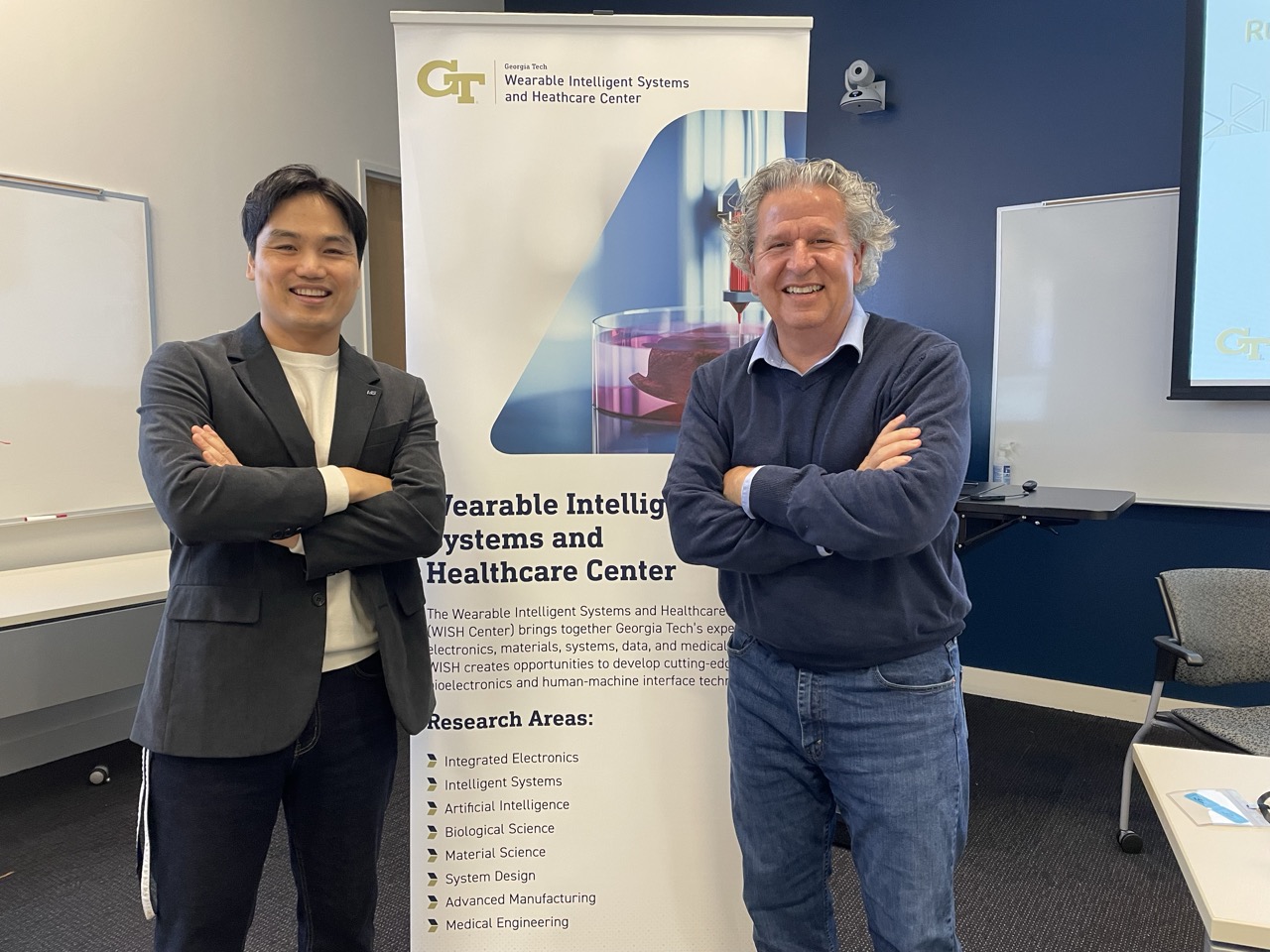
Professors Hong Yeo and Rudy Gleason
Walter Rich
Research Communications


