Edward Botchwey

Edward Botchwey
edward.botchwey@bme.gatech.edu
Website

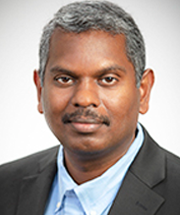
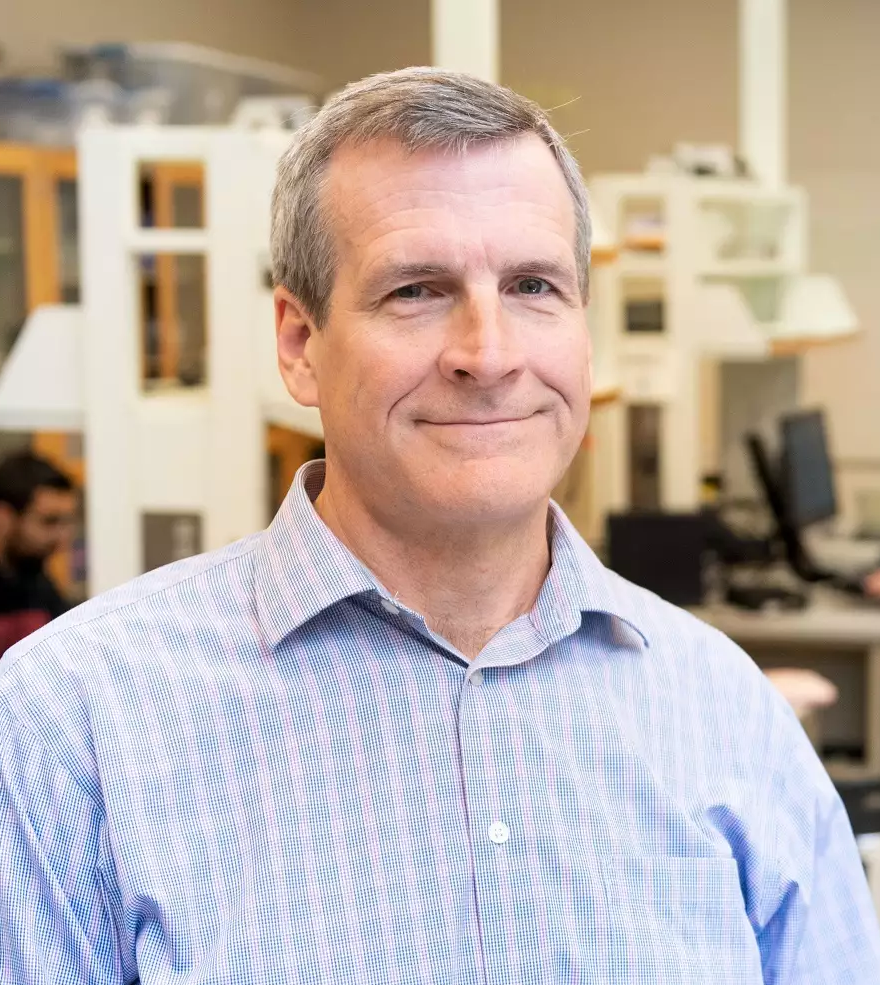
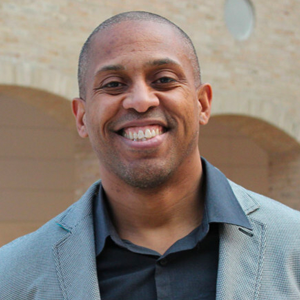
Edward Botchwey received a B.S. in mathematics from the University of Maryland at College Park in 1993 and both M.E. and Ph.D. degrees in materials science engineering and bioengineering from the University of Pennsylvania in 1998 and 2002 respectively. He was recruited to the faculty at Georgia Tech in 2012 from his previous position at the University of Virginia. His current position is associate professor in the Wallace H. Coulter Department of Biomedical Engineering at Georgia Tech and Emory University. Botchwey is former Ph.D. fellow of the National GEM Consortium, a former postdoctoral fellow of the UNCF-Merk Science Initiative, and a recipient of the Presidential Early Career Awards for Scientists and Engineers from the National Institutes of Health. 

Botchwey’s research focuses on the delivery of naturally occurring small molecules and synthetic derivatives for applications in tissue engineering and regenerative medicine. He is particularly interested in how transient control of immune response using bioactive lipids can be exploited to control trafficking of stem cells, enhance tissue vascularization, and resolve inflammation. Botchwey serves on the Board of Directors of the Biomedical Engineering Society (BMES) and serves as the secretary to the Biomedical Engineering Decade committee.

Botchwey, his wife Nisha Botchwey (also a GT faculty member) and three children reside in east Atlanta in the Lake Claire neighborhood. Botchwey is also an avid cyclist and enjoys reading YA fantasy, behavioral neuroscience and Christian theology books in his personal time.

Professor, Wallace H. Coulter Department of Biomedical Engineering
Phone
404.385.5058
Additional Research

Biomaterials, cellular materials, in situ characterization, tissue engineering, tissue engineering and biomaterials, microvascular growth and remodeling, stem cell engineering.

Google Scholar
https://scholar.google.com/citations?hl=en&user=eyPY0LsAAAAJ&view_op=list_works&sortby=pubdate
Related Site
Edward
Botchwey
Show Regular Profile

Julie Champion

Julie Champion
julie.champion@chbe.gatech.edu
Champion Lab

Julie Champion is the William R. McLain Endowed Term Professor in the School of Chemical and Biomolecular Engineering at Georgia Institute of Technology. She earned her B.S.E. in chemical engineering from the University of Michigan and Ph.D. in chemical engineering at the University of California Santa Barbara. She was an NIH postdoctoral fellow at the California Institute of Technology. Champion is a fellow of the American Institute for Medical and Biological Engineering and has received awards including American Chemical Society Women Chemists Committee Rising Star, NSF BRIGE Award, Georgia Tech Women in Engineering Faculty Award for Excellence in Teaching, Georgia Tech BioEngineering Program Outstanding Advisor Award. Professor Champion’s current research focuses on design and self-assembly of functional nanomaterials made from engineered proteins for applications in immunology, cancer, and biocatalysis.

Professor, School Chemical and Biomolecular Engineering
Phone
404.894.2874
Office
EBB 5015
Additional Research

Cellular Materials; Drug Delivery; Self-Assembly; "Developing therapeutic protein materials, where the protein is both the drug and thedelivery system Engineering proteins to control and understand protein particleself-assembly Repurposing and engineering pathogenic proteins for human therapeutics Creating materials that mimic cell-cell interactions to modulate immunologicalfunctions for various applications, including inflammation, cancer, autoimmune disease, and vaccination"
Google Scholar
https://scholar.google.com/citations?hl=en&user=jvuWIW4AAAAJ&view_op=list_works&sortby=pubdate
LinkedIn ChBE Profile Page
Julie
Champion
Show Regular Profile

Andrei Fedorov

Andrei Fedorov
AGF@gatech.edu
Fedorov Lab

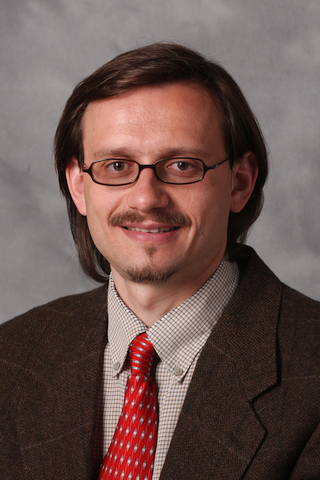
Fedorov's background is in thermal/fluid sciences, chemical reaction engineering as well as in applied mathematics. His laboratory works at the intersection between mechanical and chemical engineering and solid state physics and analytical chemistry with the focus on portable/ distributed power generation with synergetic CO2 capture; thermal management of high power dissipation devices and electronics cooling; special surfaces and nanostructured interfaces for catalysis, heat and moisture management; and development of novel bioanalytical instrumentation and chemical sensors. Fedorov joined Georgia Tech in 2000 as an assistant professor after finishing his postdoctoral work at Purdue University.

Professor and Rae S. and Frank H. Neely Chair, Woodruff School Mechanical Engineering
Associate Chair for Graduate Studies, School Mechanical Engineering
Director, Fedorov Lab
Phone
404.385.1356
Office
Love 307
Additional Research

Heat Transfer; power generation; CO2 Capture; Catalysis; fuel cells; "Fedorov's research is at the interface of basic sciences and engineering. His research portfolio is diverse, covering the areas of portable/ distributed power generation with synergetic carbon dioxide management, including hydrogen/CO2 separation/capture and energy storage, novel approaches to nanomanufacturing (see Figure), microdevices (MEMS) and instrumentation for biomedical research, and thermal management of high performance electronics. Fedorov's research includes experimental and theoretical components, as he seeks to develop innovative design solutions for the engineering systems whose optimal operation and enhanced functionality require fundamental understanding of thermal/fluid sciences. Applications of Fedorov's research range from fuel reformation and hydrogen generation for fuel cells to cooling of computer chips, from lab-on-a-chip microarrays for high throughput biomedical analysis to mechanosensing and biochemical imaging of biological membranes on nanoscale. The graduate and undergraduate students working with Fedorov's lab have a unique opportunity to develop skills in a number of disciplines in addition to traditional thermal/fluid sciences because of the highly interdisciplinary nature of their thesis research. Most students take courses and perform experimental and theoretical research in chemical engineering and applied physics. Acquired knowledge and skills are essential to starting and developing a successful career in academia as well as in many industries ranging from automotive, petrochemical and manufacturing to electronics to bioanalytical instrumentation and MEMS."

Google Scholar
https://scholar.google.com/citations?hl=en&user=_X-PrRkAAAAJ&view_op=list_works&sortby=pubdate
LinkedIn ME Profile Page
Andrei
Fedorov
G.
Show Regular Profile

Simone Douglas-Green

Simone Douglas-Green
https://douglasgreenlab.com/

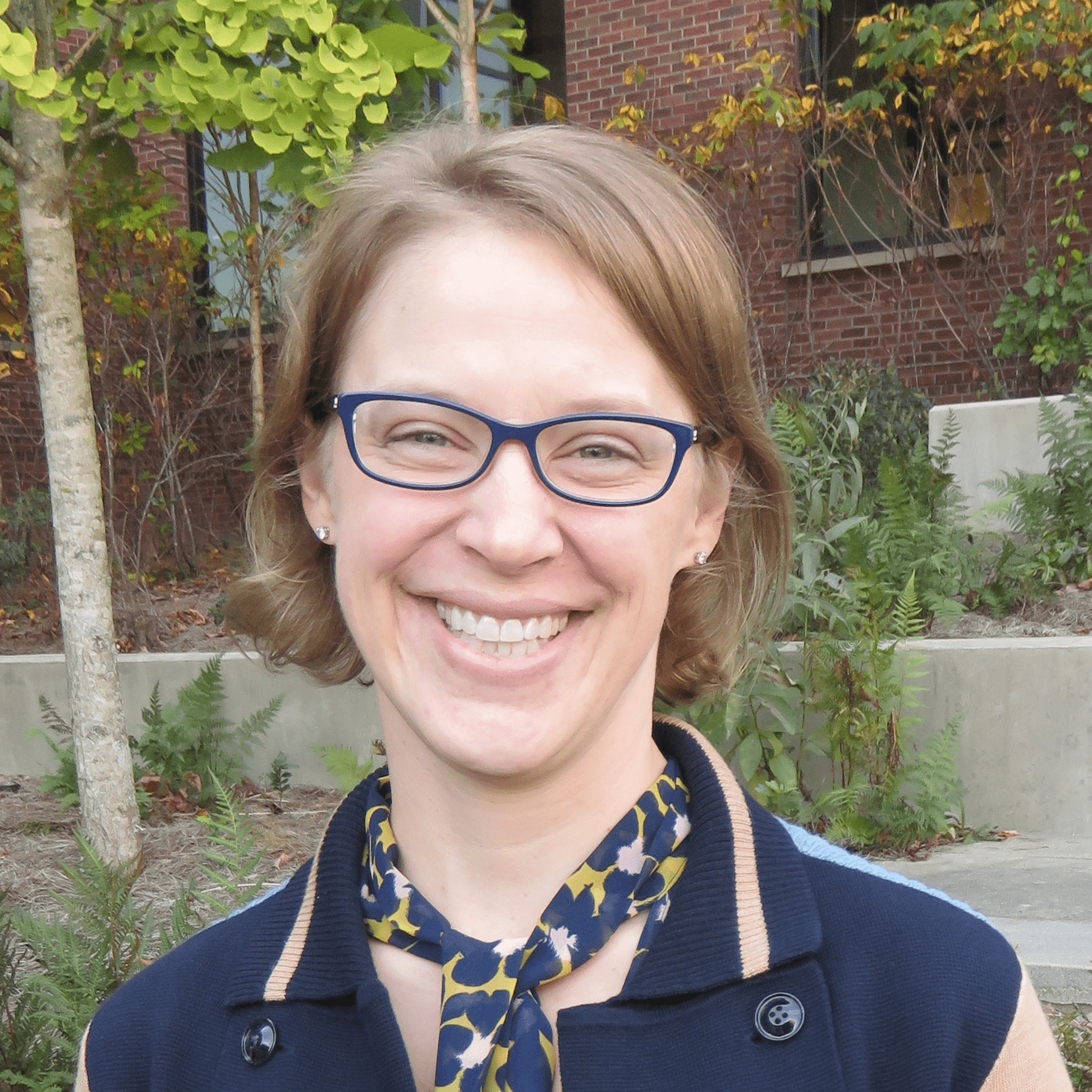
Dr. Simone Douglas-Green (@DrBlackBoots on Twitter/X and Instagram) is a new Assistant Professor in the Wallace H. Coulter Department of Biomedical Engineering at Georgia Tech and Emory University, where she has been named a BME Distinguished Faculty Fellow. She received her B.S. in Biomedical Engineering from the University of Miami, and her Ph.D. in Biomedical Engineering from the joint program at Georgia Tech and Emory University. Dr. Douglas-Green’s professional and scholarly development as a doctoral and postdoctoral trainee has been supported by a number of awards including the Alfred P. Sloan Foundation's Minority Ph.D. (MPHD) Fellowship, NASEM Ford Foundation Postdoctoral Fellowship, and Burroughs Wellcome Fund Postdoctoral Enrichment Program (PDEP). The Douglas-Green Lab focuses on developing tools/techniques to study how biology interacts with nanoparticles with an emphasis on understanding person and disease specific proteins coronas. Her goal is to train the next generation of engineers to be “EPIC”- engineering with purpose, intentionality, and compassion.

Assistant Professor
Office
UAW 4108
https://douglasgreenlab.com/
Simone
Douglas-Green
Show Regular Profile

Michelle Gaines, Ph.D.

Michelle Gaines, Ph.D.
mgaines6@spelman.edu

Michelle’s research is themed around designing and characterizing the surface chemical properties of synthetic and natural polymer systems. They will be used to develop multifunctional biomaterial substrates for regenerative medicine, cancer treatment, and personal care products. The goals of the Gaines Lab are achieved by marrying Polymer Synthesis, Materials Science, Cell Biology & Spectroscopy.

Assistant Professor
Phone
404.270.5743
Office
350 Spelman Lane, S.W.
Michelle
Gaines
Show Regular Profile

Jay Patel, Ph.D.

Jay Patel, Ph.D.
jay.milan.patel@emory.edu
Website

Jay Patel, Ph.D., is an Assistant Professor in the Department of Orthopaedics at Emory and a Health Science Specialist at the Atlanta VA. Patel joined the faculty at Emory in September 2020, and his program focuses on the repair and regeneration of musculoskeletal tissues (e.g., cartilage, meniscus), with an emphasis on using micro-scale findings to drive macro-scale therapies. His lab uses a combination of biomechanics, biomaterials, mechano-biology, in vitro systems, and functional in vivo models to motivate, design, develop, and evaluate novel treatments and therapeutics for orthopaedic injuries. He received his Bachelor’s in Bioengineering from Rice University and his Ph.D. in Biomedical Engineering from Rutgers University. He then pursued his postdoctoral training at the University of Pennsylvania in the Department of Orthopaedic Surgery, working on a variety of cartilage tissue engineering and mechano-biology projects. Patel has published over 20 manuscripts, has presented at numerous international conference meetings, and won several prestigious awards, including the Excellence in Research Award (2018) from the American Orthopaedic Society for Sports Medicine. Moreover, both his graduate and postdoctoral work resulted in pending patent applications, and the formation of startup companies with active small-business funding, demonstrating his ultimate goal of translating these approaches to the clinic.
 

Assistant Professor
Office
Emory MSK Institute, 6th Floor, Office 02
Jay
Patel
Show Regular Profile

Michael Davis

Michael Davis
michael.davis@bme.gatech.edu
Website

Dr. Davis holds positions as a Professor in both Cardiology and Biomedical Engineering at the Wallace H. Coulter Department of Biomedical Engineering at Georgia Tech and Emory University. Additionally, he serves as an associate chair for graduate studies at BME department, and a director of the Children's Heart Research and Outcomes (HeRO) Center. He received his Ph.D. in Molecular and Systems Pharmacology at Emory University in 2003 working on molecular regulation of eNOS expression by shear stress. From 2003-2006, he completed his postdoctoral fellowship at Brigham and Women's Hospital working on cardiac tissue engineering with collaborators at the Massachusetts Institute of Technology. He moved back to Emory in 2006 to join the faculty in Division of Cardiology and Biomedical Engineering Department.

Professor
Associate Chair for Graduate Studies
Director, Children's Heart Research and Outcomes (HeRO) Center
Phone
404-727-9858
Office
Emory HSRB W486
Additional Research
"Cardiac Regeneration, stem cell therapy: Our laboratory focuses on various aspects of cardiac regeneration and preservation using molecular-based and biomaterials-based approaches to restoring function after cardiac injury."
Research Focus Areas
Google Scholar
https://scholar.google.com/citations?user=-9Pl-RAAAAAJ&hl=en&oi=sra
LinkedIn Related Site
Michael
Davis
Show Regular Profile

Lakshmi Dasi

Lakshmi Dasi
lakshmi.dasi@gatech.edu
Related Site

Lakshmi Prasad Dasi is an established researcher in the field of prosthetic heart valves, cardiovascular biomechanics, biomaterials, and devices. He is currently a tenure Professor of Biomedical Engineering, at Georgia Institute of Technology while holding the Rozelle Vanda Wesley Endowed Professorship as well as being the Associate Chair for Undergraduate Studies. He has held positions at The Ohio State University, and Colorado State University previously. He is a Fellow of the American College of Cardiology (FACC) as well as Fellow of the American Institute for Medical and Biological Engineering (FAIMBE). 

Dasi earned his Ph.D. from Georgia Institute of Technology in 2004 with a focus in fluid dynamics and turbulence. He trained as a postdoctoral fellow and research engineer under Prof. Ajit Yoganathan’s mentorship at Georgia Tech where he transformed his research focus to heart valves, devices, and cardiovascular biomechanics. In 2009, he established the Cardiovascular Biofluid Mechanics Lab (CBFL) as Assistant Professor at Colorado State University and moved to The Ohio State University in 2015 as his focus became more translational. Since 2020, his research at Georgia Tech focuses on tackling the complexity of: (a) heart valve biomechanics (native and prosthetic); (b) prosthetic heart valve engineering (conventional & trans-catheter); (c) structure-function relationships of the heart in health and disease at the embryonic, pediatric, as well as adult stages; and (d) turbulence and turbulent blood flow.

Rozelle Vanda Wesley Professor
Phone
404.385.1265
Office
TEP 237
Research Focus Areas
Google Scholar
https://scholar.google.com/citations?hl=en&user=CC7aZdcAAAAJ&view_op=list_works&sortby=pubdate
Cardiovascular Fluid Mechanics (CFM) Laboratory
Lakshmi
Dasi
P.
Show Regular Profile

Paul Benkeser

Paul Benkeser
pbenkeser@gatech.edu

Paul Benkeser is a professor and senior associate chair in the Wallace H. Coulter Department of Biomedical Engineering at Georgia Tech and Emory University. A member of the Georgia Tech faculty since 1985, he was one of the founding faculty of the Coulter Department in 1998 and served as its first associate chair for undergraduate studies.    

His early research interests were in therapeutic and diagnostic applications of ultrasound. After joining the Coulter Department he redirected his energies toward enhancing undergraduate biomedical engineering  education, with particular interests in integrating problem-driven learning and global experiential learning opportunities in the curriculum. His research and education endeavors have been funded by grants from NIH, NSF, the Department of Veterans Affairs, and the Whitaker Foundation.    

Dr. Benkeser has been active in engineering accreditation activities for ABET since 2002, serving in a number of capacities including program evaluator, EAC Commissioner, and member of its board of delegates. He is a member of the American Institute for Medical and Biological Engineering, Biomedical Engineering Society, and American Society for Engineering Education, and a senior member of the Institute of Electrical and Electronics Engineers.    

He received his BS from Purdue University and MS and PhD from the University of Illinois at Urbana-Champaign, all in electrical engineering.

Professor
Senior Associate Chair
Phone
404-894-2912
Office
UAW 2125
Additional Research
Ultrasonic bioengineering, biomedical signal and image processing, and biomedical engineering education.
Research Focus Areas
Google Scholar
https://scholar.google.com/citations?user=vmCiPaoAAAAJ&hl=en&oi=ao
LinkedIn Related Site
Paul
Benkeser
Show Regular Profile

Julia Babensee

Julia Babensee
julia.babensee@bme.gatech.edu
Website

Julia Babensee is an Associate Professor in the Walter H. Coulter Department of Biomedical Engineering at Georgia Tech and Emory University. Dr. Babensee is affiliated with the Petit Institute for Bioengineering and Bioscience and the Georgia Tech/Emory Center for the Engineering of Living Tissue. 

Dr. Babensee is a member of the Cell and Molecular Biology Research Program at Winship Cancer Institute. She is also a permanent member of the NIH Bioengineering, Technology and Surgical Sciences study section. She is actively involved in several professional societies with service including SFB Member-at-Large (2008-2009) and Program Chair for the 2012 Annual Meeting of the Biomedical Engineering Society in Atlanta, Georgia. 

Her research program is in the area of engineering of inflammatory and immune responses focused on understanding host responses to combination products. Her research interests also include: Biomaterial interactions with dendritic cells, tissue engineering for rheumatoid arthritis, and biomaterial-applied immunology.

Babensee received her Ph.D. from University of Toronto in Toronto, Canada. She completed her postdoctoral fellowship at Rice University and Baylor College of Medicine.

Associate Professor
Phone
404-385-0130
Office
Petit Biotechnology Building, Office 1315
Additional Research

Host responses to combination products, biomaterial interactions with dendritic cells, tissue engineering for rheumatoid arthritis, targeted DNA vaccine delivery, and biomaterial-applied immunology.

Google Scholar
https://scholar.google.com/citations?user=3p-9EfsAAAAJ&hl=en
Related Site
Julia
Babensee
E.
Show Regular Profile