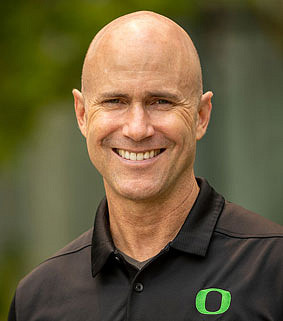
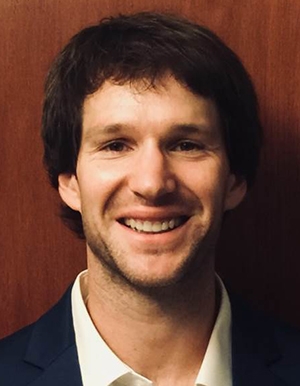
Shoichiro Ono, Ph.D.

Shoichiro Ono, Ph.D.
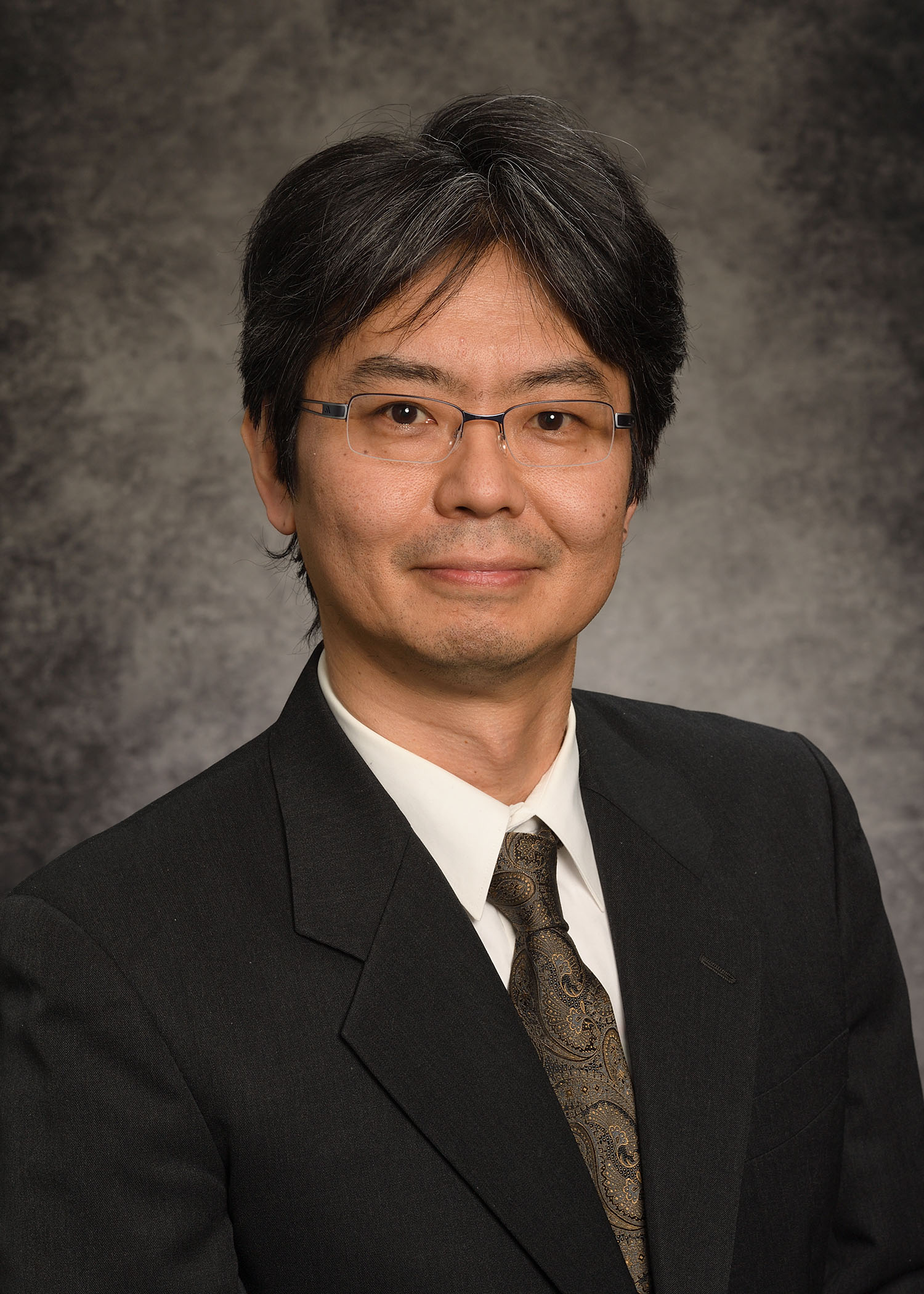
sono@emory.edu
Website

The Shoichiro's lab primary research interest is the mechanisms that regulate dynamic rearrangement of the actin cytoskeleton during various cellular events including development, cell movement, cytokinesis, and human diseases. We have been studying this problem using the nematode Caenorhabditis elegans as a model system. C. elegans has been used to study many aspects of development, because of its relative simplicity in the body patterning, and application of genetics, molecular biology, biochemistry, and cell biology. We are especially interested in the functions of the actin depolymerizing factor (ADF)/cofilin family of actin-binding proteins, which are required for enhancement of actin filament dynamics. We found that two ADF/cofilin proteins that are generated from the unc-60 gene have different actin-regulating activities. Mutation and expression analyses demonstrated that one of the two ADF/cofilin isoforms (UNC-60B) was specifically required for organized assembly of actin filaments in muscle. ADF/cofilin promotes depolymerization and severing of actin filaments, but tropomyosin inhibits this effect by stabilizing filaments. The other ADF/cofilin isoform (UNC-60A) is highly expressed in early embryos and regulates cytokinesis and embryonic patterning. In addition, we found that actin-interacting protein 1 (AIP1) is a new regulator of muscle actin filaments. AIP1 (UNC-78) specifically interacts with ADF/cofilin-bound actin filaments and enhances filament depolymerization. We also found that the gene product of sup-12 (an RBM24 homolog) regulates alternative splicing of the unc-60 gene and is required for generation of the unc-60B mRNA. We are currently studying functions of these proteins and other regulators of actin dynamics in several developmental aspects in C. elegans.

Associate Professor of Pathology and Laboratory Medicine
Associate Professor of Cell Biology
Phone
404.727.3916
Office
615 Michael Street, Whitehead Biomedical Research Building Room 105N, Atlanta, GA 30322
University, College, and School/Department
Google Scholar
https://scholar.google.com/citations?user=tq7ihbkAAAAJ&hl=en
NCBI
Shoichiro
Ono
Show Regular Profile

Michelle LaPlaca

Michelle LaPlaca
michelle.laplaca@bme.gatech.edu
Website

Michelle C. LaPlaca, Ph.D. is an Associate Professor in the Department of Biomedical Engineering, a joint department between Georgia Tech and Emory University. Dr. LaPlaca earned her undergraduate degree in Biomedical Engineering from The Catholic University of America, Washington, DC, in 1991 and her M.S.E. (1992) and Ph.D. (1996) in Bioengineering from the University of Pennsylvania, Philadelphia, PA, in the area of neuronal injury biomechanics. Following post-doctoral training in Neurosurgery at the University of Pennsylvania’s Head Injury Center from 1996-98, she joined the faculty at Georgia Tech. Dr. LaPlaca’s research interests are in neurotrauma, specifically: traumatic brain injury, injury biomechanics, cell culture modeling of traumatic injury, neural tissue engineering, and cognitive impairment associated with brain injury and aging. Her research is funded by NIH, NSF, and the Coulter Foundation.

Professor
Phone
404-385-0629
Office
UAW 3109
Additional Research
LaPlaca's broad research interests are in neurotrauma, injury biomechanics, and neuroengineering as they relate to traumatic brain injury (TBI). The goals are to better understand acute injury mechanisms in order to develop strategies for neuroprotection, neural repair, and more sensitive diagnostics. More specifically, the lab studies mechanotransduction mechanisms, cellular tolerances to traumatic loading, and plasma membrane damage, including mechanoporation and inflammatory- & free radical-induced damage. We are coupling these mechanistic-based studies with –omics discovery in order to identify new biomarker candidates. In addition, LaPlaca and colleagues have developed and patented an abbreviated, objective clinical neuropsychological tool (Display Enhanced Testing for Cognitive Impairment and Traumatic Brain Injury, DETECT) to assess cognitive impairment associated with concussion and mild cognitive impairment. An immersive environment, coupled with an objective scoring algorithm, make this tool attractive for sideline assessment of concussion in athletic settings. Through working on both basic and clinical levels she is applying systems engineering approaches to elucidate the complexity of TBI and promoting bidirectional lab-to-clinical translation.
Google Scholar
https://scholar.google.com/citations?user=Zod2gNUAAAAJ
Related Site
Michelle
LaPlaca
C.
Show Regular Profile

Felipe Garcia Quiroz

Felipe Garcia Quiroz
Website

Felipe trained as a biomedical engineer in his native Colombia before obtaining a PhD from the Biomedical Engineering department of Duke University. At Duke, working in the laboratory of Ashutosh Chilkoti, he focused on the engineering of genetically-encoded, self-assembling protein polymers. An important outcome of this PhD work was the elucidation of sequence rules to program the phase separation behavior of intrinsically disordered proteins (IDPs). Motivated by a newly acquired ability to engineer the phase behavior of IDPs, for his postdoctoral work he turned to their poorly-understood biology. To pursue skin as an outstanding biological system, Felipe joined the group of Elaine Fuchs at Rockefeller University. Felipe’s postdoctoral research led to the discovery that liquid-liquid phase separation drives the process of skin barrier formation. In 2020, he established the Quiroz Lab in the Wallace H. Coulter Department of Biomedical Engineering at Georgia Tech and Emory University, where he is currently an Assistant Professor. Felipe is the recipient of multiple research awards, including a Career Award at the Scientific Interface from the Burroughs Wellcome Fund and the NIH Director’s New Innovator Award.

Assistant Professor
Phone
404-251-5435
Office
Health Sciences Research Building, Room E184 (Emory)
Google Scholar
https://scholar.google.com/citations?user=zlXwjXcAAAAJ&hl=en&oi=ao
Coulter Department of Biomedical Engineering Coulter Department of Biomedical Engineering
Felipe
Quiroz
Garcia
Show Regular Profile

Robert Guldberg

Robert Guldberg
robert.guldberg@me.gatech.edu

Robert E. Guldberg is the DeArmond Executive Director of the Phil and Penny Knight Campus for Accelerating Scientific Impact and Vice President of the University of Oregon. Guldberg’s research is focused on musculoskeletal mechanobiology, regenerative medicine, and orthopaedic medical devices. Over his 25+ year academic career, Dr. Guldberg has produced over 280 peer-reviewed publications, served as an advisor and board member for numerous biotechnology companies, and co-founded six start-ups. He was previously executive director of the Parker H. Petit Institute for Bioengineering and Bioscience at Georgia Tech from 2009-2018. In 2018, he was selected from a national search to lead the Knight Campus as its inaugural permanent Executive Director, where he has led the creation of its strategic plan, hired faculty into the campus’ first building opened in 2020, and launched the University of Oregon’s first ever engineering degree program. In 2021, he led the launch of Phase 2 of the Knight Campus development with the announcement of a second $500 million gift from Phil and Penny Knight. At the national level, Dr. Guldberg is past Chair of the Americas Chapter of the Tissue Engineering and Regenerative Medicine International Society (TERMIS-AM). He currently serves on the Executive Leadership Council of the Wu Tsai Human Performance Alliance, a $220 million global initiative to promote wellness and peak performance through scientific discovery and innovation. Dr. Guldberg is an elected fellow of TERMIS, the American Society of Mechanical Engineers (ASME), the American Institute for Medical and Biological Engineering (AIMBE), the Orthopaedic Research Society (ORS), and the National Academy of Inventors (NAI).

Vice President and Robert and Leona DeArmond Executive Director
Adjunct Professor
Phone
541-346-3110
Additional Research
Guldberg's research interests focus on musculoskeletal growth and development, functional regeneration following traumatic injury, and degenerative diseases, including skeletal fragility and osteoarthritis. His research is supported by the NIH, NSF, DoD, and several biotechnology companies and has resulted in over 150 book chapters and publications. Guldberg is a Fellow of the American Institute for Medical and Biological Engineering (AIMBE) and holds several national leadership positions.
Google Scholar
https://scholar.google.com/citations?user=8_Yj_RwAAAAJ&hl=en
LinkedIn https://accelerate.uoregon.edu/robert-guldberg
Robert
Guldberg
E.
Show Regular Profile

Ravi Kane

Ravi Kane
ravi.kane@chbe.gatech.edu
Website

Ravi Kane is the Garry Betty/V Foundation Chair and GRA Eminent Scholar in Cancer Nanotechnology. He received a B.S. in Chemical Engineering from Stanford University in 1993. Also, he received an M.S. in Chemical Engineering Practice and a Ph.D. in Chemical Engineering from MIT, working with Bob Cohen and Bob Silbey. After postdoctoral research with George Whitesides in the Department of Chemistry and Chemical Biology at Harvard University, he joined Rensselaer Polytechnic Institute (RPI) as an assistant professor in 2001. He was promoted to associate professor in 2006, to full professor in 2007, and to the P.K. Lashmet Professor in 2008. He served as the head of RPI’s Howard P. Isermann Department of Chemical and Biological Engineering before moving to Georgia Tech in 2015. Prof. Kane has graduated 27 Ph.D students and contributed to over 130 scientific publications.

Professor
Garry Betty/V Foundation Chair
Georgia Research Alliance Eminent Scholar in Cancer Nanotechnology
Phone
404-385-4608
Office
EBB 5019
Additional Research
Professor Kane's groupconducts research at the interface of biotechnology and nanotechnology.The group is designing nanoscale polyvalent therapeutics and working on the molecular engineering of biosurfaces and nanostructures. A major focus of the group's research involves the design of polyvalent ligands, i.e., nanoscale scaffolds presenting multiple copies of selected biomolecules.The Kane group has made seminal contributions to a fundamental understanding of polyvalent recognition and has designed polyvalent inhibitors that are effectivein vivo.Currently, the group is designing polyvalent molecules that control stem cell fate as well as polyvalent inhibitors of pathogens such as HIV and influenza.The group is also designing nanoscale scaffolds for antigen presentation as part of novel strategies for designing vaccines.The approach could lead to the development of "universal" influenza vaccines as well as effective vaccines targeting RSV and malaria.Other interests of the group involve optogenetics — the development and application of methods that use light to control cell function — as well as the design of enzymes and nanocomposites that target antibiotic-resistant pathogens.
Google Scholar
https://scholar.google.co.uk/citations?user=QkjzSXgAAAAJ&hl=en&oi=sra
Related Site
Ravi
Kane
S.
Show Regular Profile

Raquel Lieberman

Raquel Lieberman
raquel.lieberman@chemistry.gatech.edu
Website

Raquel Lieberman is the Sepcic-Pfeil Professor of Chemistry & Biochemistry at Georgia Tech. Her research program focuses on biophysical and structural characterization of proteins and the impact of disease-associated mutations on function or dysfunction (e.g. aggregation). Rooted in basic research, the long-term goal of her research program is to convert mechanistic discoveries into disease-modifying therapies.

A major research project in her lab is investigations of glaucoma-associated herocilin, which has been funded by NIH since March 2011. Her lab has made major strides toward detailed molecular understanding of herocilin structure, function, and disease pathogenesis. They have divulged similarities between herocilin-associated glaucoma and other protein misfolding disorders, particularly aherloid diseases. Cumulatively, their work is leading to the first disease-modifying glaucoma therapeutic.

Lieberman also has a track record in membrane enzymes dating back to her thesis work where she solved the first crystal structure of the copper-dependent particulate methane monooxygenase. During her postdoc she shifted focus to intramembrane aspartyl proteases (IAPs), particularly those involved in neurodegenerative disease like Alzheimer’s disease. In her independent lab she developed new proteomics-based assays to measure IAP proteolysis. The lab also collaborates with physicists at Oak Ridge National Labs to use neutron scattering to probe structure and lipids in solution. This work has been funded by NSF and NIH.

She serves on the Executive Council of the Protein Society and as an academic editor for PLoS Biology. She also serves as co-PI of the Department of Education GAANN program in Biochemistry & Biophysics at Georgia Tech and on the advisory committees in a variety of capacities.

Professor
Phone
404-385-3663
Office
Petit Biotechnology Building, Office 1308
Additional Research
The Lieberman research group focuses on biophysical and structural characterization of proteins involved in misfolding disorders. One major research project in the lab has been investigations of the glaucoma-associated myocilin protein. The lab has made major strides toward detailed molecular understanding of myocilin structure, function, and disease pathogenesis. Our research has clearly demonstrated similarities between myocilin glaucoma and other protein misfolding disorders, particularly amyloid diseases. The work has led to new efforts aimed at amelioratingthe misfolding phenotype using chemical biology approaches. Our second project involves the study of membrane-spanning proteolytic enzymes, which have been implicated disorders such as Alzheimer disease. Our group is tackling questions surrounding discrimination among and presentation of transmembrane substrates as well as the enzymatic details of peptide hydrolysis. In addition to the biochemical characterization of intramembrane aspartyl proteases, our group is developing new crystallographic tools to improve the likelihood of determining structures of similarly challenging membrane proteins more generally.
Google Scholar
http://scholar.google.com/citations?user=qmtLr9kAAAAJ
LinkedIn Related Site
Raquel
Lieberman
L.
Show Regular Profile

Boris Prilutsky

Boris Prilutsky
boris.prilutsky@biosci.gatech.edu
Website

The research focus of Boris Prilutsky's laboratory is Neural Control and Biomechanics of Movement. They study how the nervous system controls hundreds of muscles and kinematic degrees of freedom of the body to produce purposeful motor behaviors and how the neural control of motor behaviors is affected by neural and musculoskeletal injuries.

Professor
Phone
404-894-7659
Office
MSPO Program 1309D
Additional Research
The major research focus of my research is on biomechanics and motor control of locomotion and reaching movements in normal as well as in neurological and musculoskeletal pathological conditions. In particular, we study the mechanisms of sensorimotor adaptation to novel motor task requirements caused by visual impairament, peripheral nerve or spinal cord injury, and amputation. We also investigate how motor practice and sensory information affect selections of adaptive motor strategies.
Google Scholar
http://scholar.google.com/citations?user=gE3DQUEAAAAJ&hl=en
http://biosci.gatech.edu/people/boris-Prilutsky
Boris
Prilutsky
I.
Show Regular Profile

T. Richard Nichols

T. Richard Nichols
trn@gatech.edu

T. Richard Nichols received the B.S. degree in biology from Brown University, Providence, RI, USA, in 1969, and the Ph.D. degree in physiology from Harvard University, Cambridge, MA, USA, in 1974. He is currently a Professor in the School of Biological Sciences at the Georgia Institute of Technology.,He is currently a Professor in the School of Biological Sciences at the Georgia Institute of Technology, Atlanta, GA, USA.

Professor
Phone
404-894-3986
Office
555 14th Street NW Room 1352
Additional Research
The work in this laboratory is focused on mechanisms underlying motor coordination in mammalian systems. These mechanisms are to be found in the structure and dynamic properties of the musculoskeletal system as well as in the organization of neuronal circuits in the central nervous system. Our work concerns the interactions between the musculoskeletal system and spinal cord that give rise to normal and abnormal movement and posture, and in the manner in which central pattern-generating networks are modified for specific motor tasks. Our studies have applications in several movement disorders, including spinal cord injury. The experimental approaches span a number of levels, from mechanical studies of isolated muscle cells to kinematic measurements of natural behavior in quadrupeds.
Google Scholar
https://scholar.google.com/scholar?q=Nichols+TR&btnG=&hl=en&as_sdt=0,11
http://biosci.gatech.edu/people/richard-nichols
T. Richard
Nichols
Show Regular Profile

Frank Rosenzweig

Frank Rosenzweig
frank.rosenzweig@biology.gatech.edu
Website

Frank Rosenzweig is a Professor in School of Biological Sciences. He holds Bachelors degrees in Comparative Literature and Zoology from University of Tennessee-Knoxville, and a PhD in Biology at University of Pennsylvania. He carried out postdoctoral studies at the University of Michigan. He was a professor at University of Idaho, University of Florida, and University of Montana before joining the Georgia Tech faculty in 2016. He served as the Director of the NASA Astrobiology Institute funded center “Reliving the Past” from 2015 to 2019.  His research group studies the ecological and evolutionary forces that produce and preserve genetic variation using experimental evolution  to illuminate how genetic variation maps onto organismal fitness.

Professor
Phone
404-385-4458
Office
EBB 2007
http://biosci.gatech.edu/people/frank-rosenzweig
Frank
Rosenzweig
Show Regular Profile

John Blazeck

John Blazeck
john.blazeck@chbe.gatech.edu
Website

The Blazeck Lab tackles challenges at the interface of immunology, engineering, and metabolism to improve human health. We utilize our expertise in cellular and protein engineering to control biological function and to develop novel therapies to fight disease.

Synthetic Immune Systems

Our immune system uses very complex processes to make exquisitely specific receptors that recognize disease causing agents, and much of our ability to fight diseases is contingent upon the development of a diverse repertoire of immune receptors. Many questions remain unanswered about these immune receptors. For instance, at a population level, can we characterize the millions of receptors each person makes? And then further determine which of these millions of receptors is most important towards recognizing and targeting a pathogen? And can we control the generation of immune receptors to have desired properties? We are striving to answer these questions by harnessing our immune system’s power in a synthetic setting to improve understanding and treatment options for numerous diseases, while developing applications for vaccine design, personalized medicine, and enzyme engineering.

Engineering Cellular Therapies

Immunotherapies are treatments designed to modulate the immune response that have shown astounding clinical potential, yet there are no current treatments with guaranteed success. We are working to engineer cellular systems with controllable, enhanced, and non-native functions that improve their impact and capability. By developing high throughput technologies to interrogate immune function, we hope to translate our findings into improvements in the next generation of cellular therapeutics. 

Developing Proteins that Fight Cancer and Control Metabolism

It is widely accepted that cancer cells have a significantly altered genomic and metabolic makeup relative to normal cells, but how can we best target these differences? By combining our expertise in metabolism and therapeutic protein engineering, are working to engineer proteins to directly target and fight cancer. For instance, certain enzymes can control the metabolic environment around tumors to inhibit their growth or to stimulate a native anti-cancer immune response. We utilize directed evolution approaches to optimize protein function and efficacy.

Assistant Professor
Related Site
John
Blazeck
Show Regular Profile