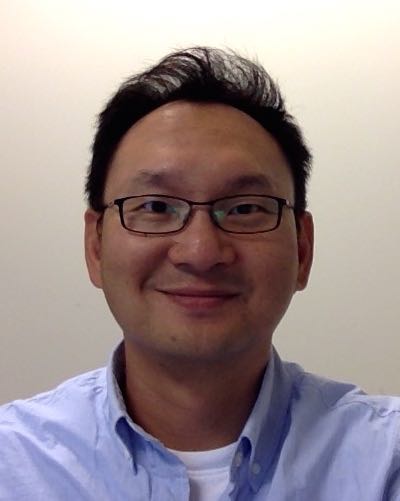
Saurabh Sinha, Ph.D.

Saurabh Sinha, Ph.D.
Lab

Saurabh Sinha received his Ph.D. in Computer Science from the University of Washington, Seattle, in 2002, and after post-doctoral work at the Rockefeller University with Eric Siggia, he joined the faculty of the University of Illinois, Urbana-Champaign, in 2005, where he held the positions of Founder Professor in Computer Science and Director of Computational Genomics in the Carl R. Woese Institute for Genomic Biology until 2022. He joined Georgia Institute of Technology in 2022, as Wallace H. Coulter Distinguished Chair in Biomedical Engineering, with joint appointments in Biomedical Engineering and Industrial & Systems Engineering. Sinha’s research is in the area of bioinformatics, with a focus on regulatory genomics and systems biology. Sinha is an NSF CAREER award recipient and has been funded by NIH, NSF and USDA. He co-directed an NIH BD2K Center of Excellence and was a thrust lead in the NSF AI Institute at UIUC. He led the educational program of the Mayo Clinic-University of Illinois Alliance, and co-led data science education for the Carle Illinois College of Medicine. Sinha has served as Program co-Chair of the annual RECOMB Regulatory and Systems Genomics conference and served on the Board of Directors for the International Society for Computational Biology (2018-2021). He was a recipient of the University Scholar award of the University of Illinois, and selected as a Fellow of the AIMBE in 2018.
Wallace H. Coulter Distinguished Chair in Biomedical Engineering
Professor
Office
3108 UAW
Saurabh
Sinha
Show Regular Profile

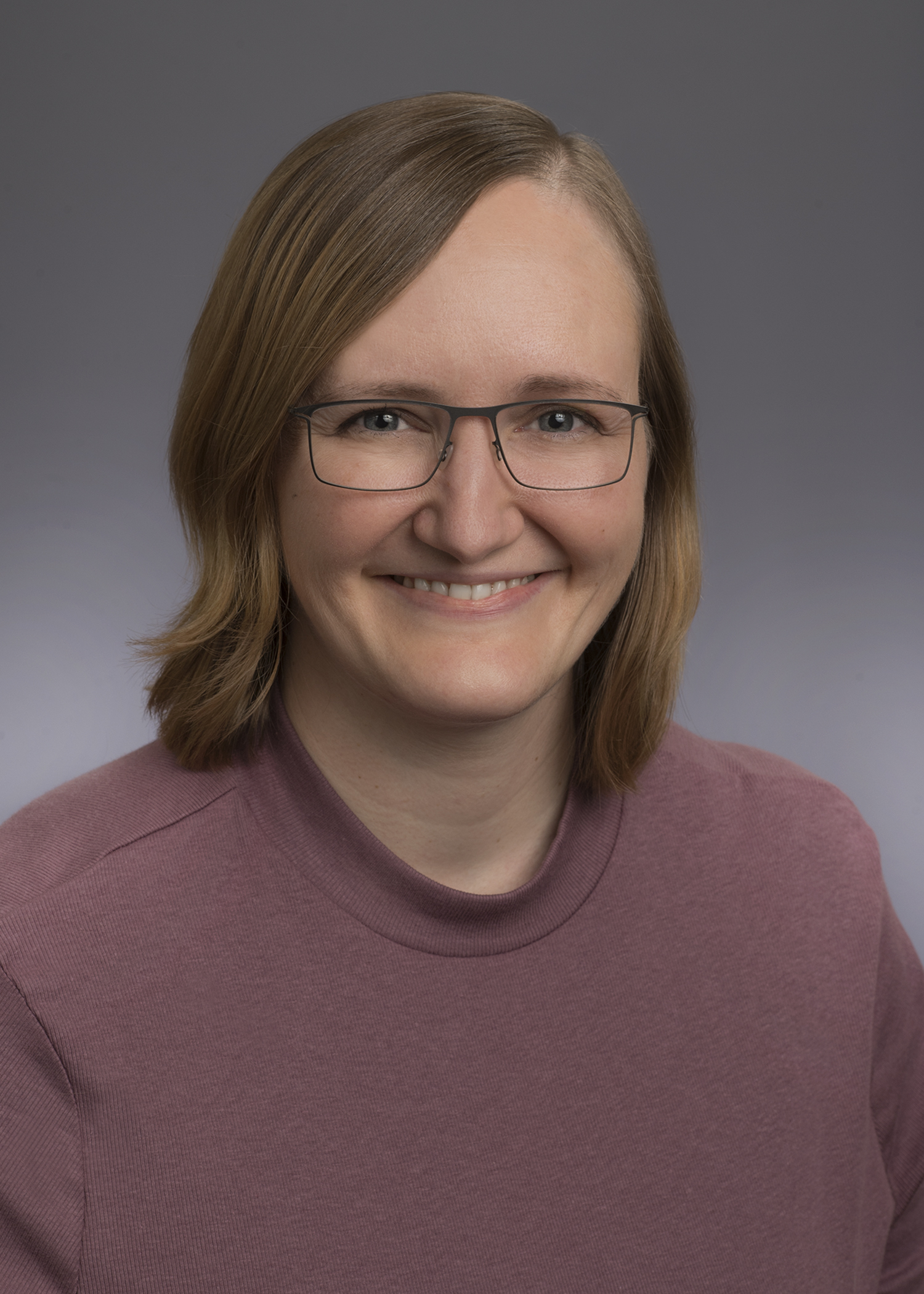
Katherine Hekman, M.D., Ph.D.

Katherine Hekman, M.D., Ph.D.
khekman@emory.edu
https://med.emory.edu/directory/profile/?u=KHEKMAN

Dr. Hekman completed her BA in Biophysics and Spanish Literature at Johns Hopkins. She then chose to pursue medicine and completed her MD and PhD in Molecular Medicine at the University of Chicago, where she found Vascular Surgery. She completed her Vascular Surgery Integrated Residency at Northwestern University, including a post-doctoral research fellowship in the lab of Dr. Jason Wertheim, MD, PhD. There she discovered the role of autophagy in the longevity and health of endothelial cells derived from induced pluripotent stem cells. She joined faculty in Vascular Surgery at Emory and the Atlanta VA Healthcare System in 2021, where her lab focuses on generating patient-specific induced pluripotent stem cell-derived endothelial cells to produce personalized regenerative therapies for vascular disease.

Assistant Professor
Phone
619-754-5405
Office
1365 Clifton Rd NE; Atlanta, GA 30322
University, College, and School/Department
Katherine
Hekman
Show Regular Profile

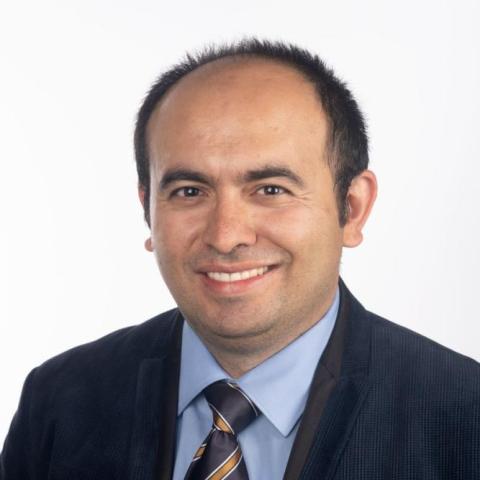
Ahmet Coskun

Ahmet Coskun
acoskun7@gatech.edu
Website

Ahmet Coskun is a Bernie-Marcus Early-Career Professor of Biomedical Engineering at Georgia Institute of Technology and Emory University. Coskun is a systems biotechnologist and bioengineer, working at the nexus of multiplexed cell imaging and quantitative tissue biology. He directs an interdisciplinary research team at the Single Cell Biotechnology and Spatial Omics Laboratory, an interdisciplinary program strategically positioned for multiparameter imaging one cell at a time by spatial context and function. Coskun holds five issued patents and is also the co-author of more than 50 peer-reviewed publications in major scientific journals. He is a recipient of the NSF CAREER Award 2024, NIH R35 MIRA Award 2023, Sigma Xi Young Faculty Award 2025, CMBE Young Innovator Award 2024, BMES-CMBE Rising Star Award 2023, American Lung Association Innovation Award 2022, Burroughs Welcome Fund CASI Award 2016, and Student Recognition of Excellence in Teaching: Class of 1934 CIOS Award, among other research and teaching awards. Previously, Coskun was an instructor at Stanford University. He received his postdoctoral training from the California Institute of Technology. He holds a Ph.D. from the University of California, Los Angeles. His research has been supported by federal and private grants, including the National Institutes of Health (NIGMS, NIA, NIAID, NCI, NIDCR, OD, and ORIP), Wellcome LEAP, Burroughs Wellcome Fund (CASI), NSF CMaT, American Cancer Society IRG, Multi-cellular engineered living systems (M-CELS), and Regenerative Medicine Center. In addition, he leads outreach programs to engage K-12 students and undergraduate students through BioCrowd Studio, an innovative crowd-sourcing program bringing together interactive virtual media, distributed biokits, and collaborative spatial discovery.

Associate Professor of Biomedical Engineering
Phone
404.894.3866
Office
Petit Biotechnology Building, Office 1311
Additional Research

The Single Cell Biotechnology Lab aims to study spatial biology in health and disease. Our research lies at the nexus of multiplex bioimaging, microfluidic biodynamics, and big data biocomputation. Using high-dimensional nanoscale imaging datasets, we address fundamental challenges in immuno-engineering, cancers, and pediatric diseases. Our lab pursues a transformative multi-omics technology to integrate spatially resolved epigenetics and spatial genomics, proteomics, and metabolomics, all in the same platform. We uniquely benefit from super-resolution microscopy, imaging mass spectrometry, combinatorial molecular barcoding, and machine learning to enhance the information capacity of our cellular data. Variability of single cell images can be used to understand differences in therapeutic responses, as well as satisfy our curiosity on understanding how cells are spatially organized in nature.

University, College, and School/Department
Google Scholar
https://scholar.google.com/citations?user=4MR2wSIAAAAJ&hl=en
LinkedIn Related Site
Ahmet
Coskun
Show Regular Profile

Shuichi Takayama

Shuichi Takayama
takayama@gatech.edu
Takayama lab

Shu Takayama earned his BS and MS in Agricultural Chemistry at the University of Tokyo. He earned a Ph.D. in Chemistry at The Scripps Research Institute in La Jolla, California studying bio-organic synthesis with Dr. Chi‐Huey Wong. He then worked as a postdoc with Dr. George Whitesides at Harvard University where he focused on applying microfluidics to studying cell and molecular biology.

Takayama began his career at the University of Michigan, where led his lab in the Department of Biomedical Engineering and Macromolecular Science & Engineering for over 17 years. In 2017, the lab moved to Georgia Tech where Shu became the Georgia Research Alliance Price Gilbert Chair Professor of Biomedical Engineering in the Wallace H. Coulter Department of Biomedical Engineering.

Takayama’s research interests are diverse and motivated by clinical and biotechnology needs. He is always interested in hearing from stakeholders in these areas who are seeking engineering collaboration.

Professor, Wallace H. Coulter Department of Biomedical Engineering
GRA Eminent Scholar, Wallace H. Coulter Department of Biomedical Engineering
Price Gilbert, Jr. Chair in Regenerative Engineering andMedicine
Phone
404.385.5722
Office
EBB 4018
Additional Research

Use of micro/nanofluidics for cell analysis; diagnostics; and chromatin analysis; High throughput 3D cell cultures; Organs-on-a-chip construction and design; Role of rhythm in cell signaling; Self-switching fluidic circuits; Fracture fabrication

Google Scholar
https://scholar.google.com/citations?hl=en&user=IkhTUu4AAAAJ&view_op=list_works&sortby=pubdate
LinkedIn BME Profile Page
Shuichi
Takayama
Show Regular Profile

Andrés J. García

Andrés J. García
andres.garcia@me.gatech.edu
Website
Executive Director, Parker H. Petit Institute for Bioengineering and Bioscience
The Petit Director’s Chair in Bioengineering and Bioscience
Regents’ Professor, George Woodruff School of Mechanical Engineering
Phone
404-894-9384
Office
Petit Biotechnology Building, Office 2310
Additional Research

Dr. Garcia's research centers on cellular and tissue engineering, areas which integrate engineering and biological principles to control cell function in order to restore and/or enhance function in injured or diseased organs. Specifically, his research focuses on fundamental structure-function relationships governing cell-biomaterials interactions for bone and muscle applications. Current projects involve the analysis and manipulation of cell adhesion receptors and their extracellular matrix ligands. For example, a mechanochemical system has been developed to analyze the contributions of receptor binding, clustering, and interactions with other cellular structural proteins to cell adhesion strength. In another research thrust, bio-inspired surfaces, including micropatterned substrates, are engineered to control cell adhesion in order to direct signaling and cell function. For instance, biomolecular surfaces have been engineered to target specific adhesion receptors to modulate cell signaling and differentiation. These biomolecular strategies are applicable to the development of 3D hybrid scaffolds for enhanced tissue reconstruction,"smart" biomaterials, and cell growth supports. Finally, genetic engineering approaches have been applied to engineer cells that form bone tissue for use in the development of mineralized templates for enhanced bone repair.

Google Scholar
https://scholar.google.com/citations?user=px6Z53IAAAAJ&hl=en&oi=sra
LinkedIn Related Site Faces of Research Profile
Andrés
García
J.
Show Regular Profile

Gabe Kwong

Gabe Kwong
gkwong@gatech.edu
Website

Dr. Gabe Kwong is a Professor in the Wallace H. Coulter Department of Biomedical Engineering at the Georgia Tech School of Engineering and Emory School of Medicine. His research program is conducted at the interface of the life sciences, medicine and engineering where a central focus is understanding how to harness the sophisticated defense mechanisms of immune cells to eradicate disease and provide protective immunity. Kwong has pioneered numerous biomedical technologies and published in leading scientific journals such as Nature Biotechnology and Nature Medicine. His work has been profiled broadly including coverage in The Economist, NPR, BBC, and WGBH-2, Boston 's PBS station. Professor Kwong earned his B.S. in Bioengineering with Highest Honors from the University of California, Berkeley and his Ph.D. in Bioengineering from California Institute of Technology with Professor James R. Heath. He conducted postdoctoral studies at Massachusetts Institute of Technology with Professor Sangeeta N. Bhatia. For his work, Dr. Kwong has been awarded the NIH Ruth L. Kirschstein National Research Service Award, named a "Future Leader in Cancer Research and Translational Medicine" by the Massachusetts General Hospital, and awarded the Burroughs Wellcome Fund Career Award at the Scientific Interface, a distinction given to the 10 most innovative bioengineers in the nation. Dr. Kwong holds seven issued or pending patents in cancer nanotechnology.

Professor
Director, Laboratory for Synthetic Immunity
Phone
404-385-3746
Office
Marcus Nanotechnology 3132
Additional Research

Human health has been transformed by our collective capacity to engineer immunity — from the pivotal development of the smallpox vaccine to the curative potential of recent cancer immunotherapies. These examples motivate our research program that is conducted at the interface of Engineering and Immunology, and where we develop biomedical technologies and applications that shape a diverse array of immunological systems.The questions that are central to our exploration include: How do we begin to study an individual's repertoire of well over one billion immune cells when current technologies only allow us to study a handful of cells at a time? What are the biomarkers of immunological health as the body responds to disease and ageing, and how may these indicators trigger clinical decisions? And how can we genetically rewire immune cells to provide them with entirely new functions to better fight complex diseases such as cancer?To aid in our studies, we use high-throughput technologies such as next-generation sequencing and quantitative mass spectrometry, and pioneer the development of micro- and nanotechnologies in order to achieve our goals. We focus on clinical problems in cancer, infectious diseases and autoimmunity, and ultimately strive to translate key findings into therapies for patients.

Google Scholar
https://scholar.google.com/citations?user=VAbRCjIAAAAJ&hl=en
LinkedIn Related Site
Gabe
Kwong
A.
Show Regular Profile

Ravi Kane

Ravi Kane
ravi.kane@chbe.gatech.edu
Website

Ravi Kane is the Garry Betty/V Foundation Chair and GRA Eminent Scholar in Cancer Nanotechnology. He received a B.S. in Chemical Engineering from Stanford University in 1993. Also, he received an M.S. in Chemical Engineering Practice and a Ph.D. in Chemical Engineering from MIT, working with Bob Cohen and Bob Silbey. After postdoctoral research with George Whitesides in the Department of Chemistry and Chemical Biology at Harvard University, he joined Rensselaer Polytechnic Institute (RPI) as an assistant professor in 2001. He was promoted to associate professor in 2006, to full professor in 2007, and to the P.K. Lashmet Professor in 2008. He served as the head of RPI’s Howard P. Isermann Department of Chemical and Biological Engineering before moving to Georgia Tech in 2015. Prof. Kane has graduated 27 Ph.D students and contributed to over 130 scientific publications.

Professor
Garry Betty/V Foundation Chair
Georgia Research Alliance Eminent Scholar in Cancer Nanotechnology
Phone
404-385-4608
Office
EBB 5019
Additional Research
Professor Kane's groupconducts research at the interface of biotechnology and nanotechnology.The group is designing nanoscale polyvalent therapeutics and working on the molecular engineering of biosurfaces and nanostructures. A major focus of the group's research involves the design of polyvalent ligands, i.e., nanoscale scaffolds presenting multiple copies of selected biomolecules.The Kane group has made seminal contributions to a fundamental understanding of polyvalent recognition and has designed polyvalent inhibitors that are effectivein vivo.Currently, the group is designing polyvalent molecules that control stem cell fate as well as polyvalent inhibitors of pathogens such as HIV and influenza.The group is also designing nanoscale scaffolds for antigen presentation as part of novel strategies for designing vaccines.The approach could lead to the development of "universal" influenza vaccines as well as effective vaccines targeting RSV and malaria.Other interests of the group involve optogenetics — the development and application of methods that use light to control cell function — as well as the design of enzymes and nanocomposites that target antibiotic-resistant pathogens.
Google Scholar
https://scholar.google.co.uk/citations?user=QkjzSXgAAAAJ&hl=en&oi=sra
Related Site
Ravi
Kane
S.
Show Regular Profile

Aditi Das

Aditi Das
aditi.das@chemistry.gatech.edu
Chemistry Profile

Aditi Das did her BSc. (Hons.) Chemistry from St. Stephen's College Delhi, followed by M.S. (Chemistry) from I.I.T (Kanpur). She received her Ph.D. in Chemistry from Princeton University. She did post-doctoral work with Prof. Steve Sligar. She joined University of Illinois, Urbana-Champaign (UIUC) as a tenure track assistant professor in 2012. In 2019, she was promoted to associate professor with tenure. In 2022, she joined School of Chemistry and Biochemistry at Georgia Institute of Technology as an associate professor with tenure. Her research is in the area of enzymology of oxygenases that are involved lipid metabolism and cannabinoid metabolism.

Das is recipient of an American Heart Associate (AHA) career award and has been funded by National Institute of Health (NIH - NIGMS, NIDA and NCCIH), USDA, and National Multiple Sclerosis Society (NMSS). Her research was recognized by several National awards: Young Investigator award From Eicosanoid Research Foundation, Mary Swartz Rose Young Investigator Award and E.L.R. Stokstad award from American Society for Nutrition (ASN) for outstanding research on bioactive compounds for human health. She is also the recipient of Zoetis Research Excellence Award from her college. She was a co-organizer of the International Conference on Cytochrome P450. Recently her laboratory contributed several papers on cannabinoid metabolism by p450s. In recognition of this work, she was awarded El Sohly award from the ACS-Cannabis division for excellence in Cannabis research and is invited to give plenary lecture at ISSX meeting.  Das is also a standing study section member of BBM NIH study section. 

Associate Professor
Phone
609-203-6924
Office
3306 IBB
Aditi
Das
Show Regular Profile

Marcus Cicerone

Marcus Cicerone
cicerone@gatech.edu
Website

Marcus T Cicerone received his Ph.D. from the University of Wisconsin – Madison in 1994, under the direction of Mark Ediger. He spent three years at Johnson & Johnson Clinical Diagnostics, served as a visiting teaching professor at Brigham Young University for two years, and subsequently joined the National Institute of Standards and Technology in 2001, where he remained for 18 years, serving as a group leader and project leader. In January 2019 he joined the Georgia Institute of Technology as a Professor of Chemistry. 

Professor Cicerone is a fellow of American Physical Society, and has received several awards for his efforts in coherent Raman-based biological imaging and for his work in dynamics of liquids and amorphous solids. These include a Johnson & Johnson Director’s Research Award, two Department of Commerce Bronze metals, the 2015 Washington Academy of Sciences Physical & Biological Sciences Award, and the 2017 Arthur S. Flemming Award.

Professor
Phone
404-894-2761
Office
G026 MoSE
Additional Research
Professor Cicerone works on development and application of spectroscopic coherent Raman imaging approaches and on dynamics of amorphous condensed matter. In the coherent Raman imaging work, his group introduced broadband (spectroscopic) coherent anti-Stokes Raman scattering (BCARS) microscopy in 2004. Since then he and his group have remained at the forefront of this field, introducing improvements such as a time-domain Kramers-Kronig transform to deal with non-causal signals for retrieving the pure Raman spectrum directly from the raw BCARS signal. The results of that work and other instrument design innovations utilizing impulsive vibrational coherence generation resulted in recognition as one of the top 10 innovations in BioPhotonics for 2014. His group has logged many imaging firsts, including the first to obtain quantitative vibrational fingerprint spectra from mammalian cells using coherent Raman imaging, and the first to identify specific structural proteins from coherent Raman imaging.His work on dynamics of amorphous condensed matter focuses on the impact of picosecond timescale spatial and temporal heterogeneity in dynamics on transport and relaxation in liquids and glasses. In 2004, he used neutron scattering to show for the first time that chemical and physical stability of proteins encapsulated in glassy sugars could be predicted by the profile of ps-timescale dynamics. Since then, he has developed a framework for calculating transport and relaxation properties of liquids and glasses over 12 orders of magnitude in time, based solely on ps-timescale dynamics, and identified the molecular origin of a relaxation process (Johari-Goldstein process) that had been observed but remained enigmatic for 50 years. He has also developed benchtop approaches accessible to pharmaceutical labs for measuring the relevant dynamics, and developed a protein stability approach for drug delivery that encapsulates proteins in nanometer-sized droplets of vitrified sugar-based glass and makes them impervious to traditional processing steps, allowing retention of ~99% of protein function or titer after all processing steps. This approach has now been used successfully in large animal trials, and has also been shown to be effective for transdermal drug delivery due to the nanometer size of the encapsulation materials.
Google Scholar
https://scholar.google.com/citations?user=ioSFE_0AAAAJ&hl=en
Related Site
Marcus
Cicerone
T.
Show Regular Profile

Young Jang

Young Jang
young.jang@gatech.edu
Lab Website

Dr. Jang’s lab uses multi-disciplinary approaches to study muscle stem cell biology and develops bioactive stem cell delivery vehicles for use in regenerative medicine. Dr. Jang’s lab studies both basic aspects of muscle stem cell biology, especially systemic/metabolic regulations of stem cell and stem cell niche, as well as more translational aspects of muscle stem cell and mesenchymal stem cell for use in therapeutic approaches for musculoskeletal aging, neuromuscular diseases, and traumatic injuries.

Assistant Professor
Phone
404-385-3058
Office
Petit Biotechnology Building, Office 3304 & AP 1231
Additional Research
Dr. Jang's lab uses multi-disciplinary approaches to study muscle stem cell biology and develops bioactive stem cell delivery vehicles for use in regenerative medicine. Dr. Jang's lab studies both basic aspects of muscle stem cell biology, especially systemic/metabolic regulations of stem cell and stem cell niche, as well as more translational aspects of muscle stem cell and mesenchymal stem cell for use in therapeutic approaches for musculoskeletal aging, neuromuscular diseases, and traumatic injuries. 1. Metabolic regulation of stem cell function 2. Systemic regulation of muscle homeostasis 3. Engineering muscle stem cell niche for regenerative medicine
Google Scholar
https://scholar.google.com/citations?user=37e-BIYAAAAJ&hl=en
https://biosci.gatech.edu/people/young-jang
Young
Jang
C.
Show Regular Profile