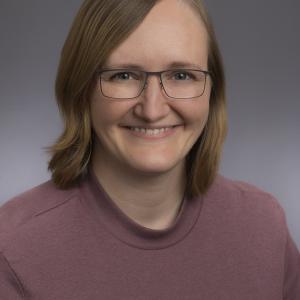
Manoj Bhasin

Manoj Bhasin
manoj.bhasin@bme.gatech.edu
Research Lab Page

Dr. Bhasin's laboratory has developed strategies for analysis of transcriptome, epigenome, and proteomics data to perform multi-scale modeling of interaction among different cells molecular level and to identify novel biomarkers. He and his team are currently focusing on developing novel single-cell omics approaches to understand disease heterogeneity and the impact of treatments at single-cell resolution. He is involved in developing approaches for the analysis of multi-dimensional single-cell data by developing innovative approaches for single-cell sparsity, batch correction, annotation, and integration. Using these approaches, his group is working toward understanding: 1. Understanding heterogeneity and relapse mechanisms in pediatric hematological malignancies 2. Understanding heterogeneity and progression in multiple myeloma. 3. Development of molecular diagnostics platforms for cancer diagnosis and prognosis 4. Identification of biomarkers for early detection of pancreatic cancer, glioblastoma, and colon cancer 5. Artificial intelligence-based histopathology and radiology cancer image analysis approaches 6. Single-cell Atlas for Pediatric Cancers Additionally, our group is also developing Biomarkers associated with impaired healing of Diabetic Foot Ulcers using single-cell profiling and deep learning-driven wound image analysis. We are working collaboratively to develop innovative genomics and clinical data-driven drug repurposing approaches.
Associate Professor
Office
101 Woodruff Circle, 4th Floor East
Additional Research
Approaches for the analysis of multi-dimensional single-cell data
Google Scholar
https://scholar.google.com/citations?hl=en&user=o6Mm3S4AAAAJ&view_op=list_works&sortby=pubdate
BME Profile Page
Manoj
Bhasin
Show Regular Profile

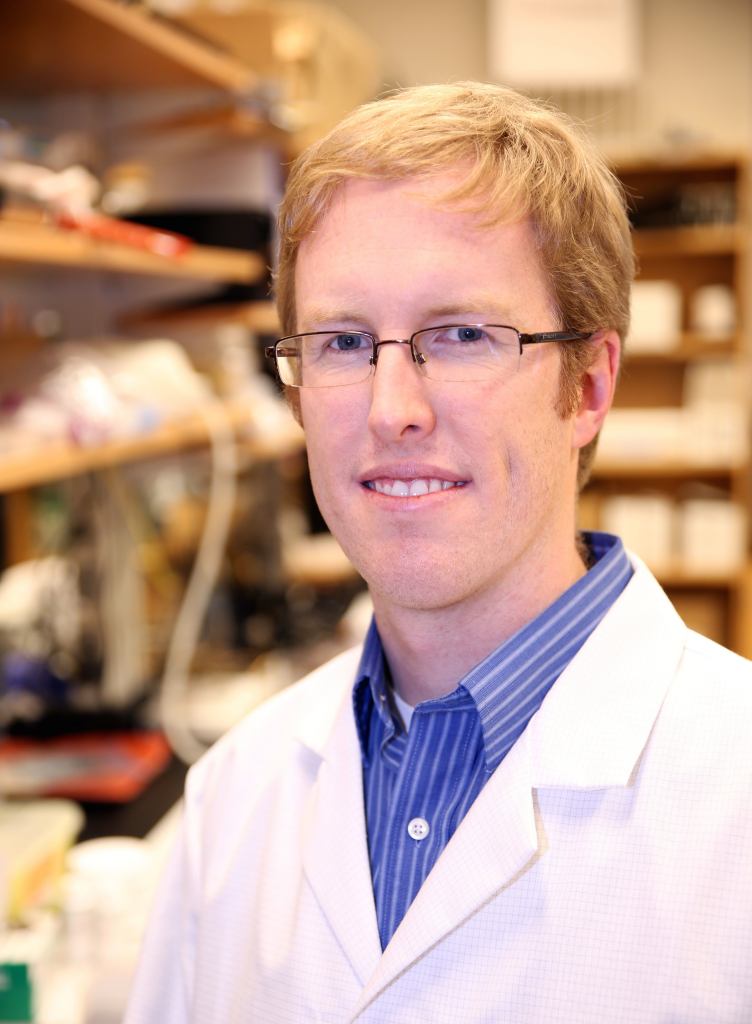
J. Brandon Dixon

J. Brandon Dixon
dixon@gatech.edu
Website

Dr. Dixon began at Georgia Tech in August 2009 as an Assistant Professor. Prior to his current appointment, he was a staff scientist at Ecole Polytechnique Federal de Lausanne (Swiss Federal Institute of Technology - Lausanne) doing research on tissue-engineered models of the lymphatic system. Dr. Dixon received his Ph.D. in biomedical engineering while working in the Optical Biosensing Laboratory, where he developed an imaging system for measuring lymphatic flow and estimating wall shear stress in contracting lymphatic vessels. 

Dr. Dixon's research focuses on elucidating and quantifying the molecular aspects that control lymphatic function as they respond to the dynamically changing mechanical environment they encounter in the body. Through the use of tissue-engineered model systems and animal models, our research is shedding light on key functions of lymphatic transport, and the consequence of disease on these functions. One such function is the lymphatic transport of dietary lipid from the intestine to the circulation. Recent evidence from our lab suggests that this process involves active uptake into lymphatics by the lymphatic endothelial cells. There are currently no efficacious cures for people suffering from lymphedema, and the molecular details connecting lymphedema severity with clinically observed obesity and lipid accumulation are unknown. Knowledge of these mechanisms will provide insight for planning treatment and prevention strategies for people facing lipid-lymphatic related diseases. 

Intrinsic to the lymphatic system are the varying mechanical forces (i.e., stretch, fluid shear stress) that the vessels encounter as they seek to maintain interstitial fluid balance and promote crucial transport functions, such as lipid transport and immune cell trafficking. Thus, we are also interested in understanding the nature of these forces in both healthy and disease states, such as lymphedema, in order to probe the biological response of the lymphatic system to mechanical forces. The complexity of these questions requires the development of new tools and technologies in tissue engineering and imaging. In the context of exploring lymphatic physiology, students in Dr. Dixon's laboratory learn to weave together techniques in molecular and cell biology, biomechanics, imaging, computer programming, and image and signal processing to provide insight into the regulation of lymphatic physiology. Students in the lab also have the opportunity to work in an interdisciplinary environment, as we collaborate with clinicians, life scientists, and other engineers, thus preparing the student for a career in academia and basic science research, or a career in industry.

Professor
Phone
404-385-3915
Office
Petit Biotechnology Building, Office 2312
Google Scholar
https://scholar.google.com/citations?user=mPmRwdkAAAAJ&hl=en
LinkedIn Related Site
J. Brandon
Dixon
Show Regular Profile

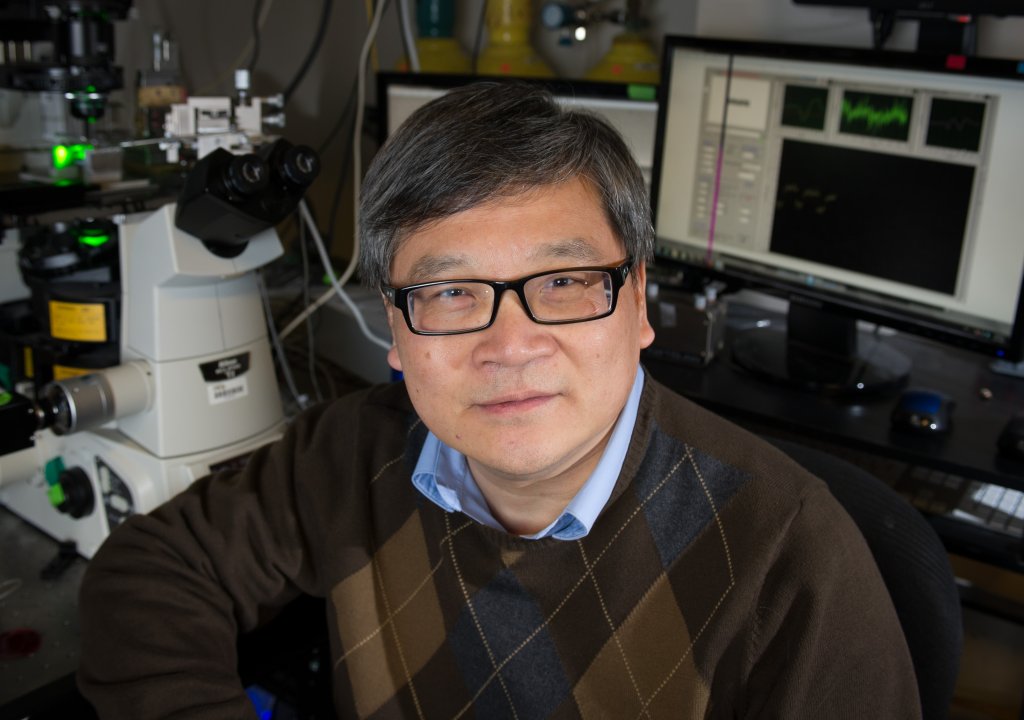
Cheng Zhu

Cheng Zhu
cheng.zhu@bme.gatech.edu
Cellular and Molecular Biomechanics Laboratory

Our interests lie in the adhesion and signaling molecules of the immune system as well as those involved in platelet adhesion and aggregation. We are primarily focused on early cell surface interaction kinetics and their primary signaling responses, as these are critical in determining how a cell will ultimately respond upon contact with another cell. The majority of our work ranges from single molecule interaction studies using atomic force microscopy, molecular dynamics simulations, or biomembrane force probe assays to single cell studies using micropipette adhesions assays, fluorescence imaging techniques, or real-time confocal microscopy. These assays focus on the mechanics and kinetics of receptor-ligand binding and their downstream signaling effects within cells. T cell receptors, selectins, integrins, and their respective ligands are some of the cell surface molecules currently under investigation in our lab. Understanding the initial interaction between molecules such as these and their subsequent early signaling processes is crucial to elucidating the response mechanisms of these physiological systems. Ultimately, our research strives to help better understand the mechanisms within these systems for possible medical applications in autoimmunity, allergy, transplant rejection, and thrombotic disorders. 

Regents' Professor, Coulter Department of Biomedical Engineering
J. Erskine Love Jr. Endowed Chair, Coulter Department of Biomedical Engineering
Executive Director, International Programs, Coulter Department of Biomedical Engineering
Phone
404.894.3269
Office
UAW 1210
Additional Research

BioinformaticsBiomechanicsCell biophysicsElectron MicroscopyMechanobiology

Google Scholar
https://scholar.google.com/citations?hl=en&user=_tPv2wEAAAAJ&view_op=list_works&sortby=pubdate
LinkedIn BME Profile Page
Cheng
Zhu
Show Regular Profile

Aditi Das

Aditi Das

Aditi Das did her BSc. (Hons.) Chemistry from St. Stephen's College Delhi, followed by M.S. (Chemistry) from I.I.T (Kanpur). She received her Ph.D. in Chemistry from Princeton University. She did post-doctoral work with Prof. Steve Sligar. She joined University of Illinois, Urbana-Champaign (UIUC) as a tenure track assistant professor in 2012. In 2019, she was promoted to associate professor with tenure. In 2022, she joined School of Chemistry and Biochemistry at Georgia Institute of Technology as an associate professor with tenure.

Manoj Bhasin

Manoj Bhasin

Dr. Bhasin's laboratory has developed strategies for analysis of transcriptome, epigenome, and proteomics data to perform multi-scale modeling of interaction among different cells molecular level and to identify novel biomarkers. He and his team are currently focusing on developing novel single-cell omics approaches to understand disease heterogeneity and the impact of treatments at single-cell resolution.

Saurabh Sinha, Ph.D.


Saurabh Sinha received his Ph.D. in Computer Science from the University of Washington, Seattle, in 2002, and after post-doctoral work at the Rockefeller University with Eric Siggia, he joined the faculty of the University of Illinois, Urbana-Champaign, in 2005, where he held the positions of Founder Professor in Computer Science and Director of Computational Genomics in the Carl R. Woese Institute for Genomic Biology until 2022. He joined Georgia Institute of Technology in 2022, as Wallace H.

Sakis Mantalaris, Ph.D.


Sakis Mantalaris is currently Professor in Biomedical Engineering at Georgia Tech & Emory. Prior he was Professor in Chemical Engineering at Imperial College London. His expertise is in modelling of biological systems and bioprocesses with a focus on mammalian cell culture systems, stem cell bioprocessing, and tissue engineering. He has received several awards: the Junior Moulton Award for best paper by the IChemE (2004), Fellow of AIMBE (2012), an ERC Advanced Investigator Award (2013), and the Donald Medal by the IChemE for his contributions to biochemical engineering (2015).

Katherine Hekman, M.D., Ph.D.

Katherine H

Dr. Hekman completed her BA in Biophysics and Spanish Literature at Johns Hopkins. She then chose to pursue medicine and completed her MD and PhD in Molecular Medicine at the University of Chicago, where she found Vascular Surgery. She completed her Vascular Surgery Integrated Residency at Northwestern University, including a post-doctoral research fellowship in the lab of Dr. Jason Wertheim, MD, PhD. There she discovered the role of autophagy in the longevity and health of endothelial cells derived from induced pluripotent stem cells.

Ahmet Coskun

Ahmet Coskun

Ahmet Coskun is a systems biotechnologist and bioengineer, working at the nexus of multiplex imaging and quantitative cell biology.

Gabe Kwong

Gabe Kwon

Dr. Gabe Kwong is an Assistant Professor in the Wallace H. Coulter Department of Biomedical Engineering at the Georgia Tech School of Engineering and Emory School of Medicine. His research program is conducted at the interface of the life sciences, medicine and engineering where a central focus is understanding how to harness the sophisticated defense mechanisms of immune cells to eradicate disease and provide protective immunity. Kwong has pioneered numerous biomedical technologies and published in leading scientific journals such as Nature Biotechnology and Nature Medicine.