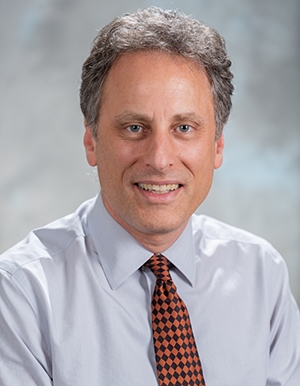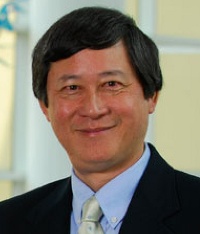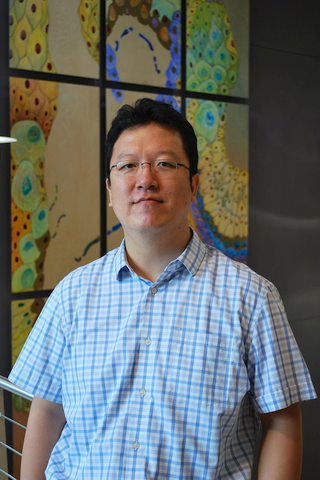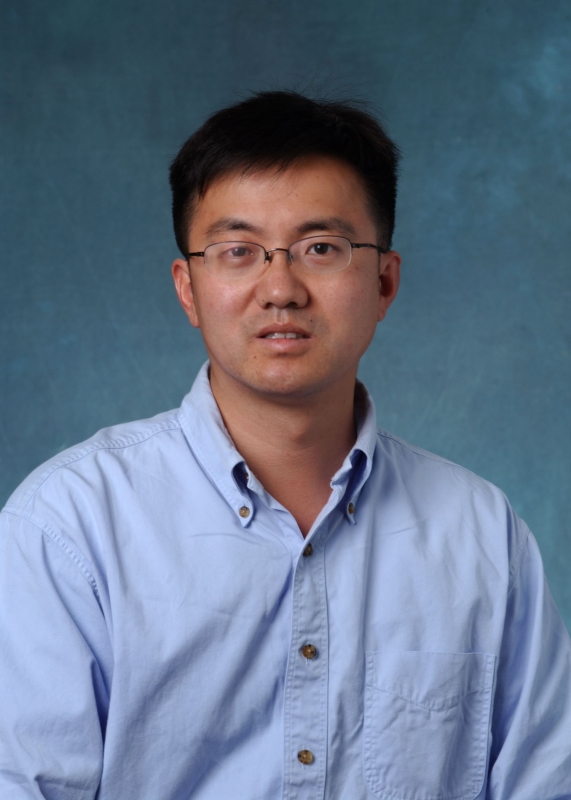
Robert Gross

Robert Gross
rgross@emory.edu
Website

Dr. Gross’s research interests include: restorative approaches (including cell and gene therapy) for Parkinson's disease and other neurodegenerative disorders; physiology of movement disorders (Parkinson's disease, tremor, dystonia); novel surgical techniques for epilepsy (e.g. deep brain stimulation, cell and gene therapy). In particular, he has been elucidating the role of axon guidance molecules in the development and reconstruction of the nigrostriatal pathway, which degenerates in P.D. This approach, which encompasses molecular and cellular engineering in combination with neurotransplantation, may be generally useful in reconstructive approaches for many types of nervous system degeneration and injury. 

In July of 2007, Dr. Gross, along with Steve M. Potter, Ph.D. of the Department of Biomedical Engineering at the Georgia Institute of Technology and Emory University, was the recipient of a prestigious grant from The Epilepsy Research Foundation (ERF) for translational research funding awards supporting innovative epilepsy products. The grant supports the development of a novel electrical stimulation approach that directly controls the activity of the brain to attain a more stable state from which seizures will not arise.

MBNA Bowman Chair & Professor
Director and Co-Founder, ENTICe
Director, Translational Neuro-Engineering Laboratory
Director, Stereotactic, Functional Neurosurgery & Epilespsy Surgery
Phone
404-727-2354
Office
Emory WMRB 6311
Additional Research
Neuromodulation using multielecrode arrays, closed loop control theory, and optogenetics for epilepsy and movement disorders. Computational modeling of epilepsy networks for model-based and non-model based feedback control of optogenetic and electrical neuromodulation. Neurorestoration using gene and cell-therapy based approaches for degenerative and injury conditions. The Translational Neuroengineering Research Lab uses neuromodulation for epilepsy using a combination of the following advanced techniques: 1) Multimicroelectrode electrical stimulation using novel parameters informed by optimization of input/output relationships (both model- and non-model based MIMO) using closed-loop control theory including adaptive learning and machine learning approaches; 2) Optogenetic activation and inhibition using all forms of available channels including step-function opsins. These approaches identify novel brain regions that have more widespread control and targets specific cell types for activation and inhibiton. Closed loop control using multielecrode arrays informs and controls neuromodulation. 3) Hardware independent 'luminopsins': novel gene therapy approaches combining bioluminescent proteins with optogenetic channels for hardware independent, widespread and activity-regulatable neuromodulation. We use a combination of in vitro models, animal models (mouse, rat, non-human primate) and human patients undergoing epilepsy and deep brain stimulation surgery as our experimental models. In addition, the laboratory has developed novel gene therapy vectors for neurorestoration targeting key pivotal proteins regulating axon outgrowth in regenerative situations, including for Parkinson's disease, spinal cord injury and retinal degeneration.
Research Focus Areas
University, College, and School/Department
Google Scholar
https://scholar.google.com/citations?user=HR5pAakAAAAJ&hl=en&oi=ao
Related Site
Robert
Gross
Show Regular Profile

Edmund Waller

Edmund Waller
ewaller@emory.edu
Website

Dr. Waller specializes in bone marrow transplants for acute leukemia, myelodysplastic syndrome, myeloproliferative neoplasms, lymphoma, aplastic anemia, sickle cell disease and in the management of graft-versus-host disease.

Professor of Medicine, Medical Oncology and Pathology
Rein Saral Professor of Cancer Medicine
Interim Associate Director, Clinical Research, Winship Cancer Institute
Medical Director, Center for Stem Cell Processing and Apheresis
Director, Emory Regenerative Engineering and Medicine Center
Phone
404-778-2984
Office
Winship Cancer Institute of Emory University
Additional Research
Dr. Waller's research focus is in enhancing immune reconstitution after stem cell transplant and developing cell and small-molecule based cancer immunotherapeutics. His current research activities include pre-clinical and clinical studies focused on the role of donor immune cells in optimizing anti-tumor immunity after allogenic transplantation, enhancing functional properties of chimeric-antigen-receptor T cells, and blocking novel immune check-point pathways in cancer. His NIH-funded basic and translational research lab uses mouse models and performs immunological analyses of clinical samples from patients. He has active translational research activities and serves as a principal investigator on institutional and national cooperative group clinical trials.
University, College, and School/Department
Google Scholar
https://scholar.google.com/citations?user=ZwhScmYAAAAJ&hl=en
LinkedIn Related Site
Edmund
Waller
K.
Show Regular Profile

David Lynn

David Lynn
dlynn2@emory.edu
Website

David G. Lynn has contributed in the general areas of molecular recognition, synthetic biology and chemical evolution, and has developed chemical and physical methods for the analysis of supramolecular self-assemblies, of signal transduction in cellular development and pathogenesis, of molecular skeletons for storing and reading information, and of the evolution of biological order.

Lynn has earned a Howard Hughes Medical Institute Professorship, the Emory Scholar-Teacher Award, a fellowship from the American Association for the Advancement of Science, and the ACS Charles H. Herty Medal.

During his tenure as Chair of the Department of Chemistry from 2006-2015, Lynn assisted in the renovation of the Atwood chemistry building. In 2018 and 2019, Lynn also served as a board member for the Atlanta Science Festival.

Asa Griggs Candler Professor
Howard Hughes Medical Institute Professor
Phone
404-727-9348
Office
Emerson E407
Additional Research
The David G. Lynn Group at Emory University works to understand the structures and forces that enable supramolecular self-assembly, how chemical information can be stored and translated into new molecular entities, and how the forces of evolution can be harnessed in new structures with new function. Some of our current research areas include the origins of prokaryotic and eukaryotic pathogenesis, template directed polymerization and dynamic combinatorial systems, amyloid diseases and protein self-assembly, and intelligent materials.
Research Focus Areas
University, College, and School/Department
Google Scholar
http://scholar.google.com/scholar?q=david+g+lynn&btnG=&hl=en&as_sdt=0,11
David
Lynn
Show Regular Profile

Khalid Salaita

Khalid Salaita
k.salaita@emory.edu
Website

Khalid Salaita is the Samuel Candler Dobbs Professor of Chemistry, and Director for Graduate Studies in the Chemistry Department at Emory University in Atlanta, Georgia (USA). Khalid grew up in Jordan and moved to the US in 1997 to pursue his undergraduate studies at Old Dominion University in Norfolk, Virginia (USA). He worked under the mentorship of Prof. Nancy Xu studying the spectroscopic properties of plasmonic nanoparticles. He then obtained his Ph.D. with Prof. Chad Mirkin at Northwestern University (Evanston, IL) in 2006. 

During that time, he studied the electrochemical properties of organic adsorbates patterned onto gold films and developed massively parallel scanning probe lithography approaches. From 2006-2009, Khalid was a postdoctoral scholar with Prof. Jay T. Groves at the University of California at Berkeley (USA) where he investigated the role of receptor clustering in modulating cell signaling. In 2009, Khalid started his own lab at Emory University, where he is currently investigating the use of nucleic acids as molecular force sensors, smart drugs, and synthetic motors. 

In recognition of his independent work, Khalid has received a number of awards, most notably: the Alfred P. Sloan Research Fellowship, the Camille-Dreyfus Teacher Scholar award, the National Science Foundation Early CAREER award, the Kavli Fellowship, and Merck Future Insight Prize. Khalid is currently the director of the Center on Probes for Molecular Mechanotechnology, and an Associate Editor of SmartMat. Khalid’s program has been supported by NSF, NIH, and DARPA.

Associate Professor
Samuel Candler Dobbs Professor of Chemistry
Director for Graduate Studies in the Chemistry Department
Program Faculty in the Department of Biomedical Engineering at Emory University and Georgia Institute of Technology
Phone
404-727-7522
Office
506 Atwood
Additional Research
In 2009, Khalid started his own lab at Emory University, where he currently investigates biophysical aspects of receptor-mediated cell signaling. To achieve this goal, his group has pioneered the development of molecular force probes and nano-mechanical actuators that are integrated with living cells. These materials are used to investigate the molecular mechanisms of a number of pathways where piconewton forces are thought to be important. These pathways include the Notch-Delta pathway, T cell receptor activation and the integrin-based focal adhesion pathway.
University, College, and School/Department
Google Scholar
https://scholar.google.com/citations?user=ZNhXzgIAAAAJ&hl=en
LinkedIn
Khalid
Salaita
Show Regular Profile

William Brent Keeling

William Brent Keeling
brent.keeling@emory.edu

Dr. Keeling earned his medical degree at the University of Louisville in 2001, did his general surgery residency at the University of South Florida School of Medicine from 2001-2008, and completed his cardiothoracic surgery fellowship at Emory in 2011. Dr. Keeling directs the cardiothoracic surgery program at Grady Memorial Hospital and provides clinical service at Emory University Hospital Midtown. His clinical interests include reoperative cardiac surgery, valve repair and thoracic aortic pathology, and his research focuses on clinical trials as well as data-driven investigations of adult cardiac surgical sub-populations.

Assistant Professor of Surgery, Division of Cardiothoracic Surgery
Chief, Cardiothoracic Surgery Service, Grady Memorial Hospital
Phone
404-616-0539
Additional Research
Targeted clinical investigations of adult cardiac surgical sub-populations.
Research Focus Areas
University, College, and School/Department
LinkedIn Related Site
William Brent
Keeling
Show Regular Profile

Mara Schenker

Mara Schenker
m.schenker@gmail.com

Mara Schenker, MD is a clinician-scientist at Emory University. Her clinical practice is in orthopaedic trauma at Grady Memorial Hospital, and her interests include complex periarticular trauma, infection, nonunion, and malunion. Dr. Schenker performs approximately 600 complex trauma surgeries per year. Her research interests include host factors associated with delayed fracture healing (nutrition, infection, frailty, and others). Additional research interests include optimization of resident education.

Associate Professor
Director of Orthopaedic Trauma Research
Phone
404-778-1550
Office
Grady Memorial Hospital
University, College, and School/Department
Google Scholar
https://scholar.google.com/citations?user=EV_I70oAAAAJ&hl=en
LinkedIn
Mara
Schenker
Show Regular Profile

Gary J. Bassell

Gary J. Bassell
gbassell@emory.edu
Website

Gary J. Bassell, Ph.D. joined the faculty at Emory University School of Medicine in 2005, where he is currently Professor and Chair of the Department of Cell Biology. His personal lab’s main interest is in understanding the mechanisms and functions of mRNA transport and local protein synthesis in neurons of the central and peripheral nervous system. The lab utilizes in vitro and in vivo mouse models and induced pluripotent stem cells (iPSCs) to study the basic mechanism, regulation and function of mRNA localization and local translation in axonal growth cones and dendritic spines. Prior to moving Emory, Dr. Bassell was a member of the faculty at the Albert Einstein College of Medicine, in the Department of Anatomy and Structural Biology (1995-1998) and subsequently in the Department of Neuroscience and Rose Kennedy Center for Mental Retardation (1998-2005). 

Professor and Chair of the Department of Cell Biology
Emory University
Phone
404-727-3772
Office
Whitehead Biomedical Research Bldg. #405E
Additional Research
The research interests of our laboratory are to understand the diverse and critical roles played by mRNA binding proteins and associated factors in the posttranscriptional regulation of gene expression in the nervous system, and investigate how these processes go awry in neurodevelopmental and neurodegenerative disorders. We investigate the normal mechanism, function and regulation of mRNA binding proteins in mRNA transport and local protein synthesis needed for neuronal development and synaptic plasticity. We investigate pathomechanisms for Fragile X syndrome (FXS) and other autism spectrum disorders, as well as two motor neuron diseases: spinal muscular atrophy (SMA) and amyotrophic lateral sclerosis (ALS). We are using mouse models of neurological diseases to assess the function of mRNA regulation and local protein synthesis in axon guidance, synapse development and neuronal signaling. Efforts are also underway to evaluate different therapeutic modalities in these mouse models of neurological diseases. Our research utilizes an integrated multi-disciplinary approach that involves cellular, molecular, biochemical, physiological, and behavioral methods and paradigms. These studies are expected to reveal new mechanisms important for neuronal development and function, and targeted approaches for therapeutic intervention that treat underlying molecular defects in SMA, Fragile X syndrome and autism spectrum disorders.
Research Focus Areas
University, College, and School/Department
Related Site
Gary
Bassell
J.
Show Regular Profile

Hicham Drissi

Hicham Drissi
hicham.drissi@emory.edu

Hicham Drissi is a professor in the Department of Orthopaedics at Emory University School of Medicine. He holds a Ph.D. from Paris Descartes University.

Professor
Professor, Department of Orthopaedics
Vice Chairman, Research, Department of Orthopaedics
Office
Emory Orthopaedic and Spine Research Room 2000
Additional Research
Identifying molecular and developmental cues that govern skeletal tissue derived cell growth and differentiation.
University, College, and School/Department
Related Site
Hicham
Drissi
Show Regular Profile

Cheng Zhu

Cheng Zhu
cheng.zhu@bme.gatech.edu
Cellular and Molecular Biomechanics Laboratory

Our interests lie in the adhesion and signaling molecules of the immune system as well as those involved in platelet adhesion and aggregation. We are primarily focused on early cell surface interaction kinetics and their primary signaling responses, as these are critical in determining how a cell will ultimately respond upon contact with another cell. The majority of our work ranges from single molecule interaction studies using atomic force microscopy, molecular dynamics simulations, or biomembrane force probe assays to single cell studies using micropipette adhesions assays, fluorescence imaging techniques, or real-time confocal microscopy. These assays focus on the mechanics and kinetics of receptor-ligand binding and their downstream signaling effects within cells. T cell receptors, selectins, integrins, and their respective ligands are some of the cell surface molecules currently under investigation in our lab. Understanding the initial interaction between molecules such as these and their subsequent early signaling processes is crucial to elucidating the response mechanisms of these physiological systems. Ultimately, our research strives to help better understand the mechanisms within these systems for possible medical applications in autoimmunity, allergy, transplant rejection, and thrombotic disorders. 

Regents' Professor, Coulter Department of Biomedical Engineering
J. Erskine Love Jr. Endowed Chair, Coulter Department of Biomedical Engineering
Executive Director, International Programs, Coulter Department of Biomedical Engineering
Phone
404.894.3269
Office
UAW 1210
Additional Research

BioinformaticsBiomechanicsCell biophysicsElectron MicroscopyMechanobiology

Google Scholar
https://scholar.google.com/citations?hl=en&user=_tPv2wEAAAAJ&view_op=list_works&sortby=pubdate
LinkedIn BME Profile Page
Cheng
Zhu
Show Regular Profile

Aaron Young

Aaron Young
aaron.young@me.gatech.edu
Exoskeleton and Prosthetic Intelligent Controls (EPIC) Lab

Aaron Young is an Associate Professor in Mechanical Engineering and is interested in designing and improving powered orthotic and prosthetic control systems for persons with stroke, neurological injury or amputation. His previous experience includes a post-doctoral fellowship at the University of Michigan in the Human Neuromechanics Lab working with exoskeletons and powered orthoses to augment human performance. He has also worked on the control of upper and lower limb prostheses at the Center for Bionic Medicine (CBM) at the Rehabilitation Institute of Chicago. His master's work at CBM focused on the use of pattern recognition systems using myoelectric (EMG) signals to control upper limb prostheses. His dissertation work at CBM focused on sensory fusion of mechanical and EMG signals to enable an intent recognition system for powered lower limb prostheses for use by persons with a transfemoral amputation.

Associate Professor, George W. Woodruff School of Mechanical Engineering
Director, EPIC Lab
Phone
404.385.5306
Office
GTMI 433
Additional Research

Powered prosthesis; EMG signal processing. Young's research is focused on developing control systems to improve prosthetic and orthotic systems. His research is aimed at developing clinically translatable research that can be deployed on research and commercial systems in the near future. Some of the interesting research questions are how to successfully extract user intent from human subjects and how to use these signals to allow for accurate intent identification. Once the user intent is identified, smart control systems are needed to maximally enable individuals to accomplish useful tasks. For lower limb devices, these tasks might include standing from a seated position, walking, or climbing a stair. We hope to improve clinically relevant measures with powered mechatronic devices, including reducing metabolic cost, improving biomechanics and decreasing the time required to perform daily tasks of living.

Google Scholar
https://scholar.google.com/citations?hl=en&user=NkM21vEAAAAJ&view_op=list_works&sortby=pubdate
ME Profile Page
Aaron
Young
J
Show Regular Profile