W. Robert Taylor

W. Robert Taylor
w.robert.taylor@emory.edu
Emory Department of Medicine

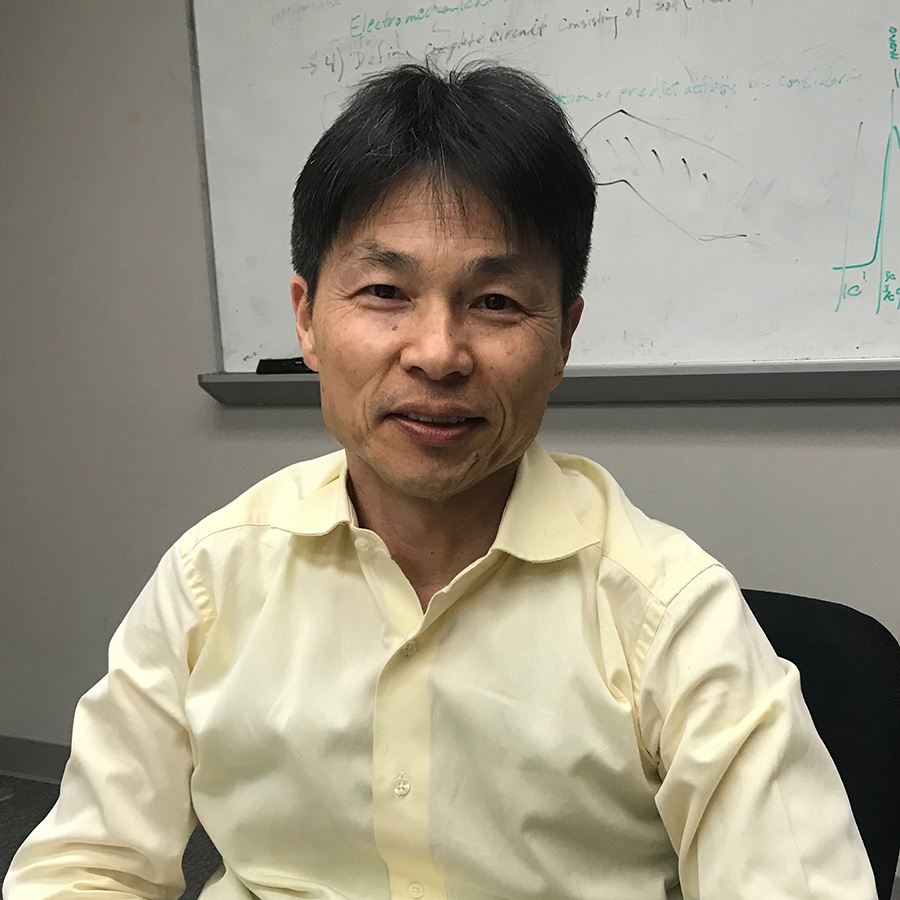
Dr. W. Robert “Bob” Taylor holds joint appointments in the Department of Medicine at Emory University School of Medicine and in the Wallace H. Coulter Department of Biomedical Engineering at Georgia Tech and Emory University. He is a professor of Medicine and Biomedical Engineering, the Marcus Chair in Vascular Medicine, executive vice chair of the Department of Medicine, and the director of the Division of Cardiology. 

He serves as principal investigator for a five-year, $51 million Clinical and Translational Science Award (CTSA) from the National Institutes of Health (NIH). The Emory-led Georgia CTSA, which includes partners from Georgia Tech, Morehouse, and the University of Georgia, focuses on transforming the quality and value of clinical research and translating research results into better outcomes for patients.

Dr. Taylor received his M.D., cum laude, from Harvard Medical School and his Ph.D. in Physiology from The Johns Hopkins University. After completing his Internal Medicine Training at Harvard Medical School, Beth Israel Hospital in 1988, he came to the Emory University School of Medicine for subspecialty training in Cardiovascular Disease. 

Dr. Taylor's research interests are focused in the area of vascular biology with an emphasis on vascular biomechanics, inflammation, and regenerative medicine. He is also the Emory PI for the NIH-funded Georgia CTSA. Studies carried out by his group include both laboratory-based studies and translational work in humans.

Professor of Medicine (Emory) and Biomedical Engineering (GT/Emory)
Marcus Chair in Vascular Medicine
Executive Vice Chair of the Department of Medicine
Director of the Division of Cardiology at Emory
Phone
404-727-3754
Office
WMB 308A
Additional Research
Dr. Taylor's laboratory is focused on obtaining a better understanding of the role of vascular inflammation in the pathogenesis of vascular disease.His work employs novel animal models of human vascular disease to study the role of various mechanical and humoral factors in the development of hypertension and atherosclerosis.He has a particular interest in the renin angiotensin system, advanced glycation endproducts, biomechanical forces and oxidative stress.A significant effort is also underway to examine the interaction between vascular inflammation and bone marrow-derived endothelial progenitor cells. Dr. Taylor's research program involves strong collaborative efforts with other members of the Department of Biomedical Engineering with a focus on applying enabling nanotechnology and imaging approaches to the general area of atherosclerosis.
University, College, and School/Department
Google Scholar
http://scholar.google.com/scholar?hl=en&q=author:"W.+Robert+Taylor"&btnG=Search&as_sdt=80000&as_ylo=&as_vis=0
LinkedIn Emory Healthcare
W.
Taylor
Robert
Show Regular Profile

Rebecca Levit

Rebecca Levit
rlevit@emory.edu
Website

Dr. Levit came to Emory in 2007 after graduating from the University Of Pennsylvania School Of Medicine. She spent 7 years doing research and clinical training in cardiovascular disease. In 2014 she joined the faculty in the Division of Cardiology and is continuing her work on clinically translatable stem cell therapies for cardiovascular disease.

Associate Professor of Medicine
Associate Director, Basic Science Track, Cardiovascular Disease Fellowship Program
Phone
404-778-5299
Office
Emory Heart & Vascular Center at Clifton
Additional Research
Cardiovascular diseases are the leading causes of death and disability worldwide. We are dedicated to developing new therapies to help cardiac patients by identifying, testing, and moving new therapies towards clinical use. We study stem cell therapies to prevent heart damage and promote repair. We use biomaterials to increase cell retention, increase efficacy, and target activity.
Research Focus Areas
University, College, and School/Department
Google Scholar
https://scholar.google.com/citations?user=vtFkOqoAAAAJ&hl=en
LinkedIn Related Site
Rebecca
Levit
D.
Show Regular Profile

Luke Brewster

Luke Brewster
lbrewst@emory.edu

Dr. Brewster's clinical practice is focused on general vascular surgery and peripheral arterial disease, and his affiliations include Emory University Hospital and serving as section chief of vascular surgery at the Atlanta VA Healthcare System.

As a surgeon-scientist, his joint affiliations with the Atlanta Clinical and Translational Science Institute and the Wallace Coulter Department of Biomedical Engineering at Georgia Tech/Emory have given him access to an exceptional pool of collaborators, and he has received a steady stream of various federal, foundation, and industry grants.

Dr. Brewster's laboratory focuses on investigations of the biomechanical mechanisms that contribute to pathologic vessel remodeling in peripheral vascular disease, develops regenerative strategies for use in ischemic tissue, and works to improve the function of patients who succumb to major amputation.

Assistant Professor, Division of Vascular Surgery
Program Faculty, Bioengineering Program, Georgia Institute of Technology
Program Faculty, Georgia Institute of Technology and Emory Biomedical Engineering Program
Phone
404-727-8329
Office
Emory WMRB 5211
Additional Research
The Brewster Laboratory is interested in determining the effect of altered biomechanics and extracellular matrix formation during arterial remodeling after vascular intervention in stiffened and diseased arteries. Using animal models and human arterial tissue, I quantify the in and ex vivo contribution of the cellular and extracellular matrix to biomechanical forces of the artery in stiffened and healthy states. In turn these forces manipulate the cellular and extracellular matrix composition of these arteries during remodeling, and this response is different in stiffened arteries, which are commonly encountered clinically. Thus understanding of this pathologic remodeling in model and human tissue is novel and critical to the development of intelligent therapeutics.
University, College, and School/Department
Google Scholar
https://scholar.google.com/citations?user=Mt9YzaoAAAAJ&hl=en&oi=sra
Related Site
Luke
Brewster
P.
Show Regular Profile

Michael Borich

Michael Borich
michael.borich@emory.edu
Website

I am a rehabilitation neuroscientist keenly interested in the brain's capacity for change in response to rehabilitation after injury or in the context of disease. My work incorporates multimodal neuroimaging and neurostimulation approaches to investigate brain structure and function. The overarching aim of this work is to uncover the key neural substrates supporting motor control and motor learning to enable the design of optimal rehabilitation strategies to maximize recovery of function following neurologic injury.

Associate Professor
Adjunct Assistant Professor, Department of Biomedical Engineering, Georgia Tech
Training Faculty, Neuroscience Graduate Program, Emory University
Phone
404-712-0612
Office
Emory Rehabilitation Hospital, R228
Additional Research
My primary research focus is to understand the neural substrates of motor learning and experience-dependent plasticity in healthy individuals and individuals after stroke. This work utilizes cutting-edge neuroimaging and neurostimulation techniques to evaluate both human brain anatomy (structure) and physiology (function). It remains unclear how the brain recovers from neurologic insult and, therefore, rehabilitation strategies aimed at ameliorating functional impairments following injury are currently suboptimal. My work aims to understand how best to measure brain recovery after injury and how best to stimulate optimal restoration of function.
Research Focus Areas
University, College, and School/Department
Google Scholar
https://scholar.google.com/scholar?hl=en&as_sdt=0,11&q=Borich M OR Borich MR
LinkedIn Related Site
Michael
Borich
R.
Show Regular Profile

John Oshinski

John Oshinski
jnoshin@emory.edu

Dr. Oshinski is known for his efforts at advancing the collaboration between Emory University and the Georgia Institute of Technology, as well as his dedication to advancing the technologies of MR imaging. He received his undergraduate degree from Kalamazoo College and BS, MS, and PhD from Georgia Institute of Technology. The underlying mission of his research is the application of engineering principles and technical problem-solving techniques to current clinical problems in the imaging, diagnosis, and treatment of cardiovascular disease. His research has concentrated on developing imaging applications that directly impact disease diagnosis and patient care.

Professor, Emory/Georgia Tech Department of Biomedical Engineering
Interim Director, Center for Systems Imaging
Phone
404-727-5894
University, College, and School/Department
Google Scholar
https://scholar.google.com/scholar?hl=en&q=John+N+Oshinski&btnG=&as_sdt=1,11&as_sdtp=
LinkedIn Related Site
John
Oshinski
Show Regular Profile

Candace Fleischer

Candace Fleischer
ccfleis@emory.edu
Website

Candace C. Fleischer, PhD, is an Assistant Professor in the Department of Radiology and Imaging Sciences at the Emory University School of Medicine. Dr. Fleischer also holds a faculty appointment at the Wallace H. Coulter Department of Biomedical Engineering at Georgia Institute of Technology and Emory University. She serves as the director of the Biomedical Spectroscopy and Imaging Laboratory.

Dr. Fleischer is a spectroscopist with formal training in physical chemistry and biomedical engineering. Her research group is highly collaborative and focused on the development of new MR spectroscopy and imaging technologies for biomedical and translational applications. 

Current projects include the development of magnetic resonance-based methods for identifying inflammatory biomarkers in malignant brain tumors; and creating new tools for non-invasively measuring brain temperature with applications in cerebrovascular and cardiovascular injury. Her laboratory is also committed to community outreach and increasing scientific literacy.

Assistant Professor of Radiology and Imaging Sciences, Emory University
Assistant Professor of Biomedical Engineering, Georgia Tech and Emory University
Research Focus Areas
University, College, and School/Department
Candace
Fleischer
Show Regular Profile

Guy Benian

Guy Benian
pathgb@emory.edu

Guy Benian is a professor of cell biology and pathology in the Department of Pathology and Laboratory Medicine at Emory University School of Medicine. His research focus is on myofibril assembly and maintenance in the model genetic system, Caenorhabditis elegans; focus on the functions and structures of giant multi-domain proteins, and the mechanism by which myofibrils are attached to the muscle cell membrane and transmit force.

Department of Pathology and Laboratory Medicine Professor
Professor of Cell Biology, Emory University School of Medicine
Professor of Pathology, Emory University School of Medicine
Phone
404-727-5953
Office
Biomedical Research Building 105E
Additional Research
We use the powerful model genetic organism, C. elegans, to discover new conserved aspects about muscle assembly, maintenance and regulation. Although our work is basic science, it has relevance to human diseases of muscle including cardiomyopathies and muscular dystrophies. Our main projects are: (1) The structures and functions of giant polypeptides in muscle, >700,000 Da, that consist of multiple Ig and Fn domains and one or two protein kinase domains. One focus is to determine the substrates for these kinases, and how they are activated (normally autoinhibited). The problem of activation is being studied in collaboration with structural biologist Olga Mayans (Univ. of Konstanz) and biomedical engineer Hang Lu (Georgia Tech). Recently, we have discovered that UNC-89 (human "obscurin") kinase activity is required for proper mitochondrial organization and function. This has initiated a collaboration with Jennifer Kwong in Emory's Pediatrics Dept. (2) The molecular mechanism by which the muscle contractile units (sarcomeres) are attached to the muscle cell membrane and transmit force. This involves "integrin adhesion complexes" (IACs) consisting of the trans-membrane protein integrin and many other proteins. C. elegans muscle has 3 such IACs, and through a mutant screen, we discovered a conserved protein (a GEF for Rac) that directs assembly specifically at one of these sites. (3) In collaboration with biophysicist Andres Oberhauser (UTMB), we are studying the mechanisms by which the conserved myosin head chaperone, UNC-45 folds or re-folds myosin heads, and we have recently discovered a role for UNC-45 in muscle aging (sarcopenia). This project has also branched into a screen for small compounds that increase the expression of UNC-45 and reduce sarcopenia. (4) We have a long-term collaboration with Dan Kalman in Emory's Pathology Dept. to study the beneficial effects of small molecules produced by the gut microbiome that promote healthspan, especially the attenuation of sarcopenia.
Research Focus Areas
University, College, and School/Department
Related Site
Guy
Benian
Show Regular Profile

Steven Goudy

Steven Goudy
steven.goudy@emory.edu

Steven L. Goudy, MD, MBA, professor of otolaryngology, director of pediatric otolaryngology at Emory University School of Medicine, founding director of the ACGME-accredited pediatric otolaryngology fellowship at Emory, and medical director of otolaryngology at Childrens Healthcare of Atlanta, is dedicated to providing top-level surgical care to the children of Georgia. 

His clinical practice focuses on maxillary development, Pierre Robin sequence, vascular malformations, and velopharyngeal insufficiency. Working closely with colleagues at the Centers for Disease Control and Prevention, Georgia Institute of Technology, and other local and state entities, Dr. Goudy and his team have developed novel and innovative solutions for care delivery that have brought value to families and improved treatment for patients. 

Dr. Goudys research is focused on defining the biologic processes that guide facial formation for the development of better approaches to regenerating damaged and deficient facial bone and improving wound healing after surgery or injury. Current research projects include an NIH-funded studies to develop immunological approaches to improving oral cavity wound healing, leveraging the oral microbiome to improve oral wound healing and a project to devise cranial facial bone regeneration techniques for pediatric bone replacement procedures. 

Dr. Goudy is dedicated to international service, particularly in the areas of surgical education and delivering surgical care to children with limited access to healthcare. He has traveled globally and performed mission work for more than 20 years in such countries as Guatemala and the Philippines, providing free surgical care to patients with cleft lip and cleft palate and engaging in medical education activities.

Associate Professor
Director, Division of Pediatric Otolaryngology Children's Healthcare of Atlanta
CEO, BeeClear LLC
Additional Research
Dr. Goudy’s lab focuses on craniofacial bone regeneration and the basic biologic mechanisms that control facial bone and soft tissue regeneration. He currently collaborates with investigators at Georgia Institute of Technology and is supported by the National Institutes of Health (NIH) and Children’s Research Trust.
University, College, and School/Department
LinkedIn Related Site
Steven
Goudy
L.
Show Regular Profile

Adam Klein

Adam Klein
aklein4@emory.edu

Adam M. Klein, MD, FACS, is Willard and Lillian Hackerman Professor in Voice in the Department of Otolaryngology at Emory University School of Medicine. Dr. Klein serves as Director of the Emory Voice Center and as Chief of the Division of Laryngology. Board certified with the American Board of Otolaryngology, Dr. Klein's clinical specialties include general otolaryngology, laryngeal disorders and the professional voice. 

Dr. Klein is a member of the Cancer Prevention and Control Research Program at Winship Cancer Institute. He is a Fellow of The American College of Surgeons and American Laryngological Association. He holds professional memberships with American Academy of Otolaryngology-Head and Neck Surgery, American Broncho-Esophagological Association, and Georgia Society for Otolaryngology.

Director, Emory Voice Center
Chief, Division of Laryngology
Willard and Lillian Hackerman Professor in Voice
Department of Otolaryngology - HNS
Phone
404-686-6774
Office
Emory University School of Medicine
Additional Research
Medical and Surgical Device Design, Development and Delivery
University, College, and School/Department
Related Site
Adam
Klein
M.
Show Regular Profile

Nicholas Boulis

Nicholas Boulis
nicholas.boulis@emoryhealthcare.org
Website

Dr. Nicholas M. Boulis is a neurosurgeon in Atlanta, Georgia and is affiliated with multiple hospitals in the area, including Emory University Hospital Midtown and Grady Memorial Hospital. He received his medical degree from Harvard Medical School and has been in practice for more than 20 years.

Associate Professor
MD
Director, Gene and Cell Therapy for Neurorestoration Laboratory
Phone
404-778-5770
Office
Emory Clinic, Building B
Additional Research
Boulis is a functional neurosurgeon with significant expertise in the field of gene transfer to the nervous system. Dr. Boulis' Gene and Cell Therapy Translational Laboratory pursues advanced biological treatments for neurological disorders, including Amyotrophic Lateral Sclerosis (ALS, also known as Lou Gehrig's disease) and Spinal Muscular Atrophy (SMA).
University, College, and School/Department
Google Scholar
https://scholar.google.com/citations?hl=en&user=8xpt8YAAAAAJ&view_op=list_works&sortby=pubdate
LinkedIn Related Site
Nicholas
Boulis
Show Regular Profile