
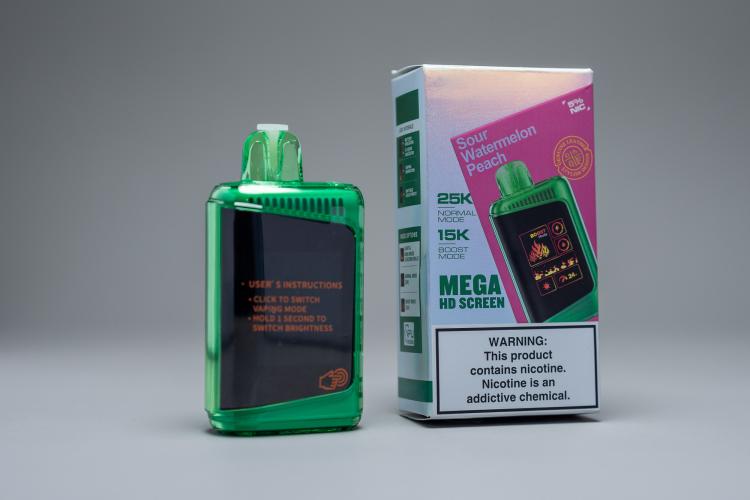
A new study shows how artificial intelligence (AI) can be used to automatically detect and classify new e-cigarette devices.
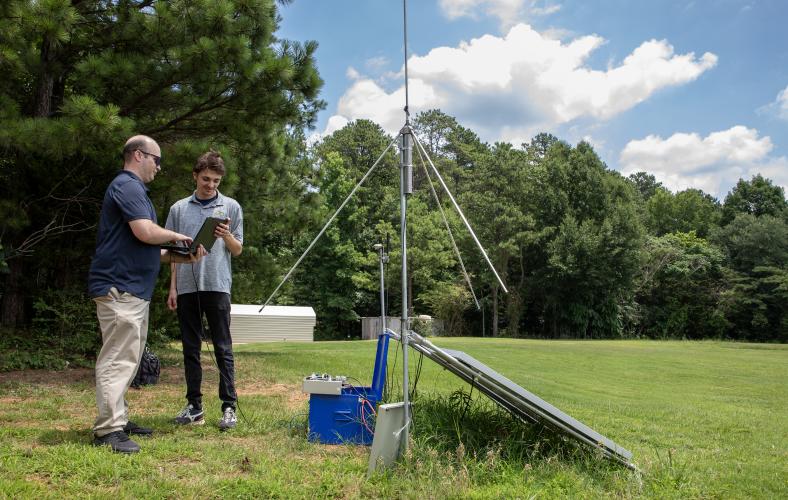
A Georgia Tech lightning mapping array is helping authorities protect World Cup visitors from severe weather.
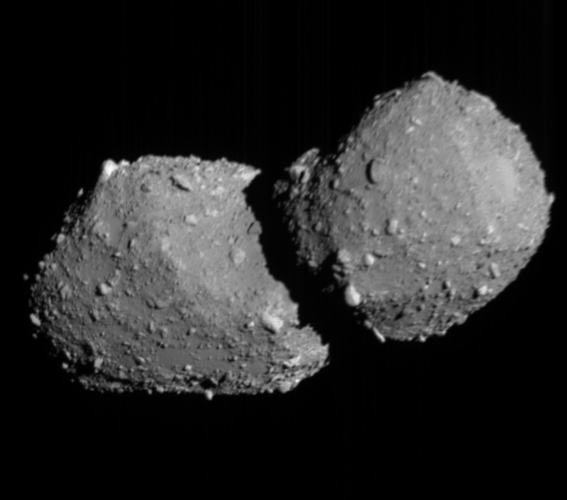
Data from the mission could reveal how planets formed and help scientists identify future asteroid threats.

Data centers continue to expand across the U.S. Do the communities nearby really benefit?
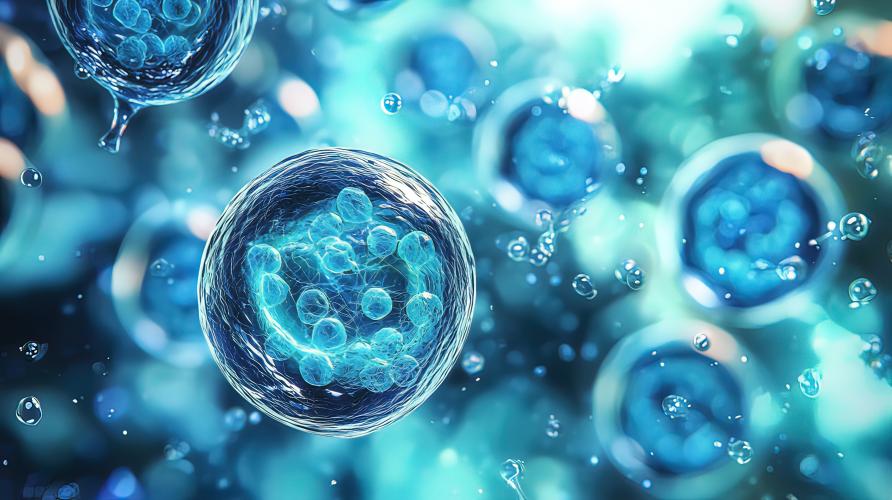
While SpudCell is an important milestone in the field, it stops short of being a fully synthetic living cell.
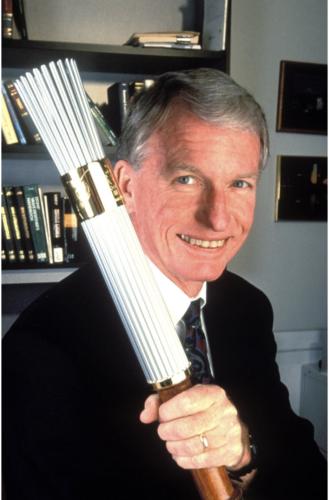
Sam Shelton, founding director of the Strategic Energy Institute (SEI), longtime professor in the George W. Woodruff School of Mechanical Engineering, and designer of the torch for the 1996 Atlanta Olympic Games, passed away on June 20, 2026.
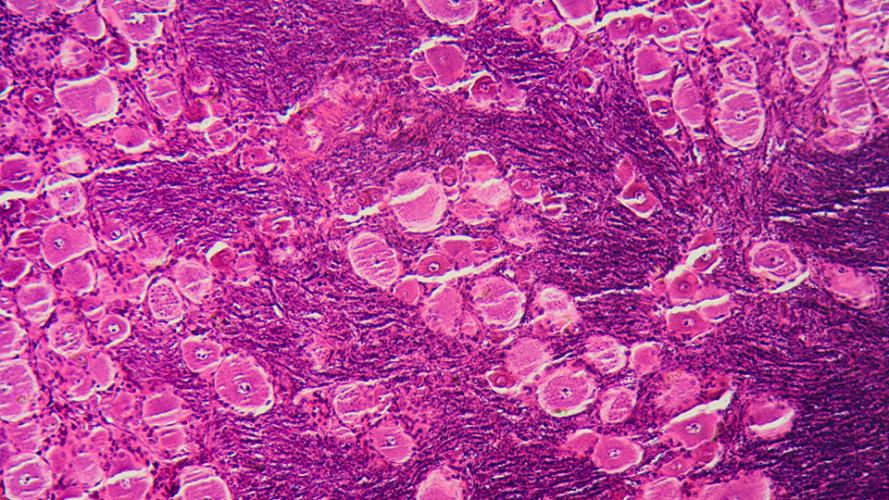
Researchers have developed a synthetic gel that could open new possibilities for drug testing and disease treatment.
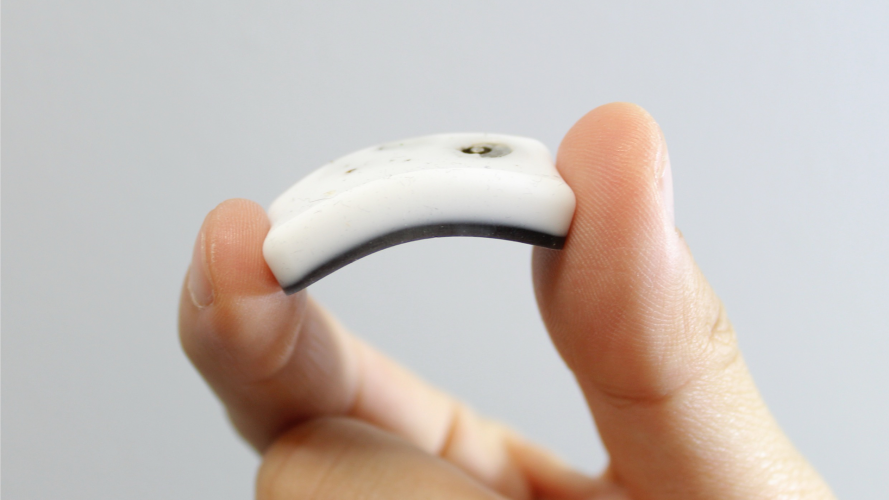
A new Georgia Tech study shows a wireless wearable device could enable home-based monitoring of physiological changes associated with sleep and brain health.
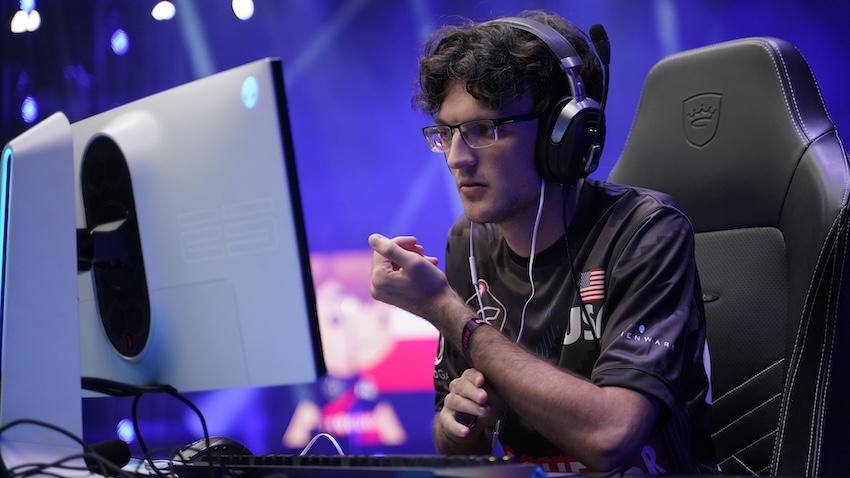
Researchers have developed what they believe is the strongest benchmark dataset on measuring the geolocation accuracy of LLMs.
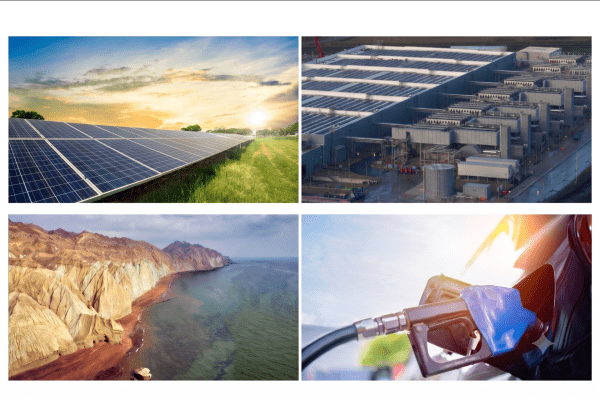
EPIcenter Faculty Affiliates have recently contributed to more than a dozen news broadcasts, public radio interviews, and national media conversations on energy price trends, the war in Iran, and what these mean for everyday Americans.
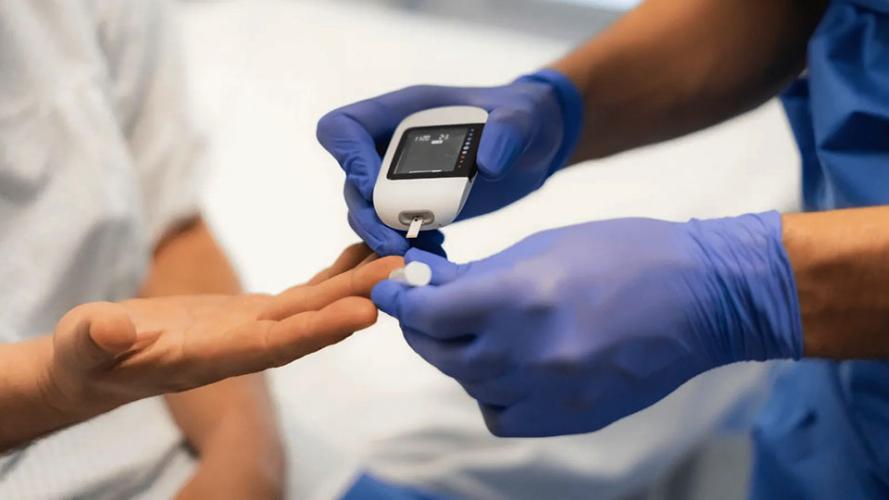
Alexander Vlahos has been awarded a five-year, research grant to support pioneering work aimed at improving therapies for T1D.

The College of Computing is playing a key organizational role in the upcoming inaugural ACM AI Leadership Summit
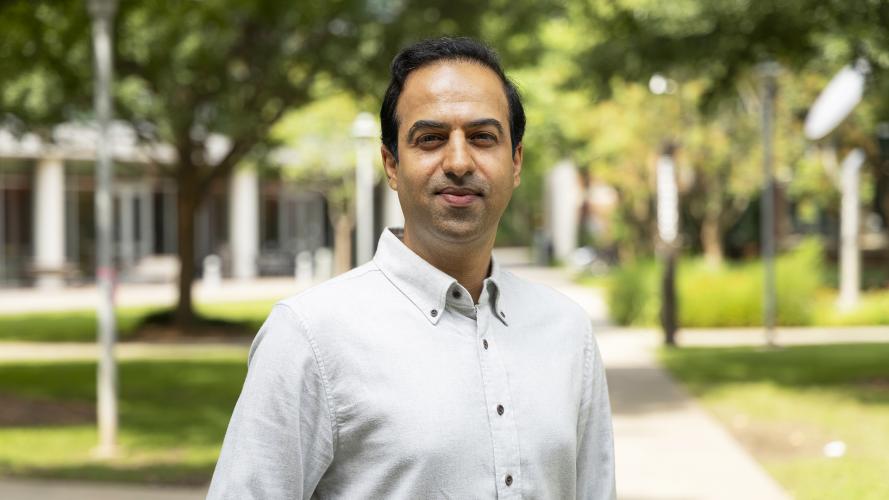
Assistant Professor Ali Sarhadi is using AI and digital twins to predict how and where major storms will cause the most damage.
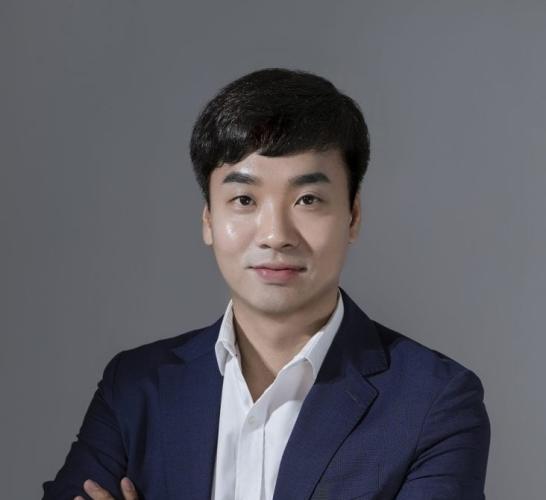
In this EPIcenter Expert series, meet Brian An, EPIcenter Affiliate, studying the intersection of energy resilience and urban policy to improve grid equity during extreme weather.
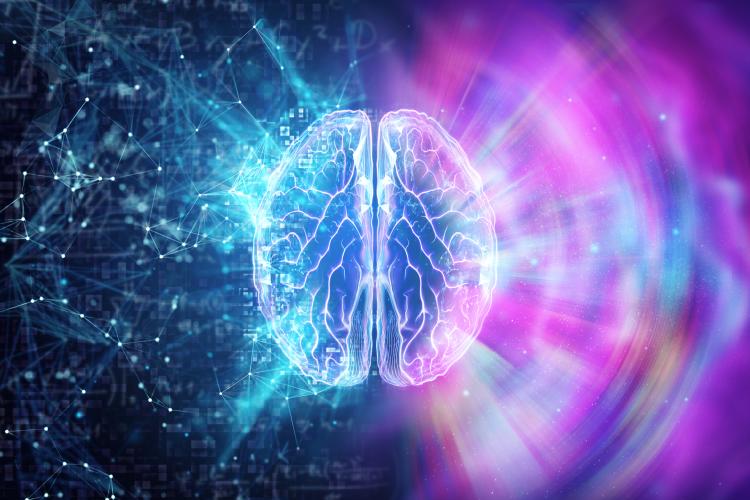
A new study from Georgia Tech examines how different brain systems scale together across species, offering a new perspective on brain organization — and its potential applications in artificial intelligence.
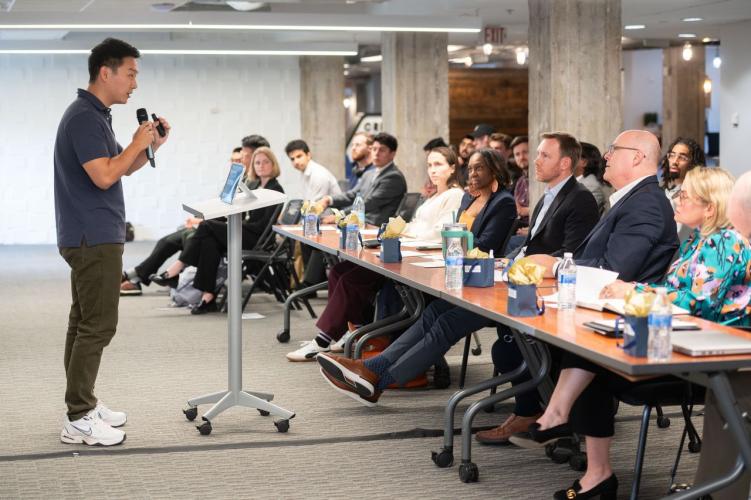
From storytelling to customer discovery, Quadrant-i teaches faculty soft skills to commercialize their work.
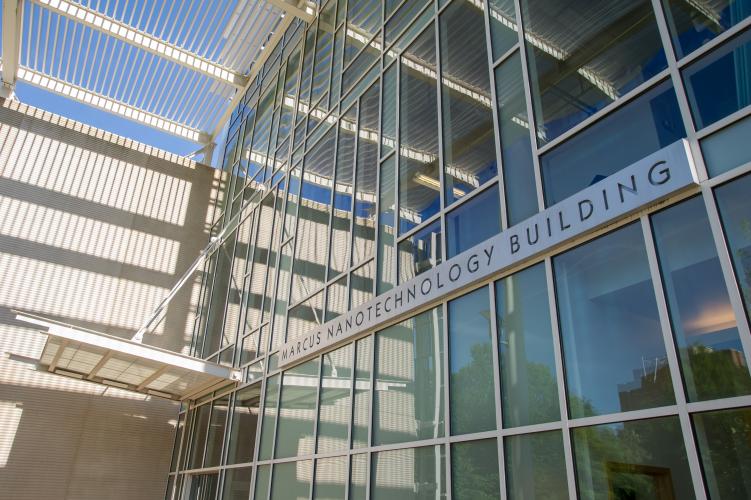
Five interdisciplinary projects to receive IMS technical support and facility access

New research could shape how scientists think about bacterial infections and antibiotic treatment.
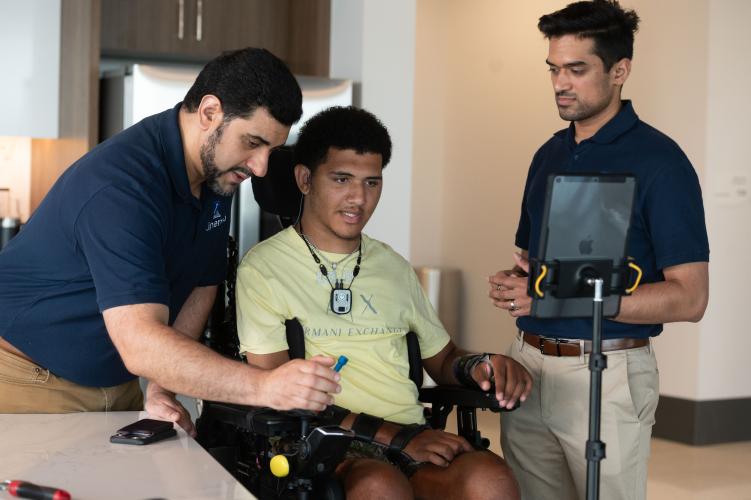
Georgia Tech continues to strengthen its position as one of the nation’s leaders in research commercialization
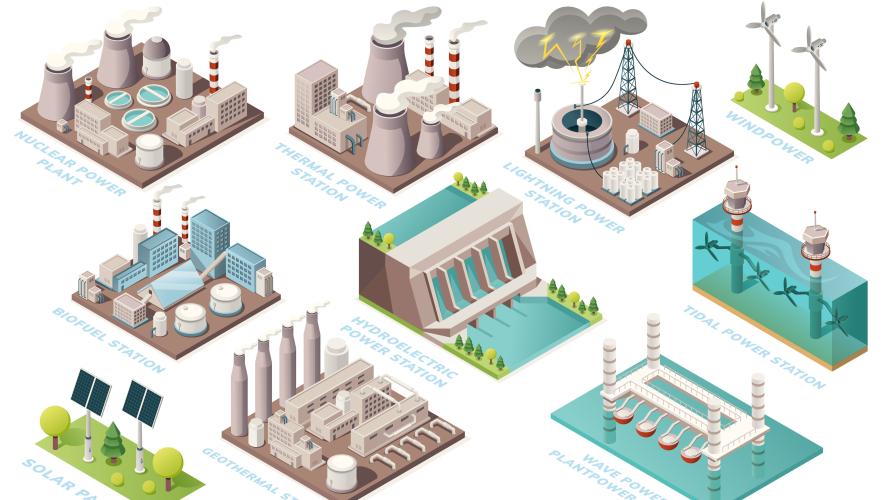
To find hidden vulnerabilites before an attacker does, researchers built a testing tool called ICSFlux that leans on the physics used by the industrial process and maps out the system to find new threats once thought impossible.
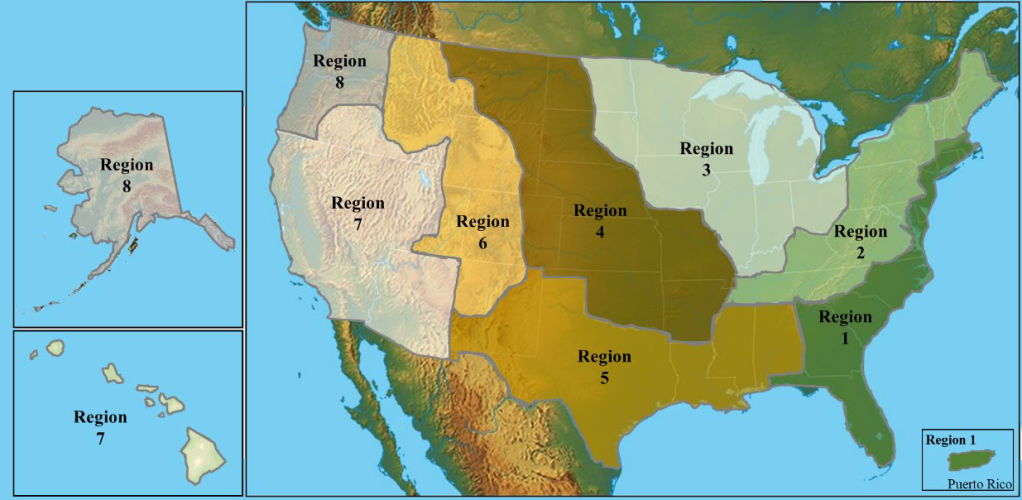
A new Department of Energy award will help Georgia Tech lead a regional effort to identify, recover, and reuse materials essential to energy, manufacturing, and national security.
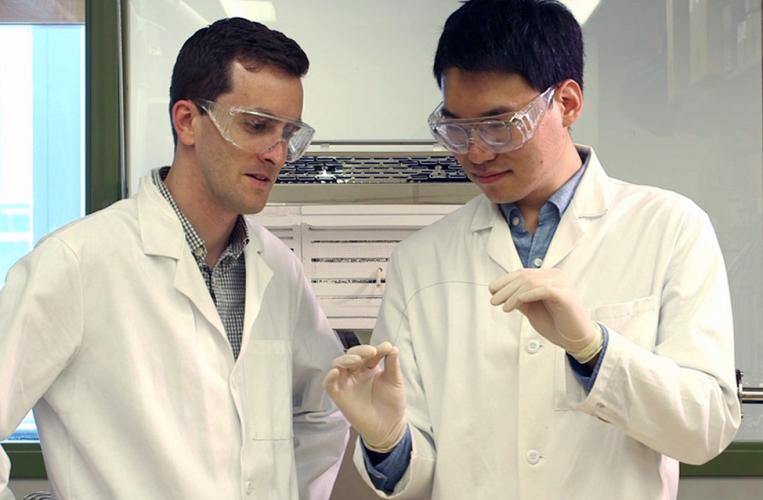
Published in Nature, the researchers' findings suggest that using membranes to separate crude oil before distillation could significantly reduce the energy, water, and carbon footprint of petroleum refining.
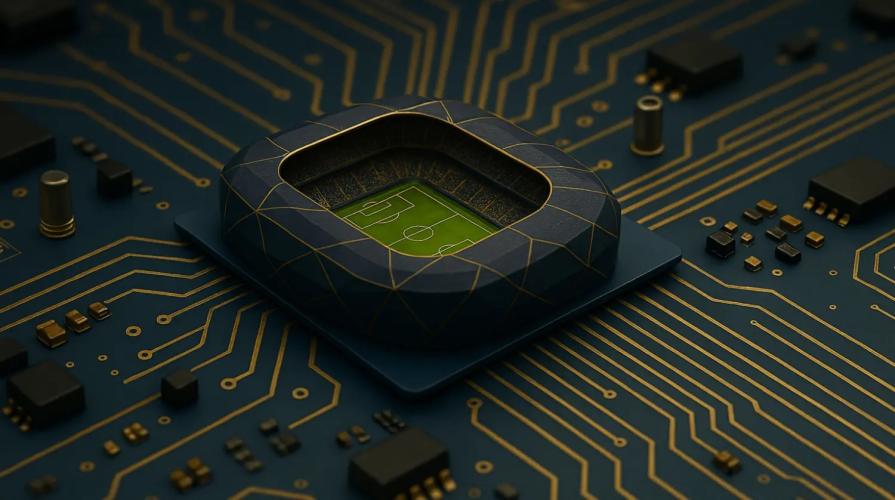
With hundreds of thousands of people attending the 104 World Cup games, Georgia Tech experts explain how electrical and computer engineering are facilitating some of the tournament's newest and most crucial technology.
Georgia Tech infuses innovation into the forest products industry, converting waste streams into high-value products, from high-performance automotive lubricants to batteries.
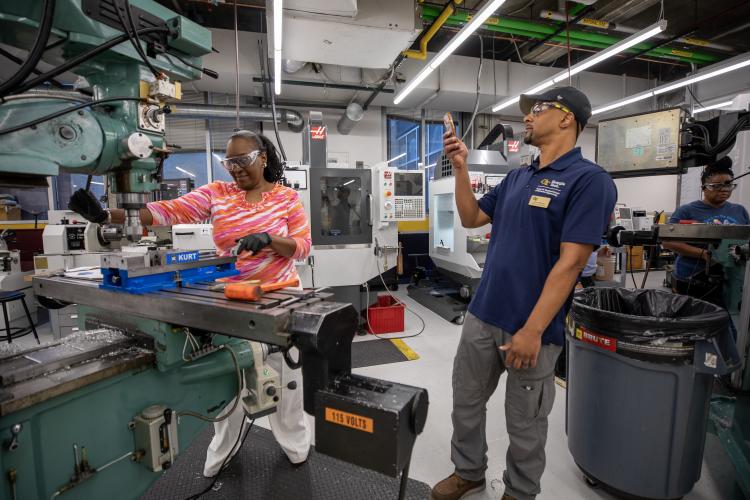
Rural Georgia teachers gain practical machine shop training at Georgia Tech, bringing advanced manufacturing skills back to their classrooms.


