Yiyi He

Yiyi He
yiyi.he@design.gatech.edu
College of Design Profile Page

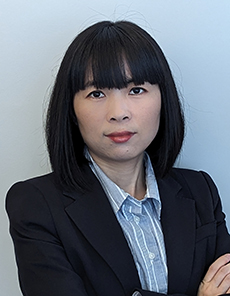
Yiyi He is an assistant professor in the School of City and Regional Planning (SCaRP) at the College of Design at Georgia Tech. Her research centers on the interdisciplinary fields of urban planning, GIScience, climate science, and artificial intelligence. She is interested in building a better understanding of the uncertainty and asymmetric impacts of climate-change-induced extreme weather events (e.g., flooding, wildfires, extreme heat) on critical components of the built environment (e.g., lifeline infrastructure networks, vulnerable neighborhoods). She leverages data-driven approaches, such as GIS, network science, hyperspectral remote sensing, machine learning, and spatial statistics to tackle complex challenges in climate change and resilience research and to inform more intelligent planning and policy directives.

Her previous work involves using 3D hydrodynamic flood models to simulate flooding under different climate change scenarios and analyze the impact of both coastal and inland flooding on critical infrastructure networks. She received her bachelor’s degree from Nanjing University and her master’s and Ph.D. degree from UC Berkeley.

Assistant Professor, School of City and Regional Planning
Additional Research

GI Science Network ScienceEnvironmental Planning
Google Scholar
https://scholar.google.com/citations?hl=en&user=xoUOI-wAAAAJ&view_op=list_works&sortby=pubdate
LinkedIn
Yiyi
He
Show Regular Profile

Richard Gruber

Richard Gruber
richard.gruber@gatech.edu

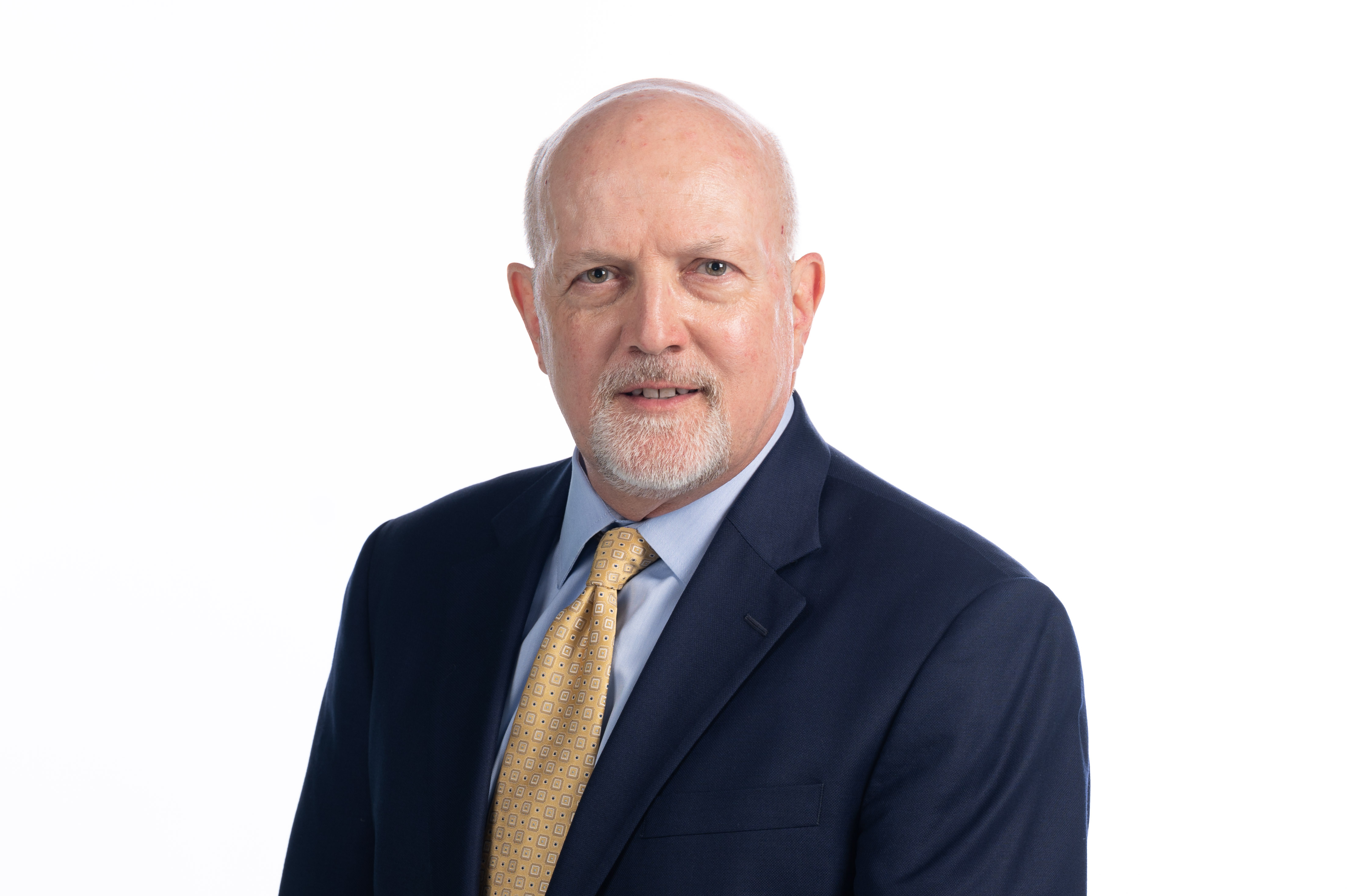
Richard joined Georgia Tech in 2023 and focuses on energy and cleantech company formation, market strategy, funding, and partnerships in support of faculty led research and resulting startups. His domain expertise is in regulated and competitive energy markets, energy infrastructure development, project finance, go-to-market strategies, energy policy, multi-stakeholder negotiations and process improvement.

Prior to joining Georgia Tech, Richard co-founded several successful startups including Merit Sustainable Infrastructure, served as VP of Project Development for First Solar, and held leadership positions with power grid operator ERCOT, Energy Management Associates, Electronic Data Systems and Tenneco. Since 2007, Richard has led project development resulting in over 4,000 megawatts (nominally $4 billion) of operating solar and wind projects across the US. Most recently he has spearheaded development of ATL Cleantech Connect, a partnership between the Strategic Energy Institute at GT and the Metro Atlanta Chamber of Commerce to grow the clean energy and sustainability startup ecosystem in and around Atlanta.

Richard holds an MBA from the University of St. Thomas, a BA in Economics from Southern Methodist University and attend the Advance Management Program (AMP) at the Harvard Business School.

Quadrant-i, Strategic Energy Institute
Principal
Office
of Commercialization
LinkedIn
Richard
Gruber
Show Regular Profile

Guoxiang (Emma) Hu

Guoxiang (Emma) Hu
emma.hu@mse.gatech.edu
MSE Profile

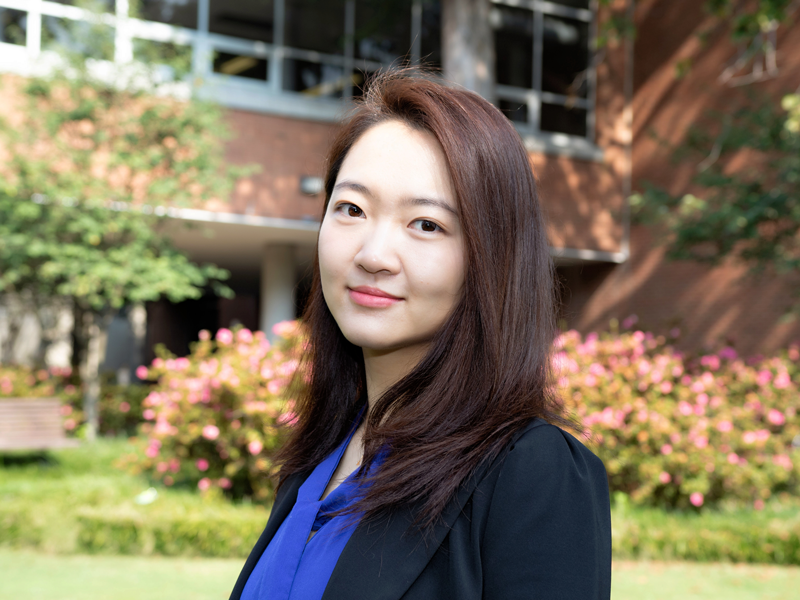
Emma Hu joins the School of Materials Science and Engineering at Georgia Tech as an assistant professor. Her group will use quantum mechanical modelling combined with materials informatics to understand the underlying mechanisms of energy harvesting and utilization at the atomic level, and reveal structure-property-performance relationships for knowledge/data-driven materials design.

Her research seeks to accelerate the discovery of materials with complex properties to solve time-sensitive problems involving green energy production and climate remediation.

Emma obtained her Ph.D. in Physical Chemistry in 2018 from the University of California, Riverside, and her B.S. in Chemistry in 2013 from University of Science and Technology of China. She then spent two years as a postdoctoral scholar in the Center for Nanophase Materials Sciences at Oak Ridge National Laboratory from 2018-2020. Before joining Georgia Tech, Emma was an Assistant Professor at City University of New York from 2020-2023.

Assistant Professor
Office
RBI 275
IRI And Role
Guoxiang (Emma)
Hu
Show Regular Profile

Suhas Jain

Suhas Jain
suhasjain@gatech.edu
Profile of Dr. Suhas Jain

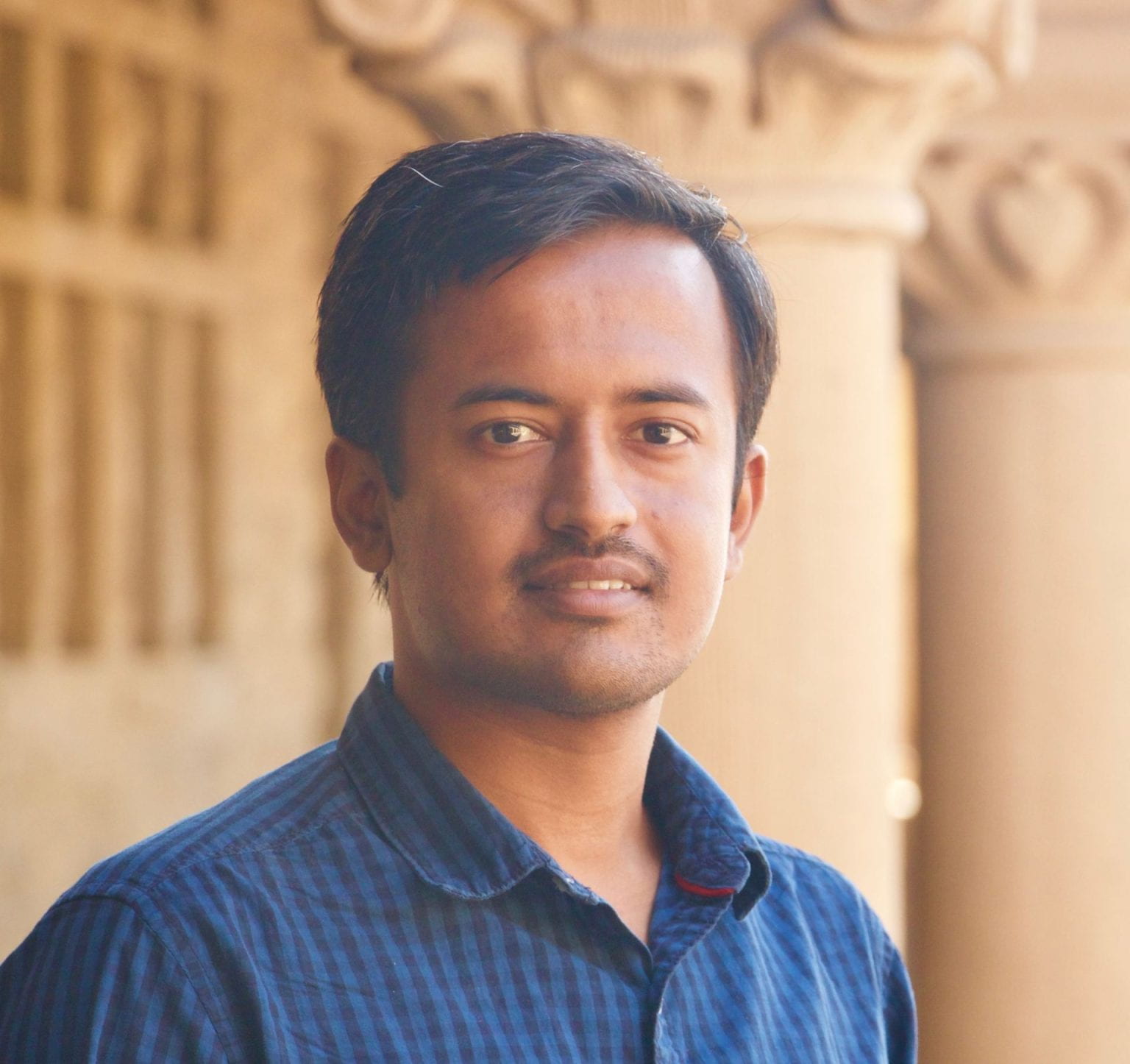
Suhas S. Jain is an Assistant Professor in the Woodruff School of Mechanical Engineering at Georgia Tech. He received his bachelor’s from NIT-Karnataka (India) in 2014, M.S. and Ph.D. from Stanford University in 2018 and 2022, respectively, all in mechanical engineering. Before coming to Georgia Tech, he was a postdoctoral fellow at the Center for Turbulence Research, Stanford University (2022-2023), a researcher at the Institute of Fluid Dynamics, Helmholtz-Zentrum Dresden-Rossendorf, Germany (2014-2015), and a project assistant at the Indian Institute of Science (2015-2016).

His research interests include computational modeling of fluid flows (multiphase flows; turbulent flows; compressible flows; and fluid-structure interaction) with a current focus on modeling atomization, sprays, and phase change for propulsion applications; ice accretion and aerodynamics for sustainable energy and aerospace design; and air-sea interaction modeling for understanding climate change; and modeling of fluid-solid and solid-solid systems for biomedical and high-speed applications. Through the integration of numerical modeling, high-performance computing, and data-driven approaches, Suhas and his group aim to address key challenges in these areas.

Assistant Professor
Additional Research
  • Computational Modeling
  • Machine Learning
Suhas
Jain
Show Regular Profile

Felix Herrmann

Felix Herrmann
felix.herrmann@gatech.edu
Website

Dr. Felix J. Herrmann is Georgia Research Alliance Eminent Scholar in Energy and a professor at the Georgia Institute of Technology with appointments in the Schools of Earth and Atmospheric Sciences, Computational Science and Engineering, and Electrical and Computer Engineering. Dr. Herrmann will be the 2019 Distinguished Lecturer of the Society of Exploration Geophysicists (SEG). 

Dr. Herrmann holds a M.Sc. and Ph.D. in Engineering Physics from the Delft University of Technology. He completed his postdoctoral studies at Stanford University and MIT before becoming a professor at the University of British Columbia's Department of Earth, Ocean, and Atmospheric Sciences. He joined the faculty of the Georgia Institute of Technology in October 2017. 

During his career, Dr. Herrmann has worked on the development of the next-generation of industrial acquisition and computational imaging technologies designed to improve the image quality in complex geological areas at vastly reduced costs and environmental impact. Aside from driving innovations, by leveraging recent developments in the mathematical and computational sciences, Dr. Herrmann has extensive experience working with industry. At the University of British Columbia, he was the founder and director of the Seismic Laboratory for Imaging and Modelling (SLIM), which hosted the industry Consortium SINBAD. Under his guidance, SLIM became a world leader in the successful integration of transformative scientific developments, such as compressive sensing, randomized linear algebra, and machine learning, into innovative approaches that tackle the most challenging imaging problems. With his move to the Georgia Institute of Technology, Dr. Herrmann plans to broaden his research program to include other imaging modalities. Dr. Herrmann was a long program participant at UCLA's Institute for Pure and Applied Mathematics in the Fall of 2004 and has been involved in public-private partnerships around the world. He serves on the editorial board of Geophysical Prospecting and on the SEG Research Committee.

Professor, Georgia Research Alliance Eminent Scholar in Energy
Additional Research
  • Inverse Problems
  • Seismic Modeling
Research Focus Areas
University, College, and School/Department
Felix
Herrmann
Show Regular Profile

Benjamin Emerson

Benjamin Emerson
bemerson@gatech.edu
Departmental Bio

Ben Emerson completed his Ph. D. in Aerospace Engineering from Georgia Tech in August, 2013. Since then, Ben has worked as a Research Engineer at the Ben T. Zinn Combustion Lab at Georgia Tech. Ben’s research portfolio includes projects on combustion instabilities, alternative fuels, and combustion system R&D with a core focus and motivation of cleaner combustion. Ben’s research primarily consists of three core competencies, which are experimental combustion system development, combustor diagnostics, and combustion theory and modeling. Ben’s combustion system development work spans a wide variety of applications, from small lab-scale burners to combustor rigs that test full-scale gas turbine combustor hardware. His combustor diagnostics work encompasses the state of the art optical diagnostic techniques for reacting flow field measurements and imaging, and aims to implement those techniques in both laboratory-scale and large-scale rig tests. Finally, Ben’s combustion theory and modeling work is geared towards analysis of experimental datasets, development of reduced-order engineering tools, and the development of a suite of hydrodynamic stability analysis tools. Together, these core competencies form the pillars of Ben’s research, which facilitates the design of cleaner-burning combustion systems.

Senior Research Engineer, Guggenheim School of Aerospace Engineering
Phone
404-385-0413
Office
CNES, 216
Additional Research

Hydrogen Utilization, Hydrogen combustion in gas turbines, combustion instabilities, alternative fuels, cleaner combustion system R&D, experimental combustion system development, combustor diagnostics, and combustion theory and modeling

Benjamin
Emerson
Show Regular Profile

Scott Duncan

Scott Duncan Portrait
sduncan@asdl.gatech.edu
Departmental Bio

Dr. Scott Duncan is part of the Research Faculty within the School of Aerospace Engineering at the Georgia Institute of Technology, where he is a member of ASDL’s Digital Engineering Division. In his current position, Dr. Duncan leads and manages multi-disciplinary research teams in projects relating to terrestrial infrastructure systems, including community energy systems comprising grid-interactive efficient buildings, district thermal systems, distributed energy resources (DERs), and microgrids. These teams assess and support the design of these systems by applying techniques from systems engineering, data analysis, modeling and simulation, visualization, optimization, digital twinning, and model-based systems engineering. Dr. Duncan co-manages, with Dr. Jung-Ho Lewe, the Energy Infrastructure and Data Engineering group, which is part of the long-running Smart Campus Initiative between ASDL and GT Infrastructure & Facilities. Dr. Duncan is a Member of the American Institute of Aeronautics and Astronautics (AIAA), serving on its the Terrestrial Energy Systems (TES) Technical Committee. He is also the Initiative Lead for GT’s Strategic Energy Institute (SEI) overseeing research operations for the Tech Square Microgrid.

Senior Research Engineer, Guggenheim School of Aerospace Engineering
SEI Lead: Microgrids
Phone
(404) 385-7707
Additional Research

Smart Infrastructure

Scott
Duncan
Show Regular Profile