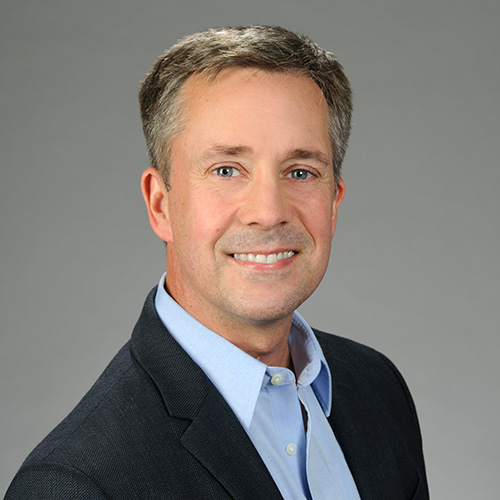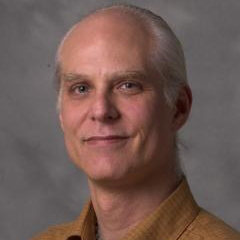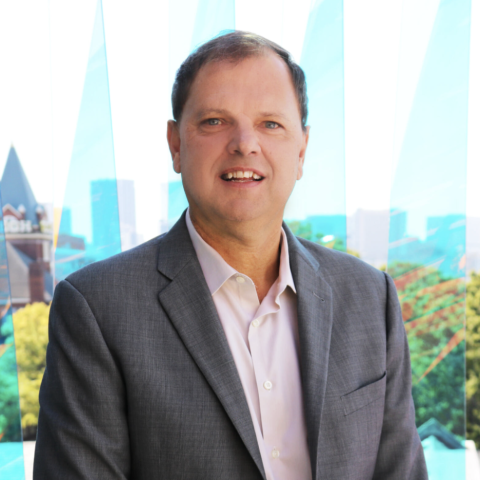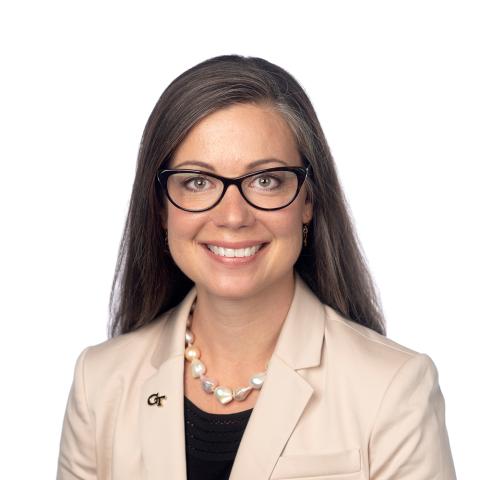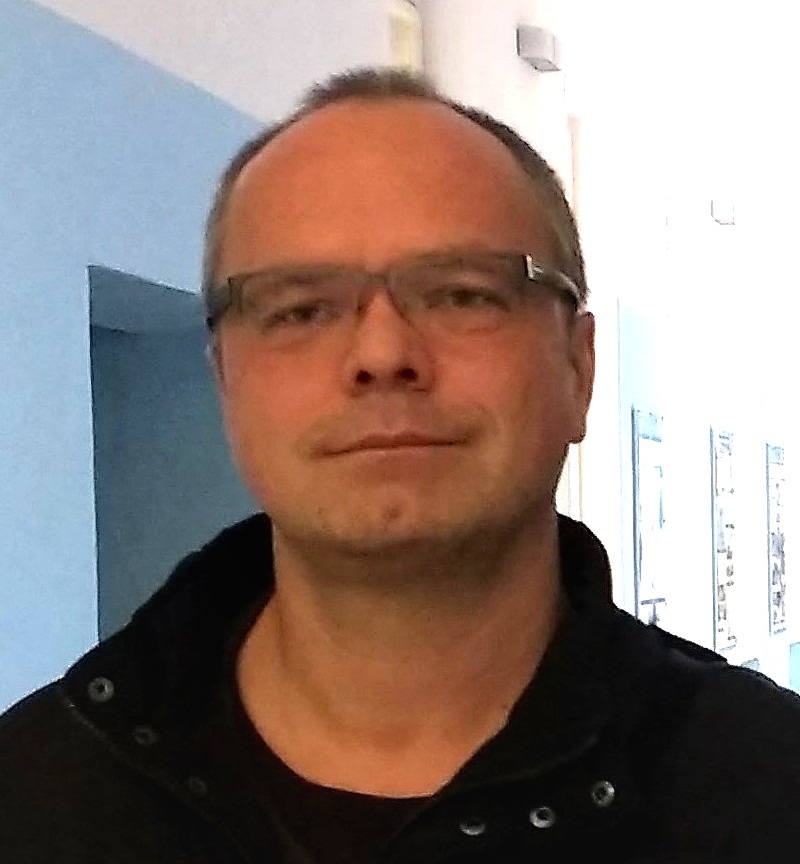
King Jordan

King Jordan
king.jordan@biology.gatech.edu
Website

King Jordan is Professor in the School of Biological Sciences and Director of the Bioinformatics Graduate Program at the Georgia Institute of Technology. He has a computational laboratory and his group works on a wide variety of research and development projects related to: (1) human clinical & population genomics, (2) computational genomics for public health, and (3) computational approaches to functional genomics. He is particularly interested in the relationship between human genetic ancestry and health. His lab is also actively engaged in capacity building efforts in genomics and bioinformatics in Latin America. 

Professor
Director, Bioinformatics Graduate Program
Phone
404-385-2224
Office
EBB 2109
Additional Research
Epigenetics ; Computational genomics for public health. We are broadly interested in the relationship between genome sequence variation and health outcomes. We study this relationship through two main lines of investigation - human and microbial.Human:we study how genetic ancestry and population structure impact disease prevalence and drug response. Our human genomics research is focused primarily on complex common disease and aims to characterize the genetic architecture of health disparities, in pursuit of their elimination.Microbial:we develop and apply genome-enabled approaches to molecular typing and functional profiling of microbial pathogens that cause infectious disease. The goal of our microbial genomics research is to empower public health agencies to more effectively monitor and counter infectious disease agents.
Google Scholar
https://scholar.google.com/citations?user=v1hVGqgAAAAJ&hl=en
LinkedIn http://biosciences.gatech.edu/people/king-jordan
King
Jordan
Show Regular Profile

Marc Weissburg

Marc Weissburg
marc.weissburg@biology.gatech.edu
School of Biological Sciences Profile Page
Professor, School of Biological Sciences
Brook Byers Professor
Phone
404.894.8433
Office
ES&T 2238
Additional Research

Bio-inspired materials

Research Focus Areas
Google Scholar
https://scholar.google.com/citations?hl=en&user=z5dzCHUAAAAJ&view_op=list_works&sortby=pubdate
Marc
Weissburg
J.
Show Regular Profile

Joel Kostka

Joel Kostka
joel.kostka@biology.gatech.edu
Website

Dr. Kostka is currently a professor of Biology at Georgia Institute of Technology (GT). Prior to GT, he was an Associate Professor at the Department of Oceanography, Florida State University. His research involves microorganism studies in geochemical cycles of pristine and contaminated ecosystems, from the oceans to the terrestrial subsurface.

Professor, School of Biological Sciences
Associate Chair of Research, School of Biological Sciences
Phone
(404) 385-3325
Research Focus Areas
Related Site
Joel
Kostka
Show Regular Profile

Jennifer Leavey

Portrait of Jennifer Leavey
jennifer.leavey@cos.gatech.edu
Departmental Bio

Jennifer Leavey is a principal academic professional in the School of Biological Sciences and assistant dean for Faculty Mentoring for the College of Sciences. She also coordinates the College's educational programs related to science and sustainability including the Georgia Tech Urban Honey Bee Project and the Living Building Science Vertically Integrated Project Team.   

Assistant Dean for Faculty Mentoring, College of Sciences
Principal Academic Professional, School of Biological Sciences
Jennifer
Leavey
Kraft
Show Regular Profile

Katherine Duchesneau

Katherine Duchesneau
kduchesneau3@gatech.edu

Katherine Duchesneau is a Ph.D. student in the School of Biological Sciences at Georgia Tech. Her dissertation research closely couples biogeochemistry with metagenomics to elucidate the impacts of climate change on soil microbial communities that play an important role in greenhouse gas production and the global carbon cycle. Over the long term, she plans to pursue a career in academia, generating fundamental research that drives the development of climate change mitigation and adaptation strategies. Katherine strongly believes that substantive solutions for sustainability issues will only be achieved through multi-disciplinary and diverse collaborations that bring together scientists, policymakers, and the public. Before coming to Georgia Tech, Katherine completed a MSc at Queen’s University with Dr. Robert Colautti and Dr. Pedro Antunes researching the effects of Alliaria petiolata invasion on soil microbial communities. She also holds a bachelor’s degree in Environmental Biology, specializing in plant biology, from McGill University.

BBISS Graduate Fellow - First Cohort
IRI And Role
Katherine
Duchesneau
Show Regular Profile

Jeannette Yen

Jeannette Yen
jeannette.yen@biology.gatech.edu
School of Biological Sciences Profile Page
Professor, School of Biological Sciences
Phone
404.385.1596
Office
Cherry Emerson A116
Additional Research

Aquatic chemical communicationHydrodynamicsSmall-Scale Biological-Chemical-Physical Interactions in Marine Zooplankton 

Google Scholar
https://scholar.google.com/scholar?q=Jeannette+Yen&btnG=&hl=en&as_sdt=0,11
Aquatic Chemical Ecology Lab
Jeannette
Yen
Show Regular Profile

Matthew Torres

Matthew Torres
matthew.torres@biology.gatech.edu
Website

Matt is a former Tar Heel from UNC Chapel Hill. His training is in mass spectrometry-based proteomics and G protein signaling. He has been investigating PTMs since 2001. He is also a co-director of the Systems Mass Spectrometry Core (SYMS-C) facility at Georgia Tech.

Associate Professor
Phone
404-385-0401
Office
EBB 4009
Additional Research
Bioinformatics. My lab integrates mass spectrometry and experimental cell biology using the yeast model system to understand how networks of coordinated PTMs modulate biological function. Now well into the era of genomics and proteomics, it is widely appreciated that understanding individual genes or proteins, although necessary, is often not sufficient to explain the complex behavior observed in living organisms. Indeed, placing context on the dynamic network of relationships that exist between multiple proteins is now one of the greatest challenges in Biology. Post-translational modifications (PTMs, e.g. phosphorylation, ubiquitination and over 200 others), which can be readily quantified by mass spectrometry (MS), often mediate these dynamic relationships through enhancement or disruption of binding and/or catalytic properties that can result in changes in protein specificity, stability, or cellular localization. We use a combination of tools including quantitative mass spectrometry, yeast genetics, dose-response assays, in vitro biochemistry, and microscopy to explore testable systems-level hypotheses. My current research interests can be grouped into four main categories:(1)coordinated PTM-based regulation of dynamic signaling complexes, (2) cross-pathway coordination by PTMs, (3) PTM networks in stress adaptation, and (4) technology development for rapid PTM network detection.
Research Focus Areas
Google Scholar
https://scholar.google.com/citations?user=YU_CG7wAAAAJ&hl=en&oi=ao
http://biosciences.gatech.edu/people/matthew-torres
Matthew
Torres
Show Regular Profile

Minoru Shinohara

Minoru  Shinohara
shinohara@gatech.edu
Departmental Profile Page

Physiological and biomechanical mechanisms underlying fine motor skills and their adjustments and adaptations to heightened sympathetic nerve activity, aging or inactivity, space flight or microgravity, neuromuscular fatigue, divided attention, and practice in humans. He uses state-of-the-art techniques in neuroscience, physiology, and biomechanics (e.g., TMS, EEG, fMRI, single motor unit recordings, microneurography, mechanomyography, ultrasound elastography, and exoskeleton robot) in identifying these mechanisms.

Associate Professor; School of Biological Sciences
Phone
404.894.1030
Office
555 14th St | Suite 1309C
Additional Research

Neuromuscular Physiology

Google Scholar
https://scholar.google.com/citations?hl=en&user=oIbxZhIAAAAJ&view_op=list_works&sortby=pubdate
LinkedIn Human Neuromuscular Physiology Lab
Minoru
Shinohara
Show Regular Profile