
New Machine Learning Method Lets Scientists Use Generative AI to Design Custom Molecules and Other Complex Structures
Jul 12, 2024 —

New research from Georgia Tech is giving scientists more control options over generative artificial intelligence (AI) models in their studies. Greater customization from this research can lead to discovery of new drugs, materials, and other applications tailor-made for consumers.
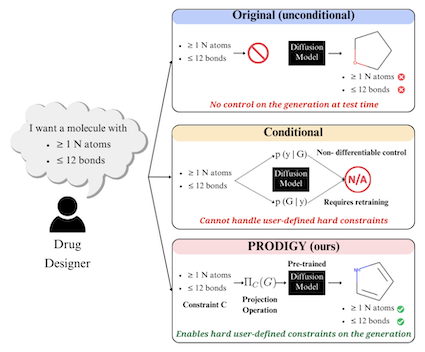
The Tech group dubbed its method PRODIGY (PROjected DIffusion for controlled Graph Generation). PRODIGY enables diffusion models to generate 3D images of complex structures, such as molecules from chemical formulas.
Scientists in pharmacology, materials science, social network analysis, and other fields can use PRODIGY to simulate large-scale networks. By generating 3D molecules from multiple graph datasets, the group proved that PRODIGY could handle complex structures.
In keeping with its name, PRODIGY is the first plug-and-play machine learning (ML) approach to controllable graph generation in diffusion models. This method overcomes a known limitation inhibiting diffusion models from broad use in science and engineering.
“We hope PRODIGY enables drug designers and scientists to generate structures that meet their precise needs,” said Kartik Sharma, lead researcher on the project. “It should also inspire future innovations to precisely control modern generative models across domains.”
PRODIGY works on diffusion models, a generative AI model for computer vision tasks. While suitable for image creation and denoising, diffusion methods are limited because they cannot accurately generate graph representations of custom parameters a user provides.
PRODIGY empowers any pre-trained diffusion model for graph generation to produce graphs that meet specific, user-given constraints. This capability means, as an example, that a drug designer could use any diffusion model to design a molecule with a specific number of atoms and bonds.
The group tested PRODIGY on two molecular and five generic datasets to generate custom 2D and 3D structures. This approach ensured the method could create such complex structures, accounting for the atoms, bonds, structures, and other properties at play in molecules.
Molecular generation experiments with PRODIGY directly impact chemistry, biology, pharmacology, materials science, and other fields. The researchers say PRODIGY has potential in other fields using large networks and datasets, such as social sciences and telecommunications.
These features led to PRODIGY’s acceptance for presentation at the upcoming International Conference on Machine Learning (ICML 2024). ICML 2024 is the leading international academic conference on ML. The conference is taking place July 21-27 in Vienna.
Assistant Professor Srijan Kumar is Sharma’s advisor and paper co-author. They worked with Tech alumnus Rakshit Trivedi (Ph.D. CS 2020), a Massachusetts Institute of Technology postdoctoral associate.
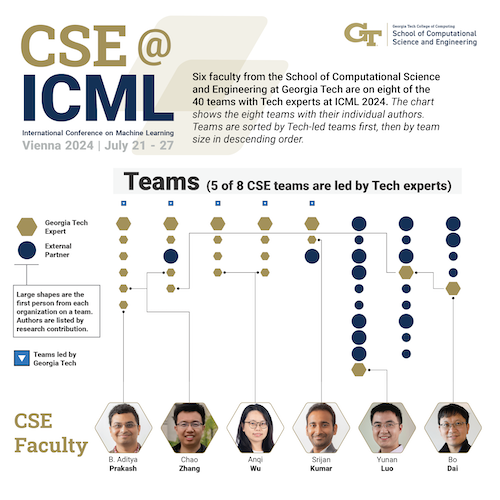
Twenty-four Georgia Tech faculty from the Colleges of Computing and Engineering will present 40 papers at ICML 2024. Kumar is one of six faculty representing the School of Computational Science and Engineering (CSE) at the conference.
Sharma is a fourth-year Ph.D. student studying computer science. He researches ML models for structured data that are reliable and easily controlled by users. While preparing for ICML, Sharma has been interning this summer at Microsoft Research in the Research for Industry lab.
“ICML is the pioneering conference for machine learning,” said Kumar. “A strong presence at ICML from Georgia Tech illustrates the ground-breaking research conducted by our students and faculty, including those in my research group.”
Visit https://sites.gatech.edu/research/icml-2024 for news and coverage of Georgia Tech research presented at ICML 2024.
Bryant Wine, Communications Officer
bryant.wine@cc.gatech.edu
Hybrid Machine Learning Model Untangles Web of Communication in the Brain
Jul 11, 2024 —

A new machine learning (ML) model created at Georgia Tech is helping neuroscientists better understand communications between brain regions. Insights from the model could lead to personalized medicine, better brain-computer interfaces, and advances in neurotechnology.
The Georgia Tech group combined two current ML methods into their hybrid model called MRM-GP (Multi-Region Markovian Gaussian Process).
Neuroscientists who use MRM-GP learn more about communications and interactions within the brain. This in turn improves understanding of brain functions and disorders.
“Clinically, MRM-GP could enhance diagnostic tools and treatment monitoring by identifying and analyzing neural activity patterns linked to various brain disorders,” said Weihan Li, the study’s lead researcher.
“Neuroscientists can leverage MRM-GP for its robust modeling capabilities and efficiency in handling large-scale brain data.”
MRM-GP reveals where and how communication travels across brain regions.
The group tested MRM-GP using spike trains and local field potential recordings, two kinds of measurements of brain activity. These tests produced representations that illustrated directional flow of communication among brain regions.
Experiments also disentangled brainwaves, called oscillatory interactions, into organized frequency bands. MRM-GP’s hybrid configuration allows it to model frequencies and phase delays within the latent space of neural recordings.
MRM-GP combines the strengths of two existing methods: the Gaussian process (GP) and linear dynamical systems (LDS). The researchers say that MRM-GP is essentially an LDS that mirrors a GP.
LDS is a computationally efficient and cost-effective method, but it lacks the power to produce representations of the brain. GP-based approaches boost LDS's power, facilitating the discovery of variables in frequency bands and communication directions in the brain.
Converting GP outputs into an LDS is a difficult task in ML. The group overcame this challenge by instilling separability in the model’s multi-region kernel. Separability establishes a connection between the kernel and LDS while modeling communication between brain regions.
Through this approach, MRM-GP overcomes two challenges facing both neuroscience and ML fields. The model helps solve the mystery of intraregional brain communication. It does so by bridging a gap between GP and LDS, a feat not previously accomplished in ML.
“The introduction of MRM-GP provides a useful tool to model and understand complex brain region communications,” said Li, a Ph.D. student in the School of Computational Science and Engineering (CSE).
“This marks a significant advancement in both neuroscience and machine learning.”
Fellow doctoral students Chengrui Li and Yule Wang co-authored the paper with Li. School of CSE Assistant Professor Anqi Wu advises the group.
Each MRM-GP student pursues a different Ph.D. degree offered by the School of CSE. W. Li studies computer science, C. Li studies computational science and engineering, and Wang studies machine learning. The school also offers Ph.D. degrees in bioinformatics and bioengineering.
Wu is a 2023 recipient of the Sloan Research Fellowship for neuroscience research. Her work straddles two of the School’s five research areas: machine learning and computational bioscience.
MRM-GP will be featured at the world’s top conference on ML and artificial intelligence. The group will share their work at the International Conference on Machine Learning (ICML 2024), which will be held July 21-27 in Vienna.
ICML 2024 also accepted for presentation a second paper from Wu’s group intersecting neuroscience and ML. The same authors will present A Differentiable Partially Observable Generalized Linear Model with Forward-Backward Message Passing.
Twenty-four Georgia Tech faculty from the Colleges of Computing and Engineering will present 40 papers at ICML 2024. Wu is one of six faculty representing the School of CSE who will present eight total papers.
The group’s ICML 2024 presentations exemplify Georgia Tech’s focus on neuroscience research as a strategic initiative.
Wu is an affiliated faculty member with the Neuro Next Initiative, a new interdisciplinary program at Georgia Tech that will lead research in neuroscience, neurotechnology, and society. The University System of Georgia Board of Regents recently approved a new neuroscience and neurotechnology Ph.D. program at Georgia Tech.
“Presenting papers at international conferences like ICML is crucial for our group to gain recognition and visibility, facilitates networking with other researchers and industry professionals, and offers valuable feedback for improving our work,” Wu said.
“It allows us to share our findings, stay updated on the latest developments in the field, and enhance our professional development and public speaking skills.”
Visit https://sites.gatech.edu/research/icml-2024 for news and coverage of Georgia Tech research presented at ICML 2024.
Bryant Wine, Communications Officer
bryant.wine@cc.gatech.edu
Tech Alum Launches Meniscus Implant Startup
Jul 11, 2024 —

Jonathan Schwartz, OrthoPreserve's founder and CEO, places the meniscus implant into position in a knee model. Credit: Rob Felt
OrthoPreserve, a startup founded by Georgia Tech alumnus Jonathan Schwartz, is striving to make debilitating meniscus injuries a thing of the past and to address the long-term complications associated with meniscus tears, a common issue among athletes and aging adults.
The meniscus is a C-shaped structure that acts as a shock absorber and stabilizer in the knee, distributing impact and protecting bone cartilage from deteriorating. Meniscus injuries are frequent in sports — aggressive movements from running or rapidly adjusting leg positions can cause the meniscus to overextend and tear. The risk of injury also increases with age. Over time, degeneration in the knee can wear down the meniscus, making it weaker and easier to tear, even during normal daily activities.
“Right now, the main treatment for meniscus injuries is surgery to cut out the damaged part of the meniscus to relieve pain and impairment, but pain often returns within a few years due to degradation,” Schwartz said. “Once the meniscus is cut, the only treatments are pain medication, injections, physical therapy, and even knee replacement.”
According to Schwartz, over half of meniscus surgery patients, regardless of age, get early-onset arthritis because a severed meniscus can no longer cushion the knee as effectively.
“Patients don’t like hearing that the only treatment available is to cut out their meniscus — which will accelerate arthritis development,” Schwartz said. “Our mission is to use our meniscus implant to help people return to activity quickly and avoid the long-term consequences of surgery.”
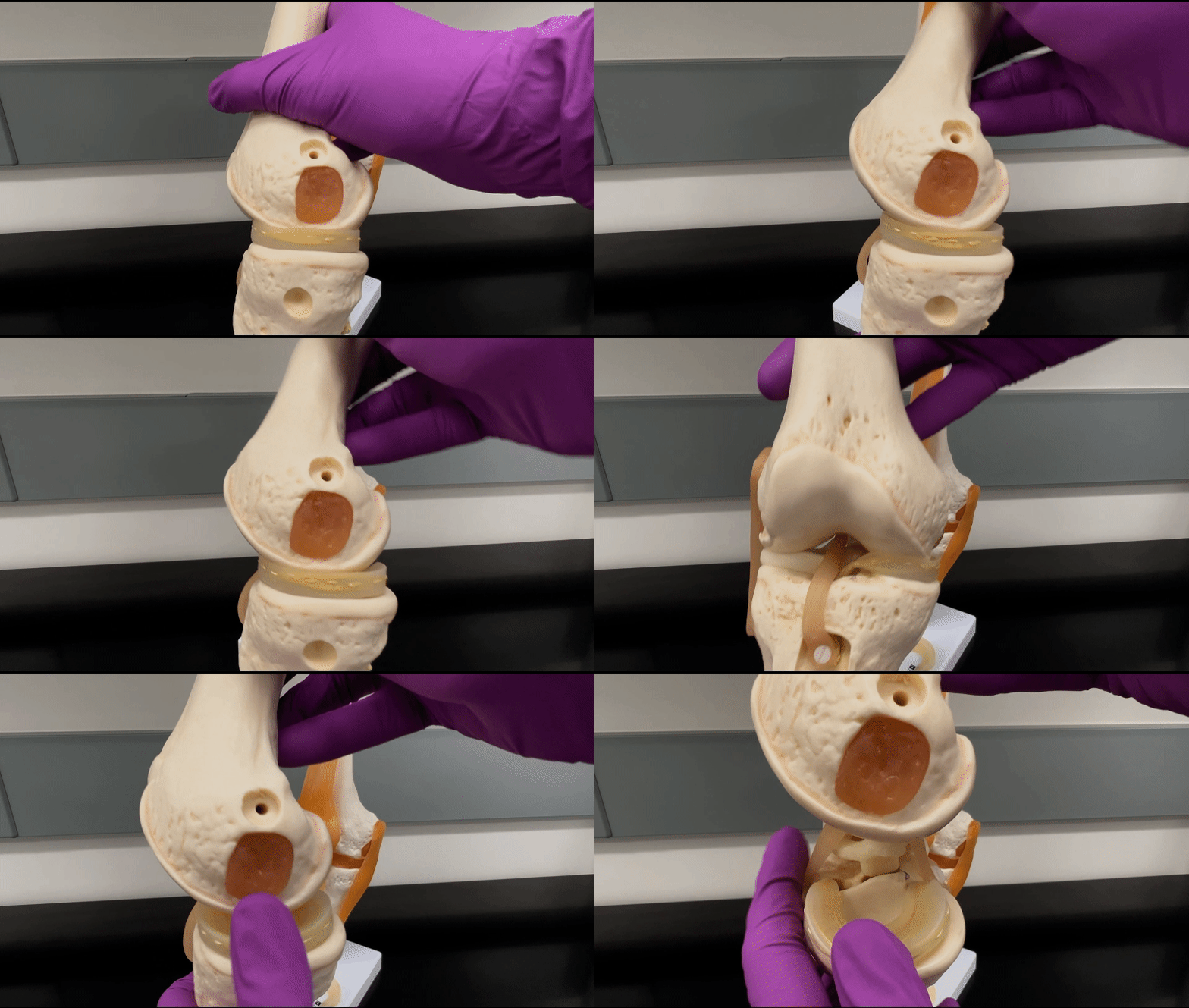
The implant functions like a natural meniscus in the knee. Credit: Jonathan Schwartz
From Academia to Industry
Schwartz’s journey to entrepreneurship began at Georgia Tech, where he enrolled as a bioengineering Ph.D. student and joined the Biofluids and Medical Device Research Group, led by David Ku, Regents’ Professor and Lawrence P. Huang Endowed Chair for Engineering Entrepreneurship. There, Schwartz and Ku discussed potential areas of need in the medical device field. Growing up in a family that experienced numerous knee and meniscus issues and having a longstanding interest in orthopedics, Schwartz decided to design an implant that could mimic the properties of the natural meniscus.
After two years in the program developing a prototype, Schwartz left Georgia Tech with a master’s degree to work in the biopharmaceutical industry. In 2021, he co-founded OrthoPreserve with orthopedic clinicians Cyrus Kump, M.D., and Max Guillot, PA-C.
While working full-time, Schwartz both improved upon his prototype and developed his company on the side. But when he secured a National Institutes of Health research grant for his implant in 2023, he left his job to pursue OrthoPreserve exclusively.
An Innovative Implant
Made from a biocompatible hydrogel material reinforced with high-strength fibers, the implant mimics the shape, structure, and biomechanical properties of the meniscus. It is designed to restore normal joint mechanics and provide long-term protection and stability to the knee joint.
The company has also developed a minimally invasive surgical technique, allowing patients to recover quickly after a short surgery entailing just four or five small incisions. During surgery, the natural meniscus is removed, and the meniscus implant is attached to the knee joint similarly to the natural meniscus.
OrthoPreserve recently completed its first animal study in sheep, with promising results.
"All the sheep were able to walk normally within two or three weeks, and the implants held up without breaking down,” Schwartz said. “The cartilage was protected at the same level as the natural meniscus on the sheep’s other knees.”
This year, Schwartz met with the FDA and laid out a testing plan that will allow the company to start trials in humans within two years. The next animal study will last six to 12 months and will assess the long-term protective capabilities of the implant. After testing, the next steps will be to start human clinical trials and refine manufacturing techniques.
A Campus Community
OrthoPreserve’s home base is BioSpark Labs, a life sciences incubator space in Georgia Tech’s Science Square district. It is a collaborative startup environment that provides office space, shared laboratories, and equipment.
“We built BioSpark Labs because there was a need for more wet lab space and cleanroom space in the Atlanta area, and we wanted to keep biotech research coming out of Atlanta, and especially Georgia Tech,” said Noriko Walker, associate director of Portfolio Management in Georgia Tech’s Real Estate Office. “We kept hearing researchers say they have companies in Boston or San Francisco, and we wanted to provide a place where they could stay, do their research, and grow their companies here instead.”
For Schwartz, one of the most valuable benefits of BioSpark is access to Georgia Tech’s core facilities.
“It is a great atmosphere that comes with the vast resources available for research at Georgia Tech,” he said. “We also plan to take advantage of our location and look to Georgia Tech talent when we start hiring.”
Schwartz has several goals for OrthoPreserve. He wants to address the significant clinical need to help meniscus injury patients recover quickly, remain symptom-free, and avoid getting arthritis or a knee replacement. He wants to reduce the high costs associated with ongoing pain treatment and invasive surgeries. Improving patients’ quality of life is also on the list.
“With serious meniscus injuries, you can't get the joy you used to from being active, and often you just have to sit on the sidelines and watch. We hope our implant can help these patients resume their normal activities and do the things they love.”
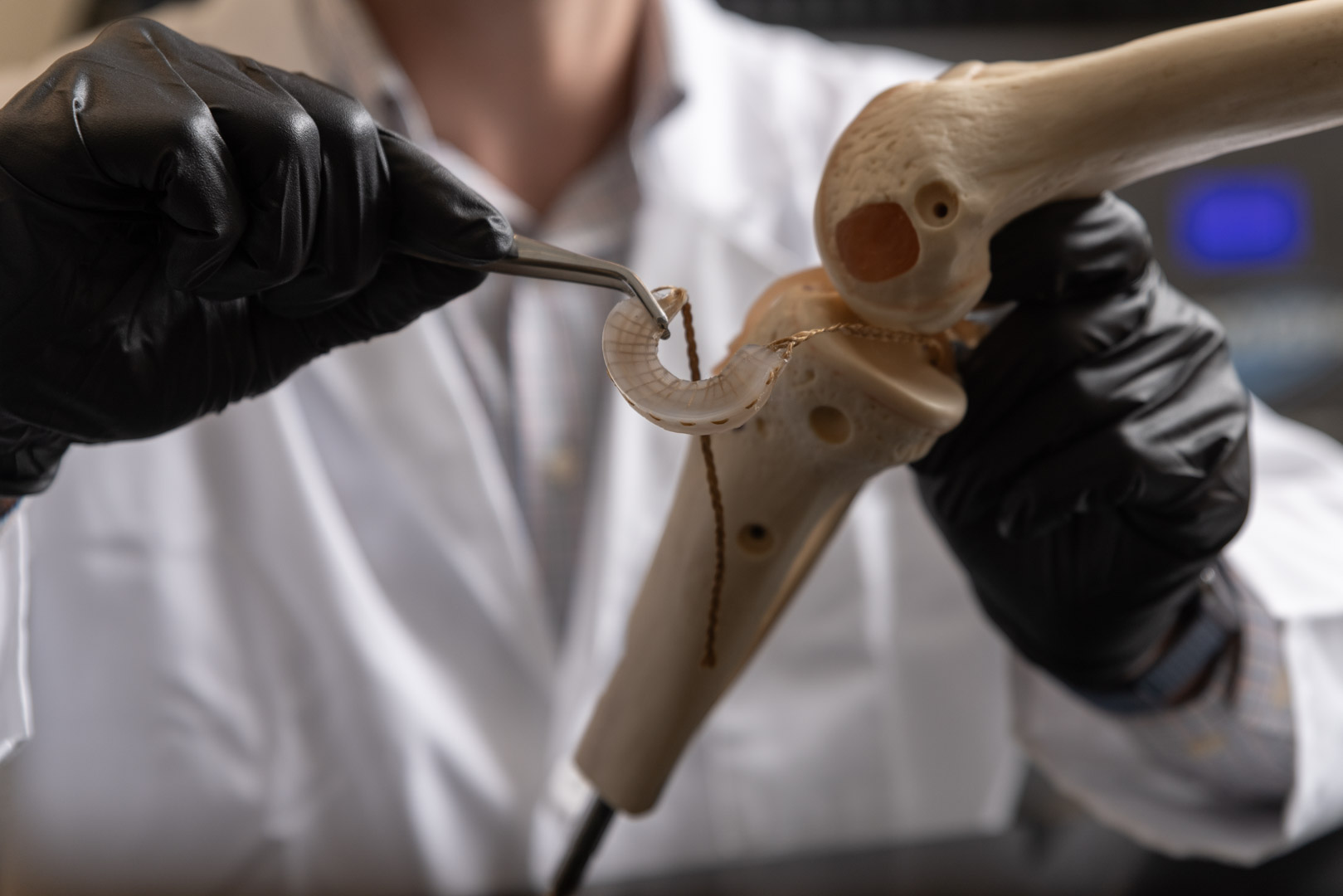
The meniscus implant features a reinforcement fiber layout that mimics the natural meniscus's collagen fiber network. Credit: Rob Felt
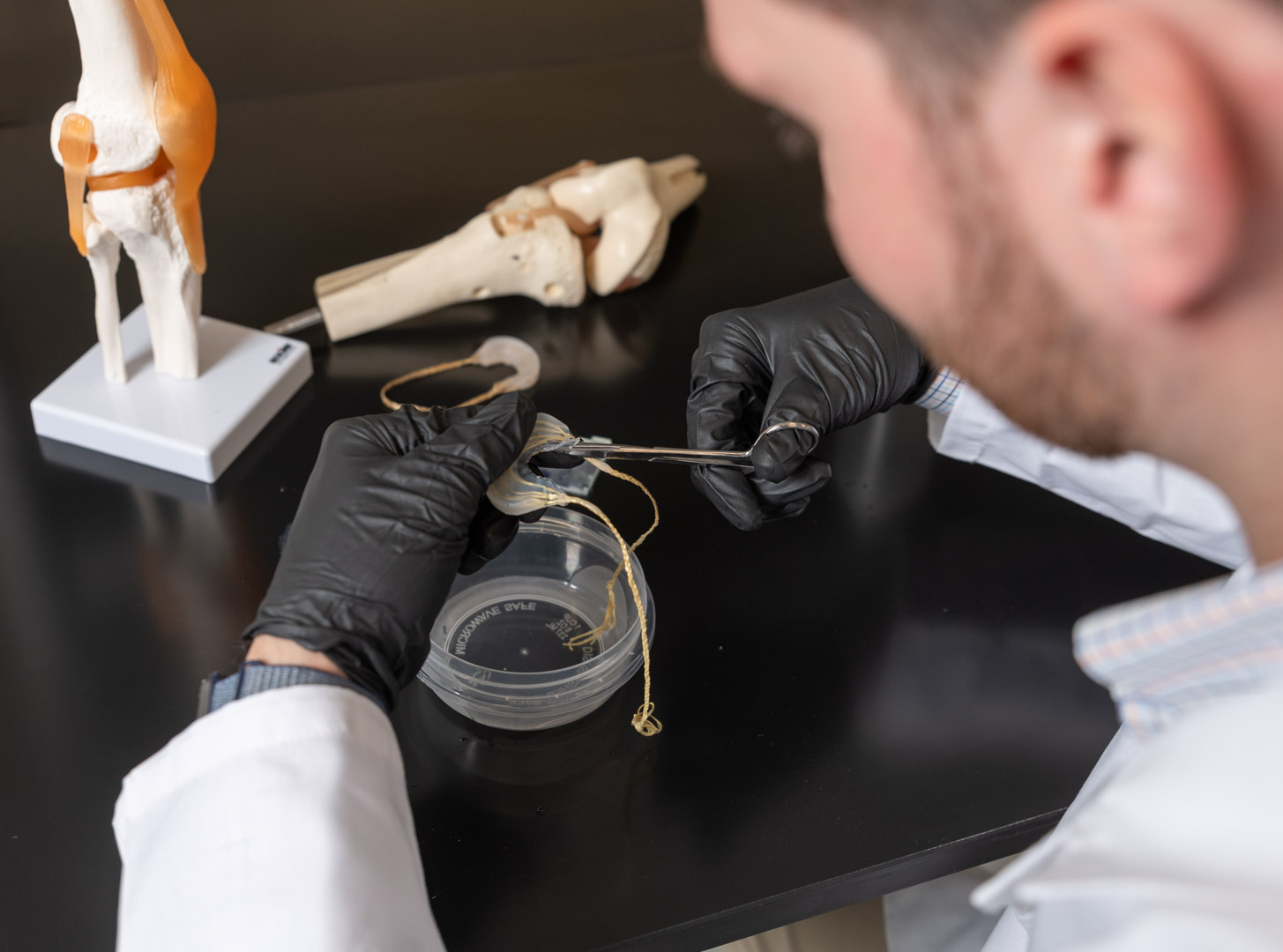
Schwartz trims the implant after molding the hydrogel base material during the manufacturing process. The company currently manufactures the implants by hand in the lab but is in the process of developing an automated and scalable manufacturing method. Credit: Rob Felt
Catherine Barzler, Senior Research Writer/Editor
Visualization Tool Helps Oceanographers Predict Sediment Sample Hotspots
Jul 11, 2024 —
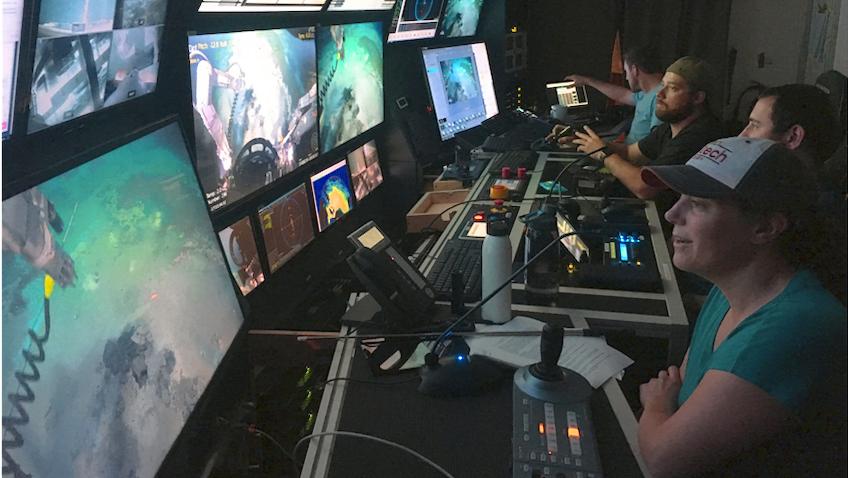
A new data visualization tool designed by a Georgia Tech Ph.D. student is helping a team of microbial ecologists, geobiologists, and oceanographers gain more insight into how deep-sea microorganisms interact within their environment.
What began as an internship at NASA turned into a unique opportunity for fourth-year Ph.D. student Adam Coscia. Coscia worked under the supervision of an interdisciplinary team of collaborative researchers from Caltech, the Jet Propulsion Laboratory (JPL) Caltech manages for NASA and the ArtCenter College of Design.
Coscia’s mentors recommended him to a Caltech research team led by Victoria Orphan, a renowned microbial ecologist who studies microbial communities in the ocean and how they function within habitats in deep seafloor sediments.
Orphan and her team, the Orphan Lab at Caltech, have conducted their research since 2004. They recently decided to take a data visualization approach to record their findings and plan future expeditions.
“Historically, our data sets have been discrete and have lived in separate Excel spreadsheets,” Orphan said. “Maybe at the end, we’ll do some statistical analysis to find correlations in that data. Then we compare those to our maps. We didn’t have a way of consolidating everything under one umbrella that allows us to learn more about these ecosystems.”
Orphan said her team typically takes one or two research expeditions off the California coast annually. They spend three weeks using remotely operated vehicles (ROVs) to collect sediment samples from the ocean floor. Because time is at a premium, identifying the locations of the best samples is crucial.
Orphan is also an adjunct scientist at the Monterey Bay Aquarium Research Institute (MBARI) and works with the Seafloor Mapping Lab. The lab uses an ROV-mounted low-altitude survey system to produce detailed maps of seafloor topography.
To help the Orphan Lab work effectively with topographic and photographic data, Coscia designed DeepSee, an interactive web browser that can annotate and chart data using 3D visualization models and environmental maps.
“The idea is once you have the samples, and you’re interested in a specific area with prior samples, you can go in and annotate on the map where to collect samples next with our drawing tool,” Coscia said.
“We focused on the exploration and notetaking process with maps and data and having new ways of visualizing it. Scientists can draw and map out all their samples in real time. They can reference specific data much easier and determine where the team should go to get the best samples.”
The Orphan Lab has taken DeepSee live onboard its ship for its two most recent expeditions. Orphan has noticed an increased efficiency in expedition planning.
“The infrastructure put in place by Adam will make this an enabling tool not only for my group but for other oceanographers and scientists in other fields — anywhere there is a spatial distribution of information you want to connect to other metadata,” she said.
Orphan brings new researchers into her lab at Caltech every year, and DeepSee has accelerated the process of getting newcomers up to speed.
“We can onboard them much easier and give them a sense of what data is available and where we’ve collected information in a way that’s much clearer than having them refer to an Excel spreadsheet,” she said.
DeepSee also creates 3D data models under the sea floor using data interpolation, which estimates new data points based on the range of a set of known data points. Using the known data points, DeepSee fills in the blanks of the estimated data quality the researchers may find in nearby locations or further underneath the surface where samples were collected.
“You would never see anything visually below the sea floor,” Coscia said. “You’d have to go dig. But our 3D models show you that you might have data suggesting a hotspot just a few feet below the floor. That tells you where to sample next.”
Coscia aims to incorporate machine learning (ML) models into a future version of DeepSee that will use collected data to predict future sites for sampling. However, ML model accuracy requires significantly more data.
Coscia hopes the current version of the tool catches on so researchers can more easily incorporate machine learning into their work.
For now, the current version has plenty of uses, he said.
“Being able to organize and see your data, especially with maps, is always valuable,” he said. “My passion is helping researchers and scientists see their data in new and valuable ways.”
Coscia authored a paper on developing DeepSee, which he presented in May at the Conference on Human Factors in Computing Systems (CHI) in Honolulu, Hawaii.
Nathan Deen
Communications Officer
Georgia Tech School of Interactive Computing
nathan.deen@cc.gatech.edu
Georgia Tech EVPR Chaouki Abdallah Named President of Lebanese American University
Jun 25, 2024 — Atlanta

Chaouki Abdallah, Georgia Tech's executive vice president for Research (EVPR), has been named the new president of the Lebanese American University in Beirut.
Abdallah, MSECE 1982, Ph.D. ECE 1988, has served as EVPR since 2018; in this role, he led extraordinary growth in Georgia Tech's research enterprise. Through the work of the Georgia Tech Research Institute, 10 interdisciplinary research institutes (IRIs), and a broad portfolio of faculty research, Georgia Tech now stands at No. 17 in the nation in research expenditures — and No. 1 among institutions without a medical school.
Additionally, Abdallah has also overseen Tech's economic development activities through the Enterprise Innovation Institute and such groundbreaking entrepreneurship programs as CREATE-X, VentureLab, and the Advanced Technology Development Center.
Under Abdallah's strategic, thoughtful leadership, Georgia Tech strengthened its research partnerships with historically Black colleges and universities, launched the New York Climate Exchange with a focus on accelerating climate change solutions, established an AI Hub to boost research and commercialization in artificial intelligence, advanced biomedical research (including three research awards from ARPA-H), and elevated the Institute's annual impact on Georgia's economy to a record $4.5 billion.
Prior to Georgia Tech, Abdallah served as the 22nd president of the University of New Mexico (UNM), where he also had been provost, executive vice president of academic affairs, and chair of the electrical and computer engineering department. At UNM, he oversaw long-range academic planning, student success initiatives, and improvements in retention and graduation rates.
A national search will be conducted for Abdallah's replacement. In the coming weeks, President Ángel Cabrera will name an interim EVPR.
New Research Shows that Improving Mobile Internet Service Can Reduce Digital Inequality
Jun 20, 2024 —

Over 90% of the U.S. population has internet access.
However, many households, particularly those of low socioeconomic status, are “smartphone-dependent,” meaning they rely purely on their smartphone for internet access. As a result, their connection may be unstable or slow, and they may be constrained by data caps that limit how much they can use the internet. This puts them at a disadvantage compared to households with internet access through smartphones and other broadband connections at home and work, perpetuating digital inequality between disadvantaged and advantaged households.
The smartphone dependence of many disadvantaged households begs the question: If mobile internet service was better – e.g. if it was faster, more reliable, and/or didn’t come with data constraints – could that reduce digital inequality and level the playing field? Researchers from the Georgia Tech Scheller College of Business and Southern Methodist University Cox School of Business studied this question and found the answer is “yes.”
Karthik Kannan, assistant professor of IT and Operations Management at the Cox School of Business and Georgia Tech Ph.D. graduate, led the project. “I was interested in the effect of data caps. For example, when you have 10GB of data per month and use more, you are charged extra, or your connection is throttled,” said Kannan. “So, I partnered with a large telecommunications provider to study what happens when their subscribers switched from capped to unlimited data plans. I was particularly interested in differences between high-income and low-income households.”
Kannan, along with Eric Overby, Catherine and Edwin Wahlen Professor of Information Technology Management, and Sri Narasimhan, Gregory J. Owens Professor of Information Technology Management, at the Scheller College of Business, found that while all households increased their data use after switching to an unlimited plan, the increase was significantly larger for families of low socioeconomic status.
“That was our initial finding: that improving mobile internet service by removing the data cap had disproportionately large benefits for disadvantaged households,” said Overby. “But that didn’t mean much in and of itself. If those households weren’t using the additional data for ‘enriching’ purposes like accessing educational, health care, or career-related data, the additional data consumption wouldn’t translate into positive social benefits. Indeed, years of research on digital inequality have consistently shown a ‘usage gap’ in which advantaged households take fuller advantage of internet access improvements than disadvantaged households. The result is that internet improvements often exacerbate inequality. So, we dug deeper.”
Specifically, the researchers leveraged the telecommunication provider’s data categorization system to study changes in the consumption of educational data. They found that disadvantaged households experienced disproportionate increases in education data consumption (as well as in overall data consumption) after switching to unlimited mobile data. Although advantaged households increased their education data consumption by approximately 15MB (or about three digital textbooks) per month after switching to unlimited data, disadvantaged households increased their education data consumption by approximately 24MB (or about five digital textbooks) per month.
“We can’t be sure that these disproportionate increases in education data consumption will help disadvantaged households narrow gaps in educational outcomes. However, this is clearly a step in the right direction,” said Kannan.
The research is directly relevant to the Federal Communications Commission’s 2023 inquiry into the effects of data caps on disadvantaged households. Narasimhan explains, “Let’s say that based on their inquiry, the FCC decides to limit the use of data caps. A logical question is: will that do any good? In other words, will disadvantaged households take advantage of their improved mobile internet service in a way that can reduce digital inequality? Prior to our research, we didn’t really know. But based on our research, the answer is yes.”
The research paper is forthcoming in Management Science and available at https://papers.ssrn.com/sol3/papers.cfm?abstract_id=4173558.
Eric Overby
Novel Use of Existing Drug Could Significantly Cut Heart Attack Risk
Jun 18, 2024 — Atlanta

Christopher Bresette in the lab. [Photo by Rob Felt.]
Heart attacks have been the leading cause of death in the U.S. for a century. While most treatments for cardiac events target breaking down blood clots, Georgia Tech researchers have found a way to prevent blood clots from even forming. Dramatically, their drug is shown to completely knock out the formation of blood clots without increasing the risks of bleeds in vivo.
This drug is both affordable and already widely available for other uses, meaning patients could experience these benefits sooner than waiting for a completely new drug to go through FDA approval. Eventually, the drug could be used to prevent second heart attacks for high-risk patients or even primary heart attacks, strokes, and other complications caused by blood clots.
The researchers presented their findings in the paper, “N-Acetyl Cysteine Prevents Arterial Thrombosis in a Dose-Dependent Manner In Vitro and in Mice,” in Arteriosclerosis, Thrombosis, and Vascular Biology in April.
How Blood Clots Form
Most existing preventive treatments for clots involve anti-platelet drugs that can cause bad side effects for the patient.
“Doctors are between a rock and a hard place — we can give you a drug that may help prevent a second cardiac event, but it might also cause a lot of bleeding,” said David Ku, Lawrence P. Huang Endowed Chair for Engineering Entrepreneurship and Regents' Professor in the George W. Woodruff School of Mechanical Engineering (ME). “These blood clots are held together by a protein called von Willebrand factor (VWF), which is a different target for drugs.”
VWF is a long protein, occurring naturally in plasma, that allows blood clots to form quickly. Under normal conditions, it functions like an inert ball of yarn, but when VWF unravels, it becomes sticky and catches platelets.
“The VWF grabs platelets and the platelets activate, so they release more VWF, which grabs more platelets, creating a positive feedback loop that leads to really fast clot formation,” explained Christopher Bresette, an ME postdoctoral researcher.
Breaking Down Blood Clots
Bresette and Ku sought to break down VWF proteins using a drug already on the market, N-acetyl cysteine (NAC), typically used to treat acetaminophen overdose. Earlier researchers had tried using NAC to break down clots after formation, but Ku’s team wanted to stop clots before they even started.
“We chose NAC because of its current clinical use and safety history,” Bresette said. “Using an existing drug for off-label use can speed up the time it takes to start helping patients.”
At the Petit Institute for Bioengineering and Bioscience, the researchers ran blood through a small channel similar to a narrowing artery that could lead to a heart attack or stroke. NAC completely prevented a clot from forming under these conditions. Next, they tested NAC in a mouse model and found comparable results. Even better, NAC’s benefits lasted six hours after it left the bloodstream, keeping arteries clear for longer.
The researchers envision the drug will be most useful if a patient has already had a heart attack but is at risk of having a second one soon after. An IV injection of NAC could lower immediate risk. Eventually, NAC derivatives could be administered orally as a daily pill to reduce heart attack risk.
Heart attacks and strokes are just the beginning. From stopping embolisms to other blockages, the future with NAC is only just beginning. The researchers are hoping to conduct a clinical trial and receive FDA approval so NAC can help patients as soon as possible.
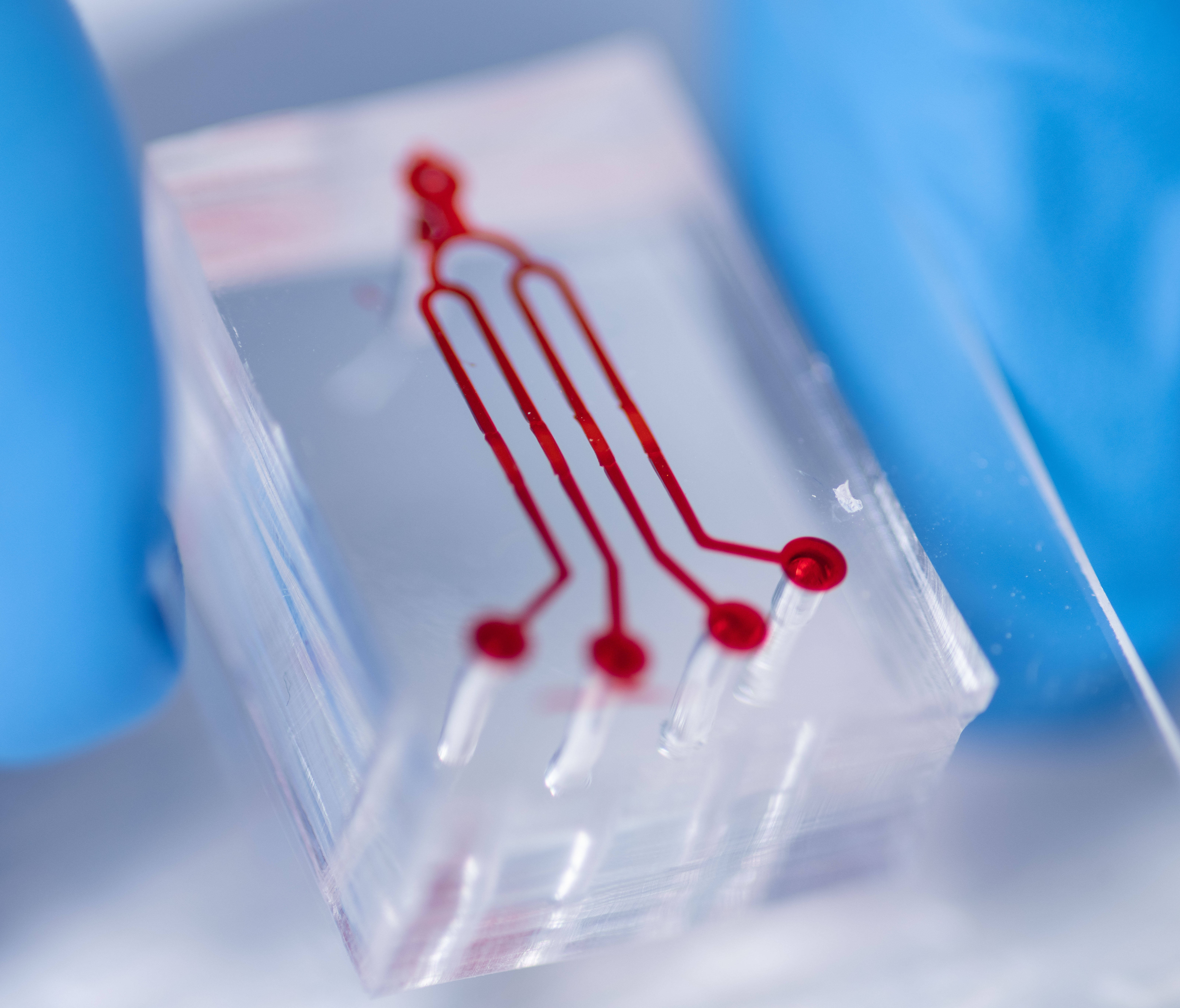
The blood comes in from the top and splits into four channels that can be observed separately. The middle region is where the channel narrows to mimic an atherosclerotic plaque. [Photo by Rob Felt]
Tess Malone, Senior Research Writer/Editor
tess.malone@gatech.edu
Enterprise Innovation Institute Hosts Foreign Entrepreneurs Through U.S. State Department Program
Jun 18, 2024 —
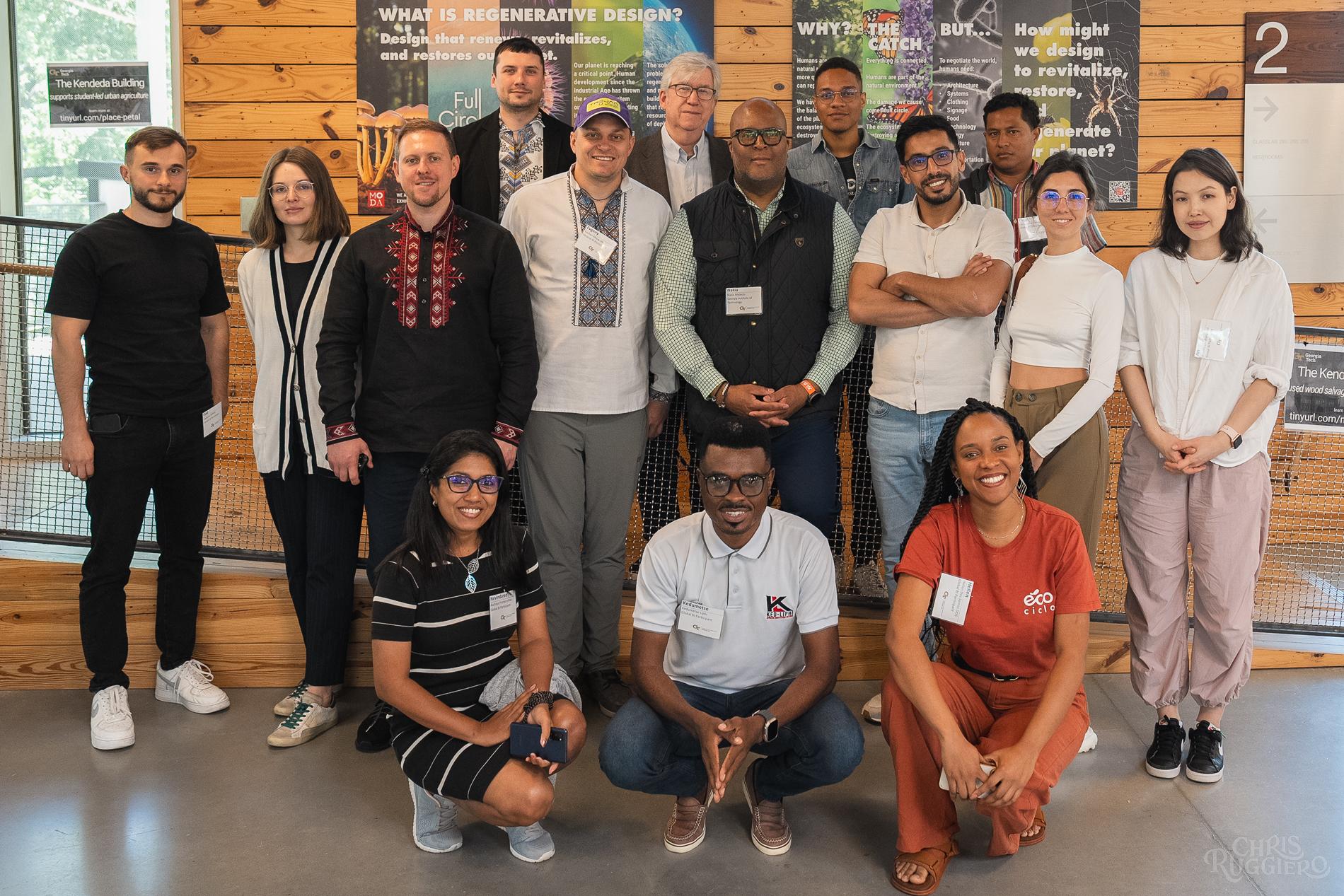
Nineteen entrepreneurs — mostly from Ukraine but some from other countries, including from Asia, the South Pacific, Latin America, and Africa — were at Georgia Tech’s Encore for several weeks in May and early June 2024 as part of a U.S. Department of State program focused on startup leaders seeking guidance on how to scale, explore potential expansion in the U.S., and how to build successful ecosystems. (VIDEO: Chris Ruggiero)
In the war between Russia and Ukraine, Yevhen Popov is something of an information warrior.
Popov is director of civic partnerships and research with Osavul, a Kyiv, Ukraine, information security startup founded in 2022.
Using artificial intelligence, the company’s software allows governments, non-governmental organizations, media, and other private sector clients to collect and analyze data from online networks and platforms to fight disinformation and cyberattacks. It launched just as war broke out in Ukraine.
“The invasion was not only on the ground, which was military with military force, but also with the minds of people,” Popov said. “So, with the disinformation attacks happening almost every day — two or three times a day — this is our response. It's a way to guide agencies and businesses to protect them from these harmful narratives and the harmful effects of these attacks.”
Popov and 18 other entrepreneurs — mostly from Ukraine but some from other countries, including Sri Lanka, Jordan, Fiji, Botswana, Brazil, and Mongolia — were at Georgia Tech’s Encore for several weeks in the spring as part of a U.S. State Department program.
That effort, the Global Innovation Through Science and Technology Initiative (GIST), connects innovators from emerging economies who want to scale with faculty experts and ecosystem builders from the U.S. who can help them succeed.
GIST is working with Nakia Melecio, who heads the Innovation Lab initiative at Georgia Tech’s economic development arm, the Enterprise Innovation Institute. Melecio has been tapped to lead several GIST-related ecosystem-building efforts in Asia, Africa, Europe, and Latin America.
While at Tech, the entrepreneurs met with campus leaders, researchers, and economic development experts from across the Institute, including the Office of Commercialization, VentureLab, CREATE-X, International Initiatives, and the Enterprise Innovation Institute’s EI2 Global.
“We've got the opportunity to share not only our resources, but our best practices to help these innovators blaze a trail within their own ecosystems and also figure out how to penetrate the U.S.,” Melecio said, adding that Georgia Tech is slated to host a cohort of entrepreneurs from Egypt later in the summer.
“We’re excited here at the Enterprise Innovation Institute to provide the level of coaching, support, and access that these founders need so they can be successful and hit their goals.”
The visiting entrepreneurs are just as excited.
“It's very interesting to be here because the ecosystem of startups is quite huge in Atlanta and in Georgia,” Popov said. “It's a good opportunity to be here with people who know what they're doing and know how they're doing it.”
Expanding her network and eyeing global expansion drew Ariuntuya Altangerel, co-founder and CEO of Brighton EdTech in Ulaanbaatar, Mongolia, to Georgia Tech.
The language learning startup was founded in 2011 to help facilitate, in an interactive way, mastery of English. Altangerel is exploring how the model can be replicated beyond her home country of 3.3 million people.
“We have a very small population, so for startups, we have no choice but to go global so that they can scale,” she said. Being at Georgia Tech is also giving her and the other GIST-hosted entrepreneurs opportunities to be fully immersed in a successful startup ecosystem.
“In our country, the startup ecosystem is at the seed level. It's growing faster and faster, but still, there are fewer opportunities for us to get an investment,” she said. “I just see this as a once-in-a-lifetime opportunity for us to dive into this ecosystem and learn as much as possible.”
Nevindaree Premarathne is the founder and CEO of The Makers in Sri Lanka, a company that aims to inculcate innovation habits in children through hands-on STEM activities and community building. The Makers has partnered with educational institutions, non-governmental organizations, and private enterprises to reach underprivileged schools and empower female students in STEM.
“We are getting a lot of knowledge from Georgia Tech,” Premarathne said, noting her company ships its activity boxes to 10 countries and is looking to scale.
“As a country, we have a small ecosystem,” she said. “We want to improve our network here, and seek investment opportunities and partnerships. It's really important for us, because of the space that we are working on in education.”
Learning how to crack the U.S. market is what Vlad Popov sought to achieve for his company, Platma, a two-year-old, no-code software development platform based in Kyiv.
“Our goal specifically is to find investors there and make a partnership that will help us in the U.S. market,” said Vlad Popov, who serves as Platma’s marketing director.
The war in Ukraine is driving some of those growth plans. “The war even accelerated us in this case, because we understand that every day can be the last day, so we work as hard as possible,” he said, adding that the team mostly works remotely but workdays are often interrupted by warning sirens, electricity disruptions, and missile strikes.
“Starting a business is good because you provide jobs for people, you pay taxes, you help the economy become strong — it’s important to start a business, even if it's hard.”
Péralte C. Paul
404.316.1210
peralte@gatech.edu
Nanowires Create Elite Warriors to Enhance T-Cell Therapy
Jun 12, 2024 —

Ankur Singh has developed a new way of programming T cells that retains their naïve state, making them better fighters. — Photo by Jerry Grillo
Adoptive T-cell therapy has revolutionized medicine. A patient’s T-cells — a type of white blood cell that is part of the body’s immune system — are extracted and modified in a lab and then infused back into the body, to seek and destroy infection, or cancer cells.
Now Georgia Tech bioengineer Ankur Singh and his research team have developed a method to improve this pioneering immunotherapy.
Their solution involves using nanowires to deliver therapeutic miRNA to T-cells. This new modification process retains the cells’ naïve state, which means they’ll be even better disease fighters when they’re infused back into a patient.
“By delivering miRNA in naïve T cells, we have basically prepared an infantry, ready to deploy,” Singh said. “And when these naïve cells are stimulated and activated in the presence of disease, it’s like they’ve been converted into samurais.”
Lean and Mean
Currently in adoptive T-cell therapy, the cells become stimulated and preactivated in the lab when they are modified, losing their naïve state. Singh’s new technique overcomes this limitation. The approach is described in a new study published in the journal Nature Nanotechnology.
“Naïve T-cells are more useful for immunotherapy because they have not yet been preactivated, which means they can be more easily manipulated to adopt desired therapeutic functions,” said Singh, the Carl Ring Family Professor in the Woodruff School of Mechanical Engineering and the Wallace H. Coulter Department of Biomedical Engineering.
The raw recruits of the immune system, naïve T-cells are white blood cells that haven’t been tested in battle yet. But these cellular recruits are robust, impressionable, and adaptable — ready and eager for programming.
“This process creates a well-programmed naïve T-cell ideal for enhancing immune responses against specific targets, such as tumors or pathogens,” said Singh.
The precise programming naïve T-cells receive sets the foundational stage for a more successful disease fighting future, as compared to preactivated cells.
Giving Fighter Cells a Boost
Within the body, naïve T-cells become activated when they receive a danger signal from antigens, which are part of disease-causing pathogens, but they send a signal to T-cells that activate the immune system.
Adoptive T-cell therapy is used against aggressive diseases that overwhelm the body’s defense system. Scientists give the patient’s T-cells a therapeutic boost in the lab, loading them up with additional medicine and chemically preactivating them.
That’s when the cells lose their naïve state. When infused back into the patient, these modified T-cells are an effective infantry against disease — but they are prone to becoming exhausted. They aren’t samurai. Naïve T-cells, though, being the young, programmable recruits that they are, could be.
The question for Singh and his team was: How do we give cells that therapeutic boost without preactivating them, thereby losing that pristine, highly suggestable naïve state? Their answer: Nanowires.
NanoPrecision: The Pointed Solution
Singh wanted to enhance naïve T-cells with a dose of miRNA, a molecule that, when used as a therapeutic, works as a kind of volume knob for genes, turning their activity up or down to keep infection and cancer in check. The miRNA for this study was developed in part by the study’s co-author, Andrew Grimson of Cornell University.
“If we could find a way to forcibly enter the cells without damaging them, we could achieve our goal to deliver the miRNA into naïve T cells without preactivating them,” Singh explained.
Traditional modification in the lab involves binding immune receptors to T-cells, enabling the uptake of miRNA or any genetic material (which results in loss of the naïve state). “But nanowires do not engage receptors and thus do not activate cells, so they retain their naïve state,” Singh said.
The nanowires, silicon wafers made with specialized tools at Georgia Tech’s Institute for Electronics and Nanotechnology, form a fine needle bed. Cells are placed on the nanowires, which easily penetrate the cells and deliver their miRNA over several hours. Then the cells with miRNA are flushed out from the tops of the nanowires, activated, eventually infused back into the patient. These programmed cells can kill enemies efficiently over an extended time period.
“We believe this approach will be a real gamechanger for adoptive immunotherapies, because we now have the ability to produce T-cells with predictable fates,” says Brian Rudd, a professor of immunology at Cornell University, and co-senior author of the study with Singh.
The researchers tested their work in two separate infectious disease animal models at Cornell for this study, and Singh described the results as “a robust performance in infection control.”
In the next phase of study, the researchers will up the ante, moving from infectious disease to test their cellular super soldiers against cancer and move toward translation to the clinical setting. New funding from the Georgia Clinical & Translational Science Alliance is supporting Singh’s research.
CITATION: Kristel J. Yee Mon, Sungwoong Kim, Zhonghao Dai, Jessica D. West, Hongya Zhu5, Ritika Jain, Andrew Grimson, Brian D. Rudd, Ankur Singh. “Functionalized nanowires for miRNA-mediated therapeutic programming of naïve T cells,” Nature Nanotechnology.
FUNDING: Curci Foundation, NSF (EEC-1648035, ECCS-2025462, ECCS-1542081), NIH (5R01AI132738-06, 1R01CA266052-01, 1R01CA238745-01A1, U01CA280984-01, R01AI110613 and U01AI131348).
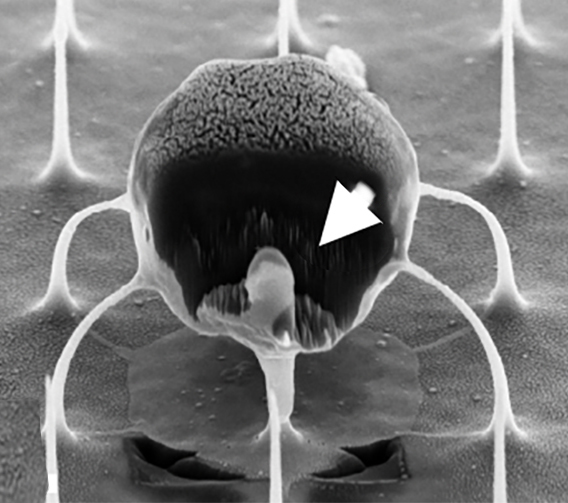
This is an image of a T cell on a nanowire array. The arrow indicates where a nanowire has penetrated the cell, delivering therapeutic miRNA.
Jerry Grillo
Researchers Help Maritime Industry Navigate Toward Sustainability
Jun 11, 2024 —

Ocean shipping, the backbone of international trade, is significantly more energy efficient than air or land transport. However, cutting down on ocean freight carbon emissions will require a great deal of collaboration and effort. (Credit: Getty Images)
When people think of greenhouse gas emissions from transportation, what often comes to mind are airplanes and land vehicles like cars or trucks. But as efforts to slow climate change are ramping up, the spotlight is on another form of transport: ships.
The U.N.’s International Maritime Organization (IMO) has set targets to reduce shipping greenhouse gas emissions by at least 40% by 2030 and 70% by 2040, aiming for net-zero by 2050. Shipping currently accounts for about 3% of global annual greenhouse gas emissions, and the pressure is on shipping companies to meet these ambitious goals.
Across Georgia Tech, researchers are working toward a sustainable future for ocean shipping. This includes Valerie Thomas, the Anderson-Interface Chair of Natural Systems Professor in the H. Milton Stewart School of Industrial and Systems Engineering, and in the School of Public Policy. She is scholar of energy systems, sustainability, assessment, and low-carbon transportation fuels, and her work touches many aspects of the maritime industry.
Finding Sustainable Solutions
“Today, we ship a lot of goods by ocean freight, and there is certainly an environmental impact with shipping,” Thomas said. “But the emissions from shipping a product from East Asia to the U.S. on a bulk carrier vessel are significantly lower than trucking a product across the U.S. When ships are filled to the brim with cargo and are moving slowly across oceans, this is energy efficient, fuel efficient, and even cost efficient per ton of ‘stuff’ transported.”
While ocean shipping is significantly more energy efficient than air or land transport and contributes far fewer emissions, Thomas says cutting down on ocean freight emissions will require a great deal more effort. One way is to find more eco-friendly fuels.
“I look at big systems, and one of those areas is investigating alternative fuels,” Thomas said. “I’m often trying to figure out how much greenhouse gas various fuels emit, what other types of emissions or matter are coming out, and how to compare different fuel options.”
Thomas is a leading expert in life-cycle assessment. It is a method used to evaluate a fuel or technology's environmental impact throughout its entire cycle — from raw materials extraction, processing, manufacturing, distribution, and ultimately, use. Right now, basically all ships use petroleum fuels, which emit carbon dioxide and particulate matter into the air.
Finding fuel alternatives is not a simple task: Just because a fuel might initially seem like a promising low-carbon option, that is not always the case in the end. Thomas’s expertise in life-cycle assessments helps her figure out whether these possible fuels are truly environmentally friendly.
“One such example is hydrogen: It doesn’t emit carbon dioxide when burned,” Thomas said. “But the manufacturing of hydrogen can emit carbon dioxide, and therefore, hydrogen is not always a low-carbon fuel on a lifecycle basis.”
Helping the Shipping Industry Cut Carbon
Patricia Stathatou, a researcher at Georgia Tech’s Renewable Bioproducts Institute, specializes in sustainability assessment of chemical engineering processes and products, which includes lifecycle assessments and techno-economic assessments, evaluating both the environmental impacts and the economic viability of products and processes. Stathatou, who will join the School of Chemical and Biomolecular Engineering as an assistant professor in January 2025, also conducts experiments to support these assessments and guide the development of new technologies.
“My contribution to the lifecycle assessment field is that I support assessments with in-field emission monitoring, taking samples, and performing chemical analyses,” Stathatou said. “This helps identify specific pollutants that might be emitted into the air or be present in water, wastewater, or solid waste streams.”
But as maritime shipping companies rise to the challenge of cutting emissions, they often do not know where to start. This is where Stathatou’s experience comes in.
During her postdoctoral research at MIT, a major shipping company reached out to Stathatou and her colleagues asking for help in cutting emissions. They wanted to increase the energy efficiency of their fleet and investigate different strategies and technologies to eventually reach the IMO’s emissions goals.
Because of Stathatou’s expertise in alternative fuels, biofuels, and sustainable energy sources, she investigated potential solutions for the company, which included a six-day research trip monitoring emissions aboard one of the company’s bulk carrier vessels in East Asia. Her work involves designing experiments, measuring emissions, and evaluating the environmental impact of different fuels onboard bulk carrier vessels.
“Ten years ago, there weren't rigorous goals or guidelines for reducing emissions in the shipping industry — and not much scientific collaboration in the process,” Stathatou said. “If we are to make a difference in the industry in regard to climate, we need partnerships with shipping companies to help guide their efforts.”
Stathatou plans to continue her collaborations with shipping companies and expects to carry out more on-ship evaluations soon.
The Big Picture
According to Thomas, a holistic approach is needed to make shipping more sustainable. "It's not just about the fuels we use; it's about optimizing supply chains, reducing empty freight, and leveraging multimodal transportation options," Thomas said. "By embracing net-zero freight initiatives and maximizing efficiency in logistics, we can achieve meaningful reductions in emissions while meeting the demands of global trade."
Encouraging shifts to ocean freight is another means of reducing emissions. For example, if a company wants to transport goods from Miami to Baltimore, they don’t need to go by road or rail. “You can ship your freight on the ocean along the coast, and that could be more environmentally efficient,” Thomas said.
The work Thomas and Stathatou do is part of a broad portfolio of shipping sustainability research at Georgia Tech, which also includes the Georgia Tech Supply Chain and Logistics Institute, the Panama Logistics and Innovation Research Center, and the Net Zero Freight Systems Program, which Thomas co-leads. These partnerships aim to enhance the efficiency and sustainability of global supply chains, leveraging innovative research and practical applications.
“The work of evaluating different fuels, technologies, and strategies is not trivial, and figuring out these new methods does not happen quickly,” Thomas said. “These are difficult technologies, and it takes a long time to put them in place. That is why we need to do this work now.”
Stathatou envisions that, with more shipping companies now looking to curb their emissions, there will be significant adoption of new fuels and technologies within the next decade.
“Ocean shipping is a transportation sector that we cannot go without, and so decarbonizing it is very important,” Stathatou said. “I believe the ability to perform these assessments and guide the development of future solutions will have a tremendous impact on humanity.”

Valerie Thomas, the Anderson-Interface Chair of Natural Systems Professor in the H. Milton Stewart School of Industrial and Systems Engineering, and in the School of Public Policy. (Credit: Camille C. Henriquez)
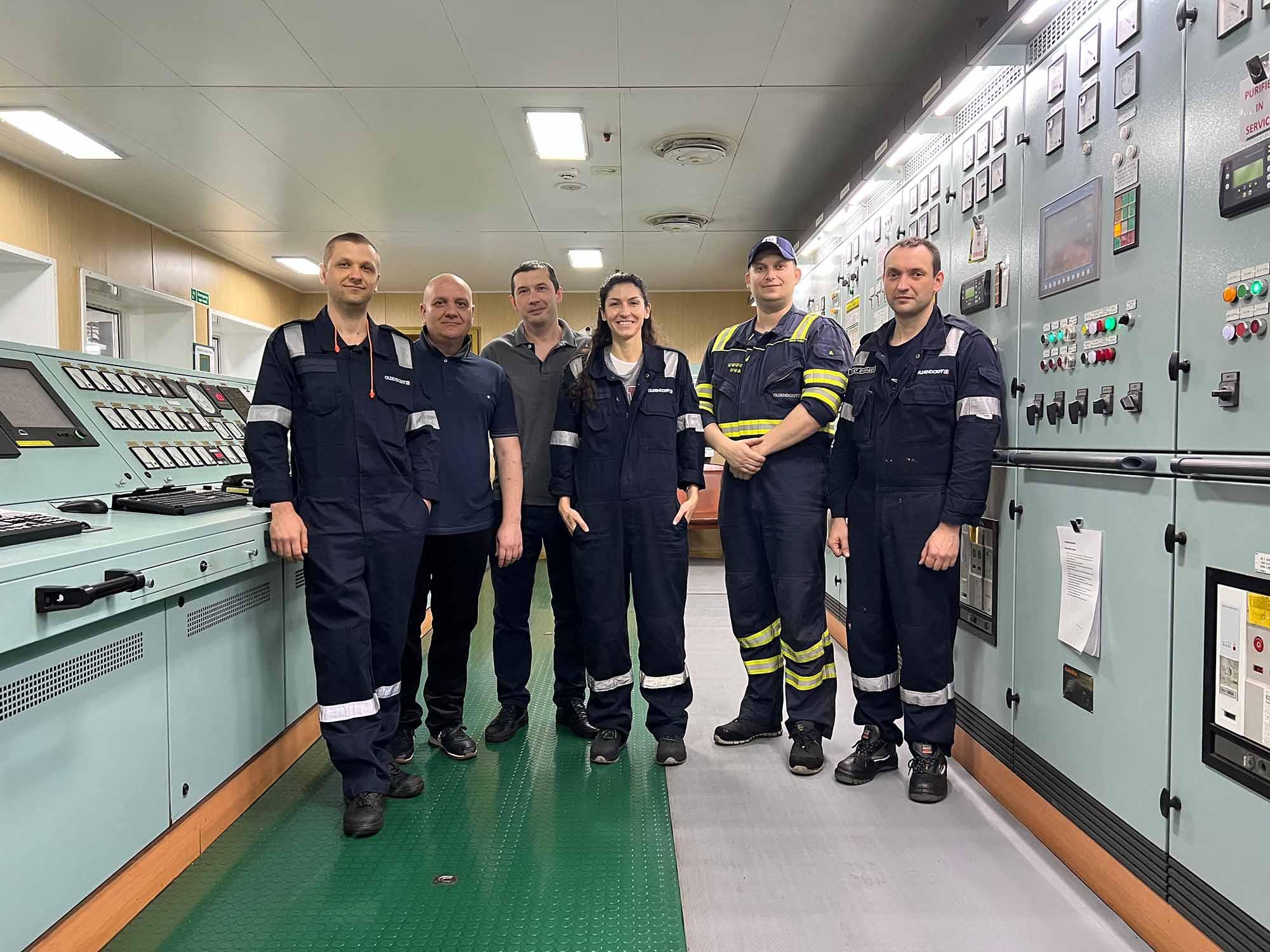
Patricia Stathatou (third from right), a researcher at the Renewable Bioproducts Institute, with the carrier vessel's crew members. (Credit: Patricia Stathatou)
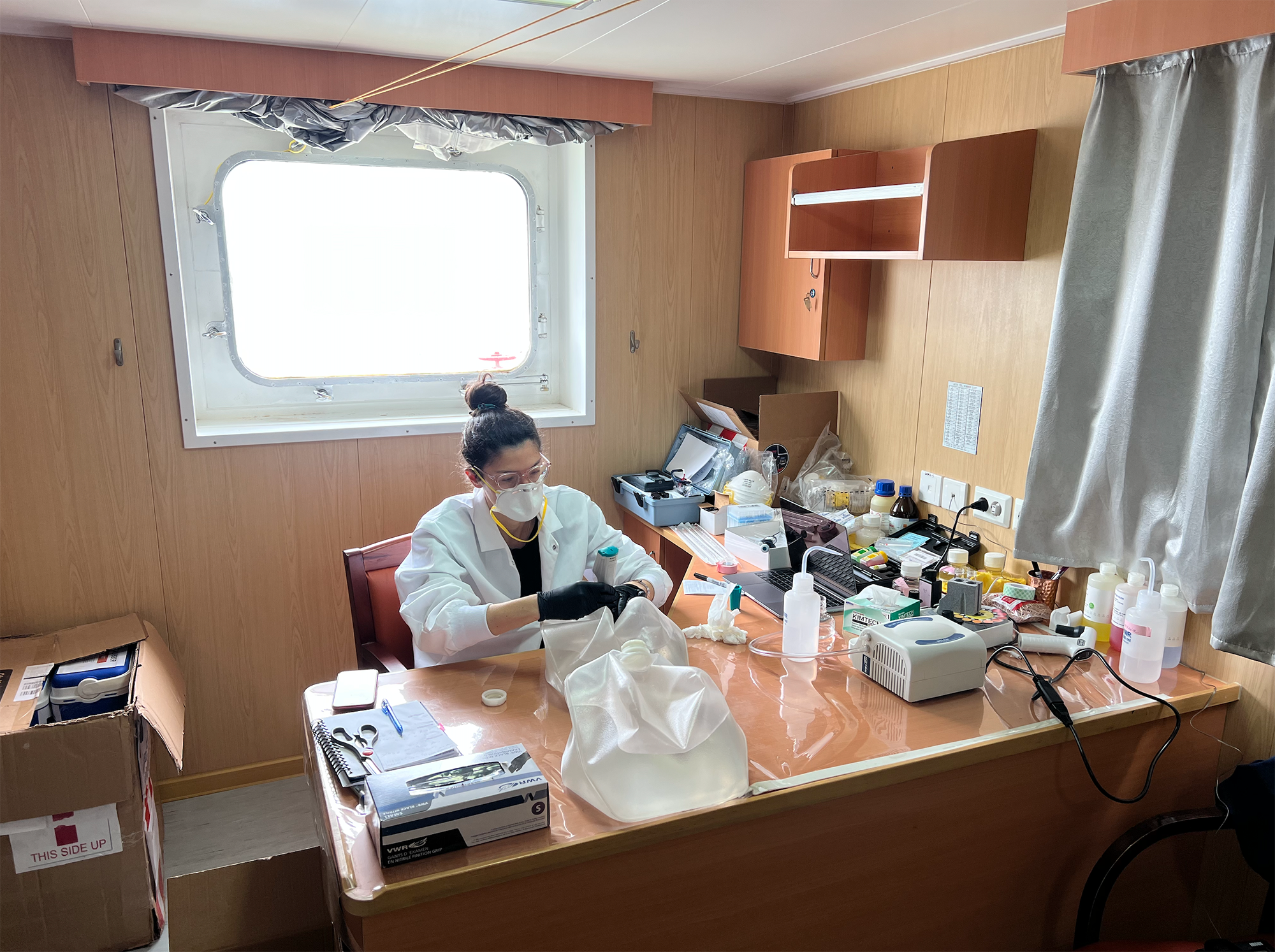
Stathatou preserving water and washwater samples from the vessel's scrubber so they can be stored and analyzed later in the lab. (Credit: Patricia Stathatou)
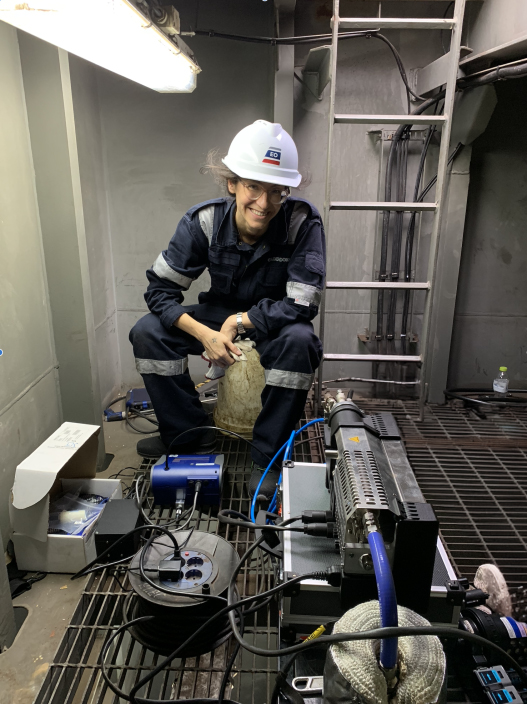
Stathatou prepares to measure particulate matter emissions in the vessel's funnel — a very windy area of the ship. (Credit: Patricia Stathatou)
Catherine Barzler, Senior Research Writer/Editor