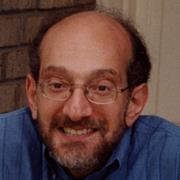
Terry Snell

Terry Snell
terry.snell@biosci.gatech.edu

Terry Snell, an Emeritus Professor in the School of Biological Sciences, is a member of the Parker H. Petit Institute for Bioengineering and Bioscience.

Professor Emeritus
Phone
404-385-4498
Office
Cherry Emerson 201
Additional Research
Chemical ecology of zooplankton; mate recognition; evolutionary ecology; aquatic toxicology; gene expression in response to environmental stress; aquaculture. 
Research Focus Areas
Google Scholar
https://scholar.google.com/citations?user=_4PzVMEAAAAJ&hl=en
http://biosciences.gatech.edu/people/terry-snell
Terry
Snell
Show Regular Profile

Amit Reddi

Amit Reddi
amit.reddi@chemistry.gatech.edu

Metalloproteins constitute one of the largest classes of proteins in the proteome and are involved in virtually every metabolic and signaling pathway of consequence to human health and disease. Broadly speaking, the Reddi laboratory is interested in determining the cellular, molecular, and chemical mechanisms by which metalloproteins are activated by cells, and once activated, how they communicate with other biomolecules to promote normal metabolism and physiology, placing an emphasis on systems relevant to cancer, neurodegenerative disorders, and infectious diseases. Current projects in the lab are focused on elucidating heme trafficking pathways and the role of Cu/Zn Superoxide Dismutase (SOD1) in redox signaling. Prospective students will get broad training in disciplines that span modern biochemistry, bioinorganic chemistry, biophysics, chemical biology, molecular genetics, and cell biology.      

Associate Professor
Phone
404-385-1428
Office
Petit Biotechnology Building, Office 3313
Additional Research
Metalloproteins constitute one of the largest classes of proteins in the proteome and are involved in virtually every metabolic and signaling pathway of consequence to human health and disease. Broadly speaking, the Reddi laboratory is interested in determining the cellular, molecular, and chemical mechanisms by which metalloproteins are activated by cells, and once activated, how they communicate with other biomolecules to promote normal metabolism and physiology, placing an emphasis on systems relevant to cancer, neurodegenerative disorders, and infectious diseases. Current projects in the lab are focused on elucidating heme trafficking pathways and the role of Cu/Zn Superoxide Dismutase (SOD1) in redox signaling. Prospective students will get broad training in disciplines that span modern biochemistry, bioinorganic chemistry, biophysics, chemical biology, molecular genetics, and cell biology.
Google Scholar
https://scholar.google.com/citations?user=5c8uJMAAAAAJ&hl=en&oi=ao
Amit
Reddi
R.
Show Regular Profile

Roman Mezencev

Roman Mezencev
roman.mezencev@biosci.gatech.edu
https://orcid.org/0000-0003-4361-7628

Roman Mezencev is an adjunct associate professor in the School of Biological Sciences at Georgia Tech and a scientist at the U.S. EPA’s National Center of Public Health and Environmental Assessment. His areas of research interest include cancer biology, pharmacology, toxicogenomics, protein misfolding diseases, and public health. In cancer biology, his main research focuses on using omics data to identify new cancer subtypes through molecular profiling, which can help enhance their diagnosis and treatment. Additionally, Mezencev explores the use of omics data to predict and understand chemically-induced cancer and other adverse outcomes to protect public health. He is also investigating the intriguing epidemiological associations and mechanistic connections between cancer and Alzheimer’s disease (AD), as well as other protein-misfolding diseases. By understanding these associations, we can identify shared risk factors and molecular mechanisms that can lead to the development of new anti-cancer and anti-AD drugs and enhance our understanding of these complex diseases.
 

Adjunct Associate Professor, School of Biological Sciences
Phone
404-992-0151
Roman
Mezencev
Show Regular Profile

Daniel Goldman

Daniel Goldman
dgoldman3@gatech.edu
The Crab Lab

My research integrates my work in complex fluids and granular media and the biomechanics of locomotion of organisms and robots to address problems in nonequilibrium systems that involve interaction of matter with complex media. For example, how do organisms like lizards, crabs, and cockroaches cope with locomotion on complex terrestrial substrates (e.g. sand, bark, leaves, and grass). I seek to discover how biological locomotion on challenging terrain results from the nonlinear, many degree of freedom interaction of the musculoskeletal and nervous systems of organisms with materials with complex physical behavior. The study of novel biological and physical interactions with complex media can lead to the discovery of principles that govern the physics of the media. My approach is to integrate laboratory and field studies of organism biomechanics with systematic laboratory studies of physics of the substrates, as well as to create mathematical and physical (robot) models of both organism and substrate. Discovery of the principles of locomotion on such materials will enhance robot agility on such substrates

Dunn Family Professor; School of Physics
Director; Complex Rheology And Biomechanics (CRAB) Lab
Phone
404.894.0993
Office
Howey C202
Additional Research

biomechanics; neuromechanics; granular media; robotics; robophysics

University, College, and School/Department
Google Scholar
https://scholar.google.com/citations?hl=en&user=r7wE4M4AAAAJ&view_op=list_works&sortby=pubdate
Profile on GT Physics
Daniel
Goldman
I.
Show Regular Profile

Mark Styczynski

Mark Styczynski
mark.styczynski@chbe.gatech.edu
Website

Mark Styczynski is an Associate Professor in the School of Chemical & Biomolecular Engineering at the Georgia Institute of Technology (Georgia Tech), doing research at the interface of synthetic and systems biology as applied to metabolic systems. His synthetic biology work focuses on the development of low-cost, minimal-equipment biosensors for the diagnosis of nutritional deficiencies in the developing world. His systems biology work uses computational and experimental methods to characterize metabolic dynamics and regulation using metabolomics data. He has received young investigator awards from the NSF, DARPA, and ORAU. He has won multiple department-and institute-level teaching awards at Georgia Tech. He founded and was the first president of the Metabolomics Association of North America (MANA), and is a Council Member in the Engineering BiologyResearch Consortium.

Professor
Phone
404-894-2825
Office
EBB 4013
Additional Research
Modelling and controlling metabolic dynamics and regulation (metabolic engineering). Biofuels. Systems biology-based experimental and bioinformatics analysis of metabolism Synthetic biology for the development of biosensors and diagnostics The main focus of theStyczynski groupis the experimental and computational study of the dynamics and regulation of metabolism, with ultIMaTe applications in metabolic engineering, biotechnology, and biosensors/diagnostics.
Google Scholar
https://scholar.google.com/scholar?q=Mark+P+Styczynski&hl=en
Related Site
Mark
Styczynski
Show Regular Profile

Joel Kostka

Joel Kostka
joel.kostka@biology.gatech.edu
Website

Dr. Kostka is currently a professor of Biology at Georgia Institute of Technology (GT). Prior to GT, he was an Associate Professor at the Department of Oceanography, Florida State University. His research involves microorganism studies in geochemical cycles of pristine and contaminated ecosystems, from the oceans to the terrestrial subsurface.

Professor, School of Biological Sciences
Associate Chair of Research, School of Biological Sciences
Phone
(404) 385-3325
Research Focus Areas
Related Site
Joel
Kostka
Show Regular Profile

Hang Lu

Hang Lu
hang.lu@gatech.edu
Lµ Fluidics Group

Hang Lu received her B.S. from the University of Illinois, Urbana-Champaign and her M.S.C.E.P and Ph.D. from the Massachusetts Institute of Technology. She is currently the Associate Dean for Research and Innovation in the College of Engineering and C. J. "Pete" Silas Chair, School of Chemical & Biomolecular Engineering at the Georgia Institute of Technology. Lu's research interests involve the interface of engineering and biology and her lab, the Lu Fluidics Group, is conducting research at these interface levels. The Lu Fluidics Group engineers BioMEMS (Bio Micro-Electro-Mechanical System) and microfluidic devices to address questions in neuroscience, cell biology, and biotechnology that are difficult to answer using conventional techniques.

Faces of Research - Profile Article

Associate Dean for Research and Innovation, College of Engineering
C. J. "Pete" Silas Chair, School of Chemical and Biomolecular Engineering
Phone
404.894.8473
Office
EBB 3017
Additional Research

Microfluidic systems for high-throughput screens and image-based genetics and genomicsSystems biology: large-scale experimentation and data miningMicrotechnologies for optical stimulation and optical recordingBig data, machine vision, automationDevelopmental neurobiology, behavioral neurobiology, systems neuroscienceCancer, immunology, embryonic development, stem cells

Google Scholar
https://scholar.google.com/citations?hl=en&user=DDKNuYgAAAAJ&view_op=list_works&sortby=pubdate
LinkedIn ChBE Profile Page
Hang
Lu
Show Regular Profile

Julien Meaud

Julien Meaud
julien.meaud@me.gatech.edu
Related Site

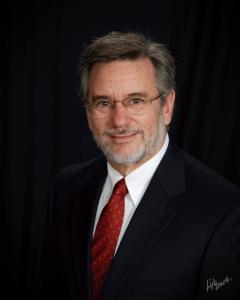
Julien Meaud joined Georgia Tech as an Assistant Professor of Mechanical Engineering in August 2013. Before joining Georgia Tech, he worked as a research fellow in the Vibrations and Acoustics Laboratory and in the Computational Mechanics Laboratory at the University of Michigan, Ann Arbor. 

Dr. Meaud investigates the mechanics and physics of complex biological systems and the mechanics and design of engineering materials using theoretical and computational tools. 

One of his research interests is auditory mechanics. In this research, he develops computational multiphysics models of the mammalian ear based on the finite element method. The mammalian ear is a nonlinear transducer with excellent frequency selectivity, high sensitivity, and good transient capture. The goal of this basic scientific research is to better understand how the mammalian ear achieves these characteristics. This research could have important clinical applications as it could help in the development of better treatment and the improvement of diagnostic tools for hearing loss. It could also have engineering applications, such as the design of biometic sensors. This research is truly interdisciplinary as it includes aspects of computational mechanics, structural acoustics, nonlinear dynamics, biomechanics and biophysics. 

Dr. Meaud is also interested in the mechanics, design and optimization of composite materials, particularly of their response to cyclic loads. Tradtional engineering and natural materials with high damping (such as rubber) tends to have low stiffness. However, the microarchitecture of composite materials that consist of a lossy polymer and a stiff constituent can be designed to simultaneously obtain high stiffness and high damping. Using computational tools such as finite element methods and topology optimization, the goal of Dr. Meaud's research is to design composite materials with these unconventional properties. One of his future goal is to extend the design of these materials to the finite strain regime and high frequency ranges, in order to obtained materials tailored for the targetted application. This research includes aspects of mechanics of materials, computational mechanics and structural dynamics. 

In Dr. Meaud's research group, students will learn theoretical and computational techniques that are used extensively to solve engineering problems in academic research and industry. Students will develop knowledge and expertise in a broad array of mechanical engineering areas. The knowledge that students will gain in computational mechanics, nonlinear and structural dynamics, structural acoustics, dynamics and composite materials could be applied to many domains in their future career.

Associate Professor
Phone
404-385-1301
Office
Love 129
Additional Research

Meaud investigates the mechanics and physics of complex biological systems and the mechanics and design of engineering materials using theoretical and computational tools. One of his research interests is auditory mechanics. In this research, he develops computational multiphysics models of the mammalian ear based on the finite element method. The mammalian ear is a nonlinear transducer with excellent frequency selectivity, high sensitivity, and good transient capture. The goal of this basic scientific research is to better understand how the mammalian ear achieves these characteristics. This research could have important clinical applications as it could help in the development of better treatment and the improvement of diagnostic tools for hearing loss. It could also have engineering applications, such as the design of biometic sensors. This research is truly interdisciplinary as it includes aspects of computational mechanics, structural acoustics, nonlinear dynamics, biomechanics and biophysics. Dr. Meaud is also interested in the mechanics, design and optimization of composite materials, particularly of their response to cyclic loads. Tradtional engineering and natural materials with high damping (such as rubber) tends to have low stiffness. However, the microarchitecture of composite materials that consist of a lossy polymer and a stiff constituent can be designed to simultaneously obtain high stiffness and high damping. Using computational tools such as finite element methods and topology optimization, the goal of Dr. Meaud's research is to design composite materials with these unconventional properties. One of his future goal is to extend the design of these materials to the finite strain regime and high frequency ranges, in order to obtained materials tailored for the targetted application. This research includes aspects of mechanics of materials, computational mechanics and structural dynamics.

Research Focus Areas
Google Scholar
https://scholar.google.com/citations?user=jJTt8i8AAAAJ&hl=en&oi=ao
Julien
Meaud
Show Regular Profile

Nael McCarty

Nael McCarty
namccar@emory.edu
Website

In the McCarty lab, we focus on the molecular physiology of ion channels and receptors, with emphasis on epithelial chloride channels. Our specific focus is the pathophysiology of Cystic Fibrosis, including the structure/function of CFTR and its many roles in the airway. We pioneered the use of peptide toxins as probes of chloride channels. We also have projects that study the functional consequences of heterodimerization among GPCRs, the role of CFTR in regulation of sweat composition, and the molecular ecology of predator-prey interactions in the marine environment. Our translational research in CF targets: (a) the mechanism by which the expression of mutant CFTR in airway epithelial cells impacts the development of CF-related diabetes; and (b) identification of biomarkers of acute pulmonary exacerbations in CF along with development of a novel device for their detection in the home. 

The goal of the Center for Cystic Fibrosis Research is to engage Atlanta researchers in basic and translational research that will lead to a better understanding of the pathophysiology of this disease and/or generate new devices and treatments to increase the length and quality of life for CF patients. The novel theme for these research activities is 'The Systems Biology of the CF Lung'.

Marcus Professor of Cystic Fibrosis
Professor and Senior Cystic Fibrosis Scientist, Department of Pediatrics
Director, Center for Cystic Fibrosis Research
Director, Emory+Children’s CF Center of Excellence
Phone
404-727-3654
Office
Emory Children's Center Building 334a
Additional Research
Molecular physiology of ion channels and receptors, with emphasis on epithelial chloride channels. Our specific focus is the pathophysiology of Cystic Fibrosis, including the structure/function of CFTR and its many roles in the airway.
University, College, and School/Department
Google Scholar
http://scholar.google.com/scholar?as_q=nael+mccarty&num=10&btnG=Search+Scholar&as_epq=&as_oq=&as_eq=&as_occt=any&as_sauthors=NA+McCarty&as_publication=&as_ylo=&as_yhi=&as_sdt=1.&as_sdtp=on&as_sdts=11&hl=en
LinkedIn Related Site
Nael
McCarty
Show Regular Profile

Guy Benian

Guy Benian
pathgb@emory.edu

Guy Benian is a professor of cell biology and pathology in the Department of Pathology and Laboratory Medicine at Emory University School of Medicine. His research focus is on myofibril assembly and maintenance in the model genetic system, Caenorhabditis elegans; focus on the functions and structures of giant multi-domain proteins, and the mechanism by which myofibrils are attached to the muscle cell membrane and transmit force.

Department of Pathology and Laboratory Medicine Professor
Professor of Cell Biology, Emory University School of Medicine
Professor of Pathology, Emory University School of Medicine
Phone
404-727-5953
Office
Biomedical Research Building 105E
Additional Research
We use the powerful model genetic organism, C. elegans, to discover new conserved aspects about muscle assembly, maintenance and regulation. Although our work is basic science, it has relevance to human diseases of muscle including cardiomyopathies and muscular dystrophies. Our main projects are: (1) The structures and functions of giant polypeptides in muscle, >700,000 Da, that consist of multiple Ig and Fn domains and one or two protein kinase domains. One focus is to determine the substrates for these kinases, and how they are activated (normally autoinhibited). The problem of activation is being studied in collaboration with structural biologist Olga Mayans (Univ. of Konstanz) and biomedical engineer Hang Lu (Georgia Tech). Recently, we have discovered that UNC-89 (human "obscurin") kinase activity is required for proper mitochondrial organization and function. This has initiated a collaboration with Jennifer Kwong in Emory's Pediatrics Dept. (2) The molecular mechanism by which the muscle contractile units (sarcomeres) are attached to the muscle cell membrane and transmit force. This involves "integrin adhesion complexes" (IACs) consisting of the trans-membrane protein integrin and many other proteins. C. elegans muscle has 3 such IACs, and through a mutant screen, we discovered a conserved protein (a GEF for Rac) that directs assembly specifically at one of these sites. (3) In collaboration with biophysicist Andres Oberhauser (UTMB), we are studying the mechanisms by which the conserved myosin head chaperone, UNC-45 folds or re-folds myosin heads, and we have recently discovered a role for UNC-45 in muscle aging (sarcopenia). This project has also branched into a screen for small compounds that increase the expression of UNC-45 and reduce sarcopenia. (4) We have a long-term collaboration with Dan Kalman in Emory's Pathology Dept. to study the beneficial effects of small molecules produced by the gut microbiome that promote healthspan, especially the attenuation of sarcopenia.
Research Focus Areas
University, College, and School/Department
Related Site
Guy
Benian
Show Regular Profile