Felipe Garcia Quiroz

Felipe Garcia Quiroz
Website

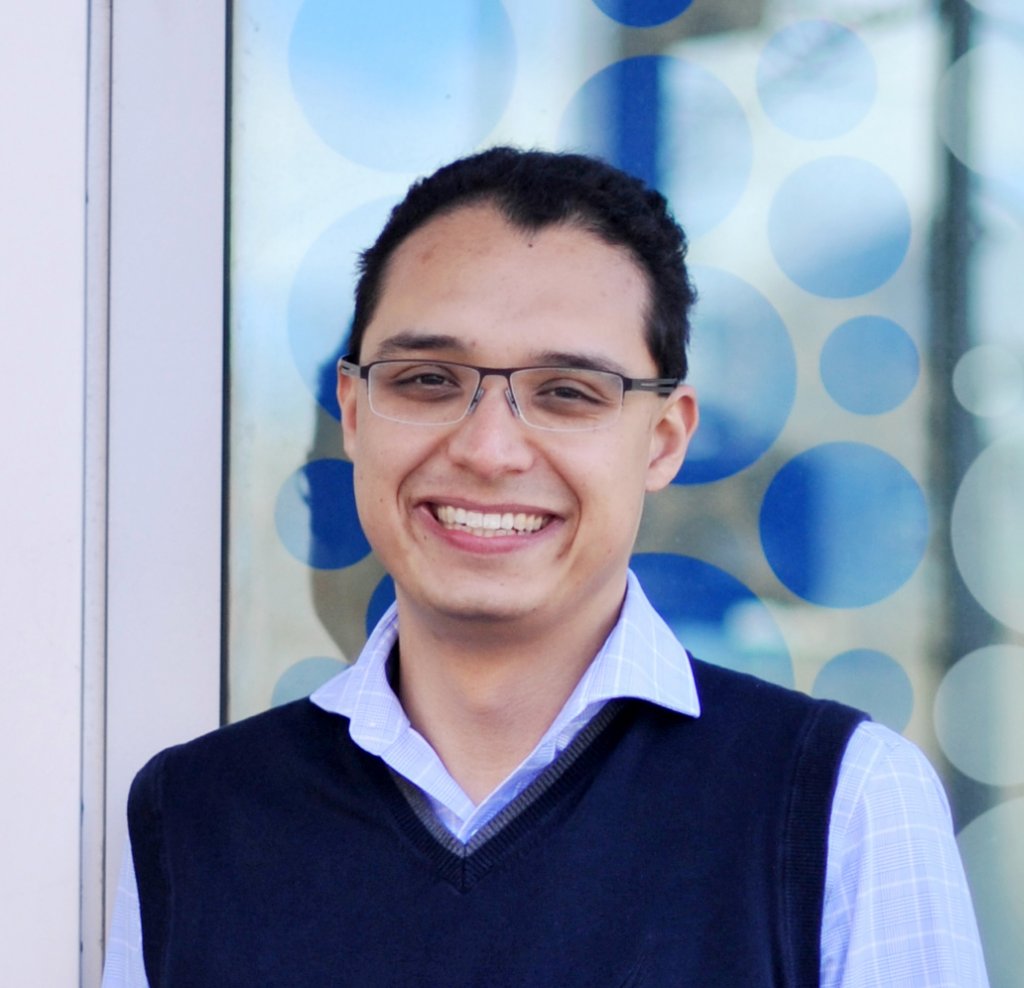
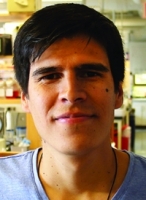
Felipe trained as a biomedical engineer in his native Colombia before obtaining a PhD from the Biomedical Engineering department of Duke University. At Duke, working in the laboratory of Ashutosh Chilkoti, he focused on the engineering of genetically-encoded, self-assembling protein polymers. An important outcome of this PhD work was the elucidation of sequence rules to program the phase separation behavior of intrinsically disordered proteins (IDPs). Motivated by a newly acquired ability to engineer the phase behavior of IDPs, for his postdoctoral work he turned to their poorly-understood biology. To pursue skin as an outstanding biological system, Felipe joined the group of Elaine Fuchs at Rockefeller University. Felipe’s postdoctoral research led to the discovery that liquid-liquid phase separation drives the process of skin barrier formation. In 2020, he established the Quiroz Lab in the Wallace H. Coulter Department of Biomedical Engineering at Georgia Tech and Emory University, where he is currently an Assistant Professor. Felipe is the recipient of multiple research awards, including a Career Award at the Scientific Interface from the Burroughs Wellcome Fund and the NIH Director’s New Innovator Award.
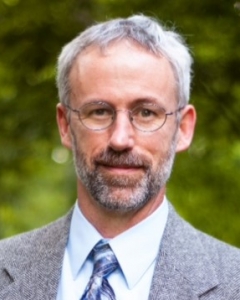
Assistant Professor
Phone
404-251-5435
Office
Health Sciences Research Building, Room E184 (Emory)
Google Scholar
https://scholar.google.com/citations?user=zlXwjXcAAAAJ&hl=en&oi=ao
Coulter Department of Biomedical Engineering Coulter Department of Biomedical Engineering
Felipe
Quiroz
Garcia
Show Regular Profile

Robert Guldberg

Robert Guldberg
robert.guldberg@me.gatech.edu

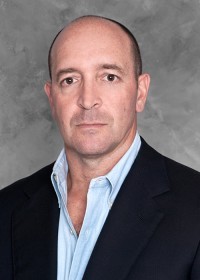
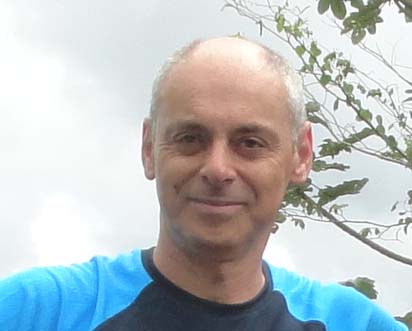
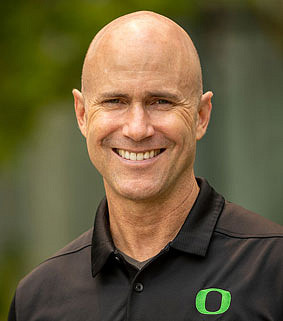
Robert E. Guldberg is the DeArmond Executive Director of the Phil and Penny Knight Campus for Accelerating Scientific Impact and Vice President of the University of Oregon. Guldberg’s research is focused on musculoskeletal mechanobiology, regenerative medicine, and orthopaedic medical devices. Over his 25+ year academic career, Dr. Guldberg has produced over 280 peer-reviewed publications, served as an advisor and board member for numerous biotechnology companies, and co-founded six start-ups. He was previously executive director of the Parker H. Petit Institute for Bioengineering and Bioscience at Georgia Tech from 2009-2018. In 2018, he was selected from a national search to lead the Knight Campus as its inaugural permanent Executive Director, where he has led the creation of its strategic plan, hired faculty into the campus’ first building opened in 2020, and launched the University of Oregon’s first ever engineering degree program. In 2021, he led the launch of Phase 2 of the Knight Campus development with the announcement of a second $500 million gift from Phil and Penny Knight. At the national level, Dr. Guldberg is past Chair of the Americas Chapter of the Tissue Engineering and Regenerative Medicine International Society (TERMIS-AM). He currently serves on the Executive Leadership Council of the Wu Tsai Human Performance Alliance, a $220 million global initiative to promote wellness and peak performance through scientific discovery and innovation. Dr. Guldberg is an elected fellow of TERMIS, the American Society of Mechanical Engineers (ASME), the American Institute for Medical and Biological Engineering (AIMBE), the Orthopaedic Research Society (ORS), and the National Academy of Inventors (NAI).

Vice President and Robert and Leona DeArmond Executive Director
Adjunct Professor
Phone
541-346-3110
Additional Research
Guldberg's research interests focus on musculoskeletal growth and development, functional regeneration following traumatic injury, and degenerative diseases, including skeletal fragility and osteoarthritis. His research is supported by the NIH, NSF, DoD, and several biotechnology companies and has resulted in over 150 book chapters and publications. Guldberg is a Fellow of the American Institute for Medical and Biological Engineering (AIMBE) and holds several national leadership positions.
Google Scholar
https://scholar.google.com/citations?user=8_Yj_RwAAAAJ&hl=en
LinkedIn https://accelerate.uoregon.edu/robert-guldberg
Robert
Guldberg
E.
Show Regular Profile

Edward Balog

Edward Balog
ed.balog@ap.gatech.edu
Website

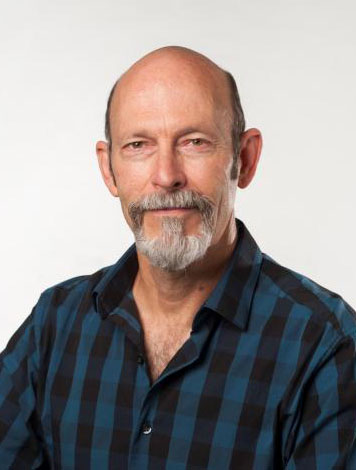
Ryanodine receptors (RyRs) are intracellular ion channels that mediate the release of calcium from intracellular stores. RyR1 and RyR2 are the predominate isoforms in skeletal and cardiac muscle, respectively where they play a central role in excitation-contraction coupling. RyRs are the largest known ion channels and are regulated by a multitude of endogenous effectors including ions, small molecules, and accessory proteins. An area of interest is the regulation of these channels by endogenous effectors, especially as it relates to altered contractile function associated with cardiac ischemia, skeletal muscle fatigue and aging. 

Because of their central role in cellular calcium regulation, defects in RyR channels can lead to potentially fatal disorders. Mutations in RyR1 give rise to the pharmacogenetic skeletal muscle disorder, malignant hyperthermia (MH). RyR2 mutations have been identified in catecholaminergic polymorphic ventricular tachycardia. We are interested in determining the molecular mechanisms by which these mutations alter RyR channel function. 

We analyze channel function on multiples levels of organization. Sarcoplasmic reticulum vesicle [3H]ryanodine binding is used to examine large populations of channels. We incorporate channels into artificial lipid bilayers in order to record single channel currents and assess channel kinetics. Calcium release from permeabilized muscle fibers provides a method of examining RyR function in situ. My research has two long-range goals. The first is to understand how intracellular calcium is regulated and how alterations in the regulation effects cell function. The second goal is to understand the RyR regulatory sites that might be exploited for the development of pharmacological compounds to treat disorders of cellular calcium regulation.

Associate Professor
Phone
404-894-3957
Office
AP 1303
Additional Research
Research in our laboratory focuses on a class of intracellular ion channels know as ryanodine receptors (RyRs). In mammals, there are three RyR isoforms. RyR1 and RyR2 are the predominate isoforms in skeletal and cardiac muscle, respectively where they are the primary efflux pathway for the release of calcium from the sarcoplasmic reticulum to activate contraction. RyR3 has a wide tissue distribution and contributes to calcium regulation in a variety of cell types. RyRs are the largest known ion channel and are regulated by a multitude of endogenous effectors, including ions, metabolites and regulatory proteins. Therefore, an area of interest is the regulation of these RyR channels by endogenous effectors; especially as it relates to altered contractile function associated with cardiac and skeletal disease, skeletal muscle fatigue and aging. We analyze channel function on multiples levels of organization. Sarcoplasmic reticulum vesicle [3H]ryanodine binding is used to examine large populations of channels. Individual channels are incorporated into artificial lipid bilayers in order to record single channel currents and assess channel kinetics. Calcium release from permeabilized muscle fibers provides a method of examining RyR function in situ. My research has two long-range goals. The first is to understand how intracellular calcium is regulated and how alterations in the regulation effects cell function. The second goal is to understand the RyR regulatory sites that could potentially be exploited for the development of pharmacological compounds to treat disorders of cellular calcium regulation.
Research Focus Areas
Google Scholar
https://scholar.google.com/citations?user=DSQtNmUAAAAJ&hl=en
LinkedIn http://biosci.gatech.edu/people/edward-balog
Edward
Balog
Show Regular Profile

Levi Wood

Levi Wood
levi.wood@me.gatech.edu
Website

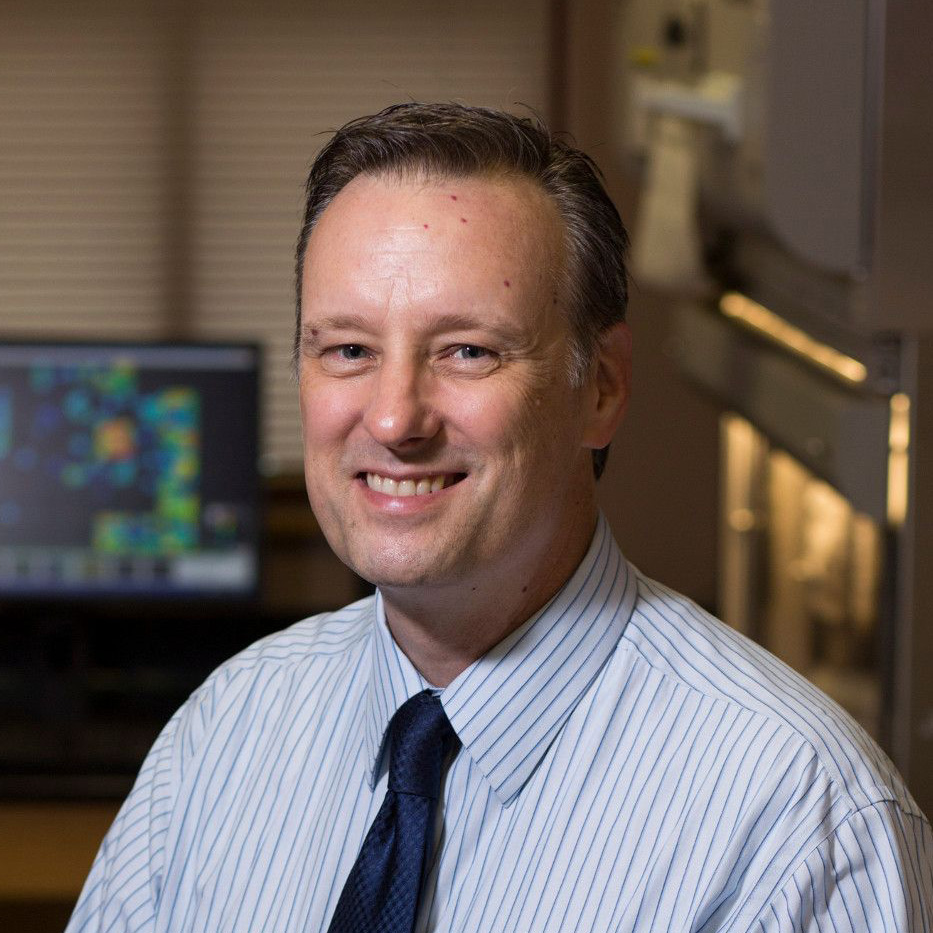
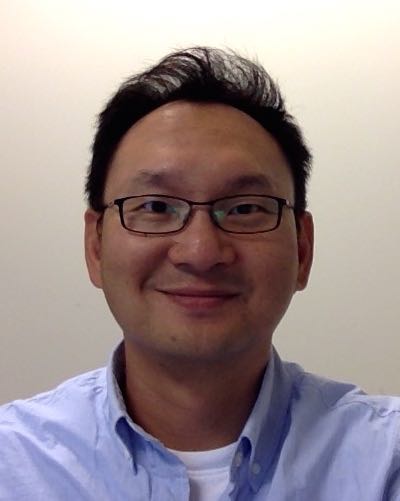
Dr. Wood completed his graduate training at the Massachusetts Institute of Technology. While there he worked under the guidance of Drs. H. Harry Asada and Roger Kamm to develop and use microfluidics to identify mechanisms governing vascular geometry. 

During his postdoc, Dr. Wood worked under Dr. Kevin Haigis (Beth Israel Deaconess Medical Center and Harvard Medical School) and Dr. Douglas Lauffenburger (Massachusetts Institute of Technology) to use systems biology to identify novel signaling mechanisms driving neuronal death in Alzheimer's disease and epithelial cell death during intestinal inflammation.

Associate Professor
Phone
404-385-4465
Office
Petit Biotechnology Building, Office 3303
Additional Research
Our research focuses on applying systems analysis approaches and engineering tools to identify novel clinical therapeutic targets for complex diseases. It is challenging to develop new treatments for these diseases, such as Alzheimer's disease(AD) and Traumatic Brain Injury (TBI), because they do not have a single genetic cause and they simultaneously present broad physiologic changes. By combining novel engineeredin vitroplatforms, mouse models, and multivariate computational systems analysis, we will be able to 1) capture a holistic systems-level understanding of complex diseases, and 2) isolate specific mechanisms driving disease. The ultimate goal of our laboratory is to use these tools to identify new mechanisms driving disease onset and progression that will translate to effective therapeutic strategies.
Google Scholar
https://scholar.google.com/citations?user=iK5nEOYAAAAJ&hl=en
Related Site
Levi
Wood
Show Regular Profile

John Peroni

John Peroni
jperoni@uga.edu
Website

Research in the Peroni laboratory focuses on the use of regenerative therapies ranging from cellular to blood derived products to treat musculoskeletal injuries, with a concentration on minimally invasive surgery such as laparoscopy, thoracoscopy and arthroscopy.

Current research project: The surgery, performed in May, is the second successful feline kidney transplant using feline adult stem cells performed at the hospital. “To the best of our knowledge, UGA is the only veterinary facility in the world to use adult stem cells in feline kidney transplantation,” said Dr. Chad Schmiedt, a board-certified small animal surgeon who heads UGA’s feline kidney transplant program.

The service laboratory is managed by research professionals Merrilee Thoresen and Jenny Mumaw, who is enrolled in the college’s doctor of veterinary medicine program and will graduate in 2016. The service is headed by Dr. John Peroni, a board-certified large animal surgeon and associate professor whose research focus includes stem cell therapeutics. Read More

Professor
Additional Research
Research in the Peroni laboratory focuses on the use of regenerative therapies ranging from cellular to blood derived products to treat musculoskeletal injuries, with a concentration on minimally invasive surgery such as laparoscopy, thoracoscopy and arthroscopy. Current research project: The surgery, performed in May, is the second successful feline kidney transplant using feline adult stem cells performed at the hospital. "To the best of our knowledge, UGA is the only veterinary facility in the world to use adult stem cells in feline kidney transplantation," said Dr. Chad Schmiedt, a board-certified small animal surgeon who heads UGA's feline kidney transplant program. The service laboratory is managed by research professionals Merrilee Thoresen and Jenny Mumaw, who is enrolled in the college's doctor of veterinary medicine program and will graduate in 2016. The service is headed by Dr. John Peroni, a board-certified large animal surgeon and associate professor whose research focus includes stem cell therapeutics.
Research Focus Areas
University, College, and School/Department
LinkedIn https://vet.uga.edu/lam/person/john_f._peroni
John
Peroni
Show Regular Profile

Timothy Cope

Timothy Cope
tim.cope@gatech.edu
Website

My research interests center on control of movement by sensorimotor integration in the mammalian spinal cord. Using predominantly electrophysiological methods applied in vivo, we study neural signaling by spinal motoneurons, somatosensory neurons, and their central synapses. Our primary analyses include electrical properties, synaptic function, and firing behavior of single neurons. We are actively examining how these neurons and synapses respond soon and long after peripheral nerve injury and regeneration. Our recent findings demonstrate that successful regeneration of damaged sensory axons does not prevent complex reorganization of their synaptic connections made within the spinal cord. In separate studies, we are examining novel mechanisms of sensory encoding and their impairment which recently discovered in rodents treated with anti-cancer drugs. Both nerve regeneration and chemotherapy projects are driven by the long-term goal of accurately identifying the neural mechanisms behind movement disorders. We also continue to explore fundamental operations of the normal adult nervous system. Our most recent studies focus on synaptic modulation of motoneuron firing and on interspecies comparisons of spinal circuits.

Professor
Phone
404-385-4293
Office
555 14th Street NW Room 1425
Research Focus Areas
Google Scholar
https://scholar.google.com/citations?user=jzHG0ssAAAAJ&hl=en
https://biosci.gatech.edu/people/timothy-cope
Timothy
Cope
C.
Show Regular Profile

Steve Stice

Steve Stice
sstice@uga.edu
Website

Steve Stice is Co-Founder and Chief Scientific Officer of ArunA Biomedical, Inc, where he directs the company’s clinical and research operations. He is also University of Georgia, DW Brooks Distinguished Professor and Director of the Regenerative Bioscience Center, and holds a Georgia Research Alliance Eminent Scholar endowed chair. 

Prior to joining ArunA, Stice was the co-founder and served as both Chief Scientific Officer and Chief Executive Officer of Advanced Cell Technology, the first U.S. company to advance to human clinical trials using human pluripotent stem cells. He also co-founded startups Prolinia and Cytogenesis, the latter of which has since merged with ViaCyte. 

Stice was recruited to the University of Georgia by the Georgia Research Alliance (GRA) and holds an endowed chair as a GRA Eminant Scholar. Additionally, Stice serves as the Director of the Univeristy of Georgia’s Regenerative Bioscience Center, co-directs The Regenerative Engineering and Medicine Research Center (REM), a joint collaboration between Emory University, Georgia Institute of Technology and UGA, is a group leader of Emergent Behaviors of Integrated Cellular Systems, a National Science Foundation Center founded by the Massachusetts Institute of Technology. Stice also sits on the toxicology Scientific Advisory Board for the Food and Drug Administration (FDA). 

Stice received a Masters of Science in Reproductive Biology from Iowa State University and a Doctor of Philosophy, Developmental Biology and Embryology, from the University of Massachusetts.

D.W. Brooks Distinguished Professor
Co-Director, Regenerative Engineering and Medical Center (REM)
Director, UGA Regenerative Bioscience Center
Georgia Research Alliance Eminent Scholar
Phone
706-583-0071
Additional Research
Finding new treatments for degenerative diseases such Parkinson's, Alzheimer's and Multiple Sclerosis andneural injuries spinal cord and head trauma as well as treating cardiovascular diseases (heart and blood vessel repair) through stem cell technologies. Animal stem cells and cloning animal agriculture, veterinary and biomedicine applications.
University, College, and School/Department
Google Scholar
https://scholar.google.com/citations?user=qLNsThAAAAAJ&hl=en&oi=ao
http://ads.caes.uga.edu/people/faculty/steve-stice.html
Steve
Stice
Show Regular Profile

Boris Prilutsky

Boris Prilutsky
boris.prilutsky@biosci.gatech.edu
Website

The research focus of Boris Prilutsky's laboratory is Neural Control and Biomechanics of Movement. They study how the nervous system controls hundreds of muscles and kinematic degrees of freedom of the body to produce purposeful motor behaviors and how the neural control of motor behaviors is affected by neural and musculoskeletal injuries.

Professor
Phone
404-894-7659
Office
MSPO Program 1309D
Additional Research
The major research focus of my research is on biomechanics and motor control of locomotion and reaching movements in normal as well as in neurological and musculoskeletal pathological conditions. In particular, we study the mechanisms of sensorimotor adaptation to novel motor task requirements caused by visual impairament, peripheral nerve or spinal cord injury, and amputation. We also investigate how motor practice and sensory information affect selections of adaptive motor strategies.
Google Scholar
http://scholar.google.com/citations?user=gE3DQUEAAAAJ&hl=en
http://biosci.gatech.edu/people/boris-Prilutsky
Boris
Prilutsky
I.
Show Regular Profile

Pamela Bhatti

Pamela Bhatti
pamela.bhatti@ece.gatech.edu

Dr. Pamela Bhatti is Professor and Associate Chair for Strategic Initiatives and Innovation at the School of Electrical and Computer Engineering, Georgia Tech. Her research is dedicated to overcoming sensory loss in human hearing through focused neural stimulation, and novel implantable sensors. Dr. Bhatti also conducts research in cardiac imaging to assess and monitor cardiovascular disease. She received her B.S. in Bioengineering from the University of California, Berkeley (1989), her M.S. in Electrical Engineering from the University of Washington (1993), and her Ph.D. in Electrical Engineering from the University of Michigan, Ann Arbor (2006). In 2013, she earned an M.S. in Clinical Research from Emory University, and co-founded a startup company (Camerad Technologies) based on her research in detecting wrong-patient errors in radiology. Dr. Bhatti is the IEEE Journal of Translational Engineering in Health and Medicine, Editor-in-Chief; and, in 2017, received the Georgia Tech Class of 1934 Outstanding Interdisciplinary Activities Award.

Assistant Professor
Phone
404-894-7467
Office
MiRC 225
Additional Research

Biomedical sensors and subsystems including bioMEMS Neural prostheses: cochlear and vestibular Vestibular rehabilitation

Google Scholar
https://scholar.google.com/scholar?q=PT+Bhatti&btnG=&hl=en&as_sdt=0,11
Related Site
Pamela
Bhatti
T.
Show Regular Profile

Young Jang

Young Jang
young.jang@gatech.edu
Lab Website

Dr. Jang’s lab uses multi-disciplinary approaches to study muscle stem cell biology and develops bioactive stem cell delivery vehicles for use in regenerative medicine. Dr. Jang’s lab studies both basic aspects of muscle stem cell biology, especially systemic/metabolic regulations of stem cell and stem cell niche, as well as more translational aspects of muscle stem cell and mesenchymal stem cell for use in therapeutic approaches for musculoskeletal aging, neuromuscular diseases, and traumatic injuries.

Assistant Professor
Phone
404-385-3058
Office
Petit Biotechnology Building, Office 3304 & AP 1231
Additional Research
Dr. Jang's lab uses multi-disciplinary approaches to study muscle stem cell biology and develops bioactive stem cell delivery vehicles for use in regenerative medicine. Dr. Jang's lab studies both basic aspects of muscle stem cell biology, especially systemic/metabolic regulations of stem cell and stem cell niche, as well as more translational aspects of muscle stem cell and mesenchymal stem cell for use in therapeutic approaches for musculoskeletal aging, neuromuscular diseases, and traumatic injuries. 1. Metabolic regulation of stem cell function 2. Systemic regulation of muscle homeostasis 3. Engineering muscle stem cell niche for regenerative medicine
Google Scholar
https://scholar.google.com/citations?user=37e-BIYAAAAJ&hl=en
https://biosci.gatech.edu/people/young-jang
Young
Jang
C.
Show Regular Profile