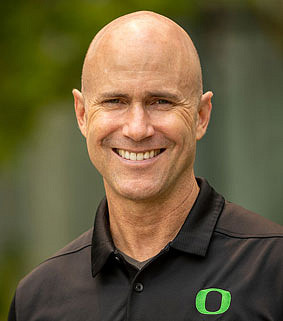
Edward Botchwey

Edward Botchwey
edward.botchwey@bme.gatech.edu
Website

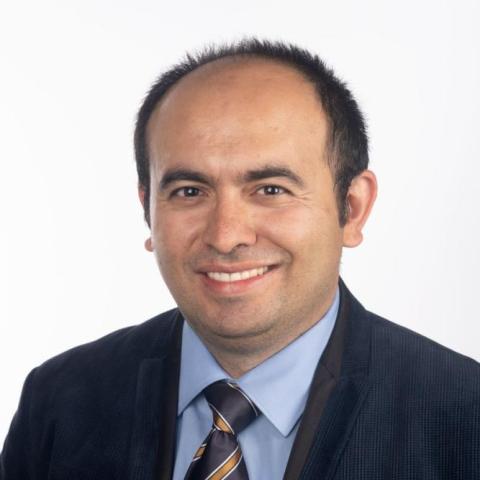
Edward Botchwey received a B.S. in mathematics from the University of Maryland at College Park in 1993 and both M.E. and Ph.D. degrees in materials science engineering and bioengineering from the University of Pennsylvania in 1998 and 2002 respectively. He was recruited to the faculty at Georgia Tech in 2012 from his previous position at the University of Virginia. His current position is associate professor in the Wallace H. Coulter Department of Biomedical Engineering at Georgia Tech and Emory University. Botchwey is former Ph.D. fellow of the National GEM Consortium, a former postdoctoral fellow of the UNCF-Merk Science Initiative, and a recipient of the Presidential Early Career Awards for Scientists and Engineers from the National Institutes of Health. 

Botchwey’s research focuses on the delivery of naturally occurring small molecules and synthetic derivatives for applications in tissue engineering and regenerative medicine. He is particularly interested in how transient control of immune response using bioactive lipids can be exploited to control trafficking of stem cells, enhance tissue vascularization, and resolve inflammation. Botchwey serves on the Board of Directors of the Biomedical Engineering Society (BMES) and serves as the secretary to the Biomedical Engineering Decade committee.

Botchwey, his wife Nisha Botchwey (also a GT faculty member) and three children reside in east Atlanta in the Lake Claire neighborhood. Botchwey is also an avid cyclist and enjoys reading YA fantasy, behavioral neuroscience and Christian theology books in his personal time.

Professor, Wallace H. Coulter Department of Biomedical Engineering
Phone
404.385.5058
Additional Research

Biomaterials, cellular materials, in situ characterization, tissue engineering, tissue engineering and biomaterials, microvascular growth and remodeling, stem cell engineering.

Google Scholar
https://scholar.google.com/citations?hl=en&user=eyPY0LsAAAAJ&view_op=list_works&sortby=pubdate
Related Site
Edward
Botchwey
Show Regular Profile

Erik Dreaden

Erik Dreaden
e.dreaden@gatech.edu
Website

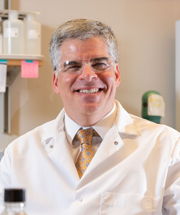
Erik C. Dreaden joined the Wallace H. Coulter Department of Biomedical Engineering at Georgia Institute of Technology and Emory University in 2017. Dr. Dreaden also holds a joint faculty appointment in the Department of Pediatrics at the Emory University School of Medicine where he collaborates with researchers at Children's Healthcare of Atlanta and the Aflac Center for Cancer and Blood Disorders. Dr. Dreaden's research seeks to apply principles of molecular and nanoscale engineering to improve the therapeutic potential of drug combinations, vaccines, and immunotherapies directed against pediatric and adult cancers. 

Prior to joining Emory and Georgia Tech, Dr. Dreaden was a postdoctoral fellow at the Koch Institute for Integrative Cancer Research at MIT, where his research focused on the development of polymer-based technologies for nucleic acid and rational combination cancer therapies. 

Dr. Dreaden is a member of the Cancer Immunology Research Program at the Winship Cancer Institute of Emory University. He also holds memberships in the Biomedical Engineering Society, American Institute of Chemical Engineers, American Association of Cancer Research, Materials Research Society, American Association for the Advancement of Science, and American Chemical Society.

Assistant Professor
Phone
404-778-3033
Office
Emory HSRB E108
Additional Research
"The Dreaden Lab uses molecular engineering to impart augmented, amplified, or non-natural function to tumor therapies and immunotherapies. The overall goal of our research is to engineer molecular and nanoscale tools that can (i) improve our understanding of fundamental tumor biology and (ii) simultaneously serve as cancer therapies that are more tissue-exclusive and patient-personalized. The lab currently focuses on three main application areas: optically-triggered immunotherapies, combination therapies for pediatric cancers, and nanoscale cancer vaccines. Our work aims to translate these technologies into the clinic and beyond. Molecular Engineering, Tumor Immunity, Nanotechnology, Pediatric Cancer"
Google Scholar
https://scholar.google.com/citations?hl=en&user=Loy7OC4AAAAJ&view_op=list_works&sortby=pubdate
Releated Site
Erik
Dreaden
Show Regular Profile

Julia Babensee

Julia Babensee
julia.babensee@bme.gatech.edu
Website

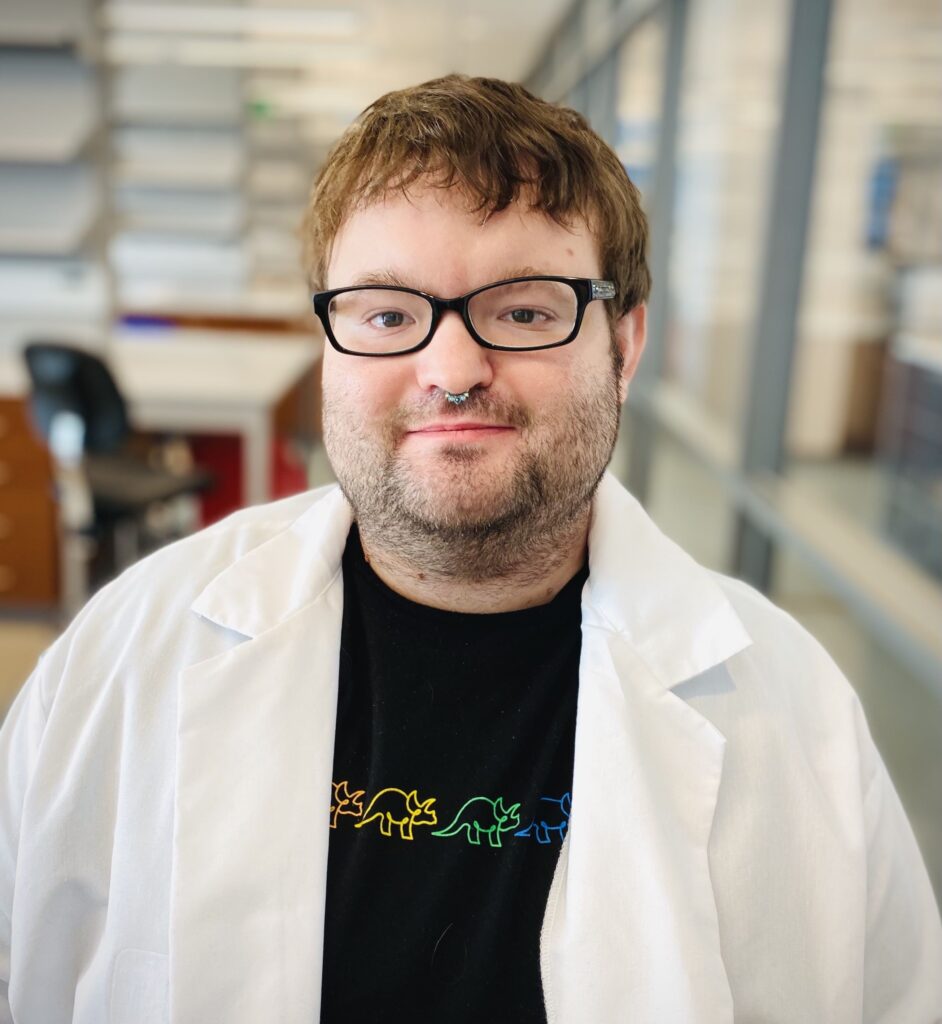
Julia Babensee is an Associate Professor in the Walter H. Coulter Department of Biomedical Engineering at Georgia Tech and Emory University. Dr. Babensee is affiliated with the Petit Institute for Bioengineering and Bioscience and the Georgia Tech/Emory Center for the Engineering of Living Tissue. 

Dr. Babensee is a member of the Cell and Molecular Biology Research Program at Winship Cancer Institute. She is also a permanent member of the NIH Bioengineering, Technology and Surgical Sciences study section. She is actively involved in several professional societies with service including SFB Member-at-Large (2008-2009) and Program Chair for the 2012 Annual Meeting of the Biomedical Engineering Society in Atlanta, Georgia. 

Her research program is in the area of engineering of inflammatory and immune responses focused on understanding host responses to combination products. Her research interests also include: Biomaterial interactions with dendritic cells, tissue engineering for rheumatoid arthritis, and biomaterial-applied immunology.

Babensee received her Ph.D. from University of Toronto in Toronto, Canada. She completed her postdoctoral fellowship at Rice University and Baylor College of Medicine.

Associate Professor
Phone
404-385-0130
Office
Petit Biotechnology Building, Office 1315
Additional Research

Host responses to combination products, biomaterial interactions with dendritic cells, tissue engineering for rheumatoid arthritis, targeted DNA vaccine delivery, and biomaterial-applied immunology.

Google Scholar
https://scholar.google.com/citations?user=3p-9EfsAAAAJ&hl=en
Related Site
Julia
Babensee
E.
Show Regular Profile

Ahmet Coskun

Ahmet Coskun
acoskun7@gatech.edu
Website

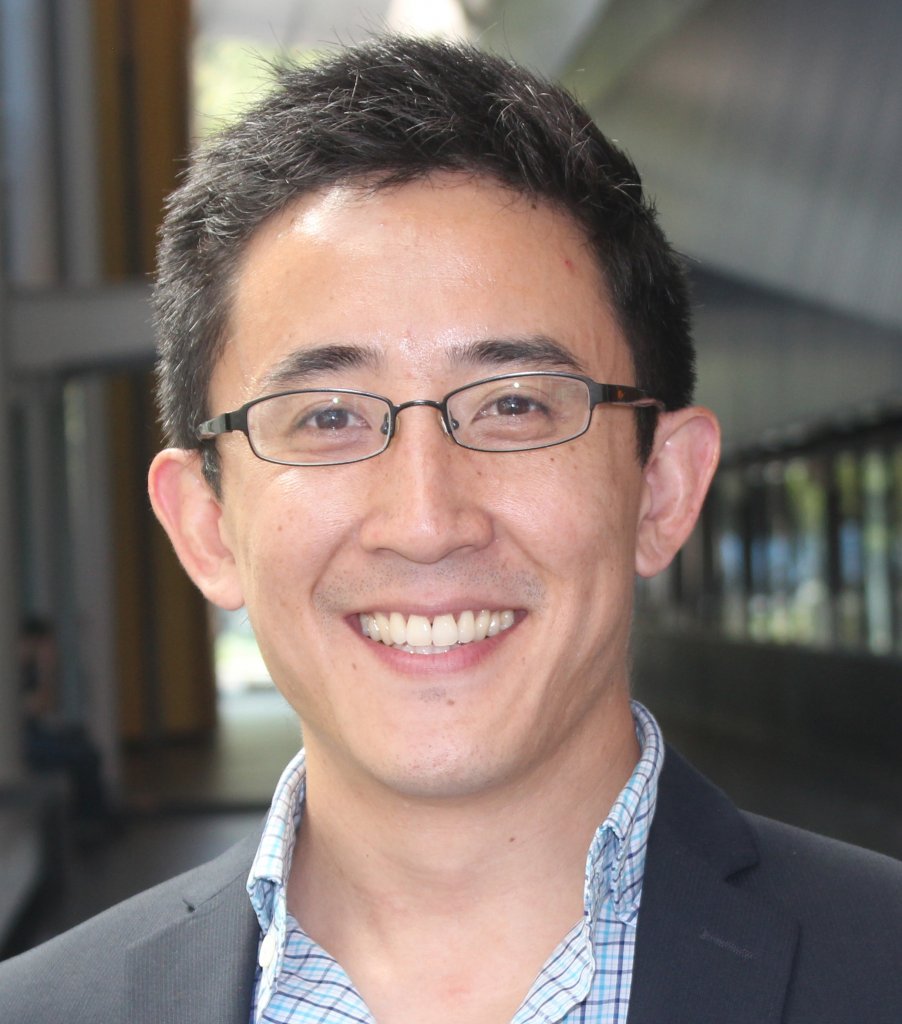
Ahmet Coskun is a Bernie-Marcus Early-Career Professor of Biomedical Engineering at Georgia Institute of Technology and Emory University. Coskun is a systems biotechnologist and bioengineer, working at the nexus of multiplexed cell imaging and quantitative tissue biology. He directs an interdisciplinary research team at the Single Cell Biotechnology and Spatial Omics Laboratory, an interdisciplinary program strategically positioned for multiparameter imaging one cell at a time by spatial context and function. Coskun holds five issued patents and is also the co-author of more than 50 peer-reviewed publications in major scientific journals. He is a recipient of the NSF CAREER Award 2024, NIH R35 MIRA Award 2023, Sigma Xi Young Faculty Award 2025, CMBE Young Innovator Award 2024, BMES-CMBE Rising Star Award 2023, American Lung Association Innovation Award 2022, Burroughs Welcome Fund CASI Award 2016, and Student Recognition of Excellence in Teaching: Class of 1934 CIOS Award, among other research and teaching awards. Previously, Coskun was an instructor at Stanford University. He received his postdoctoral training from the California Institute of Technology. He holds a Ph.D. from the University of California, Los Angeles. His research has been supported by federal and private grants, including the National Institutes of Health (NIGMS, NIA, NIAID, NCI, NIDCR, OD, and ORIP), Wellcome LEAP, Burroughs Wellcome Fund (CASI), NSF CMaT, American Cancer Society IRG, Multi-cellular engineered living systems (M-CELS), and Regenerative Medicine Center. In addition, he leads outreach programs to engage K-12 students and undergraduate students through BioCrowd Studio, an innovative crowd-sourcing program bringing together interactive virtual media, distributed biokits, and collaborative spatial discovery.

Associate Professor of Biomedical Engineering
Phone
404.894.3866
Office
Petit Biotechnology Building, Office 1311
Additional Research

The Single Cell Biotechnology Lab aims to study spatial biology in health and disease. Our research lies at the nexus of multiplex bioimaging, microfluidic biodynamics, and big data biocomputation. Using high-dimensional nanoscale imaging datasets, we address fundamental challenges in immuno-engineering, cancers, and pediatric diseases. Our lab pursues a transformative multi-omics technology to integrate spatially resolved epigenetics and spatial genomics, proteomics, and metabolomics, all in the same platform. We uniquely benefit from super-resolution microscopy, imaging mass spectrometry, combinatorial molecular barcoding, and machine learning to enhance the information capacity of our cellular data. Variability of single cell images can be used to understand differences in therapeutic responses, as well as satisfy our curiosity on understanding how cells are spatially organized in nature.

University, College, and School/Department
Google Scholar
https://scholar.google.com/citations?user=4MR2wSIAAAAJ&hl=en
LinkedIn Related Site
Ahmet
Coskun
Show Regular Profile

Andrés J. García

Andrés J. García
andres.garcia@me.gatech.edu
Website
Executive Director, Parker H. Petit Institute for Bioengineering and Bioscience
The Petit Director’s Chair in Bioengineering and Bioscience
Regents’ Professor, George Woodruff School of Mechanical Engineering
Phone
404-894-9384
Office
Petit Biotechnology Building, Office 2310
Additional Research

Dr. Garcia's research centers on cellular and tissue engineering, areas which integrate engineering and biological principles to control cell function in order to restore and/or enhance function in injured or diseased organs. Specifically, his research focuses on fundamental structure-function relationships governing cell-biomaterials interactions for bone and muscle applications. Current projects involve the analysis and manipulation of cell adhesion receptors and their extracellular matrix ligands. For example, a mechanochemical system has been developed to analyze the contributions of receptor binding, clustering, and interactions with other cellular structural proteins to cell adhesion strength. In another research thrust, bio-inspired surfaces, including micropatterned substrates, are engineered to control cell adhesion in order to direct signaling and cell function. For instance, biomolecular surfaces have been engineered to target specific adhesion receptors to modulate cell signaling and differentiation. These biomolecular strategies are applicable to the development of 3D hybrid scaffolds for enhanced tissue reconstruction,"smart" biomaterials, and cell growth supports. Finally, genetic engineering approaches have been applied to engineer cells that form bone tissue for use in the development of mineralized templates for enhanced bone repair.

Google Scholar
https://scholar.google.com/citations?user=px6Z53IAAAAJ&hl=en&oi=sra
LinkedIn Related Site Faces of Research Profile
Andrés
García
J.
Show Regular Profile

Andrew McShan

Andrew McShan, Ph.D.
andrew.mcshan@chemistry.gatech.edu
Website

The questions that keep us up at night are: How does the immune system present and recognize antigens to combat disease? What are the molecular features involved in stimulating robust and specific immune responses? How can we exploit distinct features of immune recognition to develop new treatments for disease? Our research centers on answering these important questions. We focus on the CD1 family of major histocompatibility complex class I (MHC-I) related proteins, which present both self and foreign lipids to αβ, γδ, and natural killer T cells. Examples of CD1 complexes involved in the adaptive and innate immune response to human disease include those associated with lipids derived from cancerous cells (Leukemia, Carcinoma, Lymphoma, Melanoma), wasp/bee venom including yellowjackets of the genus Vespula who represent Georgia Tech's mascot Buzz (Hymenoptera venom allergy), bacterial pathogens (Mycobacterium tuberculosis - Tuberculosis, Borrelia burgdorferi - Lyme Disease, Pseudomonas aeruginosa - Pneumonia), viral pathogens (HSV-1 - Herpes, HBV - Hepatitis B), marine sponges, and self cells in autoimmune disease (Dermatitis, Psoriasis, Lysosomal Storage Disease). Recent studies have shown that CD1 can also associate with and present a much broader range of antigens, such as skin oils that lack a discernible hydrophilic head group, lipopeptides, and non-lipid small molecules. Unlike peptide antigen presentation by high polymorphic human MHC-I complexes for which therapeutics must be tailored to a patients genetic background, the non-polymorphic nature of CD1 means that lipid/CD1 molecules are attractive candidates for donor-unrestricted (i.e. universal and patient-haplotype independent) vaccines and immunotherapy treatments. Progress in the development of lipid/CD1 mediated therapies has been hindered by an incomplete understanding in several important features of the CD1 antigen processing and presentation pathway as well as a lack of structural information for clinically relevant lipid/CD1 complexes. We aim to address these knowledge gaps with our research.
 

Assistant Professor
Phone
404.385.6052
Office
MoSE G022
Research Focus Areas
Andrew
McShan
Show Regular Profile

Gabe Kwong

Gabe Kwong
gkwong@gatech.edu
Website

Dr. Gabe Kwong is a Professor in the Wallace H. Coulter Department of Biomedical Engineering at the Georgia Tech School of Engineering and Emory School of Medicine. His research program is conducted at the interface of the life sciences, medicine and engineering where a central focus is understanding how to harness the sophisticated defense mechanisms of immune cells to eradicate disease and provide protective immunity. Kwong has pioneered numerous biomedical technologies and published in leading scientific journals such as Nature Biotechnology and Nature Medicine. His work has been profiled broadly including coverage in The Economist, NPR, BBC, and WGBH-2, Boston 's PBS station. Professor Kwong earned his B.S. in Bioengineering with Highest Honors from the University of California, Berkeley and his Ph.D. in Bioengineering from California Institute of Technology with Professor James R. Heath. He conducted postdoctoral studies at Massachusetts Institute of Technology with Professor Sangeeta N. Bhatia. For his work, Dr. Kwong has been awarded the NIH Ruth L. Kirschstein National Research Service Award, named a "Future Leader in Cancer Research and Translational Medicine" by the Massachusetts General Hospital, and awarded the Burroughs Wellcome Fund Career Award at the Scientific Interface, a distinction given to the 10 most innovative bioengineers in the nation. Dr. Kwong holds seven issued or pending patents in cancer nanotechnology.

Professor
Director, Laboratory for Synthetic Immunity
Phone
404-385-3746
Office
Marcus Nanotechnology 3132
Additional Research

Human health has been transformed by our collective capacity to engineer immunity — from the pivotal development of the smallpox vaccine to the curative potential of recent cancer immunotherapies. These examples motivate our research program that is conducted at the interface of Engineering and Immunology, and where we develop biomedical technologies and applications that shape a diverse array of immunological systems.The questions that are central to our exploration include: How do we begin to study an individual's repertoire of well over one billion immune cells when current technologies only allow us to study a handful of cells at a time? What are the biomarkers of immunological health as the body responds to disease and ageing, and how may these indicators trigger clinical decisions? And how can we genetically rewire immune cells to provide them with entirely new functions to better fight complex diseases such as cancer?To aid in our studies, we use high-throughput technologies such as next-generation sequencing and quantitative mass spectrometry, and pioneer the development of micro- and nanotechnologies in order to achieve our goals. We focus on clinical problems in cancer, infectious diseases and autoimmunity, and ultimately strive to translate key findings into therapies for patients.

Google Scholar
https://scholar.google.com/citations?user=VAbRCjIAAAAJ&hl=en
LinkedIn Related Site
Gabe
Kwong
A.
Show Regular Profile

Robert Guldberg

Robert Guldberg
robert.guldberg@me.gatech.edu

Robert E. Guldberg is the DeArmond Executive Director of the Phil and Penny Knight Campus for Accelerating Scientific Impact and Vice President of the University of Oregon. Guldberg’s research is focused on musculoskeletal mechanobiology, regenerative medicine, and orthopaedic medical devices. Over his 25+ year academic career, Dr. Guldberg has produced over 280 peer-reviewed publications, served as an advisor and board member for numerous biotechnology companies, and co-founded six start-ups. He was previously executive director of the Parker H. Petit Institute for Bioengineering and Bioscience at Georgia Tech from 2009-2018. In 2018, he was selected from a national search to lead the Knight Campus as its inaugural permanent Executive Director, where he has led the creation of its strategic plan, hired faculty into the campus’ first building opened in 2020, and launched the University of Oregon’s first ever engineering degree program. In 2021, he led the launch of Phase 2 of the Knight Campus development with the announcement of a second $500 million gift from Phil and Penny Knight. At the national level, Dr. Guldberg is past Chair of the Americas Chapter of the Tissue Engineering and Regenerative Medicine International Society (TERMIS-AM). He currently serves on the Executive Leadership Council of the Wu Tsai Human Performance Alliance, a $220 million global initiative to promote wellness and peak performance through scientific discovery and innovation. Dr. Guldberg is an elected fellow of TERMIS, the American Society of Mechanical Engineers (ASME), the American Institute for Medical and Biological Engineering (AIMBE), the Orthopaedic Research Society (ORS), and the National Academy of Inventors (NAI).

Vice President and Robert and Leona DeArmond Executive Director
Adjunct Professor
Phone
541-346-3110
Additional Research
Guldberg's research interests focus on musculoskeletal growth and development, functional regeneration following traumatic injury, and degenerative diseases, including skeletal fragility and osteoarthritis. His research is supported by the NIH, NSF, DoD, and several biotechnology companies and has resulted in over 150 book chapters and publications. Guldberg is a Fellow of the American Institute for Medical and Biological Engineering (AIMBE) and holds several national leadership positions.
Google Scholar
https://scholar.google.com/citations?user=8_Yj_RwAAAAJ&hl=en
LinkedIn https://accelerate.uoregon.edu/robert-guldberg
Robert
Guldberg
E.
Show Regular Profile

Aditi Das

Aditi Das
aditi.das@chemistry.gatech.edu
Chemistry Profile

Aditi Das did her BSc. (Hons.) Chemistry from St. Stephen's College Delhi, followed by M.S. (Chemistry) from I.I.T (Kanpur). She received her Ph.D. in Chemistry from Princeton University. She did post-doctoral work with Prof. Steve Sligar. She joined University of Illinois, Urbana-Champaign (UIUC) as a tenure track assistant professor in 2012. In 2019, she was promoted to associate professor with tenure. In 2022, she joined School of Chemistry and Biochemistry at Georgia Institute of Technology as an associate professor with tenure. Her research is in the area of enzymology of oxygenases that are involved lipid metabolism and cannabinoid metabolism.

Das is recipient of an American Heart Associate (AHA) career award and has been funded by National Institute of Health (NIH - NIGMS, NIDA and NCCIH), USDA, and National Multiple Sclerosis Society (NMSS). Her research was recognized by several National awards: Young Investigator award From Eicosanoid Research Foundation, Mary Swartz Rose Young Investigator Award and E.L.R. Stokstad award from American Society for Nutrition (ASN) for outstanding research on bioactive compounds for human health. She is also the recipient of Zoetis Research Excellence Award from her college. She was a co-organizer of the International Conference on Cytochrome P450. Recently her laboratory contributed several papers on cannabinoid metabolism by p450s. In recognition of this work, she was awarded El Sohly award from the ACS-Cannabis division for excellence in Cannabis research and is invited to give plenary lecture at ISSX meeting.  Das is also a standing study section member of BBM NIH study section. 

Associate Professor
Phone
609-203-6924
Office
3306 IBB
Aditi
Das
Show Regular Profile

Melissa Kemp

Melissa Kemp
melissa.kemp@bme.gatech.edu
Website

Melissa Lambeth Kemp received her B.S. in Nuclear Engineering from MIT and her Ph.D. in Bioengineering from University of Washington. Dr. Kemp joined the faculty at Georgia Tech in 2006 after completing postdoctoral training at MIT. Her expertise is in computational modeling of metabolism and signal transduction, as well as developing statistical modeling tools to examine network relationships in high-dimension datasets. One major aspect of her research program linking ROS – the byproducts of aerobic metabolism – to the fundamental way that cells interpret instructions from their environment, their neighbors, and their own genetic blueprint. Specific applications of her diverse work include systems modeling of transient phosphatase oxidation of kinase cascades, patient-specific differences in cytotoxicity to redox-cycled chemotherapeutics and radiation, and the coordination of oxidative metabolism with epithelial-to-mesenchymal transition. Her research program also includes a component of developing high-throughput screening methods for assaying cue-signal-response relationships in cells and analytical tools for single cell gene expression. 

Dr. Kemp currently serves as the Research Director of the multi-site NSF Engineering Research Center “Cell Manufacturing Technologies”. In her former role as Associate Director of the NSF Science and Technology Center “Emergent Behavior of Integrated Cellular Systems”, she spearheaded the multi-site center’s computational activities by developing agent-based models of context-dependent cellular decisions to generate new hypotheses of intercellular communication in pluripotent stem cell differentiation and emergent patterning; this work continues currently in quantifying organizational principles and spatial relationships in iPSC-derived tissues from multi-omics data. Dr. Kemp’s career honors include a Whitaker Graduate Fellowship, Merck/CSBi postdoctoral fellowship, Georgia Cancer Coalition Distinguished Scholar, NIH New Innovator Award, and the CSB2 Prize for Innovative Measurement Methods from the Council for Systems Biology in Boston.

Professor
Georgia Cancer Coalition Distinguished Cancer Scholar
Phone
404-385-6341
Office
EBB 3019
Additional Research
Systems biology, computational modeling, redox metabolism and signal tranduction.The Kemp Lab is focused on understanding how metabolism influences the decisions that cells make. Aging, stem cell differentiation, cancer metastasis, and inflammation rely on progressive changes in metabolism resulting in increased levels of reactive oxygen species. Collectively, the accumulation of these molecules is known as cellular oxidation, and pathological levels are referred to as oxidative stress. Our lab develops systems biology tools for investigating how cellular oxidation influences cellular fate and interpretation of cues from the extracellular environment. We are interested in the collective behavior that arises during stem cell differentiation, immune cell responses, or drug treatments from metabolic diversity in individual cells. Because of the numerous biochemical reactions involved, we develop computational models and analytical approaches to understand how complex protein network properties are influenced by redox-sensitive proteins; these proteins typically have reactive thiol groups that are post-translationally regulated in the presence of reactive oxygen species to alter activity and/or function. Experimentally, we develop novel high-throughput single cell techniques for the detection and quantification of intracellular oxidation.
Google Scholar
https://scholar.google.com/citations?user=WUN5ok8AAAAJ&hl=en
Related Site
Melissa
Kemp
L.
Show Regular Profile