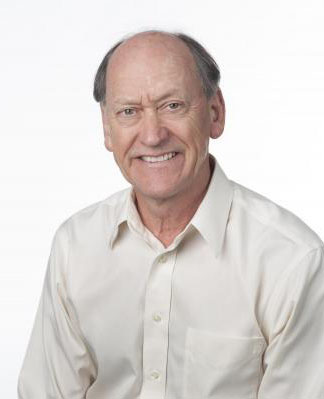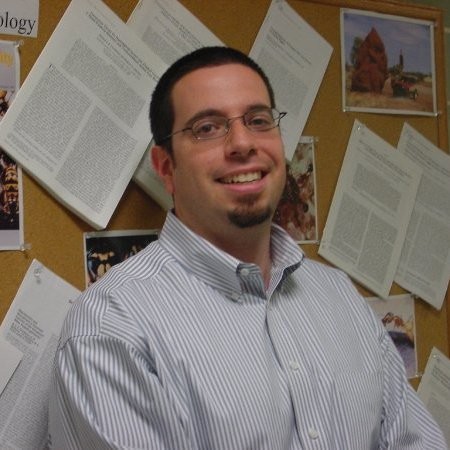
Michael Goodisman

Michael Goodisman's profile picture
michael.goodisman@biology.gatech.edu

Michael Goodisman is interested in understanding how evolutionary processes affect social systems and how sociality, in turn, affects the course of evolution. His research explores the molecular basis underlying sociality, the nature of selection in social systems, the breeding biology of social animals, the process of self-organization in social groups, and the course of development in social species. His teaching interests are centered on the importance of behavior, genetics, and ethics in biological systems. Goodisman also works to improve and advance undergraduate education.

Professor
Associate Chair for Undergraduate Education
Phone
404-385-6311
Office
Cherry Emerson A124
Additional Research
The evolution of sociality represented one of the major transition points in biological history. I am interested in understanding how evolutionary processes affect social systems and how sociality, in turn, affects the course of evolution. My research focuses on the molecular basis underlying sociality, the nature of selection in social systems, the breeding biology of social animals, the process of self-organization in social groups, and the course of development in social species.
Research Focus Areas
Google Scholar
https://scholar.google.com/citations?user=EvWHHJMAAAAJ&hl=en&oi=ao
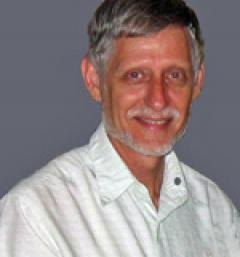
Roger Wartell

Roger Wartell's profile picture

Roger Wartell received his B.S. degree in Physics from Stevens Institute of Technology in 1966. In 1971, he received his Ph.D. in Physics from the University of Rochester where he worked in the group of Elliot Montroll on the DNA helix-coil transition. From 1971-1973 he was a NIH postdoctoral fellow in the laboratory of Robert Wells at the University of Wisconsin-Madison. He was a Visiting Professor at the University of Wisconsin-Madison in 1978-79, and Visiting Scholar at National Institutes of Health-Bethesda from 1987-88. 

Wartell joined the faculty at Georgia Tech in 1974. Roger received a NIH Career Development Award in 1979 and served as Associate Chair in School of Physics from 1987-88, and Chair of the School of Biology from 1990-2004. He is a member of the NASA Astrobiology Institute at Georgia Tech. His current research is focused on protein-RNA interactions relating to sRNA regulation in bacteria, and the assembly and reactions of small RNAs in ice.

Professor Emeritus
Phone
404-894-8421
Office
Petit Biotechnology Building, Office 1307
Additional Research
Current research is directed at understanding the origin and evolution of RNA assemblies and activities that gave rise to RNA-based genetic and metabolic systems, and the interaction of a bacterial RNA-binding protein Hfq that is crucial for the regulation of gene expression by short regulatory RNAs. The first research area is examining the assembly and activities of RNAunder plausible early earth conditions ( e.g. anoxic environment, freeze-thaw cycles of aqueous solutions). We have shown that Fe2+can replace Mg2+and enhance ribozyme function under anoxic conditions. Fe2+was abundant on early earth and may have enhanced RNA activities in an anoxic environments. Freeze-thaw cycles can also promote RNA assembly under conditions where degradation is minimized. The second area of research is investigating the mechanism of the Hfq protein. Hfq is a bacterial RNA-binding protein that facilitates the hybridization of short non-coding regulatory RNAs (sRNA)to their target regions on specific mRNAs. sRNAs are important elements in the regulation of gene expression for bacteria.Hfq is highly conserved among bacterial phyla and has been shown to be a virulence factor in several bacterial species. The interactions of wild type and mutant Hfq proteins with various RNAs are examined using biochemical/ biophysical methods such as the electrophoresis mobility shift assay, fluorescence spectroscopy, and mass spectrometry.
Research Focus Areas
Google Scholar
http://scholar.google.com/scholar?hl=en&q=roger+wartell&as_subj=&as_sdt=80001&as_ylo=&as_vis=0

T. Richard Nichols

T. Richard Nichols's profile picture
trn@gatech.edu

T. Richard Nichols received the B.S. degree in biology from Brown University, Providence, RI, USA, in 1969, and the Ph.D. degree in physiology from Harvard University, Cambridge, MA, USA, in 1974. He is currently a Professor in the School of Biological Sciences at the Georgia Institute of Technology.,He is currently a Professor in the School of Biological Sciences at the Georgia Institute of Technology, Atlanta, GA, USA.

Professor
Phone
404-894-3986
Office
555 14th Street NW Room 1352
Additional Research
The work in this laboratory is focused on mechanisms underlying motor coordination in mammalian systems. These mechanisms are to be found in the structure and dynamic properties of the musculoskeletal system as well as in the organization of neuronal circuits in the central nervous system. Our work concerns the interactions between the musculoskeletal system and spinal cord that give rise to normal and abnormal movement and posture, and in the manner in which central pattern-generating networks are modified for specific motor tasks. Our studies have applications in several movement disorders, including spinal cord injury. The experimental approaches span a number of levels, from mechanical studies of isolated muscle cells to kinematic measurements of natural behavior in quadrupeds.
Google Scholar
https://scholar.google.com/scholar?q=Nichols+TR&btnG=&hl=en&as_sdt=0,11

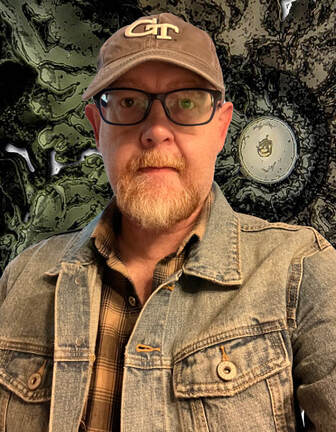
Stephen Diggle

Stephen Diggle's profile picture
stephen.diggle@biosci.gatech.edu

I graduated in Biological Sciences (B.Sc, University of Salford, 1997) prior to undertaking a Ph.D in molecular microbiology studying quorum sensing in Pseudomonas aeruginosa (University of Nottingham, 2001). I worked as a Postdoctoral Fellow at Nottingham on both EU and BBSRC funded grants, before obtaining a Royal Society University Fellowship (2006-2014). I was promoted to Associate Professor in 2013. In 2017 I moved as an Associate Professor to the School of Biological Sciences at Georgia Tech. I was promoted to Full Professor in 2022. I was appointed as the Director of the Center for Microbial Dynamics and Infection in January 2023. 

I currently serve as the Deputy Editor in Chief of Microbiology, where I have previously served as editor and senior editor. I have also previously served on the editorial boards of FEMS Microbiology Letters, BMC Microbiology, Microbiology Open and Royal Society Open Science. I was an elected member of the Microbiology Society Council (2012-2016) and also served on their conference and policy committees. I was selected to be an American Society for Microbiology Distinguished Lecturer (2021-2023) and was elected to the American Academy of Microbiology in 2023. 

In my spare time I play bass guitar. I recorded some original music in a band called Meaner and I currently play in a covers band called The Variants of Concern. I also have a long-standing interest in the works of J.R.R. Tolkien.

Associate Professor
Phone
404-385-5634
Office
Cherry Emerson A110
Additional Research
I am interested in cooperation and communication in microbes and how these are related to virulence, biofilms and antimicrobial resistance. I have a long standing interest in understanding how the opportunistic pathogen Pseudomonas aeruginosa causes disease, and am especially interested in how this organism evolves during chronic infections such as those found in cystic fibrosis lungs and chronic wounds.
Google Scholar
https://scholar.google.com/citations?hl=en&user=WYkvdC4AAAAJ&view_op=list_works

Liang Han

Liang Han's profile picture
lhan41@mail.gatech.edu
Associate Professor
Phone
404-385-5219
Office
EBB 3014
Additional Research
We use a combination of molecular, cellular, immunohistochemical, electrophysiological, genetic and behavioral approaches to understand how the nervous system receives, transmits and interprets various stimuli to induce physiological and behavioral responses. We are particularly interested in the basic mechanisms underlying somatosensation, including pain, itch and mechanical sensations. Somatosensation is initiated by the activation of the primary sensory neurons in dorsal root ganglia and trigeminal ganglia. We have discovered the molecular identity of itch-sensing neurons in the peripheral and provided novel insights into the mechanisms of itch sensation (Han et.al. 2013 Nature Neuroscience). We are currently investigating how chronic itch associated with cutaneous or systemic disorders is initiated and transmitted. We are also interested in the sensory innervation in the respiratory system. Chronic respiratory diseases such as asthma and chronic obstructive pulmonary disease (COPD) are leading causes of illness and significant public health burdens. We recently identified a subset of vagal sensory neurons mediating bronchoconstriction and airway hyperresponsiveness (Han et. al. 2017 Nature Neuroscience). We are investigating how the sensory innervations in the airway contribute to the pathogenesis of respiratory diseases.
Research Focus Areas
Google Scholar
https://scholar.google.com/citations?hl=en&user=mRFXncEAAAAJ&view_op=list_works&citft=2&email_for_op=biohanliang@gmail.com

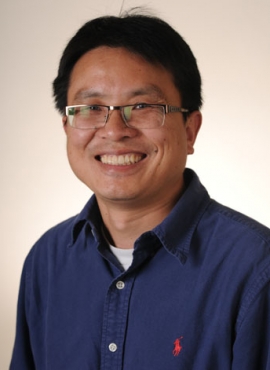
Yajun Mei

Yajun Mei's profile picture
ymei3@gatech.edu

Yajun Mei is a Professor in the H. Milton Stewart School of Industrial and Systems Engineering at Georgia Tech.

Dr. Mei's research interests include change-point problems and sequential analysis in Mathematical Statistics; sensor networks and information theory in Engineering; as well as longitudinal data analysis, random effects models, and clinical trials in Biostatistics. 

He received a B.S. in Mathematics from Peking University in P.R. China, and a Ph.D. in Mathematics with a minor in Electrical Engineering from the California Institute of Technology. He has also worked as a postdoc in Biostatistics for two years in the Fred Hutchinson Cancer Research Center in Seattle, WA.

Phone
404-894-2334
Office
Groseclose 343
Research Focus Areas

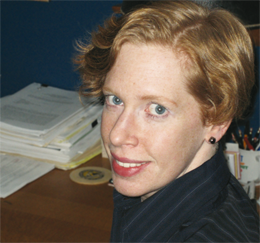
Christine Heitsch

Christine Heitsch's profile picture
heitsch@math.gatech.edu

Christine Heitsch is Professor of Mathematics at Georgia Tech, with courtesy appointments in Biological Sciences and Computational Science & Engineering as well as an affiliation with the Petit Institute for Bioengineering & Bioscience.

She is also Director of the new Southeast Center for Mathematics and Biology (SCMB), an NSF-Simons MathBioSys Research Center, and finishing her tenure directing the GT Interdisciplinary Mathematics Preparation and Career Training (IMPACT) Postdoctoral Program.

Heitsch's research interests lie at the interface between discrete mathematics and molecular biology, specifically combinatorial problems "as motivated by" and "with applications to" fundamental biomedical questions like RNA folding.

Students interested in pursuing graduate studies in discrete mathematical biology can do so through a number of GT PhD programs including Bioinformatics or Quantitative Biosciences as well as Algorithms, Combinatorics, and Optimization (ACO), Computational Science & Engineering (CSE), and (of course) Mathematics.
 

Professor
Phone
404-894-4758
Office
Skiles 211B
Additional Research
Heitsch's research interests lie at the interface between discrete mathematics and molecular biology, specifically combinatorial problems "as motivated by" and "with applications to" fundamental biomedical questions like RNA folding.
Research Focus Areas
University, College, and School/Department

Pamela Bhatti

Pamela Bhatti's profile picture
pamela.bhatti@ece.gatech.edu

Dr. Pamela Bhatti is Professor and Associate Chair for Strategic Initiatives and Innovation at the School of Electrical and Computer Engineering, Georgia Tech. Her research is dedicated to overcoming sensory loss in human hearing through focused neural stimulation, and novel implantable sensors. Dr. Bhatti also conducts research in cardiac imaging to assess and monitor cardiovascular disease. She received her B.S. in Bioengineering from the University of California, Berkeley (1989), her M.S. in Electrical Engineering from the University of Washington (1993), and her Ph.D. in Electrical Engineering from the University of Michigan, Ann Arbor (2006). In 2013, she earned an M.S. in Clinical Research from Emory University, and co-founded a startup company (Camerad Technologies) based on her research in detecting wrong-patient errors in radiology. Dr. Bhatti is the IEEE Journal of Translational Engineering in Health and Medicine, Editor-in-Chief; and, in 2017, received the Georgia Tech Class of 1934 Outstanding Interdisciplinary Activities Award.

Assistant Professor
Phone
404-894-7467
Office
MiRC 225
Additional Research

Biomedical sensors and subsystems including bioMEMS Neural prostheses: cochlear and vestibular Vestibular rehabilitation

Google Scholar
https://scholar.google.com/scholar?q=PT+Bhatti&btnG=&hl=en&as_sdt=0,11

Christoph Fahrni

Christoph Fahrni's profile picture
fahrni@chemistry.gatech.edu

Christoph Fahrni earned a master’s degree in chemistry from the Federal Institute of Technology (ETH, Switzerland) and a Ph.D. degree in chemistry from the University of Basel (Switzerland). After working as a postdoctoral fellow at Northwestern University (Evanston, IL), he joined the School of Chemistry and Biochemistry at the Georgia Institute of Technology in 1999.

Professor
Associate Chair for Graduate and Postdoctoral Programs
Phone
404-385-1164
Office
Petit Biotechnology Building, Office 3310
Additional Research
Metals In Biological Systems. Approximately one third of all known proteins contain metal ions as cofactors and serve a wide variety of functions, such as structure stabilization, catalysis, electron transfer reactions or complex tasks, including signal transduction and gene regulation. Numerous diseases such as haemochromatosis or Menkes disease were found to be related with a defect in metal metabolism. Research is concerned with development of metal specific fluorescent probes for the investigation of the intracellular chemistry of trace elements, the mechanistic study of metalloprotein catalyzed reactions with unusual coordination geometries as well as the development of protein-based, semisynthetic organometallic catalysts in aqueous solution. Fluorescence Probes and Chelators for the Investigation of Intracellular Storage, Trafficking, and Homeostasis of Trace Elements. Until recently, little was known about how eukaryotic cells take up metal ions or regulate intracellular concentrations. Fluorescent chemosensors have been proven to be powerful and nondestructive tools for the study of intracellular metal ion distributions and have provided a wealth of information, including control of muscle contraction, nerve cell communication, hormone secretion, and immune cell activation. Research is concerned with the development of highly specific fluorescent probes for the detailed mechanistic investigation of copper storage and trafficking. Distribution and changes of intracellular copper concentration can be followed in vivo using fluorescence microscopy. Various combinatorial fluorophore libraries are being synthesized, which subsequently are screened for copper binding selectivity. Bioorganometallic Catalysis with Peptide and Protein Ligands. The distribution of metal ions in sea water can be directly correlated with their abundance in biological systems. Consequently, the platinum metals palladium, rhodium, iridium and platinum are not found in any of the natural occurring metalloproteins. Nevertheless, these cations are excellent catalysts for a wide variety of organometallic reactions. Research is focused on combining the rich chemistry of platinum metals with the advantage of proteins to catalyze reactions with high regio- and stereo-selectivity. Novel bioorganometallic catalysts are being developed via redesign of structurally well characterized proteins.
Research Focus Areas
Google Scholar
http://scholar.google.com/scholar?as_q=christoph+j+fahrni&num=10&as_epq=&as_oq=&as_eq=&as_occt=any&as_sauthors=cj+fahrni&as_publication=&as_ylo=&as_yhi=&as_sdt=1&as_subj=chm&as_sdts=11&btnG=Search+Scholar&hl=en

Ronghu Wu

Ronghu Wu's profile picture
ronghu.wu@chemistry.gatech.edu

Research in the Wu lab is mainly focused on mass spectrometry (MS)-based proteomics. They are developing innovative methods to globally identify and quantify proteins and their post-translational modifications (PTMs), including glycosylation and phosphorylation, and applying them for biomedical research. Protein PTMs plays essential roles in biological systems, and aberrant protein expression and modification are directly related to various human diseases, including cystic fibrosis, cancer and infectious diseases. Novel analytical methods will profoundly advance our understanding of protein function, which will lead to the identification of proteins or modified proteins as effective drug targets and the discovery of biomarkers for early disease detection.

Associate Professor
Phone
404-385-1515
Office
EBB 4011
Google Scholar
https://scholar.google.com/citations?user=sL3sQmwAAAAJ&hl=en&oi=ao