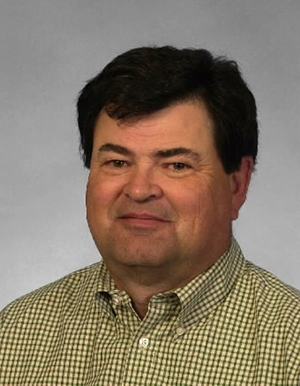
Benjamin Emerson

Benjamin Emerson
bemerson@gatech.edu
Departmental Bio

Ben Emerson completed his Ph. D. in Aerospace Engineering from Georgia Tech in August, 2013. Since then, Ben has worked as a Research Engineer at the Ben T. Zinn Combustion Lab at Georgia Tech. Ben’s research portfolio includes projects on combustion instabilities, alternative fuels, and combustion system R&D with a core focus and motivation of cleaner combustion. Ben’s research primarily consists of three core competencies, which are experimental combustion system development, combustor diagnostics, and combustion theory and modeling. Ben’s combustion system development work spans a wide variety of applications, from small lab-scale burners to combustor rigs that test full-scale gas turbine combustor hardware. His combustor diagnostics work encompasses the state of the art optical diagnostic techniques for reacting flow field measurements and imaging, and aims to implement those techniques in both laboratory-scale and large-scale rig tests. Finally, Ben’s combustion theory and modeling work is geared towards analysis of experimental datasets, development of reduced-order engineering tools, and the development of a suite of hydrodynamic stability analysis tools. Together, these core competencies form the pillars of Ben’s research, which facilitates the design of cleaner-burning combustion systems.

Senior Research Engineer, Guggenheim School of Aerospace Engineering
Phone
404-385-0413
Office
CNES, 216
Additional Research

Hydrogen Utilization, Hydrogen combustion in gas turbines, combustion instabilities, alternative fuels, cleaner combustion system R&D, experimental combustion system development, combustor diagnostics, and combustion theory and modeling
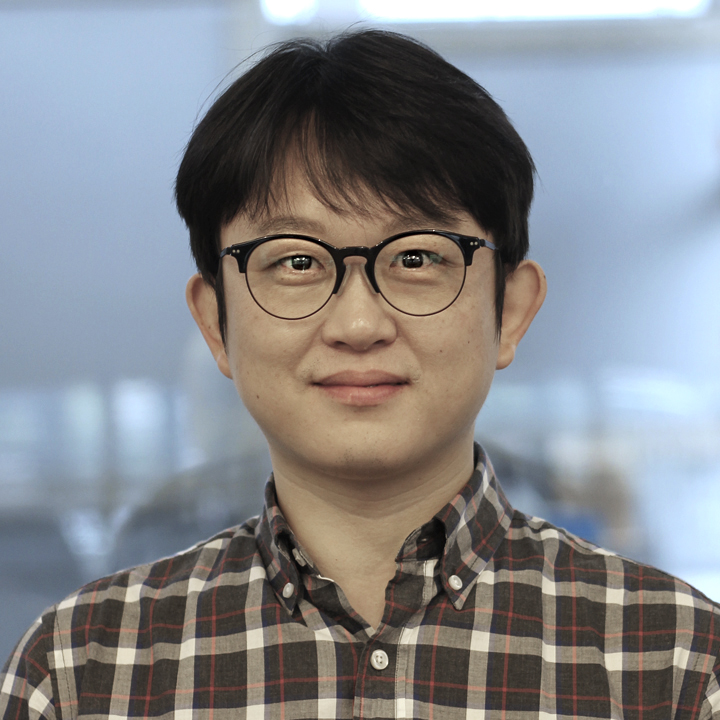
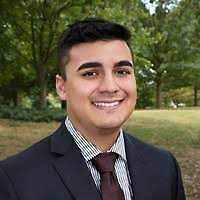
Benjamin
Emerson
Show Regular Profile

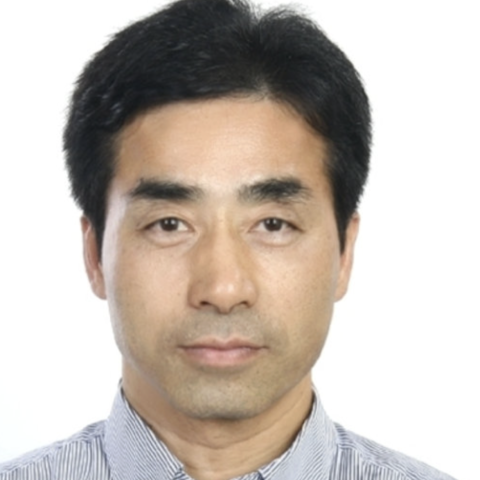
Jinho Park

Jinho Park
jinho.park@gtri.gatech.edu
Research Scientist II
Additional Research
Hydrogen Generation, Hydrogen Utilization, Electrochemical production of green hydrogen, Design/synthesis of high-performance electrocatalysts for water electrolysis and PEMFCs, design/synthesis/characterization of functional materials for energy storage systems, energy conversion systems, fuel cells, water electrolyzers, ammonia cracking, multifunction sensors
IRI And Role
GTRI
Geogia Tech Research Institute
LinkedIn
Jinho
Park
Show Regular Profile

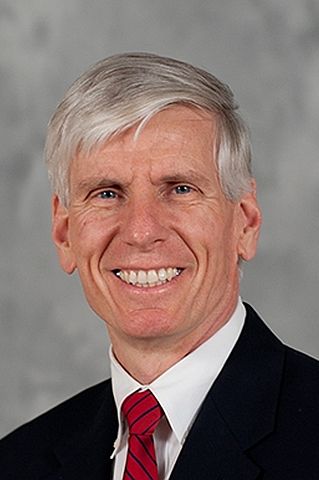
Ronald Chance

Ronald Chance
ronald.chance@chbe.gatech.edu
Departmental Bio

Dr. Chance retired from Global Thermostat at the end of 2022, where he served as a Senior Science Advisor. He continues at the Georgia Institute of Technology where he serves as an Adjunct Professor. Dr. Chance began his career with Honeywell Corporation, holding a number of research positions including Research Manager for Electronic Materials.

In 1986, he joined Exxon as the Director of their Polymers and Fluids Laboratory, later serving as Division Manager for their Paramins Technology division, and as Distinguished Scientific Advisor in ExxonMobil’s Corporate Strategic Research Laboratories. Dr. Chance retired from ExxonMobil in 2006 and joined the Georgia Institute of Technology as a faculty member with a joint appointment in the School of Chemical and Biomolecular Engineering and the School of Chemistry and Biochemistry, continuing also as Distinguished Scientific Advisor Emeritus at ExxonMobil from 2006-2009. 

He joined Algenol Biofuels (2009-2019) as Executive Vice President for Engineering. Dr. Chance's scientific interests are focused on CO2 capture and utilization, including Direct Air Capture, as a mitigation strategy for climate change. 

Dr. Chance has organized several international scientific meetings and served on numerous university and industrial advisory boards. He has published over 150 peer-reviewed articles, edited two books, and authored over 30 patents. He was elected Fellow in The American Physical Society in 1988 and was the 2018 recipient of the Lawrence B. Evans Award from the American Institute of Chemical Engineers, an institute level award for career achievement.

Professor of the Practice
Phone
(404) 385-1931
Office
B-H 421
Additional Research
Hydrogen Generation, Hydrogen Utilization, Energy, CO2 capture and utilization, materials for CO2 separation, biofuels from cyanobacteria
IRI And Role
Ronald
Chance
R.
Show Regular Profile

Meilin Liu

Meilin Liu
meilin.liu@mse.gatech.edu
MSE Profile Page

Liu's primary interests lie in fundamental understanding of the effect of structure, defects, and microstructure on transport and electrical properties of surfaces and interfaces. In particular, he is interested in developing new materials for energy storage and conversion, for chemical sensing, and for hydrogen production and separation In addition, he is interested in mathematical modeling of mass and charge transport in solid electrochemical systems and polarization at interfaces.

Liu's current research activities include (1) in-situ characterization of gas-solid interactions using FTIR/Raman spectromicroscopy, impedance spectroscopy, and mass spectrometry; (2) study of transport phenomena and kinetics in ionic and electronic conductors and the effect of imperfections on electrophysical and electrochemical properties; (3) fabrication and characterization of ceramic membranes, thin films, and coatings; mesoporous and nanostructured electrodes and interfaces; and solid-state ionic devices; and (4) development of new materials for high-selectivity gas sensors, for high-energy-density batteries, for low-temperature solid-state fuel cells, and for high temperature PEM fuel cells.

Liu holds 20 U.S. patents and a number of patent applications, co-edited seven proceedings volumes, and published more than 250 papers in reputed journals, book chapter, and conference proceedings. He has also been the co-organizer of 11 international symposia/workshops on materials for energy storage and conversion devices, sensors, and gas separation.

Liu is a fellow of the American Ceramic Society (ACerS) and the Electrochemical Society (ECS). He is the recipient of a Ross Coffin Purdy Award (American Ceramic Society, 2010), an NASA Tech Brief Award (2007), an invited participant, US-Japan Frontiers of Engineering (National Academy of Engineering, 2007); a Crystal Flame Innovation Award in Research (FuelCell South, 2005); an Outstanding Achievement in Research Program Development Award (Georgia Tech, 2003), A Sustained Research Award (Sigma Xi, 2003), a senior Teaching Fellow (Georgia Tech, 2002), a Best Faculty Paper Award (Sigma Xi, 2001), an Outstanding Faculty Research Author Award (Georgia Tech, 1999), an invited participant, Frontiers of Engineering (National Academy of Engineering, 1997), a Best MS Thesis Advisor Award (Sigma Xi, 1996), a National Young Investigator Award (NSF, 1993-98), and a Scholastic Achievement Award (Golden Gate Chapter of ASM, 1986).

Regents' Professor, School of Materials Science and Engineering
Associate Chair, Academics, School of Materials Science and Engineering
Co-Director, Center for Innovative Fuel Cell and Battery Technologies
Phone
404.894.6114
Office
Love 258
Additional Research

Energy Storage; Energy Conversion; Fuel Cells; Batteries; Thin Films; Hydrogen

Google Scholar
https://scholar.google.com/citations?hl=en&user=1YvZ8LAAAAAJ&view_op=list_works&sortby=pubdate
Liu Research Group
Meilin
Liu
Show Regular Profile

Seung Woo Lee

Seung Woo Lee
seung.lee@me.gatech.edu
ME Profile Page

Seung Woo Lee joined the Woodruff School of Mechanical Engineering at the Georgia Institute of Technology as an assistant professor in January of 2013. Lee received his Ph.D. in chemical engineering at MIT, focusing on designing high-energy and high-power density nanostructured electrodes for electrochemical energy storage devices, and synthesizing catalysts for electrochemical energy conversion of small molecules such as methanol oxidation and O2 reduction. He conducted his postdoctoral research in designing electrodes for lithium rechargeable batteries and catalysts for solar energy storage in the Department of Mechanical Engineering and the Department of Chemistry at MIT.

Assistant Professor, Woodruff School of Mechanical Engineering
Director, Energy Storage and Conversion Lab
Phone
404.385.0764
Office
Love 137
Additional Research

Heat Transfer; Micro and Nano Engineering; Energy Conversion; Energy Storage; Batteries; Supercapacitors; Catalysis; Fuel Cells; Self-Assembly; Nanostructured Materials

Google Scholar
https://scholar.google.com/citations?hl=en&user=nGYeKpIAAAAJ&view_op=list_works&sortby=pubdate
Energy Storage and Conversion Lab
Seung Woo
Lee
Show Regular Profile

Paul Kohl

Paul Kohl
paul.kohl@chbe.gatech.edu
ChBE Profile Page

Paul Kohl received a B.S. degree from Bethany College in 1974 and Ph.D. from The University of Texas, both in Chemistry. After graduation, Kohl was employed at AT&T Bell Laboratories in Murray Hill, NJ from 1978 to 1989. During that time, he was involved in the design and processing of electronic packages for Bell system components. He created new chemical processes for silicon, compound semiconductor, and MEMS devices. In 1989, he joined the faculty of the Georgia Institute of Technology in the School of Chemical and Biomolecular Engineering, where he is currently a Regents' Professor and holder of the Thomas L. Gossage/Hercules Inc. Chair. He is the President of The Electrochemical Society and past Editor of Journal of The Electrochemical Society and past founding editor of Electrochemical and Solid-State Letters. Kohl's research interests include the design of new materials, processes, and packages for advanced interconnect for integrated circuits and MEMS devices. He is the past Director of the Semiconductor Research Corporation/DARPA Interconnect Focus Center. The goal of this center was to create new technological solutions for future electronic devices. Current projects include creation of new photosensitive dielectric materials for electronic packaging and the design and fabrication of MEMS packages. He also has programs in new approaches to fuel cells and lithium batteries. The new direct methanol alkaline fuel cells and hybrid alkaline/acid fuel cells have the potential reduced water management and platinum free usage. The integration of high energy density lithium batteries for self-powered integrated circuits and sensors is of interest. Many of these electrochemical devices use ionic liquids as the electrolytes, including the all-sodium battery. Ionic liquids are also being used as the absorber in a new absorption refrigeration cycle. The first ever ionic liquid/fluorocarbon absorption refrigeration cycle has been demonstrated and modeled.

Regents' Professor and Fellow, School of Chemical and Biomolecular Engineering
Thomas L. Gossage Chair, School of Chemical and Biomolecular Engineering
Phone
404.894.2893
Office
B-H 386
Additional Research

Interconnect and Electronic Packaging; MEMS; Electronic Systems, Devices, Components, & Packaging; Fuel Cells; Separation Membranes

The Kohl Group
Paul
Kohl
A.
Show Regular Profile

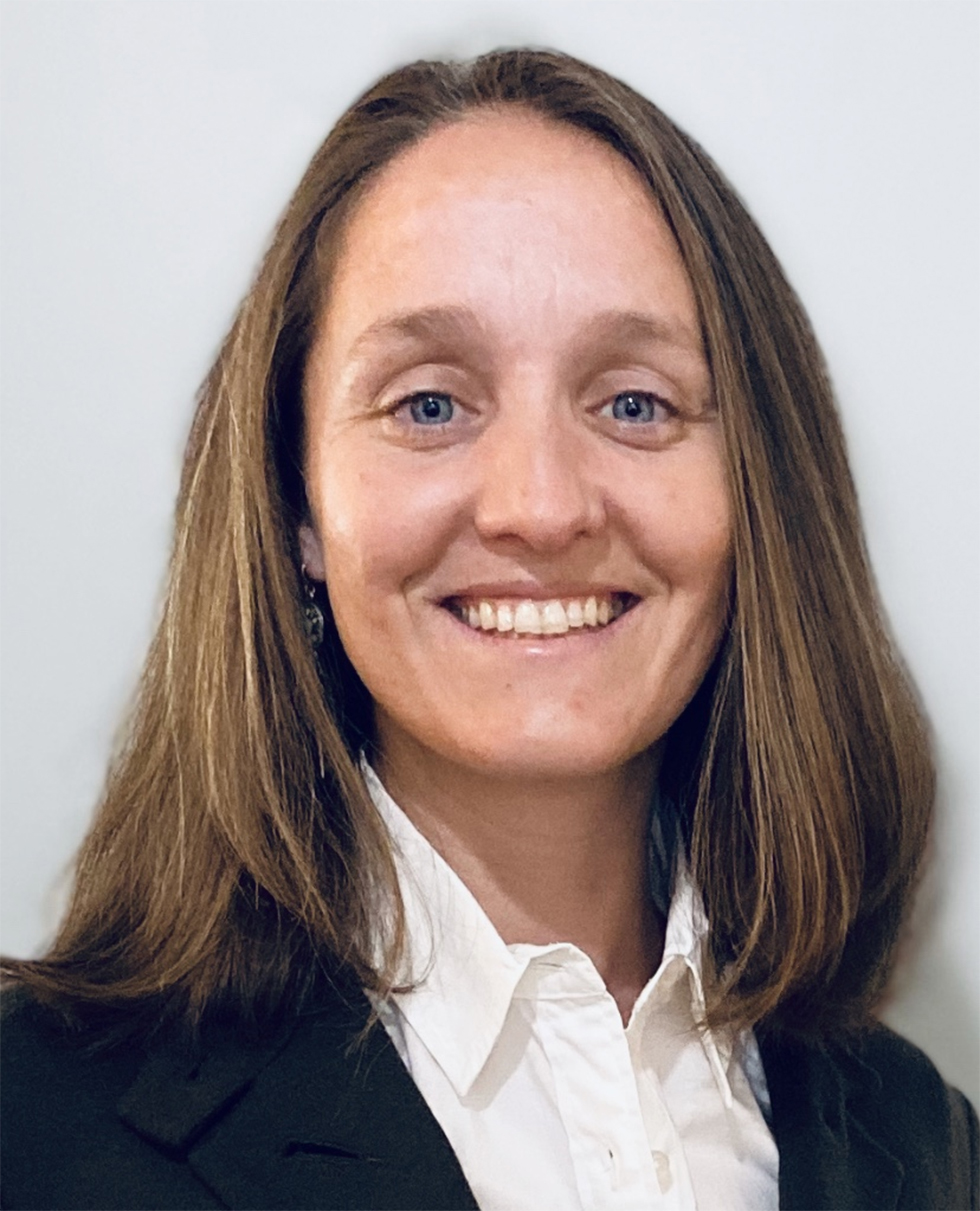
Marta Hatzell

Marta Hatzell
marta.hatzell@me.gatech.edu
Website

Marta Hatzell is a professor of mechanical engineering at Georgia Institute of Technology. Prior to starting at Georgia Tech in August of 2015, she was a post-doctoral researcher in the Department of Material Science and Engineering at the University of Illinois - Urbana-Champaign. During her post doc, she worked in the Braun Research Group on research at the interface between colloid science and electrochemistry. She completed her Ph.D. at Penn state University in the Logan Research Group. Her Ph.D. explored environmental technology for energy generation and water treatment. During graduate school she was an NSF and PEO Graduate Research Fellow. 

Currently her research group focuses on exploring the sustainable catalysis and separations, with applications spanning from solar energy conversion to desalination. She is an active member of the American Chemical Society, the Electrochemical Society, ASEEP, and ASME. Hatzell was awarded the NSF Early CAREER award in 2019 for her work on distributed solar-fertilizers, attended the 2019 US Frontiers of Engineering Symposium through the National Academy of Engineering, and was awarded the 2020 Sloan Research Fellowships in Chemistry.

Woodruff Professor and Associate Professor, Mechanical Engineering
Interim Deputy Director, SEI
SEI Lead: Industrial Decarbonization and Clean Catalysis
Phone
(404) 385-4503
Additional Research

Catalysis; Energy Storage; Smart Infrastructure; Thermal Systems; Water

Marta
Hatzell
Show Regular Profile

Benjamin Emerson

Portrait of Benjamin Emerson

Ben Emerson completed his Ph. D. in Aerospace Engineering from Georgia Tech in August, 2013. Since then, Ben has worked as a Research Engineer at the Ben T. Zinn Combustion Lab at Georgia Tech. Ben’s research portfolio includes projects on combustion instabilities, alternative fuels, and combustion system R&D with a core focus and motivation of cleaner combustion. Ben’s research primarily consists of three core competencies, which are experimental combustion system development, combustor diagnostics, and combustion theory and modeling.