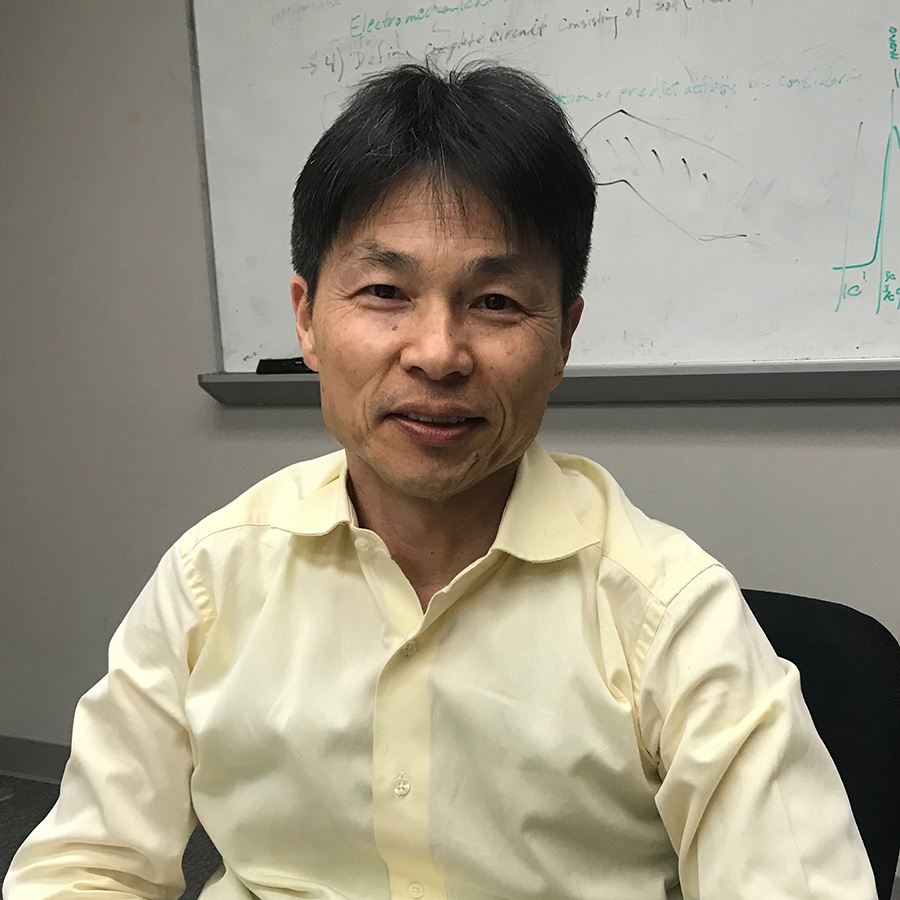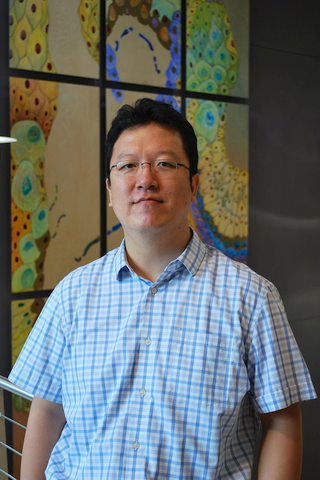
Julien Meaud

Julien Meaud
julien.meaud@me.gatech.edu
Related Site

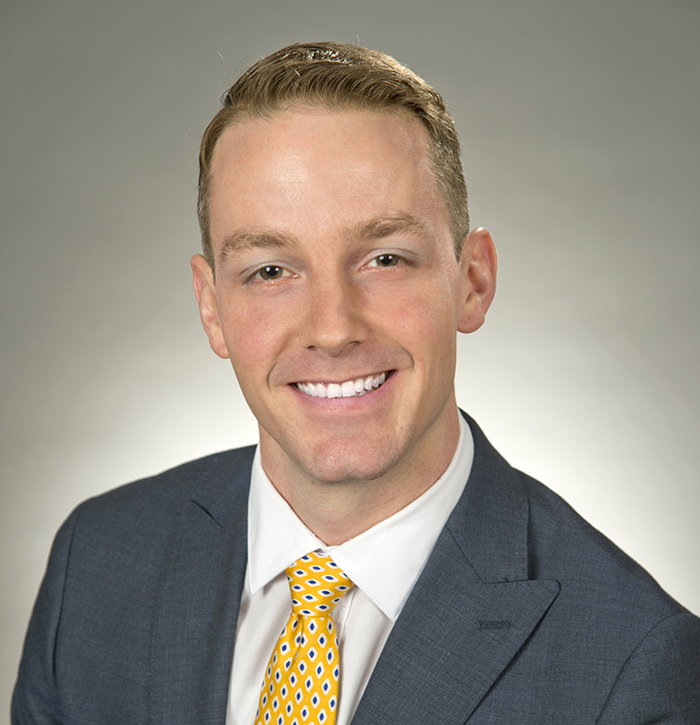
Julien Meaud joined Georgia Tech as an Assistant Professor of Mechanical Engineering in August 2013. Before joining Georgia Tech, he worked as a research fellow in the Vibrations and Acoustics Laboratory and in the Computational Mechanics Laboratory at the University of Michigan, Ann Arbor. 

Dr. Meaud investigates the mechanics and physics of complex biological systems and the mechanics and design of engineering materials using theoretical and computational tools. 

One of his research interests is auditory mechanics. In this research, he develops computational multiphysics models of the mammalian ear based on the finite element method. The mammalian ear is a nonlinear transducer with excellent frequency selectivity, high sensitivity, and good transient capture. The goal of this basic scientific research is to better understand how the mammalian ear achieves these characteristics. This research could have important clinical applications as it could help in the development of better treatment and the improvement of diagnostic tools for hearing loss. It could also have engineering applications, such as the design of biometic sensors. This research is truly interdisciplinary as it includes aspects of computational mechanics, structural acoustics, nonlinear dynamics, biomechanics and biophysics. 

Dr. Meaud is also interested in the mechanics, design and optimization of composite materials, particularly of their response to cyclic loads. Tradtional engineering and natural materials with high damping (such as rubber) tends to have low stiffness. However, the microarchitecture of composite materials that consist of a lossy polymer and a stiff constituent can be designed to simultaneously obtain high stiffness and high damping. Using computational tools such as finite element methods and topology optimization, the goal of Dr. Meaud's research is to design composite materials with these unconventional properties. One of his future goal is to extend the design of these materials to the finite strain regime and high frequency ranges, in order to obtained materials tailored for the targetted application. This research includes aspects of mechanics of materials, computational mechanics and structural dynamics. 

In Dr. Meaud's research group, students will learn theoretical and computational techniques that are used extensively to solve engineering problems in academic research and industry. Students will develop knowledge and expertise in a broad array of mechanical engineering areas. The knowledge that students will gain in computational mechanics, nonlinear and structural dynamics, structural acoustics, dynamics and composite materials could be applied to many domains in their future career.

Associate Professor
Phone
404-385-1301
Office
Love 129
Additional Research

Meaud investigates the mechanics and physics of complex biological systems and the mechanics and design of engineering materials using theoretical and computational tools. One of his research interests is auditory mechanics. In this research, he develops computational multiphysics models of the mammalian ear based on the finite element method. The mammalian ear is a nonlinear transducer with excellent frequency selectivity, high sensitivity, and good transient capture. The goal of this basic scientific research is to better understand how the mammalian ear achieves these characteristics. This research could have important clinical applications as it could help in the development of better treatment and the improvement of diagnostic tools for hearing loss. It could also have engineering applications, such as the design of biometic sensors. This research is truly interdisciplinary as it includes aspects of computational mechanics, structural acoustics, nonlinear dynamics, biomechanics and biophysics. Dr. Meaud is also interested in the mechanics, design and optimization of composite materials, particularly of their response to cyclic loads. Tradtional engineering and natural materials with high damping (such as rubber) tends to have low stiffness. However, the microarchitecture of composite materials that consist of a lossy polymer and a stiff constituent can be designed to simultaneously obtain high stiffness and high damping. Using computational tools such as finite element methods and topology optimization, the goal of Dr. Meaud's research is to design composite materials with these unconventional properties. One of his future goal is to extend the design of these materials to the finite strain regime and high frequency ranges, in order to obtained materials tailored for the targetted application. This research includes aspects of mechanics of materials, computational mechanics and structural dynamics.
Research Focus Areas
Google Scholar
https://scholar.google.com/citations?user=jJTt8i8AAAAJ&hl=en&oi=ao
Julien
Meaud
Show Regular Profile

Costas Arvanitis

Costas Arvanitis
costas.arvanitis@gatech.edu
Website

Dr. Arvanitis joined Georgia Institute of Technology as a joint Assistant Professor at the George W. Woodruff School of Mechanical Engineering and the Wallace H. Coulter Department of Biomedical Engineering in August 2016. Before joining Georgia Institute of Technology he was Instructor (Research Faculty) at Harvard Medical Scholl and Brigham and Women’s Hospital. Dr. Arvanitis has also worked as a research fellow in the Biomedical Ultrasonics, Biotherapy and Biopharmaceuticals Laboratory at the Institute of Biomedical Engineering at the University of Oxford.

Associate Professor
Phone
404-385-5373
Office
Molecular Science and Engineering Building, Room 4100Q
Additional Research
Therapeutic applications of ultrasound: Costas Arvanitis' research investigates the therapeutic applications of ultrasound with an emphasis on brain cancer, and central nervous system disease and disorders. His research is focused on understanding the biological effects of ultrasound and acoustically induced microbubble oscillations (acoustic cavitation) and using them to study complex biological systems, such as the neurovascular network and the tumor microenvironment, with the goal of developing novel therapies for the treatment of cancer and central nervous system diseases and disorders.
Research Focus Areas
Google Scholar
https://scholar.google.com/citations?user=8I1e-u8AAAAJ&hl=en
Related Site
Costas
Arvanitis
D.
Show Regular Profile

Michael Borich

Michael Borich
michael.borich@emory.edu
Website

I am a rehabilitation neuroscientist keenly interested in the brain's capacity for change in response to rehabilitation after injury or in the context of disease. My work incorporates multimodal neuroimaging and neurostimulation approaches to investigate brain structure and function. The overarching aim of this work is to uncover the key neural substrates supporting motor control and motor learning to enable the design of optimal rehabilitation strategies to maximize recovery of function following neurologic injury.

Associate Professor
Adjunct Assistant Professor, Department of Biomedical Engineering, Georgia Tech
Training Faculty, Neuroscience Graduate Program, Emory University
Phone
404-712-0612
Office
Emory Rehabilitation Hospital, R228
Additional Research
My primary research focus is to understand the neural substrates of motor learning and experience-dependent plasticity in healthy individuals and individuals after stroke. This work utilizes cutting-edge neuroimaging and neurostimulation techniques to evaluate both human brain anatomy (structure) and physiology (function). It remains unclear how the brain recovers from neurologic insult and, therefore, rehabilitation strategies aimed at ameliorating functional impairments following injury are currently suboptimal. My work aims to understand how best to measure brain recovery after injury and how best to stimulate optimal restoration of function.
Research Focus Areas
University, College, and School/Department
Google Scholar
https://scholar.google.com/scholar?hl=en&as_sdt=0,11&q=Borich M OR Borich MR
LinkedIn Related Site
Michael
Borich
R.
Show Regular Profile

Candace Fleischer

Candace Fleischer
ccfleis@emory.edu
Website

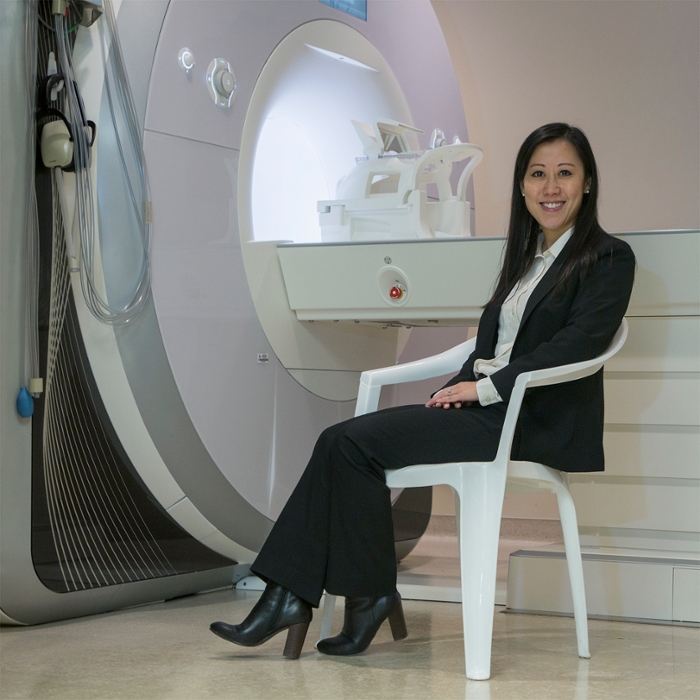
Candace C. Fleischer, PhD, is an Assistant Professor in the Department of Radiology and Imaging Sciences at the Emory University School of Medicine. Dr. Fleischer also holds a faculty appointment at the Wallace H. Coulter Department of Biomedical Engineering at Georgia Institute of Technology and Emory University. She serves as the director of the Biomedical Spectroscopy and Imaging Laboratory.

Dr. Fleischer is a spectroscopist with formal training in physical chemistry and biomedical engineering. Her research group is highly collaborative and focused on the development of new MR spectroscopy and imaging technologies for biomedical and translational applications. 

Current projects include the development of magnetic resonance-based methods for identifying inflammatory biomarkers in malignant brain tumors; and creating new tools for non-invasively measuring brain temperature with applications in cerebrovascular and cardiovascular injury. Her laboratory is also committed to community outreach and increasing scientific literacy.

Assistant Professor of Radiology and Imaging Sciences, Emory University
Assistant Professor of Biomedical Engineering, Georgia Tech and Emory University
Research Focus Areas
University, College, and School/Department
Candace
Fleischer
Show Regular Profile

Nicholas Boulis

Nicholas Boulis
nicholas.boulis@emoryhealthcare.org
Website

Dr. Nicholas M. Boulis is a neurosurgeon in Atlanta, Georgia and is affiliated with multiple hospitals in the area, including Emory University Hospital Midtown and Grady Memorial Hospital. He received his medical degree from Harvard Medical School and has been in practice for more than 20 years.

Associate Professor
MD
Director, Gene and Cell Therapy for Neurorestoration Laboratory
Phone
404-778-5770
Office
Emory Clinic, Building B
Additional Research
Boulis is a functional neurosurgeon with significant expertise in the field of gene transfer to the nervous system. Dr. Boulis' Gene and Cell Therapy Translational Laboratory pursues advanced biological treatments for neurological disorders, including Amyotrophic Lateral Sclerosis (ALS, also known as Lou Gehrig's disease) and Spinal Muscular Atrophy (SMA).
University, College, and School/Department
Google Scholar
https://scholar.google.com/citations?hl=en&user=8xpt8YAAAAAJ&view_op=list_works&sortby=pubdate
LinkedIn Related Site
Nicholas
Boulis
Show Regular Profile

Robert Gross

Robert Gross
rgross@emory.edu
Website

Dr. Gross’s research interests include: restorative approaches (including cell and gene therapy) for Parkinson's disease and other neurodegenerative disorders; physiology of movement disorders (Parkinson's disease, tremor, dystonia); novel surgical techniques for epilepsy (e.g. deep brain stimulation, cell and gene therapy). In particular, he has been elucidating the role of axon guidance molecules in the development and reconstruction of the nigrostriatal pathway, which degenerates in P.D. This approach, which encompasses molecular and cellular engineering in combination with neurotransplantation, may be generally useful in reconstructive approaches for many types of nervous system degeneration and injury. 

In July of 2007, Dr. Gross, along with Steve M. Potter, Ph.D. of the Department of Biomedical Engineering at the Georgia Institute of Technology and Emory University, was the recipient of a prestigious grant from The Epilepsy Research Foundation (ERF) for translational research funding awards supporting innovative epilepsy products. The grant supports the development of a novel electrical stimulation approach that directly controls the activity of the brain to attain a more stable state from which seizures will not arise.

MBNA Bowman Chair & Professor
Director and Co-Founder, ENTICe
Director, Translational Neuro-Engineering Laboratory
Director, Stereotactic, Functional Neurosurgery & Epilespsy Surgery
Phone
404-727-2354
Office
Emory WMRB 6311
Additional Research
Neuromodulation using multielecrode arrays, closed loop control theory, and optogenetics for epilepsy and movement disorders. Computational modeling of epilepsy networks for model-based and non-model based feedback control of optogenetic and electrical neuromodulation. Neurorestoration using gene and cell-therapy based approaches for degenerative and injury conditions. The Translational Neuroengineering Research Lab uses neuromodulation for epilepsy using a combination of the following advanced techniques: 1) Multimicroelectrode electrical stimulation using novel parameters informed by optimization of input/output relationships (both model- and non-model based MIMO) using closed-loop control theory including adaptive learning and machine learning approaches; 2) Optogenetic activation and inhibition using all forms of available channels including step-function opsins. These approaches identify novel brain regions that have more widespread control and targets specific cell types for activation and inhibiton. Closed loop control using multielecrode arrays informs and controls neuromodulation. 3) Hardware independent 'luminopsins': novel gene therapy approaches combining bioluminescent proteins with optogenetic channels for hardware independent, widespread and activity-regulatable neuromodulation. We use a combination of in vitro models, animal models (mouse, rat, non-human primate) and human patients undergoing epilepsy and deep brain stimulation surgery as our experimental models. In addition, the laboratory has developed novel gene therapy vectors for neurorestoration targeting key pivotal proteins regulating axon outgrowth in regenerative situations, including for Parkinson's disease, spinal cord injury and retinal degeneration.
Research Focus Areas
University, College, and School/Department
Google Scholar
https://scholar.google.com/citations?user=HR5pAakAAAAJ&hl=en&oi=ao
Related Site
Robert
Gross
Show Regular Profile

Gary J. Bassell

Gary J. Bassell
gbassell@emory.edu
Website

Gary J. Bassell, Ph.D. joined the faculty at Emory University School of Medicine in 2005, where he is currently Professor and Chair of the Department of Cell Biology. His personal lab’s main interest is in understanding the mechanisms and functions of mRNA transport and local protein synthesis in neurons of the central and peripheral nervous system. The lab utilizes in vitro and in vivo mouse models and induced pluripotent stem cells (iPSCs) to study the basic mechanism, regulation and function of mRNA localization and local translation in axonal growth cones and dendritic spines. Prior to moving Emory, Dr. Bassell was a member of the faculty at the Albert Einstein College of Medicine, in the Department of Anatomy and Structural Biology (1995-1998) and subsequently in the Department of Neuroscience and Rose Kennedy Center for Mental Retardation (1998-2005). 

Professor and Chair of the Department of Cell Biology
Emory University
Phone
404-727-3772
Office
Whitehead Biomedical Research Bldg. #405E
Additional Research
The research interests of our laboratory are to understand the diverse and critical roles played by mRNA binding proteins and associated factors in the posttranscriptional regulation of gene expression in the nervous system, and investigate how these processes go awry in neurodevelopmental and neurodegenerative disorders. We investigate the normal mechanism, function and regulation of mRNA binding proteins in mRNA transport and local protein synthesis needed for neuronal development and synaptic plasticity. We investigate pathomechanisms for Fragile X syndrome (FXS) and other autism spectrum disorders, as well as two motor neuron diseases: spinal muscular atrophy (SMA) and amyotrophic lateral sclerosis (ALS). We are using mouse models of neurological diseases to assess the function of mRNA regulation and local protein synthesis in axon guidance, synapse development and neuronal signaling. Efforts are also underway to evaluate different therapeutic modalities in these mouse models of neurological diseases. Our research utilizes an integrated multi-disciplinary approach that involves cellular, molecular, biochemical, physiological, and behavioral methods and paradigms. These studies are expected to reveal new mechanisms important for neuronal development and function, and targeted approaches for therapeutic intervention that treat underlying molecular defects in SMA, Fragile X syndrome and autism spectrum disorders.
Research Focus Areas
University, College, and School/Department
Related Site
Gary
Bassell
J.
Show Regular Profile

Minoru Shinohara

Minoru  Shinohara
shinohara@gatech.edu
Departmental Profile Page

Physiological and biomechanical mechanisms underlying fine motor skills and their adjustments and adaptations to heightened sympathetic nerve activity, aging or inactivity, space flight or microgravity, neuromuscular fatigue, divided attention, and practice in humans. He uses state-of-the-art techniques in neuroscience, physiology, and biomechanics (e.g., TMS, EEG, fMRI, single motor unit recordings, microneurography, mechanomyography, ultrasound elastography, and exoskeleton robot) in identifying these mechanisms.

Associate Professor; School of Biological Sciences
Phone
404.894.1030
Office
555 14th St | Suite 1309C
Additional Research

Neuromuscular Physiology

Google Scholar
https://scholar.google.com/citations?hl=en&user=oIbxZhIAAAAJ&view_op=list_works&sortby=pubdate
LinkedIn Human Neuromuscular Physiology Lab
Minoru
Shinohara
Show Regular Profile

YongTae (Tony) Kim

YongTae (Tony) Kim
yongtae.kim@me.gatech.edu
Personal Website

Kim joined the Woodruff School of Mechanical Engineering as an Assistant Professor in July 2013. Prior to his current appointment, he was a Postdoctoral Associate in the David H. Koch Institute for Integrative Cancer Research at MIT, where he developed biomimetic microsystems for probing nanoparticle behaviors in the inflamed endothelium and for synthesizing therapeutic and diagnostic nanomaterials. His doctorate research at CMU focused on closed-loop microfluidic control systems for lab-on-a-chip applications to biochemistry and developmental biology. Prior to his Ph.D., he was a researcher in areas of dynamics, controls, and robotics at R&D Divisions of Hyundai-Kia Motors and Samsung Electronics for six years.

Associate Professor, Woodruff School of Mechanical Engineering
Phone
404.385.1478
Office
Marcus 3134
Additional Research

Multifunctional Materials; Biosensors; Bio-MEMS; Tissue Engineering

Google Scholar
https://scholar.google.com/citations?hl=en&user=Q13X9mMAAAAJ&view_op=list_works&sortby=pubdate
Multiscale Biosystems and Multifunctional Nanomaterials Lab
YongTae (Tony)
Kim
Show Regular Profile

N Apurva Ratan Murty

Murty

Ratan is an Assistant Professor of Cognition and Brain Science in the School of Psychology at Georgia Tech, and the Director of the Murty Lab (murtylab.com).