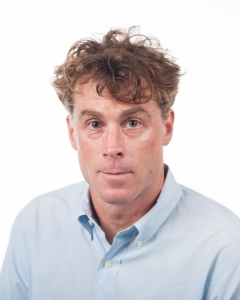
Todd Streelman

Todd Streelman
todd.streelman@biology.gatech.edu
Website

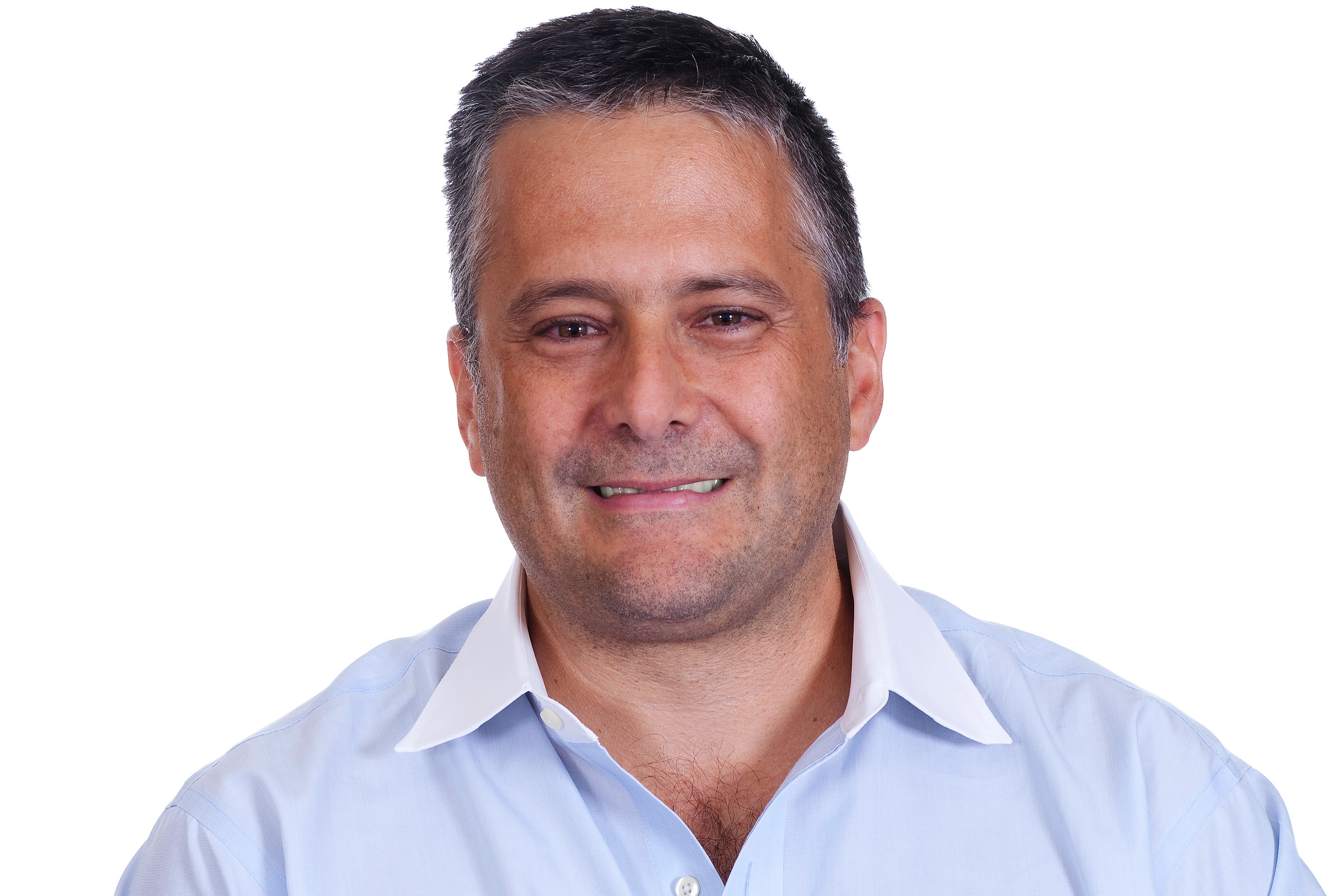
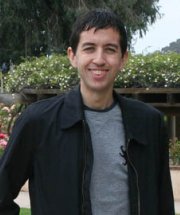
Streelman grew up in Chestertown Md, where he developed a keen interest in the outdoors. He graduated with a BS in Biology from Bucknell University. While there, he attended a semester (plus one cold winter-mester) at the Marine Biological Laboratory in Woods Hole Massachusetts — where a chance encounter with Les Kaufman, Karel Liem, a few jars of pickled fish and a dental X-ray technician led to his lifelong love of cichlids. Streelman won the Pangburn Scholar-Athlete award (lacrosse) at BU. As a PhD student with Stephen Karl, Streelman developed approaches to identify, clone and sequence multiple, independent single-copy nuclear loci to reconstruct accurate phylogenies for cichlid fishes and their relatives. These phylogenies changed perspective about how these species groups evolved, and allowed new and improved inference about the evolutionary history of key ecological traits. Multi-locus phylogenies are now the standard in the field. 

As a postdoc in Tom Kocher’s lab and then a young investigator at Georgia Tech, Streelman worked on the first unbiased quantitative genetic (QTL) studies in Malawi cichlids, some of the first such studies in evolutionary systems. In particular, work showed that adaptive features of the cichlid jaw and the striking orange-blotch color polymorphism had a simple genetic basis.  

Streelman was an Alfred P. Sloan Foundation Postdoctoral Fellow, an Alfred P. Sloan Foundation Faculty Research Fellow and a NSF CAREER Awardee.  

Over the past two decades as an independent investigator, with support from the NSF, NIH and the Human Frontier Science Program, Streelman’s group has pioneered genomic and molecular biology approaches in the Malawi cichlid system to solve problems difficult to address in traditional model organisms. Major projects include (i) tooth and taste bud patterning and regeneration; (ii) the underpinnings of complex behavior; and (iii) developmental diversification of the face and brain.  

Generally, we are captivated by context-dependent traits like development and behavior because they must be executed in space and time with exquisite control. We analyze and manipulate genomes and development in multiple species of Malawi cichlids, spanning divergence in embryonic/adult traits and behavior – and collaborate with folks studying these same traits in zebrafish, mouse and human. In 2014, Streelman helped to coordinate a large effort to sequence the genomes of five East African cichlids, including one from Lake Malawi. This was a landmark for our research community and has recast attention to genome-wide approaches. We are motivated by the prospect to dissect evolutionary change with genetic and cellular precision.  

In his free time, Streelman likes mountaineering, skipping rocks and pickling.
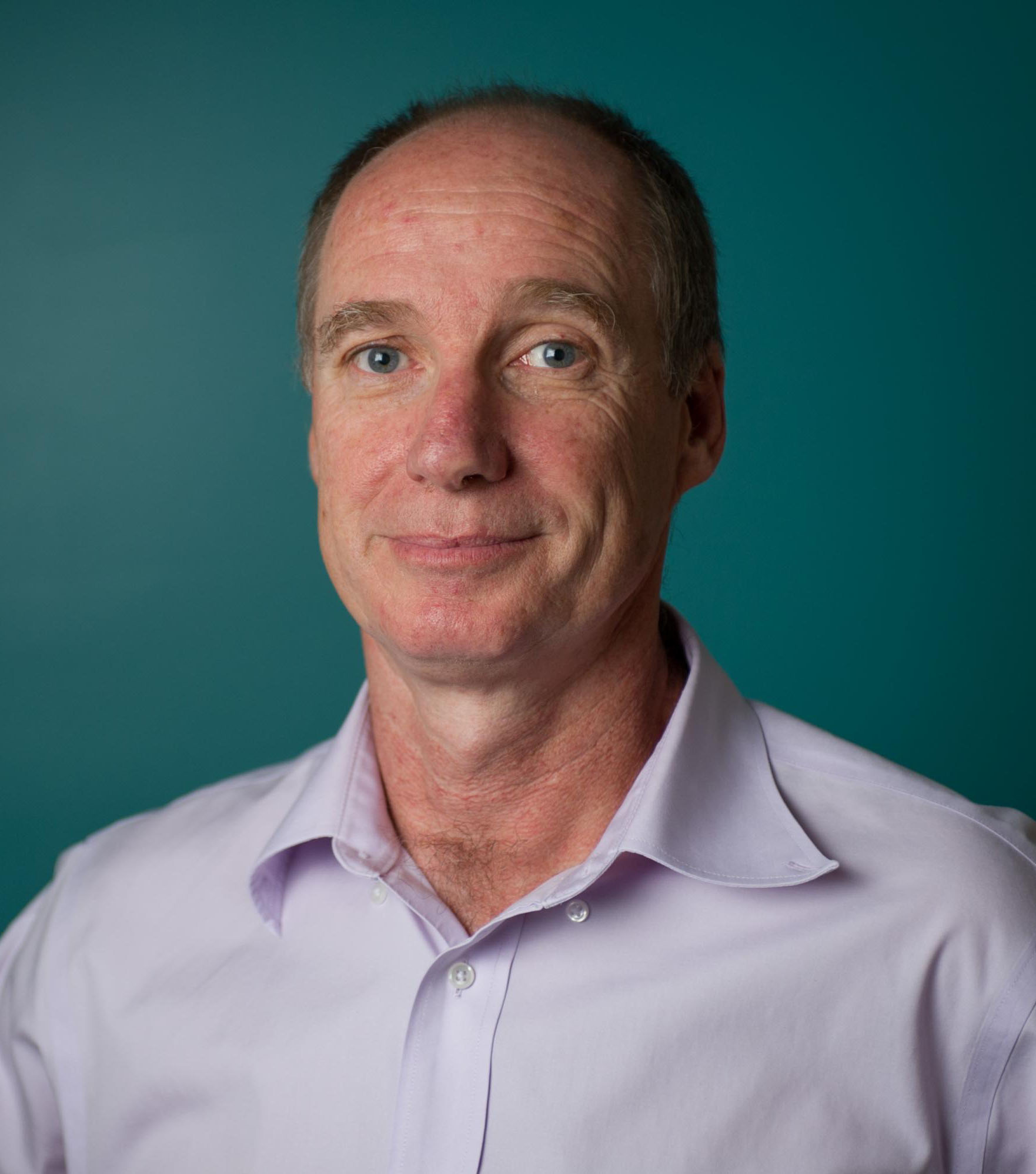
Professor and Chair
Phone
404-894-3700
Office
EBB 3007
Additional Research
Researchers in the Streelman lab use the cichlid fish model to address fundamental questions in ecology and evolution. We are fascinated by context-dependent processes like embryonic development, the regeneration of organs and complex behavior. Context-dependency is interesting because it reveals new rules of biological systems that are not necessarily operational during homeostasis. For instance, recent results suggest that stem-like cells in the brain may tune the evolution of male social behavior. We raise cichlids from Lake Malawi in custom fish facilities at Georgia Tech. We invent automated assays to quantify behavior, we sequence genomes and the transcriptomes of cells, and we collaborate with computational scientists, engineers and colleagues working in zebrafish, mouse and human. Members of the lab are keen to learn new things by working together, compelled by mechanism and comparative approaches.
Research Focus Areas
Google Scholar
https://scholar.google.com/citations?user=-aJZjvYAAAAJ&hl=en
http://biosci.gatech.edu/people/todd-streelman
Todd
Streelman
Show Regular Profile

Greg Gibson

Greg Gibson
greg.gibson@biology.gatech.edu
Website

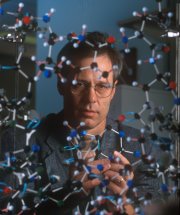
Greg Gibson is Professor of Biology and Director of the Center for Integrative Genomics at Georgia Tech. He received his BSc majoring in Genetics from the University of Sydney (Australia) and PhD in Developmental Genetics from the University of Basel. After transitioning to quantitative genetic research as a Helen Hay Whitney post-doctoral fellow at Stanford University, he initiated a program of genomic research as a David and Lucille Packard Foundation Fellow at the University of Michigan. He joined the faculty at Georgia Tech in Fall of 2009, after ten years at North Carolina State University where he developed tools for quantitative gene expression profiling and genetic dissection of development in the fruitfly Drosophila. He is now collaborating with the Center for Health Discovery and Well Being on integrative genomic analyses of the cohort. Dr Gibson is an elected Fellow of the American Association for the Advancement of Science, and serves as Section Editor for Natural Variation for PLoS Genetics. He has authored a prominent text-book, a "Primer of Genome Science" as well as a popular book about genetics and human health, "It Takes a Genome".

Professor
Director, Center for Integrative Genomics
Adjunct Professor, School of Medicine, Emory University
Phone
404-385-2343
Office
EBB 2115A
Additional Research
Quantitative Evolutionary Genetics. After 15 years working on genomic approaches to complex traits in Drosophila, my group has spent much of the past 10 years focusing on human quantitative genetics. We start with the conviction that genotype-by-environment and genotype-by-genotype interactions are important influences at the individual level (even though they are almost impossible to detect at the population level). We use a combination of simulation studies and integrative genomics approaches to study phenomena such as cryptic genetic variation (context-dependent genetic effects) and canalization (evolved robustness) with the main focus currently on disease susceptibility.​ Immuno-Transcriptomics.As one of the early developers of statistical approaches to analysis of gene expression data, we have a long-term interest in applications of transcriptomics in ecology, evolution, and lately disease progression. Since blood is the mostaccessible human tissue, we've examined how variation is distributed within and among populations, across inflammatory and auto-immune states, and asked how it relates to variation in immune cell types. Our axes-of-variation framework provides a new way of monitoring lymphocyte, neutrophil, monocyte and reticulocyte profiles from whole peripheral blood. Most recently we have also been collaborating on numerous studies of specific tissues or purified cell types in relation to such diseases as malaria, inflammatory bowel disease, juvenile arthritis, lupus, and coronary artery disease. Predictive Health Genomics. Personalized genomic medicine can be divided into two domains: precision medicine and predictive health. We have been particularly interested in the latter, asking how environmental exposures and gene expression, metabolomic and microbial metagenomics profiles can be integrated with genomesequencing or genotyping to generate health risk assessments. A future direction is incorporation of electronic health records into genomic analyses of predictive health. Right now it is easier to predict the weather ten years in advance than loss of well-being, but we presume that preventative medicine is a big part of the future of healthcare.​
Google Scholar
https://scholar.google.com/citations?user=e4_ZXcwAAAAJ&hl=en&oi=ao
http://www.biology.gatech.edu/people/gregory-gibson
Greg
Gibson
Show Regular Profile

Facundo Fernandez

Facundo Fernandez
facundo.fernandez@chemistry.gatech.edu
Website

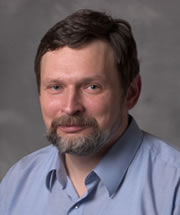
Facundo was born in Buenos Aires, Argentina. He received his MSc in Chemistry from the College of Exact and Natural Sciences, Buenos Aires University in 1995 and his PhD in Analytical Chemistry from the same University, in 1999.  In August 2000, he joined the research group of Prof. Richard N. Zare in the Department of Chemistry at Stanford University.  His work focused on several aspects of Hadamard transform time-of-flight mass spectrometry with an emphasis on coupling this technique to capillary-format separation methods.  In 2002, he joined the group of Prof. Vicki Wysocki in the Department of Chemistry at the University of Arizona, to develop novel tandem mass spectrometers for gas-phase peptide ion studies. In 2004 he joined the School of Chemistry and Biochemistry at the Georgia Institute of Technology where he currently holds the position of Vasser-Woolley Endowed Professor in Bioanalytical Chemistry and Associate Chair for Research and Graduate Training. He is the author of over 185 peer-reviewed publications and numerous invited presentations at national and international conferences. He has received several awards, including the NSF CAREER award, the CETL/BP Teaching award, the Ron A. Hites best paper award from the American Society for Mass Spectrometry, and the Beynon award from Rapid Communications in Mass Spectrometry, among others. He serves on the editorial board of The Analyst and as an Associate editor for the Journal of the American Society for Mass Spectrometry. His current research interests include the field of metabolomics and the development of new ionization, imaging, machine learning and ion mobility spectrometry tools for probing composition and structure in complex molecular mixtures. In his (limited) free time, Facundo enjoys a number of activities that include camping with his family, rock climbing, paddling, archery, photography and ham radio. 

Vasser Woolley Foundation Chair in Bioanalytical Chemistry
Professor; School of Chemistry and Biochemistry
Phone
404.385.4432
Office
ES&T L1244
Additional Research
Mass Spectrometry (MS) is one of the key analytical methods used to identify and characterize small quantities of biological molecules embedded in complex matrices. Although MS has found widespread use, improvements are still needed to extend its application to the grand challenges of this century. Since starting my position at Georgia Tech in 2004, my group members and I have used an integrated strategy with roots in bioanalytical chemistry, instrumentation development, bioinformatics, and theoretical modeling to focus on questions of great societal and scientific significance. To this purpose, we have integrated with cross-cutting teams devoted to problems that range from explaining the origins of life on Earth and diagnosing cancer at an early stage, to tracking the sources and prevalence of counterfeit pharmaceuticals worldwide. The common theme along these questions is the need for highly accurate tools for quantifying, identifying, and imaging trace chemicals in complex mixtures. Research in our lab uses state-of-the-art mass spectrometry, ion mobility gas-phase separations,ultrahigh performance liquid chromatography, and new soft ion generation techniques. We investigate the obtained data using machine learning and other powerful bioinformatic approaches. Our group is very dynamic, and each student pursues more than one project at a time, usually in collaboration with other group members or with other research groups at GT or elsewhere. Graduate and undergraduate students are trained in a variety of bioanalytical instrumentation/methodologies, with an emphasis on the fundamentals. We are analytical mass spectrometrists at heart, and strive to answer "big" scientific questions or questions with a large societal impact.
Google Scholar
https://scholar.google.com/citations?hl=en&tzom=240&user=7FB1qOYAAAAJ
Related Site
Facundo
Fernandez
M.
Show Regular Profile

Nicholas V. Hud

Nicholas V. Hud
nick.hud@chemistry.gatech.edu
Website

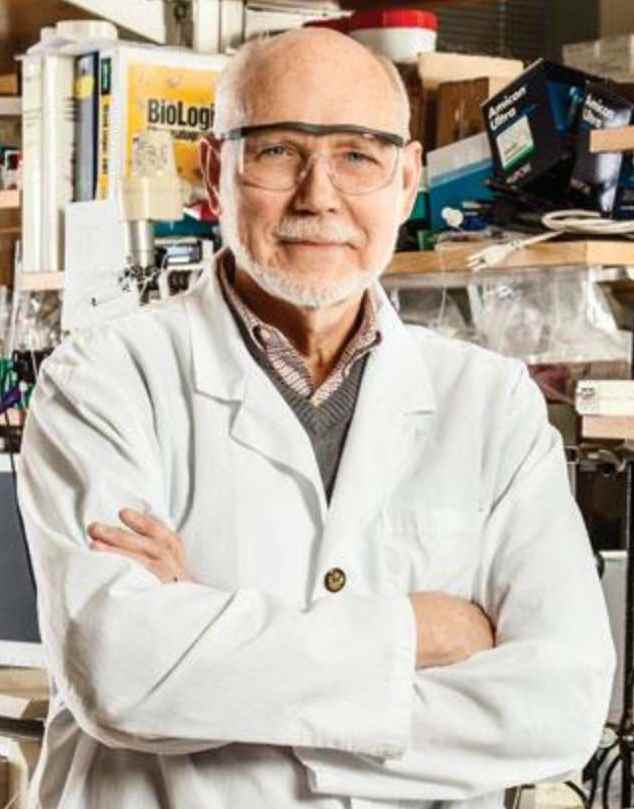
Nicholas Hud was born and raised in Los Angeles, California. He received his B.S. degree in physics from Loyola Marymount University. His Ph.D. was conferred by the University of California, Davis for physical investigations of DNA condensation by protamine. From 1992-1995 he was a postdoctoral fellow in the biology and biotechnology research program at Lawrence Livermore National Laboratory with Rod Balhorn. From 1995-1998 he was an NIH postdoctoral fellow in the Molecular Biology Institute at UCLA where he worked with Juli Feigon and Frank A. L. Anet on the application of NMR spectroscopy to the study of DNA-cation interactions. Hud joined the faculty at Georgia Tech as an assistant professor in 1999 and was promoted to full professor in 2008. He has been visiting professor of chemistry at the National NMR Center in Slovenia, and at Imperial College London. Hud currently serves as PI of the NSF Center for Chemical Evolution, as chair of the biochemistry division of the School of Chemistry and Biochemistry, as co-director of the Georgia Tech-Emory University Center for Fundamental and Applied Molecular Evolution (FAME), and as associate director of the Petit Institute for Bioengineering and Bioscience.

Associate Director, Parker H. Petit Institute for Bioengineering and Bioscience
Regents’ Professor of Chemistry & Biochemistry
Director, NSF Center for Chemical Evolution
Phone
404-385-1162
Office
Petit Biotechnology Building, Office 1108
Additional Research
Intercalation-mediated Nucleic Acid Assembly, The Molecular Midwife & the Origin of Life, Nucleic Acid-Cation Interactions, Understanding DNA & RNA Condensation. The research in our laboratory is directed towards elucidating the fundamental chemical and physical principles that govern nucleic acid (RNA and DNA) assembly. We are interested in how the physical properties of nucleic acids govern biological functions in contemporary life, and how these same properties provide clues to the origin and early evolution of life. We are also applying our knowledge of nucleic acids to problems that are of current importance in medicine and biotechnology. Specific projects include investigations of: 1) the origin and evolution of RNA; 2) cation, solvent and small molecule interactions with nucleic acids; 3) nucleic acid condensation and packaging; and 4) folding and evolution of the ribosome. Our research involves the application of a wide variety of physical and chemical techniques.
Google Scholar
https://scholar.google.com/citations?user=KJCOsVsAAAAJ&hl=en&oi=ao
LinkedIn Related Site
Nicholas
Hud
V.
Show Regular Profile

Shoichiro Ono, Ph.D.

Shoichiro Ono, Ph.D.
sono@emory.edu
Website

The Shoichiro's lab primary research interest is the mechanisms that regulate dynamic rearrangement of the actin cytoskeleton during various cellular events including development, cell movement, cytokinesis, and human diseases. We have been studying this problem using the nematode Caenorhabditis elegans as a model system. C. elegans has been used to study many aspects of development, because of its relative simplicity in the body patterning, and application of genetics, molecular biology, biochemistry, and cell biology. We are especially interested in the functions of the actin depolymerizing factor (ADF)/cofilin family of actin-binding proteins, which are required for enhancement of actin filament dynamics. We found that two ADF/cofilin proteins that are generated from the unc-60 gene have different actin-regulating activities. Mutation and expression analyses demonstrated that one of the two ADF/cofilin isoforms (UNC-60B) was specifically required for organized assembly of actin filaments in muscle. ADF/cofilin promotes depolymerization and severing of actin filaments, but tropomyosin inhibits this effect by stabilizing filaments. The other ADF/cofilin isoform (UNC-60A) is highly expressed in early embryos and regulates cytokinesis and embryonic patterning. In addition, we found that actin-interacting protein 1 (AIP1) is a new regulator of muscle actin filaments. AIP1 (UNC-78) specifically interacts with ADF/cofilin-bound actin filaments and enhances filament depolymerization. We also found that the gene product of sup-12 (an RBM24 homolog) regulates alternative splicing of the unc-60 gene and is required for generation of the unc-60B mRNA. We are currently studying functions of these proteins and other regulators of actin dynamics in several developmental aspects in C. elegans.

Associate Professor of Pathology and Laboratory Medicine
Associate Professor of Cell Biology
Phone
404.727.3916
Office
615 Michael Street, Whitehead Biomedical Research Building Room 105N, Atlanta, GA 30322
University, College, and School/Department
Google Scholar
https://scholar.google.com/citations?user=tq7ihbkAAAAJ&hl=en
NCBI
Shoichiro
Ono
Show Regular Profile

Frank Stewart

Frank Stewart
frank.stewart@biology.gatech.edu
Website

I am an environmental microbiologist interested in the dynamics of microbial systems.  My research is motivated by the beliefs that microbes are a frontier for natural history and scientific discovery, and that exploring this frontier is necessary and important for understanding biological diversity and its changing role in ecosystem processes. The first major research theme in my lab explores how aquatic microbes respond to environmental change, notably declines in ocean oxygen content.  The second major theme explores how life in symbiosis drives microbial evolution and ecology.  My research targets diverse systems, from the marine water column to the intestinal microbiomes of fishes.  This research aims to identify metabolic properties that underlie the ecology of microbes and microbe-host systems, the evolutionary context under which these functions arose, and the role of these functions in ecosystem-scale processes in a changing environment.  

I am an Associate Professor in the Department of Microbiology and Immunology at Montana State University and an Adjunct Professor in the School of Biological Sciences at Georgia Tech.  I received a B.A. in Biology from Middlebury College and a Ph.D. in Organismic and Evolutionary Biology from Harvard University.  I worked as a Postdoctoral Fellow at MIT for two years before moving to Georgia Tech in January 2011.  In February 2020, I moved my lab to the mountains of Montana.  My work has been recognized through an NSF CAREER award, a Sloan Research Fellowship, and a Simons Foundation Early Career investigator award.  

Adjunct Associate Professor
Phone
404-894-5819
Office
ES&T 1242
Additional Research
Bacteria and Archaea constitute the overwhelming majority of genetic and metabolic diversity on this planet. To understand these organisms in their native habitats, environmental microbiologists are tasked with two fundamental questions. First, how do ecological and evolutionary processes (e.g., symbiosis, competition, recombination, natural selection) create and structure genetic diversity? Second, how is this genetic diversity linked to the diverse biogeochemical functions of microorganisms in nature? Our research explores these questions for marine microorganisms, using the tools of genomics and molecular biology. We are particularly interested in how microbial genome evolution and physiology are affected by symbiotic interactions with higher taxa. In tandem with this work, we study free-living microorganisms, as they provide important reference points for understanding symbiont biology and mediate key global biogeochemical cycles in the ocean's water column and sediments. In particular, we are interested in how oxygen loss affects the diversity and metabolism of marine microbes. Our research integrates the broad fields of microbiology, molecular evolution, and marine biology. This work has both descriptive and experimental components, and involves a blend of field, molecular, and bioinformatic techniques, the latter focused in part on the analysis of high-throughput sequencing datasets. We welcome inquiries from potential students, post-docs, and collaborators who share these interests.
Research Focus Areas
Google Scholar
http://scholar.google.com/citations?user=-234SKAAAAAJ&hl=en&oi=ao
http://biosciences.gatech.edu/people/frank-stewart
Frank
Stewart
Show Regular Profile

James Gumbart

James Gumbart
gumbart@physics.gatech.edu
Website

My lab is focused on understanding how proteins and other biological systems function at a molecular level. To probe these systems, we carry out molecular dynamics simulations, modeling biological behavior one atom at a time. The simulations serve as a "computational microscope" that permits glimpses into a cell's inner workings through the application of advanced software and high-powered supercomputers. We are particularly interested in how bacteria utilize unique pathways to synthesize proteins and insert them into both the inner and outer membranes, how they import nutrients across two membranes, and how their cell walls provide shape and mechanical strength.

Associate Professor
Phone
404-385-0797
Office
Howey W202
Additional Research

Computational Chemistry

Research Focus Areas
University, College, and School/Department
Google Scholar
https://scholar.google.com/citations?user=DOMzcTgAAAAJ&hl=en
LinkedIn Related Site
James
Gumbart
C.
Show Regular Profile

Loren Williams

Loren Williams
loren.williams@chemistry.gatech.edu
Website
  • Loren Williams is from Seattle. He received his B.Sc. in Chemistry from the University of Washington, where he worked in the laboratory of Martin Gouterman. He received his Ph.D. in Physical Chemistry from Duke University, where he worked the laboratory of Barbara Shaw. He was an American Cancer Society Postdoctoral Fellow at Harvard, and an NIH Postdoctoral Fellow at MIT with Alexander Rich. He is currently a Professor in the School of Chemistry and Biochemistry at Georgia Tech. Loren is a Fellow of the AAAS and of the International Society for the Study of the Origins of Life. He was previously Director of the NASA Astrobiology Institute funded RiboEvo Center and is currently Director of the NASA-funded Center for the Origins of Life (COOL). Loren is currently a Co-Lead of the Prebiotic Chemistry and Early Earth Environment Consortium (PCE3 a NASA Research Coordination Network). Loren has received the following awards: 
  • 1995 NSF Career Award 
  • 1996 Sigma Xi Best Paper from Georgia Tech 
  • 2012 Georgia Tech Student Advisement Award 
  • 2012 Petit Institute Above and Beyond Award 
  • 2013 Georgia Tech Faculty Award for Academic Outreach 
  • 2013 Georgia Tech College of Science Faculty Mentor Award 
  • 2017 Access Alley Award from Georgia Tech Disability Services for advocating for handicapped students 
  • 2019 Vasser Woolley Award for Excellence in Instruction 
  • 2020-21 Georgia Tech Outstanding Achievement in Research Program Development 
  • 2021 Fellow of the International Society for Study of the Origin of Life 
  • 2021 Petit Institute Above and Beyond Award 
  • 2022 College of Sciences, Faculty Mentor Award 
  • 2023 Fellow of the AAAS
Professor
Director, Center for the Origin of Life
Phone
404-385-6258
Office
Petit Biotechnology Building, Office 1309
Additional Research
We study folding and structure of RNA and DNA as modulated by sequence, covalent damage, anti-cancer drugs, proteins, other nucleic acid molecules. The oldest assembly in biology is the ribosome, which is a primary focus of our efforts. Ancient ribosomal structure and function, from beyond the root of the tree of life, can be inferred from extant structure/function combined with phylogeny, evolutionary theory, biophysical chemistry, bioinformatics and molecular biology. We use all of these approaches to construct models of ancient ribosomes, which we then study by biochemical methods. Three-dimensional structure, being more conserved over evolutionary time than sequence, offers some of the most important guideposts in our journeys down the base of the tree of life.
Research Focus Areas
Google Scholar
https://scholar.google.com/scholar?q=Williams,+Loren+D&btnG=&hl=en&as_sdt=0,11
Related Site
Loren
Williams
Show Regular Profile

Yury Chernoff

Yury Chernoff
yury.chernoff@biology.gatech.edu
Website

Yury O. Chernoff is a professor in the School of Biology and Institute for Bioengineering and Bioscience and Editor-in-Chief of the scientific journal Prion. He received his undergraduate and graduate training and Ph.D. degree in biology from St. Petersburg (then Leningrad) State University (Russia) and performed postdoctoral research at Okayama University (Japan) and University of Illinois at Chicago. 

Major topics of Dr. Chernoff’s research include yeast models for the protein aggregation disorders with an emphasis on the cellular control of protein aggregation and prion propagation, sequence-specificity of amyloid formation, and evolution of prion properties. 

Dr. Chernoff’s work provided the first experimental evidence for the chaperone role in prion phenomena.

Professor
Director, Center for Nanobiology of the Macromolecular Assembly Disorders (NanoMAD)
Phone
404-894-1157
Office
EBB 5016
Additional Research
Yeast genetics and molecular biology, chaperones and protein misfolding, amyloid and prion diseases, epigenetics and protein-based inheritance. Mylaboratory employsyeast models to studyprionsandamyloids.Prionswere initially identified as proteins in an unusual conformation that cause infectiousneurodegenerativediseases, such as "mad cow" disease,kuruorCreutzfeldt-Jakobdisease. Infection depends on theprion'sability to convert anon-prionprotein, encoded by the same host maintenance gene, into theprionconformation.Prionsform ordered cross-beta fibrous aggregates, termed amyloids. A variety of human diseases, includingAlzheimer'sdisease, are associated with amyloids and possess at least someprionproperties. Someamyloidshave positive biological functions. Manyproteins can formamyloidsin specific conditions. It is thought thatamyloidrepresents one of the ancient types of the protein fold. Some yeastnon-Mendelianheritable elements are based on aprionmechanism. This shows that heritable information can be coded in protein structures, in addition to information coded in DNA sequence. Therefore,prionsprovide a basis for the protein-based inheritance in yeast (and possibly in other organisms). Major topics of research in my lab include cellular control of prion formation and propagation (with a specific emphasis on the role of chaperone proteins), and development of the yeast models forstudying mammalian and humanamyloids, involved in diseases.Our research has demonstrated thatprionscan be induced by transient protein overproduction and discovered the crucial role of chaperones inprionpropagation, shown evolutionary conservation ofprion-formingproperties, established a yeast system for studying species-specificity ofpriontransmission,and uncovered links between prions,cytoskeletalnetworks and protein quality control pathways.
Research Focus Areas
Google Scholar
http://scholar.google.com/scholar?q=YO+Chernoff&hl=en&btnG=Search&as_sdt=80001&as_sdtp=on
http://www.biology.gatech.edu/people/yury-chernoff
Yury
Chernoff
O.
Show Regular Profile

Alfred H. Merrill

Alfred H. Merrill
al.merrill@biology.gatech.edu

Throughout my career, my laboratory has studied sphingolipids, a category of lipids that are important in cell structure, signal transduction and cell-cell communication. For more information about what we found, please refer to the Google Scholar or PubMed links below. 

As an Emeritus Professor, I am working on a project that has interested me for a long time--the fact that the active agent in the venom of the brown recluse spider is a sphingomyelinase D that produces a novel product, ceramide 1,3-cyclic phosphate. This activity has also been found in other spiders, bacteria and fungi. With the help of collaborators, I hope to learn more about the organisms that produce and degrade this novel sphingolipid, and possibly find ways to reduce the injury caused by the enzyme when humans encounter it in the environment.

Professor
Smithgall Chair in Molecular Cell Biology
Phone
404-385-2842
Office
Petit Biotechnology Building, Office 3309
Additional Research
My laboratory studies a category of lipids, termed sphingolipids, that are important in cell structure, cell-cell communication and signal transduction. This research concerns both complex sphingolipids (sphingomyelins and glycosphingolipids) and the lipid backbones (ceramide, sphingosine, sphingosine 1-phosphate and others) that regulate diverse cell behaviors, including growth, differentiation, autophagy and programmed cell death. The major tool that we use to identify and quantify these compounds is tandem mass spectrometry, which we employ in combination with liquid chromatography for "lipidomic" analysis and in other mass spectrometry platforms (e.g., MALDI) for "tissue imaging" mass spectrometry. To assist interpretation of the mass spectrometry results, and to predict where interesting changes in sphingolipid metabolism might occur, we use tools for visualization of gene expression data in a pathway context (e.g., a "SphingoMAP"). These methods are used to characterize how sphingolipids are made, act, and turned over under both normal conditions and diseases where sphingolipids are involved, such as cancer, and where disruption of these pathways can cause disease, as occurs upon consumption of fumonisins. Since sphingolipids are also components of food, we determine how dietary sphingolipids are digested and taken up, and become part of the body's "sphingolipidome."
Google Scholar
https://scholar.google.com/citations?user=55EGhvAAAAAJ&hl=en&oi=sra
http://www.biology.gatech.edu/people/al-merrill
Alfred
Merrill
Show Regular Profile