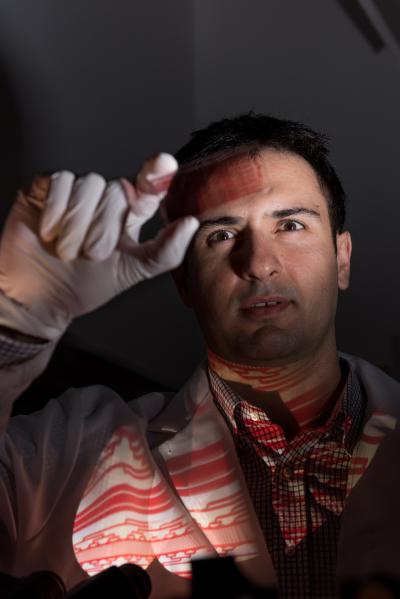
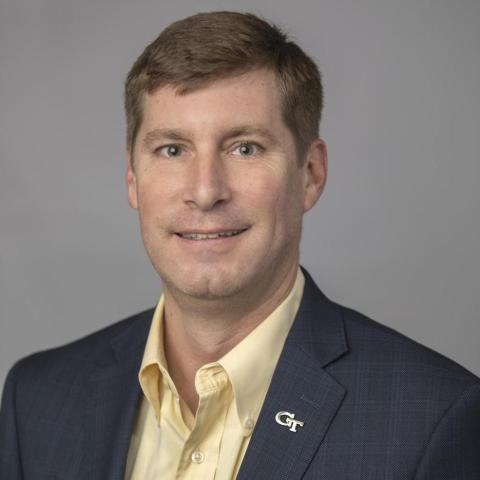
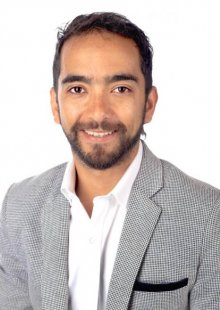
A. Fatih Sarioglu

A. Fatih Sarioglu
sarioglu@gatech.edu
Biomedical Microsystems Lab

A. Fatih Sarioglu received the B.Sc. degree from Bilkent University, Ankara, Turkey in 2003, and the M.S. and Ph.D. degrees from Stanford University in 2005 and 2010, respectively, all in Electrical Engineering.

Sarioglu worked as a postdoctoral research associate at the Center for Nanoscale Science and Engineering at Stanford University from 2010 to 2012. From 2012-2014, he was a research fellow at the Center for Engineering in Medicine, Massachusetts General Hospital and Harvard Medical School. In October 2014, he joined the School of Electrical and Computer Engineering at the Georgia Institute of Technology as an assistant professor.

Sarioglu's research interests are at the interface of nano-/micro-engineering and biomedicine. He is particularly interested in developing N/MEMS-based technologies for biomedical applications.

Professor, School of Electrical and Computer Engineering
Phone
404.894.5032
Office
Pettit/MiRC 217
Additional Research

Nano- and Micro-systems for bio-molecular sensing and imagingMicrofluidic devices for cell sorting and disease detectionHigh-throughput bio-analytical instrumentation for cellular and molecular characterizationIntegrated platforms for point-of care diagnosticsImplantable medical devices for minimally-invasive health monitoring

Google Scholar
https://scholar.google.com/scholar?hl=en&q=Ali+Fatih+Sarioglu&btnG=&as_sdt=1,11&as_sdtp=
LinkedIn ECE Profile Page
A. Fatih
Sarioglu
Show Regular Profile

Lewis Wheaton

Lewis Wheaton
lewis.wheaton@ap.gatech.edu
Website

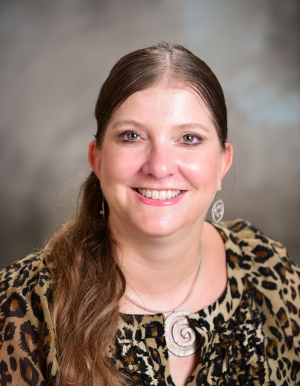
Dr. Lewis A. Wheaton received his Ph.D. in Neuroscience and Cognitive Sciences from the University of Maryland, College Park in 2005. He was a fellow at the National Institutes of Health (Medical Neurology Branch, 2001-2005) studying neural function and recovery of motor control after stroke. In mid-2005 he was awarded a post-doctoral fellowship at the Baltimore Veterans Affairs Medical Center (Maryland) where he performed neuroscience research in aging and stroke motor control in Veterans.

In 2008, Dr. Wheaton joined the School of Applied Physiology at Georgia Tech as an Assistant Professor. He became tenured in 2014 and is currently an Associate Professor in Biological Sciences. Dr. Wheaton is the Director of the Cognitive Motor Control Laboratory at Georgia Tech, engaged in over $1 million in state and federal research funding focused on understanding aspects of human motor control rehabilitation in aging, stroke and amputation. His lab has employed numerous high school, undergraduate, graduate, and post-doctoral fellows. He is the course director for 4 courses in the School of Biological Sciences (Human Neuroimaging, Movement Disorders, Human Neuroanatomy, and the History of Neuroscience). He has Chaired/Co-Chaired 3 international conferences focused on motor control research and clinical outcomes, obtaining funding by federal and private sources. His research has yielded several manuscript publications in the field of motor control neuroscience, several focused expert reviews, and numerous conference presentations both in the US and abroad.

Dr. Wheaton is also an adjunct Associate Professor in the Department of Rehabilitation at Emory School of Medicine and a Member of the Children’s Center for Neurosciences Research at the Emory Children’s Pediatric Research Center.

Dr. Wheaton earned a BS (Biology) degree at Radford University (VA). He is an active parent volunteer at his children's schools and in the local community.

Associate Professor
Adjunct Associate Professor, Department of Rehabilitation Medicine, Emory University
Phone
404-385-2339
Office
555 14th Street 1309E
Additional Research

The Cognitive Motor Control Laboratory seeks to understand neurophysiology guiding skillful human-object interactions in upper extremity motor control. We use neuroimaging to identify anatomical and physiological circuits in humans that guide successful skilled behavior. Our clinical studies consider neural systems that can suffer injury or dysfunction related to deficits in skillful motor control, and how to utilize surrogate neural circuits in restorative motor therapies in stroke and upper limb amputation.

Research Focus Areas
Google Scholar
https://scholar.google.com/citations?user=Z_kEGKcAAAAJ&hl=en
http://biosci.gatech.edu/people/Lewis-Wheaton News Story about C-PIES Appointment
Lewis
Wheaton
A.
Show Regular Profile

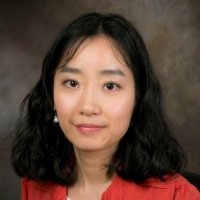
Hyojung Choo

Hyojung Choo
hyojung.choo@emory.edu
Assistant Professor
Phone
404-727-3727
Office
542 Whitehead Research Building, Emory School of Medicine
Additional Research

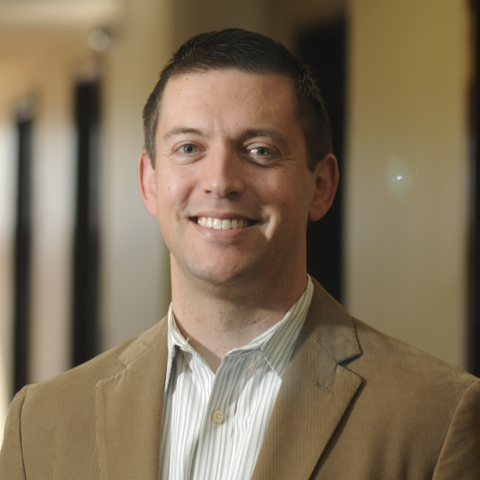
"Craniofacial muscles are essential muscles for normal daily life. They are involved in facial expressions (facial muscles), blinking and eye movement (eye muscles), as well as speaking and eating (tongue and pharyngeal muscles). Interestingly, craniofacial muscles have differential susceptibility to several muscular dystrophies. For example, craniofacial muscles are the most affected muscles in oculopharyngeal muscular dystrophy but the least affected muscles in Duchenne muscular dystrophy. Among craniofacial muscles, dysfunction of tongue and pharyngeal muscles could cause an eating disability, called dysphagia, afflicts almost 15 million Americans including elderly, neuronal (Parkinson's disease and bulbar-onset amyotrophic lateral sclerosis) and muscular disease (oculopharyngeal muscular dystrophy) patients. However, no cure or therapeutic treatment exists for dysphagia caused by muscular dystrophy. Elucidation of the mechanism(s) behind these differing susceptibilities of craniofacial muscles could lead to development of potential therapeutics targeted to specific skeletal muscles involved in particular types of muscular dystrophy. The mechanisms of skeletal muscles are of interest here because skeletal muscle cells are multinucleated cells. Typically, skeletal muscle cells contain hundreds of nuclei in a single cell since they are generated by fusion of muscle precursor cells during development or by fusion of muscle specific stem cells, called satellite cells, in adult skeletal muscles. However, it is unclear how skeletal muscle cells regulate the quantity and quality of these multi-nuclei. Since craniofacial skeletal muscles, such as extraocular and pharyngeal muscles, have active satellite cell fusion in comparison to limb muscles, they are therefore suitable models to study myonuclear addition and homeostasis."

University, College, and School/Department
Related Site
Hyojung
Choo
Show Regular Profile

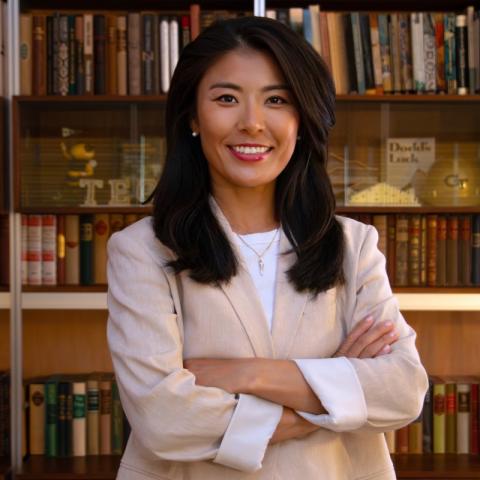
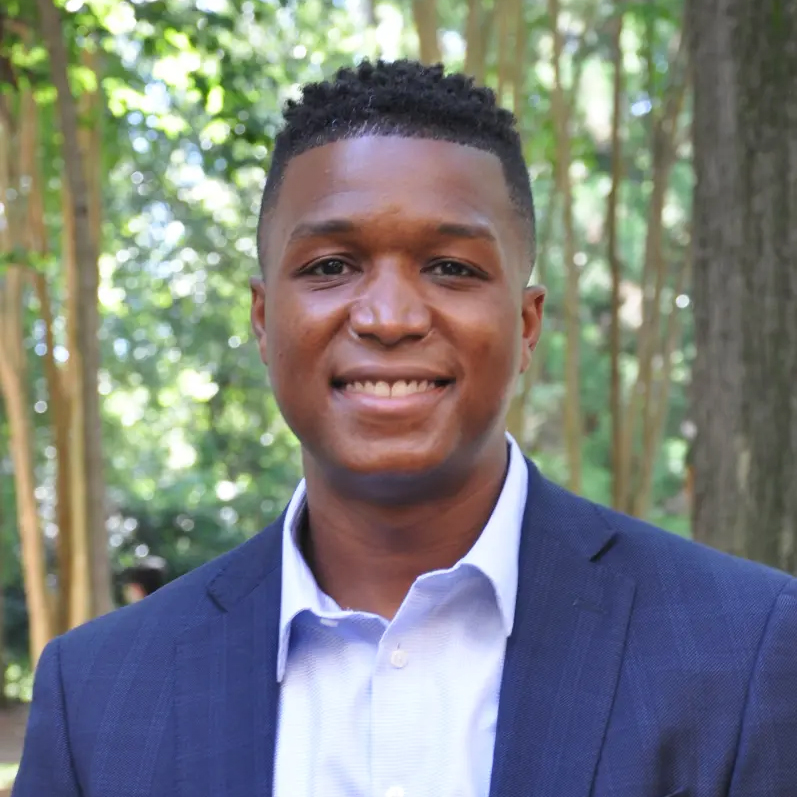
Eunhwa Yang

Eunhwa Yang
eunhwa.yang@design.gatech.edu
Website
Associate Professor, School of Building Construction
Phone
(404) 894-7103
Additional Research

Building Technologies

Eunhwa
Yang
Show Regular Profile

W. Jud Ready

Jud Ready
jud.ready@gtri.gatech.edu
MSE Profile Page

W. Jud Ready is the executive director of the Space Research Institute. Prior to this role, he served as associate director of external engagement for the Georgia Tech Institute for Matter and Systems and director of the Georgia Tech Center for Space Technology and Research. He has also been an adjunct professor in the School of Materials Science and Engineering at Georgia Tech and a principal research engineer on the research faculty of Georgia Tech Research Institute (GTRI) for over a dozen years. Prior to joining the Georgia Tech faculty, he worked for a major military contractor (General Dynamics) as well as in small business (MicroCoating Technologies). He has served as PI or co-PI for grants totaling ~$17M awarded by the Army, Navy, Air Force, DARPA, NASA, NSF, NIST, industry, charitable foundations and the States of Georgia and Florida. His current research focuses primarily on energy, aerospace, nanomaterial applications, and electronics reliability.

Executive Director, Space Research Institute
Principal Research Engineer, Georgia Tech Research Institute
Phone
404.407.6036
Additional Research

Materials Failure and Reliability; Carbon Nanotubes; Integrated photonics; Photovoltaics; Solar

GTRI
Geogia Tech Research Institute > Electro-Optical Systems Laboratory
Google Scholar
https://scholar.google.com/citations?hl=en&user=Hf8dRC4AAAAJ&view_op=list_works&sortby=pubdate
W. Jud
Ready
Show Regular Profile

Natalie Stingelin

Natalie  Stingelin
natalie.stingelin@mse.gatech.edu
ChBE Profile Page

Previously a professor of organic functional materials at the Department of Materials, Imperial College of London, Natalie Stingelin joined Georgia Tech in 2016. She focuses her research on the broad field of organic functional materials, including organic electronics; multifunctional inorganic/organic hybrids; smart, advanced optical systems based on organic matter; and bioelectronics. Associate Editor of the Journal of Materials Chemistry, she has published more than 130 papers and 6 issued patents. She is a co-investigator of the newly established EPSRC Centre for Innovative Manufacturing in Large Area Electronics, and she leads the EC Marie-Curie Training Network 'INFORM' that involves 11 European partners. She was awarded the Institute of Materials, Minerals & Mining's Rosenhain Medal and Prize (2014) and the Chinese Academy of Sciences (CAS) President's International Fellowship Initiative (PIFI) Award for Visiting Scientists (2015).

Professor, School of Chemical and Biomolecular Engineering
Phone
404.894.5192
Office
ES&T L1220
Additional Research

Organic electronics; Bioelectronics

Research Focus Areas
University, College, and School/Department
Google Scholar
https://scholar.google.com/citations?hl=en&user=ZILIcOwAAAAJ&view_op=list_works&sortby=pubdate
Stingelin Lab
Natalie
Stingelin
Show Regular Profile

Aaron Levine

Aaron Levine
aaron.levine@pubpolicy.gatech.edu
Website

Aaron D. Levine is Associate Dean for Research and Outreach in the Ivan Allen College of Liberal Arts and Professor in the School of Public Policy at Georgia Tech. He also holds an appointment as a Guest Researcher in the Division of Reproductive Health at the Centers for Disease Control and Prevention. He is a member of the leadership team for the NSF Engineering Research Center for Cell Manufacturing Technologies (CMaT), leading ethics and policy research for the center. He seved as Co-Director for CMaT's Engineering Workforce Development activities from 2017 to 2022. His research focuses on the intersection between public policy and bioethics. Much of his work has examined the development of stem cell science, particularly research using human embryonic stem cells, and the translation of novel cell therapies. He also writes extensively on the oversight of contentious areas of medicine, such as assisted reproductive technology. In 2012, he received a NSF CAREER award to examine the impact of ethical controversy on graduate science education and the development of scientific careers.  He serves as Vice-Chair for Bioethics on the International Society for Cell & Genel Therapy’s Committee on the Ethics of Cell and Gene Therapy and recently completed a three-year term as an elected member of the Board of Directors of the American Society for Bioethics and Humanities. He is also a long-time member of the International Society for Stem Cell Research, the Association for Public Policy Analysis and Management, and the American Association for the Advancement of Science.

Aaron has a long-standing interest in science communication and is the author of Cloning: A Beginner's Guide (Oneworld Publications, 2007), an accessible introduction to the science of cloning and embryonic stem cells and the ethical and policy controversies this science inspires. He was an AAAS Leshner Leadership Institute Public Engagement Fellow for 2019-2020. You can follow Aaron on twitter at @aarondlevine.

He completed his Ph.D. in Public Affairs at Princeton University, where his dissertation research examined the impact of public policy on the development of human embryonic stem cell science.  He also holds an M. Phil. from the University of Cambridge, where, as a Churchill Scholar, he studied computational biology at the Sanger Centre and developed algorithms to help analyze the human genome sequence, and a B.S. in Biology from the University of North Carolina at Chapel Hill, where he was a Morehead Scholar.

Professor, School of Public Policy
Associate Dean for Research and Outreach, Ivan Allen College of Liberal Arts
Phone
404-385-3329
Office
DM Smith 216
Additional Research

The impact of ethical controversy on scientific research, with a particular emphasis on emerging biomedical technologies.Recent work has focused on a range of issues related to stem cell policy (including state-level science policy and the rise of unproven stem cell therapies) as well as the oversight of assisted reproduction.

Google Scholar
http://scholar.google.com/citations?user=PPRGxBgAAAAJ&hl=en
LinkedIn Related Site
Aaron
Levine
D.
Show Regular Profile

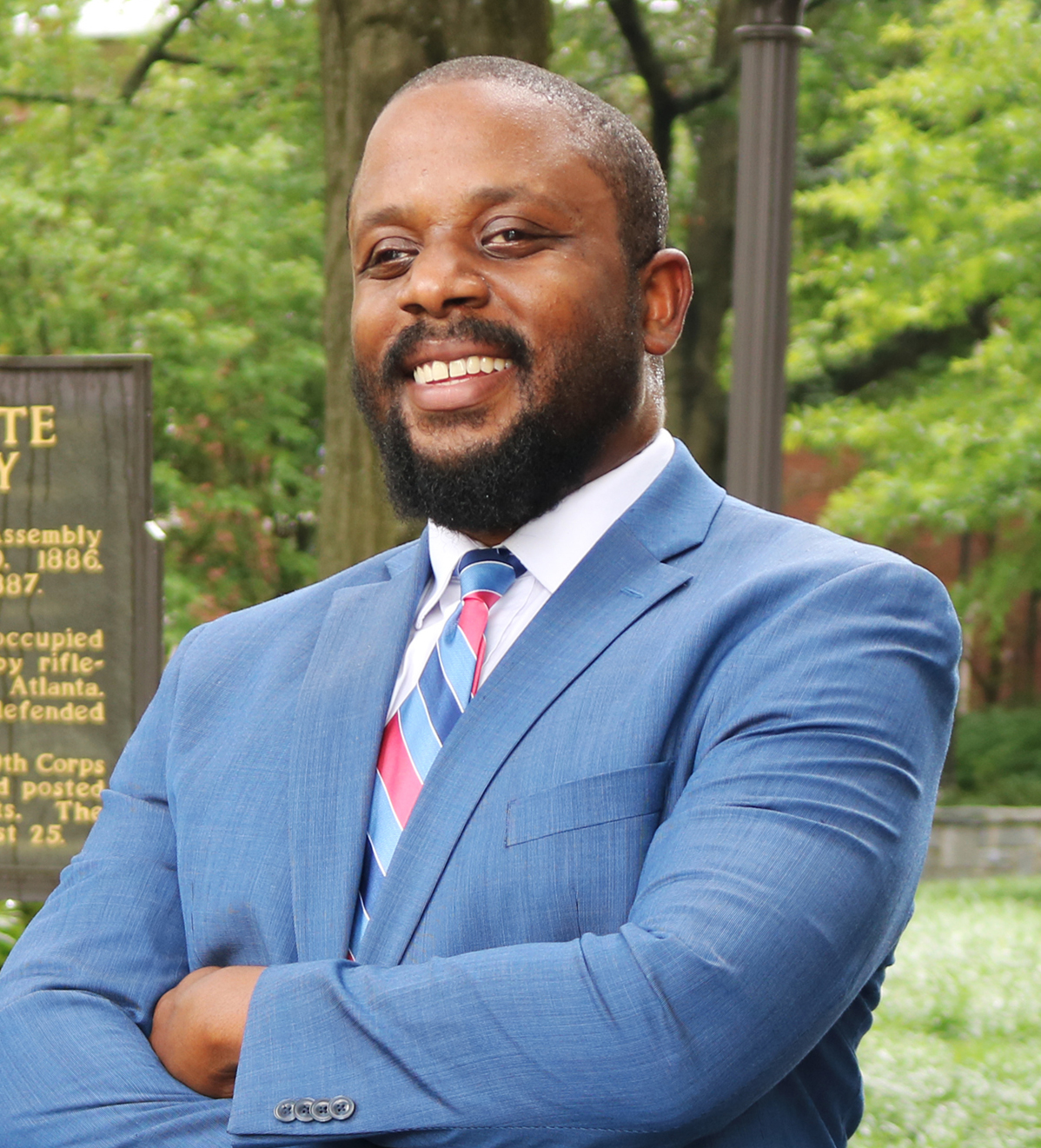
Joe F. Bozeman III

Joe F. Bozeman III
joe.bozeman@ce.gatech.edu
Departmental Bio
Assistant Professor, Civil and Environmental Engineering, Public Policy
SEI Lead: Ethics in Energy Transition
Additional Research

industrial ecology; climate change adaptation and mitigation strategies; sociodemographic impacts of the food-energy-water nexus; ethical applications in energy and environmental systems; urban carbon management strategies; life cycle assessment; scenario analysis; and survey administration; addressing the complex and ‘wicked’ challenges of our time

Joe
Bozeman
F.
Show Regular Profile

Juan-Pablo Correa-Baena

Juan-Pablo Correa-Baena
jpcorrea@gatech.edu
Departmental Bio

Juan-Pablo Correa-Baena is an Assistant Professor and the Goizueta Junior Faculty Rotating Chair in the School of Materials Science and Engineering at the Georgia Institute of Technology in Atlanta, USA.

His group focuses on understanding and control of crystallographic structure and effects on electronic dynamics at the nanoscale of low-cost semiconductors for optoelectronic applications. Juan-Pablo’s group works on advanced deposition techniques, with emphasis on low-cost and high throughput, as well as advanced characterization methods that include synchrotron-based mapping and imaging approaches with nanoscale resolution.

His research program at Georgia Tech has attracted funding from the Department of Energy and the Department of Defense, which funds cutting-edge research on new materials for solar energy conversion.

His work has been cited over 28,000 times (h-index of 59) making him a top cited researcher as recognized by the Web of Science Group, Highly Cited Researchers-cross-field (2019, 2021) and Chemistry (2020), and Nature Index, Leading early career researcher in materials science (2019).

Associate Professor, Materials Science and Engineering
IMS/SEI Initiative Lead: Materials for Solar Energy Harvesting and Conversion
University, College, and School/Department
2023 Initiative Lead Profile
Juan-Pablo
Correa-Baena
Show Regular Profile

Eric Vogel

Eric Vogel
eric.vogel@mse.gatech.edu
MSE Profile Page

Eric M. Vogel is currently Hightower Professor of Materials Science and Engineering, courtesy Professor of Electrical and Computer Engineering, and Executive Director of the Institute for Matter and Systems at the Georgia Institute of Technology (GT). Prior to joining GT in 2011, he was Associate Professor of Materials Science and Engineering and Electrical Engineering at the University of Texas at Dallas (UTD). Prior to joining UTD in August of 2006, he was leader of the Semiconductor and Novel Devices Group and founded the Nanofab at the National Institute of Standards and Technology. He received his Ph.D. in 1998 in electrical engineering from North Carolina State University and his B.S. in 1994 in electrical engineering from Penn State University. His research is related to the synthesis, structure, properties and applications of a wide variety of electronic and nanoscale materials and devices (vogellab.gatech.edu). He has published over 240 journal publications and proceedings, written six book chapters, and given over 100 invited talks and tutorials.

Executive Director
Professor, School of Materials Science and Engineering
Phone
404.385.7235
Office
Marcus 2131
Additional Research

2D materials, Electronic Materials, biosensors, Atomic Layer Deposition, III-V Semiconductor devices

Research Focus Areas
Google Scholar
https://scholar.google.com/citations?hl=en&user=mNuerUYAAAAJ&view_op=list_works&sortby=pubdate
Vogel Lab
Eric
Vogel
M.
Show Regular Profile