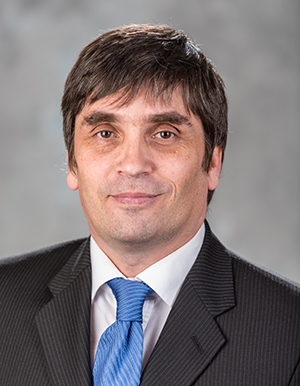
Hermann Fritz
Water; Wind
Water; Wind
City and Regional Planning; Climate/Environment; System Design & Optimization
Building Technologies; Smart Infrastructure
Nuclear
Nuclear; Thermal Systems
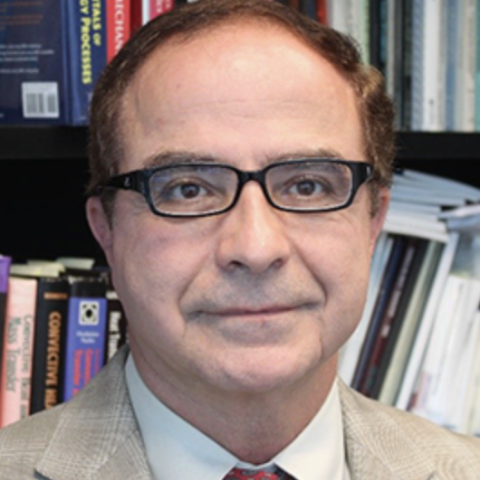
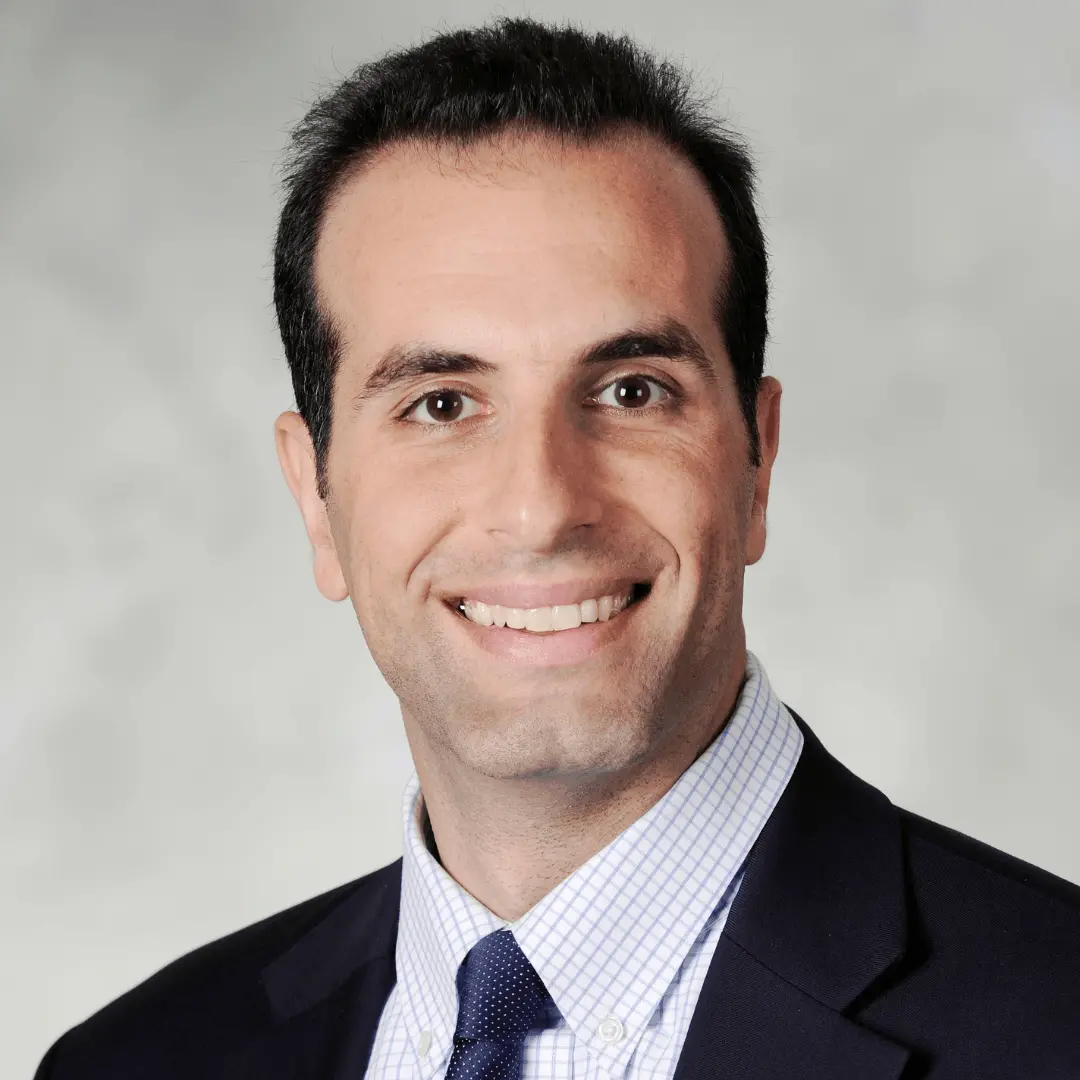
Martin Maldovan is an associate professor in the School of Chemical and Biomolecular Engineering and the School of Physics at the Georgia Institute of Technology. He received his Ph.D. at the Massachusetts Institute of Technology (MIT) in the Department of Materials Science and Engineering. He was also a postdoctoral associate and research scientist at MIT. Maldovan’s group is developing novel heat and mass transport processes as an enabling technology for energy converter materials and devices, micro and nanoelectronics, chemical and biological separations, and catalysis. His group focuses on designing, predicting, and controlling heat and mass transfer in rationally engineered systems with length scales ranging from macro to nano, to advance new paradigms for energy saving materials and devices.
Thermal Management; Energy Storage; Energy Conversion; Thermal Systems
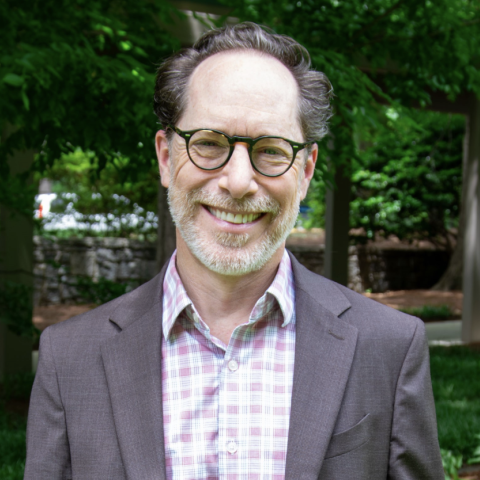
Morris Cohen received his B.S. and Ph.D. degrees in Electrical Engineering from Stanford University in 2003 and 2010, respectively, and served as a research scientist until August 2013. From September 2012 until August 2013, Dr. Cohen was appointed as AAAS Science and Technology Policy Fellow at the National Science Foundation.
In Fall 2013, he joined the faculty in the School of ECE. He is a winner of the NSF CAREER Award in 2017, the ONR Young Investigator Award in 2015, and was chosen for the Santimay Basu Prize in 2014, an award given once per 3 years to an under-35 scientist by the International Union of Radio Science (URSI).
Dr. Cohen is interested in the natural electricity of the Earth, including lightning, the electrically charged upper atmosphere, and the radiation-filled space environment. He uses radio waves at low frequencies measured all around the world to understand them, and develops resulting practical applications. His group also works on novel techniques to generate low frequency waves with nonconventional electrically-short antennas. He is an author of more than 60 journal publications. He employs a “flipped classroom” model in some of his courses to make the experience more active and engaging.
He enjoys hiking, cooking, and traveling the world for work and play with his family.
Electronics
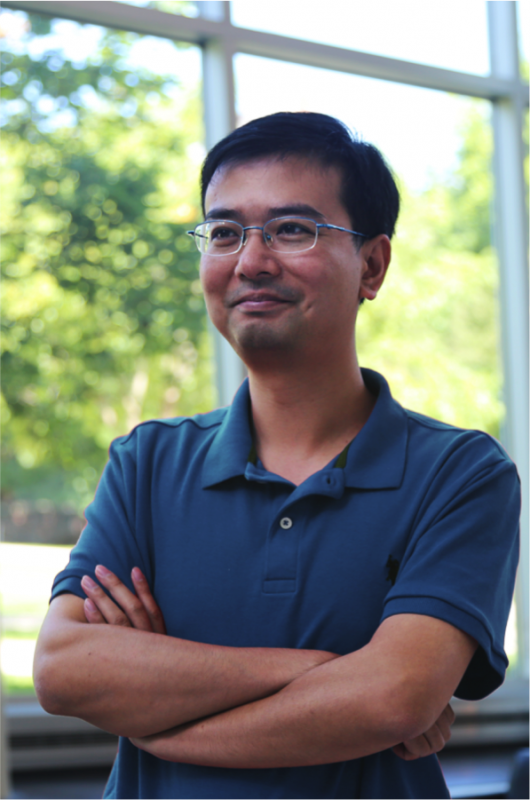
Xing Xie is the Carlton S. Wilder Assistant Professor in the School of Civil and Environmental Engineering at Georgia Institute of Technology. Prior to joining Georgia Tech, he was a post-doctoral scholar at California Institute of Technology. He received his B.S. (2006) and M.S. (2008) degrees in Environmental Science & Engineering from Tsinghua University, and a second M.S. degree (2012) in Materials Science & Engineering and a Ph.D. degree (2014) in Civil & Environmental Engineering from Stanford University. His research focuses on the applications of innovative materials for sustainable and reliable water and energy. He has worked on many projects related to water treatment and reuse, microbial detection and quantification, energy and resource recovery, energy storage, etc. He has published more than 60 peer-reviewed articles with more than 6,000 citations
Water & wastewater treatment; Energy & resources recovery; Energy storage; Salinity energy & desalination; self-sustained sanitation; Oil-water separation; Environmental monitoring
Electronics
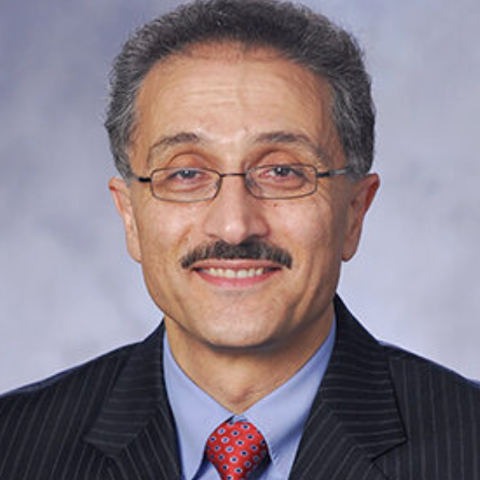
Tom Conte holds a joint appointment in the Schools of Electrical & Computer Engineering and Computer Science at the Georgia Institute of Technology. He is the founding director of the Center for Research into Novel Computing Hierarchies (CRNCH). His research is in the areas of computer architecture and compiler optimization, with emphasis on manycore architectures, microprocessor architectures, back-end compiler code generation, architectural performance evaluation and embedded computer system architectures.
Computer Architecture; Compiler Optimization