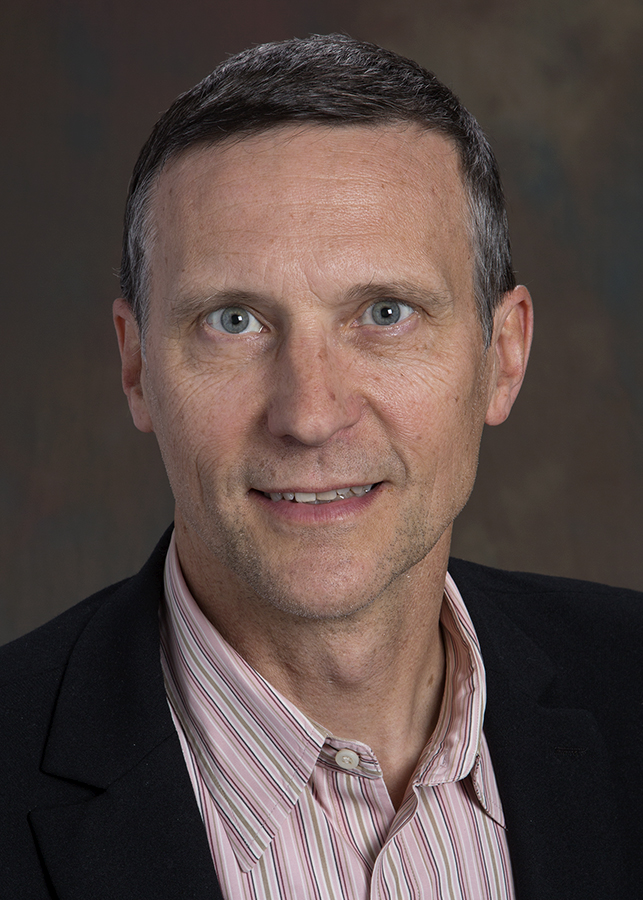
John Oshinski

John Oshinski
jnoshin@emory.edu

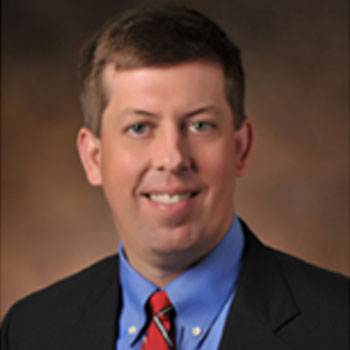
Dr. Oshinski is known for his efforts at advancing the collaboration between Emory University and the Georgia Institute of Technology, as well as his dedication to advancing the technologies of MR imaging. He received his undergraduate degree from Kalamazoo College and BS, MS, and PhD from Georgia Institute of Technology. The underlying mission of his research is the application of engineering principles and technical problem-solving techniques to current clinical problems in the imaging, diagnosis, and treatment of cardiovascular disease. His research has concentrated on developing imaging applications that directly impact disease diagnosis and patient care.

Professor, Emory/Georgia Tech Department of Biomedical Engineering
Interim Director, Center for Systems Imaging
Phone
404-727-5894
University, College, and School/Department
Google Scholar
https://scholar.google.com/scholar?hl=en&q=John+N+Oshinski&btnG=&as_sdt=1,11&as_sdtp=
LinkedIn Related Site
John
Oshinski
Show Regular Profile

Nicholas Boulis

Nicholas Boulis
nicholas.boulis@emoryhealthcare.org
Website

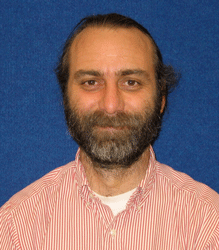
Dr. Nicholas M. Boulis is a neurosurgeon in Atlanta, Georgia and is affiliated with multiple hospitals in the area, including Emory University Hospital Midtown and Grady Memorial Hospital. He received his medical degree from Harvard Medical School and has been in practice for more than 20 years.

Associate Professor
MD
Director, Gene and Cell Therapy for Neurorestoration Laboratory
Phone
404-778-5770
Office
Emory Clinic, Building B
Additional Research
Boulis is a functional neurosurgeon with significant expertise in the field of gene transfer to the nervous system. Dr. Boulis' Gene and Cell Therapy Translational Laboratory pursues advanced biological treatments for neurological disorders, including Amyotrophic Lateral Sclerosis (ALS, also known as Lou Gehrig's disease) and Spinal Muscular Atrophy (SMA).
University, College, and School/Department
Google Scholar
https://scholar.google.com/citations?hl=en&user=8xpt8YAAAAAJ&view_op=list_works&sortby=pubdate
LinkedIn Related Site
Nicholas
Boulis
Show Regular Profile

Robert Gross

Robert Gross
rgross@emory.edu
Website

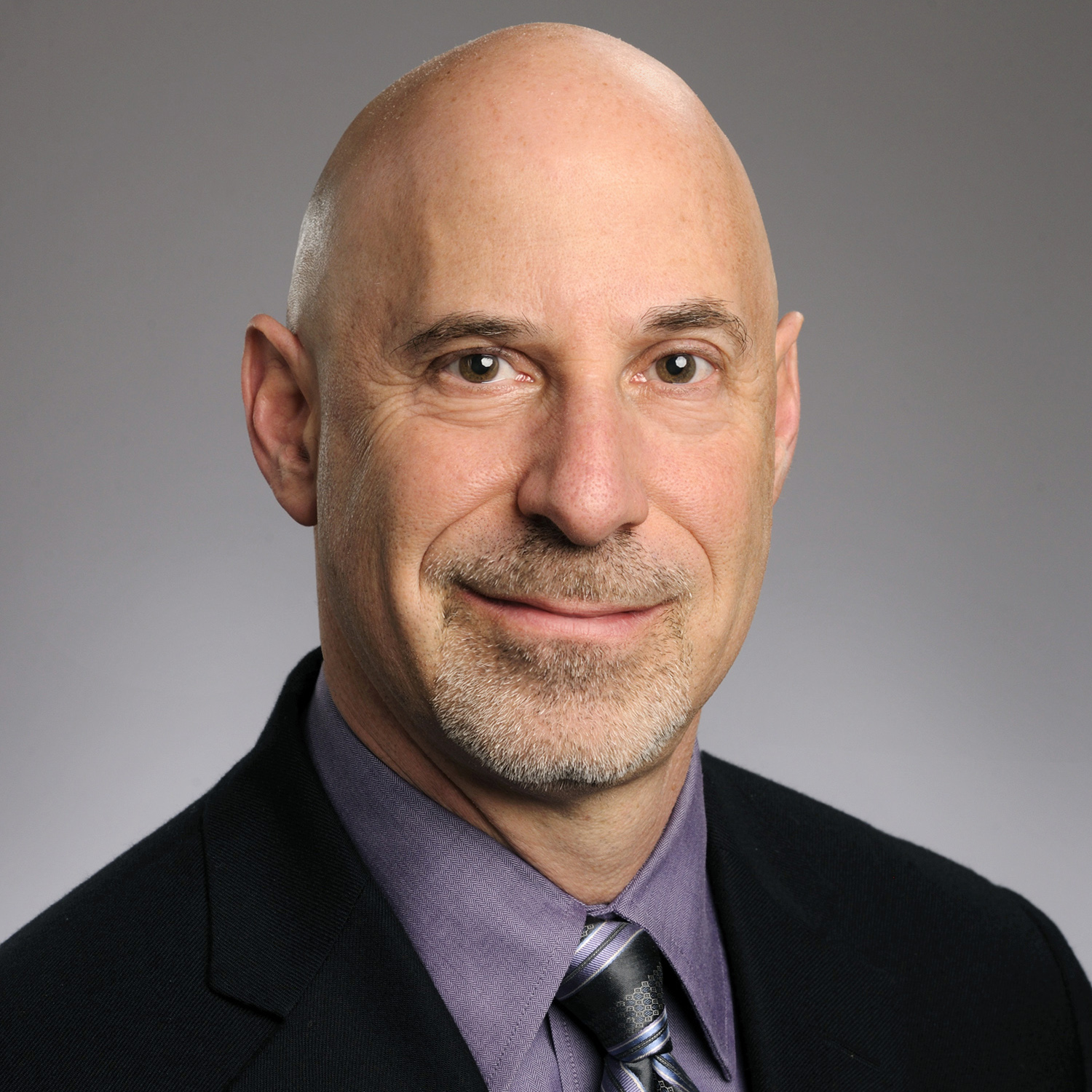
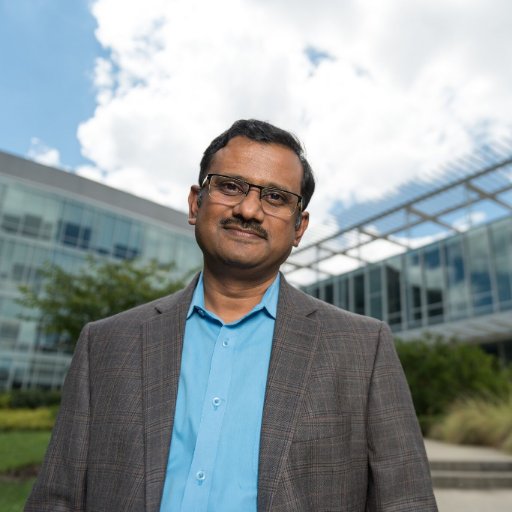
Dr. Gross’s research interests include: restorative approaches (including cell and gene therapy) for Parkinson's disease and other neurodegenerative disorders; physiology of movement disorders (Parkinson's disease, tremor, dystonia); novel surgical techniques for epilepsy (e.g. deep brain stimulation, cell and gene therapy). In particular, he has been elucidating the role of axon guidance molecules in the development and reconstruction of the nigrostriatal pathway, which degenerates in P.D. This approach, which encompasses molecular and cellular engineering in combination with neurotransplantation, may be generally useful in reconstructive approaches for many types of nervous system degeneration and injury. 

In July of 2007, Dr. Gross, along with Steve M. Potter, Ph.D. of the Department of Biomedical Engineering at the Georgia Institute of Technology and Emory University, was the recipient of a prestigious grant from The Epilepsy Research Foundation (ERF) for translational research funding awards supporting innovative epilepsy products. The grant supports the development of a novel electrical stimulation approach that directly controls the activity of the brain to attain a more stable state from which seizures will not arise.

MBNA Bowman Chair & Professor
Director and Co-Founder, ENTICe
Director, Translational Neuro-Engineering Laboratory
Director, Stereotactic, Functional Neurosurgery & Epilespsy Surgery
Phone
404-727-2354
Office
Emory WMRB 6311
Additional Research
Neuromodulation using multielecrode arrays, closed loop control theory, and optogenetics for epilepsy and movement disorders. Computational modeling of epilepsy networks for model-based and non-model based feedback control of optogenetic and electrical neuromodulation. Neurorestoration using gene and cell-therapy based approaches for degenerative and injury conditions. The Translational Neuroengineering Research Lab uses neuromodulation for epilepsy using a combination of the following advanced techniques: 1) Multimicroelectrode electrical stimulation using novel parameters informed by optimization of input/output relationships (both model- and non-model based MIMO) using closed-loop control theory including adaptive learning and machine learning approaches; 2) Optogenetic activation and inhibition using all forms of available channels including step-function opsins. These approaches identify novel brain regions that have more widespread control and targets specific cell types for activation and inhibiton. Closed loop control using multielecrode arrays informs and controls neuromodulation. 3) Hardware independent 'luminopsins': novel gene therapy approaches combining bioluminescent proteins with optogenetic channels for hardware independent, widespread and activity-regulatable neuromodulation. We use a combination of in vitro models, animal models (mouse, rat, non-human primate) and human patients undergoing epilepsy and deep brain stimulation surgery as our experimental models. In addition, the laboratory has developed novel gene therapy vectors for neurorestoration targeting key pivotal proteins regulating axon outgrowth in regenerative situations, including for Parkinson's disease, spinal cord injury and retinal degeneration.
Research Focus Areas
University, College, and School/Department
Google Scholar
https://scholar.google.com/citations?user=HR5pAakAAAAJ&hl=en&oi=ao
Related Site
Robert
Gross
Show Regular Profile

Edmund Waller

Edmund Waller
ewaller@emory.edu
Website

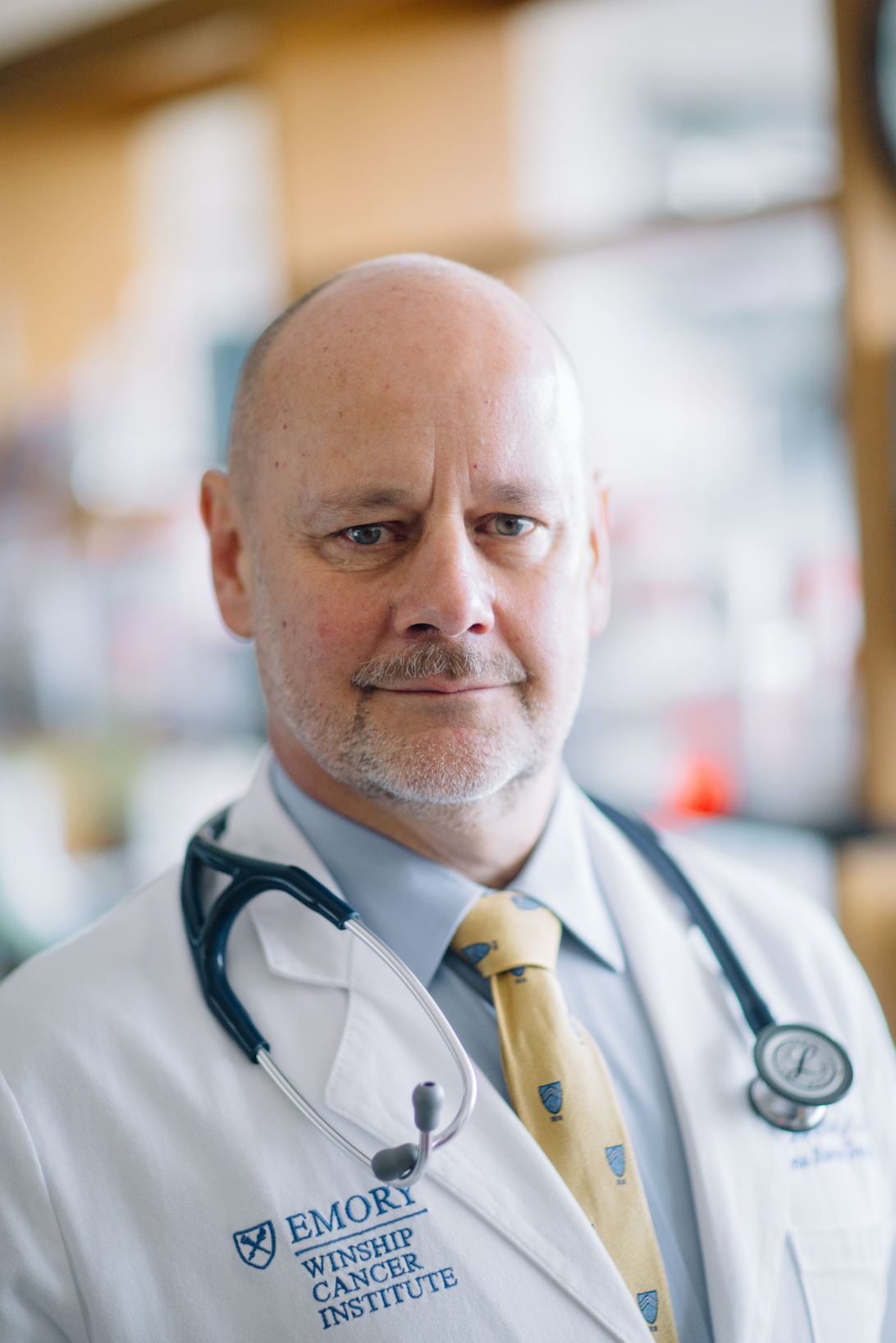
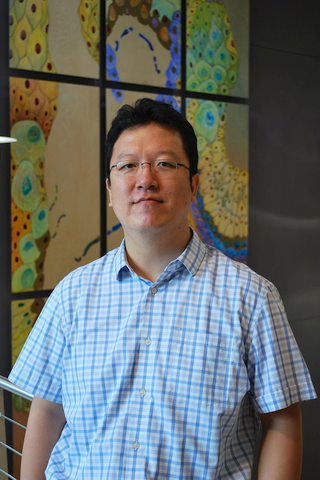
Dr. Waller specializes in bone marrow transplants for acute leukemia, myelodysplastic syndrome, myeloproliferative neoplasms, lymphoma, aplastic anemia, sickle cell disease and in the management of graft-versus-host disease.

Professor of Medicine, Medical Oncology and Pathology
Rein Saral Professor of Cancer Medicine
Interim Associate Director, Clinical Research, Winship Cancer Institute
Medical Director, Center for Stem Cell Processing and Apheresis
Director, Emory Regenerative Engineering and Medicine Center
Phone
404-778-2984
Office
Winship Cancer Institute of Emory University
Additional Research
Dr. Waller's research focus is in enhancing immune reconstitution after stem cell transplant and developing cell and small-molecule based cancer immunotherapeutics. His current research activities include pre-clinical and clinical studies focused on the role of donor immune cells in optimizing anti-tumor immunity after allogenic transplantation, enhancing functional properties of chimeric-antigen-receptor T cells, and blocking novel immune check-point pathways in cancer. His NIH-funded basic and translational research lab uses mouse models and performs immunological analyses of clinical samples from patients. He has active translational research activities and serves as a principal investigator on institutional and national cooperative group clinical trials.
University, College, and School/Department
Google Scholar
https://scholar.google.com/citations?user=ZwhScmYAAAAJ&hl=en
LinkedIn Related Site
Edmund
Waller
K.
Show Regular Profile

William Brent Keeling

William Brent Keeling
brent.keeling@emory.edu

Dr. Keeling earned his medical degree at the University of Louisville in 2001, did his general surgery residency at the University of South Florida School of Medicine from 2001-2008, and completed his cardiothoracic surgery fellowship at Emory in 2011. Dr. Keeling directs the cardiothoracic surgery program at Grady Memorial Hospital and provides clinical service at Emory University Hospital Midtown. His clinical interests include reoperative cardiac surgery, valve repair and thoracic aortic pathology, and his research focuses on clinical trials as well as data-driven investigations of adult cardiac surgical sub-populations.

Assistant Professor of Surgery, Division of Cardiothoracic Surgery
Chief, Cardiothoracic Surgery Service, Grady Memorial Hospital
Phone
404-616-0539
Additional Research
Targeted clinical investigations of adult cardiac surgical sub-populations.
Research Focus Areas
University, College, and School/Department
LinkedIn Related Site
William Brent
Keeling
Show Regular Profile

Younan Xia

Younan Xia
younan.xia@bme.gatech.edu
ChBE Profile Page

Xia is the Brock Family Chair and Georgia Research Alliance (GRA) Eminent Scholar in Nanomedicine in the Wallace H. Coulter Department of Biomedical Engineering at Georgia Institute of Technology and Emory University, with joint appointments in School of Chemistry and Biochemistry, and School of Chemical and Biomolecular Engineering. Professor Xia received his Ph.D. degree in Physical Chemistry from Harvard University (with Professor George M. Whitesides) in 1996, his M.S. degree in Inorganic Chemistry from University of Pennsylvania (with the late Professor Alan G. MacDiarmid, a Nobel Laureate in Chemistry, 2000) in 1993, and his B.S. degree in Chemical Physics from the University of Science and Technology of China (USTC) in 1987. He came to the United States of America in 1991. Xia has received a number of prestigious awards, including the 2013 Nano Today Award, the ACS National Award in the Chemistry of Materials (2013), Fred Kavli Distinguished Lecture in Nanoscience at the MRS Spring Meeting (2013), AIMBE Fellow (2011), MRS Fellow (2009 ), NIH Director's Pioneer Award (2006), ACS Leo Hendrik Baekeland Award (2005), Camille Dreyfus Teacher Scholar (2002), David and Lucile Packard Fellowship in Science and Engineering (2000), Alfred P. Sloan Research Fellow (2000), NSF Early Career Development Award (2000), ACS Victor K. LaMer Award (1999), and Camille and Henry Dreyfus New Faculty Award (1997). Xia has been an Associate Editor of Nano Letters since 2002, and has served on the Advisory Boards of Particle & Particle Systems Characterization (2013-), Chemical Physics Letters (2013-), Chemistry: A European Journal (2013-), Chinese Journal of Chemistry (2013-), Angewandte Chemie International Edition (2011-), Advanced Healthcare Materials (2011-, inaugural chairman of the advisory board), Accounts of Chemical Research (2010-), Cancer Nanotechnology (2010-), Chemistry: An Asian Journal (2010-), Journal of Biomedical Optics (2010-), Nano Research (2009-), Science of Advanced Materials (2009-), Nano Today (2006-), Chemistry of Materials (2005-2007), Langmuir (2005-2010, 2013-2015), International Journal of Nanotechnology (2004-), and Advanced Functional Materials (2001-). He has also served as a Guest Editor of special issues for Advanced Materials (six times), Advanced Functional Materials (one time), MRS Bulletin (one time), and Accounts of Chemical Research (one time).

GRA Eminent Scholar in Nanomedicine, Wallace H. Coulter Department of Biomedical Engineering
Professor, Wallace H. Coulter Department of Biomedical Engineering
Brock Family Chair, Wallace H. Coulter Department of Biomedical Engineering
Professor, School of Chemistry and Biochemistry, and School of Chemical and Biomolecular Engineering
Phone
404.385.3209
Office
MSE 3100J
Additional Research
Catalysis; Nanomedicine; Bio-Inspired Materials; Tissue Engineering
Google Scholar
https://scholar.google.com/citations?hl=en&user=3gDWh4gAAAAJ&view_op=list_works&sortby=pubdate
Nanocages Lab
Younan
Xia
Show Regular Profile

Stephen Sprigle

Stephen Sprigle
stephen.sprigle@design.gatech.edu
Website

Stephen Sprigle is a Professor at the Georgia Institute of Technology with appointments in Bioengineering, Industrial Design and the George W. Woodruff School of Mechanical Engineering. 

A biomedical engineer with a license in physical therapy, Sprigle directs the Rehabilitation Engineering and Applied Research Lab (REARLab), which focuses on applied disability research and development. The REARLab’s research interests include the biomechanics of wheelchair seating and posture, pressure ulcer prevention, and manual wheelchair propulsion. Its development activities include standardized wheelchair and cushion testing and the design of assistive and diagnostic technologies. Sprigle teaches design-related classes in both the Schools of Industrial Design and Mechanical Engineering.

Professor
Phone
404-385-4302
Office
Architecture 0155
Additional Research
Applied research and device development targeting the increased heath and function of persons with disabilities. Specific areas of interest include: wheeled mobility and seating, pressure ulcer prevention and treatment; design of diagnostic tissue interrogation devices; design of assistive technology. Wheeled Mobility and Seating; Pressure Ulcer Prevention and Treatment; Design of Diagnostic Tissue Interrogation Devices; Design of Assistive Technologies
Profile
Stephen
Sprigle
Show Regular Profile

Krishnendu Roy

Krishnendu Roy
krish.roy@gatech.edu
https://engineering.vanderbilt.edu/bio/krishnendu-roy

 In August 2023, Krishnendu Roy joined Vanderbilt University as the Bruce and Bridgitt Evans Dean of Engineering and a University Distinguished Professor in Biomedical Engineering, and Pathology, Microbiology, and Immunology, with a secondary appointment in Chemical and Biomolecular Engineering.

Previously, Roy served as Robert A. Milton Endowed Chair for the Coulter Department of Biomedical Engineering at Georgia Tech. He is also the former Director of the NSF Engineering Research Center (ERC) for Cell Manufacturing Technologies (CMaT), Center for ImmunoEngineering at Georgia Tech, and Marcus Center for Therapeutic Cell Characterization and Manufacturing. 

His overall research interests are in developing novel concepts for stem cell engineering as well as polymer controlled delivery of biological factors, especially for nucleic acid therapeutics (DNA, SiRNA and oligos) and immunoengineering. Currently, his group is involved in the following major areas of research; (a) Developing novel concepts to produce biodegradable surface functionalized micro-and nanoparticles for targeted and sustained delivery of nucleic acids, proteins, peptides and other immune modulators. In particular he is interested in developing multi-agent vaccine delivery systems for cancer and infectious diseases as well as immunotherapies for autoimmune diseases. (b) Creating spatio-temporally patterned polymer scaffolds for directed compartmental differentiation of stem cells into multiple lineages. (c) Engineering an artificial thymic niche for directed differentiation of stem cells into functional, antigen- specific T cells. (e) The development of novel nanoimprinting techniques to generate shape specific, environmentally triggered drug nanocarriers.

Faces of Research - Profile Article

Bruce and Bridgitt Evans Dean of Engineering at Vanderbilt University
University Distinguished Professor
Professor of Biomedical Engineering
Professor of Pathology, Microbiology and Immunology
Professor of Chemical and Biomolecular Engineering
Phone
404.385.6166
Additional Research
The overall goal of our research endeavor is the development of new biomaterial-based strategies for gene/drug delivery and stem cell engineering. Towards this, my laboratory focuses on three major directions: (a) design and development of novel delivery systems for nucleic-acid based immunotherapy and cancer chemotherapy (b) engineering complex microenvironments to study and manipulate stem cells and understand their behavior in biomimetic, three-dimensional conditions and (c) developing novel engineering tools and high throughput methods to generate functional T cells and Dendritic cells from stem cells.
Google Scholar
http://scholar.google.com/citations?user=c8qOg2YAAAAJ&hl=en
Roy Lab
Krishnendu
Roy
Show Regular Profile

YongTae (Tony) Kim

YongTae (Tony) Kim
yongtae.kim@me.gatech.edu
Personal Website

Kim joined the Woodruff School of Mechanical Engineering as an Assistant Professor in July 2013. Prior to his current appointment, he was a Postdoctoral Associate in the David H. Koch Institute for Integrative Cancer Research at MIT, where he developed biomimetic microsystems for probing nanoparticle behaviors in the inflamed endothelium and for synthesizing therapeutic and diagnostic nanomaterials. His doctorate research at CMU focused on closed-loop microfluidic control systems for lab-on-a-chip applications to biochemistry and developmental biology. Prior to his Ph.D., he was a researcher in areas of dynamics, controls, and robotics at R&D Divisions of Hyundai-Kia Motors and Samsung Electronics for six years.

Associate Professor, Woodruff School of Mechanical Engineering
Phone
404.385.1478
Office
Marcus 3134
Additional Research

Multifunctional Materials; Biosensors; Bio-MEMS; Tissue Engineering

Google Scholar
https://scholar.google.com/citations?hl=en&user=Q13X9mMAAAAJ&view_op=list_works&sortby=pubdate
Multiscale Biosystems and Multifunctional Nanomaterials Lab
YongTae (Tony)
Kim
Show Regular Profile

Michelle Gaines, Ph.D.


Michelle’s research is themed around designing and characterizing the surface chemical properties of synthetic and natural polymer systems. They will be used to develop multifunctional biomaterial substrates for regenerative medicine, cancer treatment, and personal care products. The goals of the Gaines Lab are achieved by marrying Polymer Synthesis, Materials Science, Cell Biology & Spectroscopy.