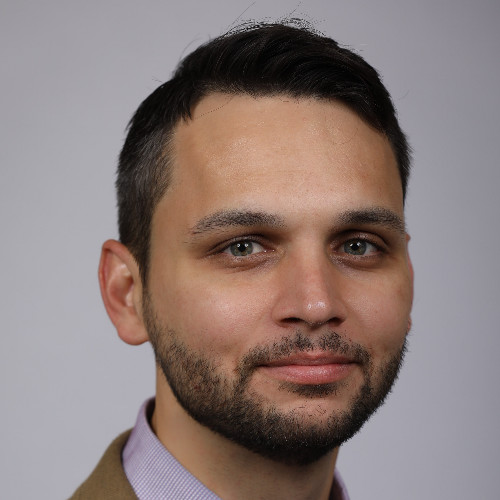
James True Merrill
jmerrill3@gatech.edu
Chief Engineer, Advanced Warfighting Technologies Division
IRI And Role
GTRI
Geogia Tech Research Institute

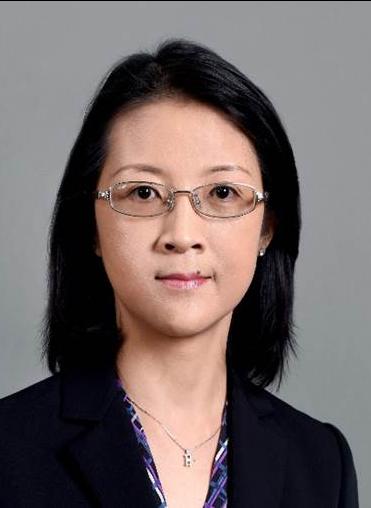
Jing Li is a Virginia C. and Joseph C. Mello Chair and Professor in the H. Milton Stewart School of Industrial and Systems Engineering and a core faculty in the Center for Machine Learning at Georgia Tech. Prior to joining Georgia Tech in 2020, she was a Professor at Arizona State University and is a co-founder of the ASU-Mayo Clinic Center for Innovative Imaging.
Dr. Li’s research develops statistical machine learning algorithms for modeling and inference of complex-structured datasets with high dimensionality (e.g., 3D/4D images), multi-modality, and heterogeneity. The objectives of the methodological developments are to provide capacities for monitoring & change detection, diagnosis, and prediction & prognosis. The application domains mainly include health and medicine, focusing on medical image data analytics as well as fusion of images, genomics, and clinical records for personalized and precision medicine. Her research outcomes support clinical decision making for diagnosis, prognosis, and telemedicine for various conditions affecting the brain, such as brain cancer, post-traumatic headache & migraine, traumatic brain injury, and the Alzheimer’s disease. Her research received Best Paper awards from various professional venues such as IISE Transactions, IISE Annual Conferences, INFORMS Data Mining and Decision Analytics, American Academy of Neurology, America Headache Society, etc. Her research has been funded by the NIH, NSF, DOD, and industries. She is an NSF CAREER Awardee.
Dr. Li is a former Chair for the Data Mining Subdivision of INFORMS. She is currently a Senior Editor for IEEE Transactions on Automation Science and Engineering and a Department Editor for IISE Transactions on Healthcare Systems Engineering.
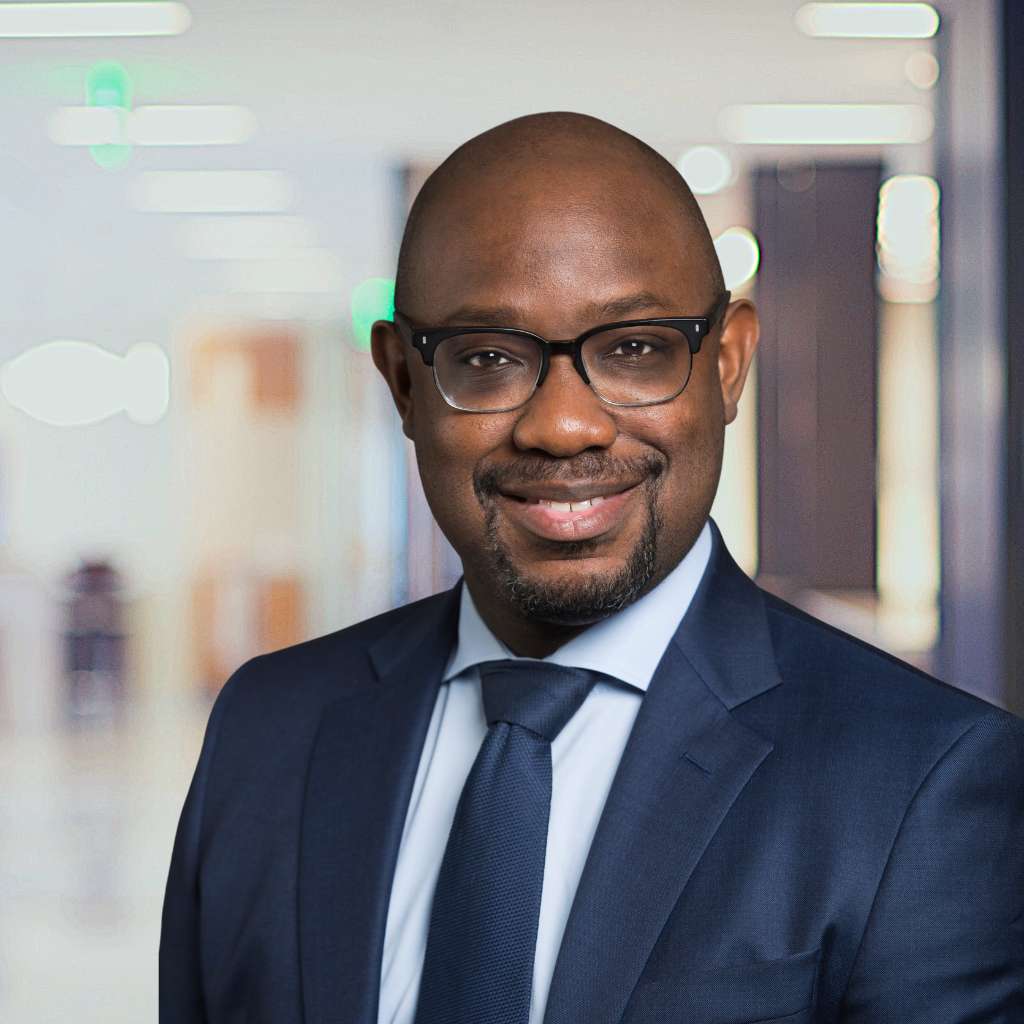
Anthony B. Law, MD, PhD, is an assistant professor in the Department of Otolaryngology at Emory University School of Medicine. A board certified head and neck surgeon, Dr. Law's clinical interest include the diagnosis and treatment of diseases and pathology of the upper aerodigestive tract, particularly laryngeal cancer. He treats disorders involving voice, airway, and swallowing using a wide array of techniques ranging from open surgery, endoscopic minimally invasive surgery, and laser surgery.
Dr. Law earned his MD and also his PhD in biophysics and biochemistry from the University of North Carolina in Chapel Hill, NC. He completed his residency in otolaryngology/head & neck surgery and his fellowship in laryngology at University of Washington in Seattle, WA.
Dr. Law's primary research interests lay in modeling of complex biology and clinical systems. He has broad experience in mathematical modeling and computational models. Historically, he has used machine learning to predict rates and locations of metastasis in head and neck squamous cell carcinoma. His current focus is in applying machine learning to characterize and categorize pathology of the larynx.
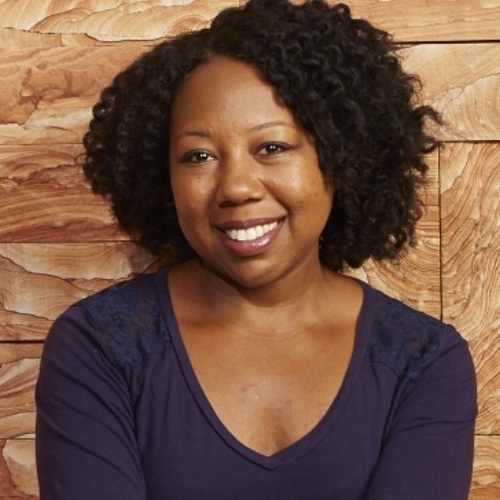
Many people are familiar with “genetics,” the inheritance of visible traits like eye and hair color. Traits are encoded by a molecular alphabet (A,T,C,G) in the well known double helix structure, DNA. Less well known, but quickly gaining attention, is the network of protein particles that interact with DNA to control the folding of chromosomes and the expression of inherited traits. This process is epi-genetics (epi, EH-pee = upon or above). Our research group uses gene and protein engineering to create new epigenetic machinery that regulates DNA at will. One day synthetic epigenetics may allow us to rationally design new biological systems with predictable, reliable behavior and replace “magic bullet medicine” with “smart medicine.”
We assemble interchangeable protein modules to build synthetic transcription factors that regulate gene activity in human cells. Unlike typical synthetic transcription factors that recognize specific DNA sequences, our Polycomb-based transcription factors (“PcTFs”) are engineered to read chromatin modifications. Thus, a single engineered TF could activate a group of silenced, therapeutic genes in cancer cells. Using strong gene activators could enhance cancer treatment and advance epigenetic medicine.
As synthetic biologists, our goal is to make the folded DNA-protein material, or chromatin (KRO-mah-tin = dark colored material in the nucleus of a fixed and stained cell), easier to design and engineer. Groups of genes often reside in the same compartments, and share the same DNA-protein packaging structures. Therefore, a small artificial change in one packaging protein can reprogram the expression of dozens, and even hundreds of genes. Is this outcome messy and useless, or is it a powerful mode of signal amplification that changes cells in useful ways? To answer this question, our group couples synthetic biology with bioinformatics by interrogating the expression of thousands of genes after we introduce artificial chromatin proteins into cells.
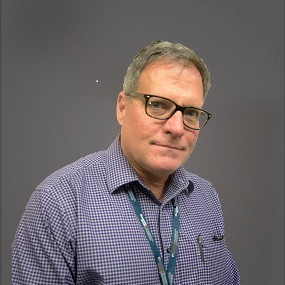
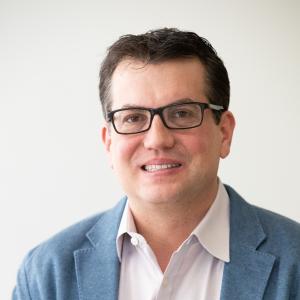
Dr. Rafael Davalos' research interests are in microfluidics for personalized medicine and developing technologies for cancer therapy. He is most recognized for co-inventing Irreversible Electroporation (IRE), a minimally invasive non-thermal surgical technique to treat unresectable tumors near critical structures such as major blood vessels and nerves. The technology has been used to help thousands of patients worldwide with a second-generation version in clinical trials. Davalos has authored 150 peer-reviewed articles and has 47 issued patents (72 h-index, >18,000 citations) and has secured over $37M in research funding with $10M his share. His patents have been licensed to 7 companies. He has been a plenary speaker for several prestigious venues including the International Symposium of the Bioelectrochemistry Society, the World Congress on Electroporation, and the Society of Cryobiology Annual Meeting.
Scott Danielsen is an Assistant Professor in the School of Materials Science and Engineering at the Georgia Institute of Technology. He obtained his Ph.D. in chemical engineering at the University of California, Santa Barbara in 2018 and his B.S.E. in chemical and biomolecular engineering at the University of Pennsylvania in 2014. He then spent five years as a postdoctoral associate at Duke University and as a visiting scholar at the University of North Carolina School of Medicine from 2019-2023.
Prof. Danielsen’s group uses a combination of theoretical, computational, and experimental methods to reveal structure–property–processing relationships of soft materials. Their current primary research interests are the structure and dynamics of nonideal structured fluids, particularly polymer gels and biological fluids, with a focus on designing new materials and processing conditions for functional materials.
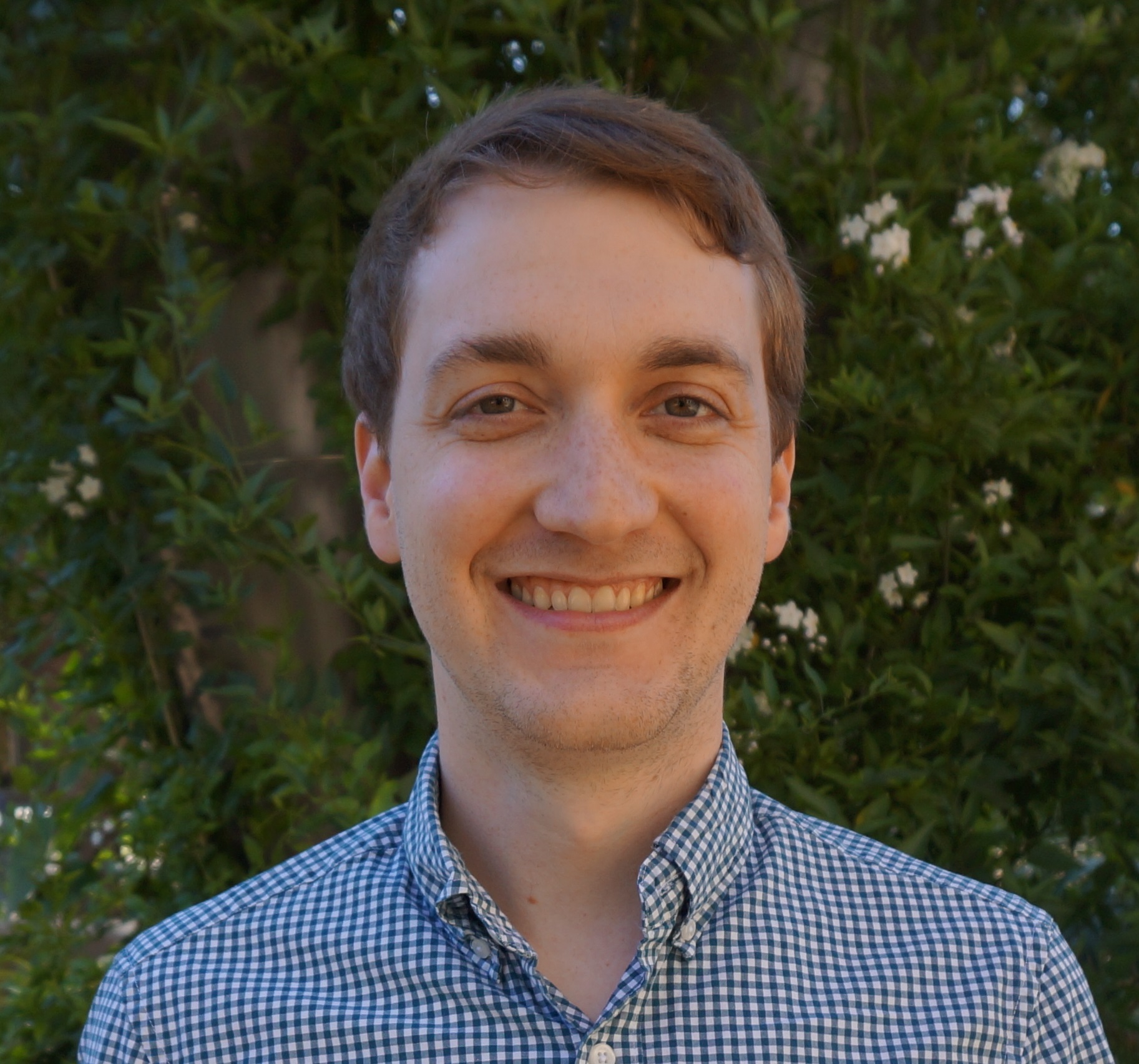
My lab investigates how our brains and nervous systems develop and function. We aim to understand molecularly how neurons build synapses, the specialized junctions that support rapid neuronal communication. Our brains build ~100 trillion synapses during development and continue to build synapses in daily adult life. The location and properties of these synaptic connections fundamentally determine neuronal function. We aim to understand how synapses are formed and function at a molecular and cellular level to advance a bottom-up understanding of the brain and identify avenues for the regeneration of synapses in neurodegenerative diseases. We approach this question using live-animal super-resolution imaging of synapse formation, in vitro biochemical reconstitutions, and genetics with CRISPR/Cas9. We primarily use the model organism C. elegans, a nematode worm with a well-defined nervous system containing just 302 neurons that make around 7000 synapses. With these tools, we are currently investigating synaptic cell adhesion signaling pathways and the liquid-liquid phase separation of core synaptic proteins as conserved mechanisms of synapse formation.

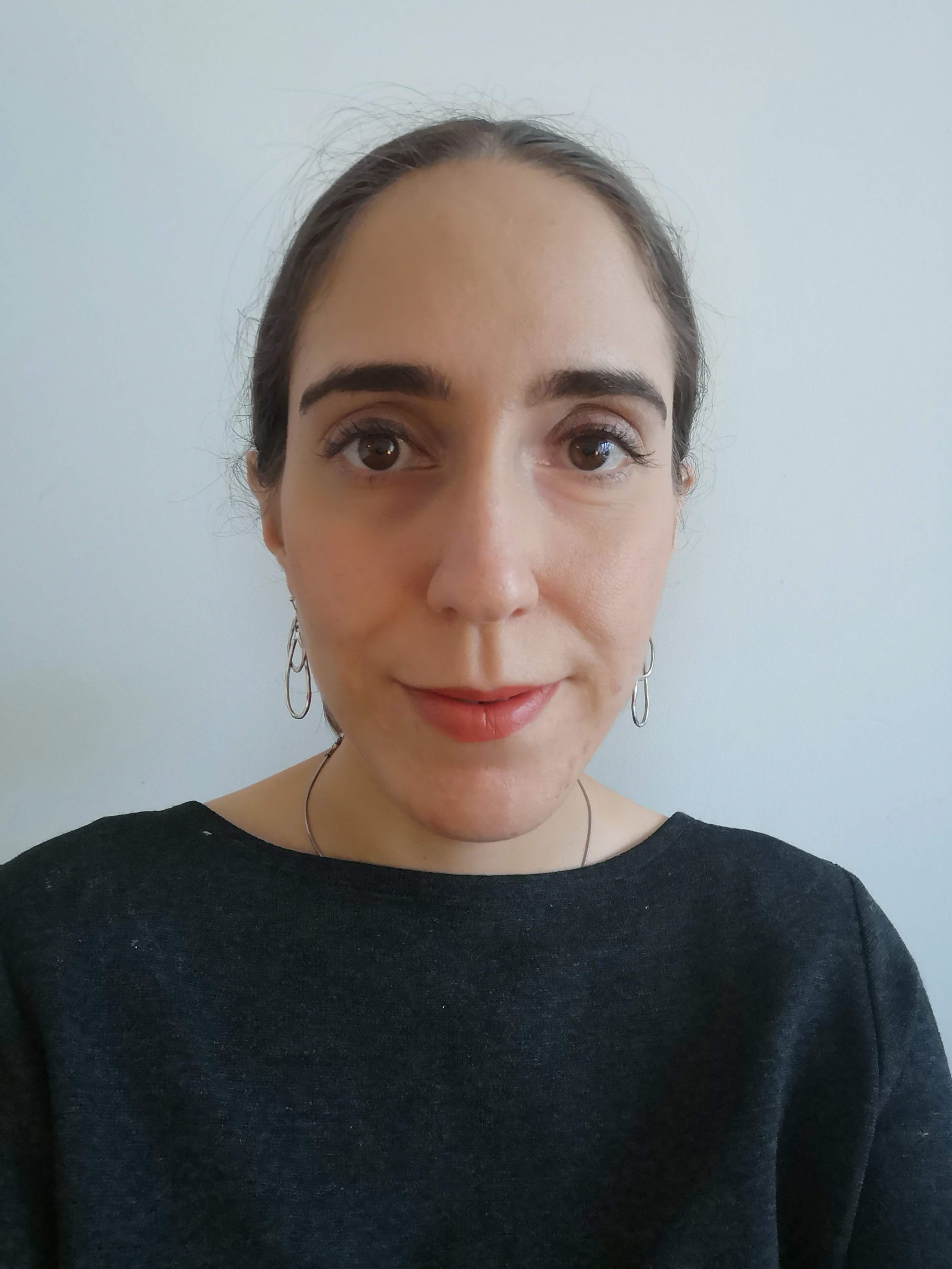
Lynn Kamerlin received her Master of Natural Sciences from the University of Birmingham (UK), in 2002, where she remained to complete a PhD in Theoretical Organic Chemistry under the supervision of Dr. John Wilkie (awarded 2005). Subsequently, she was a postdoctoral researcher in the labs of Stefan Boresch at the University of Vienna (2005-2007), Arieh Warshel at the University of Southern California (2007-2009, Research Associate at the University of Southern California in 2010) and Researcher with Fahmi Himo (2010). She is currently a Professor and Georgia Research Alliance – Vasser Wooley Chair of Molecular Design at Georgia Tech, a Professor of Structural Biology at Uppsala University, a Fellow of the Royal Society of Chemistry. She has also been a Wallenberg Scholar, the recipient of an ERC Starting Independent Researcher Grant (2012-2017) and the Chair of the Young Academy of Europe (YAE) in 2014-2015. Her non-scientific interests include languages (fluent in 5), amateur photography and playing the piano.