Robot Guitarist Plays With Human Expressivity
Robot Guitarist Plays With Human Expressivity
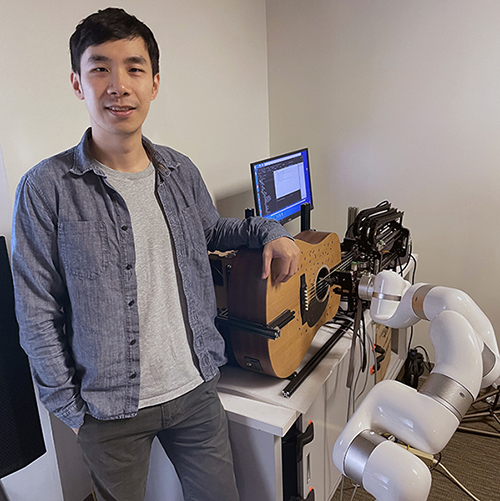
Legendary blues guitarist B.B.


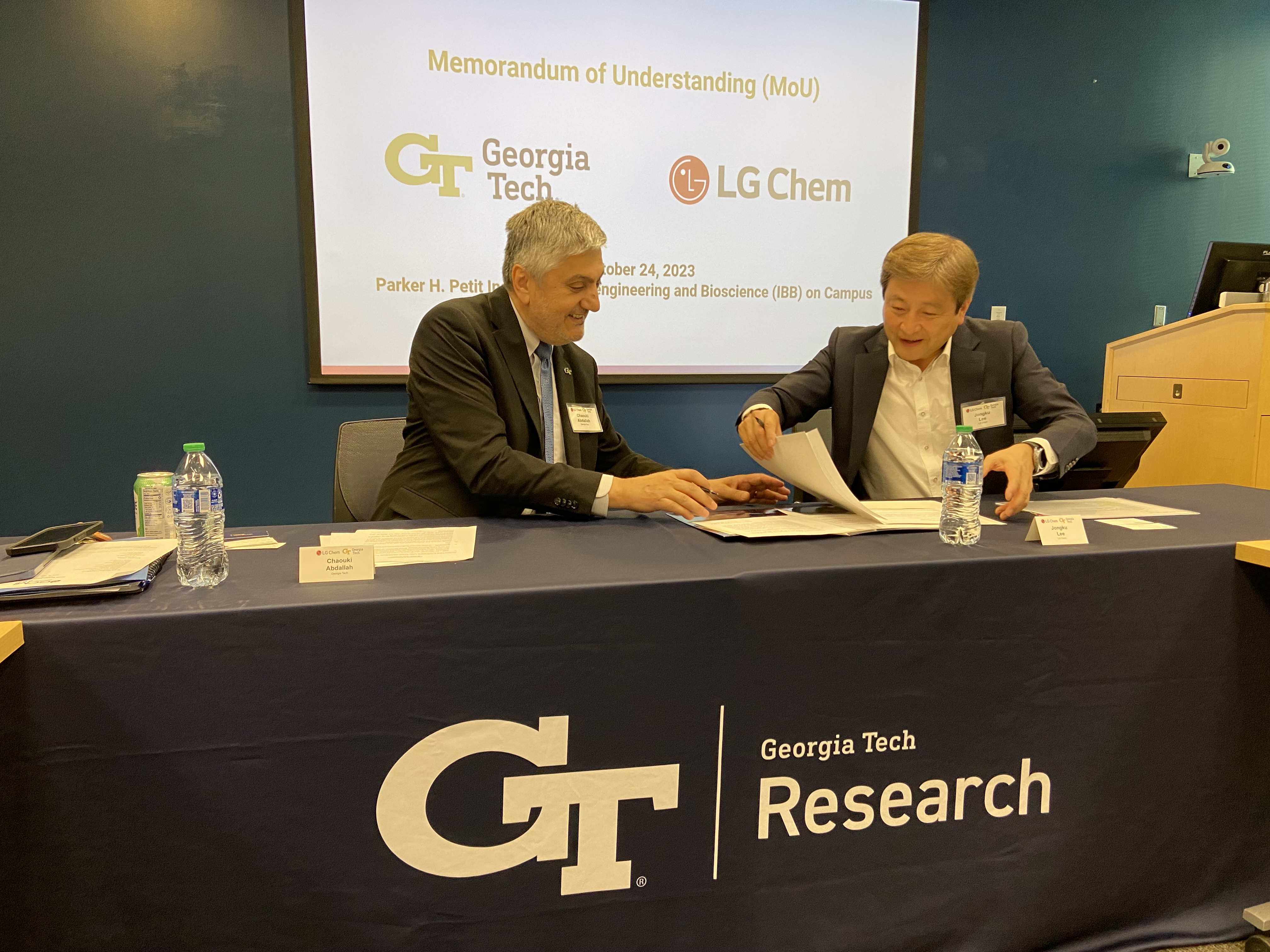
LG Chem, a leading global chemical company with a diversified business portfolio in the key areas of petrochemicals, advanced materials, and life sciences, today signed a memorandum of understanding with the Georgia Institute of Technology to promote basic and translational research, innovative business models, and related educational endeavors.
The agreement is expected to serve as an opportunity to connect LG Chem research and development, manufacturing, commercial, and operations teams with faculty thought leaders and students across the Institute.
“The combination of our industrial expertise and the university’s academic knowledge will enable us to extend our collaboration from next-generation battery materials to field,” said Jongku Lee, senior vice president and CTO at LG Chem.
“By partnering with LG Chem, we aim to foster next-level innovation in battery research, offering our students and faculty access to resources from a renowned industry leader,” said Chaouki Abdallah, executive vice president for Research at Georgia Tech. “I’m excited about the invaluable expertise LG Chem will bring to our campus community.”
LG Chem is committed to giving $2 million over five years to support student fellowships and the research collaboration. Georgia Tech intends to continue to build on its strengths, expertise, and capabilities in battery technology and related technical fields to further develop a pipeline of undergraduate and graduate students with related skills and training.
“The signing of the LG Chem-GT MOU represents a significant opportunity for our students and researchers as we develop key advances in battery and clean energy technologies while preparing the next talent pipeline to support them,” said George White, senior director for Strategic Partnerships at Georgia Tech.

In keeping with a strong strategic focus on AI for the 2023-2024 Academic Year, the Institute for Data Engineering and Science (IDEaS) has announced the winners of its 2023 Seed Grants for Thematic Events in AI and Cyberinfrastructure Resource Grants to support research in AI requiring secure, high-performance computing capabilities. Thematic event awards recipients will receive $8K to support their proposed workshop or series and Cyberinfrastructure winners will receive research support consisting of 600,000 CPU hours on the AMD Genoa Server as well as 36,000 hours of NVIDIA DGX H-100 GPU server usage and 172 TB of secure storage.
Proposed Workshop: “Foundation of scientific AI (Artificial Intelligence) for Optimization of Complex Systems”
Primary PI: Raphael Pestourie, Assistant Professor, School of Computational Science and Engineering
Secondary PI: Peng Chen, Assistant Professor, School of Computational Science and Engineering
Proposed Series: “Guest Lecture Seminar Series on Generative Art and Music”
Primary PI: Gil Weinberg, Professor, School of Music
Title: Human-in-the-Loop Musical Audio Source Separation
Topics: Music Informatics, Machine Learning
Primary PI: Alexander Lerch, Associate Professor, School of Music
Co-PIs: Karn Watcharasupat, Music Informatics Group | Yiwei Ding, Music Informatics Group | Pavan Seshadri, Music Informatics Group
Title: Towards A Multi-Species, Multi-Region Foundation Model for Neuroscience
Topics: Data-Centric AI, Neuroscience
Primary PI: Eva Dyer, Assistant Professor, Biomedical Engineering
Title: Multi-point Optimization for Building Sustainable Deep Learning Infrastructure
Topics: Energy Efficient Computing, Deep Learning, AI Systems OPtimization
Primary PI: Divya Mahajan, Assistant Professor, School of Electrical and Computer Engineering, School of Computer Science
Title: Neutrons for Precision Tests of the Standard Model
Topics: Nuclear/Particle Physics, Computational Physics
Primary PI: Aaron Jezghani - OIT-PACE
Title: Continual Pretraining for Egocentric Video
Primary PI: : Zsolt Kira, Assistant Professor, School of Interactive Computing
Co-PI: Shaunak Halbe, Ph.D. Student, Machine Learning
Title: Training More Trustworthy LLMs for Scientific Discovery via Debating and Tool Use
Topics: Trustworthy AI, Large-Language Models, Multi-Agent Systems, AI Optimization
Primary PIs: Chao Zhang, School of Computational Science and Engineering & Bo Dai, College of Computing
Title: Scaling up Foundation AI-based Protein Function Prediction with IDEaS Cyberinfrastructure
Topics: AI, Biology
Primary PI: Yunan Luo, Assistant Professor, School of Computational Science and Engineering
Christa M. Ernst - Research Communications Program Manager
Robotics | Data Engineering | Neuroengineering

The Institute for Data Engineering and Science, in conjunction with several Interdisciplinary Research Institutes (IRIs) at Georgia Tech, have awarded seven teams of researchers from across the Institute a total of $105,000 in seed funding geared to better position Georgia Tech to perform world-class interdisciplinary research in data science and artificial intelligence development and deployment.
The goals of the funded proposals include identifying prominent emerging research directions on the topic of AI, shaping IDEaS future strategy in the initiative area, building an inclusive and active community of Georgia Tech researchers in the field that potentially include external collaborators, and identifying and preparing groundwork for competing in large-scale grant opportunities in AI and its use in other research fields.
Overview: The goal of this initiative is to bring together expertise in machine learning/AI, high-throughput computing, computational chemistry, and experimental materials synthesis and characterization to accelerate material discovery. Computational chemistry and materials simulations are critical for developing new materials and understanding their behavior and performance, as well as aiding in experimental synthesis and characterization. Machine learning and AI play a pivotal role in accelerating material discovery through data-driven surrogate models, as well as high-throughput and automated synthesis and characterization.
Overview: Zhigang Jiang is currently leading an initiative within IMAT entitled “Quantum responses of topological and magnetic matter” to nurture multi-PI projects. By crosscutting the IMAT initiative with this IDEAS call, we propose to support and feature the applications of AI on predictive and inverse problems in quantum materials. Understanding the limit and capabilities of AI methodologies is a huge barrier of entry for Physics students, because researchers in that field already need heavy training in quantum mechanics, low-temperature physics and chemical synthesis. Our most pressing need is for our AI inclined quantum materials students to find a broader community to engage with and learn. This is the primary problem we aim to solve with this initiative.
Overview: Our objective is to use large language models (LLMs) in conjunction with AI algorithms to identify effective driver proteins, develop screening algorithms that target appropriate binding sites while avoiding deleterious ones, and consider bioavailability and drug resistance factors. LLMs can rapidly analyze vast amounts of information from literature and bioinformatics tools, generating hypotheses and suggesting molecular modifications. By bridging multiple disciplines such as biology, chemistry, and pharmacology, LLMs can provide valuable insights from diverse sources, assisting researchers in making informed decisions. Our aim is to establish a first-in-class, LLM driven research initiative at Georgia Tech that focuses on designing highly effective small molecule libraries to treat challenging diseases. This initiative will go beyond existing AI approaches to molecule generation, which often only consider simple properties like hydrogen bonding or rely on a limited set of proteins to train the LLM and therefore lack generalizability. As a result, this initiative is expected to consistently produce safe and effective disease-specific molecules.
Overview: We are committed to building a team of interdisciplinary & transdisciplinary researchers and practitioners with a shared goal: developing a new framework which model future climatic variations and the interconnected and interdependent energy infrastructure network as complex systems. To achieve this, we will harness the power of cutting-edge climate model outputs, sourced from the Coupled Model Intercomparison Project (CMIP), and integrate approaches from Machine Learning and Deep Learning models. This strategic amalgamation of data and techniques will enable us to gain profound insights into the intricate web of future climate-change-induced extreme weather conditions and their immediate and long-term ramifications on energy infrastructure networks. The seed grant from IDEaS stands as the crucial catalyst for kick-starting this ambitious endeavor. It will empower us to form a collaborative and inclusive community of GT researchers hailing from various domains, including City and Regional Planning, Earth and Atmospheric Science, Computer Science and Electrical Engineering, Civil and Environmental Engineering etc. By drawing upon the wealth of expertise and perspectives from these diverse fields, we aim to foster an environment where innovative ideas and solutions can flourish. In addition to our internal team, we also have plans to collaborate with external partners, including the World Bank, the Stanford Doerr School of Sustainability, and the Berkeley AI Research Initiative, who share our vision of addressing the complex challenges at the intersection of climate and energy infrastructure.
Overview: Our research team envisions a significant trend in the exploration of AI applications for urban flooding hazard forecasting. Georgia Tech possesses a wealth of interdisciplinary expertise, positioning us to make a pioneering contribution to this burgeoning field. We aim to harness the combined strengths of Georgia Tech's experts in civil and environmental engineering, atmospheric and climate science, and data science to chart new territory in this emerging trend. Furthermore, we envision the potential extension of our research efforts towards the development of a real-time hazard forecasting application. This application would incorporate adaptation and mitigation strategies in collaboration with local government agencies, emergency management departments, and researchers in computer engineering and social science studies. Such a holistic approach would address the multifaceted challenges posed by urban flooding. To the best of our knowledge, Georgia Tech currently lacks a dedicated team focused on the fusion of AI and climate/flood research, making this initiative even more pioneering and impactful.
Overview: Most asset management and recycling-use technology has not changed for decades. The use of bar codes and RFID has provided some benefits, such as for retail returns management. Automated sorting of recyclables using magnets, eddy currents, and laser plastics identification has improved municipal recycling. Yet the overall field has been challenged by not-quite-easy-enough identification of products in use or at end of life. AI approaches, including computer vision, data fusion, and machine learning provide the additional capability to make asset management and product recycling easy enough to be nearly autonomous. Georgia Tech is well suited to lead in the development of this application. With its strength in machine learning, robotics, sustainable business, supply chains and logistics, and technology commercialization, Georgia Tech has the multi-disciplinary capability to make this concept a reality; in research and in commercial application.
Overview: Artistic human movement at large, stands at the precipice of a data-driven renaissance. By leveraging novel tools, we can usher in a transparent, data-driven, and accessible training environment. The potential ramifications extend beyond dance. As sports analytics have reshaped our understanding of athletic prowess, a similar approach to dance could redefine our comprehension of human movement, with implications spanning healthcare, construction, rehabilitation, and active aging. Georgia Tech, with its prowess in AI, HCI, and biomechanics is primed to lead this exploration. To actualize this vision, we propose the following research questions with ballet as a prime example of one of the most complex types of artistic movements: 1) What kinds of data - real-time kinematic, kinetic, biomechanical, etc. captured through accessible off-the-shelf technologies, are essential for effective AI assessment in ballet education for young adults?; 2) How can we design and develop an end-to-end ML architecture that assesses artistic and technical performance?; 3) What feedback elements (combination of timing, communication mode, feedback nature, polarity, visualization) are most effective for AI- based dance assessment?; and 4) How does AI-assisted feedback enhance physical wellness, artistic performance, and the learning process in young athletes compared to traditional methods?
Christa M. Ernst | Research Communications Program Manager
Robotics | Data Engineering | Neuroengineering
christa.ernst@research.gatech.edu

A new Georgia Tech study reveals that excluding front-line workers from the design process can increase employee turnover rates, leading to higher costs and reduced efficiency for businesses implementing new automated technologies.
Alyssa Sheehan has seen firsthand how companies can struggle to leverage new technologies meant to improve systems and benefit workers. She collaborated with dozens of companies as the director of the Georgia Center of Innovation's aerospace team from 2022 to 2023.
That experience inspired the Ph.D. candidate and 2022 Foley Scholar to explore the effects on workers when technology is implemented to automate traditional paper-based processes. Making Meaning from the Digitalization of Blue-Collar Work won a best paper award at the 2023 Conference on Computer Supported Cooperative Work and Social Computing (CSCW) this week in Minneapolis.
“I’m trying to cast meaningful work into a new light with automation and technology design,” Sheehan said. “The intention is so focused on delivering efficiency and optimizing the process. Companies and technologists forget about user input from workers using these systems.”
Microsoft and other major tech companies have announced commitments to use technology to foster a culture of meaningful work within the workplace. However, Sheehan said that small businesses often lack the resources and knowledge required to incorporate such beneficial technology. Others design the technology with only productivity in mind and without considering if it makes their employees’ jobs more meaningful.
“There’s a lot of research that shows there’s a technology gap, particularly for small businesses,” Sheehan said. “I’m not always advocating for technology as a solution, but I look at what exists critically and ask, ‘Is this technology doing what we want it to? If the goal is to support workers, how is it doing that?’”
Sheehan worked with a small Georgia-based manufacturing company to conduct an 18-month study. She designed and deployed off-the-shelf tools to automate the company’s shipping and receiving processes that required time and paperwork.
With the support of researchers from Georgia Tech’s Institute of People and Technology (IPAT), she customized a wearable and mobile app. The workers used the app to check off critical tasks within the shipping process one by one.
The results were mixed.
Sheehan said many ground-floor shipping experts were frustrated by the frequency of having to repack orders because of customer complaints about improper shipping. The workers insisted they’d done the job correctly. The mobile app allowed them to take pictures of each order after packaging for quality assurance.
The workers appreciated the feature, but they also provided negative feedback. In some cases, the app required workers to perform tasks contrary to methods that suited them and made them feel productive. It also took away a sense of autonomy and pride in expertise from workers because it instructed them what to do step by step. Instead of making the job easier, workers felt like their superiors didn’t trust them to do the job correctly.
“It helped in certain areas like not having to take notes on paper anymore and using outdated equipment. However, they struggled to see how it would preserve meaning in their job in terms of working with their hands and doing various tasks at any given time.
“We create universal systems and solutions for mobile apps that are often deployed without understanding the context of organizational practices. That’s a problem. Now, the workers have to adapt their processes to make this tool work in practice. They’re being asked to give up how they do things,” Sheehan said.
She added that automated technology systems need to go beyond convenience and productivity, and these systems may cause more harm than good if it diminishes meaning and value from workers.
“By leaving the worker perspective out of the design process, we limit the potential of these technologies,” she said. “Productivity still relies on people being engaged in the process. If we’re going to create true productivity, we need to make sure those jobs are valuable and that people feel what they do matters. That leads to less turnover and higher job satisfaction rates.”
Nathan Deen, Communications Officer
School of Interactive Computing
nathan.deen@cc.gatech.edu

Nussbaum and members of his software division pictured with GTRI's Angry Kitten® electronic attack system that they developed. Angry Kitten® was first developed in 2013 and utilizes advanced sensing and attack techniques to combat the most modern sensor systems. Several versions of the Angry Kitten® technology are utilized across the DoD (Photo Credit: Sean McNeil, GTRI).
At 72 years old, Nussbaum recently earned his Ph.D. from the Georgia Institute of Technology (Georgia Tech) in computer science with a minor in electrical engineering. Although the degree took him 11 years to complete, Nussbaum said the concepts he learned and the lifelong relationships he formed made it all worth it.
Close to half of all doctoral recipients in the U.S. are 26 to 30 years old, while just 7% are over 45, according to recent data from the National Science Foundation. But it can be beneficial taking on the Ph.D. later in life.
“Getting a Ph.D. was hard,” Nussbaum said. “But I’m glad I did it at this stage in my life because I was able to apply more life experiences to my coursework and research, which was rewarding.”
Nussbaum’s Ph.D. research focused on improving signal processing to provide better information to radar systems about sudden changes in a target’s velocity and acceleration. To do this, Nussbaum used a specific algorithm known as an expectation-maximization (EM) algorithm, which can calculate unknown variables, such as velocity and acceleration, with exceptional accuracy, and is also a scalable and cost-effective solution for radar signal processing.
“This is a new way of doing signal processing in real time to achieve higher fidelity tracking results,” Nussbaum said.
Nussbaum has had an extensive career in the defense space, including working for Northrop Grumman and Raytheon Technologies as a technical software manager before joining GTRI’s Sensors and Electromagnetic Applications (SEAL) Laboratory in 2010. Nussbaum has had the goal of earning a Ph.D. since 1981, when he earned a master’s degree in computer science, but was working for Northrop Grumman outside of Boston at the time, and was unable to take time out of the workday to travel into the city to attend school.
Nussbaum chose to work for GTRI because it gave him the flexibility to be more creative with the research he performed for sponsors and its commitment to advanced education meant he wouldn’t have to put his career on hold to go back to school. "Working at GTRI made getting my Ph.D., which would have been very difficult anywhere else, manageable,” he said.
As a Ph.D. student, Nussbaum sought to balance the demands of work, school, and family by taking as many early-morning classes as possible, and then after work, he would spend nights attending any remaining classes or doing coursework.
“I had to learn to super-organize my time and keep both school and work moving in the right direction,” Nussbaum said.
Nussbaum most enjoyed learning about several advanced computer science concepts throughout the program, which were a nice complement to the radar research he was performing at GTRI, but said taking tests could be challenging at times.
“I understood my course materials but being older than 65 years old, and my work responsibilities, affected my memory,” he added.
Nussbaum also enjoyed building relationships with the other students in his program and his advisor, Kishore Ramachandran, a professor in the College of Computing and School of Computer Science.
Ramachandran, who has expertise in distributed and real-time computing systems, described Nussbaum as an accomplished yet humble individual who brought an impressive amount of industry knowledge and experience to the program.
“It was such a joy working with Alan,” Ramachandran said. “Because of his seniority and background, he became an integral part of my research group. At the same time, he was not the type to brag about all of his accomplishments, but was eager to learn from the other students who were considerably younger than him.”
GTRI Principal Research Engineers Dale Blair and Byron Keel also played a key role in supporting Nussbaum during his Ph.D. journey. Blair served as Nussbaum's co-advisor and supported the target tracking aspects of his research while Keel supported the signal processing portions of the research. Their knowledge and algorithm verification, combined with Nussbaum's software engineering experience, ensured the achievement of all the research’s functional and real-time performance goals.
Right now, Nussbaum, who is based in Lexington, Massachusetts, and works out of GTRI’s New England Field Office, said he is enjoying spending time with family, including his four grandchildren. Looking ahead, he plans to continue growing his division at GTRI and utilizing his research on future radar applications.
Nussbaum said he is grateful for the professional and personal support he received throughout his Ph.D. journey. To anyone who might also be considering taking a professional or personal leap of faith, Nussbaum said the path might not always be linear or easy, but it will almost always be worth it.
“If you are willing to maintain the commitment for many years and understand the required process, the feeling is very good when you are completed,” he said.
Writer: Anna Akins (anna.akins@gtri.gatech.edu)
GTRI Communications
Georgia Tech Research Institute
Atlanta, Georgia USA
The Georgia Tech Research Institute (GTRI) is the nonprofit, applied research division of the Georgia Institute of Technology (Georgia Tech). Founded in 1934 as the Engineering Experiment Station, GTRI has grown to more than 2,900 employees, supporting eight laboratories in over 20 locations around the country and performing more than $940 million of problem-solving research annually for government and industry. GTRI's renowned researchers combine science, engineering, economics, policy, and technical expertise to solve complex problems for the U.S. federal government, state, and industry.
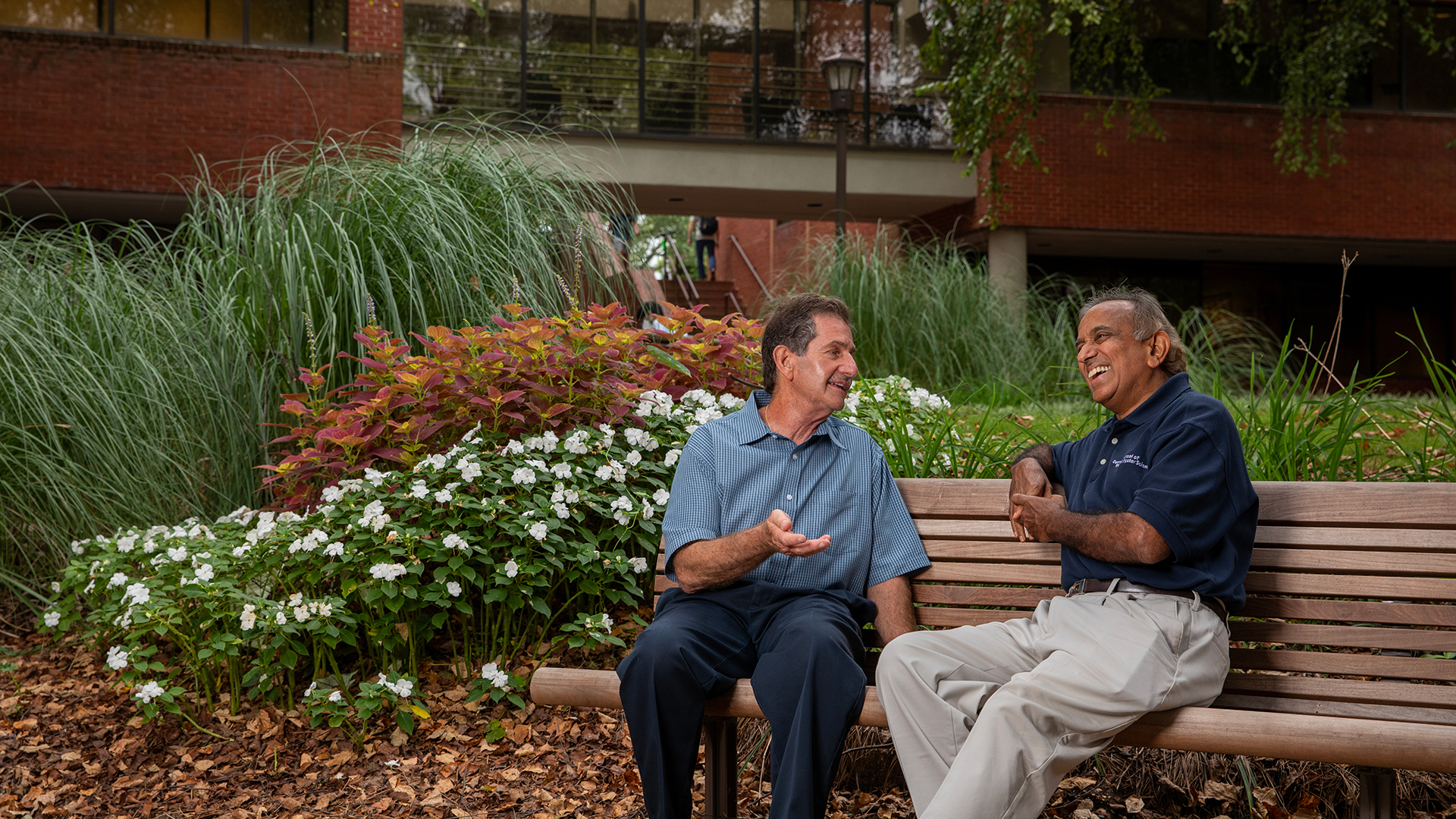
Alan Nussbaum (left) with his Ph.D. advisor, Kishore Ramachandran (right), a professor in Georgia Tech’s College of Computing and School of Computer Science. They are pictured in the courtyard of the H. Milton Stewart School of Industrial and Systems Engineering. (Photo by Sean McNeil)
(Interim) Director of Communications
Michelle Gowdy
Michelle.Gowdy@gtri.gatech.edu
404-407-8060
Legendary blues guitarist B.B.
The Advanced Research Projects Agency for Health (ARPA-H) is a research funding agency that supports transformative biomedical and health breakthroughs — ranging from the molecular to the societal — to provide health solutions for all. ARPA-H awardees are developing entirely new ways to tackle the hardest challenges in health.
President Joe Biden’s Cancer Moonshot initiative aims to cut the cancer death rate by half in 25 years. Three projects connected to Georgia Tech, which have collectively received $119 million from ARPA-H, are doing just that.
With a grant worth up to $50 million, Georgia Tech will lead development of a new generation of cancer tests capable of detecting multiple types of tumors earlier than ever. Led by biomedical engineer Gabe Kwong, the project will map the unique cellular profiles of cancer cells and leverage that knowledge to build new bioengineered sensors to detect those profiles. The goal is to create a new kind of multi-cancer early detection test that would allow oncologists to start treating the tumors sooner, when they’re still small and most responsive.
“The ARPA-H program is really designed to accelerate true blue-sky visions of what the field needs to solve in order to push medicine and health forward. This is what researchers like to do — we dream about a different future; about the technologies we need to develop to get there. I’ve been cultivating this vision for the last 10 years. Now there’s a mechanism to implement it and go at light speed.” — Gabe Kwong
The project is the third with ties to Georgia Tech received in recent weeks. Professor Philip Santangelo, professor in the Wallace H. Coulter Department of Biomedical Engineering at Georgia Tech and Emory University, received the first tranche of funding from the agency — $24 million — for a project building a toolbox of mRNA drugs to activate or shut off specific genes to help the immune system fight cancer and other disorders.
Josiah Hester in the School of Interactive Computing is co-principal investigator of a $45 million Rice University-led effort to develop an implant to help the body better respond to cancer treatments. Celine Lin, associate professor in the School of Computer Science, is working with Hester to develop ultra-energy-efficient chips for signal processing and embedded control. Together, they will develop a robust platform that is energy-efficient enough to last for months.
“At ARPA-H, we recognize the urgency of the health challenges facing cancer patients and their families.” said ARPA-H Director Renee Wegrzyn, “and we are committed to funding truly transformative research that can improve health outcomes for everyone.”
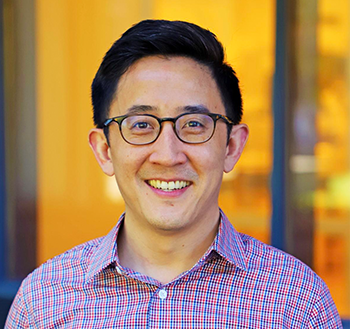
Biomedical engineer Gabe Kwong will map cancer cell biomarkers, then engineer new sensors to hunt for multiple kinds of cancer.
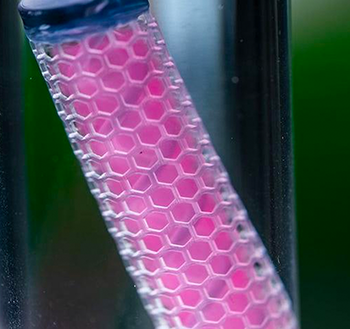
A surgically implantable device the size of a pinky finger could be a huge step toward a cure for cancer.
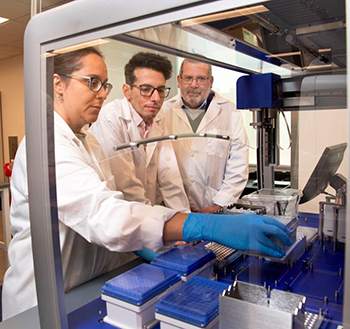
Philip Santangelo wants to build a toolbox of mRNA drugs to activate or shut off specific genes to help the immune system fight cancer and other disorders.
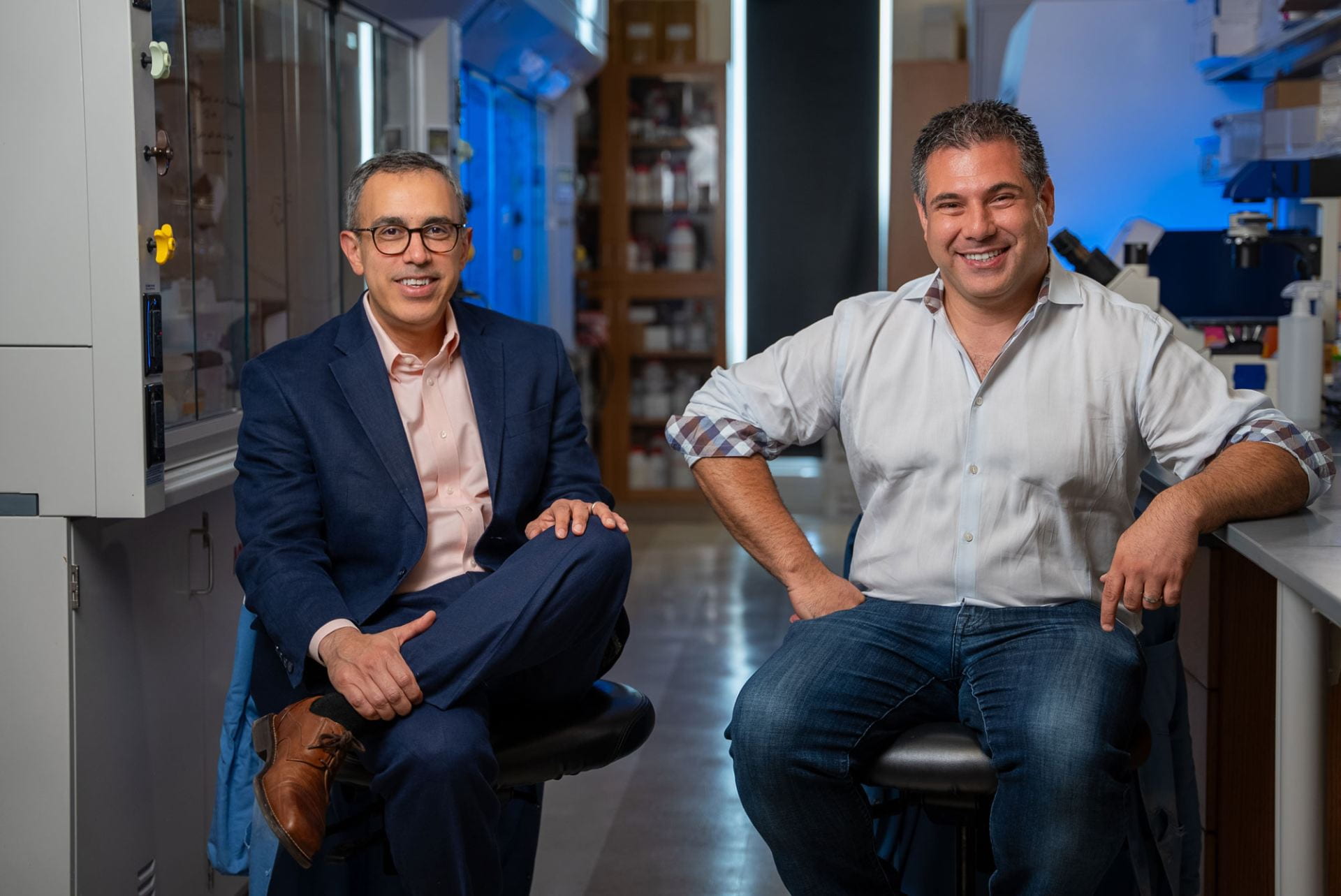
Omid Veiseh (right) and Dr. Amir Jazaeri in Veiseh’s Rice University laboratory in August 2023. Veiseh, an associate professor of bioengineering, is principal investigator on the “targeted hybrid oncotherapeutic regulation” (THOR) project, a $45 million effort by the Advanced Research Projects Agency for Health (ARPA-H) to fast-track the development of a small implant that can continuously monitor a patient’s cancer and adjust their immunotherapy dose in real time.

How do you explain the physical prowess of video gamers? In mainstream sports, such as soccer or basketball, people can see the physical feats: the arc of a jump shot or the speed of the ball through a goalie's fingertips. However, at major esports competitions, viewers see the video game characters on screen rather than the player controlling them behind the scenes. So, how do esports commentators and promoters explain this invisible activity?
Keung Yoon Bae, an assistant professor of Korean Studies at the School of Modern Languages, explores how the Korean esports industry is one of the first to confront the challenge of describing physical performance in a digital medium. Through industry events and promotional materials, they've developed a new visual language to describe what cannot be seen by viewers watching the gamers in competition. As the novel language and strategies spread, it also helps cement Korean esports as a pioneer in the field.
"South Korean esports media have developed visual strategies, their own specific visual language, to try and communicate on-screen abstract concepts such as the prowess of their players and the histories that they bring to the game," Bae writes in her book chapter "Visualizing the Invisible: Korean Esports and the Representation of Gameplay Skill."
For example, esports player Ryu Je-Hong streams with a camera aimed at his hand to show how sensitive his mouse is and how accurate his hand movements are. In the animated hype videos tournaments use for promotion, companies don't show players sitting in chairs at screens. Instead, they create more exciting visuals, such as the players climbing a mountain peak or standing in a room surrounded by portraits of past tournament champions.
"Esports broadcasts and promotional media often look quite absurd or bizarre to those unfamiliar with esports, so these visual strategies give us a great point of access to understand why esports looks the way it does," Bae says.
Her chapter counters what she says is a common misconception: that esports is not an actual sport because it doesn't involve physical skill.
"Physical skill is core to esports, just not in the way we are used to," Bae says. "Therefore, it is also core to esports discourse, which often contends with questions about gender and biology — even if the discussions often use biology research in problematic or misguided ways," she adds.
"Visualizing the Invisible: Korean Esports and the Representation of Gameplay Skill" was published in Introducing Korean Popular Culture in 2023.
Bae's next project will take a historical approach to the field, interviewing esports professionals in Korea about how copyright law, intellectual property law, and esports ownership have changed over the past decade.
Ivan Allen College of Liberal Arts

A sample of a DUCKY polymer membrane researchers created to perform the initial separation of crude oils using significantly less energy. (Photo: Candler Hobbs)
A new kind of polymer membrane created by researchers at Georgia Tech could reshape how refineries process crude oil, dramatically reducing the energy and water required while extracting even more useful materials.
The so-called DUCKY polymers — more on the unusual name in a minute — are reported Oct. 16 in Nature Materials. And they’re just the beginning for the team of Georgia Tech chemists, chemical engineers, and materials scientists. They also have created artificial intelligence tools to predict the performance of these kinds of polymer membranes, which could accelerate development of new ones.
The implications are stark: the initial separation of crude oil components is responsible for roughly 1% of energy used across the globe. What’s more, the membrane separation technology the researchers are developing could have several uses, from biofuels and biodegradable plastics to pulp and paper products.
“We're establishing concepts here that we can then use with different molecules or polymers, but we apply them to crude oil because that's the most challenging target right now,” said M.G. Finn, professor and James A. Carlos Family Chair in the School of Chemistry and Biochemistry.
Joshua Stewart
College of Engineering

Trey Sawyers, Katie Hines, and Sean Castillo are helping keep Georgia businesses lean and safe.
Sean Castillo is in the win-win business. As an industrial hygienist in the Georgia Tech Enterprise Innovation Institute (EI2), his job is to ensure that employees are safe in their workspaces, and when he does that, he simultaneously improves a company’s performance.
That’s been a theme for Castillo and his colleagues in the Safety, Health, Environmental Services (SHES) program and their partners in the Georgia Manufacturing Extension Partnership (GaMEP), part of EI2’s suite of programs aimed at helping Georgia businesses thrive.
“A healthier workforce is healthy for business,” said Castillo, part of the SHES team of consultants who often work closely with their GaMEP counterparts to improve safety while also maximizing productivity.
This team of experts from EI2 assist companies trying to reach that critical intersection of both, combining smart ergonomics and safety enhancements with lean manufacturing practices. This can solve human performance gaps due to fatigue, heat, or some other environmental stressor, while helping businesses continue to improve their production processes and, ultimately, their bottom line.
These stressors cost U.S. industry billions of dollars each year — fatigue, for example, is responsible for about $136 billion in lost productivity.
“Protecting your employee — investing in safety now — saves a lot of money later,” Castillo said. “It equates to less money spent on workers compensation and less employee turnover, which means less time training new employees, and that ideally leads to a more efficient process in the workplace.”
It takes careful and intentional collaboration to bring those moving pieces together, and inextricably linked programs like SHES and GaMEP can help orchestrate all of that.
SHES is staffed by safety consultants, like Castillo, who provide a free and essential service to Georgia businesses. They help companies ensure that they meet or exceed the standards set by the federal Occupational Health and Safety Administration (OSHA), mainly through SHES’ flagship OSHA 21(d) Consultation Program.
“Our job is to ensure that workspaces and processes are designed so that anybody can perform the work safely,” said Trey Sawyers, a safety, health, and ergonomics consultant on the SHES team, aiding small and mid-sized businesses in Georgia. When a company reaches out to SHES to apply for the free, confidential OSHA consultation program, a consultant like Sawyers gets assigned to the task, “based on our area of expertise,” said Sawyers, an expert in ergonomics, which is the science of designing and adapting a workspace to efficiently suit the physical and mental needs and limitations of workers.
“If a company is having ergonomic issues — maybe they’re experiencing a lot of strains and sprains — then I might get the call because of my knowledge and understanding of anthropometry, and then I’ll go take a close look at the facility,” Sawyers said. Anthropometry is the scientific study of a human’s size, form, and functional capacity.
SHES consultants can identify potential workplace hazards, provide guidance on how to comply with OSHA standards, and establish or improve safety and health programs in the company.
“The caveat is the company has to correct any serious hazards that we find,” said Castillo, who visits a wide range of workspaces in his role. For instance, his job will take him to construction and manufacturing sites, gun ranges, even office settings. “We do noise and air monitoring at all different types of workplaces. I was at a primary care clinic the other day. And over the past few years, we’ve had a significant emphasis on stone fabricators, looking for overexposures to respirable crystalline silica.”
Silica, which is dust residue from the process of creating marble and quartz slabs, can lead to a lung disease called silicosis. OSHA established new limits that cut the permissible exposure limits in half, and that has kept the SHES consultants busy as Georgia manufacturers try to achieve and maintain compliance.
Another area of growing emphasis for Georgia Tech’s consultants is heat-related stress in the workplace.
“Currently, there are no standards to address this,” Castillo said. “For example, there are no rules that say a construction site worker should drink this much water. There are suggested guidelines and emphasis programs for inspections for targeted industries where heat stress may be prevalent — but no standards, though that is coming.”
The SHES team is trying to stay ahead of what will likely be new federal rules for heat mitigation. To help develop safe standards and better understand the effects of heat on workers, consultants like Castillo are going to construction sites, plant nurseries, and warehouses, and enlisting volunteers in field studies. Using heat stress monitor armbands, they’re monitoring data on workers’ core body temperatures and heart rates.
“These tools are great because we’re not only gathering some good data, but we can use them proactively to prevent heat events such as heat exhaustion and heatstroke, which can be fatal if left untreated,” Castillo said.
To further help educate Georgia companies about the risks of heat-related problems, SHES applied for and recently won a Susan Harwood Training Grant from the U.S. Department of Labor. The $160,000 award will support SHES consultants’ efforts to further their work in heat stress education so that “companies and workers will understand the warning signs and the potential effects of heat stress, and how they can stay safe,” Castillo said. “We’re sure this will all become part of OSHA standards eventually, and we’d like to help our clients stay ahead of the curve to protect their employees.”
OSHA standards are the law, and while larger corporations routinely hire consulting firms to keep them on the straight and narrow, SHES is providing the same level of expertise for its smaller business clients for free. Most of those clients apply for help through SHES’ online request form. And others find the help they need through the guidance of process improvement specialist Katie Hines and her colleagues in GaMEP.
Hines came to her appreciation of ergonomics naturally. After graduating from Auburn University, she entered the workforce as a manufacturing engineer for a building materials company, where “it was just part of our day-to-day work life in that manufacturing environment, on the production floor,” she said.
It took grad school and a deeper focus on lean and continuous improvement processes to formalize that appreciation.
While working toward her master’s degree in chemical engineering at Auburn, Hines earned a certificate in occupational safety and ergonomics (like Sawyers, her SHES colleague). At the same time, Hines was helping to guide her company’s lean and continuous improvement program. And when she joined Proctor and Gamble after completing her degree, “The lean concept and safety best practices were fully ingrained, part of the daily discussion there,” she said.
All those hands-on manufacturing production floor experiences managing people and systems prepared Hines well for her current role as a project manager on GaMEP’s Operational Excellence team, where her focus is entirely on lean and continuous improvement work — that is, helping companies reduce waste and improve production while also enhancing safety and ergonomics.
Hines uses her expertise in knowing how manufacturing processes and people should look when everyone is safe and also productive. She can walk into a GaMEP client’s facility and drive the process improvements and solutions that will help them achieve a leaner, more efficient form of production. And then, when she sees the need, Hines will recommend the client contact SHES, “the people who have their fingers on the data and the expertise to improve safety.”
These were concepts that, for a long time, seemed to be working against each other — the very idea of maximizing production and improving profits while also emphasizing worker safety and comfort.
“But you can have both,” Castillo said. “You should have both.”
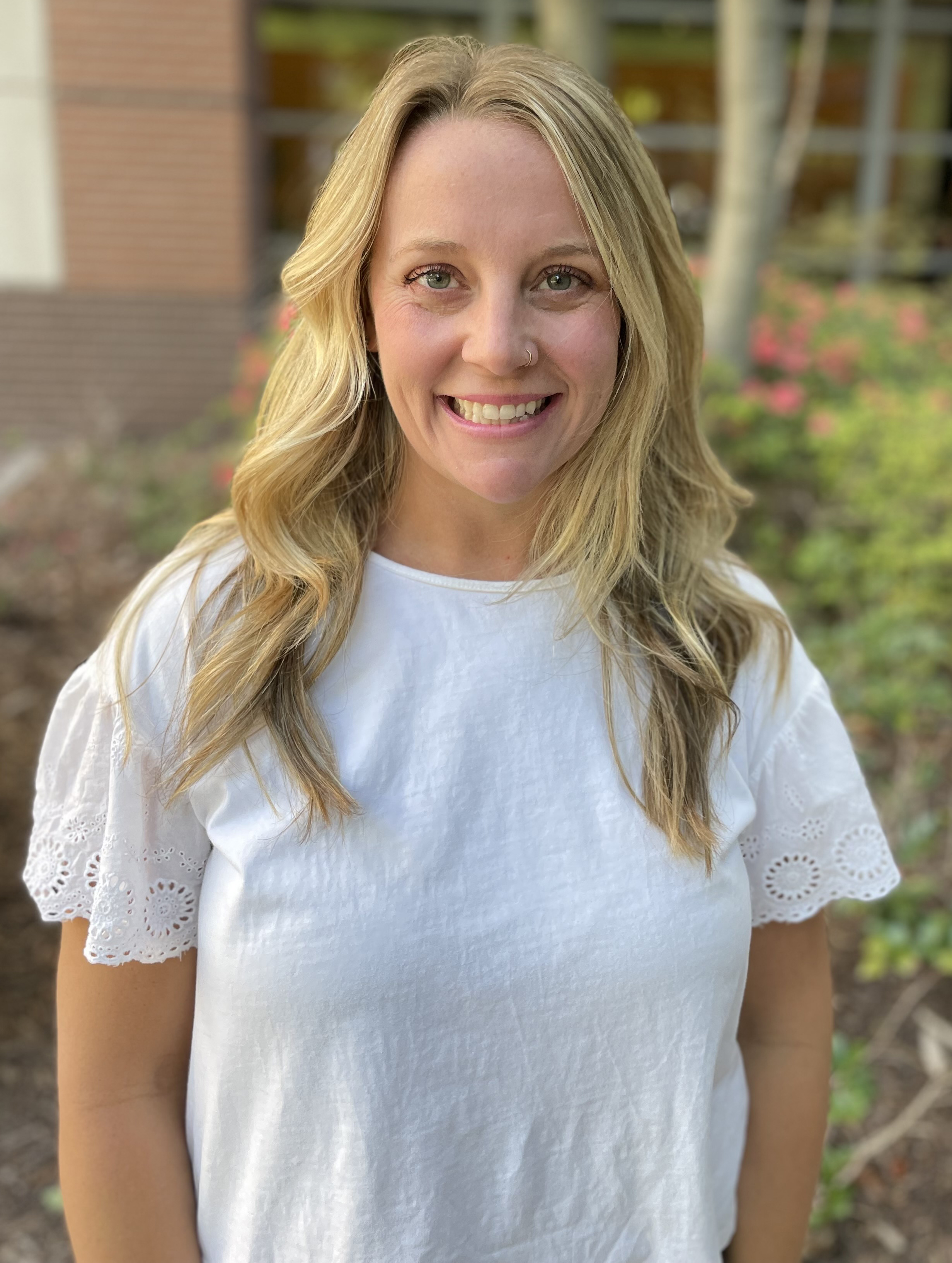
Katie Hines

Sean Castillo
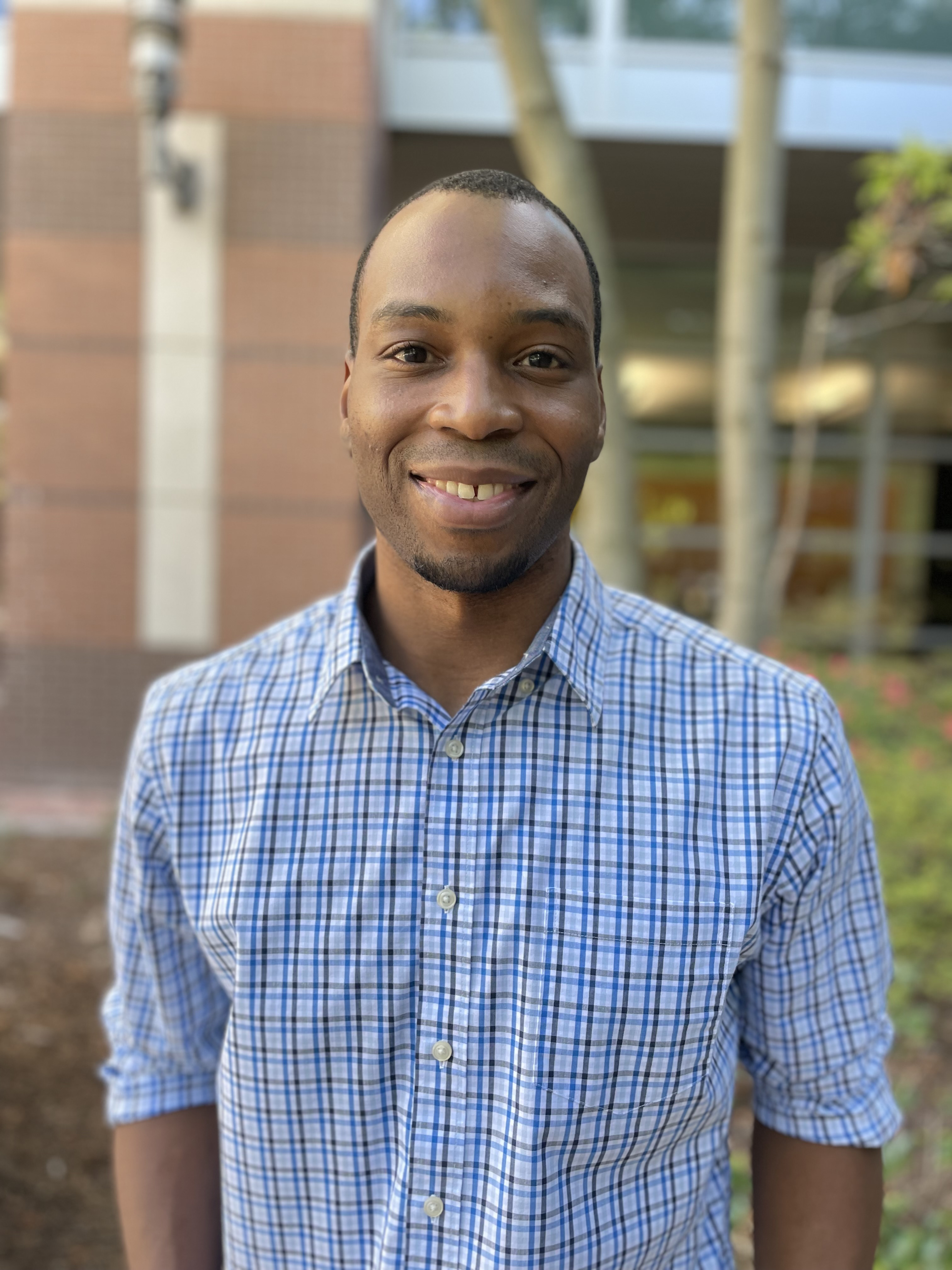
Trey Sawyers
Writer: Jerry Grillo