
Want Better Kimchi? Make It Like the Ancients Did
Apr 24, 2023 —

David Hu (right), professor of mechanical engineering, and Soohwan Kim, a second-year Ph.D. student, with the onggi they used in fermentation experiments.
Fermented foods like kimchi have been an integral part of Korean cuisine for thousands of years. Since ancient times, Korean chefs have used onggi — traditional handmade clay jars — to ferment kimchi. Today, most kimchi is made through mass fermentation in glass, steel, or plastic containers, but it has long been claimed that the highest quality kimchi is fermented in onggi.
Kimchi purists now have scientific validation, thanks to recent research from David Hu, professor in the George W. Woodruff School of Mechanical Engineering and the School of Biological Sciences at Georgia Tech, and Soohwan Kim, a second-year Ph.D. student in Hu’s lab.
In a combined experimental and theoretical study, Hu and Kim measured carbon dioxide levels in onggi during kimchi fermentation and developed a mathematical model to show how the gas was generated and moved through the onggi’s porous walls. By bringing the study of fluid mechanics to bear on an ancient technology, their research highlights the work of artisans and provides the missing link for how the traditional earthenware allows for high quality kimchi.
Their research was published in the Journal of the Royal Society Interface.
“We wanted to find the ‘secret sauce’ for how onggi make kimchi taste so good,” Hu said. “So, we measured how the gases evolved while kimchi fermented inside the onggi — something no one had done before.”
The porous structure of these earthenware vessels mimics the loose soil where lactic acid bacteria — known for their healthy probiotic nature — are found. While previous studies have shown that kimchi fermented in onggi has more lactic acid bacteria, no one knew exactly how the phenomenon is connected to the unique material properties of the container.
First, Kim obtained a traditional, handmade onggi jar from an artisan in his hometown in Jeju, South Korea, a region famous for onggi. Back at Georgia Tech, Hu and Kim first tested the permeability of the onggi by observing how water evaporated through the container over time.
Next, they installed carbon dioxide and pressure sensors into both the onggi and a typical, hermetically sealed glass jar. They prepared their own salted cabbage and placed it in both containers. They then used the sensors to measure and compare the change in carbon dioxide — a signature of fermentation.
Hu and Kim also developed a mathematical model based on the porosity of the onggi. The model allowed them to infer the generation rate of carbon dioxide, since the onggi lets carbon dioxide out gradually.
They concluded that the onggi’s porous walls permitted the carbon dioxide to escape the container, which accelerated the speed of fermentation. The onggi’s porosity also functioned as a “safety valve,” resulting in a slower increase in carbon dioxide levels than the glass jar while blocking the entry of external particles. Their data revealed that the carbon dioxide level in onggi was less than half of that in glass containers.
They also found that the beneficial bacteria in the onggi-made kimchi proliferated 26% more than in the glass counterpart. In the glass jar, the lactic acid bacteria became suffocated by their own carbon dioxide in the closed glass container. It turns out that, because the onggi releases carbon dioxide in small rates, the lactic acid bacteria are happier and reproduce more.
“Onggi were designed without modern knowledge of chemistry, microbiology, or fluid mechanics, but they work remarkably well,” Kim said. “It’s very interesting to get these new insights into ancient technology through the lens of fluid dynamics.”
Onggi’s semiporous nature is unique compared to other forms of earthenware. A clay container that leaks, but only slightly, is not easy to make. Terra cotta containers, for example, quickly leak water.
“It's amazing that, for thousands of years, people have been building these special containers out of dirt, but in many ways, they are very high tech,” Hu said. “We discovered that the right amount of porosity enables kimchi to ferment faster, and these onggi provide that.”
Kim said that some artisans still use ancient methods when making onggi, but their numbers are decreasing. Now, the market is flooded with inauthentic versions of the vessels.
“We hope this study draws attention to this traditional artisan work and inspires energy-efficient methods for fermenting and storing foods,” he said. “Also, the onggi are quite beautiful.”
Citation: Kim Soohwan and Hu David L. Onggi’s permeability to carbon dioxide accelerates kimchi fermentation. J. R. Soc. Interface. 2023.
Catherine Barzler
catherine.barzler@gatech.edu
AI Oral Assessment Tool Uses Socratic Method to Test Students' Knowledge
Sep 24, 2024 —

A year ago, Ray Hung, a master’s student in computer science, assisted Professor Thad Starner in constructing an artificial intelligence (AI)-powered anti-plagiarism tool for Starner’s 900-student Intro to Artificial Intelligence (CS3600) course.
While the tool proved effective, Hung began considering ways to deter plagiarism and improve the education system.
Plagiarism can be prevalent in online exams, so Hung looked at oral examinations commonly used in European education systems and rooted in the Socratic method.
One of the advantages of oral assessments is they naturally hinder cheating. Consulting ChatGPT wouldn’t benefit a student unless the student memorizes the entire answer. Even then, follow-up questions would reveal a lack of genuine understanding.
Hung drew inspiration from the 2009 reboot of Star Trek, particularly the opening scene in which a young Spock provides oral answers to questions prompted by AI.
“I think we can do something similar,” Hung said. “Research has shown that oral assessment improves people’s material understanding, critical thinking, and communication skills.
“The problem is that it’s not scalable with human teachers. A professor may have 600 students. Even with teaching assistants, it’s not practical to conduct oral assessments. But with AI, it’s now possible.”
Hung developed The Socratic Mind with Starner, Scheller College of Business Assistant Professor Eunhee Sohn, and researchers from the Georgia Tech Center for 21st Century Universities (C21U).
The Socratic Mind is a scalable, AI-powered oral assessment platform leveraging Socratic questioning to challenge students to explain, justify, and defend their answers to showcase their understanding.
“We believe that if you truly understand something, you should be able to explain it,” Hung said.
“There is a deeper need for fostering genuine understanding and cultivating high-order thinking skills. I wanted to promote an education paradigm in which critical thinking, material understanding, and communication skills play integral roles and are at the forefront of our education.”
Hung entered his project into the Learning Engineering Tools Competition, one of the largest education technology competitions in the world. Hung and his collaborators were among five teams that won a Catalyst Award and received a $50,000 prize.
Benefits for Students
The Socratic Mind will be piloted in several classes this semester with about 2,000 students participating. One of those classes is the Intro to Computing (CS1301) class taught by College of Computing Professor David Joyner.
Hung said The Socratic Mind will be a resource students can use to prepare to defend their dissertation or to teach a class if they choose to pursue a Ph.D. Anyone struggling with public speaking or preparing for job interviews will find the tool helpful.
“Many users are interested in AI roleplay to practice real-world conversations,” he said. “The AI can roleplay a manager if you want to discuss a promotion. It can roleplay as an interviewer if you have a job interview. There are a lot of uses for oral assessment platforms where you can practice talking with an AI.
“I hope this tool helps students find their education more valuable and help them become better citizens, workers, entrepreneurs, or whoever they want to be in the future.”
Hung said the chatbot is not only conversational but also adverse to human persuasion because it follows the Socratic method of asking follow-up questions.
“ChatGPT and most other large language models are trained as helpful, harmless assistants,” he said. “If you argue with it and hold your position strong enough, you can coerce it to agree. We don’t want that.
“The Socratic Mind AI will follow up with you in real-time about what you just said, so it’s not a one-way conversation. It’s interactive and engaging and mimics human communication well.”
Educational Overhaul
C21U Director of Research in Education Innovation Jonna Lee and C21U Research Scientist Meryem Soylu will measure The Socratic Mind’s effectiveness during the pilot and determine its scalability.
“I thought it would be interesting to develop this further from a learning engineering perspective because it’s about systematic problem solving, and we want to create scalable solutions with technologies,” Lee said.
“I hope we can find actionable insights about how this AI tool can help transform classroom learning and assessment practices compared to traditional methods. We see the potential for personalized learning for various student populations, including non-traditional lifetime learners."
Hung said The Socratic Mind has the potential to revolutionize the U.S. education system depending on how the system chooses to incorporate AI.
Recognizing the advancement of AI is likely an unstoppable trend. Hung advocates leveraging AI to enhance learning and unlock human potential rather than focusing on restrictions.
“We are in an era in which information is abundant, but wisdom is scarce,” Hung said. “Shallow and rapid interactions drive social media, for example. We think it’s a golden time to elevate people’s critical thinking and communication skills.”
For more information about The Socratic Mind and to try a demo, visit the project's website.
Nathan Deen
Communications Officer
School of interactive Computing
Tech AI and CSSE Partner to Bridge Academia and Industry for AI Innovation
Sep 24, 2024 —

In a major step forward for deploying artificial intelligence (AI) in industry, Georgia Tech’s newly established AI hub, Tech AI, has partnered with the Center for Scientific Software Engineering (CSSE). This collaboration aims to bridge the gap between academia and industry by advancing scalable AI solutions in sectors such as energy, mobility, supply chains, healthcare, and services.
Building on the Foundation of Success
CSSE, founded in late 2021, was created to advance and support scientific research by applying modern software engineering practices, cutting-edge technologies, and modern tools to the development of scientific software within and outside Georgia Tech. CSSE is led by Alex Orso, professor and associate dean in the College of Computing, and Jeff Young, a principal scientist at Georgia Tech. The Center's team boasts over 60 years of combined experience, with engineers from companies such as Microsoft, Amazon, and various startups, working under the supervision of the Center’s Head of Engineering, Dave Brownell. Their focus is on turning cutting-edge research into real-world products.
“Software engineering is about much more than just writing code,” Orso explained. “It’s also about specifying, designing, testing, deploying, and maintaining these systems.”
A Partnership to Support AI Research and Innovation
Through this collaboration, CSSE’s expertise will be integrated into Tech AI to create a software engineering division that can support AI engineering and also create new career opportunities for students and researchers.
Pascal Van Hentenryck, the A. Russell Chandler III Chair and professor in the H. Milton Stewart School of Industrial Engineering (ISyE) and director of both the NSF AI Research Institute for Advances in Optimization (AI4OPT) and Tech AI, highlighted the potential of this partnership.
“We are impressed with the technology and talent within CSSE,” Van Hentenryck said. “This partnership allows us to leverage an existing, highly skilled engineering team rather than building one from scratch. It’s a unique opportunity to build the engineering pillar of Tech AI and push our AI initiatives forward, moving from pilots to products.”
“Joining our forces and having a professional engineering resource within Tech AI will give Georgia Tech a great competitive advantage over other AI initiatives,” Orso added.
One of the first projects under this collaboration focuses on AI in energy, particularly in developing new-generation, AI-driven, market clearing optimization and real-time risk assessment. Plans are also in place to pursue several additional projects, including the creation of an AI-powered search engine assistant, demonstrating the center’s ability to tackle complex, real-world problems.
This partnership is positioned to make a significant impact on applied AI research and innovation at Georgia Tech. By integrating modern software engineering practices, the collaboration will address key challenges in AI deployment, scalability, and sustainability, and translate AI research innovations into products with real societal impact.
“This is a match made in heaven,” Orso noted, reflecting on the collaboration’s alignment with Georgia Tech’s strategic goals to advance technology and improve human lives. Van Hentenryck added that “the collaboration is as much about creating new technologies as it is about educating the next generation of engineers.”
Promoting Open Source at Tech AI
A crucial element supporting the new Tech AI and CSSE venture is Georgia Tech’s Open Source Program Office (OSPO), a joint effort with the College of Computing, PACE, and the Georgia Tech Library. As an important hub of open-source knowledge, OSPO will provide education, training, and guidance on best practices for using and contributing to open-source AI frameworks.
“A large majority of the software driving our current accomplishments in AI research and development is built on a long history of open-source software and data sets, including frameworks like PyTorch and models like Meta’s LLaMA,” said Jeff Young, principal investigator at OSPO. “Understanding how we can best use and contribute to open-source AI is critical to our future success with Tech AI, and OSPO is well-suited to provide guidance, training, and expertise around these open-source tools, frameworks, and pipelines.”
Looking Ahead
As the partnership between Tech AI and CSSE evolves, both groups anticipate a future in which interdisciplinary research drives innovation. By integrating AI with real-world software engineering, the collaboration promises to create new opportunities for students, researchers, and Georgia Tech as a whole.
With a strong foundation, a talented team, and a clear vision, Tech AI and CSSE together are set to break new ground in AI and scientific research, propelling Georgia Tech to the forefront of technological advancement in the AI field.
About the Center for Scientific Software Engineering (CSSE)
The CSSE at Georgia Tech, supported by an $11 million grant from Schmidt Sciences, is one of four scientific software engineering centers within the Virtual Institute for Scientific Software (VISS). Its mission is to develop scalable, reliable, open-source software for scientific research, ensuring maintainability and effectiveness. Learn more at https://ssecenter.cc.gatech.edu.
About Georgia Tech’s Open Source Program Office (OSPO)
Georgia Tech’s OSPO supports the development of open-source research software across campus. Funded by a Sloan Foundation grant, OSPO provides community guidelines, training, and outreach to promote a thriving open-source ecosystem. Learn more at https://ospo.cc.gatech.edu.
About Tech AI
Tech AI is Georgia Tech’s AI hub, advancing AI through research, education, and responsible deployment. The hub focuses on AI solutions for real-world applications, preparing the next generation of AI leaders. Learn more at https://ai.gatech.edu.
Breon Martin
AI Marketing Communications Manager
New Battery Cathode Material Could Revolutionize EV Market and Energy Storage
Sep 22, 2024 — Atlanta, GA

Zhantao Liu with the new low-cost cathode that could revolutionize lithium-ion batteries and the EV industry. Photo by Jerry Grillo
A multi-institutional research team led by Georgia Tech’s Hailong Chen has developed a new, low-cost cathode that could radically improve lithium-ion batteries (LIBs) — potentially transforming the electric vehicle (EV) market and large-scale energy storage systems.
“For a long time, people have been looking for a lower-cost, more sustainable alternative to existing cathode materials. I think we’ve got one,” said Chen, an associate professor with appointments in the George W. Woodruff School of Mechanical Engineering and the School of Materials Science and Engineering.
The revolutionary material, iron chloride (FeCl3), costs a mere 1-2% of typical cathode materials and can store the same amount of electricity. Cathode materials affect capacity, energy, and efficiency, playing a major role in a battery’s performance, lifespan, and affordability.
“Our cathode can be a game-changer,” said Chen, whose team describes its work in Nature Sustainability. “It would greatly improve the EV market — and the whole lithium-ion battery market.”
First commercialized by Sony in the early 1990s, LIBs sparked an explosion in personal electronics, like smartphones and tablets. The technology eventually advanced to fuel electric vehicles, providing a reliable, rechargeable, high-density energy source. But unlike personal electronics, large-scale energy users like EVs are especially sensitive to the cost of LIBs.
Batteries are currently responsible for about 50% of an EV’s total cost, which makes these clean-energy cars more expensive than their internal combustion, greenhouse-gas-spewing cousins. The Chen team’s invention could change that.
Building a Better Battery
Compared to old-fashioned alkaline and lead-acid batteries, LIBs store more energy in a smaller package and power a device longer between charges. But LIBs contain expensive metals, including semiprecious elements like cobalt and nickel, and they have a high manufacturing cost.
So far, only four types of cathodes have been successfully commercialized for LIBs. Chen’s would be the fifth, and it would represent a big step forward in battery technology: the development of an all-solid-state LIB.
Conventional LIBs use liquid electrolytes to transport lithium ions for storing and releasing energy. They have hard limits on how much energy can be stored, and they can leak and catch fire. But all-solid-state LIBs use solid electrolytes, dramatically boosting a battery’s efficiency and reliability and making it safer and capable of holding more energy. These batteries, still in the development and testing phase, would be a considerable improvement.
As researchers and manufacturers across the planet race to make all-solid-state technology practical, Chen and his collaborators have developed an affordable and sustainable solution. With the FeCl3 cathode, a solid electrolyte, and a lithium metal anode, the cost of their whole battery system is 30-40% of current LIBs.
“This could not only make EVs much cheaper than internal combustion cars, but it provides a new and promising form of large-scale energy storage, enhancing the resilience of the electrical grid,” Chen said. “In addition, our cathode would greatly improve the sustainability and supply chain stability of the EV market.”
Solid Start to New Discovery
Chen’s interest in FeCl3 as a cathode material originated with his lab’s research into solid electrolyte materials. Starting in 2019, his lab tried to make solid-state batteries using chloride-based solid electrolytes with traditional commercial oxide-based cathodes. It didn’t go well — the cathode and electrolyte materials didn’t get along.
The researchers thought a chloride-based cathode could provide a better pairing with the chloride electrolyte to offer better battery performance.
“We found a candidate (FeCl3) worth trying, as its crystal structure is potentially suitable for storing and transporting ions, and fortunately, it functioned as we expected,” said Chen.
Currently, the most popularly used cathodes in EVs are oxides and require a gigantic amount of costly nickel and cobalt, heavy elements that can be toxic and pose an environmental challenge. In contrast, the Chen team’s cathode contains only iron (Fe) and chlorine (Cl)—abundant, affordable, widely used elements found in steel and table salt.
In their initial tests, FeCl3 was found to perform as well as or better than the other, much more expensive cathodes. For example, it has a higher operational voltage than the popularly used cathode LiFePO4 (lithium iron phosphate, or LFP), which is the electrical force a battery provides when connected to a device, similar to water pressure from a garden hose.
This technology may be less than five years from commercial viability in EVs. For now, the team will continue investigating FeCl3 and related materials, according to Chen. The work was led by Chen and postdoc Zhantao Liu (the lead author of the study). Collaborators included researchers from Georgia Tech’s Woodruff School (Ting Zhu) and the School of Earth and Atmospheric Sciences (Yuanzhi Tang), as well as the Oak Ridge National Laboratory (Jue Liu) and the University of Houston (Shuo Chen).
“We want to make the materials as perfect as possible in the lab and understand the underlying functioning mechanisms,” Chen said. “But we are open to opportunities to scale up the technology and push it toward commercial applications.”
CITATION: Zhantao Liu, Jue Liu, Simin Zhao, Sangni Xun, Paul Byaruhanga, Shuo Chen, Yuanzhi Tang, Ting Zhu, Hailong Chen. “Low-cost iron trichloride cathode for all-solid-state lithium-ion batteries.” Nature Sustainability.
FUNDING: National Science Foundation (Grant Nos. 1706723 and 2108688)
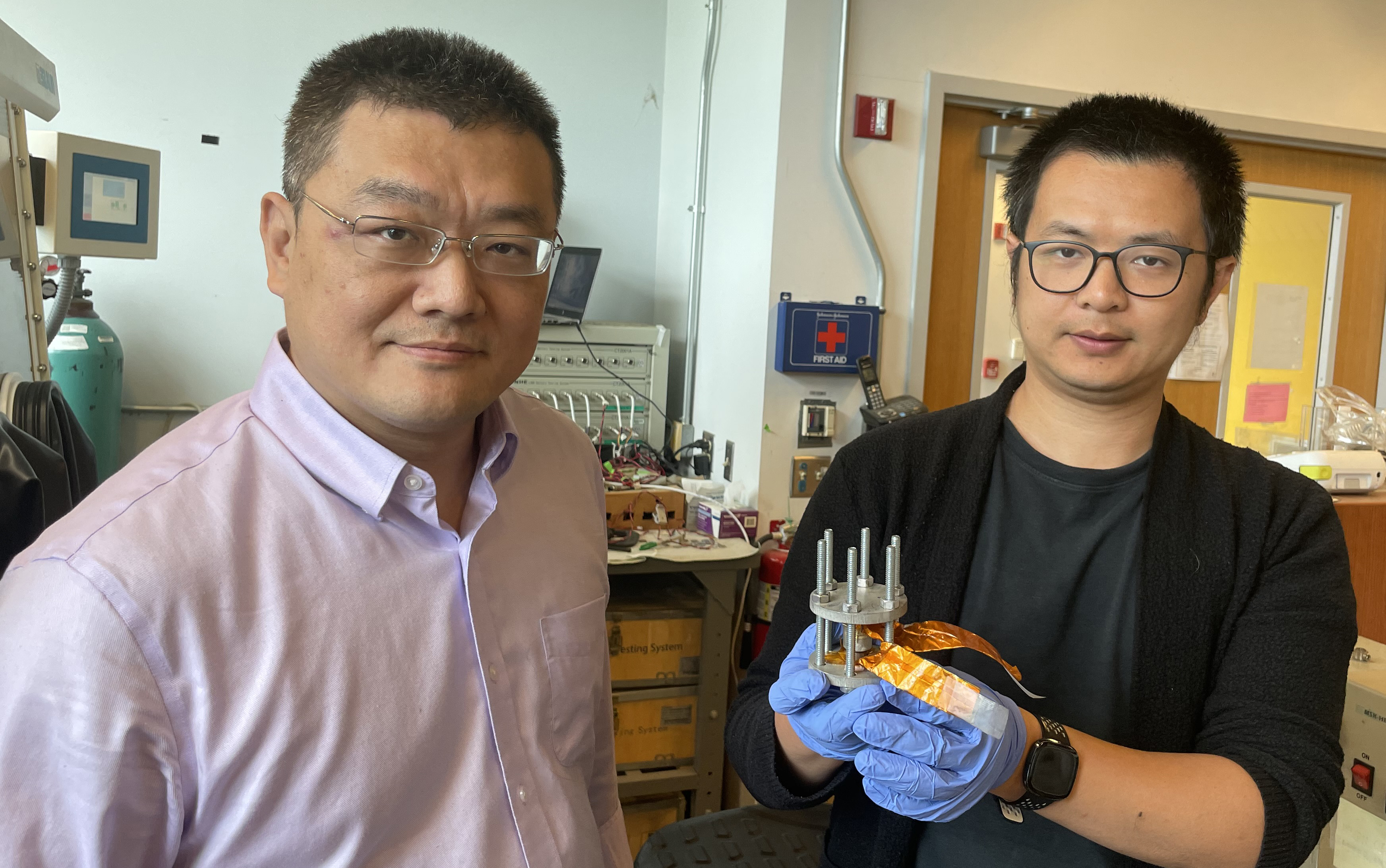
Hailong Chen and Zhantao Liu present a new, low-cost cathode for all-solid-state lithium-ion batteries. Photo by Jerry Grillo
Award-Winning Algorithm Used on Mars Rover Helps Scientists on Earth See Data in a New Way
Sep 19, 2024 —

A new algorithm tested on NASA’s Perseverance Rover on Mars may lead to better forecasting of hurricanes, wildfires, and other extreme weather events that impact millions globally.
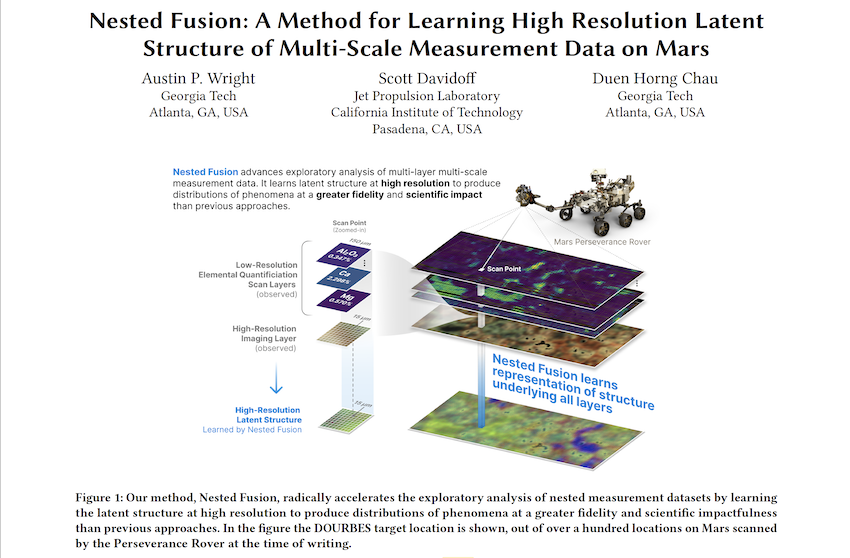
Georgia Tech Ph.D. student Austin P. Wright is first author of a paper that introduces Nested Fusion. The new algorithm improves scientists’ ability to search for past signs of life on the Martian surface.
This innovation supports NASA’s Mars 2020 mission. In addition, scientists from other fields working with large, overlapping datasets can use Nested Fusion’s methods for their studies.
Wright presented Nested Fusion at the 2024 International Conference on Knowledge Discovery and Data Mining (KDD 2024) where it was a runner-up for the best paper award. KDD is widely considered the most prestigious conference for knowledge discovery and data mining research.
“Nested Fusion is really useful for researchers in many different domains, not just NASA scientists,” said Wright. “The method visualizes complex datasets that can be difficult to get an overall view of during the initial exploratory stages of analysis.”
Nested Fusion combines datasets with different resolutions to produce a single, high-resolution visual distribution. Using this method, NASA scientists can more easily analyze multiple datasets from various sources at the same time. This can lead to faster studies of Mars’ surface composition to find clues of previous life.
The algorithm demonstrates how data science impacts traditional scientific fields like chemistry, biology, and geology.
Even further, Wright is developing Nested Fusion applications to model shifting climate patterns, plant and animal life, and other concepts in the earth sciences. The same method can combine overlapping datasets from satellite imagery, biomarkers, and climate data.
“Users have extended Nested Fusion and similar algorithms toward earth science contexts, which we have received very positive feedback,” said Wright, who studies machine learning (ML) at Georgia Tech.
“Cross-correlational analysis takes a long time to do and is not done in the initial stages of research when patterns appear and form new hypotheses. Nested Fusion enables people to discover these patterns much earlier.”
Wright is the data science and ML lead for PIXLISE, the software that NASA JPL scientists use to study data from the Mars Perseverance Rover.
Perseverance uses its Planetary Instrument for X-ray Lithochemistry (PIXL) to collect data on mineral composition of Mars’ surface. PIXL’s two main tools that accomplish this are its X-ray Fluorescence (XRF) Spectrometer and Multi-Context Camera (MCC).
When PIXL scans a target area, it creates two co-aligned datasets from the components. XRF collects a sample's fine-scale elemental composition. MCC produces images of a sample to gather visual and physical details like size and shape.
A single XRF spectrum corresponds to approximately 100 MCC imaging pixels for every scan point. Each tool’s unique resolution makes mapping between overlapping data layers challenging. However, Wright and his collaborators designed Nested Fusion to overcome this hurdle.
In addition to progressing data science, Nested Fusion improves NASA scientists' workflow. Using the method, a single scientist can form an initial estimate of a sample’s mineral composition in a matter of hours. Before Nested Fusion, the same task required days of collaboration between teams of experts on each different instrument.
“I think one of the biggest lessons I have taken from this work is that it is valuable to always ground my ML and data science problems in actual, concrete use cases of our collaborators,” Wright said.
“I learn from collaborators what parts of data analysis are important to them and the challenges they face. By understanding these issues, we can discover new ways of formalizing and framing problems in data science.”
Wright presented Nested Fusion at KDD 2024, held Aug. 25-29 in Barcelona, Spain. KDD is an official special interest group of the Association for Computing Machinery. The conference is one of the world’s leading forums for knowledge discovery and data mining research.
Nested Fusion won runner-up for the best paper in the applied data science track, which comprised of over 150 papers. Hundreds of other papers were presented at the conference’s research track, workshops, and tutorials.
Wright’s mentors, Scott Davidoff and Polo Chau, co-authored the Nested Fusion paper. Davidoff is a principal research scientist at the NASA Jet Propulsion Laboratory. Chau is a professor at the Georgia Tech School of Computational Science and Engineering (CSE).
“I was extremely happy that this work was recognized with the best paper runner-up award,” Wright said. “This kind of applied work can sometimes be hard to find the right academic home, so finding communities that appreciate this work is very encouraging.”

Bryant Wine, Communications Officer
bryant.wine@cc.gatech.edu
Joel Kostka Named AGU Fellow
Sep 18, 2024 —

Professor Joel E. Kostka has been named a Union Fellow by the American Geophysical Union, joining a slate of 53 international researchers selected as 2024 AGU Fellows for “significant contributions to the Earth and space sciences.”
Kostka serves as Tom and Marie Patton Distinguished Professor and associate chair for Research in Biological Sciences with a joint appointment in Earth and Atmospheric Sciences at Georgia Tech.
Each year, AGU recognizes individuals and teams for their accomplishments in research, education, science communication and outreach. “These recipients have transformed our understanding of the world, impacted our everyday lives, improved our communities and contributed to solutions for a sustainable future,” shared AGU President Lisa J. Graumlich and the organization’s Honors and Recognition Committee in a September 18 announcement.
Kostka is an expert in ecosystem biogeoscience, which couples biogeochemistry with microbiology to uncover the role of microorganisms in ecosystem function — along with determining the mechanisms by which environmental perturbations (climate change) alter microbially-mediated biogeochemical cycles.
“To be named as a fellow of the American Geophysical Union is very special to me, in particular because it signifies the trust and respect of my colleagues,” Kostka says. “I am honored to stand on the shoulders of such a great group of researchers that have moved this field forward.”
“Of course,” he adds, “I would not be in this position without amazing mentors, colleagues, students, and postdocs from whom I have learned so much.”
“I want to congratulate Dr. Kostka on this tremendous honor,” adds Biological Sciences Professor and Chair Todd Streelman. “His passion for ecology and understanding the impacts of environmental change on ecosystems is evident. I am delighted that his significant contributions have been recognized by his colleagues in the American Geophysical Union.”
Honorees will be celebrated at AGU24, which will convene more than 25,000 attendees from over 100 countries in Washington, D.C. this December under the theme “What’s Next for Science.”
Jess Hunt-Ralston
Director of Communications
College of Sciences at Georgia Tech
NIH Awards $7.5 Million to Ankur Singh for Pioneering Human Immune Organoid Research
Sep 18, 2024 —

Bioengineer Ankur Singh works to create functional models of the human immune system in the lab. (Credit: Ankur Singh)
The National Institutes of Health (NIH) has awarded $7.5 million to Ankur Singh, Carl Ring Family Professor in the George W. Woodruff School of Mechanical Engineering (ME) and professor in the Wallace H. Coulter Department of Biomedical Engineering (BME) at Georgia Tech and Emory, for his pioneering research in creating functional models of the human immune system in the lab.
The funding, sourced from the National Institute of Allergy and Infectious Diseases, supports two projects aimed at developing human immune organoids, which are sophisticated models engineered to replicate and study the natural human immune responses. The research could revolutionize vaccine development and immune system research, particularly for aging populations.
"Little advancement has been made in this area due to the complex nature of the immune system and the challenges of making a functional human immune tissue outside the body,” said Singh, who is also director of the Center for Immunoengineering at Georgia Tech. “I am grateful to the NIH for supporting our work, which will enable us to develop an advanced technology that can help solve the problems of emerging infections and enhance our timely response to them.”
Building Next-Generation Human Immune Organoids
The goal of Singh’s first project is to replicate the complex environment of germinal centers (GCs) — the sites within lymph nodes where B cells are trained to produce the antibodies crucial for fighting infections. While animal models and current engineered systems have offered insights, they fall short in recreating the intricate processes that occur in human GCs, which limits their utility in vaccine development and understanding immune responses.
Singh’s method involves using a hydrated polymer-based gel material to create a structure that mimics the environment of lymphoid tissue in the body. By adding human immune cells (like B cells, T cells, and support cells) into this gel, the project tries to recreate how B cells mature into specialized immune cells that are important for a strong and lasting immune response. This advancement will allow scientists to grow and study these cells in the lab and use them for better vaccine testing, therapeutic development including cell-based therapies, and to deepen our understanding of the immune system.
The second project addresses a pressing issue in public health: the decline in immune function with age. As people age, their ability to mount effective immune responses against new infections diminishes, leading to higher mortality rates from diseases such as influenza and Covid-19. However, the underlying mechanisms — whether due to defects in aged B cells, impaired T cells, or changes in the lymphoid tissue environment — remain poorly understood.
Singh’s research proposes the development of an “aged B cell follicle” organoid, a novel platform that replicates the lymphoid microenvironment of older individuals. This system will allow researchers to dissect the factors driving age-related declines in immune function, offering a new tool for studying how aged B cells respond to antigens and identifying molecular targets to rejuvenate immune responses.
A Pioneering Step Forward in Immunology Research
The broader impact of Singh’s organoid research is wide-ranging. By enabling the study of human immune responses in a controlled, reproducible environment, the organoids could dramatically accelerate the development of vaccines and immunotherapies. The models could also provide new insights into whether a particular vaccine will be effective for a given individual, potentially reducing the time and cost of clinical trials.
Singh’s aged immune organoid platform could serve as a rapid screening tool for identifying older individuals who are likely to respond poorly to vaccines, enabling more personalized and effective vaccination strategies for that population. The models could be particularly useful in the context of pandemics or seasonal flu outbreaks, where timely and effective immunization is critical.
“By securing this substantial NIH funding, Singh’s work is poised to make a significant impact on both the scientific community and public health,” said Andrés García, executive director of the Parker H. Petit Institute for Bioengineering and Bioscience, Regents' Professor in ME, the Petit Director's Chair in Bioengineering and Bioscience, and a collaborator on Singh’s first project. “This innovative immunoengineering research not only promises to advance our understanding of immune system function and aging, but also holds the potential to transform vaccine development, offering new hope for more effective disease prevention strategies across the lifespan.”
The NIH’s investment in Singh’s research underscores a growing recognition of the need for innovative approaches to studying human immunity. The Food and Drug Administration Modernization Act 2.0, for example, promotes the use of organs-on-chip technologies in the service of drug development. As organoid technologies continue to evolve, they could come to represent the future of immunological research, providing powerful new tools to combat infectious diseases and improve health outcomes globally.
"Reflecting on the pandemic, we relied on years of research to develop vaccines and understand immune responses,” Singh said. “This new technology will allow us to innovate more rapidly and take bold steps toward creating an immune system outside the body.”
---
Key collaborators on the first project include Andrés García; Ahmet Coskun, the Bernie-Marcus Early-Career Professor in BME; and Dr. Ignacio Sanz, Mason I. Lowance Professor of Medicine and Pediatrics and chief of the chief of the Division of Rheumatology at Emory School of Medicine.
Key collaborators on the second project include Coskun; Jeremy Boss, professor and chair of the Department of Microbiology and Immunology at Emory School of Medicine; and Ranjan Sen, senior investigator in the Laboratory of Molecular Biology and Immunology at NIH’s National Institute on Aging.

Microscopy image of a human tonsil organ with B cell follicle and surrounding cells. Visible are stromal cells (red), proliferative B cells (green), and the nucleus (aqua blue). (Credit: Deepali Balasubramani/Ankur Singh)
Catherine Barzler, Senior Research Writer/Editor
Tim Lieuwen Honored by Royal Academy of Engineering
Sep 18, 2024 — Atlanta, GA

Professor Tim Lieuwen has been elected to the status of International Fellow by the U.K.’s Royal Academy of Engineering. He is one of three U.S. engineers to receive this prestigious fellowship, which emphasizes enhancing the role of engineering in society and developing an inclusive future through research, education initiatives, and industry collaborations.
Lieuwen is a Regents’ Professor, the David S. Lewis, Jr. Chair in the Daniel Guggenheim School of Aerospace Engineering (AE), a member of the National Academy of Engineering, and a fellow of the American Society of Mechanical Engineers and the American Institute of Aeronautics and Astronautics, among several others. For 12 years, he served as executive director of the Strategic Energy Institute; he is currently serving as Georgia Tech’s interim executive vice president for Research.
“Tim Lieuwen’s groundbreaking research and leadership have been instrumental in advancing the AE School’s mission,” said Mitchell Walker, AE chair. “His work in combustion dynamics, propulsion, and clean energy systems not only enhances our academic reputation but also drives significant, real-world impact, as recognized by the Academy.”
Lieuwen’s research focuses on developing clean combustion technologies for power generation and propulsion. He works closely with industry and government professionals to address energy concerns and set the standard for clean tech manufacturing. The Georgia Tech alumnus will formally be admitted to the Academy at a special ceremony in London on November 27, 2024.
The 2024 class includes 60 Fellows, six International Fellows, and five Honorary Fellows, each of whom has made exceptional contributions to their own field, pioneering new innovations, leading progress in business or academia, providing high-level advice to government, or promoting wider understanding of engineering and technology.
kelsey.gulledge@aerospace.gatech.edu
Study Finds Thousands of Browser Extensions Compromise User Data
Sep 17, 2024 —

Thousands of browser extensions extract sensitive data without explicit user consent, and do so without even mentioning data collection in their privacy policies and web store descriptions. (Credit: Getty Images)
Browser extensions, the software add-ons that help users customize and enhance their web browsers, are wildly popular. Some of the most-used extensions find shopping deals, fix grammar and typos, manage passwords, or translate web pages. The types of extensions available are nearly endless, and many have become indispensable tools for businesses and everyday users.
While these extensions can make web browsing more accessible, productive, and rewarding, they are not without risk. New research from Georgia Tech reveals that thousands of browser extensions pose significant threats to privacy, and hundreds automatically extract private user content from within webpages — affecting millions of Internet users.
Led by Frank Li, assistant professor in the School of Cybersecurity and Privacy and the School of Electrical and Computer Engineering, and Ph.D. student Qinge Xie, a team of researchers developed a new system that monitors if and how browser extensions collect user content from webpages. The team, which also includes Paul Pearce, assistant professor in the School of Cybersecurity and Privacy and the School of Computer Science, and Manoj Vignesh Kasi Murali, a Georgia Tech M.S. alumnus, presented their research paper at the Usenix Security Symposium, a top cybersecurity conference, in August.
“We know from prior research that browser extensions collect users’ browser activity and history, but some of the most sensitive user data is located within webpages, such as emails, social media profiles, medical records, banking information, and more,” Li said. “We wanted to know if extensions are also collecting personal data from these webpages.”
The team designed a web framework, Arcanum, to test whether extensions automatically extract user data from webpages. They used the system to study every functional extension — more than 100,000 — available in the Chrome Web Store. Specifically, they used the system to monitor whether the extensions extracted user data from seven popular websites known to contain sensitive information: Amazon, Facebook, Gmail, Instagram, LinkedIn, Outlook, and PayPal.
The researchers observed that browser extension collection of potentially sensitive and private data is pervasive. They identified more than 3,000 browser extensions that automatically collect user-specific data, affecting tens of millions of users. More than 200 extensions directly took sensitive user data from webpages and uploaded it to servers.
Browser extensions do sometimes collect user data for legitimate reasons — for example, when the data collected is related to the extension’s functionality or purpose. For this reason, it can be challenging to identify the intent behind the extension’s data collection behavior.
To investigate further, the researchers took a sample group of the flagged extensions and compared each extension’s data collection behavior to its privacy policy and web store description, which are supposed to explain how the extension is used and what information it will collect. This allowed the researchers to investigate whether users would reasonably expect extensions to automatically collect their data as part of their function.
In this sample group, the researchers found that none of them clearly described the automated user data collection in their privacy policy or web store description.
“Unfortunately, the same capabilities that extensions rely on to enrich the web browsing experience can also be abused to harm user privacy, and potentially without users’ knowledge or explicit consent,” Xie said. “Even in cases where data collection is benign and necessary for legitimate functionality, it introduces privacy risks. Sensitive user data can be transmitted and stored by a third party, which may further share the data or possibly leak the data during a data breach.”
According to the researchers, their findings suggest that companies like Google could develop stricter privacy policies for extensions or more broadly enforce existing policies. Major companies whose users’ sensitive data is being collected could also increase measures to protect their customers.
“I don’t believe individual users should have to bear the burden of worrying about their privacy or protecting their data, because they may not have the capability or technical knowledge to figure out what’s happening,” Li said. “The goal of this type of work is to bring these issues to the organizations or stakeholders that can influence data collection, in hopes that it can guide them in enhancing user privacy.”
Citation: Xie, et al. “Arcanum: Detecting and Evaluating the Privacy Risks of Browser Extensions on Web Pages and Web Content,” 33rd USENIX Security Symposium, August 14–16, 2024.
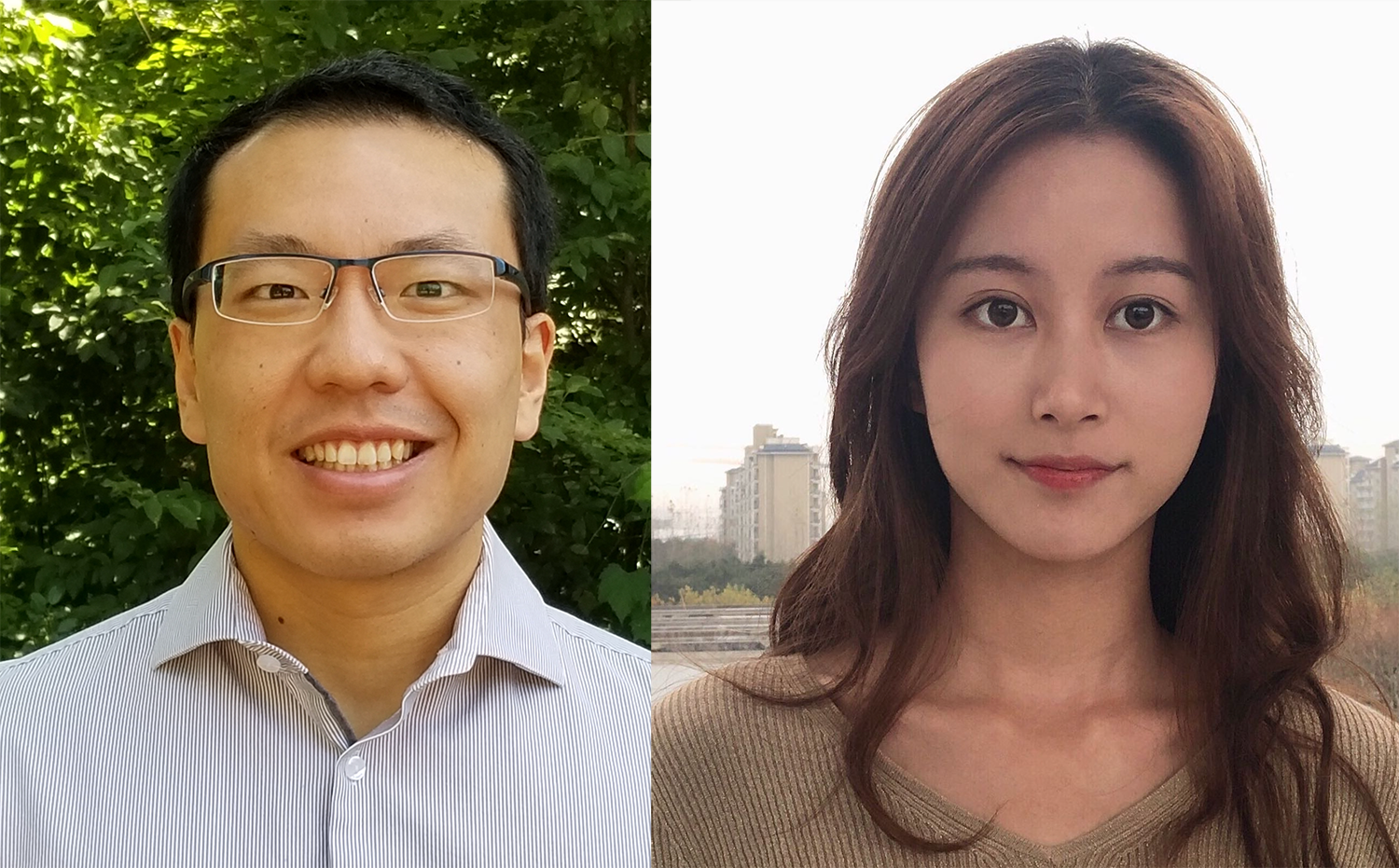
Frank Li, assistant professor in the School of Cybersecurity and Privacy and the School of Electrical and Computer Engineering, and Qinge Xie, a Ph.D. student in the School of Cybersecurity and Privacy.
Catherine Barzler, Senior Research Writer/Editor
Anna Ivanova Among Top Innovators in ‘MIT Technology Review’
Sep 13, 2024 —

Anna Ivanova, assistant professor in the School of Psychology at Georgia Tech.
Anna Ivanova, assistant professor in the School of Psychology, was recently named to the MIT Technology Review’s 35 Innovators Under 35 for 2024 for her work on language processing in the human brain and artificial intelligence applications.
A key pillar of Ivanova’s work involves large language models (LLM) commonly used in artificial intelligence tools like ChatGPT. By approaching the study of LLMs with cognitive science techniques, Ivanova hopes to bring us closer to more functional AIs — and a better understanding of the brain.
“I am happy that, these days, language and human cognition are topics that the world cares deeply about, thanks to recent developments in AI,” says Ivanova, who is also a member of Georgia Tech’s Neuro Next Initiative, a burgeoning interdisciplinary research hub for neuroscience, neurotechnology, and society. “Not only are these topics important, but they are also fun to study.”
Learn more about Ivanova’s research.
Audra Davidson
Communications Program Manager
Neuro Next Initiative