
Georgia Tech Study Sheds Light on Toxicity of Atmospheric Particulate Matter Pollution
Sep 14, 2023 — Atlanta, GA
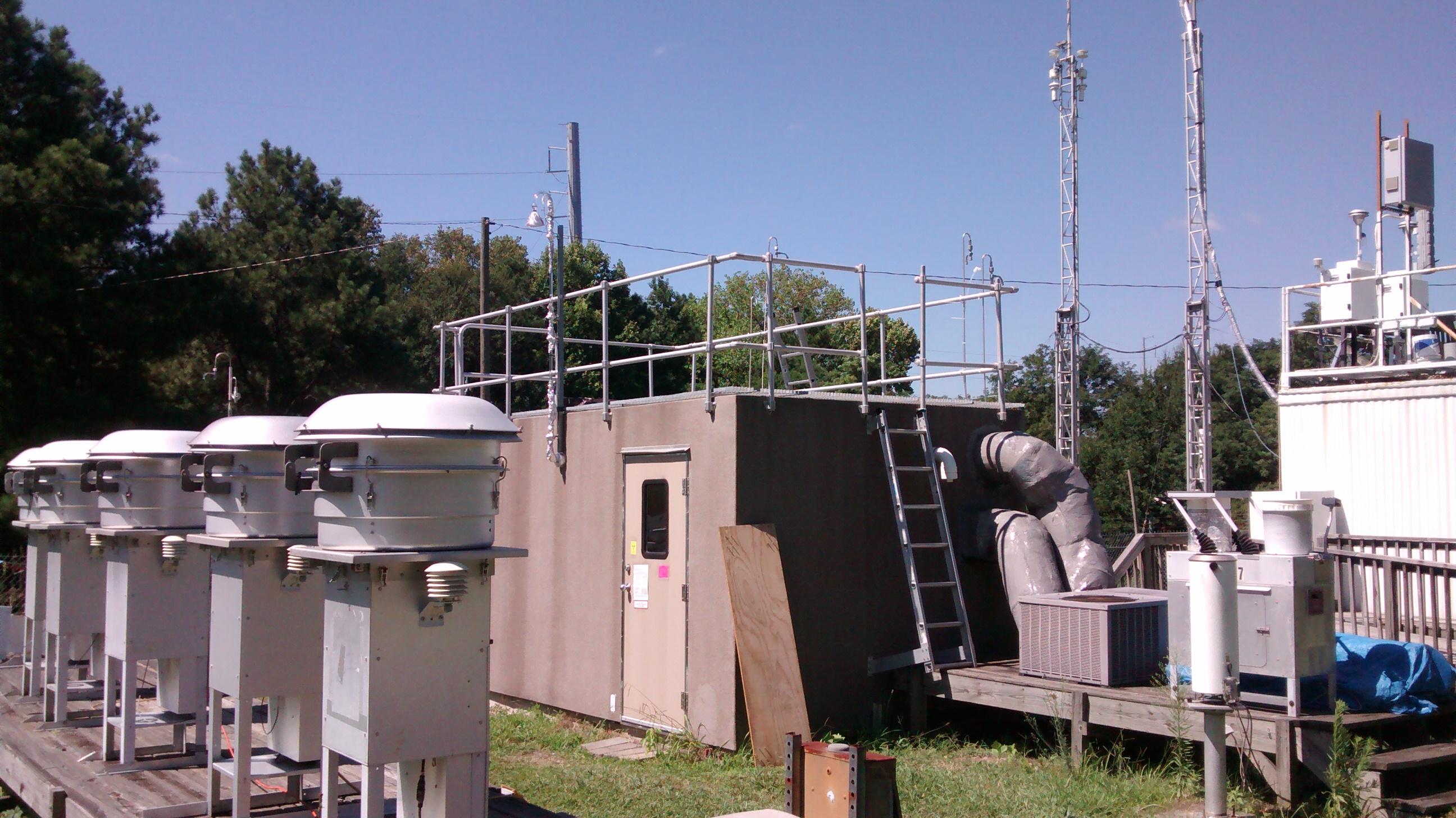
Aerosol chemical measurements and sample collections were conducted at the SEARCH network site at Jefferson Street in Atlanta, Georgia.
Each year, exposure to airborne particulate matter known as PM2.5 (particles with a diameter smaller than 2.5 micrometers) leads to millions of premature deaths worldwide. Organic aerosols are the dominant constituents of PM2.5 in many locations around the world. Historically, the chemical complexity of organic aerosols has made it difficult to gauge their toxicity level.
But a study led by researchers at Georgia Institute of Technology has advanced understanding of both the chemical composition of PM2.5 and the reaction of alveolar cells of the lungs exposed to this pollution, highlighting the growing threat posed to human health.
Published in Environmental Science and Technology, the study shows that oxidized organic aerosols (OOA) are the most toxic type of organic aerosols in PM2.5.
“Oxidized organic aerosols are the most abundant type of organic aerosols worldwide,” said Nga Lee (Sally) Ng, Love Family Professor in Georgia Tech’s School of Chemical and Biomolecular Engineering and School of Earth and Atmospheric Sciences. “For example, when wildfire smoke reacts in the atmosphere, it generates OOA.”
Measurement Techniques
As the researchers used advanced techniques such as mass spectrometry to analyze the chemical composition of PM2.5 in Atlanta, Georgia, they simultaneously measured the production of reactive oxygen species (ROS) in alveolar cells resulting from pollution exposure.
ROS are molecules that can cause oxidative stress and damage to our cells, potentially leading to various health problems, including cardiopulmonary diseases.
To understand the mechanisms behind PM2.5-induced oxidative stress, the researchers employed cellular assays, which allowed them to measure both chemically and biologically generated ROS.
The study revealed that highly unsaturated species containing carbon-oxygen double bonds and aromatic rings within OOA are major drivers of cellular ROS production, advancing understanding of the chemical features of ambient organic aerosols that make them toxic.
Wildfires Are Growing Source
As the contribution from fossil-fuel sources to organic aerosols formation has declined in the United States in recent decades due to reduction strategies, the relative importance of other sources has increased, said Fobang Liu, lead author of the study.
“For example, biomass burning is expected to become a more important source of OOA with the increasing trend of wildfires,” added Liu, a former postdoctoral researcher in Ng’s lab at Georgia Tech who is now an associate professor at Xi’an Jiaotong University in China.
A major chemical characteristic of OOA formed from biomass burning is the high fraction of oxygenated aromatic compounds. “Hence, this work highlights that organic aerosols can become more toxic in the future,” he said.
Continued Collaboration
According to the researchers, their findings underscore the need for continued collaboration among the fields of atmospheric chemistry, toxicology, epidemiology, and biotechnology to tackle the global air pollution crisis.
“OOA are a surrogate of secondary organic aerosols. Secondary organic aerosols are ubiquitous and abundant in the atmosphere, we need to understand their sources and chemical processing when formulating effective strategies to mitigate PM2.5 health impacts,” said Professor Ng.
“Future work should continue to investigate the health impacts of different PM2.5 components, particularly secondary organic aerosols formed from precursors emitted during incomplete combustion processes of fossil and biomass fuels,” she said.
Different regions may have varying types of organic aerosols due to diverse emission sources and atmospheric conditions. Therefore, long-term measurement of organic aerosol types over a wide range of geographical areas will be important to advance understanding of health impacts, the researchers emphasized.
Such work is being conducted by the Atmospheric Science and Chemistry mEasurement NeTwork (ASCENT), a $12 million advanced aerosol measurement network of 12 sites around the United States that is led by Professor Ng.
CITATION: Fobang Liu, Taekyu Joo, Jenna C. Ditto, Maria G. Saavedra, Masayuki Takeuchi, Alexandra J. Boris, Yuhan Yang, Rodney J. Weber, Ann M. Dillner, Drew R. Gentner, Nga L. Ng., “Oxidized and unsaturated: key organic aerosol traits associated with cellular reactive oxygen species production in the southeastern United States,” Environmental Science and Technology, 10.1021/acs.est.3c03641, 2023

Fobang Liu, a former postdoctoral researcher at Georgia Tech who is now an associate professor at Xi’an Jiaotong University in China

Nga Lee “Sally” Ng, Love Family Professor in Georgia Tech’s School of Chemical and Biomolecular Engineering and School of Earth and Atmospheric Sciences
Brad Dixon, braddixon@gatech.edu
Georgia Tech’s New Partnership to Capture Carbon Dioxide Directly From Air
Sep 12, 2023 — Atlanta, GA

Partners in the SEDAC Hub Project
A new $20.5 million Department of Energy project will establish a direct air capture hub in northern Mobile County, Alabama.
Carbon dioxide (CO2), the primary pollutant from emissions past and present, stays in the atmosphere for hundreds of years, leading to climate change and its many consequences. Cleaning up these legacy emissions is an essential step in the creation of a sustainable, low-carbon economy. Direct Air Capture (DAC) is an innovative solution that captures CO2 directly from the air and reduces its levels in the atmosphere. The CO2 is then stored safely and securely or utilized to make value-added products.
The Georgia Institute of Technology collaborated with the Southern States Energy Board and its partners in the deployment of a direct air capture hub in Mobile County, Alabama. Known as the Southeast DAC (SEDAC) Hub, the project is funded by the U.S. Department of Energy’s Office of Fossil Energy and Carbon Management and will deploy cutting-edge DAC technologies to capture CO2 from the air. Steered by Joe Hagerman, director of NEETRAC, and Matthew Realff, professor in the School of Chemical and Biomolecular Engineering, David Wang Sr. Fellow, and initiative lead for circular carbon economy at the Strategic Energy Institute (SEI), the team will serve the educational, workforce, and community development functions in the project that is led by the Southern States Energy Board. Other partners include 8 Rivers, Aircapture, Crescent Resource Innovation, ENTECH Strategies, Mitternight, RTI International, the University of Alabama, and the University of South Alabama. Stakeholders include Southern Company and its Alabama Power Company subsidiary, Tenaska Sequestration Solutions, and the Mobile Chamber of Commerce, among many others.
“We are thrilled to partner with the U.S. Department of Energy and the Southern States Energy Board in the SEDAC Hub project,” said Tim Lieuwen, SEI executive director, Regents’ Professor, and David S. Lewis Jr. Chair. “The project is important to the decarbonization efforts in the Southeast and will further amplify the Southeast’s leadership in the clean tech economy.”
Georgia Tech’s role will be supported by the Georgia Tech Center for Sustainable Communities Research and Education (SCoRE) and the Direct Air Capture Center (DirACC). Led by Jennifer Hirsch, adjunct associate professor in the School of City and Regional Planning, and senior director of Serve-Learn-Sustain at Georgia Tech, SCoRE engages faculty, students, and staff in long-term, strategic research and education collaborations with community partners, focusing on sustainability and connecting the historically underrepresented communities and students in the Atlanta region, the state of Georgia, and the Southeast. DirACC is the culmination of more than a decade of research at Georgia Tech to develop and evaluate materials, contactors, and processes that extract carbon dioxide directly from the atmosphere. DirACC creates a forum for collaborative research on negative emission technologies and DAC, bringing together researchers from across the Institute working in energy, sustainability, policy, and related fields. DirACC is jointly led by Christopher Jones, professor and John F. Brock III School Chair in the School of Chemical and Biomolecular Engineering, and Realff.
Mobile County is an ideal location to support the initial phases of a DAC hub. It is home to industrial facilities, large tracts of available land, and appropriate subsurface geology to support the creation of a sustainable, CO2-based economy. In addition, numerous opportunities exist to employ the region’s skilled workforce in pursuit of a variety of jobs beyond permanent storage in subsurface reservoirs (e.g., CO2 to fuels). The SEDAC Hub will not only help reduce local emissions, but also help create a carbon reduction ecosystem in the area — and the Gulf South more broadly.
The project team has established robust community outreach and a two-way engagement program that includes a community advisory board composed of diverse local stakeholders; industry partners interested in decarbonization; and local community colleges, universities, and trade schools. The board will provide input to achieve community-supported DAC growth and guide the development of SEDAC’s community benefits plan.
Visit the Project Page to learn more about the project and the team members.
Energy Research at Georgia Tech
The Georgia Institute of Technology is one of the top public research universities in the U.S., developing leaders who advance technology and improve the human condition. Georgia Tech has researchers working across the energy value chain and leads in scientific leadership in basic and applied science in carbon capture, industrial decarbonization, and related social sciences. Georgia Tech is consistently rated among the top universities in the nation for graduation of underrepresented minorities in engineering, physical sciences, and energy-related fields. Serving as a regional resource to help communities understand how they can transition to a clean energy economy, Georgia Tech is the southeastern leader in achieving regional impact through education and contributions to the community.
Priya Devarajan | SEI Communications Program Manager
New Water Treatment Approach Helps to Avoid Harmful Chemicals
Sep 11, 2023 — Atlanta, GA

The water coming out of your faucet is safe to drink, but that doesn’t mean it’s completely clean. Chlorine has long been the standard for water treatment, but it often contains trace levels of disinfection byproducts and unknown contaminants. Georgia Institute of Technology researchers developed the minus approach to handle these harmful byproducts.
Instead of relying on traditional chemical addition (known as the plus approach), the minus approach avoids disinfectants, chemical coagulants, and advanced oxidation processes typical to water treatment processes. It uses a unique mix of filtration methods to remove byproducts and pathogens, enabling water treatment centers to use ultraviolet light and much smaller doses of chemical disinfectants to minimize future bacterial growth down the distribution system.
“The minus approach is a groundbreaking philosophical concept in water treatment,” said Yongsheng Chen, the Bonnie W. and Charles W. Moorman IV Professor in the School of Civil and Environmental Engineering. “Its primary objective is to achieve these outcomes while minimizing the reliance on chemical treatments, which can give rise to various issues in the main water treatment stream.”
Chen and his student Elliot Reid, the primary author, presented the minus approach in the paper, “The Minus Approach Can Redefine the Standard of Practice of Drinking Water Treatment,” in The American Chemical Society.
The minus approach physically separates emerging contaminants and disinfection byproducts from the main water treatment process using these already proven processes:
- Bank filtration withdraws water from naturally occurring or constructed banks like rivers or lakes. As the water travels through the layers of soil and gravel, it naturally filters out impurities, suspended particles, and certain microorganisms.
- Biofiltration uses biological processes to treat water by passing it through filter beds made of sand, gravel, or activated carbon that can support the growth of beneficial microorganisms, which in turn can remove contaminants.
- Adsorption occurs when an adsorbent material like activated carbon is used to trap contaminants.
- Membrane filtration uses a semi-permeable membrane to separate particles and impurities from the main treatment process.
The minus approach is intended to engage the water community in designing safer, more sustainable, and more intelligent systems. Because its technologies are already available and proven, the minus approach can be implemented immediately.
It can also integrate with artificial intelligence (AI) to improve filtration’s effectiveness. AI can aid process optimization, predictive maintenance, faulty detection and diagnosis, energy optimization, and decision-support systems. AI models have also been able to reliably predict the origin of different types of pollution in source water, and models have also successfully detected pipeline damage and microbial contamination, allowing for quick and efficient maintenance.
“This innovative philosophy seeks to revolutionize traditional water treatment practices by providing a more sustainable and environmentally friendly solution,” Chen said. “By reducing the reliance on chemical treatments, the minus approach mitigates the potential risks associated with the use of such chemicals, promoting a safer water supply for both human consumption and environmental protection.”
CITATION: Elliot Reid, Thomas Igou, Yangying Zhao, John Crittenden, Ching-Hua Huang, Paul Westerhoff, Bruce Rittmann, Jörg E. Drewes, and Yongsheng Chen
Environmental Science & Technology 2023 57 (18), 7150-7161
DOI: 10.1021/acs.est.2c09389
Tess Malone, Senior Research Writer/Editor
tess.malone@gatech.edu
Clean Cities Georgia Transportation Summit
Hosted in partnership with The Georgia Institute of Technology, Atlanta Gas Light, Georgia Chamber, Georgia Power, and Southface Institute, this event will be an opportunity to build public-private partnerships and talk about successes and benefits with all forms of clean transportation, including biofuels, electric, hydrogen, natural gas and propane, both within Georgia and the region. Come and hear from experts applying the right fuel to the right applications.
Laura Taylor to Lead the Energy, Policy, and Innovation Center as Interim Director
Sep 06, 2023 — Atlanta, GA

The Strategic Energy Institute (SEI) of the Georgia Institute of Technology is excited to welcome Laura Taylor as the interim director of the Energy, Policy, and Innovation Center (EPICenter).
Taylor is currently serving as chair of the School of Economics in the Ivan Allen College of Liberal Arts at Georgia Tech. Prior to joining the faculty in 2018, she was the director of the Center for Environmental and Resource Economic Policy at North Carolina State University and associate director of the Environmental Policy Program at Georgia State University (2001 – 2015).
Taylor has extensive experience measuring the broader economic benefits associated with improved air, water, and ecosystem quality and is an elected fellow and past president of the Association of Environmental and Resource Economists. She has held numerous advisory board positions, including the environmental economics subcommittee of the U.S. Environmental Protection Agency’s science advisory board and the legislative research commission advisory subcommittee on offshore energy exploration for the North Carolina General Assembly.
“I’m excited about Laura Taylor’s experience and her vision for deepening engagement of EPICenter with the academic units and faculty on campus,” said Tim Lieuwen, professor and David S. Lewis Jr. Chair in the Daniel Guggenheim School of Aerospace Engineering and executive director of SEI. “EPICenter exists to connect the deep expertise and convening power of Georgia Tech to real-world problems faced by regional decision-makers, and she has a wealth of experience in this applied mission.”
Taylor’s research has received funding from a variety of sources, including the U.S. Environmental Protection Agency, U.S. Department of Agriculture, U.S. Department of Interior, and the National Science Foundation. Her current research focuses on the economics of environmental management and includes topics at the intersection of energy systems and human health, exploration of household responses to water conservation policies, and benefits of hazardous waste site cleanup for neighboring communities.
“I am thrilled to lead the Energy, Policy, and Innovation Center,” Taylor said. “With the rapid advances in clean energy in the Southeast and across the nation, I look forward to engaging the research faculty across Georgia Tech and amplifying the strong energy policy research that’s happening here.”
About EPICenter
Operating as a division of the Strategic Energy Institute, EPICenter was created to provide an unbiased and interdisciplinary framework for stimulating innovation in energy policy and technology for the Southeast. Based out of the campus of Georgia Tech, the center draws upon regional and national expertise within academia, businesses, non-governmental organizations, and research facilities.
SEI Communications Program Manager
CEE Researchers Awarded $2.1 Million Grant to Ensure Cleaner, Safer Drinking Water
Aug 28, 2023 —

Researchers from Georgia Tech's School of Civil and Environmental Engineering received a $2.1 million grant from the U.S. Environmental Protection Agency (EPA) to investigate contaminants in drinking water.
The EPA is funding the research on the occurrence and concentration of pathogens and disinfection by-products and the environmental conditions favorable to their growth in drinking water distribution systems.
Carlton S. Wilder Associate Professor Ameet Pinto, the project's principal investigator, said disinfection is used to kill microorganisms to make drinking water safe for consumption. Yet, disinfecting to kill microorganisms can also result in formation of harmful disinfection by-products.
“Our key project goal is to shine a light on when, where, and why pathogens and disinfection by-products occur and co-occur in drinking water systems across the country,” Pinto said. “This will help water utilities better navigate the tradeoff of managing microbiological and chemical risks in drinking water and thus enhance the reliability of safe drinking water supply to their consumers.”
According to the EPA, opportunistic pathogens such as Legionella pneumophila, nontuberculous mycobacteria, and Pseudomonas aeruginosa can grow in drinking water systems and pose potential risks to public health. The occurrence of these and other microbial pathogens is also associated with contaminated storage facilities and other problems in water distribution systems such as backflow and low-pressure incidents.
If left untreated, these contamination events can lead to outbreaks of gastrointestinal, respiratory, and other waterborne illnesses. The disinfectants used to control these pathogens can cause additional problems by reacting with natural organic matter, bromide, and other contaminants to form disinfectant by-products, which also have the potential to be harmful to human health.
Georgia Tech is one of four institutions selected by the EPA to receive nearly $8.5 million in grant funding, along with the University of Minnesota, Michigan State University, and the University of Texas. The Georgia Tech team includes Turnipseed Family Chair & Professor Ching-Hua Huang and Assistant Professor Katy Graham.
Melissa Fralick | melissa.fralick@ce.gatech.edu
Georgia Tech Confronts Energy Storage Grand Challenges at Campus Summit
Aug 22, 2023 — Atlanta, GA

Gene Rodrigues, Assistant Secretary of Electricity at the 2023 Energy Storage Grand Challenge Summit
The Georgia Tech Strategic Energy Institute (SEI) hosted the third annual Energy Storage Grand Challenge Summit this summer. The three-day event was sponsored by the Department of Energy’s (DOE) Office of Electricity and organized by the Oak Ridge National Laboratory (ORNL). The summit engaged a diverse set of energy storage stakeholders to discuss how the DOE continues to formulate strategies and pathways to accelerate energy storage innovation and deployment over the next decade and beyond.
In his keynote address, Gene Rodrigues, assistant secretary for Electricity at the DOE, shared the agency’s strategic priorities and invited stakeholders and participants to own the challenge together by focusing on partnerships and practical, cost-effective solutions for energy storage. The event consisted of tours of the local “living labs,” including the Georgia Power microgrid in midtown Atlanta and the Georgia Power Smart Neighborhood, presentations from DOE’s national labs, and panel discussions with industry experts. Discussion topics included the science underpinning energy storage, storage innovation deep dives, accelerating long-duration energy storage with public-private partnerships, and more. The event was attended by more than 200 people.
With the expansion of battery and electric vehicle manufacturers in Georgia and neighboring states, Georgia Tech is playing an integral role in developing the technologies that enable equitable, lower-cost, and cleaner generation, storage, distribution, and utilization of energy. By hosting events like this, SEI continues to strengthen partnerships with industry, national labs, government decision makers, and local communities.
“Georgia Tech has longstanding expertise in energy storage research and commercialization, with researchers working across the battery value chain from solid state batteries to new battery chemistries, polymer electrolytes, flow batteries, and much more,” said Tim Lieuwen, executive director of SEI, Regents’ Professor, and David S. Lewis Jr. Chair in the Daniel Guggenheim School of Aerospace Engineering. “This is substantiated with the formation of the Georgia Tech Advanced Battery Center at Georgia Tech this fall.”
The newly formed Center acts as the focal point at Georgia Tech to enhance interactions between industry, researchers, and students in the area of energy storage. It is led by co-directors Matthew McDowell, professor, Woodruff Faculty Fellow, and initiative lead for energy storage at SEI and Georgia Tech's Institute of Materials; and Gleb Yushin, professor in the School of Materials Science and Engineering. A key goal of the Center is to construct a battery manufacturing facility at Georgia Tech that will serve as a research and development and workforce training resource for the region.
“Georgia Tech has a wealth of talent in energy storage R&D, and we are excited to further engage with companies and government to develop and deploy advanced battery technologies,” said McDowell. “We are accelerating our research, education, and training to help achieve massive electrification of our society.”

Tim Lieuwen, Executive Director of SEI, giving opening remarks at the 2023 Energy Storage Grand Challenge Summit
Priya Devarajan | SEI Research Communications Program Manager
GridTrust Helps Protect the Nation’s Electric Utilities from Cyber Threats
Aug 16, 2023 — Atlanta, GA

Left: A Marietta electrical substation was used for testing the GridTrust system. Right: The Georgia Tech research team is shown in the Marietta substation yard with collaborators from the city of Marietta. (Credit: City of Marietta)
A new cybersecurity technology that relies on the unique digital fingerprint of individual semiconductor chips could help protect the equipment of electrical utilities from malicious attacks that exploit software updates on devices controlling the critical infrastructure.
The GridTrust project, which has been successfully tested in a real substation of a U.S. municipal power system, combines the digital fingerprint with cryptographic technology to provide enhanced security for the utilities and other critical industrial systems that must update control device software or firmware.
Led by researchers at the Georgia Institute of Technology (Georgia Tech) in collaboration with the City of Marietta, Georgia, the project was supported by the U.S. Department of Energy's Office of Cybersecurity, Energy Security, and Emergency Response (CESER). GridTrust also included researchers from Sandia National Laboratories and Protect Our Power, a security-focused not-for-profit organization. The three-year, $3 million project began in 2021.
GridTrust Improves Security for Device Updates
“The security of updates applied to equipment is critical to maintaining operation of the nation’s electricity grid,” said Santiago Grijalva, the project’s principal investigator and Southern Company Distinguished Professor in Georgia Tech’s School of Electrical and Computer Engineering. “We have demonstrated that GridTrust can block direct cyber-attacks through the equipment supply chain in multiple configurations and scenarios, while also preventing a whole array of potential errors. What we have developed and demonstrated will provide multiple layers of additional security to the existing electricity grid.”
The project focused on power system controllers, including sensors, actuators, and protection relays that are normally located in power substations distributed throughout a utility’s service area. Malicious actors may attempt to alter the software controlling the devices to, for instance, turn off power or damage the equipment. The attacks could take place if technicians attempt to use corrupted software to make updates at utility substations or other facilities.
Authentication Uses Semiconductor PUFs, Cryptography
Installed as part of the substation equipment, GridTrust would verify the authenticity of the software before any updates were installed, and it would ensure that the software was being applied to the correct device – by a person authorized to do so. In addition to cryptographic technologies, the system uses a new form of security based on unique physically unclonable functions (PUFs) that exist in certain semiconductor chips. PUFs are a set of unique characteristics created by minor variations that occur during chip fabrication.
“The PUF relies on random behavior based on variations in the manufacturing process, and they cannot be changed after fabrication,” said Vincent Mooney, an associate professor in Georgia Tech’s School of Electrical and Computer Engineering. “During an update, the GridTrust interfacing device first proves its identity using the PUF, then it verifies both utility and vendor signatures using their public RSA keys. Only if all these checks are passed will the firmware update be successfully installed. If the update isn’t installed, the device will continue to operate with its previous firmware version, and the utility’s network operations center will be notified to investigate.”
The GridTrust technology can operate as a standalone device with existing utility equipment or be built into new devices. Utility sensors, actuators, relays and similar control devices are currently produced by multiple manufacturers, and the Georgia Tech researchers have been in contact with an existing supplier that is interested in incorporating the technology, Grijalva said.
GridTrust Evaluated in a Real Utility Substation
Initial testing of the GridTrust system took place in Georgia Tech laboratories, then researchers worked with technical staff at the city of Marietta to evaluate the system in one of the utility’s substations. Located northwest of Atlanta, Marietta’s power network serves approximately 42,000 customers, including several critical electrical loads. The testing was done in a substation circuit isolated from the grid to ensure that the research activity would not affect customers.
“When Georgia Tech approached us about participating in an operational technology security research project, we were excited to participate, especially considering that our mayor and city manager have always supported working with state and local universities to develop new programs and technologies to solve real-world challenges,” said Ronald Barrett, Director of Information Technology for Marietta.
GTRI Cybersecurity “Red Team” Challenges the System
As part of the testing, Grijalva and Mooney involved “red team” cybersecurity researchers from the Georgia Tech Research Institute (GTRI), Georgia Tech’s applied research organization. GTRI researchers Trevor Lewis, David Huggins, Sam Litchfield, and Matt Guinn led an effort to challenge the GridTrust system with sophisticated attempts to install software that simulated the kind of potential malware that could affect utility equipment.
“They pretended to be black-hat hackers who wanted to compromise the system by pushing a malicious configuration file to one of the devices or initiating a firmware update without being authorized to do that,” said Huggins, a GTRI senior research engineer. “They had several attack methods and strategies aimed at multiple components of the system – and were not successful.”
Such third-party validation is important to a broad range of systems, noted Lewis, a senior research engineer who participates in “red team” test scenarios for many critical systems. “We are routinely contracted to perform assessments on a variety of system architectures to emulate the actions of real cyber attackers, and to test and evaluate the security of all components within an architecture under test,” he said.
Next Step: Implementation in Utility Industry
While there are multiple manufacturers of equipment for the utility industry, the devices provide similar functions and have similar needs for periodic updating. The protection system developed by Georgia Tech should be broadly applicable to devices produced by different manufacturers, and could therefore have broad application to the utility industry.
“Georgia Tech is creating technology that makes energy delivery systems safer, and protecting that critical infrastructure is important for national security,” Huggins said. “Reliable electrical power is critical to every aspect of our society today.”
In addition to ensuring the safety of device updates, the GridTrust system will also help utilities inventory the software operating on substation devices. Large utility companies can have hundreds or thousands of substations in their service areas, each with dozens of devices that may need periodic updates.
The three-year GridTrust project is now moving into the commercialization phase where it could be licensed to manufacturers or spun off into a start-up company, Grijalva said. For utilities like Marietta Power that want to be on the cutting edge of cybersecurity, that comes as welcome news.
“We believe the work that Georgia Tech has done is critical to maintaining a safe and secure electrical grid,” said Eric Patten, Marietta Power’s electrical director. “Our goal for this project was to see a system that added another layer of security from attacks, and from what we have seen, we believe this was a success.”
Writer: John Toon (john.toon@gtri.gatech.edu)
GTRI Communications
Georgia Tech Research Institute
Atlanta, Georgia USA
The Georgia Tech Research Institute (GTRI) is the nonprofit, applied research division of the Georgia Institute of Technology (Georgia Tech). Founded in 1934 as the Engineering Experiment Station, GTRI has grown to more than 2,800 employees supporting eight laboratories in over 20 locations around the country and performing more than $800 million of problem-solving research annually for government and industry. GTRI's renowned researchers combine science, engineering, economics, policy, and technical expertise to solve complex problems for the U.S. federal government, state, and industry.

Left: The physically unclonable functions (PUF) of a semiconductor chip help create the cybersecurity for the GridTrust system. Right: A “red team” from the Georgia Tech Research Institute (GTRI) tested the GridTrust system’s ability to protect substation devices from cyberattack. (Credit: City of Marietta)
(Interim) Director of Communications
Michelle Gowdy
Michelle.Gowdy@gtri.gatech.edu
404-407-8060
Georgia Tech Researchers Win NSF Rules of Life Funding to Address Societal Challenges
Aug 14, 2023 — Atlanta, GA

Exterior of the Hinman Research Building on the Georgia Tech main campus.
Three of 12 projects that received funding from the U.S. National Science Foundation’s Using the Rules of Life to Address Societal Challenges are led by researchers in Georgia Tech’s School of Chemical and Biomolecular Engineering (ChBE).
The 12 projects received a total of $27 million in investment, supporting the use of knowledge learned from studying the Rules of Life — the complex interactions within and between a broad array of living systems across biological scales, and time and space — to tackle pressing societal challenges, including clean water, planet sustainability, carbon capture, biosecurity, and antimicrobial resistance to antibiotics. The Georgia Tech-related projects received a total of $7.7 million.
"The enormous opportunity to apply biological principles to solving the biggest problems of today is one we cannot take lightly," said Susan Marqusee, NSF assistant director for Biological Sciences. "These projects will use life to improve life, including for many underprivileged communities and groups."
The Georgia Tech-led projects include:
- Co-Producing Knowledge, Biotechnologies and Practices to Enhance Biological Nitrogen Fixation for Sustainable Agriculture. $2.67 million (Georgia Tech and Worcester Polytechnic Institute, award 2319430)
The project’s principal investigator is Lily Cheung, assistant professor of ChBE@GT, and the co-principal investigators are Shuichi Takayama, professor of biomedical engineering at Georgia Tech, and William San Martín, assistant professor of global environmental science, technology, and governance at Worcester Polytechnic Institute.
The researchers will address food security through low-cost technology based on biological principles to increase nitrogen content in soils and improve crop production on marginal lands.
- Next-Generation Biological Security and Bio-Hackathon, $2.81 million (Georgia Tech and Massachusetts Institute of Technology, award 2319231).
The project’s principal investigator is Corey Wilson, professor of ChBE@GT, and the co-principal investigators are Matthew Realff, professor of ChBE@GT, and Christopher Voigt, professor of biological engineering at Massachusetts Institute of Technology.
The researchers will create programmable, biological combination lock methods — "on and off" states — for using synthetic biology safely, containing potentially dangerous organisms and protecting valuable ones.
- Synthetic Protocell Communities to Address Critical Sensing Challenges, $2.23 million (Georgia Tech, award 2319391).
The project’s principal investigator is Mark Styczynski, professor of ChBE@GT, and the co-principal investigators are Shuichi Takayama, professor of biomedical engineering at Georgia Tech; Brian Hammer, associate professor of biological sciences at Georgia Tech, and Neha Garg, assistant professor of chemistry and biochemistry at Georgia Tech.
The researchers will create synthetic "protocells" enabling the development of a highly sensitive, field deployable analysis system that could be used for many applications such as measuring micronutrient deficiencies in undernourished populations.

Assistant Professor Lily Cheung

Professor Mark Styczynski
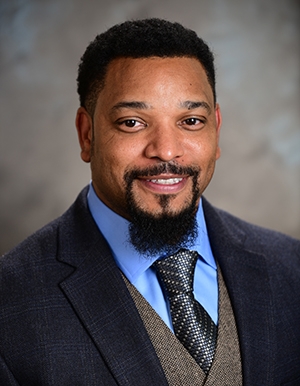
Professor Corey Wilson
Brad Dixon, braddixon@gatech.edu
ECE Team Honored for Groundbreaking Transformer Design
Aug 09, 2023 — Atlanta, GA

Photo graphic that includes headshots of the seven-member research team.
The IEEE Transactions on Power Electronics (TPEL) First Place Prize Paper Award has been awarded to a team of researchers in the Georgia Tech School of Electrical and Computer Engineering (ECE) led by Professor Deepakraj M. Divan. TPEL is renowned for its influence in the power electronics field.
In addition to Divan, the researchers include:
- Lukas Graber - Associate Professor
- Maryam Saeedifard – Professor
- Rajendra Prasad Kandula – Staff Research Scientist at Oak Ridge National Laboratory (was Chief Engineer at Tech's Center for Distributed Energy)
- Xiangyu Han - Senior Electrical Design Engineer at Tesla (ECE Ph.D. '20)
- Chunmeng Xu - Research Scientist at ABB Raleigh Research Center (ECE Ph.D. '21)
- Liran Zheng - Senior Electrical Design Engineer at Tesla (ECE Ph.D. '22)
The team's prize-winning paper titled, "7.2 kV Three-Port SiC Single-Stage Current-Source Solid-State Transformer With 90 kV Lightning Protection," proposes a new type of power transformer called a multiport modular single-stage current-source solid-state transformer (SST).
Unlike traditional transformers, it operates at high voltage (up to 7.5 kV) and performs direct AC to DC or AC to AC conversion in just one stage. The design includes a buffer port for improved power management and energy storage integration. Innovative insulation and lightning protection measures ensure safety and reliability, while a soft-switching technique reduces electromagnetic interference.
These advanced transformers address the increasing prevalence of renewable energy sources and electric vehicles in power grids, offering enhanced flexibility and control over electricity flow compared to traditional transformers.
The Prize Paper Award distinction is a high honor and a tribute to the fine research quality, presentation, and potential impact that the research has to the field, according to TPEL. The publication’s rigorous selection process requires multiple review levels and votes. Each year, up to five first-place prize papers and ten second-place prize papers are deemed best among those published in the preceding calendar year. In 2022, 1,292 regular papers, letters, and correspondence were published from 3,186 original submissions.
The team will be honored at the TPEL Editorial Board Meeting during the 2023 IEEE Energy Conversion Conference and Expo in Nashville, Tennessee on November 1.
Dan Watson