Mapping Evolution: James Stroud Named 2025 Packard Fellow

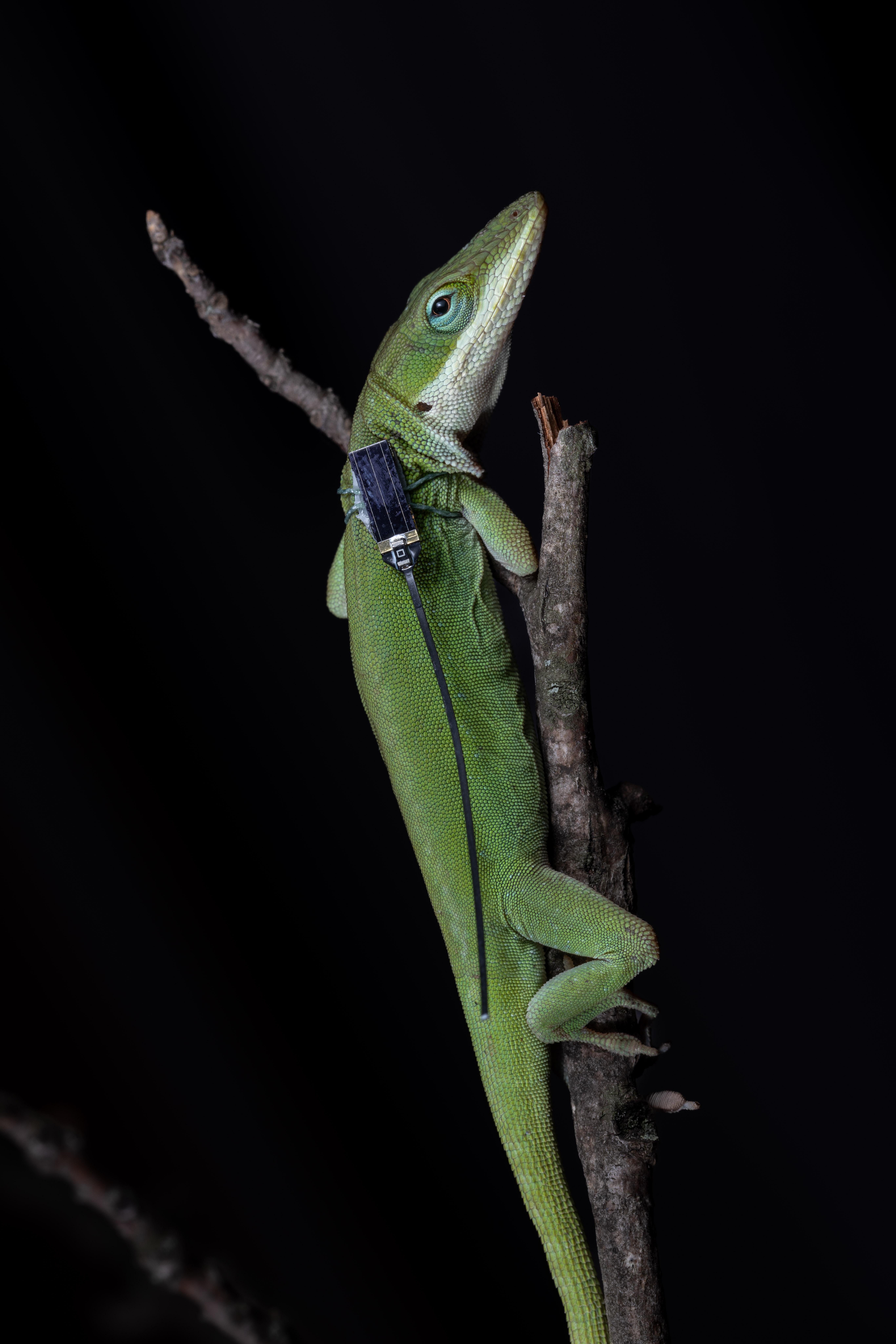
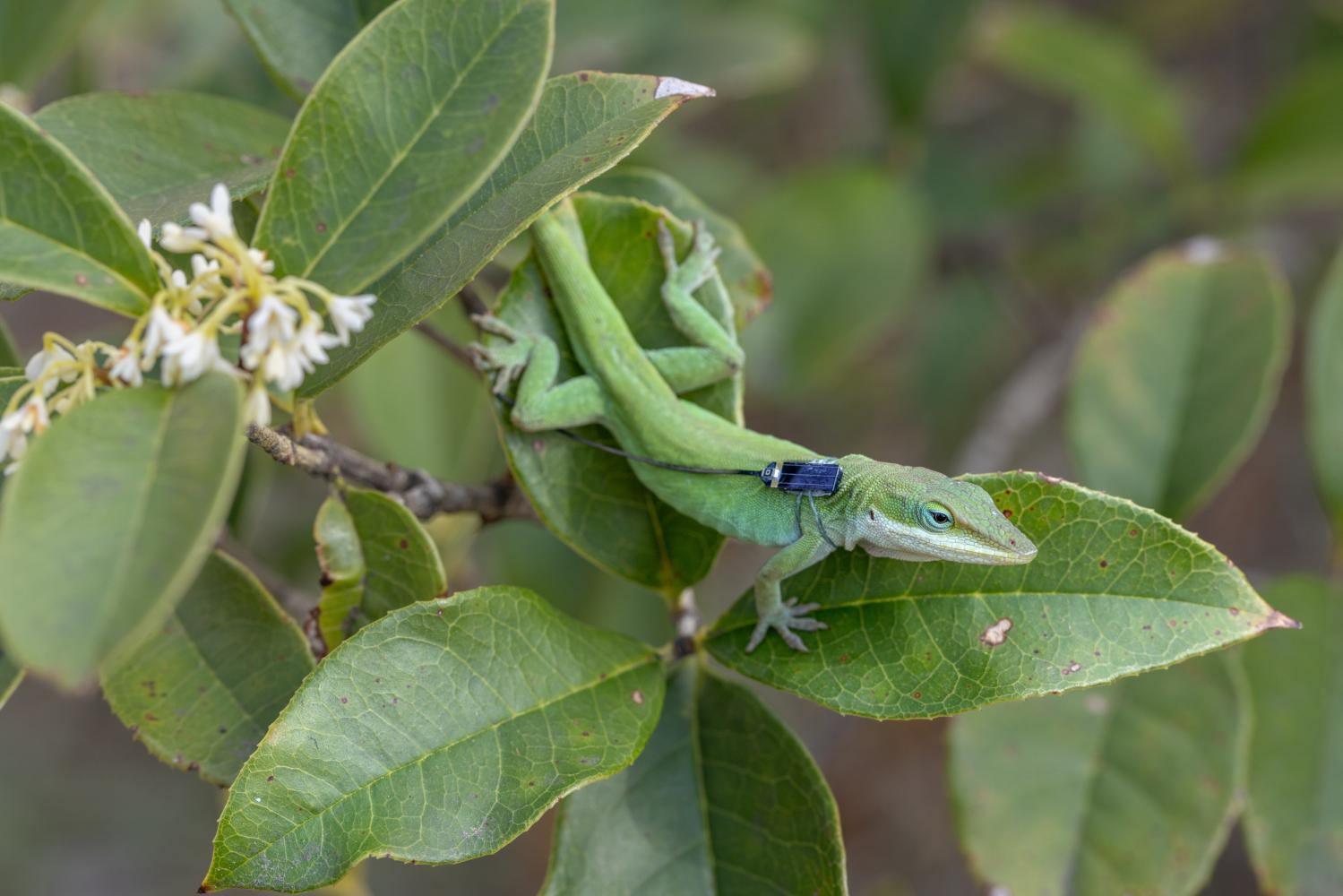
Although the sensors weigh just three-hundredths of a gram each — the same as a single grain of rice — when combined with innovations in mapping technology, they will help Stroud observe the lizards as active participants in their species’ evolution.

Although the sensors weigh just three-hundredths of a gram each — the same as a single grain of rice — when combined with innovations in mapping technology, they will help Stroud observe the lizards as active participants in their species’ evolution.

James Stroud has been named a 2025 Packard Fellow for his pioneering research in evolutionary biology. Stroud, Elizabeth Smithgall-Watts Early Career Assistant Professor in the School of Biological Sciences, will receive $875,000 over five years to fund his work on “Lizard Island” in South Florida. His goal? To create evolution’s first high-definition map — with the help of 1,000 backpack-wearing lizards.

Awarded annually to just 20 individuals by the David and Lucile Packard Foundation, Packard Fellowships for Science and Engineering support researchers pursuing cutting-edge research and ambitious goals. “These visionary Packard Fellows are pushing the boundaries of knowledge, and their bold ideas will become tomorrow’s real-world solutions,” says Nancy Lindborg, president and CEO of the Packard Foundation in a recent press release.

The flexible funding allows researchers to maximize their creativity and ingenuity. Stroud will spend the next five years transforming Lizard Island into the world’s premier evolutionary observatory, merging groundbreaking technology with long-term field research.

On Lizard Island, that means equipping every lizard with an ultra-lightweight sensor “backpack.” Although the sensors weigh just six-hundredths of a gram each — the same as two grains of rice — when combined with innovations in mapping technology, they will help Stroud investigate the role that behavior plays in driving evolution in the wild.

“I’m incredibly honored to be named a 2025 Packard Fellow,” says Stroud. “This support allows me to pursue a question that has fascinated evolutionary biologists for centuries: how does behavior shape evolution? It’s a transformative opportunity, and I’m deeply grateful to the Packard Foundation for believing in the potential of this work.”

Tiny sensors, big questions

Begun in 2015, Stroud’s work on Lizard Island is one of the longest-running evolutionary studies of its kind: for the last 10 years, he has carefully caught and released every lizard on the island, measuring evolution through documenting their body characteristics, habitat use, and survival.

Through his studies, he has captured evolution in action, but monitoring and measuring behavior in evolutionary studies has historically been an extremely difficult and elusive task. The problem? While smaller animals tend to have higher population densities and reproduce more quickly (making them ideal candidates for evolutionary field studies), it has been difficult to find durable and long-lasting sensors small enough for these animals to carry.

“This has been a missing link because behavior is a critical component of evolution,” Stroud says. “Behavior can both expose individuals to — or shield them from — natural selection. For example, an animal with a less favorable trait, like bad eyesight, could change its behavior to avoid situations where it is disadvantaged. 

“These decisions can ultimately determine whether they survive and reproduce in the wild, directly influencing the outcome of natural selection. However, until now, we just haven’t had the technology to measure these types of extremely intricate behaviors across many individuals before.”

Mapping the future

Stroud won’t just know exactly where each lizard is — he’ll also create a detailed three-dimensional map of the entire island using remote sensing technology called LiDAR, updating it each year. “By shooting millions of laser beams, we can create a highly detailed three-dimensional map of Lizard Island, capturing the shape of every branch, rock, and blade of grass on the island,” he explains. “When connected to our lizard backpacks, we’ll know the exact microhabitats and resources available to each lizard as they move through this environment.”

Stroud will also deploy hundreds of microclimate sensors to understand how species are reacting to changes in temperature and climate. The result will be the world’s first comprehensive database: a record of minute lizard movements, the resources each individual uses, daily interactions, and changes in the environment spanning seasons and years. 

“For evolutionary scientists, it has been seemingly impossible to track the moment-by-moment decisions of individual organisms… until now,” he says.

“Today, it’s possible to study what Darwin could only dream of — evolution occurring in real time,” Stroud adds. “Behavior is a critical component of evolution, understanding evolution is critical to understanding life on Earth, and understanding life on Earth is more important than ever.”

Stroud will spend the next five years transforming Lizard Island into the world’s premier evolutionary observatory, merging groundbreaking technology with long-term field research.

Stroud will spend the next five years transforming Lizard Island into the world’s premier evolutionary observatory, merging groundbreaking technology with long-term field research.

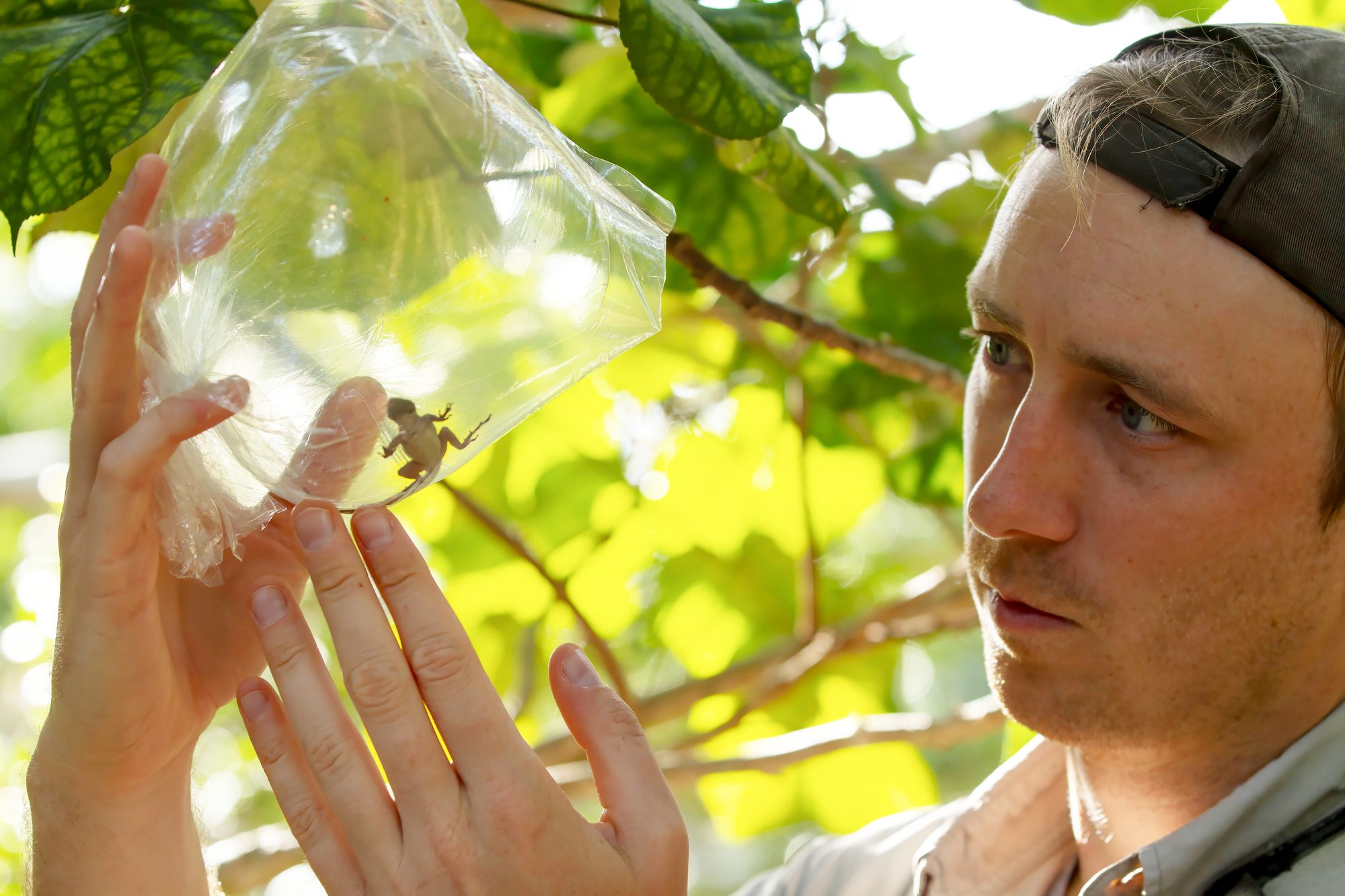
James Stroud examines a lizard in the field. (Day’s Edge Productions)

James Stroud examines a lizard in the field. (Day’s Edge Productions)

 
News Contact

Written by Selena Langner

3-Legged Lizards Can Thrive Against All Odds, Challenging Assumptions About How Evolution Works in the Wild

A brown basilisk missing both its entire left forearm and part of its right hind limb. Brian Hillen

A brown basilisk missing both its entire left forearm and part of its right hind limb. Brian Hillen

We are lizard biologists, and to do our work we need to catch lizards – never an easy task with such fast, agile creatures.

Years ago, one of us was in the Bahamas chasing a typically uncooperative lizard across dense and narrow branches, frustrated that its nimble agility was thwarting efforts to catch it. Only when finally captured did we discover this wily brown anole was missing its entire left hind leg. This astonishing observation set our research down an unexpected path.

That chance encounter led us to collaborate with over 60 colleagues worldwide to document what we suspected might be a broader phenomenon. Our research uncovered 122 cases of limb loss across 58 lizard species and revealed that these “three-legged pirates” – the rare survivors of traumatic injuries – can run just as fast, maintain healthy body weight, reproduce successfully and live surprisingly long lives.

To be clear, most lizards probably do not survive such devastating injuries. What we’re documenting are the exceptional cases that defy our expectations about how natural selection works.

A hefty green lizard with a noticeable mark where it's left 'arm' would have been poses on a tree branch

A four-horned chameleon missing its entire left forelimb in Cameroon appeared healthy when observed in the wild, despite the specialized gripping requirements of chameleons. Christopher Anderson

This discovery is startling because lizard limbs represent one of biology’s most studied examples of evolutionary adaptation. For decades, scientists have demonstrated that even tiny differences in leg length between individual lizards can mean the difference between life and death – affecting their ability to escape predators, catch prey and find mates.

Since subtle variations matter so much, biologists have long assumed that losing an entire limb should be catastrophic.

Yet our global survey tells a different story about these remarkable survivors. Working with colleagues across six continents, we found limb-damaged lizards across nearly all major lizard families, from tiny geckos to massive iguanas.

These animals had clearly healed from whatever trauma caused their injuries – likely accidents or the failed attempts of a predator to eat them. Perhaps most remarkably, we documented surviving limb loss even in chameleons, tree-climbing specialists whose movements seem to require perfect limb coordination.

Thriving, Not Just Surviving

The body condition of these lizards was most surprising. Rather than appearing malnourished, many limb-damaged lizards were actually heavier than expected for their size, suggesting they were successfully finding food despite their handicap. Some were actively reproducing, with females found carrying eggs and males observed successfully mating.

4 side by side X-ray images in black and white of small lizards each missing a limb

Limb damage can be fairly common in some lizard populations, such as these X-rays of brown anoles (Anolis sagrei) from the Bahamas. Jason Kolbe/Jonathan Losos

These findings force us to reconsider some basic assumptions about how evolution might work in wild populations. Charles Darwin envisioned natural selection as an omnipresent force, “daily and hourly scrutinizing” every feature.

But perhaps selection is more episodic than constant. Maybe sometimes limb length matters tremendously, while during other times – such as when food is abundant and predators are scarce – limb length matters less and three-legged lizards can flourish.

These lizard survivors showcase the incredible solutions that millions of years of evolution have built into their biology. Rather than being passive victims of their injuries, these lizards may survive by actively choosing safer habitats or hunting strategies, using smart behavior to avoid situations where their disability would be a disadvantage.

Biological Engineering in Action

Our research combines old-fashioned natural history observations with cutting-edge, biomechanical analysis.

We use high-speed cameras and computer software that can track movement frame by frame to analyze running mechanics invisible to the naked eye. This combination of field biology and laboratory precision allows us to understand not just that these lizards survive, but how they accomplish this remarkable feat.

When we tested the three-legged lizards’ athletic performance, the results defied expectations. Some animals were clearly impaired in their sprinting capabilities, but others actually ran faster than fully-limbed individuals of the same size across a 2-meter dash during our “Lizard Olympics.”

Researchers used computer software that automatically tracks movement patterns to analyze high-speed videos of lizards sprinting, such as this brown anole missing half of its right back leg. Christopher Anderson

High-speed video analysis revealed their secret: The speedy survivors compensate through creative biomechanical solutions. One brown anole missing half its hind limb dramatically increased its body undulation during sprinting, using exaggerated snakelike movements to compensate for the missing leg.

By documenting the unexpected – the seemingly impossible survivors – we’re reminded that nature still holds surprises that can fundamentally change how we think about life itself.The Conversation


This article is republished from The Conversation under a Creative Commons license. Read the original article.
 
News Contact
Authors:

James T. Stroud, assistant professor of Ecology and Evolution, Georgia Institute of Technology 

Jonathan Losos, William H. Danforth Distinguished University Professor, Washington University in St. Louis

Media Contact:

Shelley Wunder-Smith
shelley.wunder-smith@research.gatech.edu

Bio LaunchPad Fireside Chat

In a moderated discussion, Ridhi Tariyal, Georgia Tech alum and Chief Executive Officer and Co-Founder of women's health startup, NextGen Jane, Inc. will discuss the promise of the menstrualome for uncovering early indicators of health and disease.

Register HERE for in-person participation. Lunch provided to in-person attendees (while supplies last).

ChBE Professor Leads Team Awarded $9.2M NSF Grant to Build “Plug-and-Play” Biotechnology

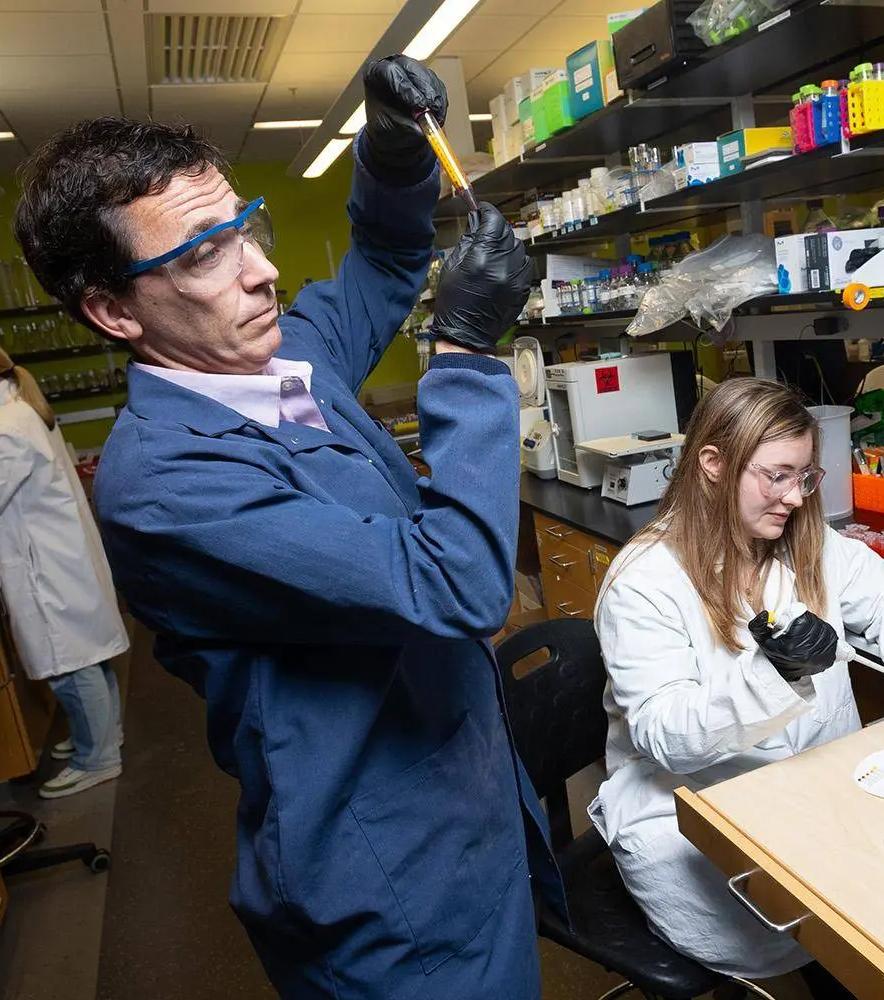
Mark Styczynski in lab

Imagine if building new medicines or sustainable materials were as straightforward as snapping together LEGO® bricks. That’s the goal of a new project led by the Georgia Institute of Technology that could help transform the future of biomanufacturing.

The project, headed by Professor Mark Styczynski in Georgia Tech’s School of Chemical and Biomolecular Engineering (ChBE@GT), recently received a $9.2 million grant from the National Science Foundation Directorate for Technology, Innovation and Partnerships (NSF TIP) to accelerate the adoption of cell-free systems in biomanufacturing.

Promising Technology

Biotechnology has largely relied on living cells for production of products such as medicines, fragrances, or renewable fuels. But working with living cells can be complex and expensive.

Cell-free systems, by contrast, strip biology down to its essential parts, the enzymes and molecules that carry out life’s chemical reactions. This can simplify and speed up biomanufacturing, making it easier to scale.

The challenge, Styczynski explained, is that most cell-free projects still require custom-built setups. “Right now, engineering biology is like reinventing the wheel for every application,” he said. “You have to figure out how all the parts fit together each time. We want to change that by making ready-to-use modules that work right out of the box.”

Styczynski’s project, called Meta-PURE (PUrified Recombinant Elements), will create eight standardized modules, each designed for a key function in cell-free systems, such as generating energy, producing proteins, or assembling complex molecules.

“Like interchangeable puzzle pieces, these modules can be mixed and matched to support different applications,” Styczynski said.

Demonstrating Uses

His team will demonstrate the system’s versatility by producing santalene (a plant-derived fragrance used widely in consumer products), GamS protein (a tool that can improve cell-free processes), and a bacteriophage (a virus that can be safely used in research and the development of new therapeutic treatments).

These examples highlight the technology’s potential across industries ranging from pharmaceuticals and agriculture to chemicals and sustainable materials.

“We want to make these tools so that someone in industry can create their molecule or product more quickly and efficiently, and get it out the door,” Styczynski said. 

“Right now, cell-free systems are mostly limited to high-value products because the cost is too high. The goal is to drive costs down and productivity up, so we can move closer to commodity chemicals like biofuels or monomers for polymers, not just niche applications. One of our partners recently developed a butanol process that shows where this can go,” he said.

NSF Initiative

Styczynski’s team is one of four recently awarded an inaugural investment of $32.4 million to help grow the U.S. bioeconomy. The initiative is called the NSF Advancing Cell-Free Systems Toward Increased Range of Use-Inspired Applications (NSF CFIRE).

“NSF is resolute in our commitment to advancing breakthroughs in biotechnology, advanced manufacturing, and other key technologies of significance to the U.S. economy,” said Erwin Gianchandani, assistant director for NSF TIP. “The novel approaches from these four CFIRE teams will speed up and expand the adoption of cell-free systems across a variety of industries and ensure America’s competitive position in the global bioeconomy.”

Collaborative Effort

While ChBE@GT is the lead, Meta-PURE is a broad collaboration with partners across academia, industry, and government. Co-principal investigators include Paul Opgenorth, co-founder and vice president of development at the biotech firm eXoZymes; Nicholas R. Sandoval, associate professor of Tulane University’s Department of Chemical and Biomolecular Engineering; and Anton Jackson-Smith, founder of the biotech startup b.next.

Meta-PURE will also train graduate students and postdocs in partnership with industry, government, and other universities, helping prepare trainees to be the future of a highly interdisciplinary U.S. bioeconomy. The team will also engage the scientific community on the implementation of metrics and standards in cell-free biotechnology to better facilitate broad adoption and interoperability of not just the results of the Meta-PURE project, but of cell-free efforts more broadly. 


News Contact

Georgia CTSA TL1 Application Workshop


REGISTER for Workshop HERE

The workshop is in-person (Zoom option for those not on the Emory campus) and will be recorded
and posted on the Georgia CTSA TL1 website. TL1 applicants are highly encouraged to attend. 

******************************************
INFO on the Georgia CTSA TL1 Program:

Accepting Applications for the Georgia CTSA TL1 (T32-like) Program Clinical & Translational Research Training

IBB Core Facilities Educational Seminar

Join us for a seminar to learn how to better leverage the incredible resources you have available via your IBB Core Facilities! 

Register to attend (Lunch provided to those who register by Nov. 6)

Atlanta Science Festival Kickoff at Georgia Tech | Celebrate STEAM

Georgia Tech is excited to kickoff off the 13th annual Atlanta Science Festival by welcoming the community to our campus to Celebrate STEAM! Attendees can participate in hands-on STEAM activities, watch science and technology demonstrations, connect with student researchers, and discover the exciting advancements happening at Georgia Tech. The event is free and we have something for everyone with robotics, brains, biology, space, art, nanotechnology, paper, computer science, wearables, bioengineering, chemical engineering, or systems engineering. 

Nathan Wallace Takes Steps to Advance Prosthetics

Nathan Wallace in the lab

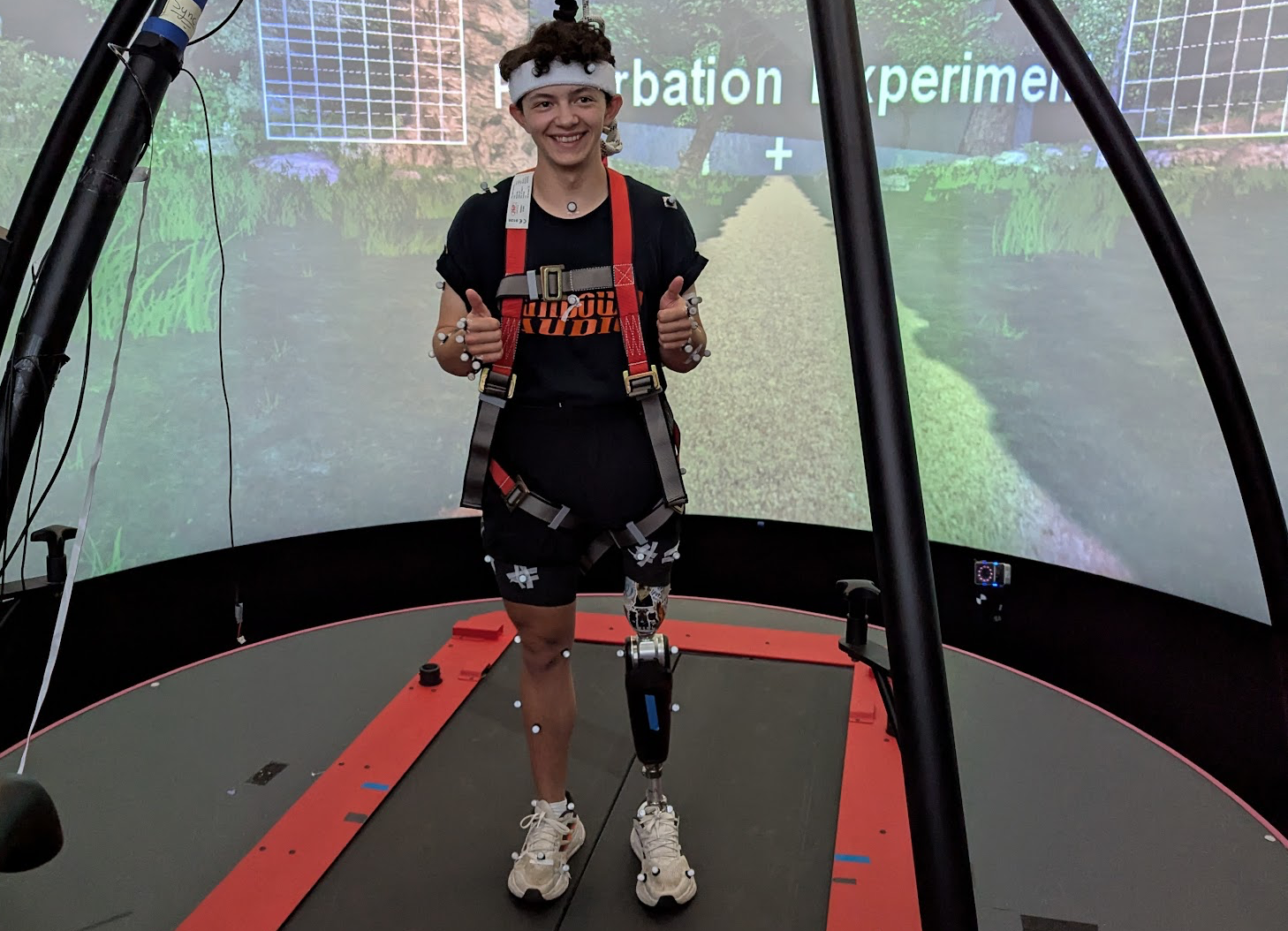
Nathan Wallace testing the microprocessor-powered leg in the Exoskeleton and Prosthetic Intelligent Controls (EPIC) Lab at Georgia Tech. Submitted photo.

Nathan Wallace was born with proximal femoral focal deficiency, a congenital limb disorder, which led to the amputation of his left foot at 8 months old. He was fitted for his first prosthetic at 13 months.  

Now, the third-year biomedical engineering student is using his life experience to develop advanced prostheses as a member of the Exoskeleton and Prosthetic Intelligent Controls (EPIC) Lab. Wallace is part of the development and machine learning teams on an ongoing vertically integrated project led by Associate Professor Aaron Young and senior research scientist Kinsey Herrin. The teams are engineering a microprocessor-powered leg and ankle capable of mimicking gait and providing stability in walking patterns across various surfaces. 

Traditional prosthetics, like the one Wallace uses, don’t provide ankle flexion, but the current iteration of the lab’s leg offers something that he views as an evolution of products on the market today. The latest tests allowed Wallace, while wearing the leg, to walk up a ramp with the ankle and knee adapting to the slope.  

“A lot of our power comes from the ankle, and our version of the leg better recreates a complete gait cycle, which includes the knee and ankle flexion and everything in between. With my current prosthetic, I don’t have that same gait control, so I’m swinging my foot around and overcompensating on my right leg. With our leg, I’m walking up the ramp normally, and it’s creating a movement that I've never felt before,” he said.  

Along with the improved performance of the leg, Wallace and the team intend to use machine learning to assist in fitting patients with prosthetics that meet their unique needs. 

“We're trying to get away from patients having to spend hours in an office tuning a prosthetic to their preferences. Instead, it allows the machine learning model to learn as the person walks on it. This can help reduce costs related to both time and personnel,” he said.  

Growing up, Wallace was an active child at recess and eventually became a high school wrestler. While there were times he felt he couldn’t keep up with his classmates, he found ways to adapt. He credits his condition for helping him develop a strong work ethic and a desire to help others find the same confidence he has found as he’s gotten older.  

“Learning to embrace who I am has made me the person I am today. It’s given me perspective and a capacity for empathy and sympathy for others in the disabled community,” he said. “My past and my condition have driven me to where I am today, and I feel privileged to be at Georgia Tech. It touches a special place in my heart to know that this kind of work is going on, and that I can be a part of it.”  

Outside of the lab, Wallace is a member of the student organization Tikkun Olam Makers, which develops open-source solutions for members of disabled communities. He also creates props for DramaTech, and, continuing to push himself beyond his comfort zone, he recently starred in the student-run theater’s production of Eurydice

 
News Contact

Steven Gagliano – Institute Communications