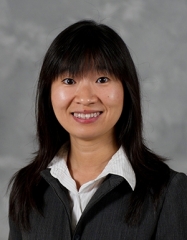
Jingfeng Wang
Water
Water
Smart Infrastructure; Climate/Environment
City and Regional Planning; Climate/Environment; System Design & Optimization
Xing Xie is the Carlton S. Wilder Assistant Professor in the School of Civil and Environmental Engineering at Georgia Institute of Technology. Prior to joining Georgia Tech, he was a post-doctoral scholar at California Institute of Technology. He received his B.S. (2006) and M.S. (2008) degrees in Environmental Science & Engineering from Tsinghua University, and a second M.S. degree (2012) in Materials Science & Engineering and a Ph.D. degree (2014) in Civil & Environmental Engineering from Stanford University. His research focuses on the applications of innovative materials for sustainable and reliable water and energy. He has worked on many projects related to water treatment and reuse, microbial detection and quantification, energy and resource recovery, energy storage, etc. He has published more than 60 peer-reviewed articles with more than 6,000 citations
Water & wastewater treatment; Energy & resources recovery; Energy storage; Salinity energy & desalination; self-sustained sanitation; Oil-water separation; Environmental monitoring
Climate/Environment
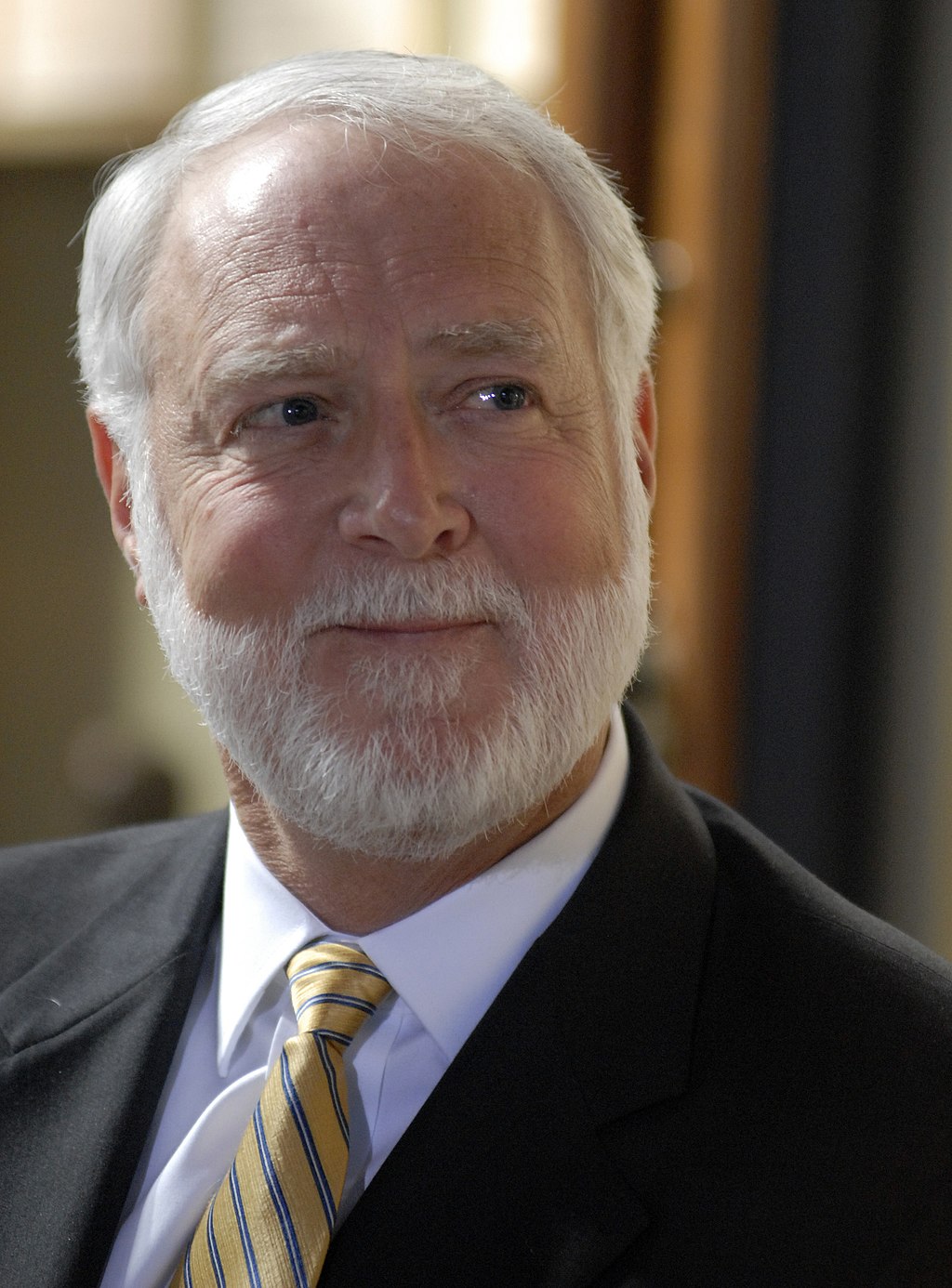
Gerald Wayne Clough is President Emeritus of the Georgia Institute of Technology (Georgia Tech) and former Secretary of the Smithsonian Institution. A graduate of Georgia Tech in civil engineering, he was the first alumnus to serve as President of the Institute.
The Clough Undergraduate Learning Commons, which officially opened its doors in August 2011, is named in his honor. Clough has garnered many other awards and honors, including the title of President Emeritus, two Norman Medals, eight honorary degrees, and membership in the National Science Board.
After earning his doctorate, Clough began his academic career as an assistant professor at Duke University in 1969. He joined the faculty at Stanford University in 1974 first as an associate professor and then later as full professor. In 1982, he joined the faculty of Virginia Tech as a professor of civil engineering and served as head of their Department of Civil Engineering for seven years. In 1990, Clough became dean of the Virginia Tech College of Engineering. Clough continued his research and instruction of graduate students at Virginia Tech in addition to his administrative responsibilities. Clough's research focused on geotechnical engineering, including earthquake studies, numerical analysis, soil structure interaction, in-situ testing, and underground openings. In 1993, he became provost and vice president for academic affairs at the University of Washington. Clough cofounded the United States Universities Council of Geotechnical Engineering Research (USUCGER), and served as the organization's first president during 1993.
Climate/Environment
City and Regional Planning; Climate/Environment
Dr. Casey Wichman is an applied microeconomist working on issues at the intersection of environmental and public economics. His research focuses on how people interact with the natural and built environment, and what that behavior reveals about the value of environmental amenities. His research spans water and energy demand, valuation of environmental resources and infrastructure, urban transportation, public goods provision, demand for outdoor recreation, and climate change. Methodologically, he relies on the application of program evaluation techniques, often using large micro-data sets, to estimate causal effects of environmental policies on economic behavior.
Prior to joining Georgia Tech, Dr. Wichman served as the Research Director of the Energy and Environment Lab at the University of Chicago and as a Fellow at Resources for the Future, an environmental economics think-tank in Washington, DC. He received his Ph.D. from the University of Maryland in 2015, and his doctoral work earned outstanding doctoral dissertation awards from both the Association of Environmental and Resource Economists and the Association of Agricultural and Applied Economists.
Applied EconometricsEnvironmental EconomicsPublic Economics
In the Kaiser group, we work to improve the understanding of the emissions and atmospheric processes that influence air quality and climate. Our research focuses largely on volatile organic compounds (VOCs), which are reactive organic species that are precursors to ozone and aerosol. Our work is grounded in insights from field, and aimed at understanding atmospheric composition at broad spatial and temporal scales.
Climate/EnvironmentAtmospheric Chemistry, Aerosols & CloudsRemote SensingAtmospheric composition and chemistryBiogenic and anthropogenic emissionsGlobal chemistry-transport modelingIn-situ and remote sensing
Dr. Ng is the Love Family Professor in the School of Chemical & Biomolecular Engineering and the School of Earth & Atmospheric Sciences at the Georgia Institute of Technology. She earned her Ph.D. in Chemical Engineering from the California Institute of Technology and was a postdoctoral scientist at Aerodyne Research Inc.
Dr. Ng’s research focuses on the understanding of the chemical mechanisms of aerosol formation and composition, as well as their health effects. Her group combines laboratory chamber studies and ambient field measurements to study aerosols and air quality using advanced mass spectrometry techniques. Dr. Ng leads the establishment of the first, high time-resolution, long-term aerosol measurement network in the U.S.: Atmospheric Science and Chemistry mEasurement NeTwork (ASCENT), for characterization of aerosol chemical composition and physical properties, and their impacts on climate, human health, and ecosystems.
Climate/Environment