Ogeda Chavez Blue

Laboratory Technician II
Office
Petit Biotechnology Building, Office 1101
University, College, and School/Department

As a student, Aqua Asberry, HT(ASCP)CM, studied chemistry and was determined to become a forensic scientist. An intuitive mentor steered her towards histology, and Ms. Asberry is currently Research Histology Manager at Parker H. Petit Institute for Bioengineering and Bioscience at Georgia Tech.
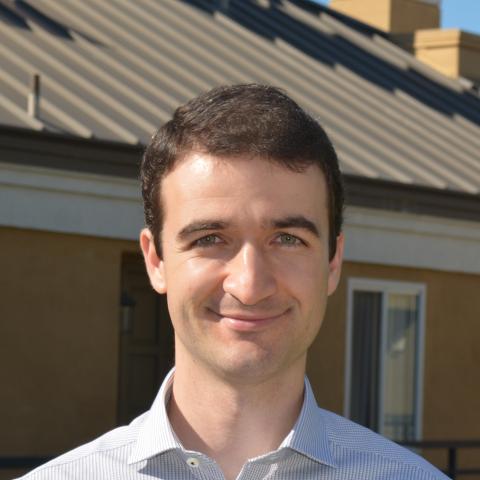
Dr. Rahnev received his Ph.D. in Psychology from Columbia University in 2012. After completing a 3-year post-doctoral fellowship at UC Berkeley, he joined Georgia Tech in 2015 where he is currently Blanchard Early Career professor. His research focuses on perceptual decision making – the process of internally representing the available sensory information and making decisions on it. Dr. Rahnev uses a wide variety of methods such as functional magnetic resonance imaging (fMRI), transcranial magnetic stimulation (TMS), psychophysics, computational modeling, and deep neural networks (DNNs). Dr. Rahnev’s work appears in high-impact journals such as Behavioral and Brain Sciences, PNAS, Nature Communications, and Nature Human Behavior. He has received over $3.5M in funding, including PI grants from NIH, NSF, and the Office of Naval Research.
Big Data
Human Augmentation
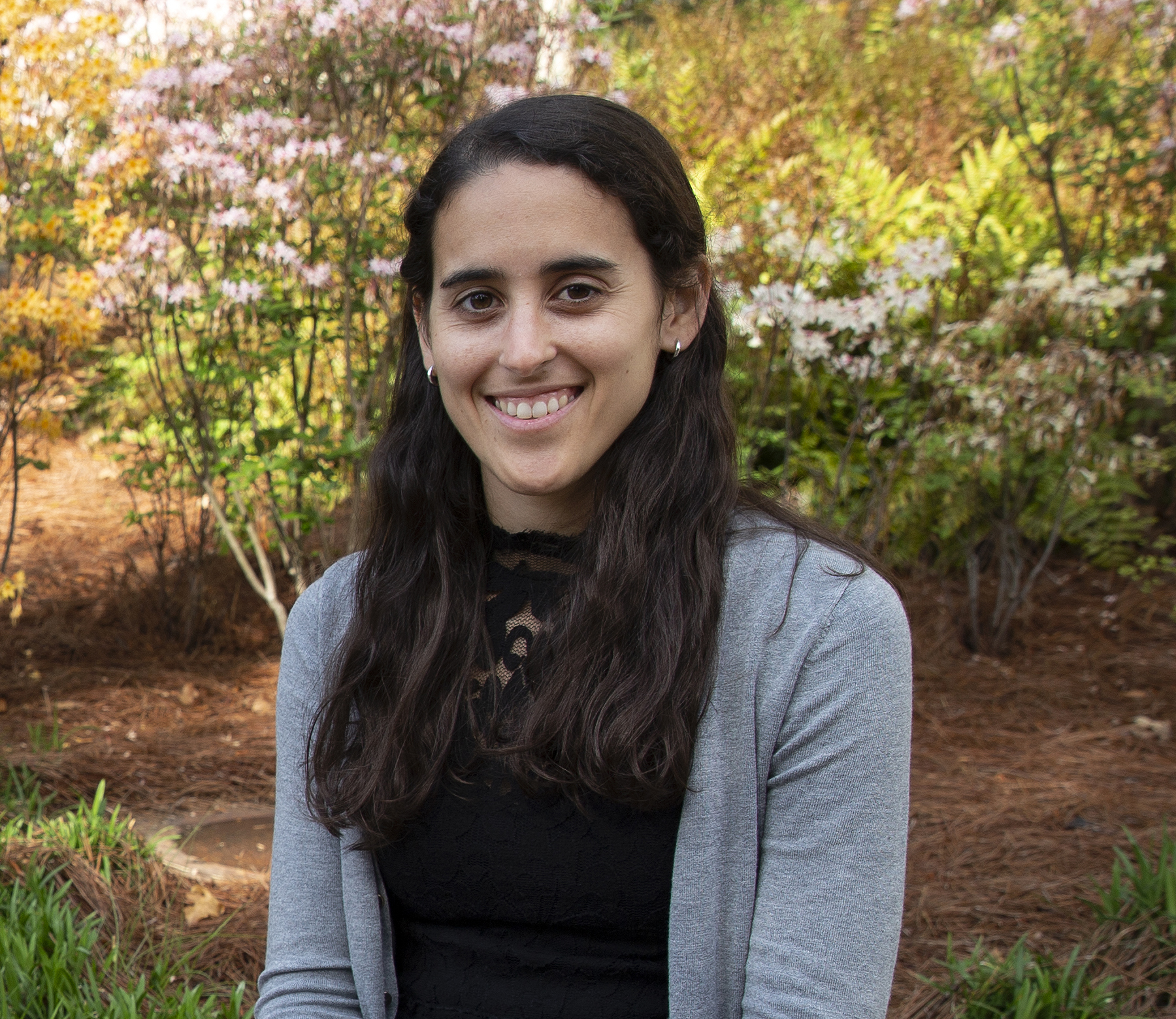
Dr. Emily D. Sanders is an Assistant Professor in the Woodruff School of Mechanical Engineering at Georgia Tech. She obtained her Ph.D. at Georgia Tech in 2021, where she developed new topology optimization methods for design of tension-only cable nets, elastostatic cloaking devices, and multiscale structures and components. Dr. Sanders hold a bachelor’s degree from Bucknell University and a master’s degree from Stanford University.

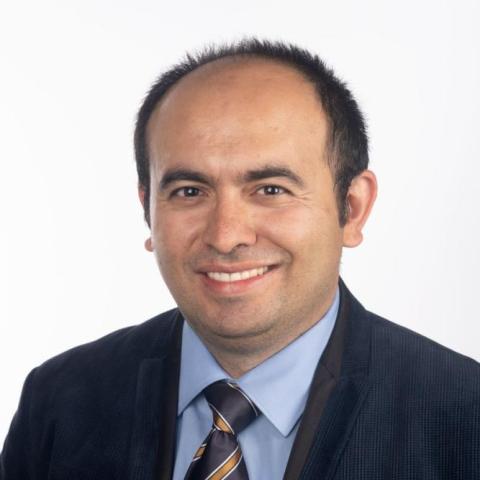
Ahmet Coskun is a Bernie-Marcus Early-Career Professor of Biomedical Engineering at Georgia Institute of Technology and Emory University. Coskun is a systems biotechnologist and bioengineer, working at the nexus of multiplexed cell imaging and quantitative tissue biology. He directs an interdisciplinary research team at the Single Cell Biotechnology and Spatial Omics Laboratory, an interdisciplinary program strategically positioned for multiparameter imaging one cell at a time by spatial context and function. Coskun holds five issued patents and is also the co-author of more than 50 peer-reviewed publications in major scientific journals. He is a recipient of the NSF CAREER Award 2024, NIH R35 MIRA Award 2023, Sigma Xi Young Faculty Award 2025, CMBE Young Innovator Award 2024, BMES-CMBE Rising Star Award 2023, American Lung Association Innovation Award 2022, Burroughs Welcome Fund CASI Award 2016, and Student Recognition of Excellence in Teaching: Class of 1934 CIOS Award, among other research and teaching awards. Previously, Coskun was an instructor at Stanford University. He received his postdoctoral training from the California Institute of Technology. He holds a Ph.D. from the University of California, Los Angeles. His research has been supported by federal and private grants, including the National Institutes of Health (NIGMS, NIA, NIAID, NCI, NIDCR, OD, and ORIP), Wellcome LEAP, Burroughs Wellcome Fund (CASI), NSF CMaT, American Cancer Society IRG, Multi-cellular engineered living systems (M-CELS), and Regenerative Medicine Center. In addition, he leads outreach programs to engage K-12 students and undergraduate students through BioCrowd Studio, an innovative crowd-sourcing program bringing together interactive virtual media, distributed biokits, and collaborative spatial discovery.
The Single Cell Biotechnology Lab aims to study spatial biology in health and disease. Our research lies at the nexus of multiplex bioimaging, microfluidic biodynamics, and big data biocomputation. Using high-dimensional nanoscale imaging datasets, we address fundamental challenges in immuno-engineering, cancers, and pediatric diseases. Our lab pursues a transformative multi-omics technology to integrate spatially resolved epigenetics and spatial genomics, proteomics, and metabolomics, all in the same platform. We uniquely benefit from super-resolution microscopy, imaging mass spectrometry, combinatorial molecular barcoding, and machine learning to enhance the information capacity of our cellular data. Variability of single cell images can be used to understand differences in therapeutic responses, as well as satisfy our curiosity on understanding how cells are spatially organized in nature.
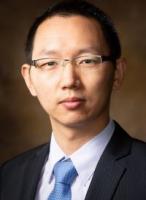
Yue Chen is an assistant professor in the Department of Biomedical Engineering, GT/Emory. He received his Ph.D. degree in Mechanical Engineering from Vanderbilt University, M.S. in Mechanical Engineering from Hong Kong Polytechnic University, and a B.S. in Vehicle Engineering from Hunan University. His research focused on designing, modeling, and control of continuum robots and apply them in medicine.
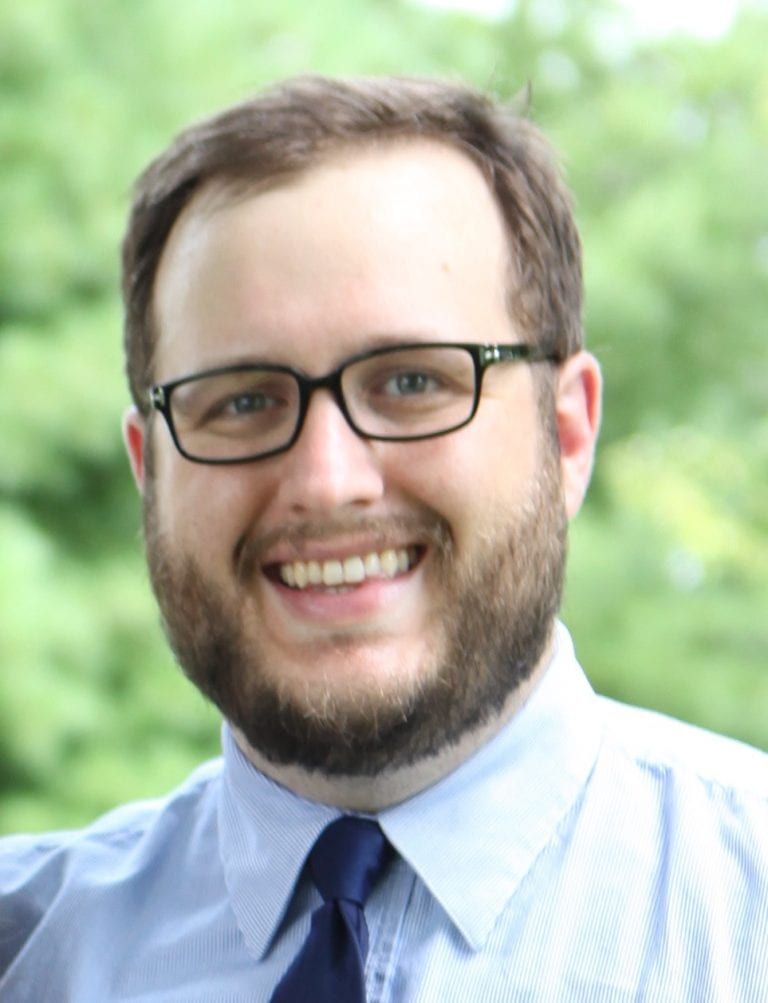
My research focuses on three major areas: (a) understanding and improving worker well-being, (b) temporal dynamics in team contexts, and (c) research methods. Collectively, my research seeks to improve our understanding of optimal human functioning more generally, across time, and within specific contexts (e.g., organizational, teams).
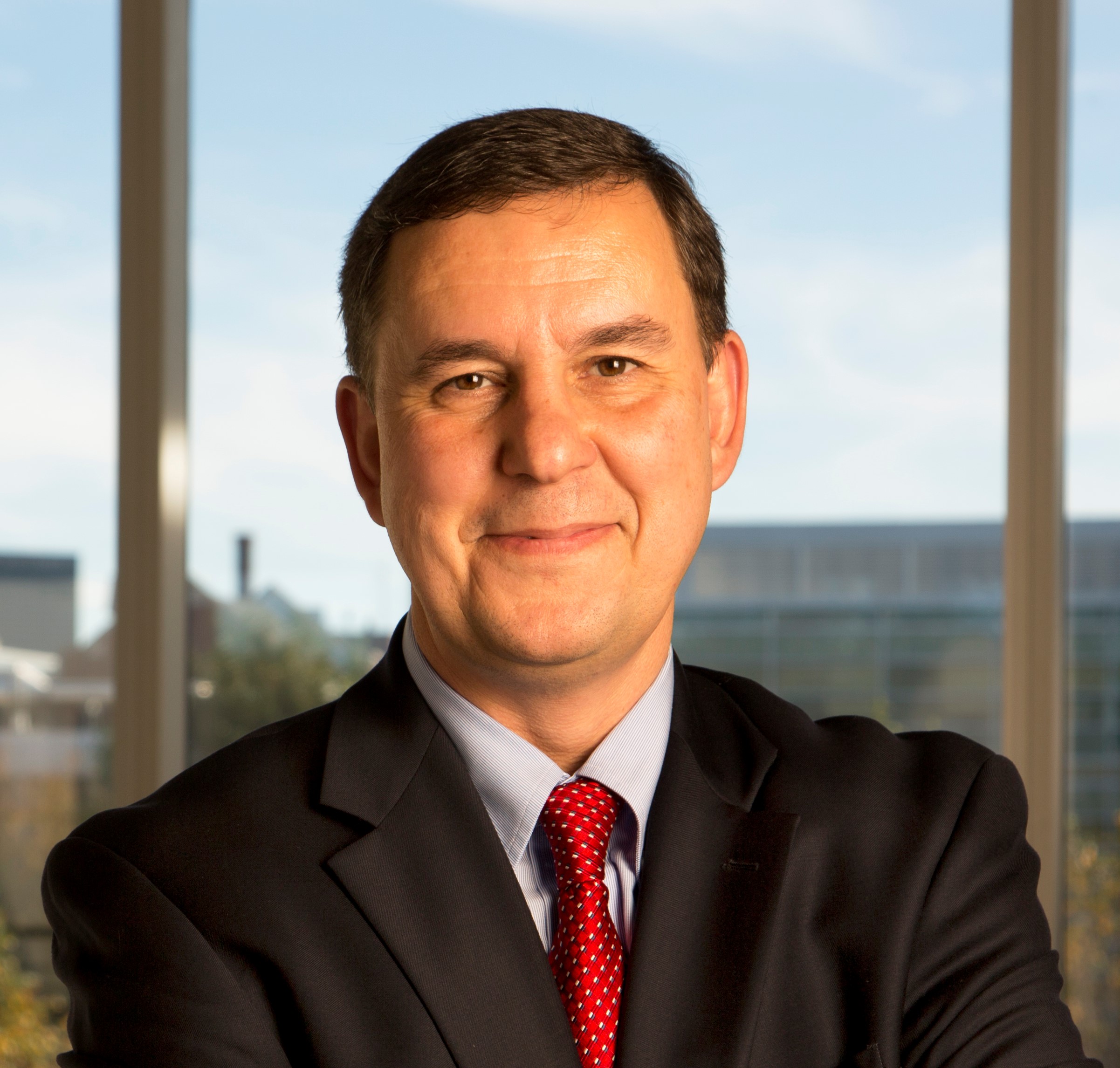
Dr. Stanislav Emelianov is a Joseph M. Pettit Endowed Chair, Georgia Research Alliance Eminent Scholar, and Professor of Electrical & Computer Engineering and Biomedical Engineering at the Georgia Institute of Technology. He is also appointed at the Emory University School of Medicine, where he is affiliated with Winship Cancer Institute, Department of Radiology, and other clinical units. Furthermore, Dr. Emelianov is Director of the Ultrasound Imaging and Therapeutics Research Laboratory at the Georgia Institute of Technology focused on the translation of diagnostic imaging & therapeutic instrumentation, and nanobiotechnology for clinical applications.
Throughout his career, Dr. Emelianov has been devoted to the development of advanced imaging methods capable of detecting and diagnosing cancer and other pathologies, assisting treatment planning, and enhancing image-guided therapy and monitoring of the treatment outcome. He is specifically interested in intelligent biomedical imaging and sensing ranging from molecular imaging to small animal imaging to clinical applications. Furthermore, Dr. Emelianov develops approaches for image-guided molecular therapy and therapeutic applications of ultrasound and electromagnetic energy. Finally, nanobiotechnology plays a critical role in his research. In the course of his work, Dr. Emelianov has pioneered several ultrasound-based imaging techniques, including shear wave elasticity imaging and molecular photoacoustic imaging. Overall, projects in Dr. Emelianov's laboratory, which focuses on cancer and other diseases, range from molecular imaging to functional imaging and tissue differentiation, from drug delivery and release to image-guided surgery and intervention.