
Growing Bacteria in Space with Astronauts
Mar 25, 2024 —

Georgia Tech Ph.D. student Jordan McKaig demonstrates how NASA astronauts onboard the International Space Station will use the MinION sequencing device to identify bacteria genomes. Credit: Georgia Tech
This story by Kelsey Gulledge first appeared in the Daniel Guggenheim School of Aerospace Engineering newsroom. See the full feature here.
Georgia Tech researchers are teaming up with NASA to study bacteria on the International Space Station to help define how scientists and healthcare professionals combat antibiotic-resistant bacteria for long-duration space missions.
In the Planetary eXploration Lab (PXL), researchers will work with astronauts living on the International Space Station as they collect air, water, and surface samples. Using testing methods created on campus, the astronauts and scientists will watch microbes grow to learn which bacteria are resistant to specific antibiotics.
The work is part of NASA’s Genomic Enumeration of Antibiotic Resistance in Space (GEARS) study, led by Aaron Burton and Sarah Wallace from NASA Johnson Space Center. Marking SpaceX’s 30th Commercial Resupply Services mission for NASA, the GEARS research is on board a SpaceX Dragon cargo spacecraft, scheduled to launch from Cape Canaveral, Florida on March 21. If all goes according to plan, the Dragon capsule will reach the International Space Station on the morning of March 23.
“Our lab has previously studied bacteria colonies from the International Space Station and found Enterococcus faecalis (EF) was resistant to many antibiotics,” said Christopher E. Carr, director of the PXL and assistant professor in the School of Aerospace Engineering (AE) and the School of Earth and Atmospheric Sciences (EAS). “This particular bacteria species is a core member of the human gut and has evolved over the past 400 million years, making it a difficult pathogen to treat in humans and on surfaces.”
EF is the second leading cause of hospital-acquired infections after Staphylococci. Much like hospital environments, on the International Space Station is built in such a way that studying antibiotic-resistant microbes there could provide insight into how these organisms survive, adapt, and evolve in space and on Earth.
The 30-day GEARS mission will supplement the routine microbial surveillance testing conducted on the International Space Station with an antibiotic-resistant screening step. Astronauts onboard will collect samples and observe what microbes grow on their pre-treated contact slides, a rectangular-shaped petri dish.
The contact slides contain antibiotic-infused agar, a gel-like fuel source for bacteria, fungi, and other microorganisms. Therefore, anything that grows on the slides will be identified as antibiotic-resistant to that particular antibiotic. Astronauts will then use a pipet to carefully extract DNA from a bacterial colony and sequence it using the Oxford Nanopore Technologies MinION, nanopore sequencing device, which will identify the microbe that is present, as well as sequence its entire genome in real-time. “If we found a new organism that we’ve never seen before, we’d be able to detect it, sequence its entire genome, and determine how it might be resistant to different types of antibiotics,” said Carr.
This new technology will allow humans to travel further - and longer - into space without having to send data back to Earth for processing. “For the purposes of this study and to maximize the science yield, these bacteria will travel back to Earth,” said Jordan McKaig, PXL researcher and Ph.D. candidate in the EAS. “Then we can study them more extensively to better reveal their genomic features, how they are adapting to the built environment, and understand the risks – if any -- they may pose to astronauts.”
Scientists and researchers at NASA Johnson will use this information to figure out what may make astronauts sick in space, how to optimize their health, and make plans for potential counter measures and treatments. This data is critical because astronauts’ immune systems often become compromised due to space flight conditions. The GEARS mission will launch a total of four times over the next year to study the bacteria and data thoroughly. The second mission is expected to launch later this summer.
“I’m really looking forward to hopefully traveling to the launch and getting to see the science that we’ve been working on for a couple of years go to space. It’s really a dream come true,” said McKaig.
While GEARS is in orbit, Carr and the PXL team will prepare for their next study, EnteroGAIT, which will investigate thousands of mutants simultaneously to see what genes are involved in adapting to the space environment. It is currently in the science verification testing phase.
Kelsey Gulledge
Daniel Guggenheim School of Aerospace Engineering
Georgia Tech
Georgia Tech Launches Quadrant-i, a New Unit to Enhance Research Commercialization
Apr 03, 2024 —

Georgia Tech Launches Quadrant-i, a New Unit to Enhance Research Commercialization
Georgia Tech's Office of Commercialization introduces Quadrant-i, a new unit dedicated to helping faculty, researchers, and students translate their research into startups.
The name is inspired by Pasteur’s quadrant in the Daniel Stokes innovation-impact model and will emphasize the translation of deep scientific research into products. (See more information about Pasteur’s quadrant here.)
Quadrant-i will join the other units in commercialization — the Office of Technology Licensing, VentureLab, and CREATE-X — in making Georgia Tech the premier campus for startups and commercialization.
“As we grow our efforts toward delivering impact through commercialization, creating a unit that is solely focused on helping our faculty, students, and researchers launch startups based on their research is essential,” said Raghupathy “Siva” Sivakumar, vice president of Commercialization and chief commercialization officer.
The functions of Quadrant-i have historically been supported by VentureLab, a national leader in entrepreneurship training and research. The reorganization will also allow VentureLab to amplify its impact in making Georgia Tech a thought leader for entrepreneurship.
Quadrant-i will be a comprehensive resource for the thriving research community on campus, facilitating the journey from innovations to impact. The unit will offer programs, resources, and services tailored to expedite and enhance the commercialization process, including:
- Advocating for policy changes and incentive structures to foster a culture of impact.
- Securing non-dilutive grant funding.
- Navigating conflicts of interest to maintain research integrity.
- Providing mentorship on the business aspects of innovation.
- Interfacing with customers, investors, and mentors.
- Launching startups with essential resources and support.
A search is currently underway for a director, who will report to Sivakumar.
The Office of Commercialization invites faculty, researchers, students, investors, mentors, industry leaders, and innovators to collaborate with Quadrant-i and learn more about its programs and services.
For more information, visit: commercialization.gatech.edu/quadrant-i.

Lacey Cameron
Marketing Communications Manager
Cosmic Curiosity: Georgia Tech Hosts Science and Engineering Day to Open Atlanta Science Festival
Mar 21, 2024 — Atlanta
(Credit: Joya Chapman)
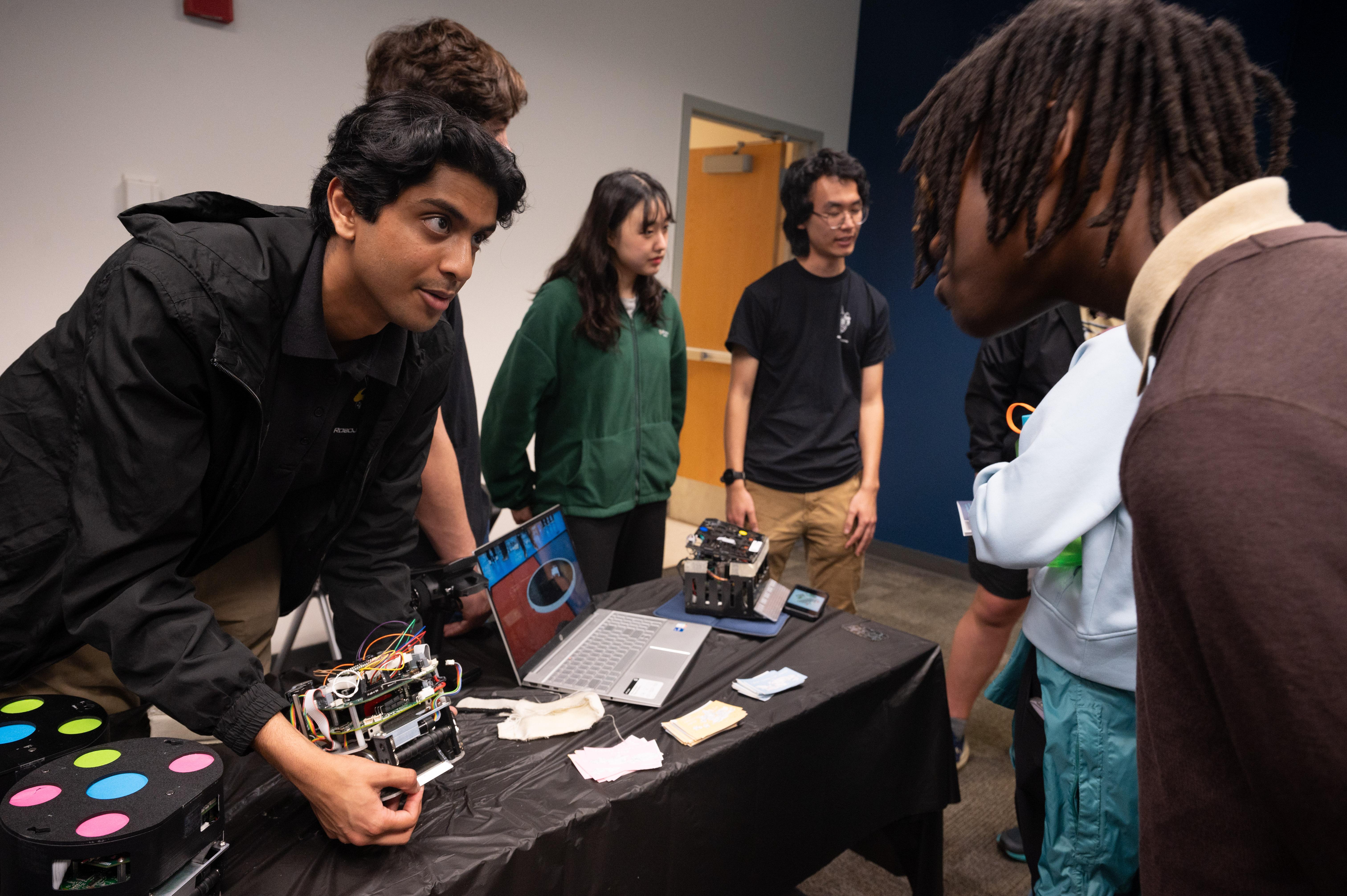
Georgia Tech opened the 11th annual Atlanta Science Festival (ASF) with record attendance for Science and Engineering Day. Despite the drizzly weather, about 4,000 people of all ages from throughout metro Atlanta — more than double the number of attendees in 2023 — visited campus on Saturday, March 9, 2024, for the space-themed event. They explored more than 45 exhibitions and hands-on activities related to art, robotics, nanotechnology, chemical and systems engineering, and biology, as well as other STEAM areas.
Visitors began their investigations at “Earth” (the Kendeda Building for Innovative Sustainable Design), where they picked up a galactic passport specially designed to guide them from building to building — each designated with the name of a planet — and the demonstrations housed within.
At “Mars” (Marcus Nanotechnology Building), attendees measured their height in nanometers, experimented with fruit batteries, and took a window-tour of the largest cleanroom in the Southeast, where semiconductors are developed. Inside “Venus” (Parker H. Petit Biotech Building), budding scientists examined bioluminescent bacteria under a microscope and made Play-Doh models of the human brain. When visiting “Saturn” (Ford Environmental Sciences and Technology Building), visitors studied density by making DIY lava lamps and inspected human brain specimens the way a pathologist would.
“Getting to hold a human brain was cool,” said a 12-year-old participant from Alpharetta. “And I also liked comparing it to the brains of a pig and a mouse.”
Other activities included math games and puzzles, the opportunity to build an artificial hand and a gallery display of research-inspired artwork. Georgia Tech faculty, students, and staff hosted all the demonstrations and served as volunteers who helped Science and Engineering Day guests navigate campus and the demonstration sites.
For many participants, the undoubted highlight was the chance to hear a presentation by former NASA astronaut and Georgia Tech alumnus Shane Kimbrough, MS OR 1998. Kimbrough spent 388 days in space over three missions and served as commander of the International Space Station (ISS) in 2016. He captivated the standing-room-only crowd with photos and descriptions of his time living and working aboard the ISS and answered questions from the kids in the audience.
“It’s really exciting to see all the activities around campus today … we’re inspiring the next generation of scientists and explorers for our country,” Kimbrough said afterward.
The event was a resounding success for Georgia Tech and the Atlanta Science Fair.
Lauren Overton-Kirk, who organized the event for the Institute, said, "Georgia Tech Science and Engineering Day 2024 was so wonderful to share with the community. What started years ago as a day for young scientific exploration became an all-ages, space-themed scientific spectacular. You could feel the passion for learning fill the campus in a way only Georgia Tech could do.”
Both the Georgia Tech and the Atlanta Science Festival teams are looking forward to next year’s Science and Engineering Day.
“As one of the founding organizations of the Atlanta Science Festival, Georgia Tech has been deeply invested in sharing the Institute’s innovations with the community,” said Meisa Salaita, ASF co-director. “And that investment was deeply evident on March 9th as they opened their doors to kick off the 11th annual Science Festival. Their students and faculty came out with enthusiasm to showcase science to the public. We couldn't be more thrilled with this partnership — and the many ways Tech has helped us show our community that Atlanta is a science city.”
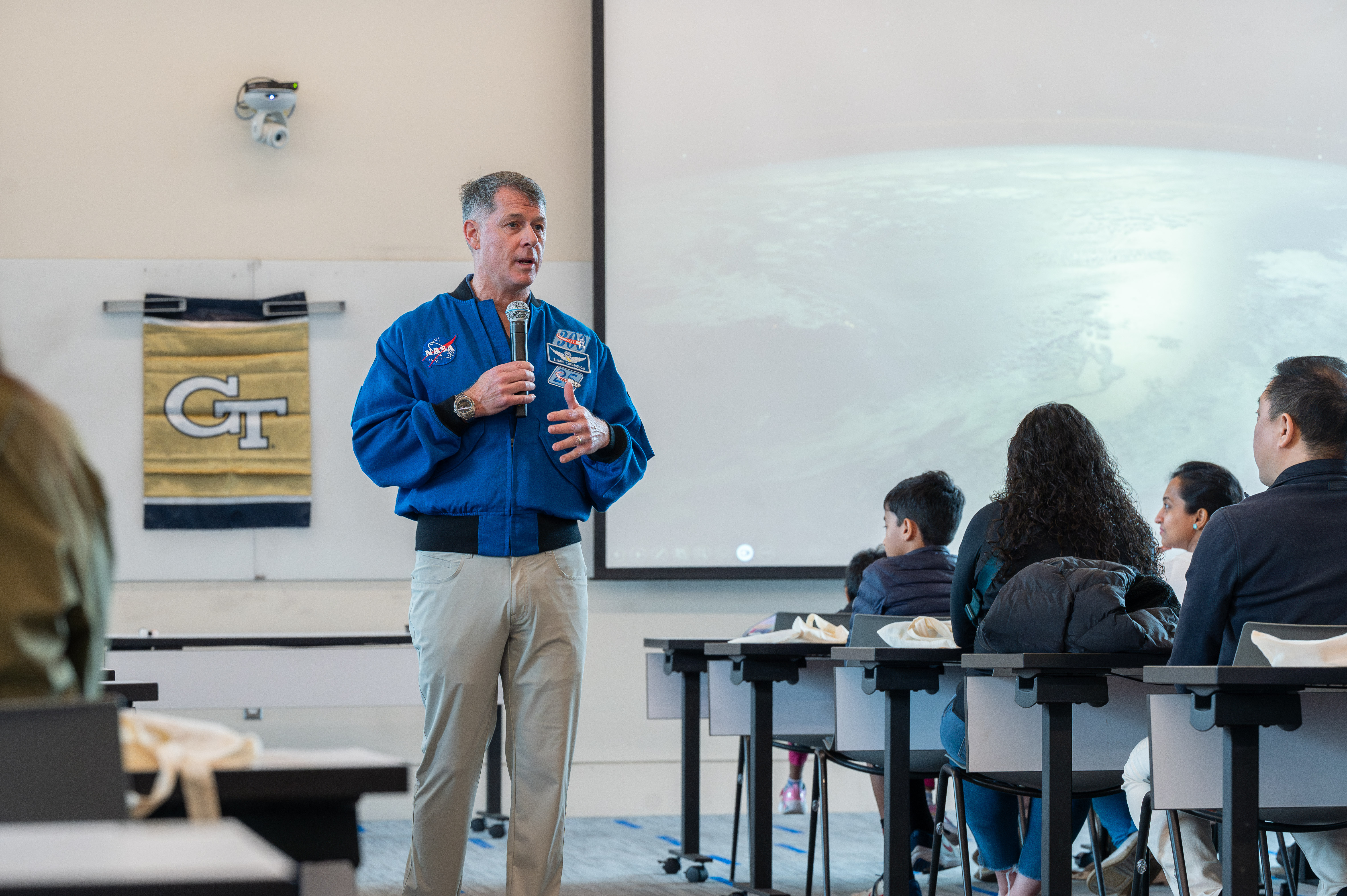
Former astronaut and Tech Alumnus Shane Kimbrough described what it was like to live and work in space to a packed crowd at Science and Engineering Day. (Credit: Joya Chapman)
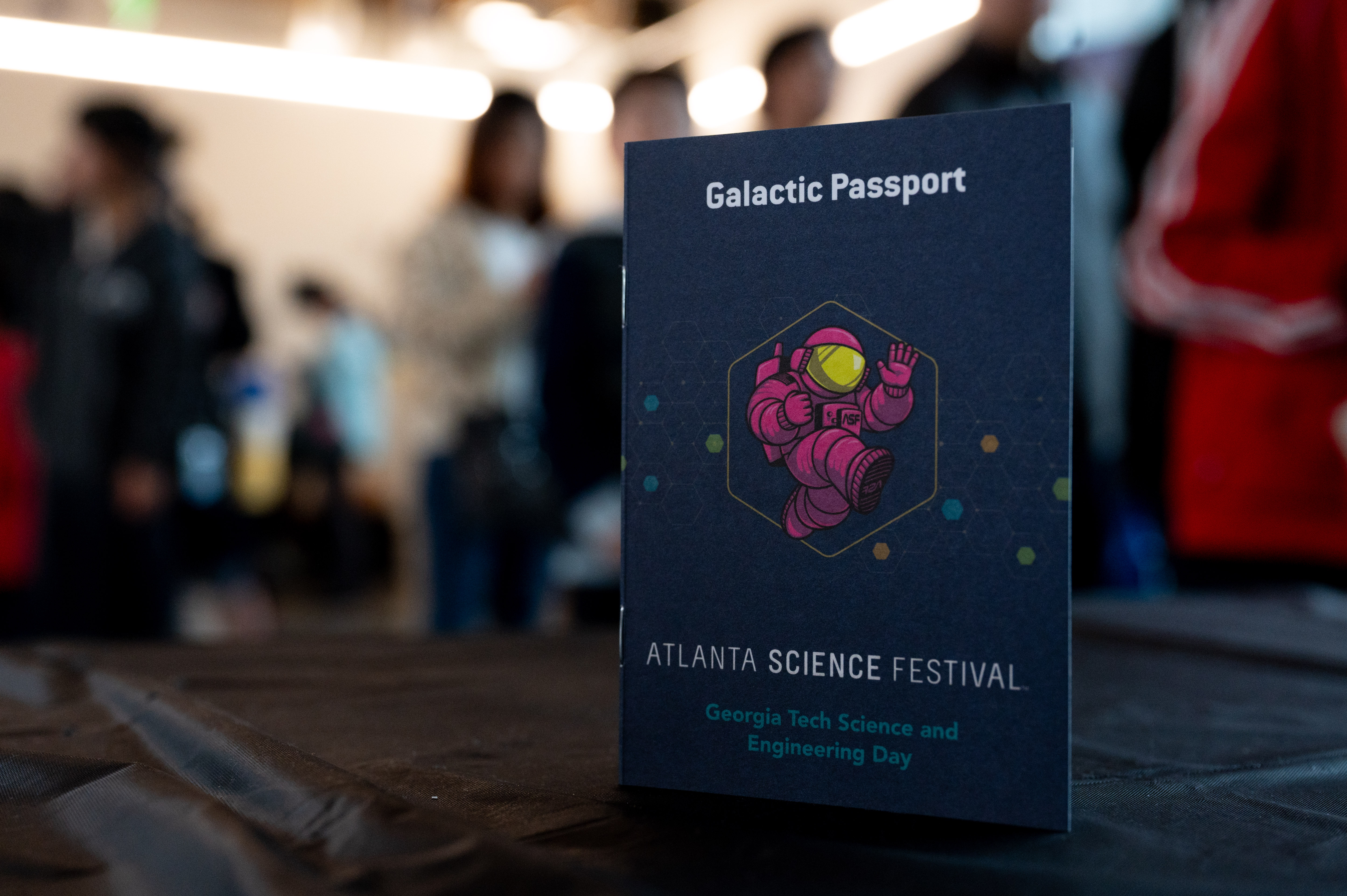
The Atlanta Science Festival Galactic Passport that visitors used to navigate their explorations around Georgia Tech's campus (Credit: Joya Chapman)
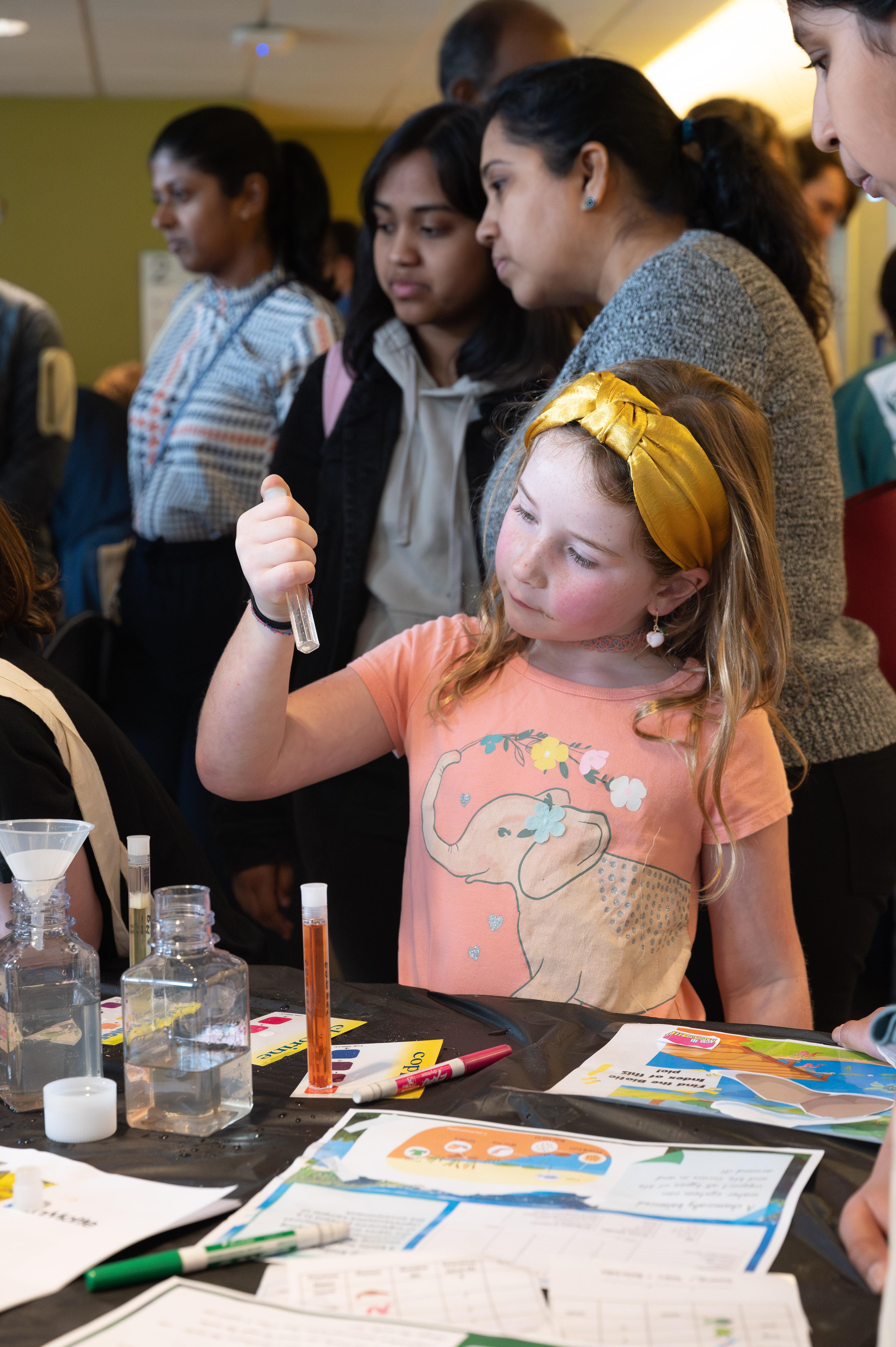
This guest at Science and Engineering Day examines tiny living organisms in a test tube. (Credit: Joya Chapman)
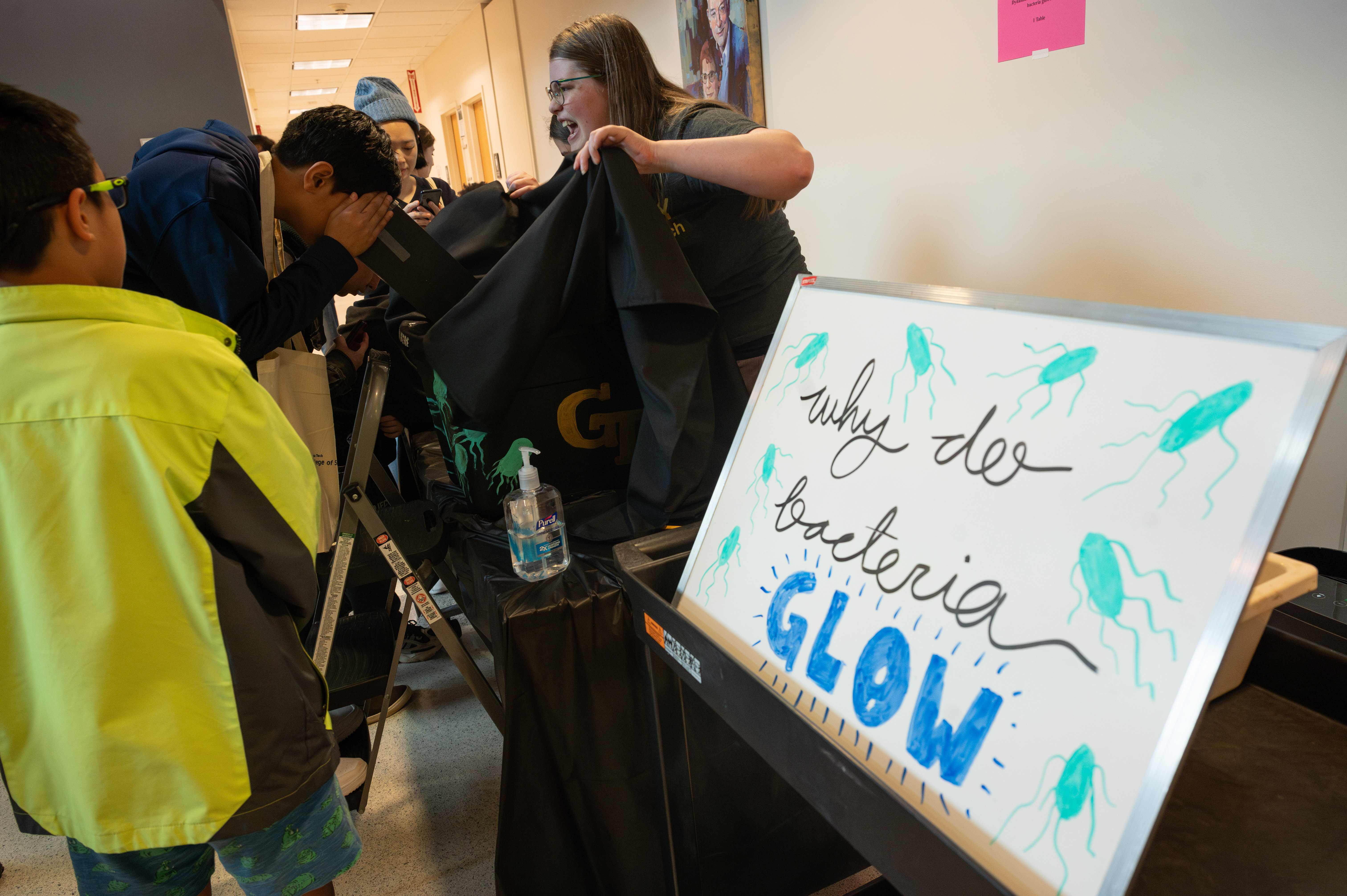
A budding scientist examines bioluminescent bacteria under a microscope. (Credit: Joya Chapman)
Shelley Wunder-Smith, Institute Communications
Universal Controller Could Push Robotic Prostheses, Exoskeletons Into Real-World Use
Mar 20, 2024 —

Researcher Aaron Young makes adjustments to an experimental exoskeleton worn by then-Ph.D. student Dean Molinaro. The team used the exoskeleton to develop a unified control framework for robotic assistance devices that would allow users to put on an "exo" and go — no extensive training, tuning, or calibration required. (Photo: Candler Hobbs)
Robotic exoskeletons designed to help humans with walking or physically demanding work have been the stuff of sci-fi lore for decades. Remember Ellen Ripley in that Power Loader in Alien? Or the crazy mobile platform George McFly wore in 2015 in Back to the Future, Part II because he threw his back out?
Researchers are working on real-life robotic assistance that could protect workers from painful injuries and help stroke patients regain their mobility. So far, they have required extensive calibration and context-specific tuning, which keeps them largely limited to research labs.
Mechanical engineers at Georgia Tech may be on the verge of changing that, allowing exoskeleton technology to be deployed in homes, workplaces, and more.
A team of researchers in Aaron Young’s lab have developed a universal approach to controlling robotic exoskeletons that requires no training, no calibration, and no adjustments to complicated algorithms. Instead, users can don the “exo” and go.
Their system uses a kind of artificial intelligence called deep learning to autonomously adjust how the exoskeleton provides assistance, and they’ve shown it works seamlessly to support walking, standing, and climbing stairs or ramps. They described their “unified control framework” March 20 in Science Robotics.
“The goal was not just to provide control across different activities, but to create a single unified system. You don't have to press buttons to switch between modes or have some classifier algorithm that tries to predict that you're climbing stairs or walking,” said Young, associate professor in the George W. Woodruff School of Mechanical Engineering.
Get the full story on the College of Engineering website.
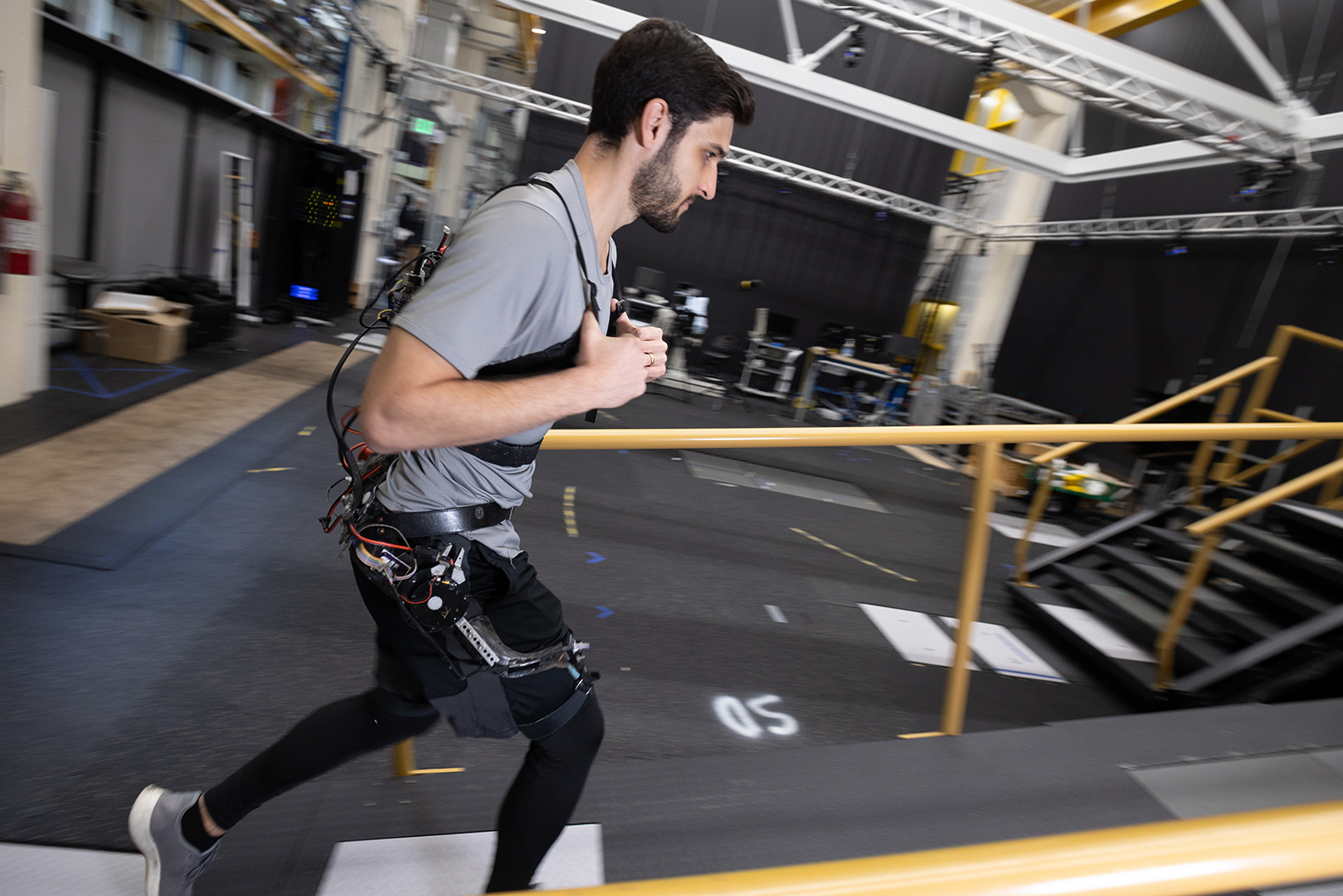
Dean Molinaro walks up an adjustable ramp while wearing an experimental exoskeleton, demonstrating how the team collected data in their effort to develop a unified control framework for robotic assistance devices. (Photo: Candler Hobbs)
Joshua Stewart
College of Engineering
Physicist Rick Trebino Awarded Optica R.W. Wood Prize
Mar 15, 2024 —

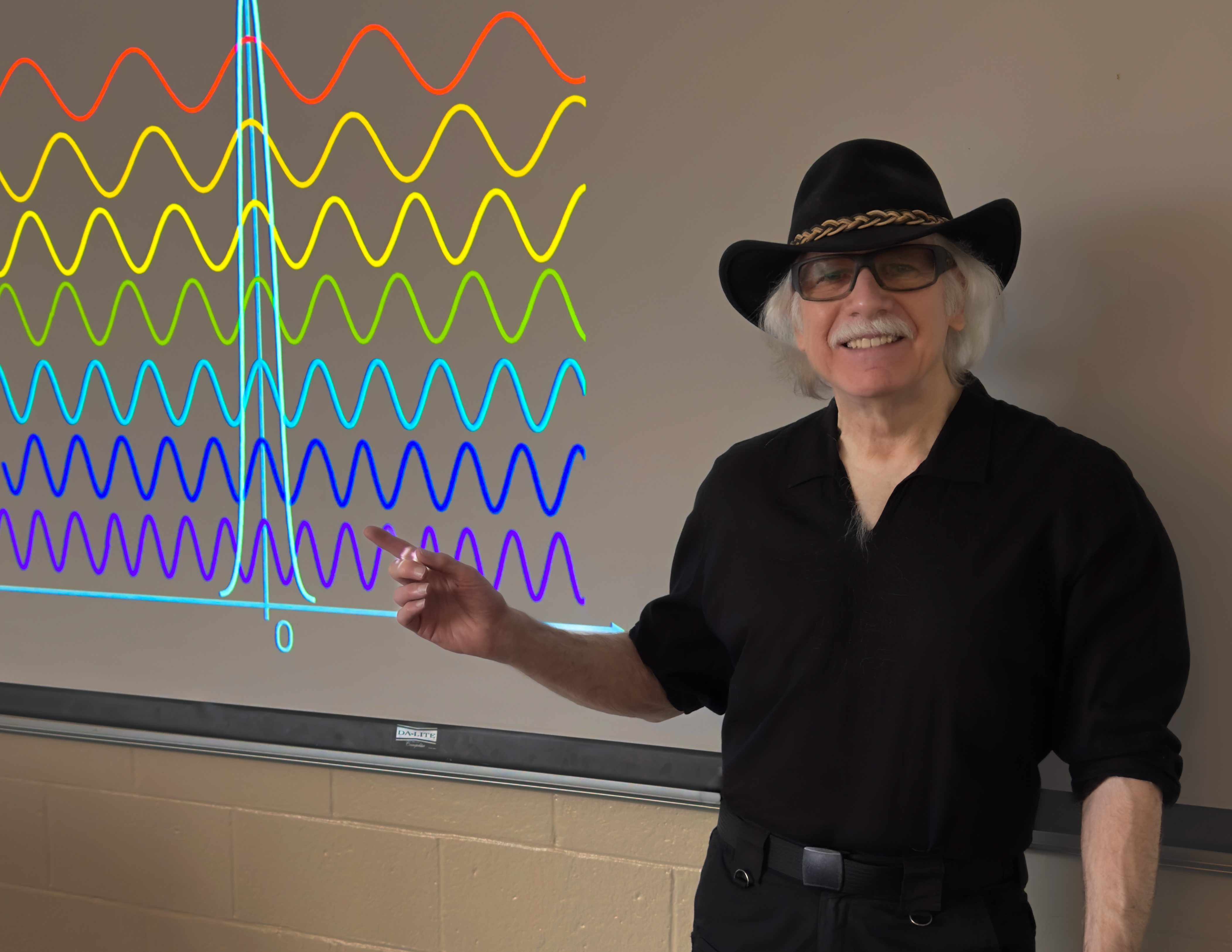
School of Physics Professor Rick Trebino
School of Physics Professor Rick Trebino has received the 2024 R.W. Wood Prize in recognition of his invention and development of techniques for the complete and rigorous measurement of ultrashort laser pulses. The R.W. Wood Prize is presented by Optica, (formerly OSA), Advancing Optics and Photonics Worldwide, in recognition of an outstanding discovery, scientific, or technical achievement or invention in the field of optics.
”I’m ecstatic to receive this recognition from Optica,” said Trebino, who serves as the Eminent Scholar Chair of Ultrafast Optical Physics in the School of Physics at Georgia Tech. “The vast majority of science’s greatest discoveries have resulted directly from more powerful techniques for measuring light, so I decided to devote my career to this important field, and it’s very satisfying to receive this honor for my work."
Ultrashort pulses are brief bursts of light, millionths of billionths of a second long — the shortest technological events ever created. Trebino’s techniques for measuring them have made possible a host of new research and technology applications in many areas, including the fundamental studies of matter and micro-material processing.
Trebino has pioneered ultrashort-pulse measurement techniques for over three decades. In 1991, he invented the frequency-resolved optical gating (FROG) technique, the first method for completely measuring arbitrary ultrashort light pulses in time. It took pulse measurement from blurry black-and-white artifact-ridden snapshots to high-resolution full-color images. The FROG technique remains the gold standard in ultrashort pulse measurement and is used worldwide in physics, chemistry, engineering, biomedical, and telecommunications applications.
More recently, Trebino has developed devices for measuring pulses with ever shorter and ever more complex temporal — and also spatial — variations. Thanks in large part to Trebino’s techniques, these exotic light pulses have become much better understood and hence much shorter, more stable, and much more useful. His devices have also played key roles in work resulting in several recent Nobel Prizes.
Rick Trebino received his Ph.D. in Applied Physics from Stanford University and joined Georgia Tech in 1998 after having worked at Sandia National Laboratories. He has received numerous other awards and is a Fellow of four international scientific societies, including Optica, the American Physical Society, the American Association for the Advancement of Science, and SPIE: the international society for optics and photonics.
Learn more about Trebino’s Ultrafast Optics Research Group here: frog.gatech.edu
About Optica
Optica (formerly OSA), Advancing Optics and Photonics Worldwide, is the society dedicated to promoting the generation, application, archiving, and dissemination of knowledge in the field. Founded in 1916, it is the leading organization for scientists, engineers, business professionals, students, and others interested in the science of light. Optica’s renowned publications, meetings, online resources, and in-person activities fuel discoveries, shape real-life applications, and accelerate scientific, technical, and educational achievement.
School of Physics Professor Rick Trebino
Writer: Lindsay C. Vidal
Assistant Communications
Director College of Sciences
Georgia AIM welcomes new managing director for industry partnerships
Mar 15, 2024 —

Steven Ferguson, principal research scientist with the Georgia Tech Manufacturing Institute, named managing director of the Georgia Artificial Intelligence in Manufacturing (Georgia AIM) leadership team.
A new member of the Georgia Artificial Intelligence in Manufacturing (Georgia AIM) leadership team will serve as a key connector between industry and Georgia AIM innovations and workforce development programs.
Steven Ferguson, who begins March 16 as a principal research scientist with the Georgia Tech Manufacturing Institute, comes to Georgia AIM from the Technical College System of Georgia (TCSG). In his previous role, Ferguson served as chief information officer, where he led information technology, research, innovation, and data enterprises across Georgia’s technical colleges.
Now, Ferguson will leverage his experience working in technical education and workforce development to connect with Georgia companies. In this new role, he will also be the executive director of the Georgia Tech Manufacturing 4.0 Consortium. This new collaborative within Georgia AIM gives manufacturers exclusive access to emerging technologies at Georgia Tech’s Advanced Manufacturing Pilot Facility.
“I’m excited to join the team at Georgia Tech as I will get to work extremely close with both manufacturers and the research community,” said Ferguson. “For years, I’ve helped translate knowledge gained through research into hands-on training for the workforce. Now, I get to dedicate my time to that — I’m committed to working hand-in-hand to bridge the knowledge gap and get cutting-edge technology to Georgia’s manufacturers.”
Ferguson said one of his passions is serving the incumbent workforce — specifically, employees who have significant on-the-job experience. This will be key in his new role with the Manufacturing 4.0 Consortium, Ferguson said, as he can work closely with manufacturers to better understand their current and future workforce needs.
Addressing gaps in the workforce is also a main goal for Georgia AIM, which is working to connect artificial intelligence to manufacturers across the state. Automation, collaborative robots, sensors, and data collection are all part of smart technologies revolutionizing manufacturing. But a trained workforce is essential in order to implement these changes.
After a long and successful career with TCSG, Ferguson said he is eager to tackle the challenges and opportunities that lie ahead with Georgia AIM.
“To truly integrate AI technology into manufacturing, we need to ensure that the incumbent workforce is not just familiar but comfortable with these advancements,” he said. “While manufacturing inherently focuses on production, our aim is to make technology a fundamental aspect of this sector’s growth and evolution.”
Video Illustrates Interactive Tech Created to Help Understand Dolphin Communication
Mar 14, 2024 —

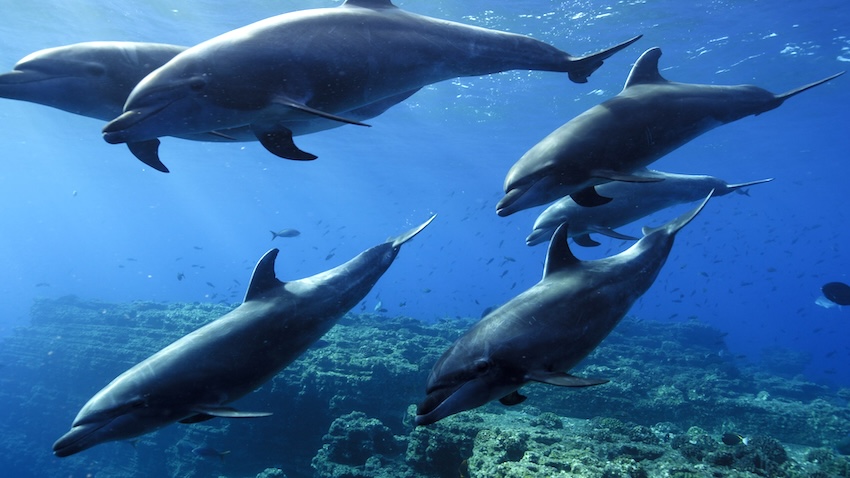
Computers and dolphins don’t typically occupy the same space. However, Georgia Tech researchers and marine biologists from the Wild Dolphin Project have been swimming with the two for more than a decade.
The Wild Dolphin Project is the world’s longest-running underwater dolphin research project, and this week, the organization is celebrating its 40th anniversary.
Georgia Tech is marking the occasion with a fun and engaging video illustrating the interactive computing technology its researchers have created to help marine biologists studying dolphin behavior and communication in the open ocean.
Referred to as the “Jane Goodall of the sea” by National Geographic, Denise Herzing is the founder and research director of the Wild Dolphin Project. She and Georgia Tech College of Computing Professor Thad Starner began collaborating in 2011 on interactive technologies to aid the project’s study of a specific pod of Atlantic spotted dolphins.
The initial CHAT (cetacean hearing augmented telemetry) device developed by Starner’s Contextual Computing Group was a large chest-worn submersible computer that produced and recorded sounds underwater. Fast forward to today and CHAT is now two smaller units that fit on the chest and wrist.
CHAT works by having two marine biologists wear both units while swimming with the dolphins. The wrist device emits dolphin-like whistle sounds, while the chest device includes a hydrophone to detect and record sounds. The researchers made up the sounds to designate items they handle while in the water.
The Georgia Tech video features an animated example of marine biologists passing a red scarf back and forth while triggering the designated sound for the scarf.
“The hope is that the dolphins watching all of this can figure out the social context and repeat that sound to ask for the scarf,” said Scott Gilliland, CHAT developer and Georgia Tech senior research scientist.
“If that happens, it means that our dolphins can mimic one word in our tiny, made-up language.”
Gilliland and Starner continue to push CHAT forward to ensure the team captures this breakthrough when it happens. They are now collecting auditory field data to optimize their machine-learning model for identifying dolphin sounds in the open ocean.
Ultimately, they expect CHAT to recognize if a dolphin repeats one of the preset sounds in real-time. The advanced system will notify researchers in the water of this event through bone-conducting headphones paired with CHAT.
“Discoveries in dolphin cognition will serve to further elevate the status of all animals on the planet and help us define our relationship with them,” says Herzing, affiliate assistant professor at Florida Atlantic University.
CHAT is an ongoing collaboration between Herzing and Starner’s Contextual Computing Group. The Wild Dolphin Project is a Florida-based nonprofit research organization.

Ben Snedeker, Communications Mgr.
Georgia Tech College of Computing
albert.snedeker@cc.gatech.edu
Shreyes Melkote Wins Research Engagement Award
Mar 14, 2024 —

Shreyes Melkote holds the Morris M. Bryan, Jr. Professorship in Mechanical Engineering in the George W. Woodruff School of Mechanical Engineering. Melkote also serves as the associate director for the Georgia Tech Manufacturing Institute.
Shreyes Melkote, who holds the Morris M. Bryan, Jr. Professorship in Mechanical Engineering in the George W. Woodruff School of Mechanical Engineering, was recently honored with the Georgia Institute of Technology’s outstanding achievement in research engagement and outreach award. The annual award is given by Georgia Tech’s Office of the Executive Vice President for Research.
Melkote was nominated for his contributions to building and growing industry partnerships through the Georgia Tech-Boeing University Innovation Program and the Novelis Innovation Hub at Georgia Tech.
“Shreyes has invested considerable time and effort to build enduring professional relationships with these industry partners which has ensured that the partnerships deliver long-term benefits to Georgia Tech faculty and students in their research and educational endeavors while enabling external partners to achieve their current and future technology and workforce development objectives,” said Devesh Ranjan, Eugene C. Gwaltney, Jr. School Chair.
More than 169 graduate students and 81 undergraduate students along with several post-doctoral students, visiting scholars, and research engineers have benefited from industry support in programs led and fostered by Melkote.
Melkote also serves as the associate director for the Georgia Tech Manufacturing Institute (GTMI). GTMI is Georgia Tech's interdisciplinary research institute tackling the challenges facing manufacturers and helping to ensure future global competitiveness. Recently, Georgia Tech’s advanced manufacturing pilot facility managed by GTMI is supporting a statewide initiative that combines artificial intelligence and manufacturing innovations with transformational workforce and outreach programs called Georgia AIM.
“Shreyes has a passion for initiating collaborative industry and student partnerships that address strategic challenges faced by industry,” said Thomas Kurfess, chief manufacturing officer of the Georgia Institute of Technology and the executive director of GTMI. "He is an important part of Georgia Tech’s advanced manufacturing leadership helping to make the U.S. more globally competitive by engaging our best students and offering them valuable industry insight with world-class companies.”
Walter Rich
Georgia Tech Receives Industrial Efficiency and Decarbonization Grants
Mar 14, 2024 — Atlanta, GA

From Left to Right: Carson Meredith, Valerie Thomas, Tim Lieuwen
In January, Georgia Tech researchers were awarded three grants as a part of the Department of Energy’s Industrial Efficiency and Decarbonization multi-topic funding. The awards include 49 high-impact, applied research, development, and pilot-scale technology validation and demonstration projects that will reduce energy usage and greenhouse gas emissions in conjunction with cross-sector industrial decarbonization approaches.
The Georgia Tech funding includes a project, in the topic area of Decarbonizing Forest Products, on innovative refining, paper forming, and drying to eliminate CO2 emissions from paper machines. Funded at $3.1 million, the project is led by Carson Meredith, professor and James Harris Faculty Fellow in the School of Chemical and Biomolecular Engineering and executive director of the Renewable Bioproducts Institute (RBI). Collaborators include co-PI Cyrus Aidun, professor of mechanical engineering; Patritsia Stathatou, research scientist at RBI; and Aruna Weerasakura, senior research engineer. External collaborators include Fort Valley State University, the National Renewable Energy Laboratory, and several RBI member companies.
Meredith’s project focuses on decarbonization in energy-intensive drying, paper forming, and pulping processes and will combine recent deflocculation breakthroughs in fiber refining with low-water, multiphase paper forming. The innovations will facilitate the cost-effective implementation of advanced electrical drying technologies in the paper industry. By taking advantage of the increasing fraction of non-fossil electricity in the U.S., electrified drying, if implemented partially (50%), has the potential to reduce the generation of non-biogenic emissions by over 10 million metric tons of CO2e annually.
"I am excited because the new project will utilize the multiphase forming laboratory that is under construction in the Paper Tricentennial Building, representing the first major expansion in lab space there since the 1990s,” said Meredith.
Valerie Thomas, the Anderson-Interface Chair of Natural Systems and professor of industrial and systems engineering and public policy, is a co-PI in a $1.45 million project titled “Mild Co-Solvent Pulping to Decarbonize the Paper and Forest Products Sector,“ led by the University of California, Riverside.
Thomas’ project, also under the topic area of Decarbonizing Forest Products, aims to enhance Co-solvent Enhanced Lignocellulosic Fractionation (CELF) technology into a more environmentally sustainable alternative to traditional kraft pulping. CELF technology will be applied to optimize the production of dissolving pulp used in the manufacturing of extruded textile fibers and will also produce dissolving lignin as a by-product that can serve as a natural resin binder or a renewable ingredient for producing industrial adhesives and binders. This technology has the potential to reduce carbon intensity by 50 – 75% and operating costs by 10 – 20%.
Tim Lieuwen, David S. Lewis Jr. Chair and professor in aerospace engineering and executive director of the Strategic Energy Institute, along with Vishal Acharya, principal research engineer and Benjamin Emerson, principal research engineer at Georgia Tech is a co-PI in a $3.25 million project titled “Omnivore Combustion System,” led by GTI Energy, an Illinois-based technology company.
Lieuwen’s project, under the topic area of Low-Carbon Fuels Utilization R&D, will design and demonstrate a scaled, adaptable omnivore combustion system (OCS) that can accommodate a continuously varying blend of low-carbon fuels with ultra-low nitrous oxide emissions, including natural gas-hydrogen blends, syngas, and biogas. The project will demonstrate a full-scale OCS for at least 100 hours and will focus on three aspects — improving performance, operation stability and safety, and fuel flexibility — and can potentially be used for industrial furnace applications in high carbon-emitting industries.
“The industrial sector is large in both its significance for our economy and its negative climate impacts, and each of these projects addresses significant challenges for the decarbonization of this critical sector,” Lieuwen said.
The projects are part of DOE’s Technologies for Industrial Emissions Reduction Development (TIEReD) Program, which invests in fundamental science, research, development, and initial pilot-scale demonstrations projects to decarbonize the industrial sector — currently responsible for a third of the nation’s greenhouse gas emissions.
Priya Devarajan || Research Programs Communications Manager || RBI || SEI
Bakir Named Director of the Packaging Research Center
Mar 13, 2024 —

Muhannad Bakir has been named director of the Institute for Electronics and Nanotechnology’s 3D Systems Packaging Research Center (PRC).
"We’re thrilled to have Professor Bakir joining us as the new director,” said Michael Filler, IEN’s interim executive director. “His wealth of experience and pioneering work in advanced packaging make him an excellent fit to lead the PRC into an exciting new era of innovation and technological impact.”
Originating as a National Science Foundation Engineering Research Center in 1993, the PRC is a national leader in the advanced packaging of microelectronics. Advanced packaging in microelectronics refers to innovative techniques for merging and interconnecting multiple components within a single electronic entity. This enables more powerful, efficient, and versatile microelectronic systems, driving innovation across various industries. The Center conducts research and education in all aspects of electronics packaging, including design, materials, process, assembly, thermal management, and system integration. Its work is driven by a wide range of applications, such as high-performance computing, artificial intelligence, automotive systems, wireless communications, and space exploration.
“I am honored for the opportunity to lead the PRC and look forward to working with the campus community and our industry, government, and academic partners on a research agenda that tackles the multifaceted challenges in advanced packaging and heterogeneous integration,” said Bakir.
As director, Bakir will guide the PRC into the future of advanced packaging through his vision and expertise. He is responsible for ensuring that the PRC's world-class facilities support the emerging needs of advanced packaging of microelectronics and supports members of the campus community who uses these facilities.
“We are excited to lead the science and engineering that culminates in system level prototyping and demonstrators for AI, mm-wave, photonic systems, and beyond,” he said.
Bakir, who also serves as the Dan Fielder Professor in the School of Electrical and Computer Engineering and leads the Integrated 3D Systems Group, brings a wealth of experience to his new role as PRC director. He and his research group have received more than 30 paper and presentation awards including seven from the IEEE Electronic Components and Technology Conference, four from the IEEE International Interconnect Technology Conference, and one from the IEEE Custom Integrated Circuits Conference. His group was also awarded the 2014 and 2017 Best Papers of the IEEE Transactions on Components Packaging and Manufacturing Technology.
Bakir is the recipient of the 2013 Intel Early Career Faculty Honor Award, 2012 DARPA Young Faculty Award, 2011 IEEE CPMT Society Outstanding Young Engineer Award, and was an Invited Participant in the 2012 National Academy of Engineering Frontiers of Engineering Symposium. He is the co-recipient of the 2018 IEEE Electronics Packaging Society Exceptional Technical Achievement Award “for contributions to 2.5D and 3D IC heterogeneous integration, with a focus on interconnect technologies.” He is also the co-recipient of the 2018 McKnight Foundation Technological Innovations in Neuroscience Awards. In 2020, Bakir received the Georgia Tech Outstanding Doctoral Thesis Advisor Award.
He serves as a senior area editor for the IEEE Transactions on Components, Packaging and Manufacturing Technology and was previously an Editor for IEEE Transactions on Electron Devices. He has also served as a distinguished lecturer for IEEE EPS.
Amelia Neumeister
Research Communications Program Manager