Georgia Tech and Emory Researchers Win Award for Arrhythmia Research

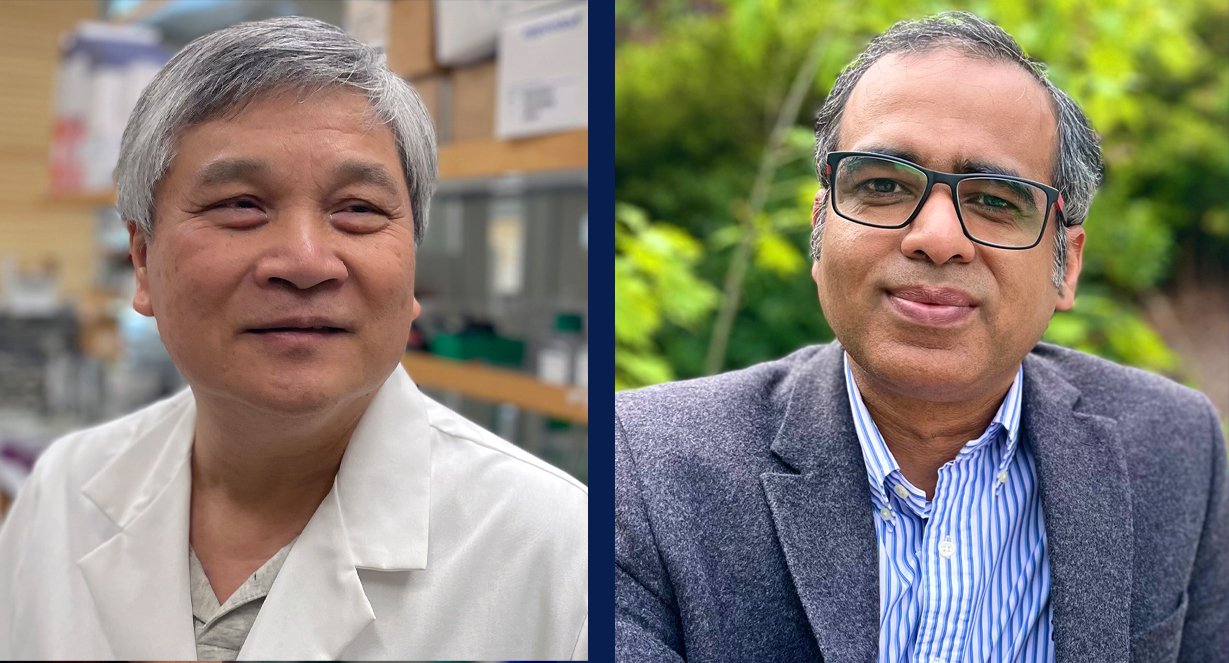
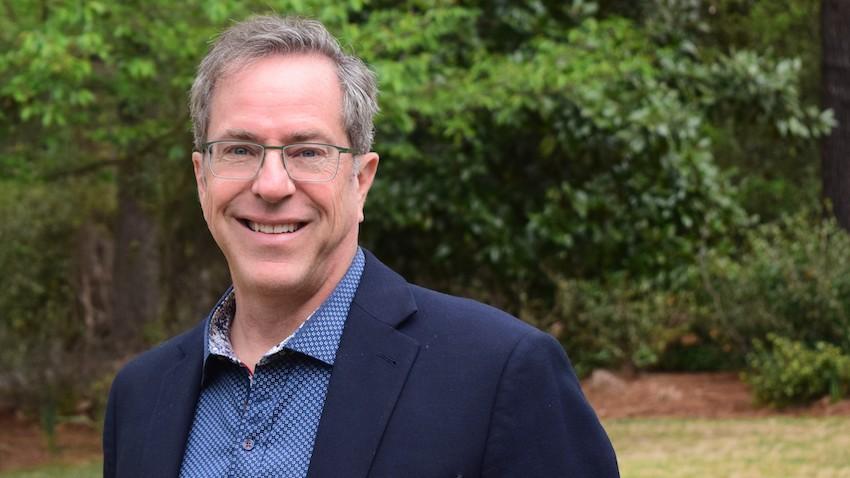
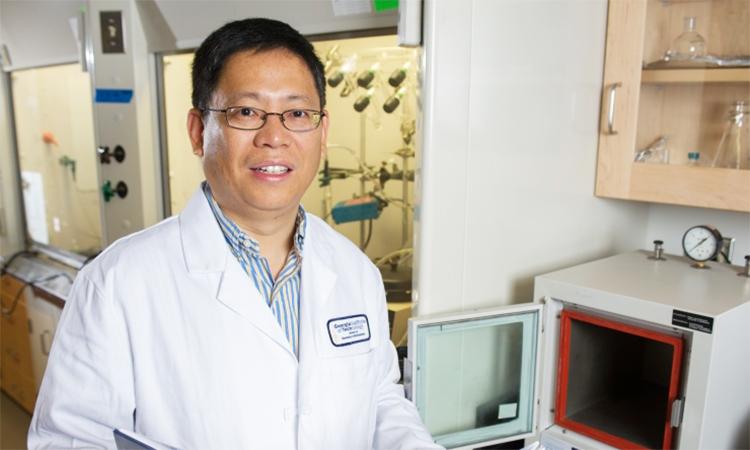
Flavio Fenton and Neal Kumar Bhatia receive award.

Flavio Fenton and Neal Kumar Bhatia receive award.

Electrical signals make the heart  contract, but when those normal signals are disturbed, they can develop spiral waves that can lead to dangerous cardiac arrhythmias. 

Georgia Institute of Technology and Emory University researchers have received a 2023 Georgia Clinical & Translational Science Alliance (CTSA) award. The collaborators received the Team Science Award of Distinction for Early Stage Research for their recent work using live explanted human hearts to better understand arrhythmias.

The award recognizes multidisciplinary research, with a winning team comprised of Georgia Tech physicists and Emory electrocardiologists and cardiac surgeons. The team is led by Flavio Fenton, a professor in the School of Physics, and Neal Kumar Bhatia, an assistant professor of medicine at Emory.

The work captures high-resolution visualizations of the spiral waves that create arrhythmias from live human hearts taken from recent transplant patients. This access brings a new understanding to deadly arrhythmias such as tachycardia and fibrillation.

“This highly interdisciplinary study requires extremely diverse expertise and thus could not be done without a strong collaboration among cardiologists, physicists, and computational scientists,” Fenton said. “This award recognizes the great partnership we have between Emory and Georgia Tech that has allowed us to investigate live human hearts in the laboratory.”

The Emory team includes Shahriar Iravanian, M.D.; Michael Burke, M.D.; Faisal M. Merchant, M.D.; Anand D. Shah, M.D.; Mikhael F. El-Chami, M.D.; Mani Daneshmand, M.D.; and David Vega, M.D. The Georgia Tech group consists of School of Computational Science and Engineering Associate Professor Elizabeth Cherry, physics Research Scientist Ilija Uzelac, and graduate students Henry Chionuma and Mikael Toye.

“This award also acknowledges the potential of these studies for clinical applications and for improving patient treatments,” Fenton said.

 
News Contact

Tess Malone, Senior Research Writer/Editor

DOE Recognizes Georgia Tech Researchers With Prestigious Early Career Awards

Itamar Kimchi and Sourabh Saha

Two Georgia Tech assistant professors are among the recipients of this year’s Early Career Research Program (ECRP) grants from the U.S. Department of Energy (DOE). Itamar Kimchi, in the School of Physics, and Sourabh Saha, in the George W. Woodruff School of Mechanical Engineering, have each been awarded $875,000 over five years to pursue research on the role of entanglement in quantum materials and manufacturing cost-effective fuel capsules for fusion energy, respectively.

The Department of Energy has funded these early career awards since 2010, and this year distributed $138 million to 91 scientists nationwide. These awards are critical to DOE’s long-standing efforts to develop the next generation of STEM leaders and solidify America’s role as the driver of science and innovation. 

“Investing in cutting-edge research and science is a cornerstone of DOE's mission and essential to maintaining America’s role as a global innovation leader,” said U.S. Secretary of Energy Jennifer M. Granholm.

Itamar Kimchi

Kimchi’s research in quantum theory explores the role of entanglement in strongly correlated quantum materials, which have potential applications in quantum computers, sensors, and solid-state devices. His work addresses the challenges posed by defects and quenched disorder in these materials. 

Kimchi’s project aims to construct theoretical models to describe novel behaviors, particularly in quantum spin liquid (QSL) phases of magnetic insulators. The research seeks to demonstrate the transformation of QSLs from weak disorder, predict defect effects in QSLs, and collaborate with experimental labs to address the dichotomy between global and local experimental probes in materials with local defects.

The ECRP award will support Kimchi’s efforts to develop theoretical frameworks that guide new concepts and experimental probes — and to uncover how crystallographic defects can identify, generate, and control emergent quantum behavior, contributing to next-generation technologies for energy applications.

“Quantum sciences and technologies are becoming increasingly important for U.S. interests, as seen in the National Quantum Initiativethe CHIPS and Science Act, and other efforts,” said Kimchi. “Together with my research group, we are delighted to be supported by the Department of Energy and to join its extraordinary network of researchers, which enables us to pursue these challenges in understanding and using quantum materials.” 

Sourabh Saha

Saha’s research focuses on generating novel, advanced manufacturing capabilities that will massively reduce the cost of fabricating fuel capsules for inertial fusion energy. Nuclear fusion is the mechanism that powers the sun and generates the sunlight received on Earth. Fusion can be a clean, safe, abundant, and reliable source of electricity, but controlling it on Earth is a major challenge. 

Inertial fusion is one way to achieve and control fusion. This requires holding the nuclear fuel within pea-sized capsules, called targets, that are manufactured to extreme precision. For fusion to be a cost-effective source of electricity, the expense of producing these fuel capsules must be reduced from tens of thousands of dollars to less than a dollar. This is where Saha’s work lies: in enabling new ways of making the fuel capsules, cost-effectively and precisely.    

The ECRP award will allow Saha to focus on advancing the scientific knowledge base for scalable manufacturing of fusion targets. Generally, manufacturing scale-up is perceived as a late-stage engineering activity that can be postponed until a technology’s scientific underpinnings have been determined. But this perception has also often led to the underfunding of manufacturing science research. 

Saha believes that to solve many of engineering’s current grand challenges, the science of manufacturing scale-up should be considered early on — and in concert with researching other aspects of a technology. 

“The DOE award allows our group to do precisely this kind of research in the area of fusion energy. I am humbled to be able to work on one of the most challenging but worthwhile problems of our time,” Saha said.

Early Career Program awardees in this round of funding were required to be an untenured assistant or associate professor on the tenure track at a U.S. academic institution, or a full-time employee at a DOE national laboratory or Office of Science user facility who received their Ph.D. within the past 12 years. A list of the 91 recipients, their institutions, and the titles of their research projects is available on the ECRP website.


Previous Georgia Tech Recipients of DOE Early Career Grants

Wenjing Lao, associate professor, School of Mathematics

Ryan Lively, Thomas C. DeLoach Professor, School of Chemical & Biomolecular Engineering

Devesh Ranjan, Eugene C. Gwaltney Jr. School Chair and professor, Woodruff School of Mechanical Engineering

 
News Contact

Shelley Wunder-Smith
Director of Research Communications

Georgia AIM Week Kicks Off with Mobile Studio Launch

Georgia AIM mobile studio on display.

The Georgia AIM Mobile Studio is being deployed across the state of Georgia as part of the Underserved Entrepreneurship Activation project. It works to expose new audiences, particularly in rural and Black communities, to AI manufacturing, allowing for the exploration of ideas, careers, and entrepreneurship in a growing, high-demand sector. The Russell Innovation Center for Entrepreneurs (RICE), in close partnership with the University of Georgia, KITTLABS, and Technologists of Color, engaged its network to develop and deploy the Georgia AIM Mobile Studio.

A series of events across Georgia, starting with a kickoff event at the Georgia Institute of Technology in Atlanta, will highlight the use of artificial intelligence (AI) in manufacturing and how it can transform communities and jobs. 

Georgia AIM Week, which takes place Sept. 30 – Oct. 4, is hosted by Georgia Artificial Intelligence in Manufacturing (Georgia AIM). The week kicks off at Georgia Tech's John Lewis Student Center with the debut of the Georgia AIM Mobile Studio. The vehicle will tour the state during the week to showcase how a wide range of organizations, including public schools, manufacturers, and technology startups, are using AI. The week will conclude on Oct. 4, National Manufacturing Day, at the University of Georgia in Athens. 

Funded by a $65 million federal Economic Development Administration grant, Georgia AIM launched in September 2022 and connects 16 projects across the state, all working to develop a manufacturing workforce skilled in smart technologies and to deploy innovation in the manufacturing industry. Georgia AIM is one of the largest federally funded initiatives of its kind in the country to connect economic development with AI in manufacturing to foster advancements in innovation and workforce development. The grant project is led by Georgia Tech's Enterprise Innovation Institute.

“Georgia AIM Week allows us to showcase the incredible work that we have accomplished in partnership with a range of organizations over the last two years,” said Donna Ennis, Georgia AIM co-director. “Artificial intelligence and smart technologies are a game-changer for small and medium manufacturers, and learning these technologies opens doors for our workforce. Georgia AIM is working across the state to ensure Georgia can take advantage of these new technologies, and Georgia AIM Week is highlighting these efforts.”

Along with the kickoff and wrap-up events, Georgia AIM Week events will occur in Atlanta, Augusta, Dawsonville, LaGrange, McDonough, Moultrie, Savannah, and Warner Robins. Virtual “Hour of Coding” activities for 6th to 12th graders are also planned from noon to 1 p.m. each day that week. 

Manufacturing-focused events will be hosted by the Georgia MBDA Business Center, Georgia Manufacturing Extension Partnership, and the Advanced Manufacturing Pilot Facility located at Georgia Tech.

Georgia AIM’s work across the state includes K-12 initiatives to connect STEM and problem-solving activities to students, new labs and equipment at Technical College System of Georgia campuses, a new program for cybersecurity training at the Cyber Innovation & Training Center with Augusta University, and new workforce development programs that include training and apprenticeships and fellowships that align with local manufacturing needs. Overall, more than 3,000 students and 1,500 teachers in K-12 schools have connected with new science-based challenges. New programs are connecting Southwest Georgia career academies to advanced technologies, and the number of robotics programs for K-12 schools in Middle Georgia has doubled. 

Georgia AIM funding created the AI-Enhanced Robotics Center at the Veterans Education Career Transition Resource (VECTR) Center in Warner Robins, where 24 students have received AI-Enhanced Robotic Manufacturing Specialist technical training certificates. Georgia AIM has also connected with dozens of manufacturers and communities across the state, assisting with technology implementation and pilot projects to help incorporate smart technologies.

About Georgia AIM
Funded by a $65 million grant from the federal Economic Development Administration, Georgia AIM is a network of projects across the state that connect the manufacturing community with AI and smart technologies and a ready workforce. Georgia AIM works across all geographies and demographics to bring traditionally underrepresented participants to manufacturing spaces, specifically rural residents, women, people of color, veterans, and those without a college degree. Georgia AIM projects include K-12 education, Georgia’s universities and technical colleges, workforce education, regional partnerships, nonprofits, and support for emerging technologies and manufacturers.

For more information on Georgia AIM, please visit georgiaaim.org.

 
News Contact

Kristen Morales
706.206.3055
kristen.morales@innovate.gatech.edu

The Impact of Data Augmentation: Georgia Tech Researchers Lead NSF Study

Vidya Muthukumar and Eva Dyer

Vidya Muthukumar and Eva Dyer have formed a research partnership that may lead tohuman-centered, and human-like artificial intelligence. Photo by Jerry Grillo

In the past year, Georgia Tech researchers Vidya Muthukumar and Eva Dyer have made a powerful impression on the National Science Foundation (NSF), forging partnerships between their labs and the foundation that may ultimately lead to more efficient, equitable, human-centered, and human-like artificial intelligence, or AI.

Working at the forefront of research in AI and machine learning, the two are both recent NSF CAREER Award winners – and are collaborators in a multi-institutional, three-year, $1.2 million effort supported by the NSF’s Division of Information and Intelligent Systems. 

“Our goal is to provide a precise understanding of the impact of data augmentation on generalization,” said Muthukumar, assistant professor in the School of Electrical and Computer Engineering, and the School of Industrial and Systems Engineering. She’s also principal investigator of the NSF project called, “Design principles and theory for data augmentation.”

Generalization is a hallmark of basic human intelligence – if you eat a food that makes you sick, you’ll likely avoid foods that look or smell like that food in the future. That’s generalization at work, something that we do naturally, but takes a greater effort to do efficiently in artificial intelligence. 

To build more generalizable AI, developers use data augmentation (DA), in which new data samples are generated from existing datasets to improve the performance of machine learning models. For example, data augmentation is often used in computer vision – existing image data is augmented through techniques like rotation, cropping, flipping, resizing, and so forth. 

Basically, data augmentation artificially increases the amount of training data used in machine learning models. The idea is, a machine learning model trained on augmented images of dogs is better equipped to recognize dogs in different environments, poses, and angles, even if the environments, poses, and angles are different from those seen during initial model training.

“But data augmentation procedures are currently done in an in an ad-hoc manner,” said Muthukumar. “It’s like, let’s apply this and see if it works.”

They are designed and tested on a dataset-by-dataset basis, which isn’t very efficient. Also, augmented data does not always have the desired effects – it can do more harm than good. So, Muthukumar, Dyer, and their collaborators are developing a theory, a set of fundamental principles to understand DA and its impact on machine learning and AI.

“Our aim is to leverage what we learn to design novel augmentations that can be used across multiple applications and domains,” said Dyer, assistant professor in the Wallace H. Coulter Department of Biomedical Engineering at Georgia Tech and Emory University.

Good, Bad, and Weird

Muthukumar became interested in data augmentation when she was a graduate student at University of California at Berkeley.

“What I found intriguing was how everyone seemed to view the role of data augmentation so differently,” she said. During a summer internship she was part of an effort to resolve racial disparities in a machine’s classification of facial images, “a commonly encountered problem in which the computer might perform well with classifying white males, but not so well with dark-skinned females.”

The researchers employed artificial data augmentation techniques – essentially, boosting their learning model’s dataset by adding virtualized facial images with different skin tones and colors. But to Muthukumar’s surprise, the solution didn’t work very well.  “This was an example of data augmentation not living up to its promise,” she said. “What we’re finding is, sometimes data augmentation is good, sometimes it’s bad, sometimes it’s just weird.”

That assessment, in fact, is almost the title of a paper Muthukumar and Dyer have submitted to a leading journal: “The good, the bad and the ugly sides of data augmentation: An implicit spectral regularization perspective.” Currently under revision before publication, the paper lays out their foundational theory for understanding how DA impacts machine learning. 

The work is the latest manifestation of a research partnership that began when Muthukumar arrived at Georgia Tech in January 2021, and connected with Dyer, whose NerDS Lab has a wide-angled focus, spanning the areas of machine learning, neuroscience, and neuro AI (her work is fostering a knowledge loop – the development of new AI tools for brain decoding and new neuro-inspired AI systems).

“We started talking about how data augmentation does something very subtle to a dataset, changing what the learning model does at a very fundamental level,” Muthtukumar said. “We asked, ‘what the heck is this data augmentation doing? Why is it working, or why isn’t it? And, what types of augmentation work and what types don’t?’”

Those questions led to their current NSF project, supported through September 2025. Muthukumar is leading the effort, joined by co-principal investigators Dyer; Mark Davenport, professor in Georgia Tech’s School of Electrical and Computer Engineering; and Tom Goldstein, associate professor in the Department of Computer Science at the University of Maryland.

Clever, Informed DA

The four researchers comprise a kind of super-team of machine learning experts. Davenport, a member of the Center for Machine Learning and the Center for Signal and Information Processing at Georgia Tech, aims his research on the complex interaction of signal processing, statistical inference, and machine learning. He’s collaborated with both Dyer and Muthukumar on recent research papers. 

Goldstein’s work lies at the intersection of machine learning and optimization. A member of the Institute for Advanced Computer Studies at Maryland, he was part of the research team that recently developed a “watermark” that can expose text written by artificial intelligence.

Dyer is a computational neuroscientist whose research has blurred the line between neuroscience and machine learning, and her lab has made advances in neural recording and gathering data. Muthukumar is orchestrating all of this expertise to thoroughly characterize data augmentation’s impact on generalization in machine learning.

“We hope to gain a full understanding of its influence on learning – when it helps and when it hurts,” Muthukumar said. Furthermore, the team aims to broaden the promise of data augmentation, expanding its effective use in other areas, such as neuroscience, graphs, and tabular data.

“Overall, there’s promise in being able to do a lot more with data augmentations, if we do it in a clever and informed kind of way,” Dyer said. “We can build more robust brain-machine interfaces, we can improve fairness and transparency. This work can have tremendous long-range impact, especially regarding neuroscience and biomedical data.”

Eva Dyer and Vidya Muthukumar

Eva Dyer and Vidya Muthukumar

 
News Contact

Georgia Tech Researcher Leads $6 Million NASA Astrobiology Study

Frank Rosenzweig, astrobiology researcher

Frank Rosenzweig, professor in the School of Biological Sciences

Billions of years ago, self-replicating systems of molecules became separated from one another by membranes, resulting in the first cells. Over time, evolving cells enriched the living world with an astonishing diversity of new shapes and biochemical innovations, all made possible by compartments. 

Compartmentalization is how all living systems are organized today — from proteins and small molecules sharing space in separate phases to dividing labor and specialized functions within and among cells.

Now, with $6 million in support from NASA, a team of researchers led by Georgia Tech’s Frank Rosenzweig will study the organizing principles of compartmentalization in a five-year project called Engine of Innovation: How Compartmentalization Drives Evolution of Novelty and Efficiency Across Scales.

It's one of seven new projects selected recently by NASA as part of its Interdisciplinary Consortia for Astrobiology Research (ICAR) program. ICAR is embedded among NASA’s five Astrobiology Research Coordination Networks (RCNs). Rosenzweig is co-lead for the RCN launched in 2022, LIFE: Early Cells to Multicellularity.

“We’re excited by the prospect of exploring this fundamental question through the interplay of theory and experiment,” said Rosenzweig, professor in the School of Biological Sciences, whose team of co-Investigators includes biochemists, geologists, cell biologists, and theoreticians from leading NASA research centers: Jeff Cameron, Shelley Copley, Alexis Templeton, and Boswell Wing from the University of Colorado Boulder; Josh Goldford and Victoria Orphan from California Institute of Technology; and John McCutcheon from Arizona State University. Collaborating with them is Chris Kempes, professor at the Santa Fe Institute.

Rosenzweig is also eager to eventually collaborate with existing ICAR teams, such as MUSE, led by the University of Wisconsin’s Betül Kaçar, a former Georgia Tech postdoctoral researcher, and newly selected teams, such as Retention of Habitable Atmospheres in Planetary Systems, led by Dave Brain at University of Colorado Boulder.

Meanwhile, he plans to build upon Georgia Tech’s outstanding reputation in astrobiology, where a cluster of researchers, such as Jen GlassNick HudThom OrlandoAmanda Stockton, and Loren Williams, among others, is engaged in a diverse range of work supported by NASA.

“This is just the latest chapter in a long history of excellence in NASA research at Georgia Tech, one written by my colleagues across the Institute,” Rosenzweig said.

 
News Contact

Dahlman, Kwong Named to AIMBE College of Fellows

Dahlman Kwong AIMBE Fellows

Coulter BME faculty members James Dahlman and Gabe Kwong have been elected to the American Institute for Medical and Biological Engineering (AIMBE) College of Fellows.

Two faculty members in the Wallace H. Coulter Department of Biomedical Engineering — associate professors James Dahlman and Gabe Kwong — have been elected to the American Institute for Medical and Biological Engineering (AIMBE) College of Fellows.

It’s considered one of the highest professional accolades for medical and biological engineers. Dahlman and Kwong are among 163 colleagues in this year’s induction class, joining only two percent of engineers in their fields who are accorded this distinction. Inductees are nominated and elected by peers and members of the College of Fellows.

“Many of the scientists I look up to are part of this organization, so I’m deeply honored to be named an AIMBE Fellow,” said Dahlman, McCamish Foundation Early Career Professor in Coulter BME, a joint department of Georgia Tech and Emory University.

AIMBE recognized him “for his sophisticated in vivo screens to develop clinically relevant lipid nanoparticles for delivering targeted RNA-based therapies outside the liver.”

Dahlman’s lab has developed nanoparticle barcodes that allow them rapidly to screen hundreds of potential drug delivery molecules at once, accelerating the discovery and delivery of new RNA therapeutics.

“I’m grateful for the recognition, but this honor really goes to the excellent trainees we have at Georgia Tech and Emory. Without their creativity and hard work, this recognition simply does not happen,” said Dahlman, who also called out his personal advisors, undergraduate mentor Daniel Miracle, and pioneering biotechnologists Robert Langer and Feng Zhang: “They believed in me and gave me the confidence to pursue high-risk, high-reward science at Georgia Tech and Emory.”

Kwong was elected, according to the AIMBE citation, “for pioneering advances in immunoengineering and the clinical translation of such advancements for early cancer detection and immunotherapy.”

He’s leading a $50 million project as part of President Biden’s Cancer Moonshot initiative to map the metabolic signatures of cancer. Project CODA (for Cancer and Organ Degradome Atlas) will use this information to build bioengineered sensors for the early detection of multiple cancers.

“It’s the kind of multi-institutional project with a potential for great impact that every researcher dreams about,” noted Kwong, who said he did not develop a passion for research until college.

“That’s when I discovered that I liked solving problems — the harder the better,” said Kwong, whose Laboratory for Synthetic Immunity engineers medicines to intercept and treat disease. “After avoiding classes like chemistry in high school, I realized that I enjoy peeking under the hood, so to speak, and learning about the body, about cells and molecules.”

He added, “It just goes to show that there are multiple paths we can take to make contributions to human health. And this honor from AIMBE is personally significant, because it comes from a group of professionals that I sincerely admire, and that inspire me.”

AIMBE Fellows are some of the nation’s most distinguished medical and biological engineers, including three Nobel Prize laureates and 22 winners of the Presidential Medal of Science or Medal of Technology and Innovation. Also, 214 Fellows have been inducted to the National Academy of Engineering, 117 to the National Academy of Medicine, and 48 to the National Academy of Sciences.

 
News Contact

Scheller Business Insights: Achieving Net Zero Featuring Beril Toktay

Portrait of Beril Toktay.

Scheller Business Insights is a dynamic video series that highlights the innovative thought leadership of the esteemed faculty at the Georgia Tech Scheller College of Business. At Scheller, we are committed to exploring ideas that educate and inform others about the profound impact of business on our lives and the world.

In this episode, Beril Toktay, Regents' Professor and faculty director of the Ray C. Anderson Center for Sustainable Business, defines net zero and discusses some ways to alleviate climate change by reducing carbon emissions to the point of net zero emissions.

Globally, most major polluters, such as China, the U.S., India, and the EU, are among over 140 nations with net-zero goals, which encompasses roughly 88 percent of global emissions. Meeting the Paris Agreement's 1.5°C climate threshold requires 45 percent emissions cut by 2030 and net-zero emissions by 2050 (United Nations Climate Action).

Toktay describes ways this can be accomplished in different business sectors. For example, in the energy sectors, this means moving from fossil fuels to renewable technologies, and in the transportation sector, moving to electrification and innovative battery technologies as well as developing the infrastructure to support these initiatives. These efforts help move businesses towards achieving net zero as well as providing cleaner air and water, and better health outcomes to the global population.

Listen as Toktay discusses what net zero means, the importance of getting to net zero, and how businesses can help reduce carbon emissions.

Screen capture of video thumbnail featuring a portrait of Beril Toktay.

 
News Contact

Lorrie Burroughs

Atlanta's Surge in Clean Tech: A Model for National Leadership

ATL CleanTech Connect Social Jan 2024

The inaugural ATL CleanTech Connect held at the CODA building; Panelists include Tim Lieuwen, Executive Director, Strategic Energy Institute, Bill Nussey, Partner, Engage and Tech Square Ventures, Anthony Oni, Managing Partner, EIP Elevate Future Fund, and Andrea Pinabell, Vice President, RE Tech Advisors


When the City of Atlanta adopted the Clean Energy Atlanta resolution in 2019, setting an ambitious goal to achieve 100% clean energy by 2035, few could have predicted the rapid progress the city would make toward becoming a national leader in clean tech innovation. By 2023, the Atlanta clean energy community had coalesced into a powerhouse of innovation, driving the city closer to its clean energy goals.

In January 2024, the launch of the Atlanta CleanTech Connect social marked a pivotal moment in this journey. Co-sponsored by the Metro Atlanta Chamber (MAC) and Georgia Tech’s Strategic Energy Institute (SEI), this event has quickly become a must-attend gathering for Atlanta’s clean energy leaders. Drawing participants from the startup and VC ecosystem, industry, government, academia, and the nonprofit sector, the social serves as a hub for those eager to learn about and contribute to Atlanta’s clean energy future. 

Past socials have been well-received, selling out weeks in advance. Attendees have requested a monthly rather than quarterly social. The event format encourages in-depth discussion about clean energy topics and cleantech startup avenues and fosters valuable networking opportunities among professionals united by a common goal: achieving a 100% clean energy future enabled by starting and rapidly growing successful cleantech companies in Atlanta.

“Atlanta CleanTech Connect is a direct result of SEI’s strategic priority to facilitate conversations that result in trusted relationships between innovators, proven entrepreneurs, potential customers, and cleantech investors, all of whom are critical to speed Atlanta startups’ time-to-market. The ultimate goal is for Atlanta to be recognized globally as a top cleantech startup hub, which we can only achieve by rapidly building and scaling more exceptional cleantech companies here at home,” said Richard Gruber, SEI’s senior fellow. Along with Cynthia Curry, senior director of Cleantech Ecosystem Expansion with the Metro Atlanta Chamber, Gruber plays an integral role in creating the social — from choosing the topics to assembling the moderators and panels that have made the event a great success. 

The topics covered at these socials have been both timely and important. Discussions have ranged from "Financing Cleantech Hardtech Startups" and "Decarbonization of the Built Environment" to “Innovations in Sustainable Aviation,” offering insights that are crucial for the advancement of clean technologies. These events, held quarterly, will continue into 2025, and the next gathering is scheduled for Wednesday, Oct. 16.

Atlanta is rapidly evolving into a national leader in electric vehicles, next-generation batteries, sustainable fuels, and advanced solar technologies. Since 2018, companies have invested over $11.5 billion in these sectors across Georgia, with the greater Atlanta region at the epicenter of this activity. By facilitating opportunities for the region’s cleantech experts to connect, network, and share knowledge, the Atlanta CleanTech Connect socials are helping to forge the relationships that will support the continued growth of Atlanta’s cleantech startups.

Miguel Granier, managing director of the new Cox Cleantech Accelerator, explained the importance of these gatherings. “Before the ATL CleanTech Connect events, there wasn’t a regular platform where I could connect with other leaders and supporters of cleantech innovation in Atlanta. Cleantech spans multiple industries, so many of us don’t cross paths regularly. We need events like these to bring us together, building relationships that strengthen the entire ecosystem.”

Atlanta CleanTech Connect stands out among the city’s clean technology initiatives for its emphasis on relationship-building as a tool for supporting and expanding the cleantech ecosystem. Other major initiatives, such as the Georgia Cleantech Innovation Hub and the Cox Cleantech Accelerator, have focused on helping individual businesses overcome barriers to success. Together, these complementary approaches have cultivated a robust clean energy ecosystem in Atlanta, making it an attractive destination for clean energy startups and capital investment firms.

Written by: Sharon Murphy, Research Associate at the Strategic Energy Institute

ATL CleanTech Connect Social July 2024

ATL CleanTech Connect Social at the Clubhouse in the heart of Tech Square in Atlanta - July 17, 2024

Second ATL CleanTech Connect held in April 2024

The April ATL CleanTech Connect brought in speakers to discuss the topic "Financing Cleantech Hardtech Startups." Speakers include Will Thorburn, AVP, Cleantech Strategy and Investments, Cox Enterprises, Henk Both, Investment Director, Anzu Partners, Carie Davis, Partnerships Principal, Third Derivative, and Nick Fragnito, Partner, Shorewind Capital

 
News Contact

Priya Devarajan || SEI Communications Program Manager

Written by: Sharon Murphy, Research Associate at the Strategic Energy Institute

Want Better Kimchi? Make It Like the Ancients Did

Two people in blue lab coats holding onggi - traditional Korean earthenware pots.

David Hu (right), professor of mechanical engineering, and Soohwan Kim, a second-year Ph.D. student, with the onggi they used in fermentation experiments.

Fermented foods like kimchi have been an integral part of Korean cuisine for thousands of years. Since ancient times, Korean chefs have used onggi — traditional handmade clay jars — to ferment kimchi. Today, most kimchi is made through mass fermentation in glass, steel, or plastic containers, but it has long been claimed that the highest quality kimchi is fermented in onggi.

Kimchi purists now have scientific validation, thanks to recent research from David Hu, professor in the George W. Woodruff School of Mechanical Engineering and the School of Biological Sciences at Georgia Tech, and Soohwan Kim, a second-year Ph.D. student in Hu’s lab.

In a combined experimental and theoretical study, Hu and Kim measured carbon dioxide levels in onggi during kimchi fermentation and developed a mathematical model to show how the gas was generated and moved through the onggi’s porous walls. By bringing the study of fluid mechanics to bear on an ancient technology, their research highlights the work of artisans and provides the missing link for how the traditional earthenware allows for high quality kimchi.

Their research was published in the Journal of the Royal Society Interface.

“We wanted to find the ‘secret sauce’ for how onggi make kimchi taste so good,” Hu said. “So, we measured how the gases evolved while kimchi fermented inside the onggi — something no one had done before.”

The porous structure of these earthenware vessels mimics the loose soil where lactic acid bacteria — known for their healthy probiotic nature — are found. While previous studies have shown that kimchi fermented in onggi has more lactic acid bacteria, no one knew exactly how the phenomenon is connected to the unique material properties of the container.

First, Kim obtained a traditional, handmade onggi jar from an artisan in his hometown in Jeju, South Korea, a region famous for onggi. Back at Georgia Tech, Hu and Kim first tested the permeability of the onggi by observing how water evaporated through the container over time.

Next, they installed carbon dioxide and pressure sensors into both the onggi and a typical, hermetically sealed glass jar. They prepared their own salted cabbage and placed it in both containers. They then used the sensors to measure and compare the change in carbon dioxide — a signature of fermentation.

Hu and Kim also developed a mathematical model based on the porosity of the onggi. The model allowed them to infer the generation rate of carbon dioxide, since the onggi lets carbon dioxide out gradually.

They concluded that the onggi’s porous walls permitted the carbon dioxide to escape the container, which accelerated the speed of fermentation. The onggi’s porosity also functioned as a “safety valve,” resulting in a slower increase in carbon dioxide levels than the glass jar while blocking the entry of external particles. Their data revealed that the carbon dioxide level in onggi was less than half of that in glass containers.

They also found that the beneficial bacteria in the onggi-made kimchi proliferated 26% more than in the glass counterpart. In the glass jar, the lactic acid bacteria became suffocated by their own carbon dioxide in the closed glass container. It turns out that, because the onggi releases carbon dioxide in small rates, the lactic acid bacteria are happier and reproduce more.

“Onggi were designed without modern knowledge of chemistry, microbiology, or fluid mechanics, but they work remarkably well,” Kim said. “It’s very interesting to get these new insights into ancient technology through the lens of fluid dynamics.”

Onggi’s semiporous nature is unique compared to other forms of earthenware. A clay container that leaks, but only slightly, is not easy to make. Terra cotta containers, for example, quickly leak water.

“It's amazing that, for thousands of years, people have been building these special containers out of dirt, but in many ways, they are very high tech,” Hu said. “We discovered that the right amount of porosity enables kimchi to ferment faster, and these onggi provide that.”

Kim said that some artisans still use ancient methods when making onggi, but their numbers are decreasing. Now, the market is flooded with inauthentic versions of the vessels.

“We hope this study draws attention to this traditional artisan work and inspires energy-efficient methods for fermenting and storing foods,” he said. “Also, the onggi are quite beautiful.”


Citation: Kim Soohwan and Hu David L. Onggi’s permeability to carbon dioxide accelerates kimchi fermentation. J. R. Soc. Interface. 2023.

DOI: https://doi.org/10.1098/rsif.2023.0034

 
News Contact

Catherine Barzler

catherine.barzler@gatech.edu

AI Oral Assessment Tool Uses Socratic Method to Test Students' Knowledge

Socrates

A year ago, Ray Hung, a master’s student in computer science, assisted Professor Thad Starner in constructing an artificial intelligence (AI)-powered anti-plagiarism tool for Starner’s 900-student Intro to Artificial Intelligence (CS3600) course.

While the tool proved effective, Hung began considering ways to deter plagiarism and improve the education system.

Plagiarism can be prevalent in online exams, so Hung looked at oral examinations commonly used in European education systems and rooted in the Socratic method.

One of the advantages of oral assessments is they naturally hinder cheating. Consulting ChatGPT wouldn’t benefit a student unless the student memorizes the entire answer. Even then, follow-up questions would reveal a lack of genuine understanding.

Hung drew inspiration from the 2009 reboot of Star Trek, particularly the opening scene in which a young Spock provides oral answers to questions prompted by AI.

“I think we can do something similar,” Hung said. “Research has shown that oral assessment improves people’s material understanding, critical thinking, and communication skills. 

“The problem is that it’s not scalable with human teachers. A professor may have 600 students. Even with teaching assistants, it’s not practical to conduct oral assessments. But with AI, it’s now possible.”

Hung developed The Socratic Mind with Starner, Scheller College of Business Assistant Professor Eunhee Sohn, and researchers from the Georgia Tech Center for 21st Century Universities (C21U).

The Socratic Mind is a scalable, AI-powered oral assessment platform leveraging Socratic questioning to challenge students to explain, justify, and defend their answers to showcase their understanding.

“We believe that if you truly understand something, you should be able to explain it,” Hung said. 

“There is a deeper need for fostering genuine understanding and cultivating high-order thinking skills. I wanted to promote an education paradigm in which critical thinking, material understanding, and communication skills play integral roles and are at the forefront of our education.”

Hung entered his project into the Learning Engineering Tools Competition, one of the largest education technology competitions in the world. Hung and his collaborators were among five teams that won a Catalyst Award and received a $50,000 prize.

Benefits for Students

The Socratic Mind will be piloted in several classes this semester with about 2,000 students participating. One of those classes is the Intro to Computing (CS1301) class taught by College of Computing Professor David Joyner.

Hung said The Socratic Mind will be a resource students can use to prepare to defend their dissertation or to teach a class if they choose to pursue a Ph.D. Anyone struggling with public speaking or preparing for job interviews will find the tool helpful. 

“Many users are interested in AI roleplay to practice real-world conversations,” he said. “The AI can roleplay a manager if you want to discuss a promotion. It can roleplay as an interviewer if you have a job interview. There are a lot of uses for oral assessment platforms where you can practice talking with an AI.

“I hope this tool helps students find their education more valuable and help them become better citizens, workers, entrepreneurs, or whoever they want to be in the future.”

Hung said the chatbot is not only conversational but also adverse to human persuasion because it follows the Socratic method of asking follow-up questions.

“ChatGPT and most other large language models are trained as helpful, harmless assistants,” he said. “If you argue with it and hold your position strong enough, you can coerce it to agree. We don’t want that.

“The Socratic Mind AI will follow up with you in real-time about what you just said, so it’s not a one-way conversation. It’s interactive and engaging and mimics human communication well.”

Educational Overhaul

C21U Director of Research in Education Innovation Jonna Lee and C21U Research Scientist Meryem Soylu will measure The Socratic Mind’s effectiveness during the pilot and determine its scalability.

“I thought it would be interesting to develop this further from a learning engineering perspective because it’s about systematic problem solving, and we want to create scalable solutions with technologies,” Lee said.

“I hope we can find actionable insights about how this AI tool can help transform classroom learning and assessment practices compared to traditional methods. We see the potential for personalized learning for various student populations, including non-traditional lifetime learners."

Hung said The Socratic Mind has the potential to revolutionize the U.S. education system depending on how the system chooses to incorporate AI.  

Recognizing the advancement of AI is likely an unstoppable trend. Hung advocates leveraging AI to enhance learning and unlock human potential rather than focusing on restrictions.

“We are in an era in which information is abundant, but wisdom is scarce,” Hung said. “Shallow and rapid interactions drive social media, for example. We think it’s a golden time to elevate people’s critical thinking and communication skills.”

For more information about The Socratic Mind and to try a demo, visit the project's website.

 
News Contact

Nathan Deen


Communications Officer


School of interactive Computing