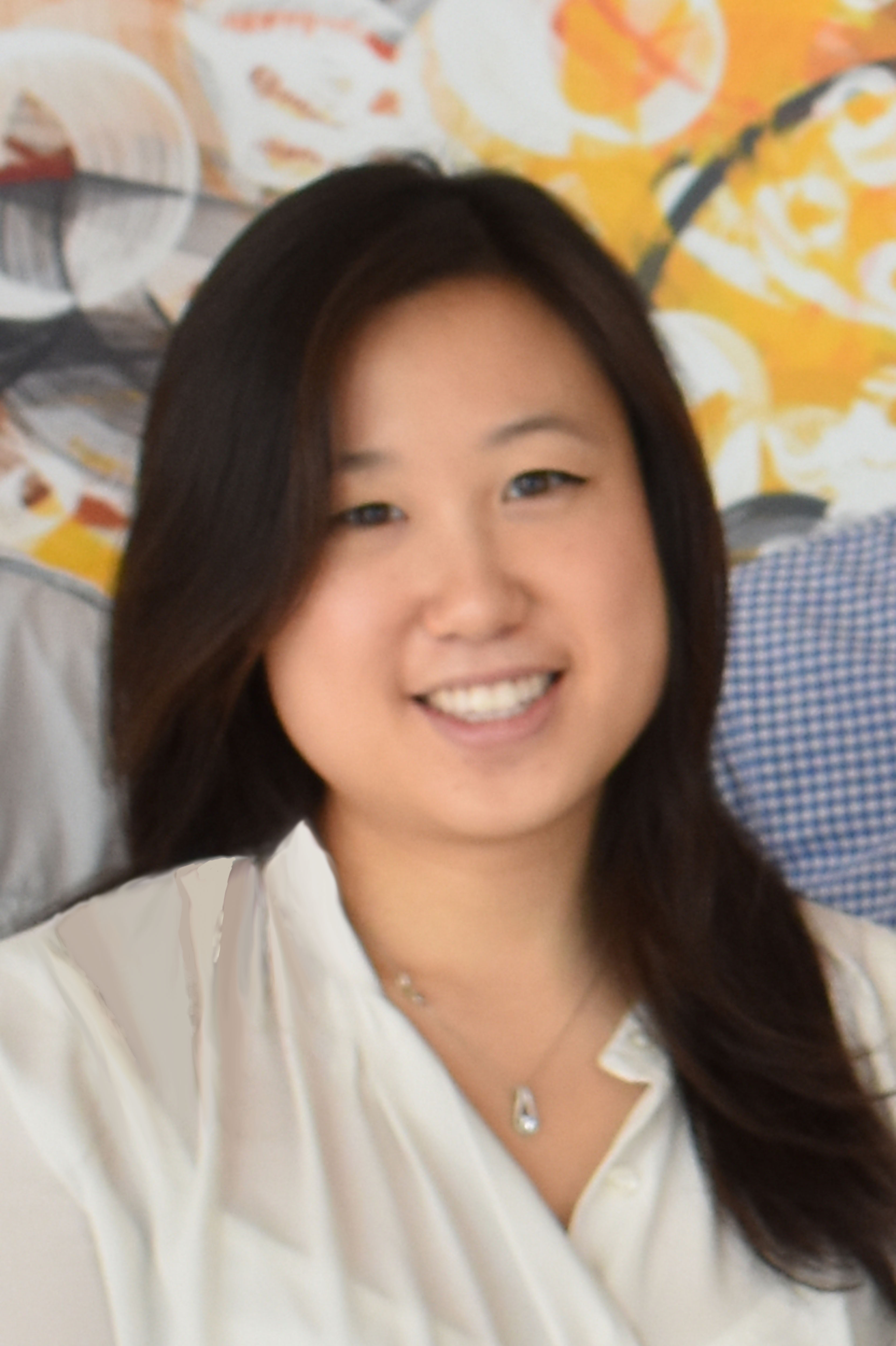
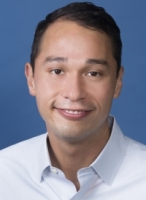
Denis V. Tsygankov

Denis V. Tsygankov
denis.tsygankov@bme.gatech.edu
Website

Denis Tsygankov, PhD, is Assistant Professor in the Wallace H. Coulter Department of Biomedical Engineering at Georgia Tech School of Engineering and Emory University School of Medicine. 

Dr. Tsygankov is interested in developing and applying computational methods, including mathematical modeling, simulations, and computer vision approaches to understand complex multi-scale physiological processes including vasculogenesis, morphogenesis, and cancer. 

He is a member of the Cell and Molecular Biology Research Program at Winship Cancer Institute.

Associate Professor
Phone
404-385-4747
Office
UAW 1212
Google Scholar
https://scholar.google.com/citations?user=1oYYvS0AAAAJ&hl=en
Coulter Department of Biomedical Engineering
Denis
Tsygankov
V.
Show Regular Profile

Garrett Stanley

Garrett Stanley
garrett.stanley@bme.gatech.edu
Website

Garrett Stanley is the McCamish Foundation Distinguished Chair in the Department of Biomedical Engineering at Georgia Tech and Emory University and is the Co-Director of the Georgia Tech Neural Engineering Center. He has formal training, both at undergraduate and doctorate levels, in engineering (specifically trained in Control Theory through all of his graduate work), and has worked extensively in the field of neuroscience, specifically in sensory processing in the brain, and more specifically in vision and somatosensation (touch). 

From 1999 to 2007, he was an Associate Professor in the Division of Engineering & Applied Sciences at Harvard University, where he was the leader of the Harvard Biocontrols Laboratory. Professor Stanley is now a faculty member in the Department of Biomedical Engineering at Georgia Tech/Emory University (2008-2013 Associate Professor, 2014-present Full Professor), and leads several programmatic efforts at the interface between basic neuroscience and neurotechnology (Co-Direct the GT Neural Engineering Center, Direct Computational Neuroscience training program, Director of Graduate Studies, etc.). In terms of research, he is the leader of the Neural Coding group in the Laboratory for Neuroengineering. 

The research of his group has been funded by the National Institute of Health, National Science Foundation, the Office of Naval Research, DARPA, and several private foundations. Prof. Stanley’s group routinely publishes our research in the top Neuroscience journals, along with more technical work in engineering journals. He is considered a leader in the field nationally and internationally.

McCamish Foundation Distinguished Chair
Carol Ann and David D. Flanagan Professor
BME Faculty Fellow
Phone
404-385-5037
Office
UAW 3107
Research Focus Areas
Google Scholar
https://scholar.google.com/citations?user=zJQPWQwAAAAJ&hl=en
Coulter Department of Biomedical Engineering
Garrett
Stanley
Show Regular Profile

Annabelle C. Singer

Annabelle C. Singer
asinger@gatech.edu
Website

The central goal of Dr. Singer’s research program is to understand how neural activity produces memories and spurs the brain’s immune system. Dr. Singer’s research integrates innovative behavioral, electrophysiological, and computational methods to identify and restore failures in neural activity that lead to memory impairment. Dr. Singer has established and continues to develop a new therapeutic approach to Alzheimer’s disease, novel forms of non-invasive stimulation, and new ways to manipulate the brain’s immune system. Additionally, using non-invasive approaches, she is translating her discoveries from rodents to develop radically new ways to treat diseases that affect memory in humans.

Assistant Professor
Phone
404-385-4936
Office
UAW 3105
Google Scholar
https://scholar.google.com/scholar?q=Annabelle Singer&btnG=&hl=en&as_sdt=0,11
Coulter Department of Biomedical Engineering
Annabelle
Singer
C.
Show Regular Profile

Aniruddh Sarkar

Aniruddh Sarkar
aniruddh.sarkar@bme.gatech.edu
Website

Aniruddh Sarkar is an Assistant Professor in the Wallace H. Coulter Department of Biomedical Engineering at the Georgia Institute of Technology and Emory University where he leads the Micro/Nano Bioelectronics Lab. He was earlier a Research Fellow at the Ragon Institute of MGH, MIT and Harvard with research affiliations at Harvard Medical School and at MIT. His research has evolved around the theme of exploiting unique physical phenomena that occur at the micrometer to nanometer length scales to develop devices and systems for solving various technological problems with a special focus on applications in biology and medicine. His earlier work, with Prof. Galit Alter (MGH/HMS) and Prof. Jongyoon Han (MIT), involved the development and application of microfabricated and nanofabricated devices to further the prevention, diagnosis and therapy of infectious diseases such as Tuberculosis and HIV/AIDS. He received his Ph.D in Electrical Engineering and Computer Science with a minor in Biology at MIT, developing microfluidic tools for single-cell analysis. He received his bachelors and masters degrees, both in Electrical Engineering at IIT Bombay.

Assistant Professor
Google Scholar
https://scholar.google.com/citations?user=f0GoY-0AAAAJ&hl=en
Aniruddh
Sarkar
Show Regular Profile

Philip J. Santangelo

Philip J. Santangelo
philip.santangelo@bme.gatech.edu
Website

Philip Santangelo is a professor in the Wallace H. Coulter Department of Biomedical Engineering at Georgia Tech School of Engineering and Emory University School of Medicine. He is a member of the Cancer Immunology Research Program at Winship Cancer Institute. 

Dr. Santangelo obtained his Ph.D. in Engineering from the University of California at Davis. He completed his postdoctoral training at Sandia National Laboratories in Livermore, California and at Georgia Tech in Atlanta, Georgia. He also holds an MS in Engineering from Purdue University. 

The overarching theme of the Santangelo lab is the spatial biology of RNA viruses and RNA regulation. Spatial biology is the study of biology in three dimensions — and the Santangelo lab develops advanced imaging tools to achieve this goal. The lab focuses their tools on the spatial biology of HIV/SIV and human respiratory synctial virus (leading cause of bronchiolitis and pneumonia in babies) and the aberrant regulation of messenger RNA during inflammation, viral infections and cancer pathogenesis. They have developed both single molecule methods and whole body imaging methods in order to work towards our goals.

Professor
Phone
404-385-2116
Office
EBB 4015
Google Scholar
http://scholar.google.com/scholar?hl=en&as_sdt=80001&q=philip+santangelo
Coulter Department of Biomedical Engineering National Library of Medicine
Philip
Santangelo
J.
Show Regular Profile

James Rains

James Rains
james.rains@bme.gatech.edu

Since joining the faculty in 2012, James Rains has taught two of Tech’s most critical classes for creating the next generation of biomedical engineers. “Intro to Biomedical Engineering Design” and the “Biomedical Engineering Capstone” courses are bookends on the student experience in the BME program, which has consistently ranked among the best in the nation. Meanwhile, Rains helps give students more real-world healthcare problems from clinicians and medical companies than any other BME department in the world. He constantly strives to find the best and most diverse projects for his students, including in 2018, a new collaboration with the world-renowned Mayo Clinic. His BME student teams consistently win top honors in innovation competitions and mentors and coaches Create-X student startups. For all of his tremendous efforts, he was named the 2019 Undergraduate Educator of the Year by Tech’s Center for Teaching and Learning.

Professor of the Practice
Phone
404-385-0166
Office
UAW 3113
BME Capstone Coulter Department of Biomedical Engineering
James
Rains
Show Regular Profile

Peng Qiu

Peng Qiu
peng.qiu@bme.gatech.edu
Website

Peng Qiu is a professor in the Wallace H. Coulter Department of Biomedical Engineering at Georgia Tech School of Engineering and Emory University School of Medicine. 

His research interests are in the areas of bioinformatics and computational biology, focusing on machine learning, data integration, statistical signal processing, control systems and optimization. 

In particular, he is interested in developing machine learning methods to advance single-cell data science, with applications in characterizing cellular heterogeneity, identifying cancer biomarkers, understanding disease progression, reconstructing gene regulatory networks, etc.

Professor
Phone
404-385-1656
Office
EBB 2107
Additional Research
  • Computational Biology
  • Machine Learning
Google Scholar
https://scholar.google.com/citations?user=huPJapcAAAAJ
Coulter Department of Biomedical Engineering
Peng
Qiu
Show Regular Profile

Erik Dreaden

Erik Dreaden
e.dreaden@gatech.edu
Website

Erik C. Dreaden joined the Wallace H. Coulter Department of Biomedical Engineering at Georgia Institute of Technology and Emory University in 2017. Dr. Dreaden also holds a joint faculty appointment in the Department of Pediatrics at the Emory University School of Medicine where he collaborates with researchers at Children's Healthcare of Atlanta and the Aflac Center for Cancer and Blood Disorders. Dr. Dreaden's research seeks to apply principles of molecular and nanoscale engineering to improve the therapeutic potential of drug combinations, vaccines, and immunotherapies directed against pediatric and adult cancers. 

Prior to joining Emory and Georgia Tech, Dr. Dreaden was a postdoctoral fellow at the Koch Institute for Integrative Cancer Research at MIT, where his research focused on the development of polymer-based technologies for nucleic acid and rational combination cancer therapies. 

Dr. Dreaden is a member of the Cancer Immunology Research Program at the Winship Cancer Institute of Emory University. He also holds memberships in the Biomedical Engineering Society, American Institute of Chemical Engineers, American Association of Cancer Research, Materials Research Society, American Association for the Advancement of Science, and American Chemical Society.

Assistant Professor
Phone
404-778-3033
Office
Emory HSRB E108
Additional Research
"The Dreaden Lab uses molecular engineering to impart augmented, amplified, or non-natural function to tumor therapies and immunotherapies. The overall goal of our research is to engineer molecular and nanoscale tools that can (i) improve our understanding of fundamental tumor biology and (ii) simultaneously serve as cancer therapies that are more tissue-exclusive and patient-personalized. The lab currently focuses on three main application areas: optically-triggered immunotherapies, combination therapies for pediatric cancers, and nanoscale cancer vaccines. Our work aims to translate these technologies into the clinic and beyond. Molecular Engineering, Tumor Immunity, Nanotechnology, Pediatric Cancer"
Google Scholar
https://scholar.google.com/citations?hl=en&user=Loy7OC4AAAAJ&view_op=list_works&sortby=pubdate
Releated Site
Erik
Dreaden
Show Regular Profile

Michael Davis

Michael Davis
michael.davis@bme.gatech.edu
Website

Dr. Davis holds positions as a Professor in both Cardiology and Biomedical Engineering at the Wallace H. Coulter Department of Biomedical Engineering at Georgia Tech and Emory University. Additionally, he serves as an associate chair for graduate studies at BME department, and a director of the Children's Heart Research and Outcomes (HeRO) Center. He received his Ph.D. in Molecular and Systems Pharmacology at Emory University in 2003 working on molecular regulation of eNOS expression by shear stress. From 2003-2006, he completed his postdoctoral fellowship at Brigham and Women's Hospital working on cardiac tissue engineering with collaborators at the Massachusetts Institute of Technology. He moved back to Emory in 2006 to join the faculty in Division of Cardiology and Biomedical Engineering Department.

Professor
Associate Chair for Graduate Studies
Director, Children's Heart Research and Outcomes (HeRO) Center
Phone
404-727-9858
Office
Emory HSRB W486
Additional Research
"Cardiac Regeneration, stem cell therapy: Our laboratory focuses on various aspects of cardiac regeneration and preservation using molecular-based and biomaterials-based approaches to restoring function after cardiac injury."
Research Focus Areas
Google Scholar
https://scholar.google.com/citations?user=-9Pl-RAAAAAJ&hl=en&oi=sra
LinkedIn Related Site
Michael
Davis
Show Regular Profile

Lakshmi Dasi

Lakshmi Dasi
lakshmi.dasi@gatech.edu
Related Site

Lakshmi Prasad Dasi is an established researcher in the field of prosthetic heart valves, cardiovascular biomechanics, biomaterials, and devices. He is currently a tenure Professor of Biomedical Engineering, at Georgia Institute of Technology while holding the Rozelle Vanda Wesley Endowed Professorship as well as being the Associate Chair for Undergraduate Studies. He has held positions at The Ohio State University, and Colorado State University previously. He is a Fellow of the American College of Cardiology (FACC) as well as Fellow of the American Institute for Medical and Biological Engineering (FAIMBE). 

Dasi earned his Ph.D. from Georgia Institute of Technology in 2004 with a focus in fluid dynamics and turbulence. He trained as a postdoctoral fellow and research engineer under Prof. Ajit Yoganathan’s mentorship at Georgia Tech where he transformed his research focus to heart valves, devices, and cardiovascular biomechanics. In 2009, he established the Cardiovascular Biofluid Mechanics Lab (CBFL) as Assistant Professor at Colorado State University and moved to The Ohio State University in 2015 as his focus became more translational. Since 2020, his research at Georgia Tech focuses on tackling the complexity of: (a) heart valve biomechanics (native and prosthetic); (b) prosthetic heart valve engineering (conventional & trans-catheter); (c) structure-function relationships of the heart in health and disease at the embryonic, pediatric, as well as adult stages; and (d) turbulence and turbulent blood flow.

Rozelle Vanda Wesley Professor
Phone
404.385.1265
Office
TEP 237
Research Focus Areas
Google Scholar
https://scholar.google.com/citations?hl=en&user=CC7aZdcAAAAJ&view_op=list_works&sortby=pubdate
Cardiovascular Fluid Mechanics (CFM) Laboratory
Lakshmi
Dasi
P.
Show Regular Profile