
Digging Into Greenland Ice: Unraveling Mysteries in Earth's Harshest Environments
Nov 06, 2023 —
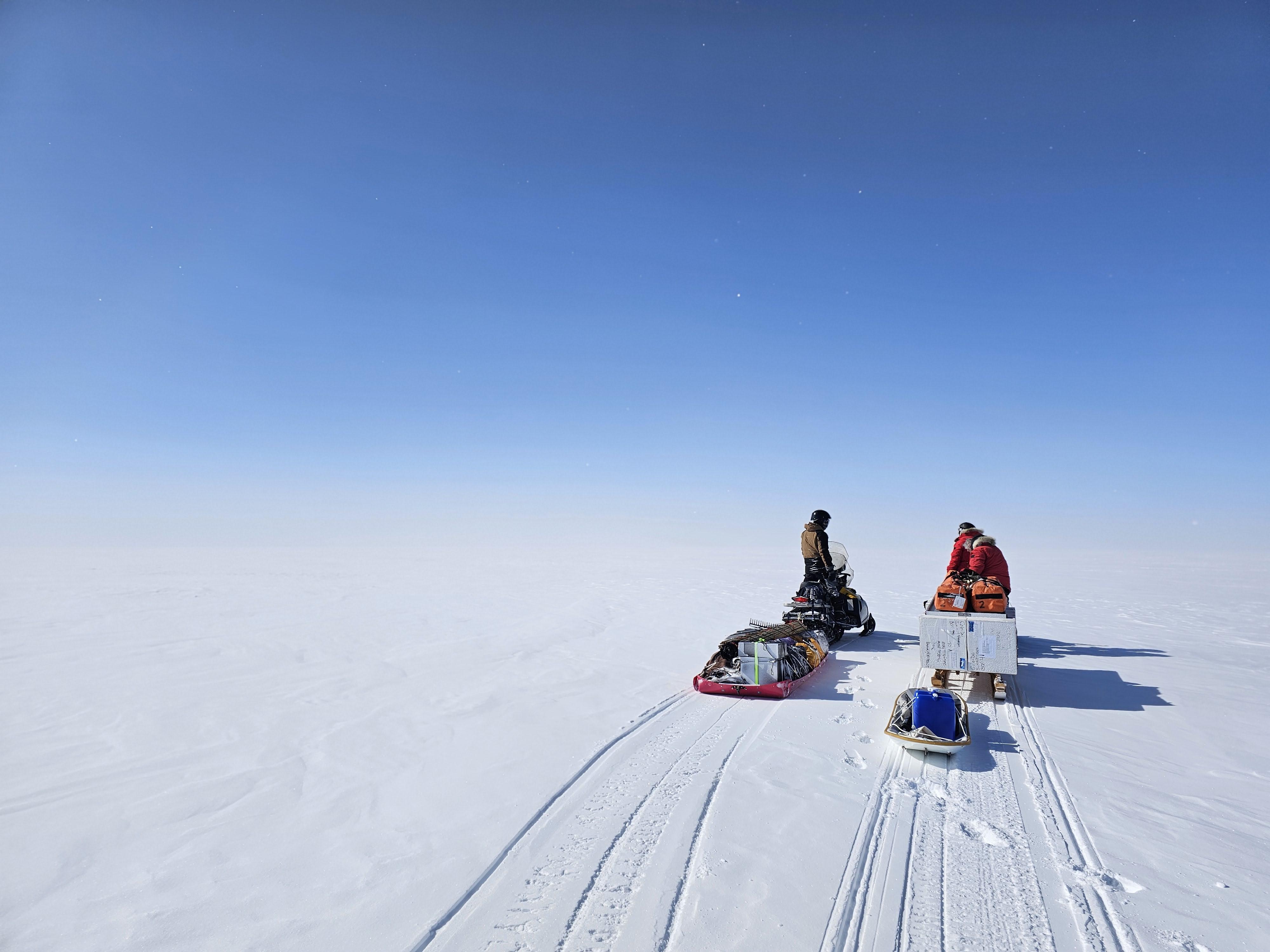
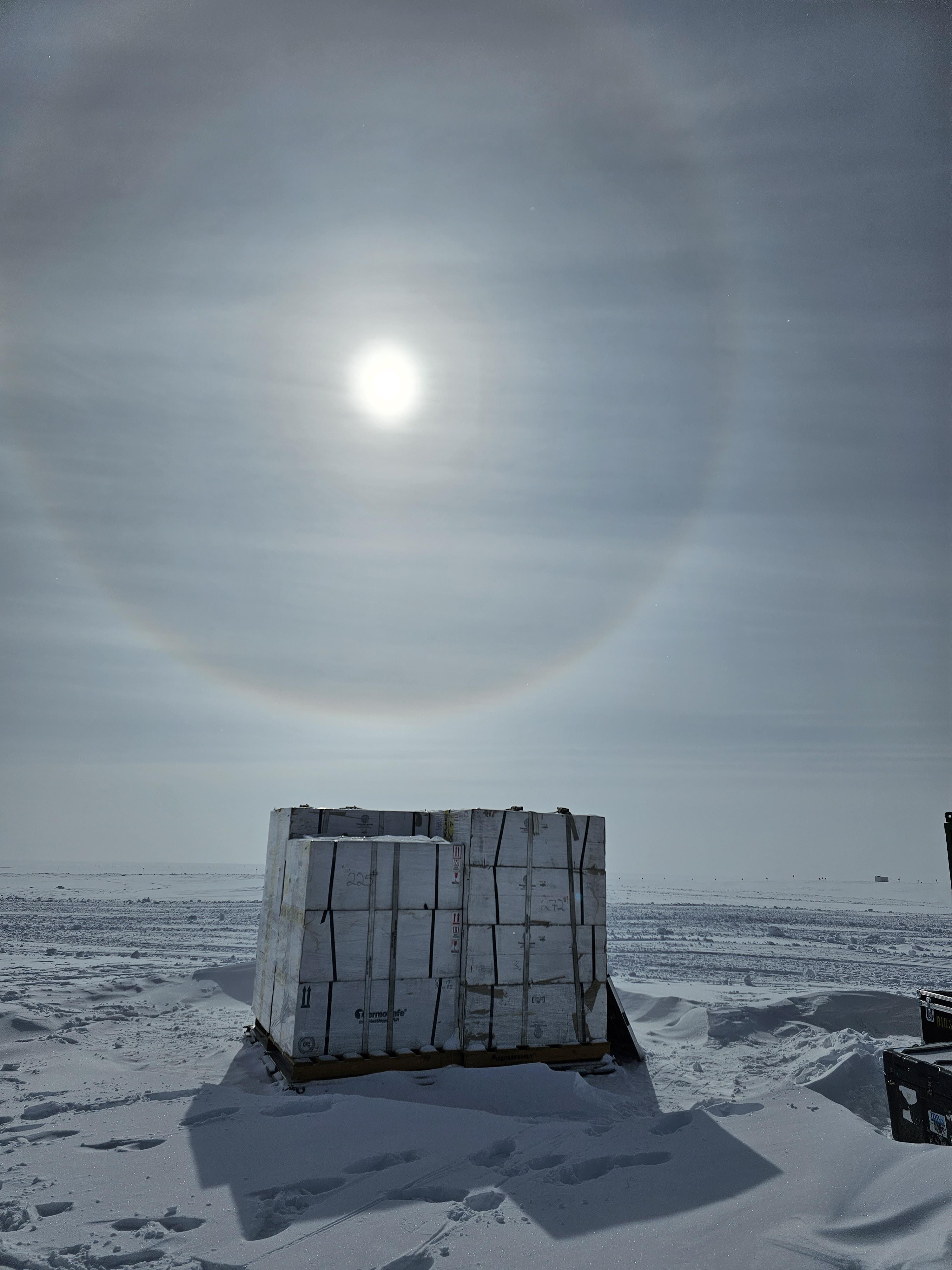
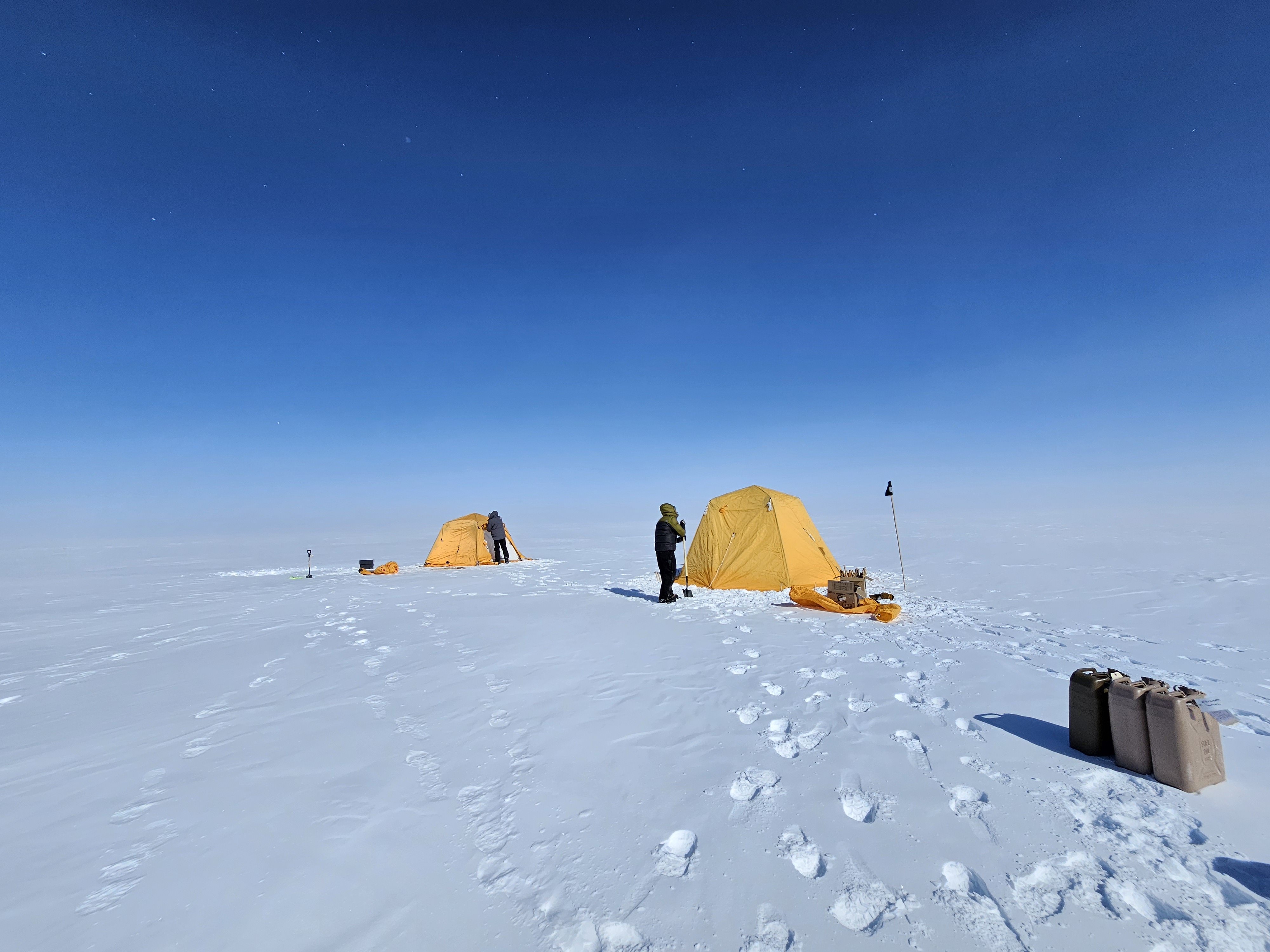
“You're in the middle of an ice sheet, and it’s one of the most desolate places on Earth. There are no living animals there. There are no plants there. The only animals you see are birds. They might be lost.”
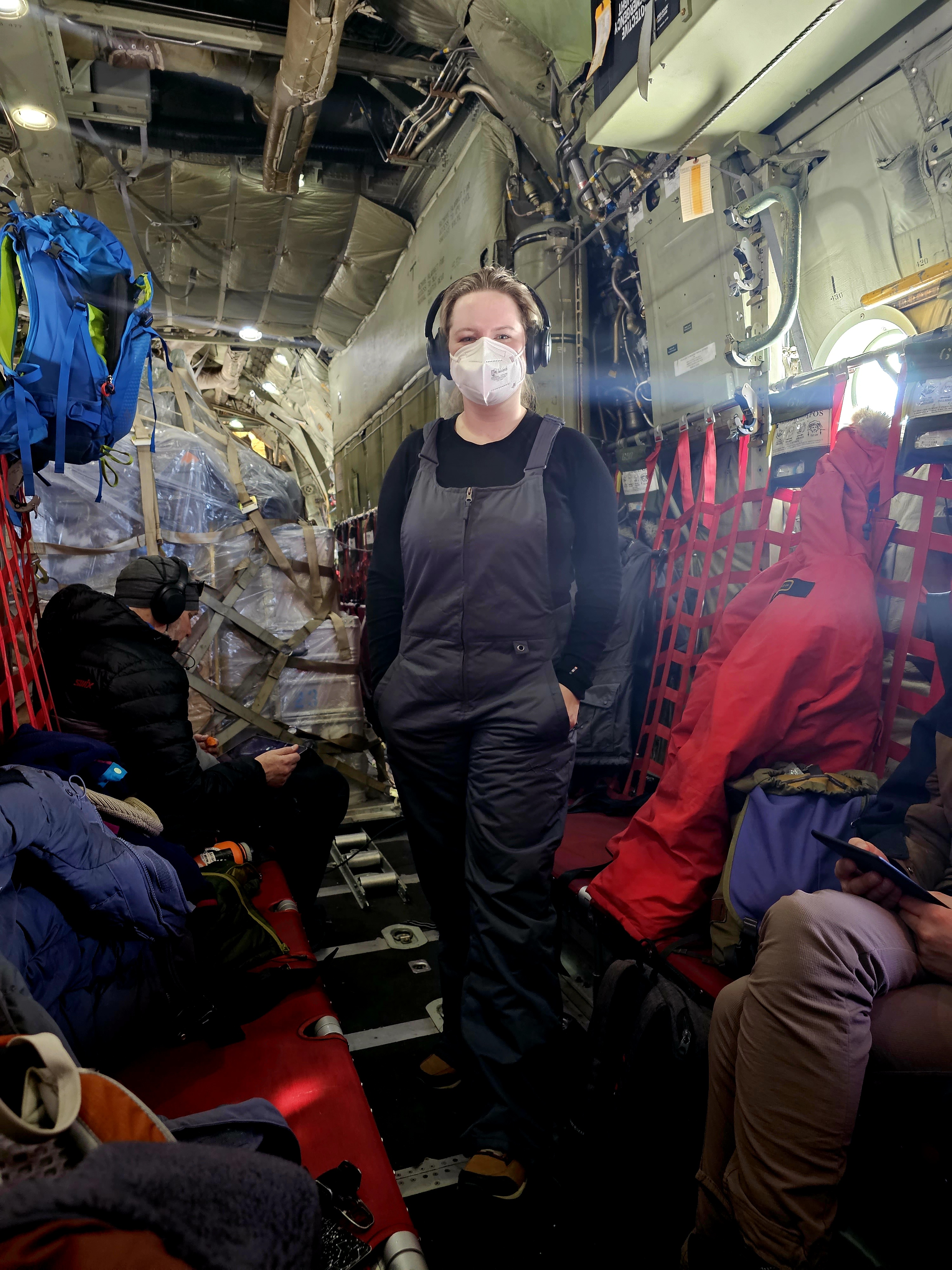
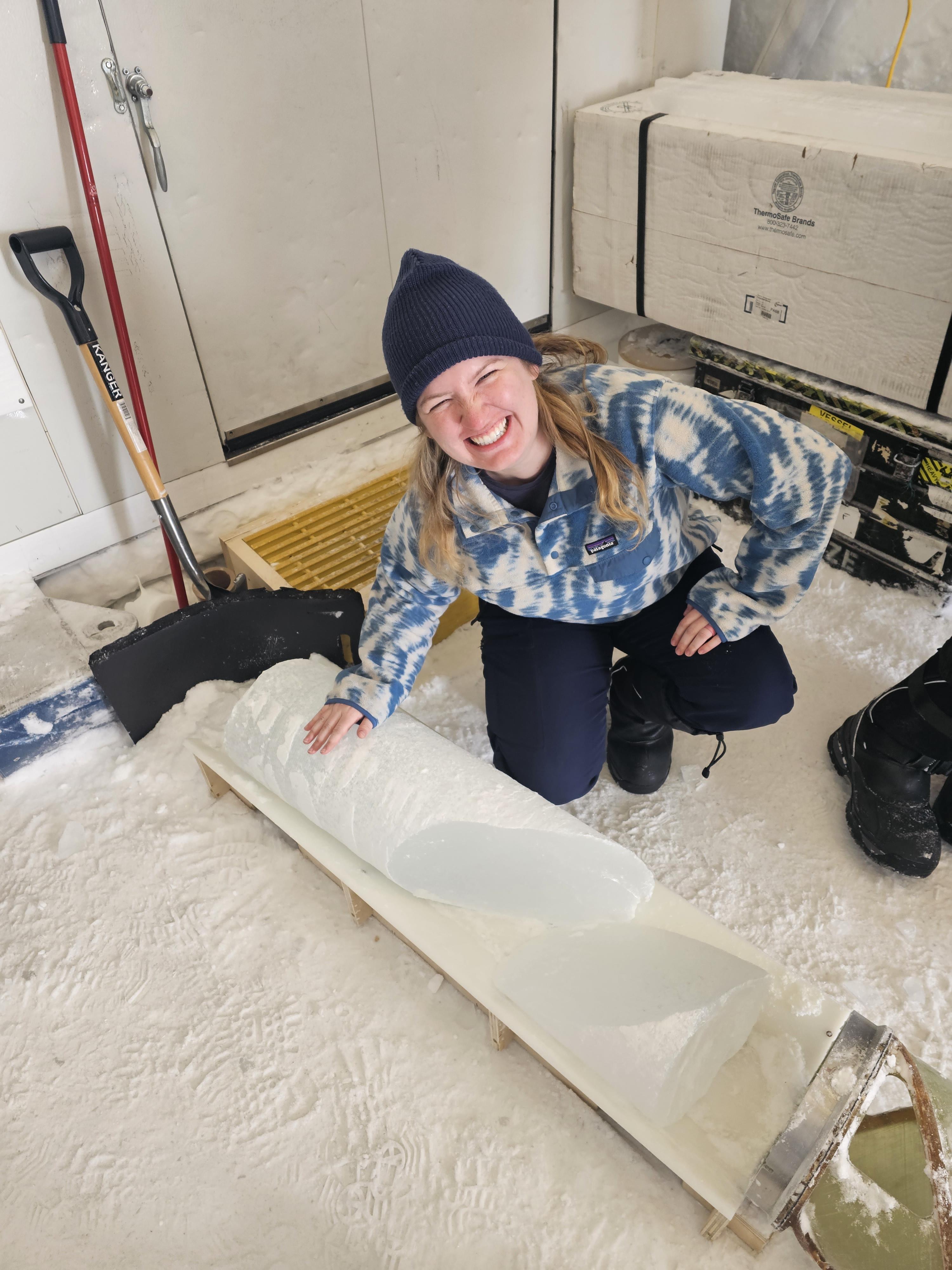
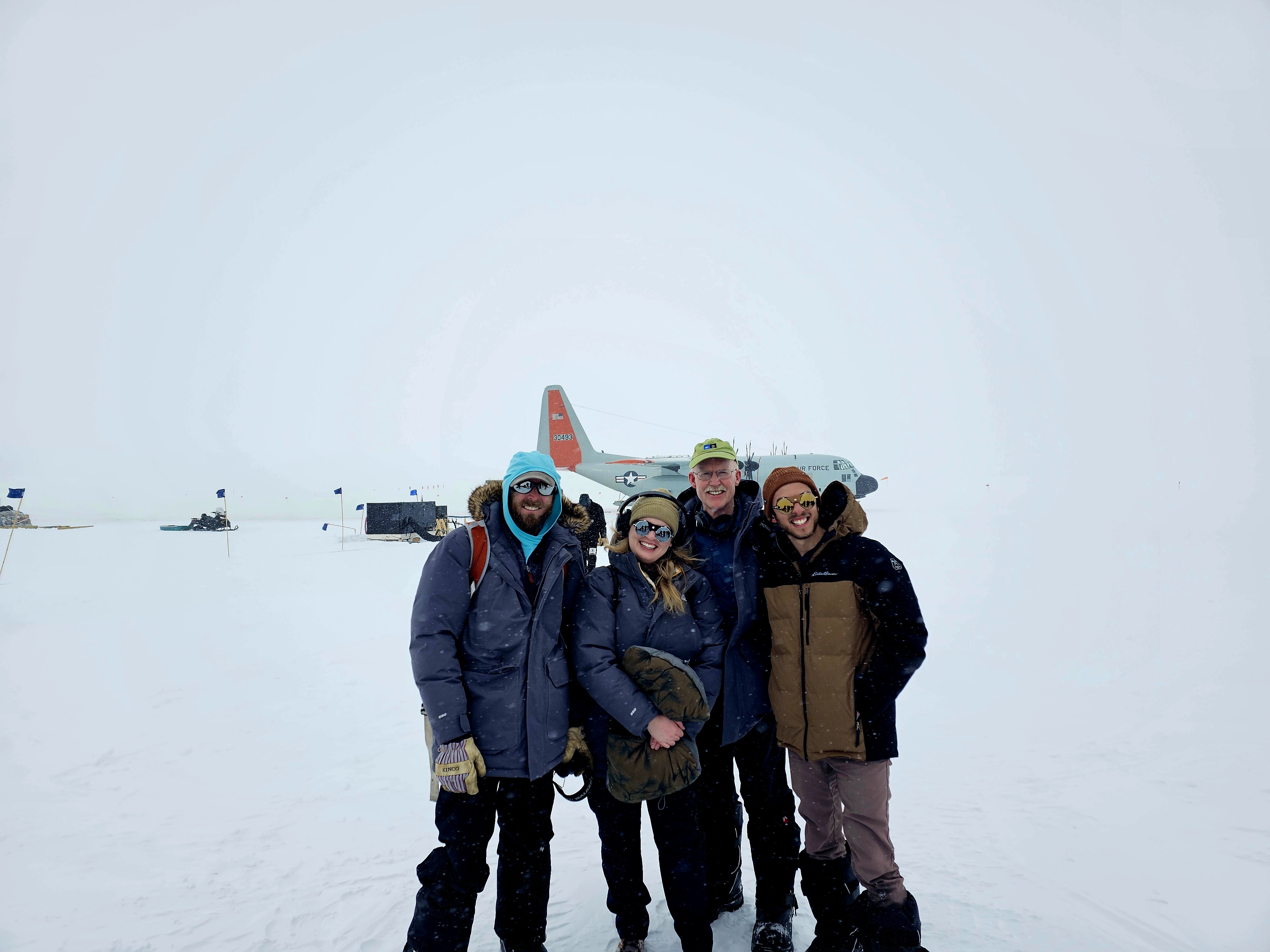
That’s how Rachel Moore describes the view from the top of the Greenland ice sheet. “It's a really challenging environment, but it was really, really interesting to be there. I was there for nearly 50 days.”
Moore is an expert at collecting data in difficult research environments, traveling to some of the most extreme places on Earth in order to research microbes, and what hints they might give regarding astrobiology.
“It all started in grad school, when I joined a microbial ecology lab,” Moore recalls. “I pretty quickly learned that I love to do really difficult, challenging projects. I got interested in working around fire, biomass burning and forests, and I started collecting bacteria from the air. That was a challenge in and of itself, just trying to collect these really tiny things while standing in the smoke from the forest fires. But from that I learned that I loved to go out into the environment and collect things and try to understand everything around me.”
“I have a lot of different projects, but they all connect through astrobiology,” Moore says. “I’m interested in anything that hasn't been answered yet.” Moore is also leading a project called EXO Methane, which is investigating if different Archaea could survive in Martian and Enceladus-like environments. She’s also collaborating on a project that will send a probe to Venus next year.
Moore started her postdoctoral research at Georgia Tech, and is now continuing her work as a Research Scientist in the same laboratory. “The first project I started in this lab focused around how microbes can survive a really, really dry environment,” she adds. To study this, Moore traveled to the Atacama desert in Chile — the driest place on Earth, and also one of the best analogs to the surface of Mars. “What we were interested in there is how organisms survive intense radiation and intense desiccation. And how does that change as you look at different sites in the Atacama?”
Then, this past summer, Moore traveled to another extreme environment — Greenland. “Instead of being hot and dry, Greenland is extremely cold and dry,” Moore explains. “So it was similar in some aspects, but completely different in terms of logistics and sampling methods. Because we were there in the summer, the sun never set. We were also at high elevation — 10,530 feet above sea level.”
Beneath the ice
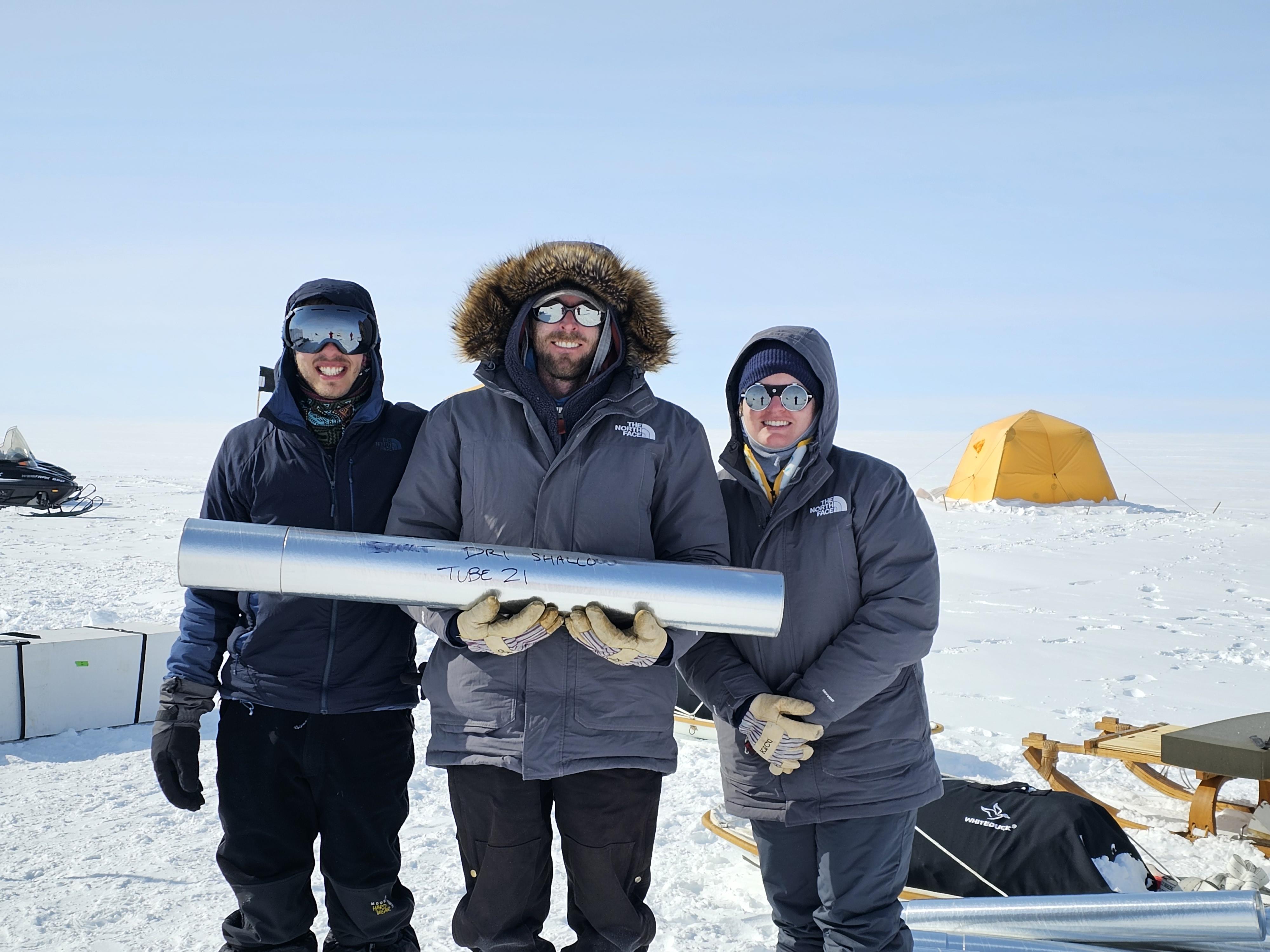
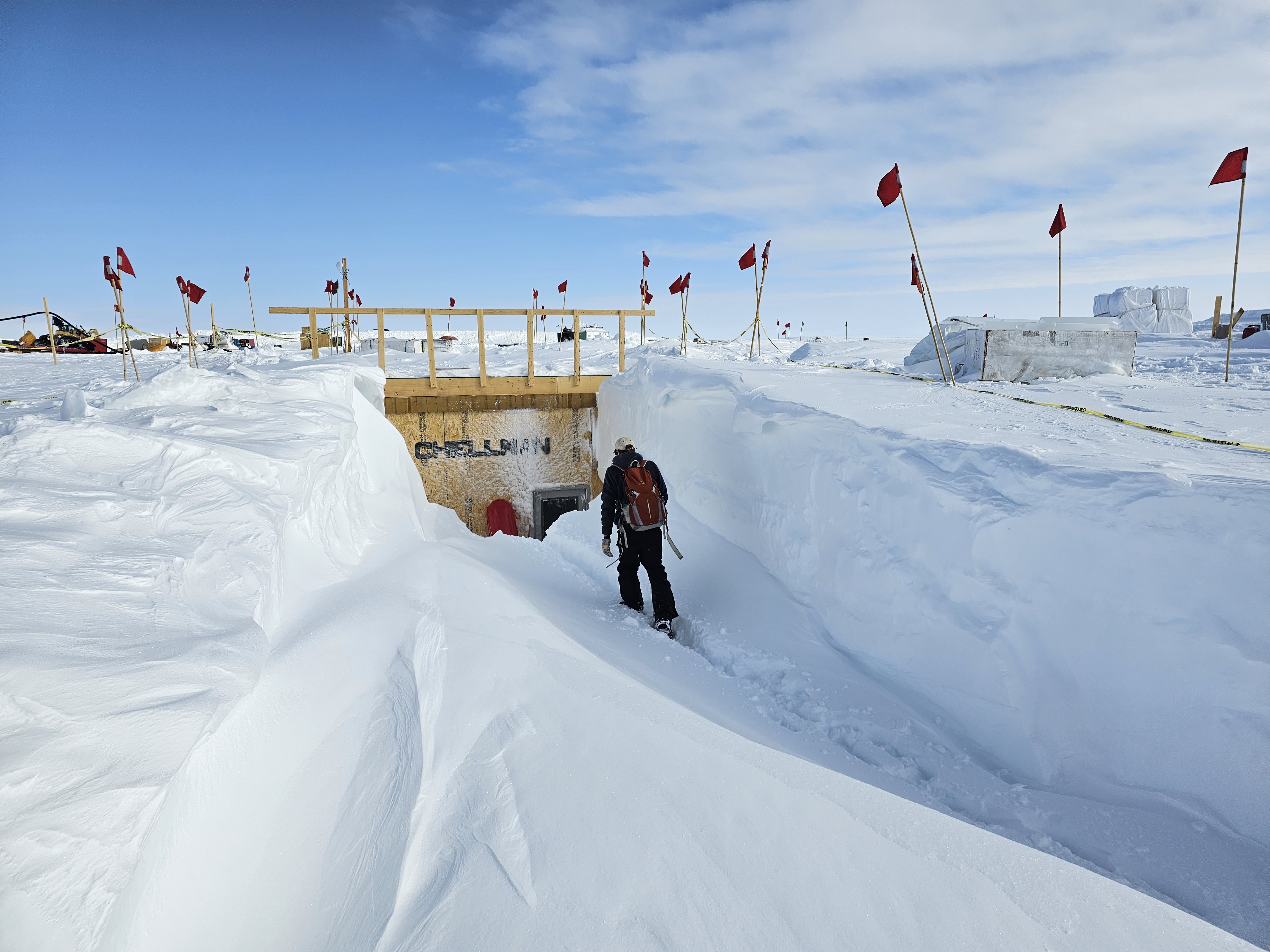
The project was started by Nathan Chellman and Joe McConnell from the Desert Research Institute (DRI), and Moore’s role this year was to investigate the microbiology component of the research. “They had been seeing some anomalies in methane and carbon monoxide in ice samples,” Moore says. “We were curious if microbes might be producing some of this, either in the ice core after it’s been sampled, or while it’s still in the glacier.”
“The microbes would not be swimming around or anything” in the ice cores, Moore explains, “but it’s possible that their metabolism is still active, and they’re potentially able to make some of the gases, like methane, in this frozen environment. Our goal was to measure these things in the environment.”
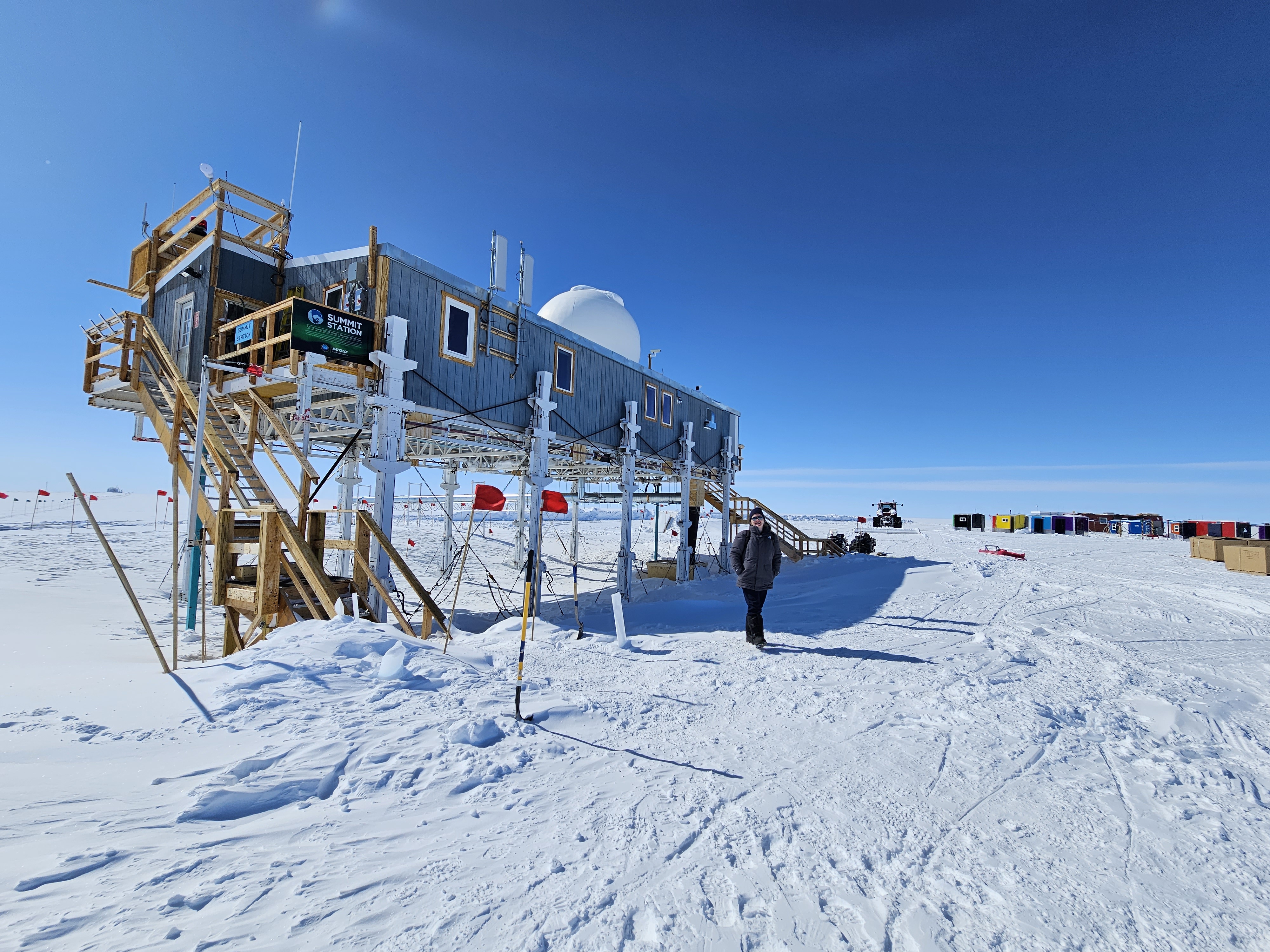
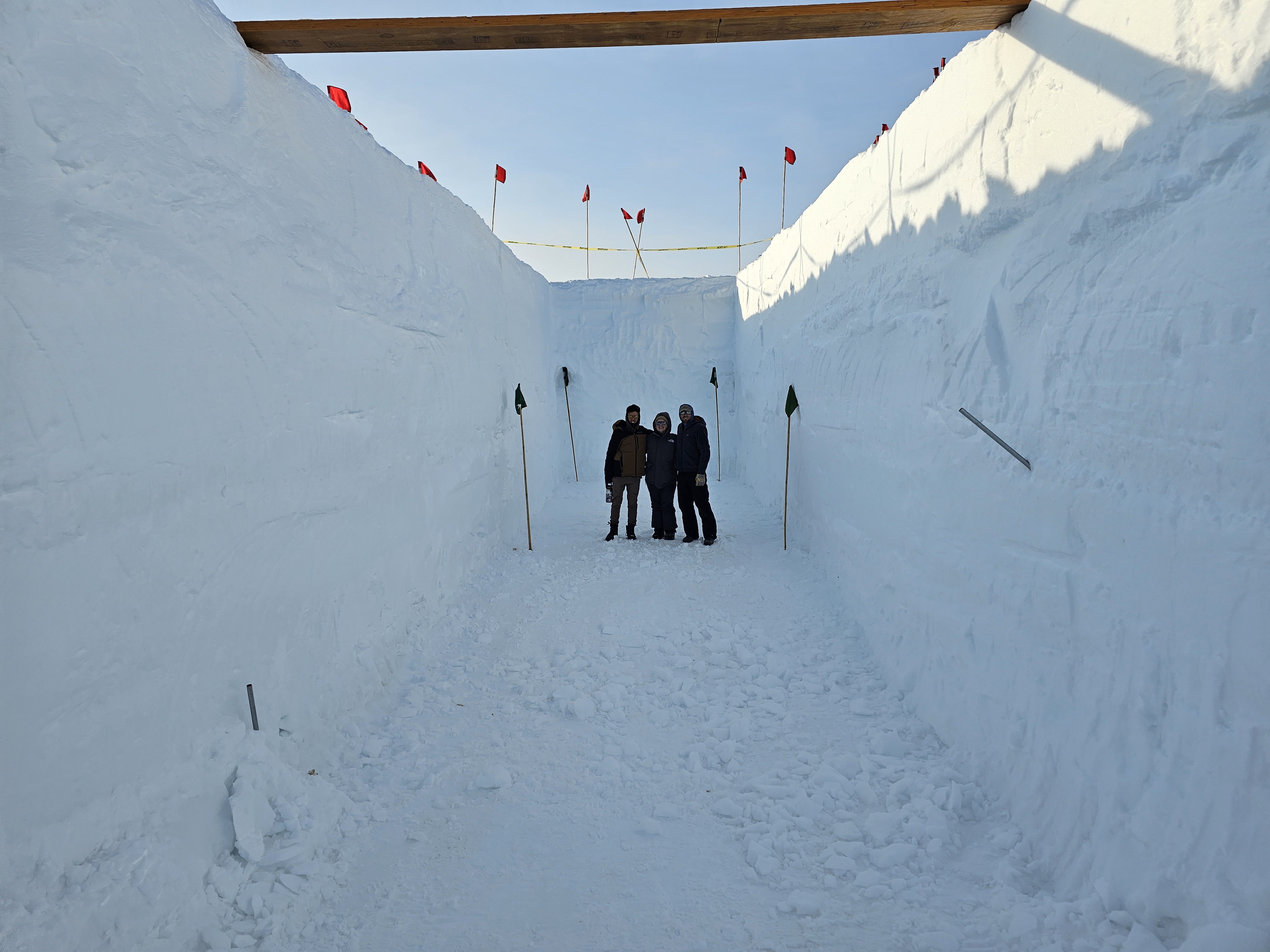
Gathering samples wasn’t easy. “We set up a lab on the glacier, and we set it up in a trench to try to keep any of the ice cores that we pulled out roughly at the same temperature as the glacier itself,” Moore says. Because of that, “weather was a huge, huge thing. Anytime it would get stormy, the wind would blow all of the snow around, and it would fill the entrance to our trench. We had to dig ourselves out several times. People would put out flags so that you could see your way back to the main house or back to your dorms.”
The team hopes that this research will give a more defined record of the past from the Greenland ice sheet, improving climate change predictions. Moore also notes applications in astrobiology, adding that “there are a lot of icy worlds like Mars, Enceladus, and Europa, with either an icy crust over the ocean or glaciers on the northern and southern poles.”
Moore was also able to test new technology in the field, using a tool built by Georgia Tech undergraduates alongside her advisor Christopher Carr, assistant professor in the School of Earth and Atmospheric Sciences. An ice melter that can be used to take and clean ice samples, the tool is a miniaturized prototype that may be able to help take measurements on Mars, or in similar remote environments in the future.
“Being able to take a tool that Georgia Tech undergraduates made to Greenland and test it on 600-year-old ice in the field was a really cool experience,” Moore adds. “We brought Starlink with us, and so I was able to video call the undergraduate team while I was testing their tool, which was really special.”
The team is now lab-analyzing ice cores that they brought back from Greenland, unraveling which microbes might be present and potentially active. “It's really interesting to see: Is this all chemistry? Is it biology based? Or is there some intersection of the two?” Moore says. “Maybe there's some chemistry or photochemistry happening, plus some biology happening. Whatever it is, we'll have to wait and see.”
Written by Selena Langner
Editor: Jess Hunt-Ralston
Three Earth and Atmospheric Sciences Researchers Awarded DOE Earthshot Funding for Carbon Removal Strategies
Oct 19, 2023 — Atlanta, GA

Earth (Credit NASA/Joshua Stevens)
Three Georgia Tech School of Earth and Atmospheric Sciences researchers — Professor and Associate Chair Annalisa Bracco, Professor Taka Ito, and Georgia Power Chair and Associate Professor Chris Reinhard — will join colleagues from Princeton, Texas A&M, and Yale University for an $8 million Department of Energy (DOE) grant that will build an “end-to-end framework” for studying the impact of carbon dioxide removal efforts for land, rivers, and seas.
The proposal is one of 29 DOE Energy Earthshot Initiatives projects recently granted funding, and among several led by and involving Georgia Tech investigators across the Sciences and Engineering.
Overall, DOE is investing $264 million to develop solutions for the scientific challenges underlying the Energy Earthshot goals. The 29 projects also include establishing 11 Energy Earthshot Research Centers led by DOE National Laboratories.
The Energy Earthshots connect the Department of Energy's basic science and energy technology offices to accelerate breakthroughs towards more abundant, affordable, and reliable clean energy solutions — seeking to revolutionize many sectors across the U.S., and relying on fundamental science and innovative technology to be successful.
Carbon Dioxide Removal
The School of Earth and Atmospheric Sciences project, “Carbon Dioxide Removal and High-Performance Computing: Planetary Boundaries of Earth Shots,” is part of the agency’s Science Foundations for the Energy Earthshots program. Its goal is to create a publicly-accessible computer modeling system that will track progress in two key carbon dioxide removal (CDR) processes: enhanced earth weathering, and global ocean alkalinization.
In enhanced earth weathering, carbon dioxide is converted into bicarbonate by spreading minerals like basalt on land, which traps rainwater containing CO2. That gets washed out by rivers into oceans, where it is trapped on the ocean floor. If used at scale, these nature-based climate solutions could remove atmospheric carbon dioxide and alleviate ocean acidification.
The research team notes that there is currently “no end-to-end framework to assess the impacts of enhanced weathering or ocean alkalinity enhancement — which are likely to be pursued at the same time.”
“The proposal is for a three-year effort, but our hope is that the foundation we lay down in that time will represent a major step forward in our ability to track carbon from land to sea,” says Reinhard, the Georgia Power Chair who is a co-investigator on the grant.
“Like many folks interested in better understanding how climate interventions might impact the Earth system across scales, we are in some ways building the plane in midair,” he adds. “We need to develop and validate the individual pieces of the system — soils, rivers, the coastal ocean — but also wire them up and prove from observations on the ground how a fully integrated model works.”
That will involve the use of several existing computer models, along with Georgia Tech’s PACE supercomputers, Professor Ito explains. “We will use these models as a tool to better understand how the added alkalinity, carbon and weathering byproducts from the soils and rivers will eventually affect the cycling of nutrients, alkalinity, carbon and associated ecological processes in the ocean,” Ito adds. “After the model passes the quality check and we have confidence in our output, we can start to ask many questions about assessment of different carbon sequestration approaches or downstream impacts on ecosystem processes.”
Professor Bracco, whose recent research has focused on rising ocean heat levels, says CDR is needed just to keep ocean systems from warming about 2 degrees centigrade (Celsius).
“Ninety percent of the excess heat caused by greenhouse gas emissions is in the oceans,” Bracco shares, “and even if we stop emitting all together tomorrow, that change we imprinted will continue to impact the climate system for many hundreds of years to come. So in terms of ocean heat, CDRs will help in not making the problem worse, but we will not see an immediate cooling effect on ocean temperatures. Stabilizing them, however, would be very important.”
Bracco and co-investigators will study the soil-river-ocean enhanced weathering pipeline “because it’s definitely cheaper and closer to scale-up.” Reverse weathering can also happen on the ocean floor, with new clays chemically formed from ocean and marine sediments, and CO2 is included in that process. “The cost, however, is higher at the moment. Anything that has to be done in the ocean requires ships and oil to begin,” she adds.
Reinhard hopes any tools developed for the DOE project would be used by farmers and other land managers to make informed decisions on how and when to manage their soil, while giving them data on the downstream impacts of those practices.
“One of our key goals will also be to combine our data from our model pipeline with historical observational data from the Mississippi watershed and the Gulf of Mexico,” Reinhard says. “This will give us some powerful new insights into the impacts large-scale agriculture in the U.S. has had over the last half-century, and will hopefully allow us to accurately predict how business-as-usual practices and modified approaches will play out across scales.”
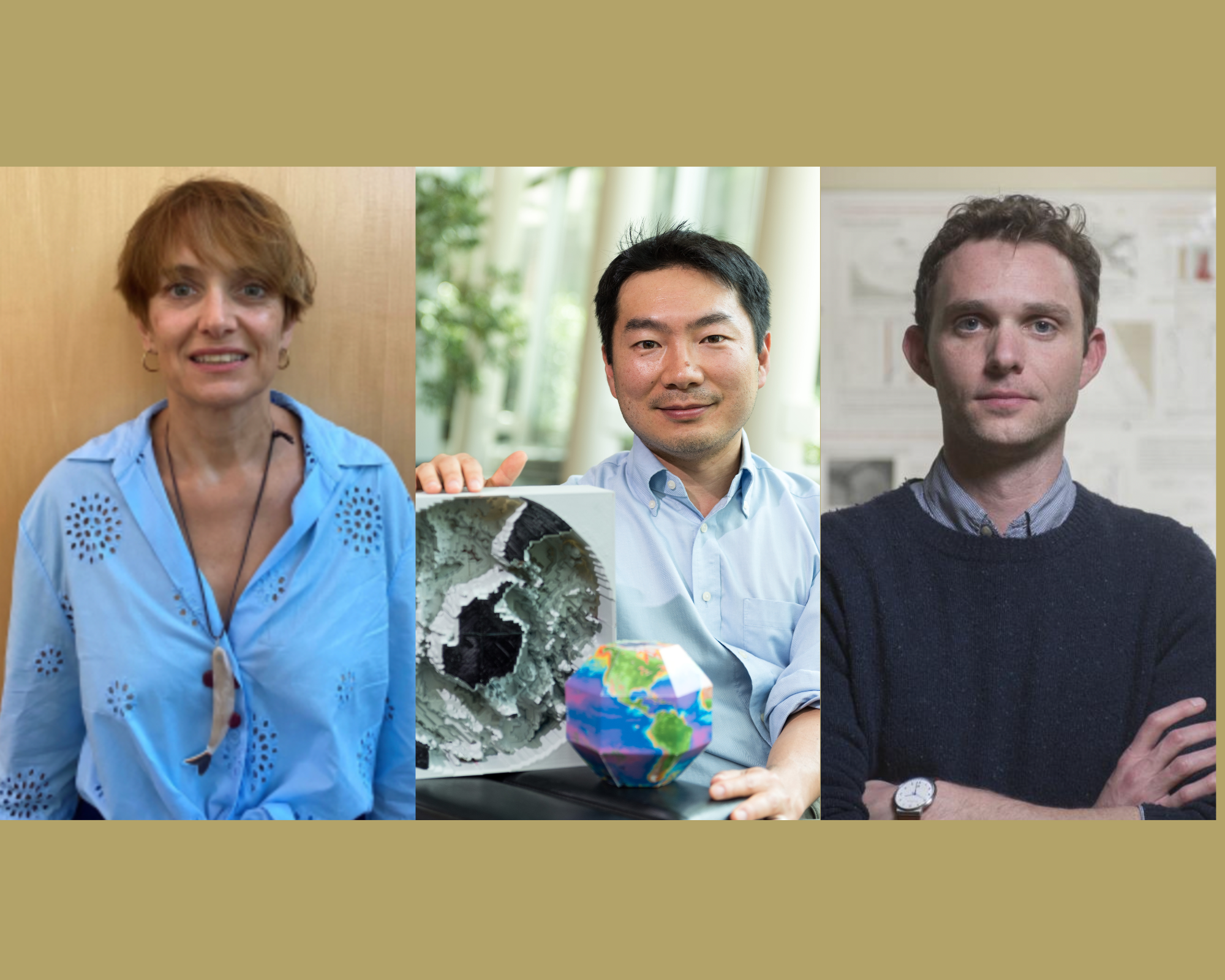
(From left) Annalisa Bracco, Taka Ito, Chris Reinhard
Writer: Renay San Miguel
Communications Officer II/Science Writer
College of Sciences
404-894-5209
Editor: Jess Hunt-Ralston
Nga Lee Sally Ng Receives 2023 AGU Atmospheric Sciences Ascent Award
Sep 28, 2023 —

Nga Lee (Sally) Ng, Love Family Professor with joint appointments in the School of Chemical and Biomolecular Engineering and School of Earth and Atmospheric Sciences, is AGU's 2023 Atmospheric Sciences Ascent Award recipient.
The Atmospheric Sciences Ascent Award is presented annually and recognizes excellence in research and leadership in the atmospheric and climate sciences from honorees between eight and 20 years of receiving their PhD.
Being selected as a Section Honoree is bestowed upon individuals for meritorious work or service toward the advancement and promotion of discovery and solution science. AGU, the world's largest Earth and space science association, annually recognizes a select number of individuals as part of its Honors and Recognition program.
The Atmospheric Sciences Section studies the physics, chemistry, and dynamics of the atmosphere. Ng received the Ascent Award for advancing the fundamental understanding of organic aerosol measurement, sources, chemistry, trends, and impacts in Earth’s atmosphere.
Ng earned her doctorate in Chemical Engineering from the California Institute of Technology and was a postdoctoral scientist at Aerodyne Research Inc. She joined Georgia Tech as an assistant professor in 2011.
Her research focuses on the understanding of the chemical mechanisms of aerosol formation and composition, as well as their health effects. Her group combines laboratory chamber studies and ambient field measurements to study aerosols using advanced mass spectrometry techniques.
Ng currently leads the establishment of the Atmospheric Science and Chemistry mEasurement NeTwork (ASCENT), a new comprehensive, high-time-resolution, long-term measurement network in the U.S. for the characterization of aerosol chemical composition and physical properties. Ng is the inaugural editor-in-chief of the American Chemical Society's (ACS) ACS ES&T Air, a new journal that will publish novel and globally relevant original research on all aspects of air quality sciences and engineering.
Honorees will be recognized at AGU23, which will convene more than 25,000 attendees from over 100 countries in San Francisco and online everywhere on 11-15 December 2023. This celebration is a chance for AGU’s community to recognize the outstanding work of our colleagues and be inspired by their accomplishments and stories.
Brad Dixon
Communications Manager
School of Chemical and Biomolecular Engineering at Georgia Tech
As Temperatures Climb, Flying Insects Slower to Migrate to Cooler Elevations
Sep 11, 2023 —

A close up of bees flying into a hive on the CU Denver campus.
This story by Jennifer Woodruff is shared jointly with the University of Colorado Denver.
In response to rising global temperatures, many plants and animals are moving to higher elevations to survive in cooler temperatures. But a new study from the University of Colorado Denver (CU Denver) and Georgia Tech finds that for flying insects — including bees and moths — this escape route may have insurmountable issues that could mean their doom.
The research team examined more than 800 species of insects from around the world and discovered that many winged insects are moving to higher elevations much slower than their non-flying counterparts. This is because the thinner air at higher elevations provides less oxygen for species to use. Because flight requires more oxygen to generate energy for movement than other styles of movement, such as walking, these species are migrating more slowly.
The team’s findings were published in this week’s Nature Climate Change journal. Jesse Shaich, postbaccalaureate student at CU Denver, is also a member of the research team.
“When we think about where species will be able to live under climate change in the coming decades, we need to remember that animals are sensitive to more than just how hot or cold they are,” said CU Denver Assistant Professor of Integrated Biology Michael Moore, who led the study.
Declining insect biodiversity has direct impact on humans
If flying insects’ native habitats get too warm too quickly, and they can’t find a suitable alternative or adapt in time, that will likely lead to their extinction. Beyond just being bad for the bugs themselves, loss of insects is bad news for humans as well. Most crop pollinators are the flying species the researchers expect to be vulnerable, and their extinction would be catastrophic to global food supply. Not only would this have implications for agriculture and food supply chains, but similar challenges are likely true for other species that need a lot of oxygen to live.
“Our earth’s biodiversity is rapidly declining, especially amongst insects. The global loss of insects will be ecologically catastrophic, so we urgently need to understand why and how this is happening,” said James Stroud, assistant professor of Biological Sciences at Georgia Tech.
Broadening research on high elevation challenges
To conserve as many species as possible, researchers need to grasp the full scope of challenges plants and animals face, whether they can overcome these challenges, and to predict the locations where they can survive. High elevation environments are also difficult for new species because of the scarcity of food, stronger winds, more extreme cold snaps, and increased ultraviolet radiation.
Moore concludes, “If we want to design effective conservation strategies, we must consider a broader range of environmental factors that species need to live.”
About Georgia Institute of Technology
The Georgia Institute of Technology, or Georgia Tech, is one of the top public research universities in the U.S., developing leaders who advance technology and improve the human condition. The Institute offers business, computing, design, engineering, liberal arts, and sciences degrees. Its more than 45,000 undergraduate and graduate students, representing 50 states and more than 148 countries, study at the main campus in Atlanta, at campuses in France and China, and through distance and online learning. As a leading technological university, Georgia Tech is an engine of economic development for Georgia, the Southeast, and the nation, conducting more than $1 billion in research annually for government, industry, and society.
About the University of Colorado Denver
The University of Colorado Denver is the state’s premier public urban research university and equity-serving institution. Globally connected and locally invested, CU Denver partners with future-focused learners and communities to design accessible, relevant, and transformative educational experiences for every stage of life and career. Across seven schools and colleges in the heart of downtown Denver, our leading faculty inspires and works alongside students to solve complex challenges through boundary-breaking innovation, impactful research, and creative work. As part of the state’s largest university system, CU Denver is a major contributor to the Colorado economy, with 2,000 employees and an annual economic impact of $800 million. For more information, visit ucdenver.edu.
https://doi.org/10.1038/s41558-023-01794-2
Acknowledgments: Support was generously provided by the University of Colorado Denver (to M.P.M. and J.S.) and Washington University in St. Louis and the Georgia Institute of Technology (to J.T.S.). Conversations with J. de Mayo, J. Grady and A. Lenard and input from three reviewers improved this study.
Jess Hunt-Ralston
Director of Communications
College of Sciences at Georgia Tech
jess@cos.gatech.edu
Jennifer Woodruff
Director of Public Relations & Integrated Media
University of Colorado Denver
Jennifer.Woodruff@ucdenver.edu
+1 (303) 315-0283
Thinning Ice Sheets May Drive Sharp Rise in Subglacial Waters
Aug 21, 2023 —

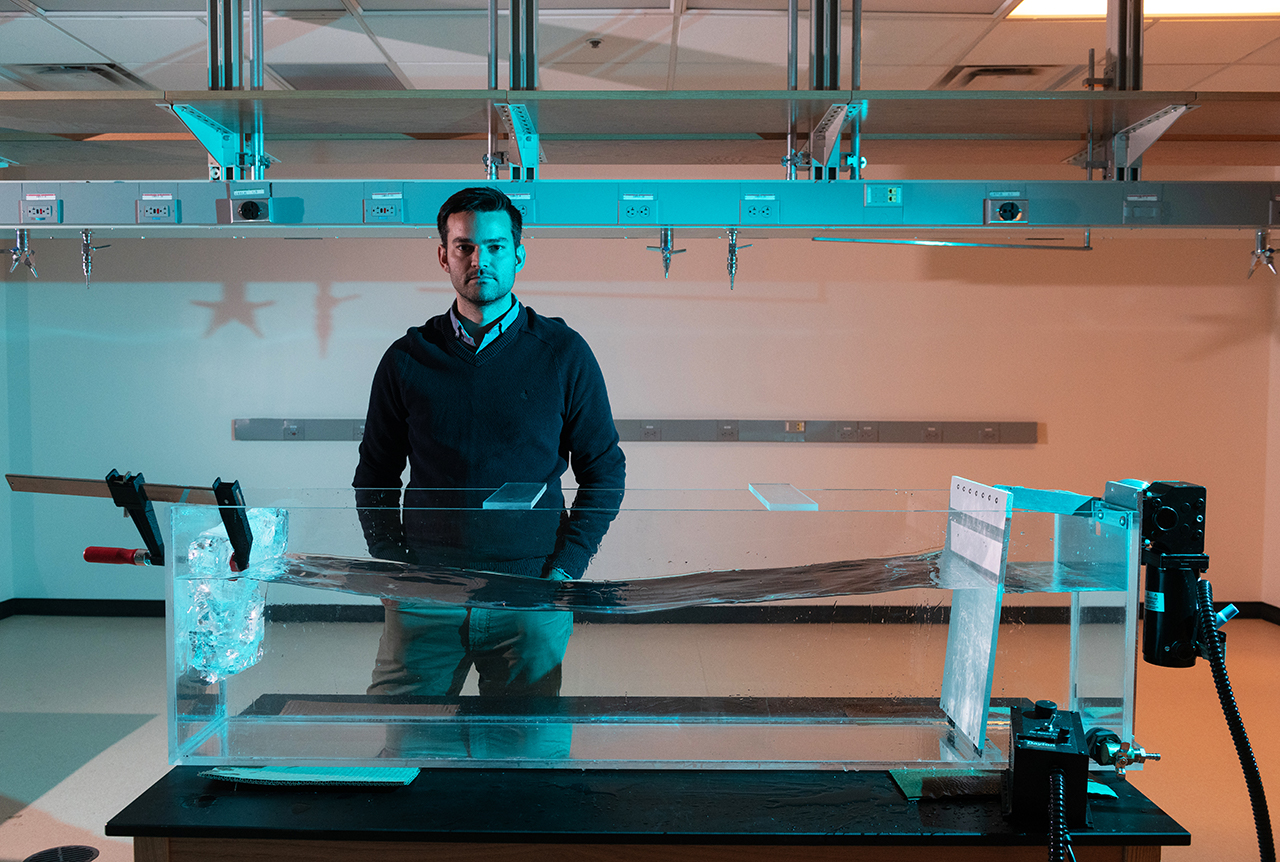
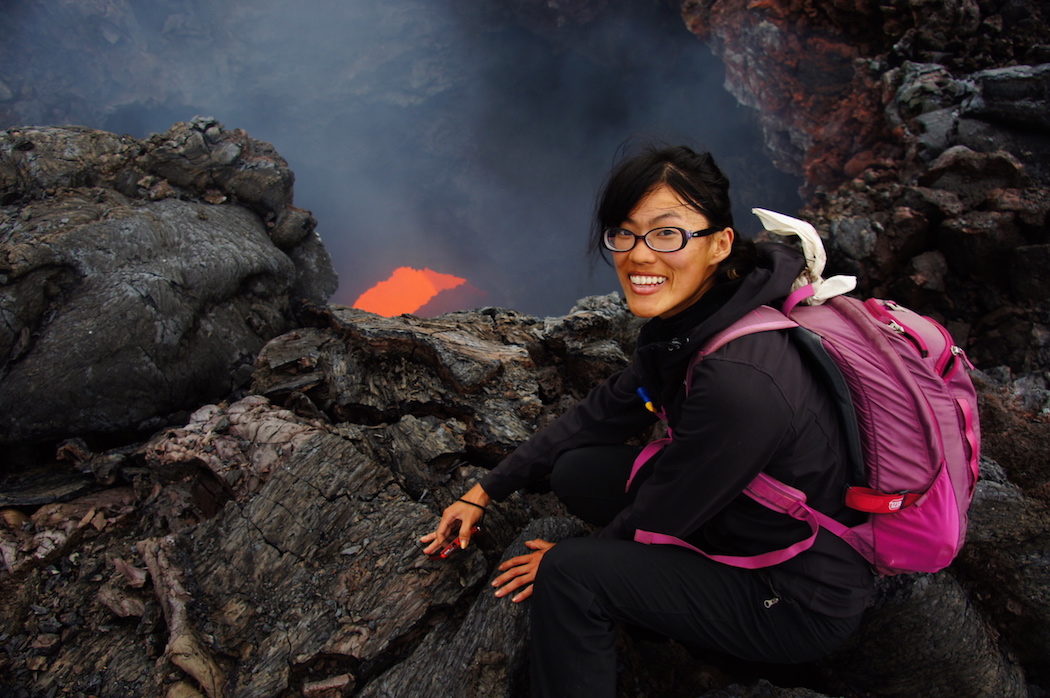
Two Georgia Tech researchers, Alex Robel and Shi Joyce Sim, have collaborated on a new model for how water moves under glaciers. The new theory shows that up to twice the amount of subglacial water that was originally predicted might be draining into the ocean – potentially increasing glacial melt, sea level rise, and biological disturbances.
The paper, published in Science Advances, “Contemporary Ice Sheet Thinning Drives Subglacial Groundwater Exfiltration with Potential Feedbacks on Glacier Flow,” is co-authored by Colin Meyer (Dartmouth), Matthew Siegfried (Colorado School of Mines), and Chloe Gustafson (USGS).
While there are pre-existing methods to understand subglacial flow, these techniques involve time-consuming computations. In contrast, Robel and Sim developed a simple equation, which can predict how fast exfiltration, the discharge of groundwater from aquifers under ice sheets, using satellite measurements of Antarctica from the last two decades.
“In mathematical parlance, you would say we have a closed form solution,” explains Robel, an assistant professor in the School of Earth and Atmospheric Sciences. “Previously, people would run a hydromechanical model, which would have to be applied at every point under Antarctica, and then run forward over a long time period.” Since the researchers’ new theory is a mathematically simple equation, rather than a model, “the entirety of our prediction can be done in a fraction of a second on a laptop,” Robel says.
Robel adds that while there is precedence for developing these kinds of theories for similar kinds of models, this theory is specific in that it is for the particular boundary conditions and other conditions that exist underneath ice sheets. “This is, to our knowledge, the first mathematically simple theory which describes the exfiltration and infiltration underneath ice sheets.”
“It's really nice whenever you can get a very simple model to describe a process — and then be able to predict what might happen, especially using the rich data that we have today. It’s incredible” adds Sim, a research scientist in the School of Earth and Atmospheric Sciences. “Seeing the results was pretty surprising.”
One of the main arguments in the paper underscores the potentially large source of subglacial water — possibly up to double the amount previously thought — that could be affecting how quickly glacial ice flows and how quickly the ice melts at its base. Robel and Sim hope that the predictions made possible by this theory can be incorporated into ice sheet models that scientists use to predict future ice sheet change and sea level rise.
A dangerous feedback cycle
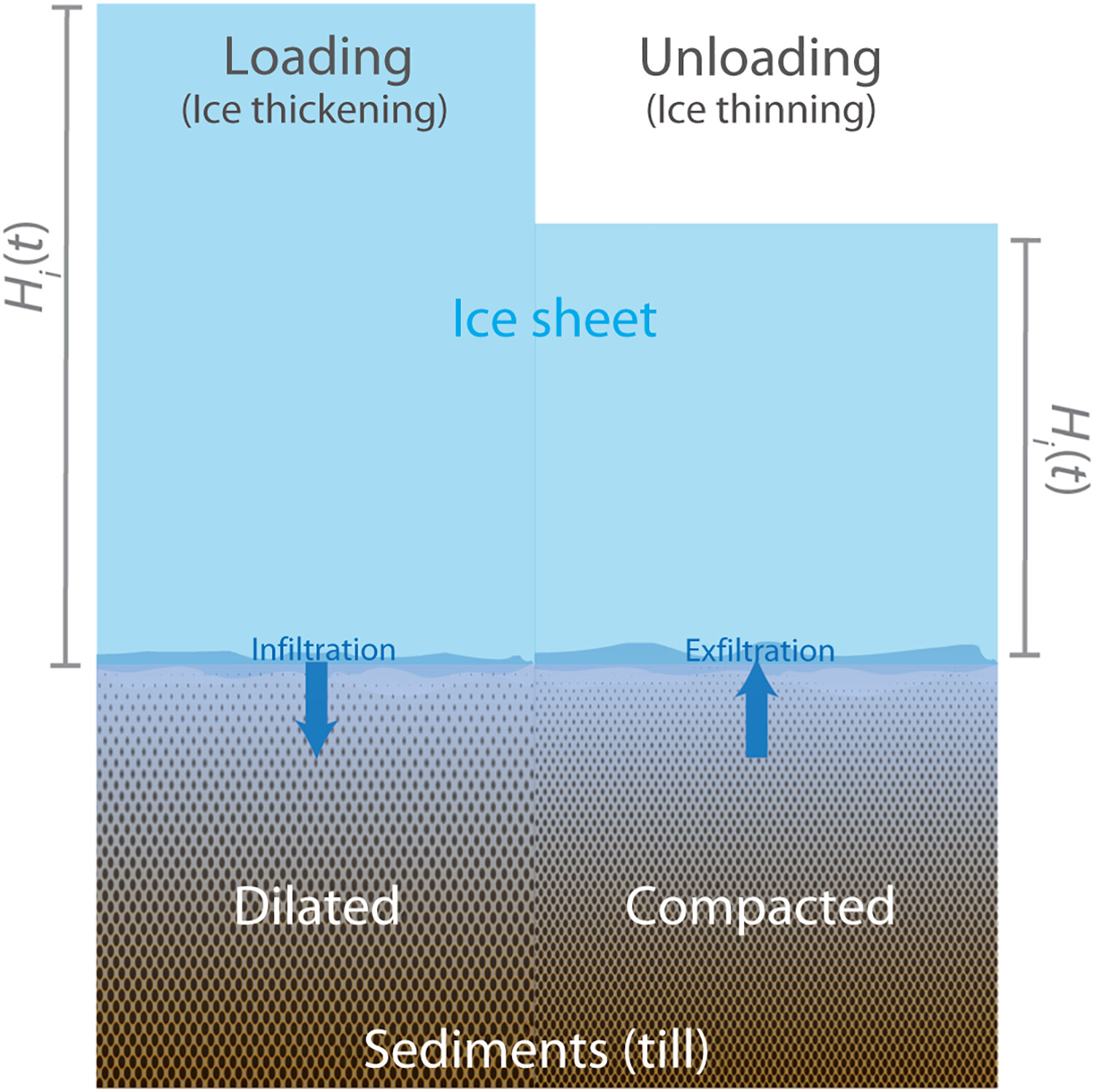
Aquifers are underground areas of porous rock or sediment rich in groundwater. “If you take weight off aquifers like there are under large parts of Antarctica, water will start flowing out of the sediment,” Robel explains, referencing a diagram Sim created. While this process, known as exfiltration, has been studied previously, focus has been on the long time scales of interglacial cycles, which cover tens of thousands of years.
There has been less work on modern ice sheets, especially on how quickly exfiltration might be occurring under the thinning parts of the current-day Antarctic ice sheet. However, using recent satellite data and their new theory, the team has been able to predict what exfiltration might look like under those modern ice sheets.
“There's a wide range of possible predictions,” Robel explains. “But within that range of predictions there is the very real possibility that groundwater may be flowing out of the aquifer at a speed that would make it a majority, or close to a majority of the water that is underneath the ice sheet.”
If those parameters are correct, that would mean there's twice as much water coming into the subglacial interface than previous estimates assumed.
Ice sheets act like a blanket, sitting over the warm earth and trapping heat on the bottom, away from Antarctica’s cold atmosphere — and this means that the warmest place in the Antarctic ice sheet is at the bottom of a sheet, not on the surface. As an ice sheet thins, the warmer underground water can exfiltrate more readily, and this heat gradient can accelerate the melting that an ice sheet experiences.
“When the atmosphere warms up, it takes tens of thousands of years for that signal to diffuse through an ice sheet of the size, of the thickness, of the Antarctic ice sheet,” Robel explains. “But this process of exfiltration is a response to the already-ongoing thinning of the ice sheet, and it's an immediate response right now.”
Broad implications
Beyond sea level rise, this additional exfiltration and melt has other implications. Some of the places of richest marine productivity in the world occur off the coast of Antarctica, and being able to better predict exfiltration and melt could help marine biologists better understand where marine productivity is occurring, and how it might change in the future.
Robel also hopes this work will open the doorway to more collaborations with groundwater hydrologists who may be able to apply their expertise to ice sheet dynamics, while Sim underscores the need for more fieldwork.
“Getting the experimentalists and observationalists interested in trying to help us better constrain some of the properties of these water-laden sediments — that would be very helpful,” Sim says. “That's our largest unknown at this point, and it heavily influences the results.”
“It's really interesting how there's a potential to draw heat from deeper in the system,” she adds. “There's quite a lot of water that could be drawing more heat out, and I think that there's a heat budget there that could be interesting to look at.”
Moving forward, collaboration will continue to be key. “I really enjoyed talking to Joyce (Sim) about these problems,” Rober says, “because Joyce is an expert on heat flow and porous flow in the Earth's interior, and those are problems that I had not worked on before. That was kind of a nice aspect of this collaboration. We were able to bridge these two areas that she works on and that I work on.”
DOI: doi.org/10.1126/sciadv.adh3693
Funding: This work was supported by startup funds from the Georgia Tech Research Corporation (A.A.R. and S.J.S.) and NASA grant 80NSSC21K0912 (M.R.S.). Alex Robel (A.A.R.) is also the recipient of a National Science Foundation CAREER grant.
By: Selena Langner
Media Contact:
Jess Hunt-Ralston
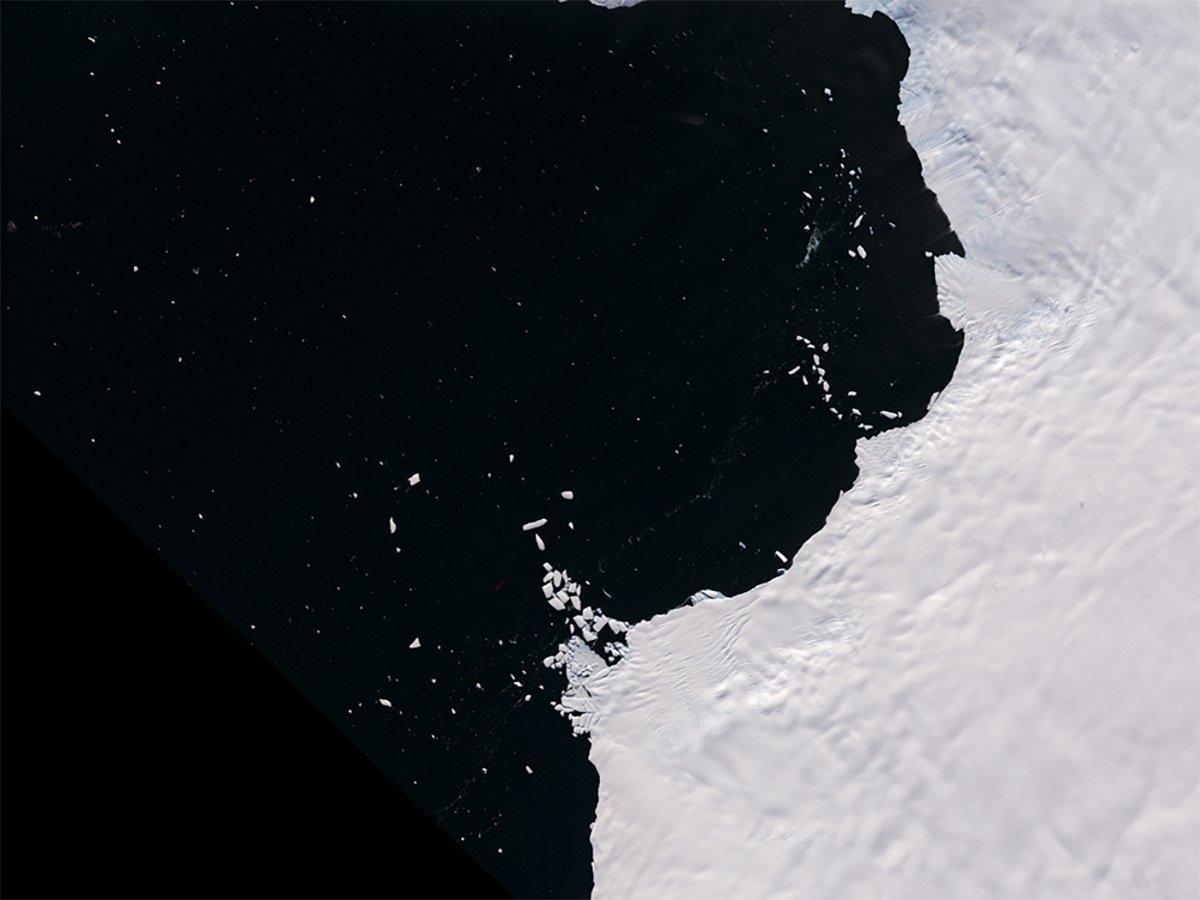
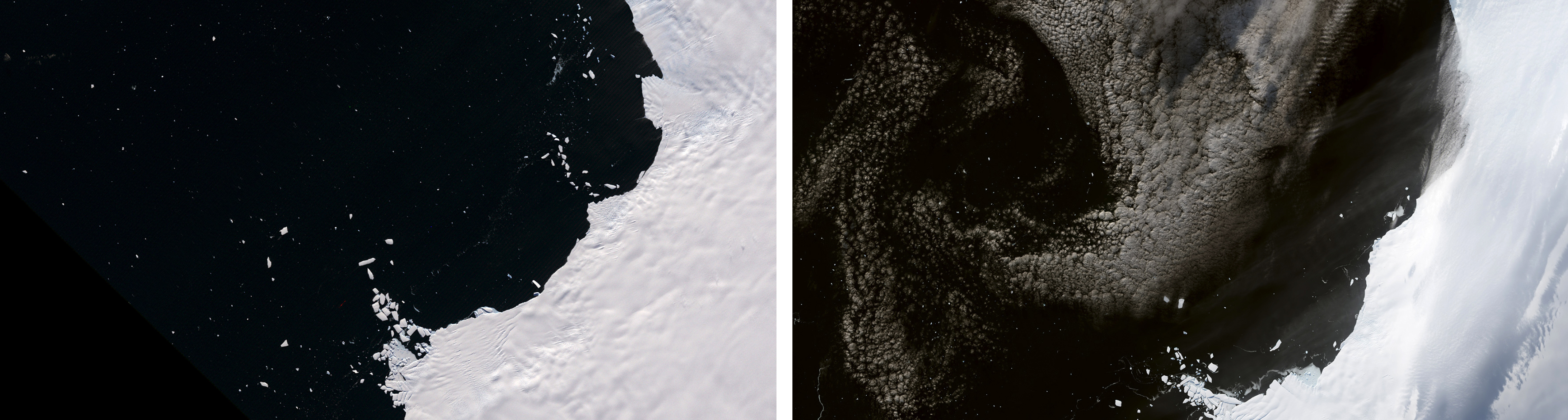
About the photos: Images of Change
Glaciers are shrinking along western Antarctica, and NASA is documenting the melt. Explore and toggle satellite images with the NASA Earth Observatory.
Turning the Tide on Climate Change
Jul 19, 2023 —

The sparkling shoreline along Deception Pass State Park in Oak Harbor, Washington (Photo: Jess Hunt-Ralston)
This story was first published in the Georgia Tech Research Newsroom. Read the full feature here.
The entire ocean is connected. Species like coral can be similar in entirely different parts of the ocean because those waters share characteristics like salinity, temperature, and nutrients. But how did this shared DNA travel in the first place? Currents connect ecosystems, and understanding their flow could help to rebuild other ecosystems. That’s the focus of the research from School of Earth and Atmospheric Sciences Professor Annalisa Bracco.
“Corals spread through larvae, which are transported by ocean currents. This is something that naturally happens and is, in the case of corals, definitely quite beneficial,” Bracco said. “If the coral gets bleached and dies, other coral DNA can come in the form of larvae and recolonize the territory.”
Bracco’s research is about more than just following these currents. She also determines how they could be used to rejuvenate weakened or destroyed ecosystems. Marine protected areas in the Gulf of Mexico could be expanded to deliver more flora and fauna larvae to repopulate stressed or damaged areas.
“We need to preserve ecosystems that are diverse, but also well connected, so they can transfer that diversity if something happens in another place,” Bracco said. Read more.
Modeling the Future of Glaciers and Ice Sheets
Retreating glaciers and the animals who live on them have become highly visible symbols of climate change. They are also a key to predicting its future. Alex Robel, an assistant professor in the School of Earth and Atmospheric Sciences, uses computational modeling to better understand how ice reacts to climate change and how, in turn, that causes global sea level to rise. His research group creates equations to explain how ice not only responds to climate change, but also how it flows, fractures, and melts.
“Unlike other fields, we don't have the standard set of equations that describe how ice sheets and glaciers work,” Robel said. “We use high-performance computing to simulate real glaciers on Antarctica and Greenland and try to understand how they have changed in the past and predict how they will change in the future.”
Not all ice is created the same. While sea ice freezes over a few feet of the top of the ocean in wintertime, glaciers are formed by the accumulation and compression of snow on land over long periods of time to depths of hundreds, even thousands, of feet. When enough accumulates, ice can start to flow like honey under its own weight and then is considered an ice sheet.
Developing these equations must account for how glaciers and ice sheets are exposed to the volatile climate system — and measuring conditions at the bottom of a glacier is no easy task. The field comes with a lot of inherent uncertainty that Robel’s group must plan for. Read more.
Writer and Media Contact:
Tess Malone | tess.malone@gatech.edu
Balancing Act of Hurricane Season Sways With Climate Change
Jul 06, 2023 —

Hurricane season is underway and runs through Nov. 30. While the National Oceanic and Atmospheric Administration is forecasting a “near-normal” 2023, experts say that climate change paints a more unpredictable picture for the future.
Behind the 2023 projections is a balancing act of rising oceanic temperatures and the onset of the climate phenomenon El Niño, explains Susan Lozier, dean and Betsy Middleton and John Clark Sutherland Chair in the College of Sciences. The waters of the tropical Atlantic Ocean are currently 1 – 3°C above average, which would typically signify the potential for more intense activity, but the wind shear associated with El Niño acts as a deterrent for hurricane formation.
Increasing Intensity
But what could happen when the shield of El Niño isn't present to counteract the rising temperatures in the tropical Atlantic?
"Climate change is leading to warmer surface temperatures. We know that will lead to more intense hurricanes, but we don't know if it will necessarily lead to more hurricanes. As climate change progresses, we are interested in understanding how weather patterns will be disrupted, including those related to hurricane formation and pathways," said Lozier, who recently served as president of the American Geophysical Union.
She further explained that the increased intensity is a result of the warm waters releasing additional energy into the storm as it forms. This consequence of climate change could present problems for the Tech campus and the city of Atlanta due to the risk of torrential rainfall. According to the National Weather Service, flooding has proven to be the deadliest hazard associated with hurricanes over the past decade.
"When people think about hurricanes, they generally think about damaging winds. Winds are damaging, but increasingly, the most damaging part of a hurricane is the immense amount of moisture they carry," Lozier said, reflecting on the 2017 landfall of Hurricane Harvey. "An area like Atlanta could be affected by heavy rainfall associated with the path of a hurricane. The winds will have mostly died down by the time a storm reaches Atlanta, but as the climate warms, warmer air holds more moisture, and because of that, the expectation is that there will be more rainfall associated with hurricanes and tropical storms.”
Beyond Reducing Carbon Emissions
Fueling the rising temperatures in the world's oceans is an increase in carbon emissions, and simply curtailing them may not be a solution.
"The private and public sectors are increasingly looking at actively removing carbon from the atmosphere because we are unlikely to limit global warming simply by curtailing emissions. Active carbon drawdown from the atmosphere and the ocean are active areas of research right now,” Lozier said.
Tech researchers are at the forefront of this effort, highlighted by a partnership between the Institute, the Georgia Aquarium, and Ocean Visions — the Center for Ocean-Climate Solutions. Lozier represents the Institute as a partnership lead at the center, where the primary focus is the design and delivery of scalable and equitable ocean-based solutions to reduce the effects of climate change and build climate-resilient marine ecosystems and coastal communities.
Associate Professor Chris Reinhard is exploring how coastal ecosystem restoration can permanently capture carbon dioxide from the atmosphere as it becomes buried in sediments on the seafloor. The overall process of removing carbon from the air can be costly. To combat that, a team of researchers in the School of Chemical and Biomolecular Engineering is developing a traditional direct air capture system that is cheaper to operate and more efficient. Helping to craft policy and research climate solutions, Marilyn Brown, Regents’ Professor and the Brook Byers Professor of Sustainable Systems in the School of Public Policy, serves on the leadership council of Drawdown Georgia.
A certain level of unpredictability will always exist when dealing with natural disasters, but understanding humans’ role in controlling climate change could be a key factor in our ability to accurately assess the threat of developing storms.
Steven Gagliano - Communications Officer
Institute Communications
Gauging Glaciers: Alex Robel Awarded NSF CAREER Grant for New Ice Melt Modeling Tool
Jun 28, 2023 —
Alex Robel is improving how computer models of melting ice sheets incorporate data from field expeditions and satellites by creating a new open-access software package — complete with state-of-the-art tools and paired with ice sheet models that anyone can use, even on a laptop or home computer.
Improving these models is critical: while melting ice sheets and glaciers are top contributors to sea level rise, there are still large uncertainties in sea level projections at 2100 and beyond.
“Part of the problem is that the way that many models have been coded in the past has not been conducive to using these kinds of tools,” Robel, an assistant professor in the School of Earth and Atmospheric Sciences, explains. “It's just very labor-intensive to set up these data assimilation tools — it usually involves someone refactoring the code over several years.”
“Our goal is to provide a tool that anyone in the field can use very easily without a lot of labor at the front end,” Robel says. “This project is really focused around developing the computational tools to make it easier for people who use ice sheet models to incorporate or inform them with the widest possible range of measurements from the ground, aircraft and satellites.”
Now, a $780,000 NSF CAREER grant will help him to do so.
The National Science Foundation Faculty Early Career Development Award is a five-year funding mechanism designed to help promising researchers establish a personal foundation for a lifetime of leadership in their field. Known as CAREER awards, the grants are NSF’s most prestigious funding for untenured assistant professors.
“Ultimately,” Robel says, “this project will empower more people in the community to use these models and to use these models together with the observations that they're taking.”
Ice sheets remember
“Largely, what models do right now is they look at one point in time, and they try their best — at that one point in time — to get the model to match some types of observations as closely as possible,” Robel explains. “From there, they let the computer model simulate what it thinks that ice sheet will do in the future.”
In doing so, the models often assume that the ice sheet starts in a state of balance, and that it is neither gaining nor losing ice at the start of the simulation. The problem with this approach is that ice sheets dynamically change, responding to past events — even ones that have happened centuries ago. “We know from models and from decades of theory that the natural response time scale of thick ice sheets is hundreds to thousands of years,” Robel adds.
By informing models with historical records, observations, and measurements, Robel hopes to improve their accuracy. “We have observations being made by satellites, aircraft, and field expeditions,” says Robel. “We also have historical accounts, and can go even further back in time by looking at geological observations or ice cores. These can tell us about the long history of ice sheets and how they've changed over hundreds or thousands of years.”
Robel’s team plans to use a set of techniques called data assimilation to adjust, or ‘nudge’, models. “These data assimilation techniques have been around for a really long time,” Robel explains. “For example, they’re critical to weather forecasting: every weather forecast that you see on your phone was ultimately the product of a weather model that used data assimilation to take many observations and apply them to a model simulation.”
“The next part of the project is going to be incorporating this data assimilation capability into a cloud-based computational ice sheet model,” Robel says. “We are planning to build an open source software package in Python that can use this sort of data assimilation method with any kind of ice sheet model.”
Robel hopes it will expand accessibility. “Currently, it's very labor-intensive to set up these data assimilation tools, and while groups have done it, it usually involves someone re-coding and refactoring the code over several years.”
Building software for accessibility
Robel’s team will then apply their software package to a widely used model, which now has an online, browser-based version. “The reason why that is particularly useful is because the place where this model is running is also one of the largest community repositories for data in our field,” Robel says.
Called Ghub, this relatively new repository is designed to be a community-wide place for sharing data on glaciers and ice sheets. “Since this is also a place where the model is living, by adding this capability to this cloud-based model, we'll be able to directly use the data that's already living in the same place that the model is,” Robel explains.
Users won’t need to download data, or have a high-speed computer to access and use the data or model. Researchers collecting data will be able to upload their data to the repository, and immediately see the impact of their observations on future ice sheet melt simulations. Field researchers could use the model to optimize their long-term research plans by seeing where collecting new data might be most critical for refining predictions.
“We really think that it is critical for everyone who's doing modeling of ice sheets to be doing this transient data simulation to make sure that our simulations across the field are all doing the best possible job to reproduce and match observations,” Robel says. While in the past, the time and labor involved in setting up the tools has been a barrier, “developing this particular tool will allow us to bring transient data assimilation to essentially the whole field.”
Bringing Real Data to Georgia’s K-12 Classrooms
The broad applications and user-base expands beyond the scientific community, and Robel is already developing a K-12 curriculum on sea level rise, in partnership with Georgia Tech CEISMC Researcher Jayma Koval. “The students analyze data from real tide gauges and use them to learn about statistics, while also learning about sea level rise using real data,” he explains.
Because the curriculum matches with state standards, teachers can download the curriculum, which is available for free online in partnership with the Southeast Coastal Ocean Observing Regional Association (SECOORA), and incorporate it into their preexisting lesson plans. “We worked with SECOORA to pilot a middle school curriculum in Atlanta and Savannah, and one of the things that we saw was that there are a lot of teachers outside of middle school who are requesting and downloading the curriculum because they want to teach their students about sea level rise, in particular in coastal areas,” Robel adds.
In Georgia, there is a data science class that exists in many high schools that is part of the computer science standards for the state. “Now, we are partnering with a high school teacher to develop a second standards-aligned curriculum that is meant to be taught ideally in a data science class, computer class or statistics class,” Robel says. “It can be taught as a module within that class and it will be the more advanced version of the middle school sea level curriculum.”
The curriculum will guide students through using data analysis tools and coding in order to analyze real sea level data sets, while learning the science behind what causes variations and sea level, what causes sea level rise, and how to predict sea level changes.
“That gets students to think about computational modeling and how computational modeling is an important part of their lives, whether it's to get a weather forecast or play a computer game,” Robel adds. “Our goal is to get students to imagine how all these things are combined, while thinking about the way that we project future sea level rise.”
Written by Selena Langner
Contact: Jess Hunt-Ralston