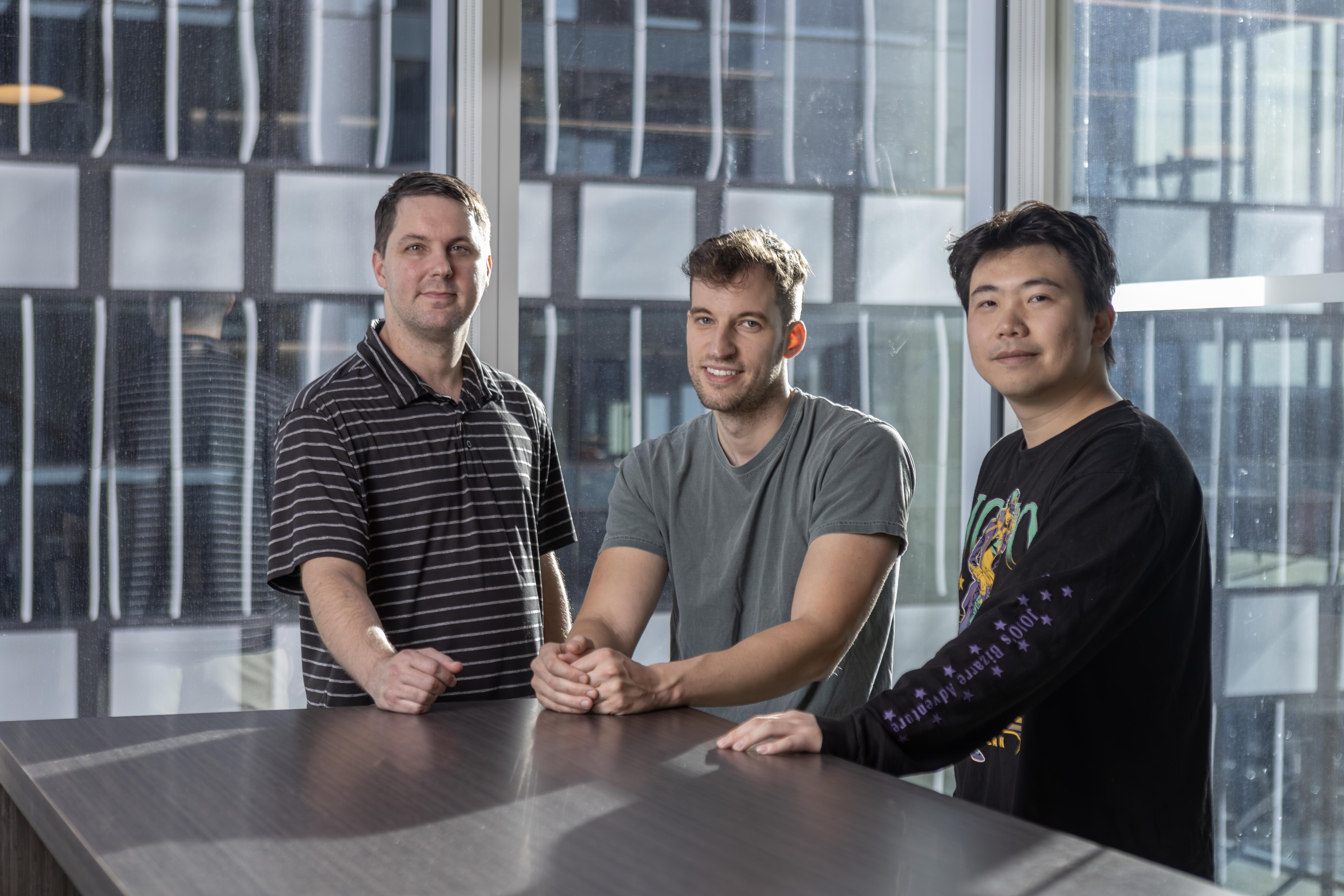
Nga Lee Sally Ng Receives 2023 AGU Atmospheric Sciences Ascent Award
Sep 28, 2023 —
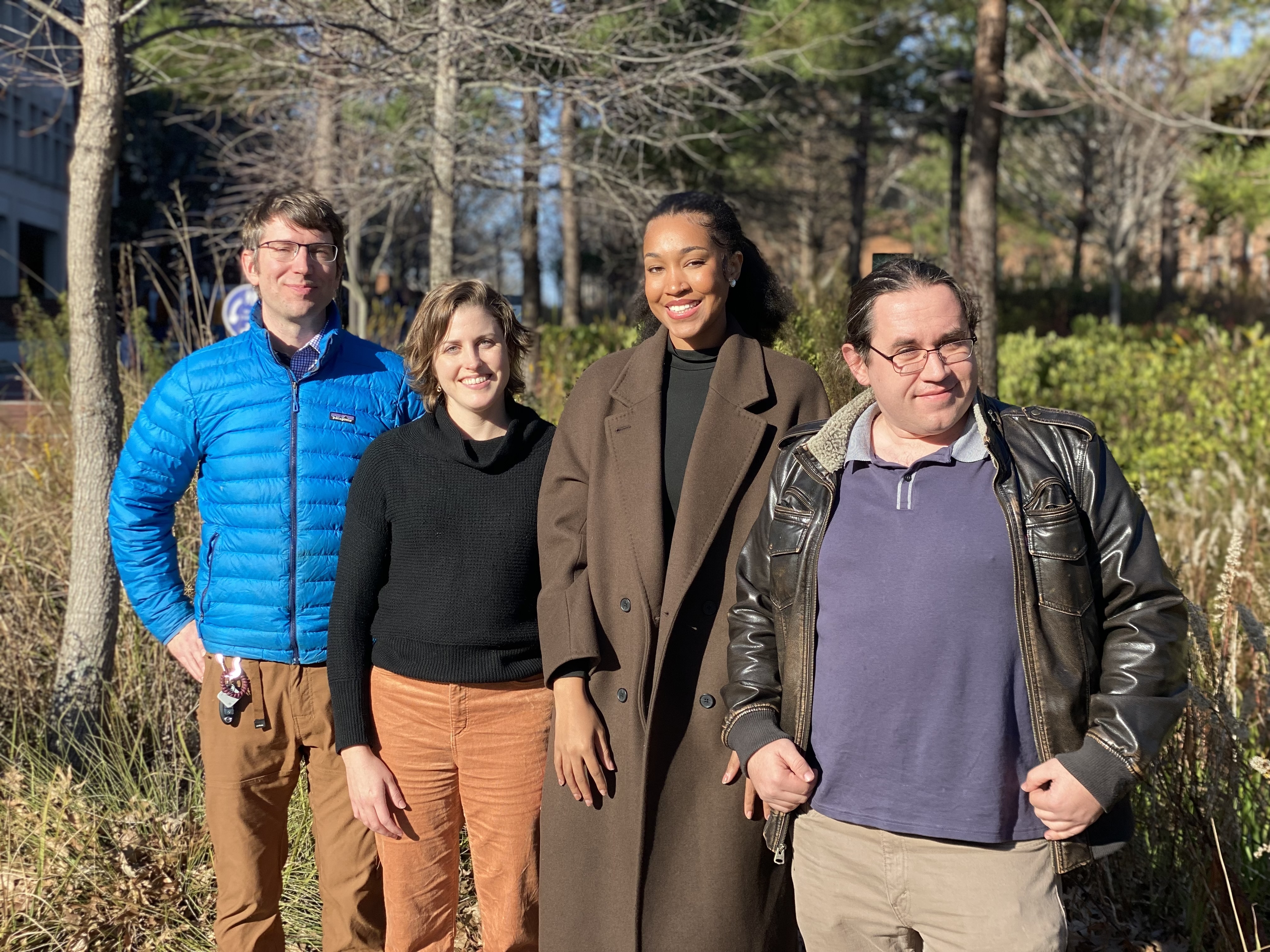
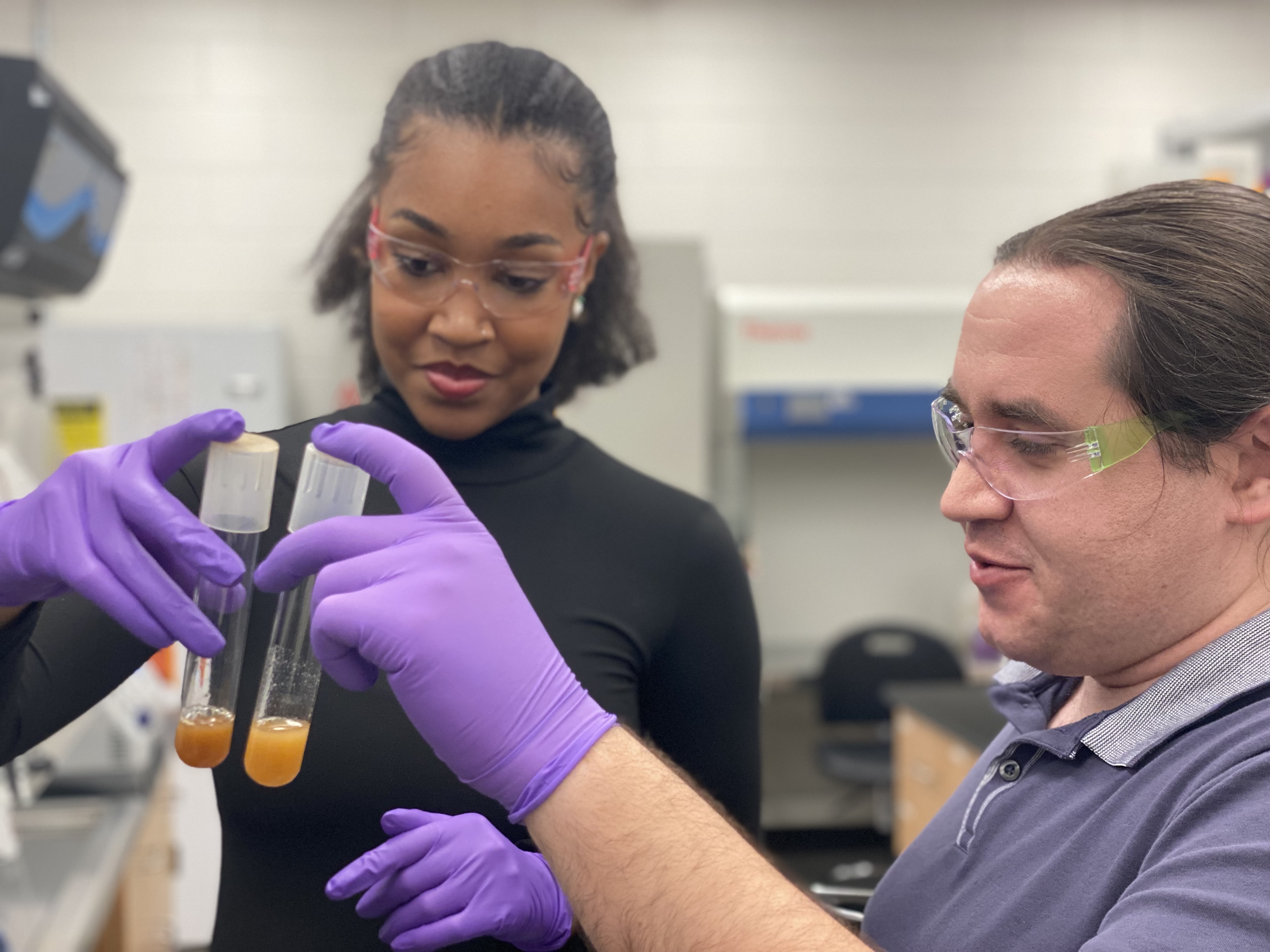
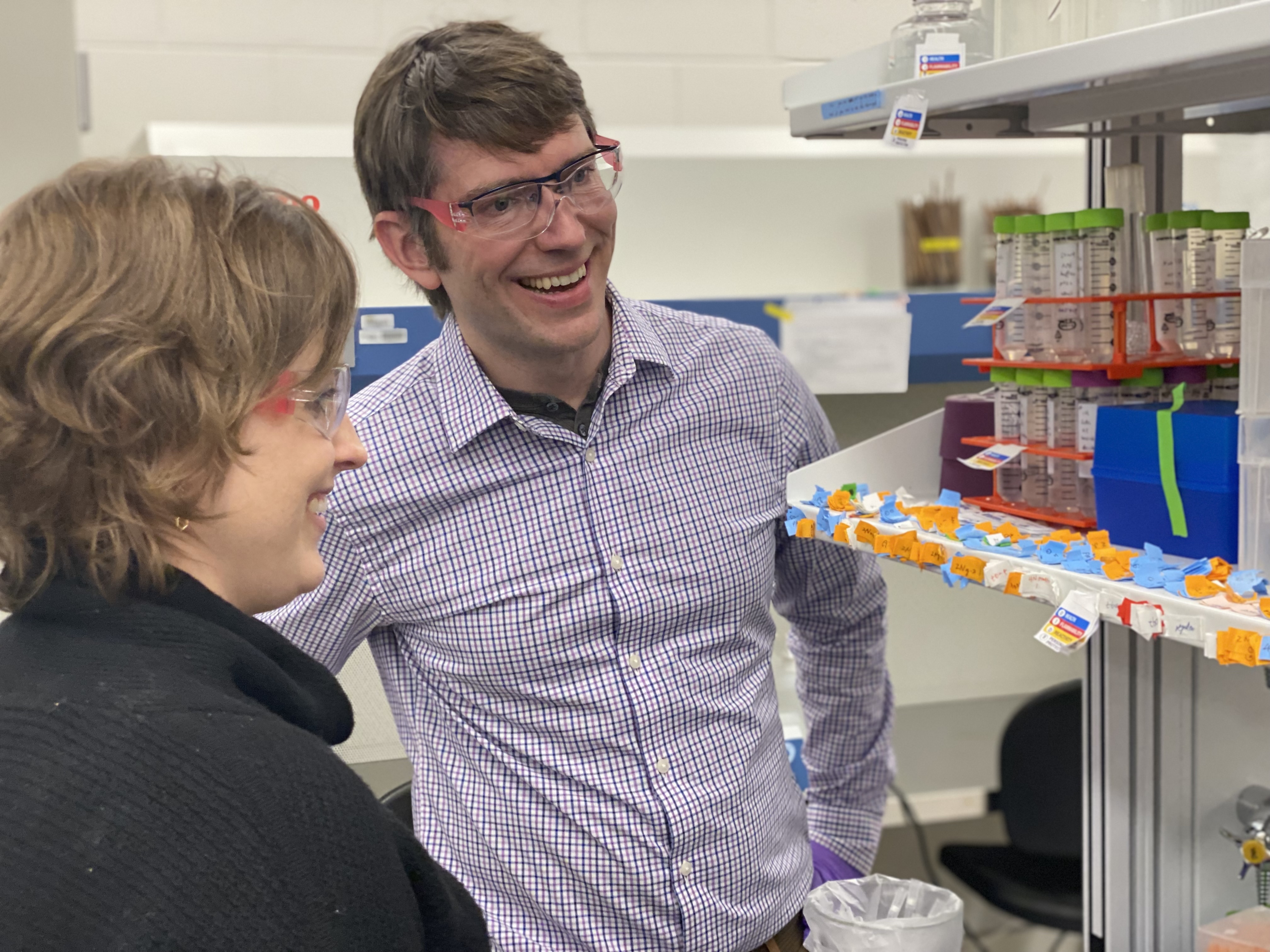
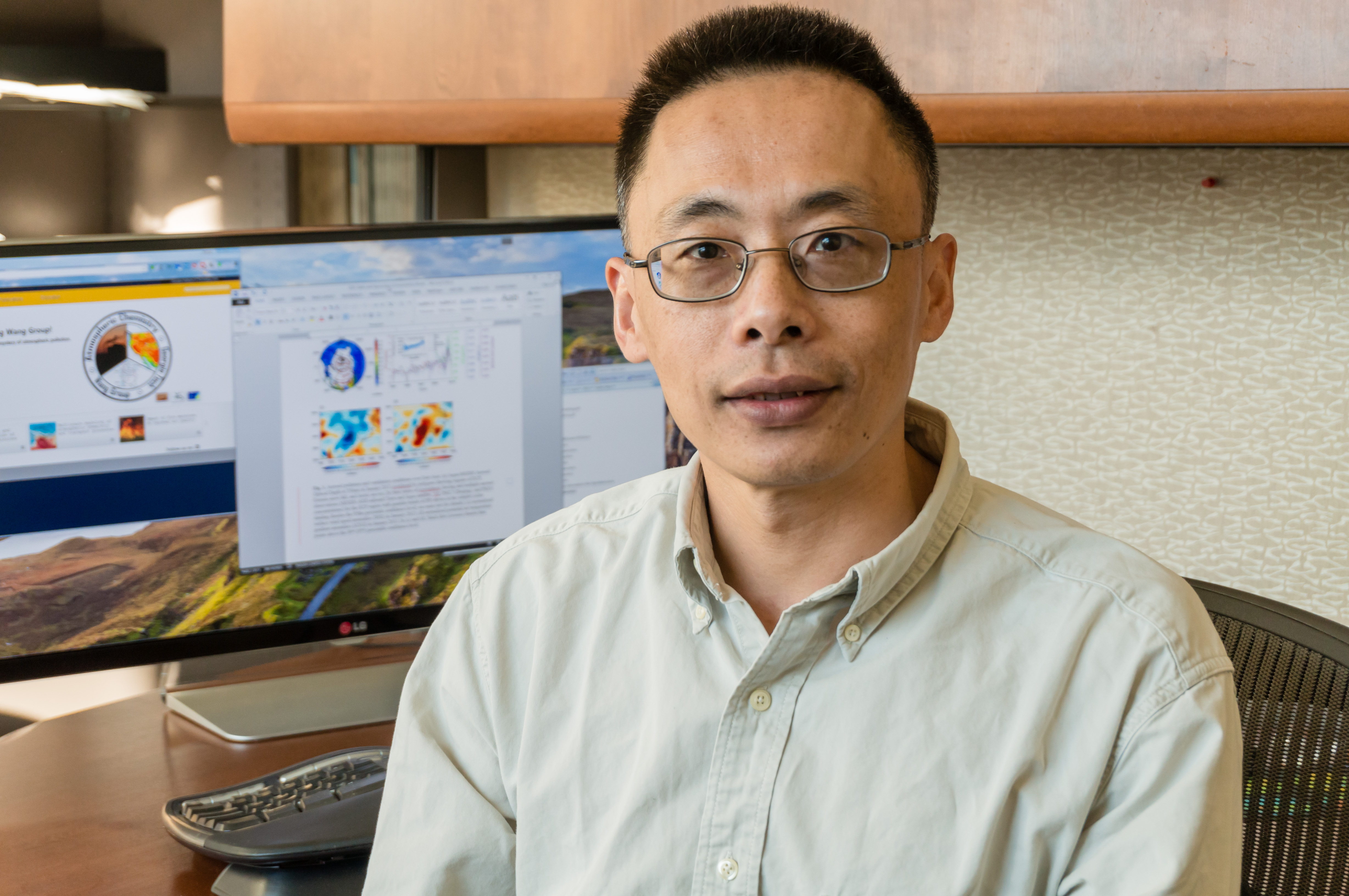
Nga Lee (Sally) Ng, Love Family Professor with joint appointments in the School of Chemical and Biomolecular Engineering and School of Earth and Atmospheric Sciences, is AGU's 2023 Atmospheric Sciences Ascent Award recipient.
The Atmospheric Sciences Ascent Award is presented annually and recognizes excellence in research and leadership in the atmospheric and climate sciences from honorees between eight and 20 years of receiving their PhD.
Being selected as a Section Honoree is bestowed upon individuals for meritorious work or service toward the advancement and promotion of discovery and solution science. AGU, the world's largest Earth and space science association, annually recognizes a select number of individuals as part of its Honors and Recognition program.
The Atmospheric Sciences Section studies the physics, chemistry, and dynamics of the atmosphere. Ng received the Ascent Award for advancing the fundamental understanding of organic aerosol measurement, sources, chemistry, trends, and impacts in Earth’s atmosphere.
Ng earned her doctorate in Chemical Engineering from the California Institute of Technology and was a postdoctoral scientist at Aerodyne Research Inc. She joined Georgia Tech as an assistant professor in 2011.
Her research focuses on the understanding of the chemical mechanisms of aerosol formation and composition, as well as their health effects. Her group combines laboratory chamber studies and ambient field measurements to study aerosols using advanced mass spectrometry techniques.
Ng currently leads the establishment of the Atmospheric Science and Chemistry mEasurement NeTwork (ASCENT), a new comprehensive, high-time-resolution, long-term measurement network in the U.S. for the characterization of aerosol chemical composition and physical properties. Ng is the inaugural editor-in-chief of the American Chemical Society's (ACS) ACS ES&T Air, a new journal that will publish novel and globally relevant original research on all aspects of air quality sciences and engineering.
Honorees will be recognized at AGU23, which will convene more than 25,000 attendees from over 100 countries in San Francisco and online everywhere on 11-15 December 2023. This celebration is a chance for AGU’s community to recognize the outstanding work of our colleagues and be inspired by their accomplishments and stories.
Brad Dixon
Communications Manager
School of Chemical and Biomolecular Engineering at Georgia Tech
Krista Walton Chosen as Associate Vice President for Research Operations and Infrastructure
Sep 27, 2023 —
Krista Walton, newly named associate vice president for Research Operations and Infrastructure for Georgia Tech
Krista Walton has been named associate vice president for Research Operations and Infrastructure for Georgia Tech, effective Oct. 1. In her new position, Walton will ensure effective and strategic support for research faculty and staff related to operations, infrastructure, and administration. She brings 14 years of experience at Georgia Tech, most recently as associate dean for Research and Innovation in the College of Engineering.
“Contributing to the research enterprise at Georgia Tech has been a major focus of my career over the last 14 years,” she said. “I am passionate about academic research and have a deep understanding of the operational support our researchers need to be successful. I look forward to working alongside the Institute’s exceptional leadership, faculty, and staff to support and elevate our research endeavors, fostering an environment where groundbreaking discoveries flourish."
In this role, Walton will oversee the facilitation and support of research across campus and will be responsible for a variety of principal investigator (PI)-facing activities within the research enterprise, including internally funded research programs. She will also oversee research space, core facilities, research computing and data, and contribute to policies related to research administration and operations.
Walton joined the faculty in the School of Chemical and Biomolecular Engineering at Georgia Tech in 2009 as an assistant professor. Her postdoctoral research was completed at Northwestern University, and she holds a B.S.E. and Ph.D. from the University of Alabama-Huntsville and Vanderbilt University, respectively. Her research focuses on the design, synthesis, and characterization of functional porous materials for use in adsorption applications including carbon dioxide capture and atmospheric water harvesting. She was the founding director and lead PI on Georgia Tech’s first DOE Energy Frontier Research Center in 2014 and is currently an associate editor for the American Chemical Society journal Industrial & Engineering Chemistry Research.
“This role is critically important as we grow and scale our research enterprise across all research areas at Georgia Tech,” said Robert Butera, chief research operations officer. “I worked alongside Krista during my time in the College of Engineering, and I am confident she has the skill and expertise to lead our research operations into the future.”
Georgia Parmelee | georgia.parmelee@gatech.edu
New Resource for Domestic Abuse Survivors Combines AI, Cybersecurity, and Psychology
Sep 27, 2023 —
Cybersecurity master's student Sneha Talwalkar (left) and GTRI Principal Research Scientist Courtney Crooks (right) are working to bring relief to survivors of domestic abuse by building on developments recently made in cognitive security. (Photos by Kevin Beasley/College of Computing)
Georgia Tech researchers are working to create a new software tool powered by artificial intelligence (AI) to address the under-researched area of digital security and domestic abuse.
These areas frequently overlap with abusers often using the internet and mobile technology to extend the reach of their abuse. However, the smaller scale of these online attacks has resulted in less attention from security researchers.
By building on developments recently made in cognitive security, Principal Research Scientist Courtney Crooks and graduate student Sneha Talwalkar are working to bring relief to survivors of domestic abuse.
The impact of domestic abuse, otherwise called intimate partner violence (IPV), on public health is something that Crooks has been studying for several years through research and practice in her role as a licensed psychologist and researcher.
After seeing how new technology opened new methods of abuse online, Crooks realized she could help fill in the gaps in this research space using her experience working with the Georgia Tech Research Institute, the School of Cybersecurity and Privacy (SCP) at Georgia Tech, and the Emory University School of Medicine.
To get what they want, abusers try to change their victim’s state of mind through cognitive manipulation and use different tactics to do so. Crooks decided to explore ways to help IPV survivors counteract these enhanced technology-enabled cognitive security risks as they progressed through their recovery.
The software Crooks and Talwalkar are working to develop would alert survivors to these potential or observed abuses by leveraging well-known, developmentally appropriate, psychologically based learning strategies. The tool will focus solely on the unique risks faced by IPV survivors. Applying human-centered design principles and ethical standards to the AI design will be a top priority for the team.
The team is working to develop AI-assisted interventions that are psychologically informed and made specifically to focus on the unique risks faced by survivors. These interventions will be designed to take place alongside traditional methods of support, such as mental health and community resources.
“It’s important to understand that abusive relationships are complicated. While some people can escape them, many can’t,” said Crooks. “Or they may physically escape, but resources like their phones, online accounts, or finances may still be vulnerable to their abusers. Survivors may also need to continue to communicate with their abuser, like in instances in which they share children.”
Regardless of circumstances, it is often difficult for survivors to stop communicating with their abusers once they escape the relationship. This inability to disconnect is because of the psychological connections reinforced while they were with their former partner.
The AI technologies Crooks and Talwalkar propose will not act like a ChatGPT chatbot. Instead, it will act like a coach, learning from abusive behavior tactics and potential survivor responses.
The tool will then make suggestions based on each user’s specific recovery progress and goals while factoring in potential risks. To improve its coaching performance and general knowledge base, the AI will continue to learn from the outcome of each incident survivors face.
“The model provides the necessary intervention to assist in the recovery of an IPV survivor,” said Talwalkar. “We want to use artificial intelligence for good, and this project is a step in that direction.”
The classes in the SCP master’s program played a pivotal role in shaping Talwalkar’s research in this area. While exploring internet censorship and language models, she recognized the emerging challenges posed by AI in security. After an insightful conversation with SCP Professor Peter Swire, Talwalkar gained the confidence to shift her focus towards investigating malicious intent in immersive environments. With Crooks’ guidance, she began exploring the socio-technical environment of IPV.
Designing User-Centered Artificial Intelligence to Assist in Recovery from Domestic Abuse was accepted as an extended abstract and presented to the 2023 World Congress Computer Science, Computer Engineering, and Applied Computing event this summer. Proceedings of the IEEE is publishing the work in an upcoming issue.
In May, Crooks, Talwalkar, and others from their research team presented their findings at the Health Sciences Research Day hosted on the Emory University campus by the Emory School of Medicine. Crooks presented her study of the lived experience of coercive control in domestic abuse, from which this current research is derived, at the February 2023 National Meeting of the American Psychoanalytic Association.
October is National Domestic Violence Awareness Month and National Cybersecurity Awareness Month. For more information about domestic abuse and resources to help, please visit the Centers for Disease Control and Prevention website.
JP Popham
Communications Officer | School of Cybersecurity and Privacy
Georgia Institute of Technology
Desk: (404) 894-6260
jpopham3@gatech.edu | scp.cc.gatech.edu
Computing Faculty Supporting Research That Could Cut Cancer Deaths in Half
Sep 26, 2023 —
A surgically implantable device the size of a pinky finger could be a huge step toward a cure for cancer. A multi-institutional team of researchers that includes Georgia Tech faculty received $45 million from the Advanced Research Projects Agency for Health (ARPA-H) to develop sense-and-respond implant technology for cancer treatment.
The National Cancer Institute estimates more than 600,000 people will die of cancer in the U.S. in 2023, but the researchers say their project could reduce the number of U.S. cancer-related deaths by 50%.
Josiah Hester, an associate professor in Georgia Tech’s School of Interactive Computing, is a co-principal investigator on the project and is responsible for the sensing and computing technology in the implantable device. He will also assist with large-scale experimentations and coordinate the integration of the technology.
Hester specializes in developing sensing, battery-free, and sustainable technology for wearable and mobile devices. He previously worked on a team that developed the first battery-free handheld gaming console.
Celine Lin, associate professor in Georgia Tech’s School of Computer Science, is working with Hester to develop ultra-energy-efficient chips for signal processing and embedded control. Together, they will develop a robust platform that is energy-efficient enough to last for months.
The device contains genetically engineered cells catered to each individual patient that attack and eliminate cancer cells in the body. Thanks to Hester’s efforts, the device can monitor a patient’s cancer and adjust the dosage of the genetically engineered cells in real time.
“We must keep the cells alive to fight the cancer, and we must understand and control our progress in delivering this treatment,” Hester said. “Releasing too many cells could be toxic, and not releasing enough could be ineffective.”
Omid Veiseh, a bioengineer at Rice University, serves as principal investigator on the project and genetically engineers the cancer-attacking cells.
Along with Hester and Lin, Veiseh’s team consists of 19 co-PIs from the University of Texas, Stanford University, Carnegie Mellon University, Northwestern University, the University of Houston, and Johns Hopkins University.
The researchers named their project Targeted Hybrid Oncotherapeutic Regulation (THOR) and named the implantable device Hybrid Advanced Molecular Manufacturing Regulator (HAMMR).
Over the next five years, the team will test this unique approach to cancer treatment on patients with ovarian, pancreatic, and other difficult-to-treat cancers. They expect to not only improve immunotherapy outcomes for patients, but to make treatment more accessible.
Hester said once the device is surgically implanted, it is designed to remain in the body for six months or more, making it a minimally invasive alternative to chemotherapy.
“If you’re a patient with advanced stage cancer, you might be going in weekly to do various invasive and painful procedures,” Hester said. “This implant could remove a lot of the burden and make cancer treatment more accessible.
“Instead of driving three or four hours to get your treatment — which is expensive, and you may not be able to do it — you can have this implant. You come for the surgery, then you leave, and it stays with you for six months. The localized treatment should reduce the pain and terrible symptoms that chemotherapy and other systemic treatments cause in current protocols.”
ARPA-H is a federal funding agency established in 2022 to support research that has “the potential to transform entire areas of medicine and health.” THOR is the second program to receive funding from ARPA-H after its first Open Broad Agency Announcement solicitation for research proposals.
The first funding contract went to a team of researchers led by Philip Santangelo, a professor in the Wallace H. Coulter Department of Biomedical Engineering at Georgia Tech and Emory. Their project, known as CUREIT, uses mRNA drugs to activate or switch off certain genes to help the immune system fight cancer and other chronic diseases.
Nathan Deen, Communications Officer
School of Interactive Computing
From Seafloor to Space: New Bacterial Proteins Shine Light on Climate and Astrobiology
Sep 27, 2023 —
Methane clathrate (white, ice-like material) under a rock from the seafloor of the northern Gulf of Mexico. Deposits such as these demonstrate that methane and other gases cross the seafloor and enter the ocean. Photo credit: NOAA
Gigatons of greenhouse gas are trapped under the seafloor, and that’s a good thing. Around the coasts of the continents, where slopes sink down into the sea, tiny cages of ice trap methane gas, preventing it from escaping and bubbling up into the atmosphere.
While rarely in the news, these ice cage formations, known as methane clathrates, have garnered attention because of their potential to affect climate change. During offshore drilling, methane ice can get stuck in pipes, causing them to freeze and burst. The 2010 Deepwater Horizon oil spill is thought to have been caused by a buildup of methane clathrates.
But until now, the biological process behind how methane gas remains stable under the sea has been almost completely unknown. In a breakthrough study, a cross-disciplinary team of Georgia Tech researchers discovered a previously unknown class of bacterial proteins that play a crucial role in the formation and stability of methane clathrates.
A team led by Jennifer Glass, associate professor in the School of Earth and Atmospheric Sciences, and Raquel Lieberman, professor and Sepcic-Pfeil Chair in the School of Chemistry and Biochemistry, showed that these novel bacterial proteins suppress the growth of methane clathrates as effectively as commercial chemicals currently used in drilling, but are non-toxic, eco-friendly, and scalable. Their study, funded by NASA, informs the search for life in the solar system, and could also increase the safety of transporting natural gas.
The research, published in the journal PNAS Nexus, underscores the importance of fundamental science in studying Earth’s natural biological systems and highlights the benefits of collaboration across disciplines.
“We wanted to understand how these formations were staying stable under the seafloor, and precisely what mechanisms were contributing to their stability,” Glass said. “This is something no one has done before.”
Sifting Through Sediment
The effort started with the team examining a sample of clay-like sediment that Glass acquired from the seafloor off the coast of Oregon.
Glass hypothesized that the sediment would contain proteins that influence the growth of methane clathrate, and that those proteins would resemble well-known antifreeze proteins in fish, which help them survive in cold environments.
But to confirm her hypothesis, Glass and her research team would first have to identify protein candidates out of millions of potential targets contained in the sediment. They would then need to make the proteins in the lab, though there was no understanding of how these proteins might behave. Also, no one had worked with these proteins before.
Glass approached Lieberman, whose lab studies the structure of proteins. The first step was to use DNA sequencing paired with bioinformatics to identify the genes of the proteins contained in the sediment. Dustin Huard, a researcher in Lieberman’s lab and first author of the paper, then prepared candidate proteins that could potentially bind to the methane clathrates. Huard used X-ray crystallography to determine the structure of the proteins.
Creating Seafloor Conditions in the Lab
Huard passed off the protein candidates to Abigail Johnson, a former Ph.D. student in Glass’ lab and co-first author on the paper, who is now a postdoctoral researcher at the University of Georgia. To test the proteins, Johnson formed methane clathrates herself by recreating the high pressure and low temperature of the seafloor in the lab. Johnson worked with Sheng Dai, an associate professor in the School of Civil and Environmental Engineering, to build a unique pressure chamber from scratch.
Johnson placed the proteins in the pressure vessel and adjusted the system to mimic the pressure and temperature conditions required for clathrate formation. By pressurizing the vessel with methane, Johnson forced methane into the droplet, which caused a methane clathrate structure to form.
She then measured the amount of gas that was consumed by the clathrate — an indicator of how quickly and how much clathrate formed — and did so in the presence of the proteins versus no proteins. Johnson found that with the clathrate-binding proteins, less gas was consumed, and the clathrates melted at higher temperatures.
Once the team validated that the proteins affect the formation and stability of methane clathrates, they used Huard's protein crystal structure to carry out molecular dynamics simulations with the help of James (JC) Gumbart, professor in the School of Physics. The simulations allowed the team to identify the specific site where the protein binds to the methane clathrate.
A Surprisingly Novel System
The study unveiled unexpected insights into the structure and function of the proteins. The researchers initially thought the part of the protein that was similar to fish antifreeze proteins would play a role in clathrate binding. Surprisingly, that part of the protein did not play a role, and a wholly different mechanism directed the interactions.
They found that the proteins do not bind to ice, but rather interact with the clathrate structure itself, directing its growth. Specifically, the part of the protein that had similar characteristics to antifreeze proteins was buried in the protein structure, and instead played a role in stabilizing the protein.
The researchers found that the proteins performed better at modifying methane clathrate than any of the antifreeze proteins that had been tested in the past. They also performed just as well as, if not better than, the toxic commercial clathrate inhibitors currently used in drilling that pose serious environmental threats.
Preventing clathrate formation in natural gas pipelines is a billion-dollar industry. If these biodegradable proteins could be used to prevent disastrous natural gas leaks, it would greatly reduce the risk of environmental damage.
“We were so lucky that this actually worked, because even though we chose these proteins based on their similarity to antifreeze proteins, they are completely different,” Johnson said. “They have a similar function in nature, but do so through a completely different biological system, and I think that really excites people.”
Methane clathrates likely exist throughout the solar system — on the subsurface of Mars, for example, and on icy moons in the outer solar system, such as Europa. The team’s findings indicate that if microbes exist on other planetary bodies, they might produce similar biomolecules to retain liquid water in channels in the clathrate that could sustain life.
“We’re still learning so much about the basic systems on our planet,” Huard said. “That’s one of the great things about Georgia Tech — different communities can come together to do really cool, unexpected science. I never thought I would be working on an astrobiology project, but here we are, and we’ve been very successful.”
Citation: Dustin J E Huard, et al. Molecular basis for inhibition of methane clathrate growth by a deep subsurface bacterial protein, PNAS Nexus, Volume 2, Issue 8, August 2023.
DOI: https://doi.org/10.1093/pnasnexus/pgad268
Funding: National Aeronautics & Space Administration, National Science Foundation, National Institutes of Health, American Chemical Society Petroleum Research Fund
Georgia Tech co-authors included Zixing Fan, Ph.D. student, and two undergraduates, Lydia Kenney (now a Ph.D. student at Northwestern University) and Manlin Xu (now a Ph.D. student in the MIT-Woods Hole Oceanographic Institution Joint Program). Ran Drori, associate professor of chemistry at Yeshiva University, also contributed.
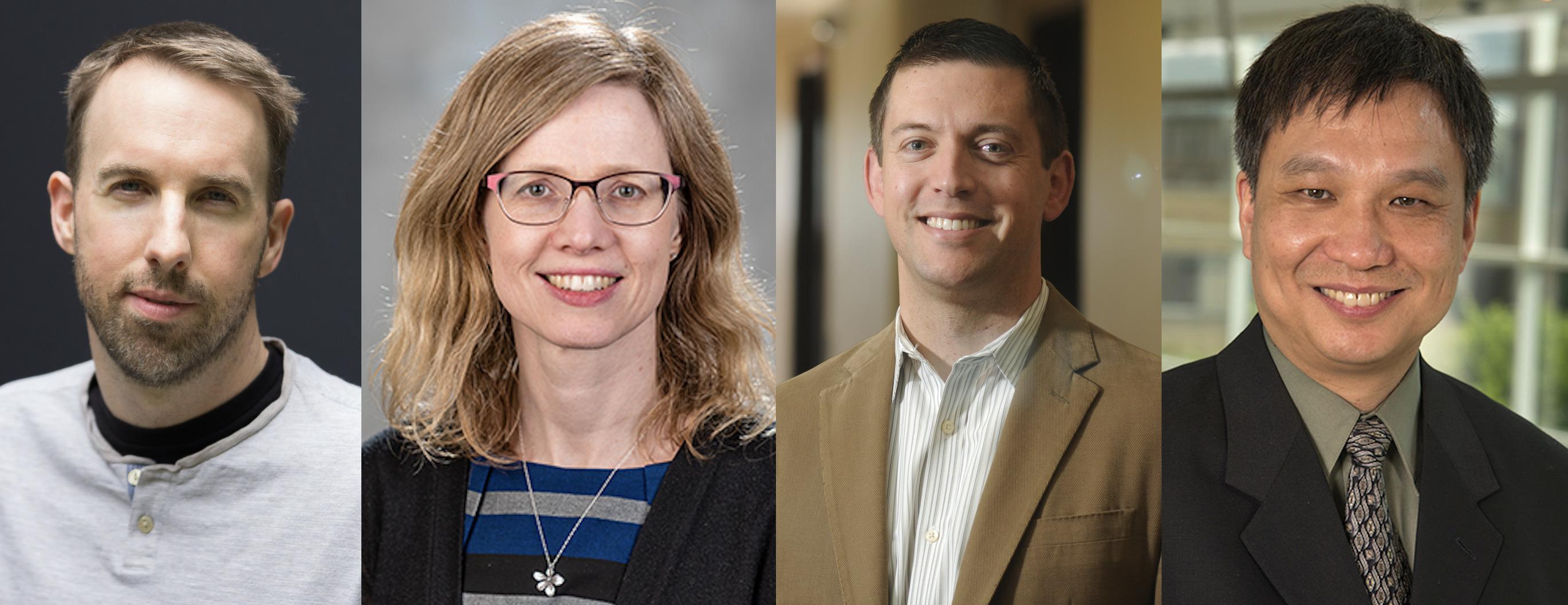
Jennifer Glass, associate professor in the School of Earth and Atmospheric Sciences
Raquel Lieberman, professor and Sepcic-Pfeil Chair in the School of Chemistry and Biochemistry
Dustin Huard, research scientist II in the School of Chemistry and Biochemistry
Abigail Johnson, postdoctoral research at the University of Georgia and former Georgia Tech Ph.D. student
Catherine Barzler, Senior Research Writer/Editor
Institute Communications
GTRI’s DART Program Supports DoD Research Opportunities for HBCUs
Sep 26, 2023 —
GTRI Principal Research Engineer Eric Grigorian (left) served as the DART advisor for AAMU as they developed machine learning algorithms to improve predictive maintenance for the Army's helicopters. Here, he leads a flight simulator presentation at GTRI's Huntsville Research Center. (Photo Credit: Sean McNeil)
Historically black colleges and universities, or HBCUs, contribute an estimated $15 billion to the U.S. economy each year and produce one-fourth of all Black graduates with critical degrees in science, technology, engineering, and math (STEM). But funding inequities prevent many HBCUs from providing the necessary infrastructure to perform impactful research, including in the defense space.
The Georgia Tech Research Institute (GTRI) is addressing that challenge through its Defense-University Affiliated Research Traineeship (DART) Program. DART’s main goal is to leverage the pipeline of researchers underrepresented in STEM and accelerate their awareness, knowledge, access, and opportunities in research and development (R&D) contracting for the U.S. Department of Defense (DoD). GTRI launched DART as a pilot program this summer where it partnered with a faculty member and an undergraduate student at Alabama A&M University (AAMU) in Huntsville, Alabama, to conduct research for the U.S. Army Combat Capabilities Development Command Aviation & Missile Center (AvMC).
“GTRI has benefitted from almost 90 years of DoD research, which has taught us a lot about how to build out our infrastructure,” said Lee Simonetta, a GTRI principal research engineer who serves as DART’s principal investigator (PI). “Our partnership with Alabama A&M was a mentor-protégé opportunity, where we provided the research facility and capabilities and they contributed their exceptional talent and expertise as we worked together to address a pressing need for one of our sponsors.”
GTRI hosted AAMU’s Kenneth Sartor, an assistant professor of math, and Malcolm Echols, a fourth-year electrical engineering student, at its research facility in Huntsville. Sartor and Echols worked under the guidance of GTRI Principal Research Engineer Eric Grigorian. Grigorian is also the chief engineer and division chief of GTRI’s Applied Systems Laboratory’s (ASL) Architecture and Systems Development Division. The group’s research project involved using machine learning to improve predictive maintenance for the Army’s helicopters.
In the DoD realm, predictive maintenance is used to predict the failure of the components of weapon and delivery systems so that they can be replaced before they fail. The technique is particularly beneficial for military equipment as its frequent exposure to harsh conditions can make it more prone to wear and tear.
Machine learning is a subset of artificial intelligence that can rapidly learn from data, identify patterns, and make recommendations with minimal human intervention. The technology could optimize predictive maintenance by collecting and analyzing data in a fraction of the time it takes humans and reduce uncertainties around when assets might fail.
AAMU and GTRI developed and incorporated advanced machine learning algorithms into AvMC’s data repository of helicopter maintenance records to augment its maintenance prediction models.
“Our group developed a few algorithms that AvMC had not yet considered, which was great progress for an initial study,” said Grigorian. “Ken’s mathematical background and Malcolm’s technical knowledge really enhanced the solutions we developed, and I enjoyed working with them and learning from them.”
Sartor, who holds a Ph.D. in applied mathematics from Florida Institute of Technology and a master’s and bachelor’s degree – both in electrical engineering – from North Carolina A&T University and the Georgia Institute of Technology (Georgia Tech), respectively, called his collaboration with GTRI a full-circle moment.
“This program gave me a chance to kind of take all those skills I developed in my career since graduating from Georgia Tech and apply them this past summer,” Sartor said.
Before joining AAMU in 2012, Sartor spent his career in private industry, including working for and ultimately retiring from Northrop Grumman as a systems engineer, where he gained expertise in topics such as algorithm development, modeling and simulation, and systems analysis.
“One of the reasons I went into teaching is because both of my parents were teachers and I have always had a passion for giving back to the next generation, including showing students how to use concepts they learn in the classroom to solve real-world problems.”
Sartor said Echols’ technical skills, including his coding experience, along with his tenacity and eagerness to learn, made him a great fit for the program.
Echols said Sartor’s academic and DoD research experience helped him achieve maximum success. He also called DART an eye-opening experience that gave him the confidence to tackle new challenges. Echols will be returning to GTRI to work as a student researcher during the 2023-2024 school year.
“Throughout the summer, Dr. Sartor kept reminding me to not just limit my thinking to the academic world, but to the actual problem we were looking to solve,” Echols said. “It was a big adjustment, but it also a great experience. I learned a lot.”
From FY 2010 to FY 2020, about $67 billion in DoD science and technology funding was awarded to 1,183 institutions of higher education, of which 157, or about 13%, were HBCUs or other minority-serving institutions (MSIs), according to a recent study from the National Academies of Sciences, Engineering, and Medicine. But HBCUs and MSIs received only 1.3% of the total DoD research funding awarded to all institutions of higher education, the data found.
The study identified three areas as crucial for HBCUs and MSIs to build their capacity and compete for DoD funding: One, a strong institutional research and contract base, including appropriate physical research facilities and skilled research support to enable competitiveness; two, research faculty support, including an articulated vision and support for a research climate and culture by institutional leadership, faculty teaching workloads that allow time for research pursuits, and department/college-based research staff and administrative support; and three, ancillary services, including effective human resources processes and legal/contracting assistance, and robust government relations teams.
“All of these schools share a similar story – they have talented, capable people, but are held back by a lack of infrastructure,” said William H. Robinson, GTRI’s deputy director for research for its Information and Cyber Sciences Directorate (ICSD). “For this pilot, we were able to navigate that challenge and I believe this is an area where GTRI can continue to provide mentorship going forward.”
Looking ahead, GTRI aims to expand DART to other HBCUs throughout the country.
“One of our goals from the beginning was to develop champions, both faculty and students, at HBCUs who can advocate for the importance of DoD research,” said GTRI Principal Research Engineer Erick Maxwell, who first developed the idea for the DART Program. “As we think about expanding this program to other HBCUs, we have this example of success through our work with Alabama A&M that we can continue to build on.”
GTRI’s Huntsville Research Center (HRC) is the development and technology home for Army air defense systems, missile defense systems, and rotary wing aviation technology, among many other projects. GTRI Huntsville provides on-site research and engineering solutions and has a deep reach-back to GTRI’s Atlanta-based laboratories.
Writer: Anna Akins
Photos: Sean McNeil
GTRI Communications
Georgia Tech Research Institute
Atlanta, Georgia
The Georgia Tech Research Institute (GTRI) is the nonprofit, applied research division of the Georgia Institute of Technology (Georgia Tech). Founded in 1934 as the Engineering Experiment Station, GTRI has grown to more than 2,900 employees, supporting eight laboratories in over 20 locations around the country and performing more than $940 million of problem-solving research annually for government and industry. GTRI's renowned researchers combine science, engineering, economics, policy, and technical expertise to solve complex problems for the U.S. federal government, state, and industry.
DART's AAMU participants were Kenneth Sartor (left), an assistant professor of math, and Malcolm Echols, a fourth-year electrical engineering student. (Photo Credit: Sean McNeil)
(Interim) Director of Communications
Michelle Gowdy
Michelle.Gowdy@gtri.gatech.edu
404-407-8060
Ferrovial and Georgia Tech Partner to Advance U.S. Infrastructure
Sep 26, 2023 —
President Cabrera and Andres Sacristan, CEO of Cintra Global, announce a long-term partnership focused on advancing innovation in transport infrastructure.
Ferrovial, a global infrastructure operator, and the Georgia Institute of Technology today announced a long-term partnership focused on advancing innovation in transport infrastructure. The partnership will allow for joint research activities, providing new educational and development opportunities for students and enabling Ferrovial to create a more sustainable future for mobility. The agreement was formally signed at the university’s campus in Atlanta.
"Georgia Tech is globally recognized for its expertise in infrastructure and mobility, research, and development,” said Andres Sacristan, CEO of Cintra Global. “Ferrovial understands our industry must remain agile as transportation continues to evolve. By partnering with universities like Georgia Tech, we can continue to improve the traveler experience and better serve our clients by providing new mobility solutions."
Ferrovial has collaborated with Georgia Tech in research, leveraging its talent for several years. In addition to its expertise in traffic engineering, the Institute has extensive research capabilities in construction, airports, and energy, allowing for a comprehensive and diversified partnership as Ferrovial operates in all these areas.
“Ferrovial is reimagining transportation, and this collaboration will enable Georgia Tech researchers and students to gain a firsthand understanding of the needs of our nation’s infrastructure,” said Ángel Cabrera, president of Georgia Tech. “We are proud to partner with Ferrovial to drive the future of transportation and mobility, which will bring valuable technological innovation and knowledge transfer to our state.”
Ferrovial, through its highways business Cintra, operates five major managed lane projects across the U.S., providing traffic congestion relief to some of the nation’s fastest growing regions. Ferrovial's construction division currently manages several large highway construction projects, including the Transform 285/400 highway improvement project in Atlanta. Subsidiaries Ferrovial Construction and Webber have carried out infrastructure improvements in the state of Georgia that amount to nearly $800 million. Ferrovial Airports is a leading airport investor and operator with key investments in the U.S. Through its vertiports business, the company aims to design, build, and operate the infrastructure required by eVTOL (electric Vertical Take-Off and Landing) aircraft.
“Aligning with Georgia Tech reinforces Ferrovial’s commitment to sustainably advancing mobility, enhancing safety, and connecting communities in Georgia, the U.S., and beyond,” said Sacristan.
Blair Meeks | blair.meeks@gatech.edu
Nanotechnology Could Treat Lymphedema
Mar 16, 2023 —
Brandon Dixon and Susan Thomas
The human body is made up of thousands of tiny lymphatic vessels that ferry white blood cells and proteins around the body, like a superhighway of the immune system. It’s remarkably efficient, but if damaged from injury or cancer treatment, the whole system starts to fail. The resulting fluid retention and swelling, called lymphedema, isn’t just uncomfortable — it’s also irreversible.
When lymphatic vessels fail, typically their ability to pump out the fluid is compromised. Georgia Institute of Technology researchers have developed a new treatment using nanoparticles that can repair lymphatic vessel pumping. Traditionally, researchers in the field have tried to regrow lymphatic vessels, but repairing the pumping action is a unique approach.
“With many patients, the challenge is that the lymphatic vessels that still exist in the patient aren't working. So, it's not that you need to grow new vessels that you can think of as tubes, it’s that you need to get the tubes to work, which for lymphatic vessels means to pump,” said Brandon Dixon, a professor in the George W. Woodruff School of Mechanical Engineering. “That’s where our approach is really different. It delivers a drug to help lymphatic vessels pump using a nanoparticle that can drain into the diseased vessels themselves.”
The researchers published their findings in “Lymphatic-Draining Nanoparticles Deliver Bay K8644 Payload to Lymphatic Vessels and Enhance Their Pumping Function” in Science Advances in February.
The Benefit of Nanotechnology for Drug Delivery
The drug the researchers used, S-(-)-Bay K8644 or BayK, normally targets L-type calcium channels that enable the skeletal, cardiac, and endocrine muscles to contract. In effect, the application of BayK throughout the body would lead to convulsions and spasms.
Using nanoparticles designed to drain into lymphatic vessels after injection focuses the drug solely into the lymphatic vessels, draining the injection site. As a result, the drug is available within lymphatic vessels at a locally high dose. When lymph is eventually returned into the circulation, it’s diluted in the blood so much that it doesn’t affect other systems in the body, making the drug for lymphedema applications both targeted and safe.
“Lymphatic tissues work like river basins — regionally you have vessels that drain the fluid out of your tissues,” said Susan Thomas, Woodruff Professor and Associate Professor in the Woodruff School and faculty member in the Parker H. Petit Institute for Bioengineering and Bioscience. “This method is like putting nanoparticles in the river to help the river flow better.”
The research is the perfect blend of Dixon’s and Thomas’ respective expertise. Dixon’s lab has been studying how lymphatics function in animal models for years. Thomas engineers nanoparticle drug delivery technologies that deploy in the lymphatic system.
“He develops analysis tools and disease models related to the lymphatic system, and I develop lymphatic-targeting drug delivery technologies,” Thomas said. “Tackling lymphedema as a widely prevalent condition for which there are no efficacious therapies was the perfect opportunity to leverage our strengths to hopefully move the needle on developing new strategies to serve this underserved patient population.”
Testing the Therapy
The Dixon and Thomas lab teams tested the formulation using rodent models. They first mapped the model’s lymph node system by injecting a fluorescent substance to see how it traveled. Then they applied a pressure cuff to measure how the lymphatic system fails to function when compromised. From there, they evaluated how formulating BayK in a lymph-draining nanoparticle influenced the drug’s effects. The delivery system allowed the drug to act within the lymphatic vessel, as demonstrated by increased vessel pumping and restored pumping pressure, and drastically reduced the concentration of BayK in the blood, which is typically associated with unwanted side effects.
The researchers are expanding the formulation to more advanced disease models to move it closer to human application. They will also explore how it can be used to prevent or treat lymphedema in combination with other existing or new therapies now being developed.
CITATION: Sestito, L.F., To, K., Cribb, M., Archer, P.A., Thomas, S.N.§, Dixon, J.B.§, 2023. Lymphatic-draining nanoparticles deliver Bay K8644 payload to lymphatic vessels and enhance their pumping function. Science Advances. 6: eabd7134.
DOI: DOI: 10.1126/sciadv.abq0435
NIR video demonstrating enhanced lymphatic contractile activity in model delivered drug loaded NP.
NIR video demonstrating enhanced lymphatic contractile activity with no NP.
News Contact: Tess Malone, Senior Research Writer/Editor
tess.malone@gatech.edu
Georgia Tech Celebrates the Launch of Over 100 Startups at Demo Day
Sep 21, 2023 —
For the 10th Demo Day, the Tech community came out in droves to support 75 Georgia Tech startups created by students, alumni, and faculty. In booths spread out in Exhibition Hall, they displayed their products, which ranged from AI and robotic training gear to fungi fashion, and more. Over four hours, more than 1,500 people filed in and out of the hall. Founders pitched their innovations to business and community leaders, as well as students and the public, eager to witness groundbreaking innovations across various industries.
Kiandra Peart, co-founder of Reinvend, said the amount of people surprised her.
“After the first VIP session was over, hundreds of people were just flooding through the door at all times,” she said. “We had to give the pitch a million times to explain it to a lot of different people, but they seemed really, really engaged, and we were also able to get a few interactions.”
Reinvend is working through a potential deal with Tech Dining on using their vending machines, which would expand food options for students after dining halls close.
Demo Day is the culmination of the 12-week summer accelerator, Startup Launch, where founders learn about entrepreneurship and build out their businesses with the support of mentors. Along with guidance from experts in business, teams receive $5,000 in optional funding and $30,000 of in-kind services. This year, the program had over 100 startups and 250 founders, continuing the growth trend for CREATE-X. The program aims to eventually support the launch of 300 startups per year.
Peart said the experience taught the team how to better pitch to potential clients and formulate a call to action after a successful interaction.
Since its inception in 2014, CREATE-X has had more than 5,000 participate in their programming, which is segmented in three areas: Learn, Make, and Launch. Besides providing resources, the program also helps founders through its rich entrepreneurial ecosystem.
“We want to increase access to entrepreneurship. That’s the heart of the program, and it’s the goal to have everyone in the Tech community to have entrepreneurial confidence. The energy and passion of our founders to solve real-world problems — it’s palpable at Demo Day. I’d say it’s the best place to see what we’re about and understand what this program offers,” said Rahul Saxena, director of CREATE-X, who also reminded founders that the connections they make here would last for years.
At its core, CREATE-X is a community geared toward innovation. Participants were at the forefront of integrating OpenAI's GPT-3 when it was not yet widely adopted. They share their insights with each other, and the program has mentors coming back from even the very first cohort. Starting with eight teams, CREATE-X has now launched more than 400 startup teams, with founders representing 38 academic majors. Its total startup portfolio valuation is above $1.9 billion.
Peart compared CREATE-X to an energy drink.
“After going through the program, I was really able to refine my ideas, talk with other people, and now that the program is over, I feel energized,” she said. “I think that having an accelerator right at home allows students who may have never considered starting a company, or didn't have access to an accelerator, to actually utilize their resources from their school and their own community to get their companies started.”
Although Demo Day just ended, CREATE-X is already gearing up for the next cohort. Applications for Startup Launch opened Aug. 31, the same day as Demo Day.
“Consider interning for yourself next summer,” said Saxena. “We know you have ideas about solutions to address global challenges. You’re at Tech; you have the talent. Let us help you with the resources and support system.”
Georgia Tech students, alumni, and faculty can apply to GT Startup Launch now. The priority deadline is Nov. 6. To learn more about CREATE-X, find CREATE-X events to build a startup team, or learn more about entrepreneurship, visit th CREATE-X website
Breanna Durham
Marketing Strategist
2023 RBI Spring Workshop Experience From a Student's Perspective - Part 3
Sep 21, 2023 — Atlanta, GA
Erin Phillips at the 2033 RBI Spring Workshop
This is part three of the student experiences series. Erin Phillips, rising fourth-year Ph.D. candidate in chemistry and biochemisty shares her experience from the 2023 RBI Spring Workshop on "Innovations in Packaging and Circular Economy."
Tell us about yourself.
My name is Erin Phillips, and I am a rising fourth-year Ph.D. student here at Georgia Tech. I graduated with my bachelor's from Christopher Newport University in Newport News, Virginia, in 2020. I am a student in the School of Chemistry and Biochemistry, but I am co-advised by Carsten Sievers in the School of Chemical and Biomolecular Engineering and Marta Hatzell in the George W. Woodruff School of Mechanical Engineering. The title for my thesis project is "Mechanochemical Depolymerization of Lignin and Lignin Model Compounds." I am currently writing a JACS Communication about the cleavage of the lignin model compound benzyl phenyl ether, which represents the B-O-4 bond found within lignin.
How was your experience at the RBI workshop?
I thought the workshop was fantastic! I really enjoyed the interdisciplinary focus of the event, which allowed for greater networking opportunities between departments.
What was your main takeaway from the poster session?
During the poster session, it was great to see what other PSE (Paper Science and Engineering) fellows were currently working on. We often all take classes together and pass each other in RBI, but it was nice to actually see everyone's work laid out and visually represented. I also enjoyed talking with a few people from the industry about their expectations in terms of hiring after graduate school and what a realistic position in an industry setting would entail.
What more would you like to see in future events at the Renewable Bioproducts Institute?
I think the greatest thing RBI can do is to continue to allow for PSE fellows to build contacts that we may not normally have access to during our day-to-day lives in RBI. Many of us want to continue in our field of research after leaving Georgia Tech, so events like the RBI workshop are a great experience to connect with others who share our interest and could help provide opportunities after completing the program.
Priya Devarajan || RBI Communications Program Manager