
Spring 2026 Lunch Lectures
View the Spring 2026 lecture schedule here >> . Lectures are held on Thursdays.
↓ Scroll down ↓ to see detailed lecture information for each speaker. Lunch served at noon (while supplies last), talks are from 12:30-1:30pm.
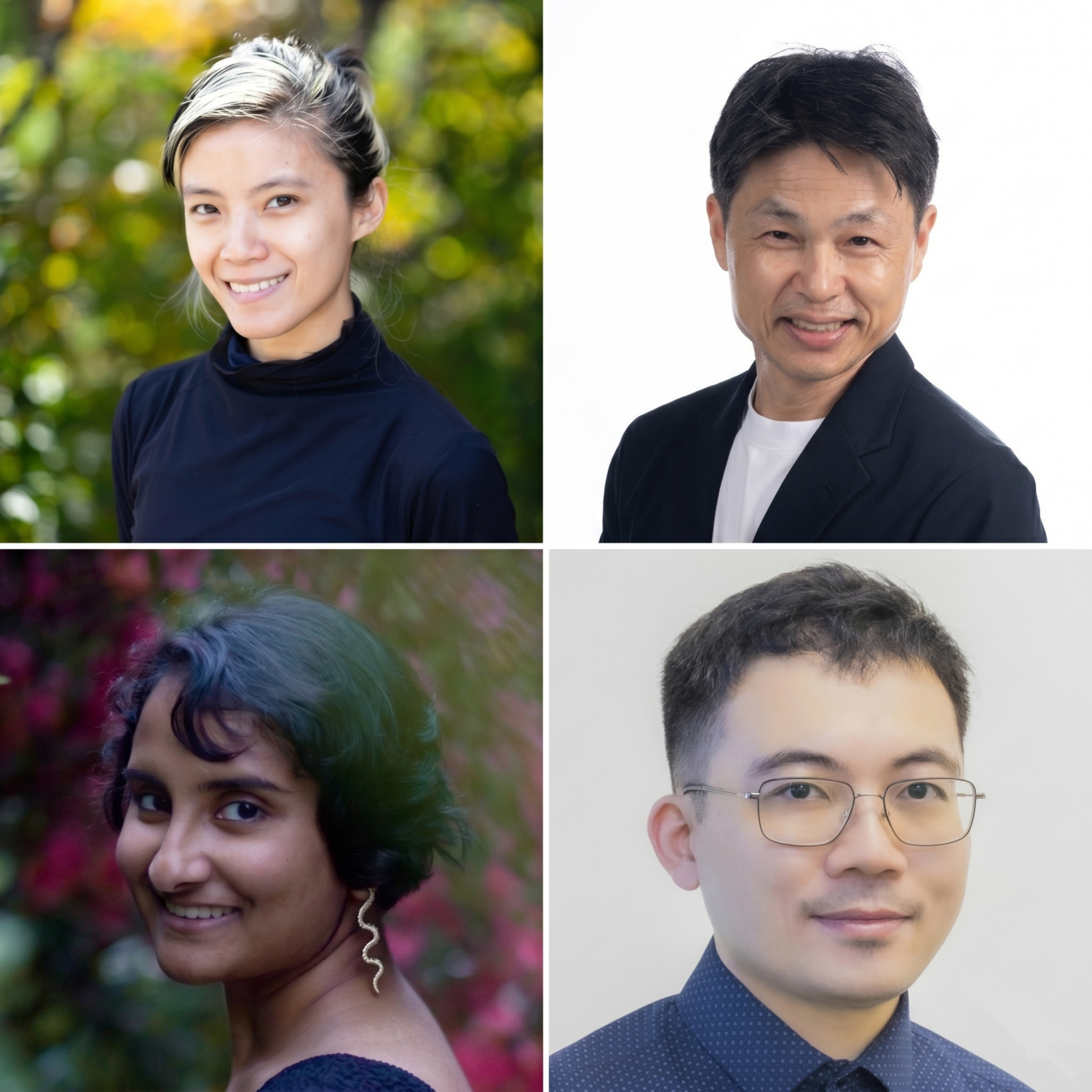
IPaT Seed Grant Winners
Naveena Karusala, Cindy Lin (co-presenter: Allen Hyde), Minoru Shinohara, and Yixiao Wang
April 23, 2026
12:00 p.m. Lunch (while supplies last); 12:30 p.m. talk starts
Location: Hodges Room, 3rd Floor, Centergy One building in Technology Square
Building a Research to Impact Collaborative on AI and Global Health
Abstract: Research and practice at the intersection of artificial intelligence (AI) and global health has grown rapidly in the last few years, yet most of these efforts are fragmented and disconnected. There has been a pressing need to facilitate knowledge-sharing and resource coordination in this space across research and practice and multiple disciplines. With support from the IPaT engagement grant, we launched a global, interdisciplinary Research to Impact Collaborative (RIC) on AI and global health that: 1) supports knowledge-sharing across research and practice, 2) facilitates student learning, and 3) accelerates cross-sector collaborations. To catalyze the RIC, we have been conducting a year-long virtual seminar series and multiple in-person workshops that bring together researchers, practitioners, and students. This talk will reflect on the process of building a lasting collaborative, and laying the foundation for interdisciplinary collaborations and future funding.
Bio: Naveena Karusala is an Assistant Professor in Interactive Computing at Georgia Tech. Her research is on human-centered AI and health/wellbeing in underserved communities. She examines how we can design for more just care infrastructures that better recognize the labor, autonomy, and rights of care workers and care recipients. Her work has received Best Paper at ACM CHI and Diversity and Inclusion Recognition at ACM CSCW. She was previously a postdoctoral fellow at the Harvard Center for Research on Computation and Society, and holds a PhD in Computer Science from the University of Washington. Naveena also serves as Vice-President for Communications on the ACM SIGCHI Executive Committee.
- - - - - - - - - -
Developing a community-based perspective on data center development
Abstract: Data centers are growing rapidly in the U.S., with nowhere more notable than in Georgia, particularly in the Atlanta metropolitan region. Moreover, data centers are often sited in ways that impose local external costs, impacting important aspects of everyday life, such as water security, energy prices, taxes, jobs, housing, and air quality. This talk shows how design-based workshops can be tools to investigate these trade-offs in constructing data centers, weighing the economic benefits against their external impacts on local Atlanta communities. Our talk in particular will discuss the process of designing these workshops, and the proposed outputs.
Bio: Cindy Lin is the Stephen Fleming Early Career Assistant Professor at the School of Interactive Computing at Georgia Tech. She is the director of Critical Technocultures Lab. Her research interests include data politics in environmental governance in Southeast Asia and the United States, and, more recently, rentier relations in global data center infrastructures.
Allen Hyde is an Associate Professor and Director of Undergraduate Studies in the School of History and Sociology at the Georgia Institute of Technology. He is a quantitative scholar whose main research areas are stratification and inequality, urban sociology, work and occupations, climate and disaster resilience, and immigration. He is currently researching the effects of race/ethnicity and immigration status on homeownership, social and demographic change in Clarkston, GA (known as the most diverse square mile in America), and was recently Principal Investigator for the Youth Advocacy for Resilience to Disasters Program research project funded by the National Science Foundation's Civic Innovation Challenge.
- - - - - - - - - -
The Sound of Motion: Transforming Artistic Body Movement into Music for Motor Therapy
Abstract: We developed multimodal systems that transform the movement of the hand, arm, trunk, and head into the sounds of musical instruments (i.e., sonification). In one system, a depth camera captures human motion and creates associated musical sounds depending on the movement characteristics of the hand, arm, trunk, and head. The potential use cases include the rehabilitation training of reaching and grasping in stroke survivors and maintaining the head position upright in cerebral palsy. In another system, a virtual reality (VR) headset captures hand trajectory of the user in three dimensions in the VR environment. When the hand traces the visually presented target path appropriately, musical melody is produced. This modality could be used for training the arm and shoulder movements in people with limited range of motion, for example. This type of transformation of movement trajectories into musical sounds has the potential to empower people with motor disabilities to express their artistry with their less-impaired body parts as well. It could be personalized and is expected to benefit older adults and individuals with motor impairments by enhancing their well-being by introducing new, enjoyable, engaging, and rewarding artistic expressions or exercises.
Bio: Dr. Minoru “Shino” Shinohara is the director of the Human Neuromuscular Physiology Lab and an associate professor at the School of Biological Sciences at Georgia Tech. He received his PhD in Multidisciplinary Sciences (Life Sciences) from the University of Tokyo, Japan. His research focuses on neurophysiological and biomechanical mechanisms that underpin motor skills, with a particular emphasis on their adaptations to altered neural input, aging-related changes, practice, and rehabilitation in humans. He employs state-of-the-art techniques in neuroscience, neuroengineering, physiology, and biomechanics, including transcranial magnetic stimulation and transcutaneous vagus nerve stimulation. In addition, he collaborates with engineers in the fields of human-robot interaction, human augmentation, machine learning, and their application in the enhancement of physical activity, sports, health, and rehabilitation.
- - - - - - - - - -
Designing Ethical Robot Behaviors for Unforeseen Human-Robot Interactions Using LLMs
Abstract: As robots increasingly operate within public spaces and urban environments, they are frequently confronted with morally ambiguous situations that are dynamic, complex, and unpredictable. Such contexts introduce novel factors and forms of agency that may quickly exceed the scope of anticipated—or pre-programmed—human–robot interactions (HRI). This raises a critical question: can morally appropriate robot behaviors be generated for unforeseen HRI scenarios using large language models (LLMs), and if so, how? In this talk, I present our proposed framework for generating morally appropriate robot behaviors, illustrated through the exemplar of a mobile, space-making robotic reading companion. I also briefly report on our current progress in evaluating this framework. Broadly, the framework comprises three key steps: (1) defining a library of robot behaviors; (2) training LLMs on general moral principles alongside examples of morally appropriate behaviors in predefined scenarios; and (3) leveraging the LLM to generate candidate behaviors for novel situations. The generated behaviors are subsequently evaluated by users and relevant stakeholders with respect to their perceived moral appropriateness. Through this work, we aim to offer a practical approach for designers and roboticists to develop novel robotic systems capable of behaving ethically in everyday, unforeseen contexts.
Bio: Yixiao Wang is an Assistant Professor at the School of Industrial Design (SID), Georgia Institute of Technology (Georgia Tech). His background is in Architecture (B. Arch from Hunan University and M. Arch from UC Berkeley) and Human-Centered Design (Ph.D. from Cornell University). As an interaction designer and researcher, his work focuses on the human-centered design, engineering, and evaluation of “Space Agents” – physical and virtual spaces that are socially intelligent and interactive, as if they were our friends, partners, or companions. He is particularly interested in the various applications “Space Agents” could have in our everyday life, together with their lasting societal, cultural, and ethical values in education, healthcare, and work life. His major research fields are Architectural Robotics, Human-Robot Interaction (HRI), and Human-Agent Interaction (HAI), broadly situated within Human-Computer Interaction (HCI). He is the director of the “Robotic Environment Lab” at Georgia Tech, SID.

AI for Reskilling, Upskilling, and Workforce Development
Ashok Goel
Professor of Computer Science and Human-Centered Computing in the School of Interactive Computing at Georgia Tech
April 16, 2026
12:00 p.m. Lunch (while supplies last); 12:30 p.m. talk starts
Location: Hodges Room, 3rd Floor, Centergy One building in Technology Square
Abstract: As AI becomes increasingly powerful and ubiquitous, it is disrupting skills and displacing workers. NSF’s National AI Institute for Adult Learning and Online Education (AI-ALOE) posits that AI can be part of the solution to the growing problem if we can use AI for reskilling, upskilling, and workforce development at scale. The long-term vision of AI-ALOE is to develop and use AI technologies to enhance the proficiency of online education for all adult learners, using in-person education as a benchmark. The day-to-day mission of AI-ALOE is to conduct responsible research into AI that is grounded in theories of human cognition and learning and derived from the scientific process of learning engineering. I will describe ongoing research at AI-ALOE.
Bio: Ashok Goel is a Professor of Computer Science and Human-Centered Computing in the School of Interactive Computing at Georgia Institute of Technology, and the Chief Scientist with Georgia Tech’s Center for 21st Century Universities. He is a Fellow of AAAI and the Cognitive Science Society, an Editor Emeritus of AAAI’s AI Magazine, and a recipient of AAAI’s Robert Engelmore Award, Outstanding AI Educator Award, Distinguished Service Award, and of multiple IBM Faculty Awards. Ashok is the PI and Executive Director of NSF’s National AI Institute for Adult Learning and Online Education (aialoe.org) headquartered at Georgia Tech. He is the Founder of Beyond Question AI, LLC.
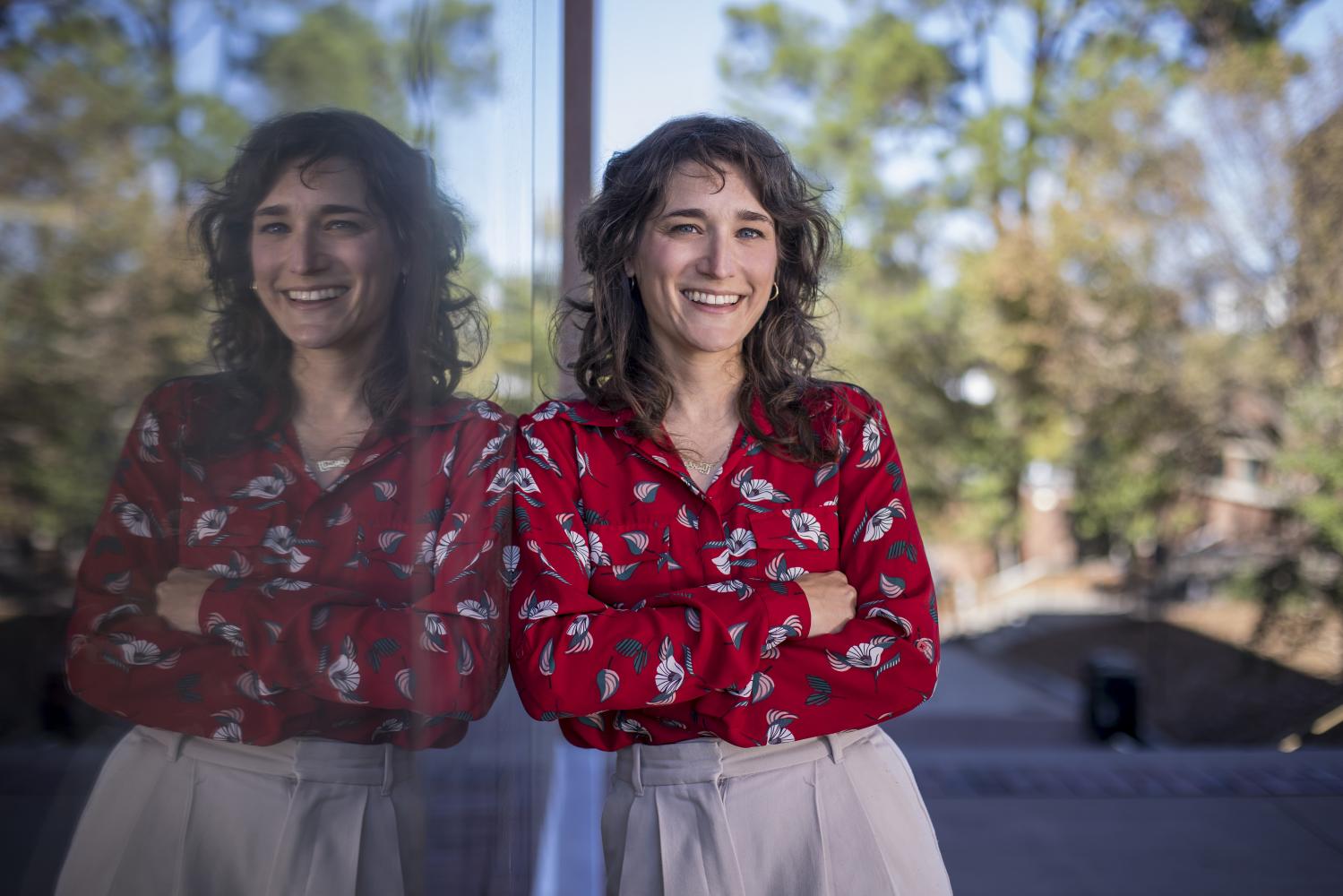
Archaeology and Technology: Where We're Headed and Why We Need You
Allison Mickel
H. Bruce McEver Chair in Archaeological Science and Technologies, School of History and Sociology, Ivan Allen College of Liberal Arts
April 9, 2026
12:00 p.m. Lunch (while supplies last); 12:30 p.m. talk starts
Location: Hodges Room, 3rd Floor, Centergy One building in Technology Square
Abstract: Archaeology is often considered to be about digging in the dirt. What could be less technological? But advances in technologies over the last 100 years have rocketed forward the scientific practice of archaeology. In this talk, GT's McEver Chair of Archaeology Allison Mickel will present the achievements of this century of technological advancements for archaeology and cultural heritage. More importantly, she will explore directions that the field is likely to move in over future decades, inviting collaboration across disciplines from you (yes you!), the audience.
Bio: Allison Mickel is the inaugural H. Bruce McEver Chair of Archaeological Science and Technologies at Georgia Tech, where she has arrived to build the Institute's first-ever archaeology program. Her research focuses on how archaeological work affects the communities that live on or near archaeological sites, particularly in the Middle East. She is the author of "Why Those Who Shovel Are Silent: A History of Local Archaeological Labor and Knowledge," which recovers the unrecorded expertise of locally-hired laborers at long-running archaeological projects in Jordan and Turkey. She is currently engaged in two projects in Atlanta focused on restorative history and public engagement, as well as a book project on current efforts to organize for workers' rights in Jordanian archaeology. She is also an active public anthropologist, writing for newspapers and online platforms, volunteering with the organization Skype a Scientist, reviewing educational material for organizations like the Boy Scouts of America, and organizing annual outreach events with local public schools for Anthropology Day.
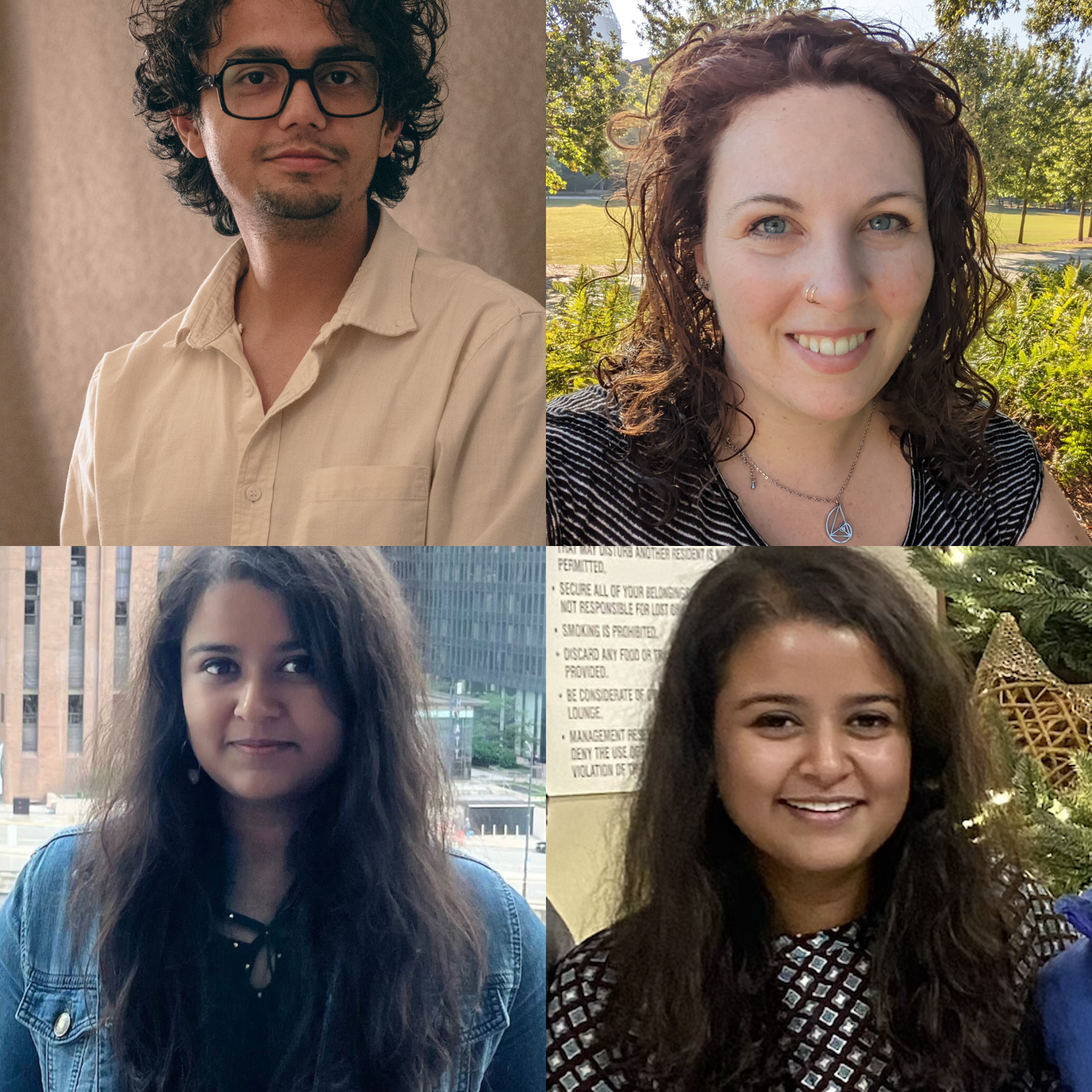
Foley Award Winner Presentations
Niharika Mathur, Mohsin Yousufi, Rachel Lowy, Joon Kum
April 2, 2026
12:00 p.m. Lunch (while supplies last); 12:30 p.m. talk starts
Location: Hodges Room, 3rd Floor, Centergy One building in Technology Square
Creating Space for Choice: LLM Supported Decision-Making in Inclusive Higher Education
Abstract: People with intellectual and developmental disabilities (IDD) are often excluded from meaningful decision-making, leading to negative consequences for self-determination and quality of life. Research shows that interventions supporting active, informed decision-making can build causal agency and improve quality of life. In partnership with students, peer tutors, and advising staff at Georgia Tech's Inclusive Post-Secondary Education (IPSE) program, we designed and deployed MyChoice, an LLM-integrated tool that facilitated decision-making and assignment creation for IPSE students. Our design process involved formative interviews with IPSE stakeholders and participatory co-design with IPSE students, culminating in a semester-long deployment in Georgia Tech’s IPSE program. This talk explores our design and deployment, surfacing opportunities for LLM-integrated systems to support personalized, strengths-based decision-making for students with IDD.
Bio: Rachel Lowy is a PhD candidate in Human-Centered Computing at Georgia Tech and is co-leading an OMCS seminar on LLMs. Her research specializing in the design of accessible and inclusive educational technologies for neurodivergent individuals. Rachel uses participatory and co-design methods, utilizing skills from her clinical background as a Speech Therapist to design inclusive and accessible design experiences. Her current project explores Large Language Models to support learners with intellectual and developmental disabilities in Inclusive Post-Secondary Higher Education programs. Her previous work on VR design for inclusive work and on inclusive design education have been featured at CHI and CSCW conferences.
- - - - - - - - - -
Epistemic Breakdowns: A Theory of Friction in Civic Sociotechnical Systems
Abstract: This research theorizes "epistemic breakdowns" in civic sociotechnical systems as failures of knowledge-making arising from misaligned design assumptions embedded in systems and in communities' local knowledges. Drawing on a two-year study of youth-led mapping in Georgia, it establishes a four-part typology: Interpretive (conceptual gaps), Positional (denied legitimacy), Inscriptive (material barriers), and Communicative (failed testimony uptake). Together, these breakdowns reveal that civic technologies presuppose epistemic capacities, interpretive resources, social standing, material access, and receptive audiences that the youth are systematically denied. My work frames these failures as constitutive design features rather than incidental glitches, and reveals the structural epistemic injustice embedded in digital infrastructures. This work moves beyond traditional "best practices" to propose a framework of "epistemic repair," repositioning civic technology as a site for collective knowledge recovery. By focusing on repairing positional and translational failures, this research provides CSCW and Participatory Design with strategies to redistribute epistemic authority and restore community knowledge-making capacity.
Bio: Mohsin Yousufi is a civic technologist and currently a PhD candidate in Digital Media at Georgia Tech, working with Dr. Yanni Loukissas. He is also a research engineer at Public AI, where he researches the intersection of civic technology and collective intelligence systems. Mohsin's research focuses on developing innovative knowledge infrastructures that empower communities to pursue effective collective action and self-governance. Trained as an architect in Karachi, Pakistan, he was previously a researcher at Harvard’s Berkman Klein Center, metaLAB, and a Fulbright scholar at the University of Illinois. His work has been presented at both academic and public venues, including the Smithsonian, ACM CSCW, DIS, and NeurIPS.
- - - - - - - - - -
Human-Centered Explainable AI for Aging in Place
Abstract: As AI systems become embedded in everyday life, from smart homes to health support, they increasingly act with more autonomy and often without clearly communicating why. This lack of human-understandable explanations from AI systems can lead to confusion, breakdowns in interaction, and eventually, reduced trust and adoption, particularly from non-technical users. In this talk, I present a human-centered approach to designing AI explanations that support understanding, confidence and actionability in real-world settings. Drawing on years of research with older adults aging in place, I examine how people interpret, question and respond to AI-driven decisions in everyday contexts. I introduce a framework that characterizes explanations based on the data they draw from (such as conversational history, environmental context, task knowledge and system confidence) and show how these influence user perceptions of trust and usefulness. Through both controlled studies and in-situ evaluations of conversational AI systems, this work highlights the importance of designing AI explanations as interactive and context-aware mechanisms that shape how people live with and rely on AI over time.
Bio: Niharika Mathur is a PhD candidate in Human-Centered Computing at Georgia Tech, where she is advised by Sonia Chernova and Elizabeth Mynatt. Her research focuses on designing human-centered explainable AI systems that support understanding and long-term AI use in everyday contexts. She studies how conversational AI systems can communicate their reasoning in ways that are meaningful to non-expert users, with a particular focus on older adults aging in place. Her work has been recognized with a Best Paper Award at ACM ASSETS and has been published at leading venues in HCI including ACM CHI, CSCW, and ASSETS.
- - - - - - - - - -
Virtual Ecological Research Assistant (VERA): Integrating a Metacognitive LLM Agent into an Inquiry-Based Learning Tool for Ecology
Abstract: My research explores the design and development of a pedagogical AI agent within the web-based interactive learning environment, Virtual Ecological Research Assistant (VERA), to support inquiry-based learning through systematic model construction and simulation. In VERA, learners build and simulate conceptual models of ecological systems, investigating complex scientific phenomena. Prior work has focused on cognitive AI coaches that analyze user data to classify user types, predict learning stages, and provide personalized feedback. While these coaches provide insights into user performance, evaluating user models with machine learning approaches did not provide accurate results. Moreover, they often place less emphasis on the broader practices that make science learning meaningful. Inquiry-based learning requires learners to actively engage in scientific practices, integrate crosscutting concepts, and apply domain knowledge through guided exploration and scaffolding. Framing AI as a social agent, my research investigates how pedagogical AI agents can facilitate richer inquiry experiences by supporting students' sensemaking, iterative model refinement, and reflective reasoning. This work is novel in exploring how a metacognitive large language model-based agent can be embedded within a platform like VERA to support inquiry-based science learning. The presentation will share current progress and directions for future work.
Bio: Joon Kum is a second-year master's student in the Human-Computer Interaction program at Georgia Tech. He became interested in how AI can better support teachers and students during his student teaching at a Title I middle school, which led him to pursue graduate study at Georgia Tech. Advised by Dr. Ashok Goel, his research focuses on designing and developing a pedagogical AI agent to support inquiry-based learning in the ecology domain. After graduation, he will begin work as a public school computer science teacher in Gwinnett County, GA, where he wants to bring his knowledge and skills into his future classroom. He ultimately hopes to pursue a Ph.D. in Learning Sciences and build a career as a researcher supporting educators, learners, and public education.
Partnership in Practice: Co‑Creating Sociotechnical Futures with Underserved Communities
Katie A Siek
Professor, School of informatics, Computing and Engineering at Indiana University
March 12, 2026
12:00 p.m. Lunch (while supplies last); 12:30 p.m. talk starts
Location: Tuff Suite 1025, 10th floor, Centergy One building in Technology Square
Abstract: Community-Based Participatory Research (CBPR) is a powerful framework for centering the lived experiences, priorities, and constraints of marginalized and stigmatized communities who are disproportionally affected by sociotechnical harms. CBPR demands a shift from traditional researcher‑driven approaches toward long‑term, equitable partnerships in which communities engage in all processes. Effectively "doing" CBPR involves a substantial time commitment, often requiring researchers to spend years building the rapport and trust necessary for a mutually beneficial relationship. This collaborative process frequently encounters tensions rooted in mismatches between academic expectations, research ideals, institutional requirements, and community needs. Drawing on three case studies from vulnerable groups, I illustrate the evolving interpersonal, ethical, and sociotechnical challenges researchers encounter and highlight opportunities to co‑create practices that empower underserved populations to design systems for the future.
Bio: Katie Siek is a professor at Indiana University. Her primary research interests are in human computer interaction, health informatics, and ubiquitous computing. More specifically, she is interested in how sociotechnical interventions affect personal health and wellbeing. Her research is supported by the National Institutes of Health, the Robert Wood Johnson Foundation, and the National Science Foundation including a five-year NSF CAREER award. She has been awarded with the IU Trustees Teaching Award (2022), FACET's Mumford Excellence in Extraordinary Teaching Award (2021), NCWIT Undergraduate Research Mentoring Award (2019), a CRA-W Borg Early Career Award (2012), and Scottish Informatics and Computer S
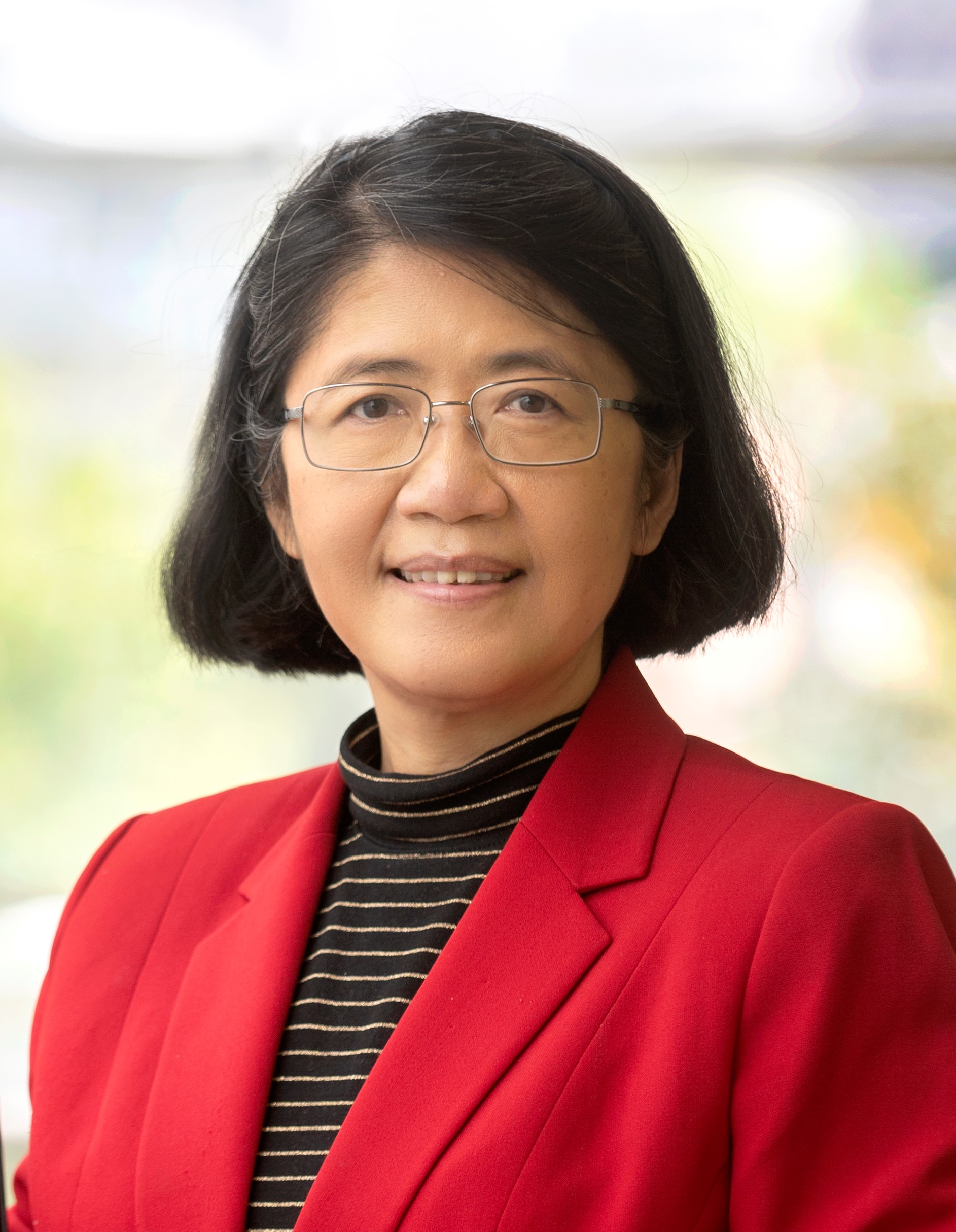
Translating AI for Healthcare and Biomedicine: Grand Challenges and STAR Opportunities
May Dongmei Wang
Professor, Wallace H. Coulter Department of Biomedical Engineering at Georgia Tech
March 5, 2026
12:00 p.m. Lunch (while supplies last); 12:30 p.m. talk starts
Location: Hodges Room, 3rd floor, Centergy One building in Technology Square
Abstract: The 21st century has witnessed rapid progress in technologies, which opened door for further discovery, development, and delivery of AI solutions for healthcare. Still, there exist big challenges that require AI Implementation Science to ensure true societal impact. I will summarize advances and challenges in biomedical AI and share a few examples. On AI Foundation Models, we developed the first retrieval augmented generation (RAG) solutions for healthcare (received ACM SIGBio Best Paper Award in 2023) followed up by EHRAgent, MedAdapter etc. for ACL. On AI Implementation Science, we developed clinician-patient shared decision system that had gone through 9-month 3-Tier AI Showcase assessment in American Medical Informatics Association. On Metaverse for healthcare, we developed real-time system (received the Best Paper award in IEEE International Conference in Intelligent Reality). With joint effort from academia, industry, government, and health system, AI, when guided by safe, trustworthy, actionable, and responsible principles, will transform healthcare for better care outcome with lowers healthcare cost.
Bio: Dr. Wang is Wallace H. Coulter Distinguished Faculty Fellow and professor of BME and ECE at Georgia Institute of Technology (GT) and Emory University (EU). She received BEng from Tsinghua University and MS/PhD from GT. Dr. Wang is Director of Biomedical Big Data Initiative, Georgia Distinguished Cancer Scholar, Board of Directors of American Board of AI in Medicine, Petit Institute Faculty Fellow, Kavli Fellow, and Fellow of IEEE, AIMBE, AMIA, IAMBE and ELATES. She delivered 380+ invited keynotes and lectures, and published 360+ peer reviewed articles over 19,000 Google Scholar citations. Dr. Wang received Georgia Tech Outstanding Faculty Mentor for Undergrad Research, and Emory University MilliPub Award for a high-impact paper cited over 1,000 times. Current, Dr. Wang is the Senior Editor for IEEE Journal of Biomedical and Health Informatics (JBHI), an Associate Editor for IEEE Transactions on BME, and IEEE Reviews in BME. She has been a panelist for NIH (e.g. BDMA, CDMA, MSB) Study Sections, NSF (e.g. Smart and Connect Health, SBIB), and Brain Canada for over 15 years. She chairs Biomedical and Health Informatics Technical Community Steering Committee in IEEE Engineering Medicine and Biology Society and leads ACM Special Interest Group in Bioinformatics. Dr. Wang research and education activities have been supported by NIH, NSF , CDC, Georgia Research Alliance, Georgia Cancer Coalition, Shriners’ Children, Children’s Health Care of Atlanta, Enduring Heart Foundation, Coulter Foundation, Imlay Foundation, Carol Ann and David Flanagan Foundation, Wallace H Coulter Foundation, Horizon Europe, Shepherd Center, Microsoft Research, HP, UCB, Amazon, and STEM and Leaders in Teaching and Learning Fellowship from Georgia Tech Center for Teaching and Learning (CTL).

Research as the Practice of Freedom
Stacy Branham
Professor of Informatics at the University of California, Irvine
Feb 26, 2026
12:00 p.m. Lunch (while supplies last); 12:30 p.m. talk starts
Location: Hodges Room, 3rd floor, Centergy One building in Technology Square
Abstract: As systems of domination increasingly grip the academy with anti-intellectual, anti-democratic, and uncaring force, professors like me despair: what can we do? I have found a way to hope again through research praxis rooted in the testimony of the historically and multiply-minoritized. In dialogue with bell hooks, I will share my story as a western, white, wealthy woman with a disability who constructs Accessible Computing research in mutually-caring relationship with the community. In doing so, I extend bell hooks’s critical pedagogy to research and show how adding “ableist” to hooks’s refrain “imperialist, white-supremacist, capitalist, patriarchy” can expand our capacity to care. When we do research that cultivates a multicultural and multiability community; when we dare to share our lived truth and vulnerability with the other; when we theory our lives and live our theories–then research is the practice of freedom.
Bio: Stacy Branham is an Associate Professor of Informatics at the University of California, Irvine. Branham’s research investigates interdependence and technology in multiability social settings where one or more people is disabled, yielding actionable design guidance and proof of concept prototypes. Branham has authored over 40 peer-reviewed publications at top venues, earning 5 best paper awards and 6 honorable mentions. Her work has been supported by over $24 million from Jacobs Foundation, Toyota, Intel, and the NSF. She currently serves as an Associate Editor of TOCHI journal and Program Co-Chair for ASSETS 2026. In 2021, she received the NSF CAREER Award and was named one of the “Brilliant 10” rising STEM researchers by Popular Science. She earned her Ph.D. in 2014 and her B.S. in 2007, both from Virginia Tech’s Department of Computer Science. www.stacybranham.com.
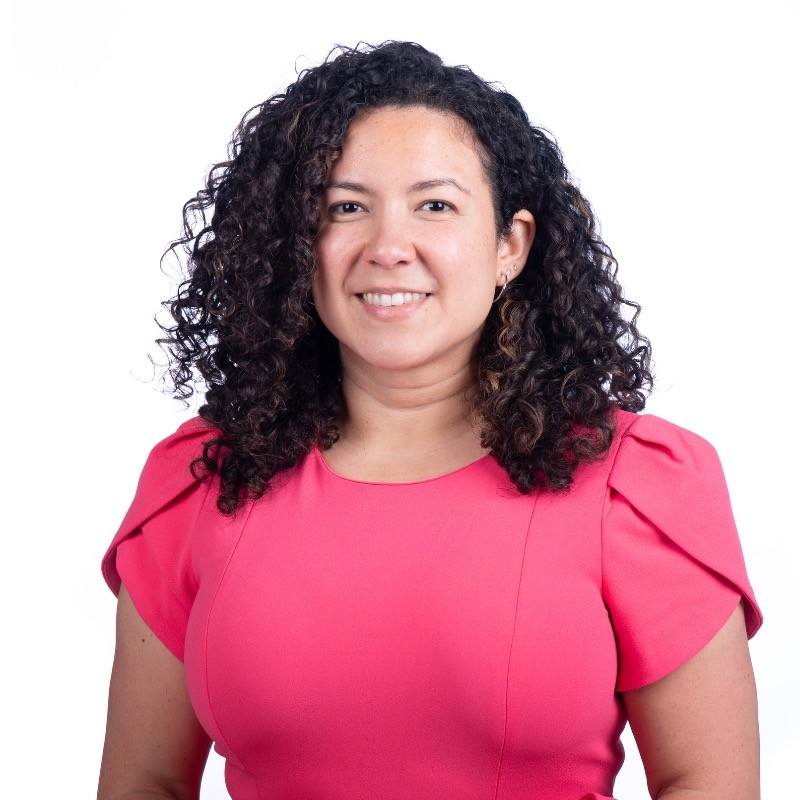
Designing AI With People in the Loop: Lessons from Socio Technical Systems Deployments
Rosemarie Santa Gonzalez
Research Scientist II, Institute for Robotics & Intelligent Machines at Georgia Tech
Feb 19, 2026
12:00 p.m. Lunch (while supplies last); 12:30 p.m. talk starts
Location: Hodges Room, 3rd floor, Centergy One building in Technology Square
Abstract: AI is increasingly deployed in high stakes environments that shape access to essential resources such as food, logistics, or healthcare. Yet, many AI efforts struggle in long term deployment, not because of technical limitations, but because challenges related to people, communities, and real world contexts in which they operate. This talk presents a people first, socio technical approach to designing and deploying AI systems with humans in the loop. By integrating community engaged research with optimization and agent based modeling, the work demonstrates how participatory design reshapes data practices, modeling assumptions, and evaluation criteria. Drawing on deployments in food access planning, decentralized cold chain logistics, and AI technologies designed with seniors, the talk highlights how real world constraints and community knowledge surface critical design and deployment considerations often invisible in lab based workflows. The talk concludes with open research directions for building people centered AI infrastructures through interdisciplinary collaboration, translation to impact, and long-term stewardship.
Bio: Rosemarie Santa González, Ph.D. is a Georgia Tech research faculty member working at the intersection of AI, optimization, and people centered system design. Her research focuses on ethical, deployable AI enabled decision support tools for high stakes domains such as food access, logistics, healthcare, and aging services, using community-engaged methods to translate research into real-world impact.
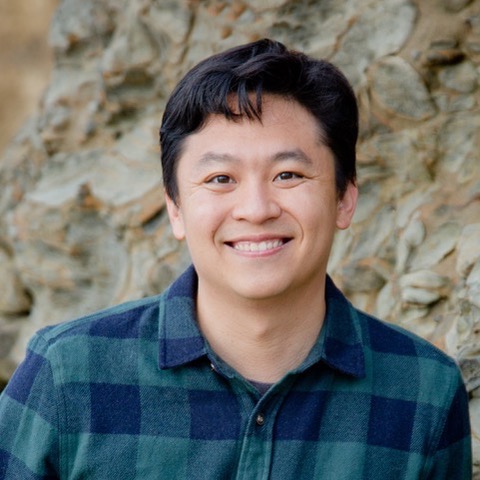
Computational Ecosystems: Advancing Human Values Through Integrative Computing and Changing Practice
Haoqi Zhang
Associate Professor in Computer Science and Design at Northwestern University
Feb 12, 2026
12:00 p.m. Lunch (while supplies last); 12:30 p.m. talk starts
Location: Hodges Room, 3rd floor, Centergy One building in Technology Square
Abstract: Despite decades of computing advances, some human problems and core human values have remained difficult to solve or promote at scale. Instead of advancing individual technologies, I focus our attention on making major leaps in system-level thinking and orchestration. Specifically, I describe my efforts to design, build, and study computational ecosystems that interweave effective practices, interactional structures, and intelligent systems to form new, integrative solutions. Computational ecosystems emphasize (1) combining wedges of human and machine intelligence to make effective practices feasible; and (2) creating processes, interactions, and communities that sustain and deepen practice. In the first half of my talk, I will share examples of computational ecosystems we built over the last decade that transform how we plan, coordinate, connect, learn, and innovate. The second half of my talk will share our more recent efforts to support human practices and human experiences computationally. I will close with a few thoughts on why we need computational ecosystems, especially if we intend to not only meet our consequentialist aims but to deepen our engagement in intrinsically valuable human activities.
Bio: Haoqi Zhang is an associate professor in Computer Science and Design at Northwestern University. His work advances the design of integrated socio-technical models that solve complex problems and advance human values. His research work bridges across Computer Science, Design, Learning Science, Psychology, and Philosophy, and is generously supported by the National Science Foundation. Haoqi received his PhD in Computer Science and BA in Computer Science and Economics from Harvard University. At Northwestern he founded and directs the Design, Technology, and Research (DTR) program, which provides an original model for learning and growing through research for over 180 students (read the DTR annual letters, available at dtr.northwestern.edu/letters; and watch the DTR documentary, Forward, at http://forward.movie). With Matt Easterday, Liz Gerber, and Nell O’Rourke, Haoqi co-directs the Delta Lab, an interdisciplinary research lab and design studio across computer science, learning science, and design.
""

Accompaniment in Human-Centered Design: From Digital Interventions to Community and Dialogue
Susan Wyche
Associate Professor, Department of Media and Information, Michigan State University
Feb 5, 2026
12:00 p.m. Lunch (while supplies last); 12:30 p.m. talk starts
Location: Hodges Room, 3rd floor, Centergy One building in Technology Square
Abstract: In this talk, I will describe how the idea of accompaniment, which emerges from liberation theology and global health, can strengthen human-centered design (HCD) practices in the Information and Communication Technology and Development (ICTD) field. Drawing on my research in Kenya, I will present two projects that show how accompaniment offers another way of approaching design, one that prioritizes listening, mutual understanding, and long-term impact over problem solving and the development of novel technologies. The first project uses an HCD approach to develop an intervention that supports Kenyan youth with Type 1 diabetes in managing their condition. Although our original goal was to create a mobile health (mHealth) application, by relinquishing control of this intention we made space for unexpected outcomes to emerge, including a paper-based logbook and stronger community connections among participants. The second project is a Michigan State University course that connects students with peers at Kenya’s Egerton University to collaborate on design projects. The course activities turn the gaze on us; that is, MSU students became participants of inquiry themselves, reflecting on their own assumptions rather than designing interventions to address perceived problems in Kenya. I conclude by emphasizing the importance of adopting design processes that acknowledge both the possibilities and limits of design, and that support more reciprocal and just collaborations between the Global North and South.
Bio: Dr. Susan Wyche is an Associate Professor in the Department of Media and Information at Michigan State University and a faculty affiliate of the university’s African Studies Center. Her research focuses on Human–Computer Interaction (HCI) and Information and Communication Technology for Development (ICTD). For nearly two decades, her research program has sought to: 1) understand how people in Africa use ICTs and design technologies that reflect their contexts; 2) critically examine whether ICTs support socioeconomic development; and 3) increase African participation in technology design and research. To achieve these goals, she has conducted extensive fieldwork in Kenya since 2007 and collaborates with local partners to co-design interventions and develop educational programs that promote more inclusive and globally informed approaches to computing. Her work has been supported by the National Science Foundation, the National Institutes of Health, USAID, and the Mozilla Foundation.
""
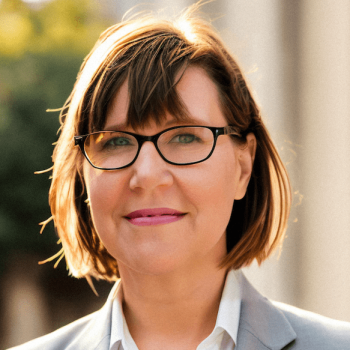
Everyday Data and AI Practices: A Novel Approach to Studying Workplace Computing
Betsy DiSalvo, Ph.D.
Professor in the School of Interactive Computing at Georgia Tech
Jan 29, 2026
12:00 p.m. Lunch (while supplies last); 12:30 p.m. talk starts
Location: Hodges Room, 3rd floor, Centergy One building in Technology Square
Abstract: GT DataWorks recruits and trains employees with little technical background to execute data projects for clients. Over five years, we built this participatory research platform with employees, focusing on critical data literacy, career development, and the role of data in generative AI training. Data skills are essential across a growing range of professions, driving demand for data-centric curricula in formal and informal learning environments. Yet most educational programs fail to meet the needs of the largest group affected by this change: working adults with limited technical backgrounds. To bridge this gap and create a platform for studying data education and the data-driven workplace, we developed GT DataWorks—a data services provider embedded at Georgia Tech that executes data projects for external and internal clients. Our work explores how real-world data practices influence the preparation of datasets that fuel generative AI systems and highlights the ethical implications of such work. This talk will provide an overview of this hybrid outreach and research platform, emphasizing how employees transitioned from research subjects to active research contributors, shaping our understanding of data's role in everyday workplaces and AI training.
Bio: Dr. Betsy DiSalvo is a professor in the School of Interactive Computing at Georgia Institute of Technology. Her research focuses on learning sciences, participatory design, and human-centered computing. DiSalvo leads the Culture and Technology Lab (CAT Lab), where she advises students studying the intersection of culture and technology in learning, workplaces, family life, and emerging research on the production of generative AI. This research focus has resulted in award-winning educational games and two workplace environments that served as research platforms: DataWorks, a self-sustaining cost center providing data work and a way to examine technology workplaces, and Glitch Game Testers, a job program for high school students testing video games and learning foundational CS skills. Dr. DiSalvo serves on the editorial board of Transactions on Computing Education, is a member of the Computing Research Association's Widening Participation Board, and has held leadership roles in ACM and other research organizations. She has contributed to numerous art and museum projects for organizations such as the Carnegie Science Museum, the Children's Museum of Atlanta, and the Walker Art Center. Dr. DiSalvo earned her Ph.D. in Human-Centered Computing from Georgia Tech in 2012.
""
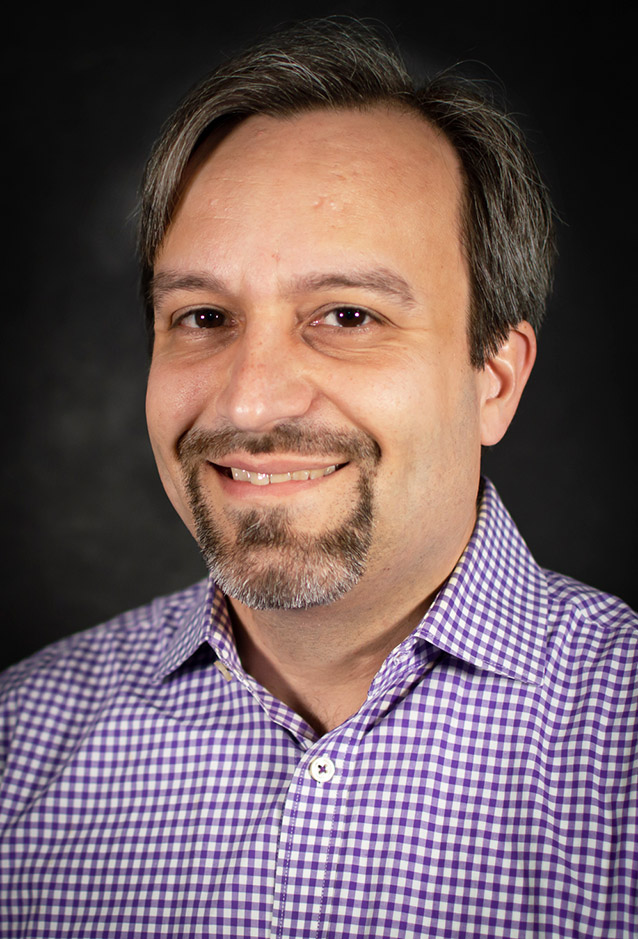
Will AI Change Cartography, Or Will Cartographers Change AI?
Anthony Robinson, Ph.D.
E. Willard & Ruby S. Miller Professor of Geography, Director of Online Geospatial Education Programs, and Director of the GeoGraphics Lab at Penn State University
Jan 15, 2026
12:00 p.m. Lunch (while supplies last); 12:30 p.m. talk starts
Location: Hodges Room, 3rd floor, Centergy One building in Technology Square
Abstract: At its heart, making maps involves simplifying reality to help us navigate and to explain our world. Cartographers are trained in the art and science of shaping spatial data to support a wide range of user needs. The rise of AI begs us to consider how the process of designing geovisualizations should change. AI also offers the potential to serve as an interactive assistant to help people understand what they see in a geographic visualization. In this talk, I highlights results from recent efforts to envision how cartographers might use AI, as well as ongoing work to leverage AI approaches for improving map accessibility for people who are blind or visually-impaired. I conclude with reflections on why automating cartographic design is hard, and why I think it might remain that way despite the promises of AI.
Bio: Dr. Anthony Robinson is E. Willard & Ruby S. Miller Professor of Geography, Director of Online Geospatial Education Programs, and Director of the GeoGraphics Lab at Penn State. His research focuses broadly on designing and evaluating geovisualization tools to improve geographic information utility and usability. Using methods that draw upon Human-Computer Interaction studies, his research has focused on contexts like epidemiology, crisis management, higher education, and ecology. Dr. Robinson is the current Chair of the American Association of Geographers Cartography & Mapping Specialty Group, a past-President of the North American Cartographic Information Society, and vice-Chair of the International Cartographic Association Commission on Geovisualization.


